Political Prisoner Farhad Ariai on Hunger Strike

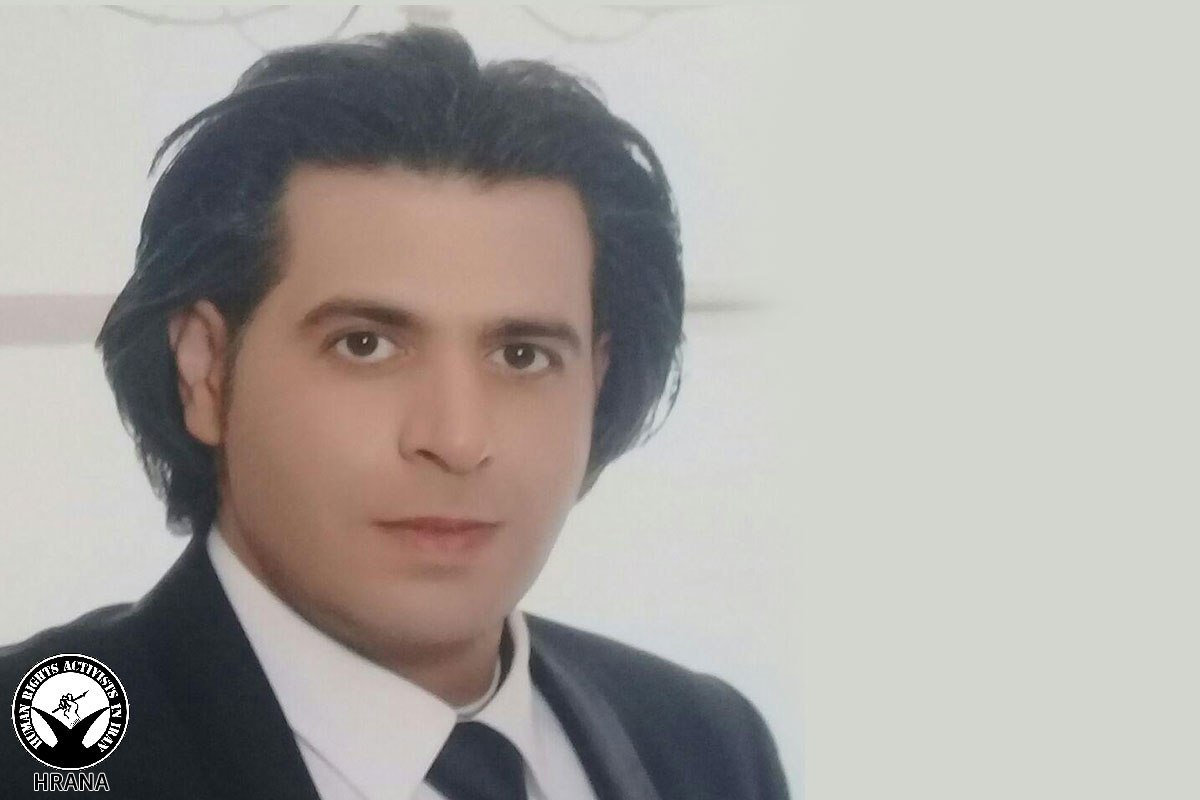
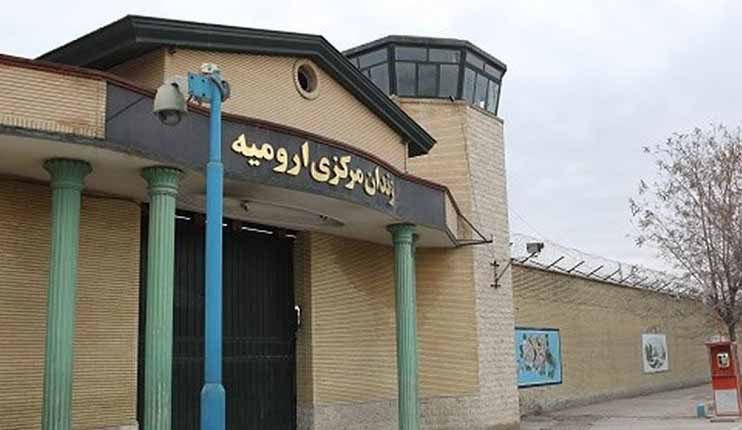
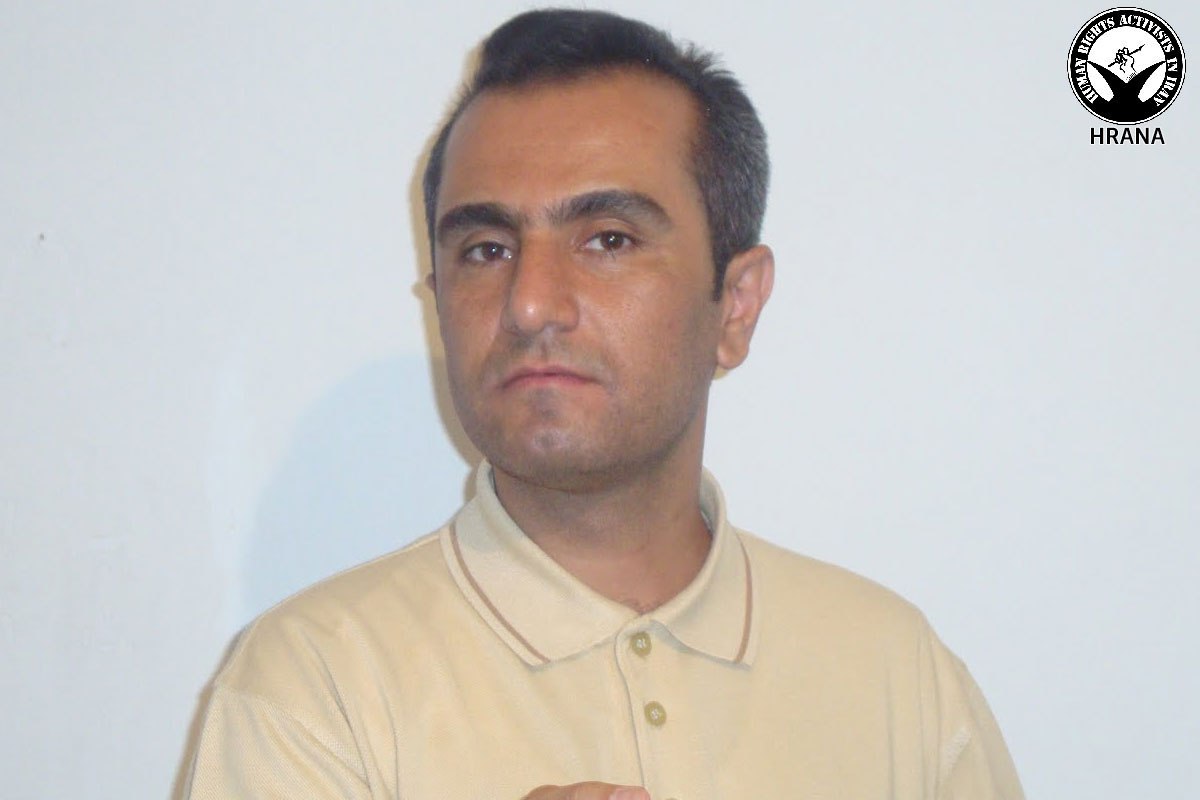
Human Rights Activists News Agency (HRANA) – Farhad Ariai Sahrapeyma, a political prisoner in the labor ward of the central prison of Urmia, who has served six years of a seven-year sentence, began a hunger strike on Wednesday, August 15, 2018.

Mr Ariai, who is eligible for early release, began his hunger strike in protest to the court’s refusal to grant him early release and its lack of enforcement of Article 134 of Iran’s Islamic Penal Code. Article 134 holds that people convicted of crimes should serve only the term of their most serious sentence instead of the sum total of all of their sentences.

According to an informed source, Mr Ariai was immediately transferred to solitary confinement after beginning his hunger strike. Mr Ariai has previously gone on hunger strike. Last year, he began a hunger strike to protest his deprivation of furlough, after which guards forcefully handcuffed and transferred him to the labor ward in prison, where he has been held since.

Farhad Ariai Shahrapeyma was arrested in December 2012 and charged with “Cooperation with opposition groups” and “Propaganda against the regime”. He was sentenced to a seven-year prison term.

In January 2016, HRANA had published a list of 27 political prisoners and prisoners of conscience who were held in the regular prison wards of Urmia central prison.

Death Row Prisoner Denied Medical Care in Sanandaj

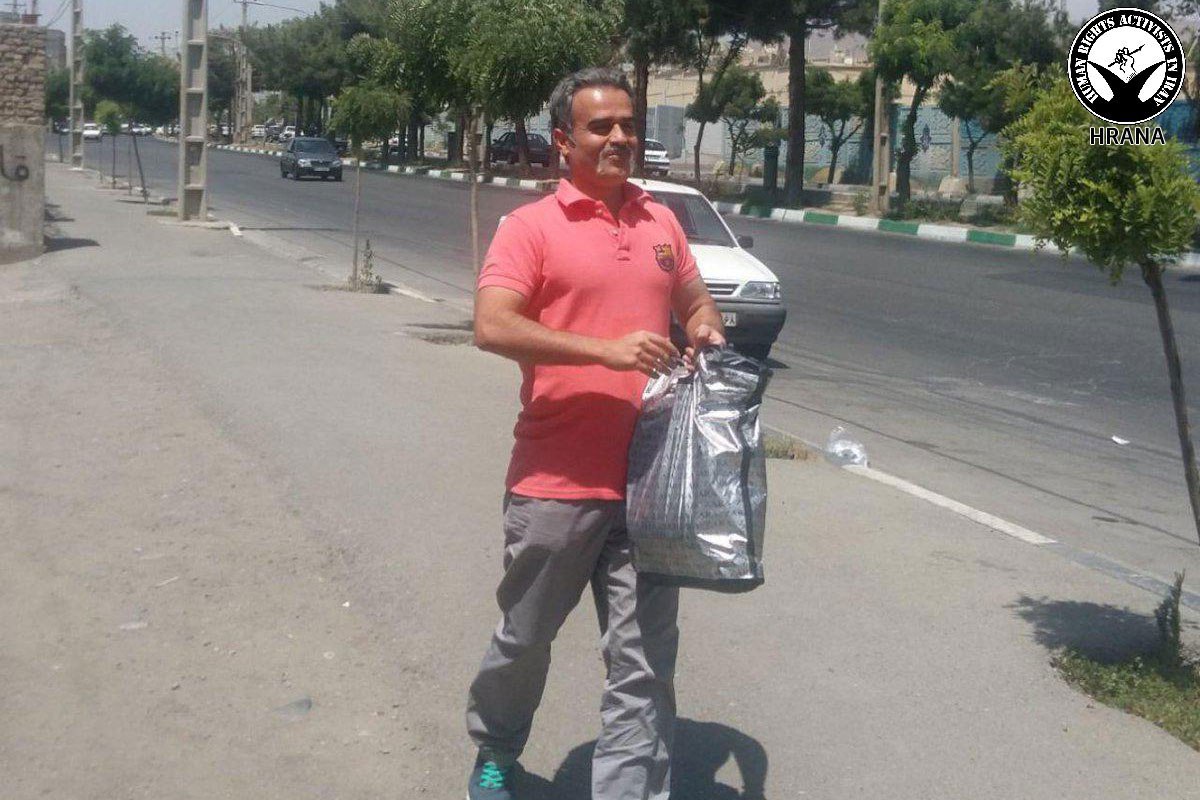
Human Rights Activists News Agency (HRANA)- Gholamreza (Shoresh) Morovati, imprisoned in Sanandaj Central Prison, has been denied access to medical care despite a serious injury to the tendons of his feet for more than two weeks. Mr Morovati injured his foot in a sporting accident in Saghez Prison, but instead of being transferred to the prison’s clinic, Iranian authorities moved him to solitary confinement. Eleven days later, Mr Morovati was reportedly transferred to Sanandaj Prison without receiving any medical care.

Gholamreza Morovati was sentenced to death on murder charges in connection to an armed robbery, he has been imprisoned for the past nine years. Last year, he was transferred from Rajai Shahr Prison to Saghez Prison after he had protested the unclear situation of his case.

Mr Morovati reportedly requested from the authorities to execute him as a result of not being able to tolerate prison conditions.

Political Activist Majid Azarpey Arrested, Begins Prison Sentence

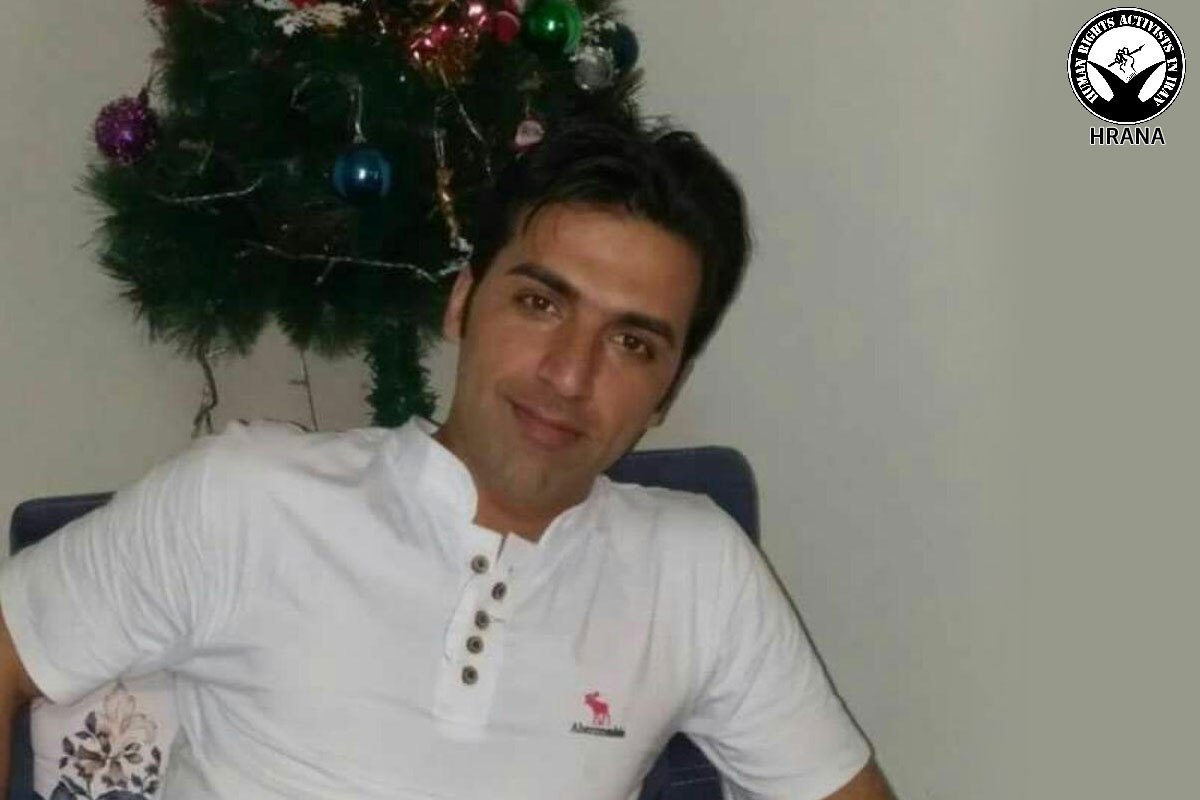
Human Rights Activists News Agency (HRANA) – Majid Azarpey, a reformist political activist, was arrested on Wednesday, August 15, 2018, and transferred to the quarantine ward of Evin Prison.

Azarpey was sentenced in November 2015 to six and a half years in prison and fined approximately $300 USD (30,000,000 Rial) by branch 28 of the Tehran Revolutionary Court, presided by Judge Moghiseh. His sentence was reportedly upheld by branch 36 of the Tehran Appeals Court in November 2017.

When he was arrested on Wednesday, he was complying with a phone call he had received on Monday, summoning him to Evin court to pay the $300 fine.

Azarpey was previously arrested in June 2015 by Islamic Revolutionary Guard Corps (IRGC) Intelligence agents and released after eight months on approximately a $70,000 USD (7 billion Rial) bail on February 10, 2016.

Political Activist Sentenced to 13-Year Prison Term

Human Rights Activists News Agency (HRANA) – Ruhollah Ahura Hedayati, a citizen from the city of Shazand (western Iran), who was previously arrested in October of last year and released on bail after two months, was sentenced to a total of 13 years in prison after being charged with “Propaganda against the regime”, “Membership in groups aimed at undermining the security of the country”, “Blasphemy” and “Insulting religious beliefs and leadership.” Mr Hedayati was sentenced in the First Branch of the Shazand Revolutionary Court, presided by Hassan Hosseini. According to the ruling, in line with Article 134 of Iran’s Islamic Penal Code, only the most severe sentence should be served.

An informed source told HRANA that Mr Hedayati was charged with “Possession of two grams of a controlled substance”, which carried a cash fine of four million Rials (approximately $83 USD) and a sentence of fifty lashes.

According to the Court, the sentence was issued based on Mr Hedayati’s “clear” confession to attending the celebration of “Cyrus the Great Day” on October 28, 2016, in the city of Shiraz. According to the ruling, the evidence for Mr Hedayati’s presence at the celebration was based on videos and photos taken from the gathering at the tomb of Cyrus, a ruler of ancient Persia, and Mr. Hedayati’s own confessions to writing slogans on the walls and installations of a detention center and Intelligence office in Arak.

Three Reports of Misconduct toward Political Prisoners in Urmia

Human Rights Activists News Agency (HRANA) – Last week, HRANA received three confirmed reports of misconduct to three political prisoners in Urmia’s central prison. Azad Mohammadi and Hassan Peyghami were transferred from Ward 12 to the psychotherapy ward after reportedly engaging in a verbal dispute with a prison authority by the name of “Medadi”. Political prisoner Abdolrahman Fattahi was reportedly beaten by a prison guard by the name of Rasoul Ghanizadeh and two other prisoners. As a result of the attack, Mr Fattahi reportedly began a hunger strike in addition to filing a complaint against his attackers.

Azad Mohammadi was arrested in May 2016 and sentenced to three and a half years in prison. Hassan Peyghami is reportedly facing a new charge of “Insulting the Supreme Leader”. A source close to Mr Peyghami told HRANA: “Hassan Peyghami got involved in a verbal dispute with a former IRGC (Islamic Revolutionary Guard Corps) agent who is imprisoned for embezzlement and other financial offenses. [Mr Peyghami] may face new charges as a result of this.” On September 19, 2016, Mr Peyghami was sentenced to 30 months in prison by Branch 1 of the Urmia Revolutionary Court, presided by Judge Chabok, for the charge of “Acting against national security”. Mr Peyghami was reportedly arrested two years ago for the same charge and served a two-year prison exile sentence Urmia and Tabriz.

The misconduct of the authorities in Urmia’s central prison toward prisoners is not unprecedented. Prisoner Saeed Seyed Abbasi was also attacked and beaten by the head of the prison and transferred to solitary confinement and denied medical care. In April 2018, HRANA reported on an attack against Saeed Nouri, a former IRGC lieutenant, by two prison authorities.

Subscribe to Our Newsletter

Now is definitely not the time to stop reading!

Two New Cases Opened Against Nasrin Sotoudeh

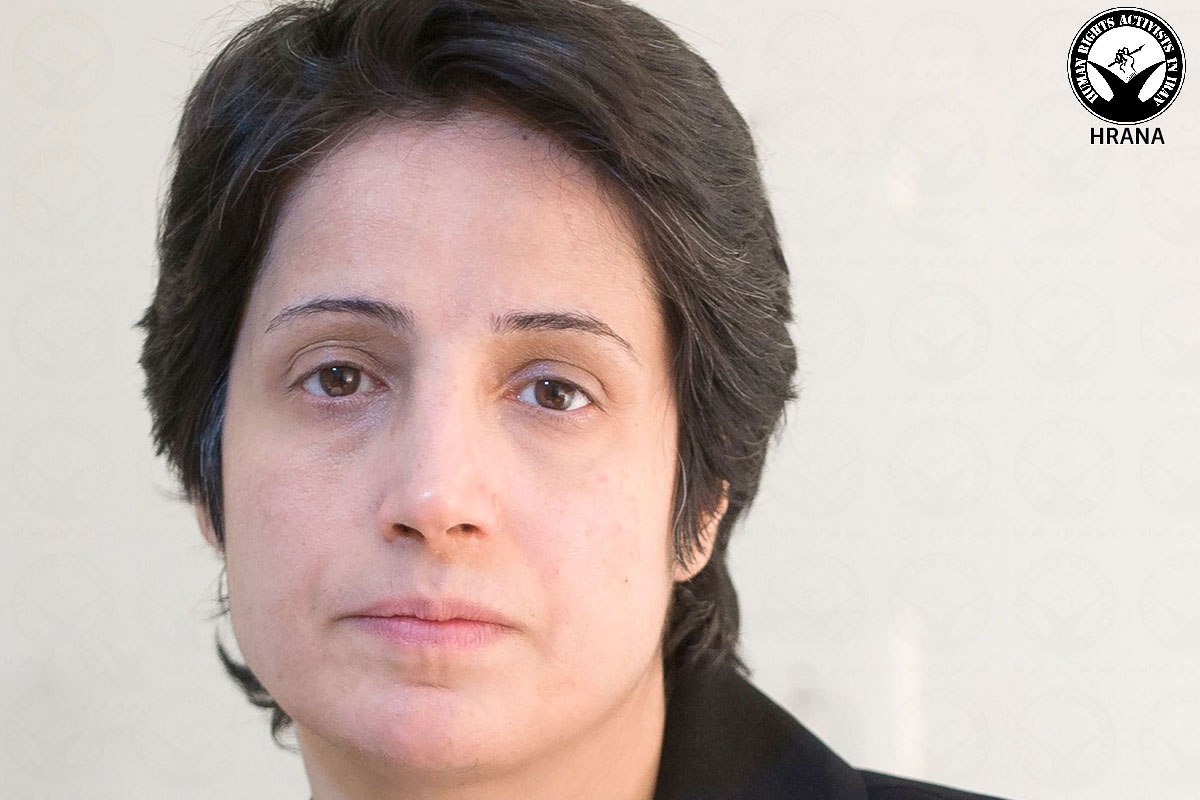
Human Rights Activists News Agency (HRANA) – Payam Derafshan, the lawyer of prominent lawyer and human rights activist Nasrin Sotoudeh, has announced that two new case files have been opened against his client. Ms Sotoudeh is currently detained in Tehran’s Evin Prison.

According to a report by the state-run news agency IRNA, Mr Derafshan said: “My client was recently arrested after being convicted in absentia by Branch 28 of the Tehran Revolutionary Court.” According to Ms Sotoudeh’s lawyer, she was charged with “Propaganda against the regime” and “Insulting the Supreme Leader”, but despite this, Branch 28 issued a ruling on the charge of “Espionage”.

According to Payam Derafshan, Nasrin Sotoudeh is currently serving a five-year prison term on the charge of espionage, which is not mentioned in her indictment. Ms Sotoudeh was previously arrested in September 2010 and sentenced to an 11-year prison term, a 20-year ban from practicing law, and a 20-year travel ban. Her sentence was reduced by an appeals court to a six-year prison term and a 10-year ban from practicing law. Nasrin Sotoudeh was released from prison after serving three years. She was arrested again in June 2018.

Narges Mohammadi Transferred to Hospital Following Deterioration of Health

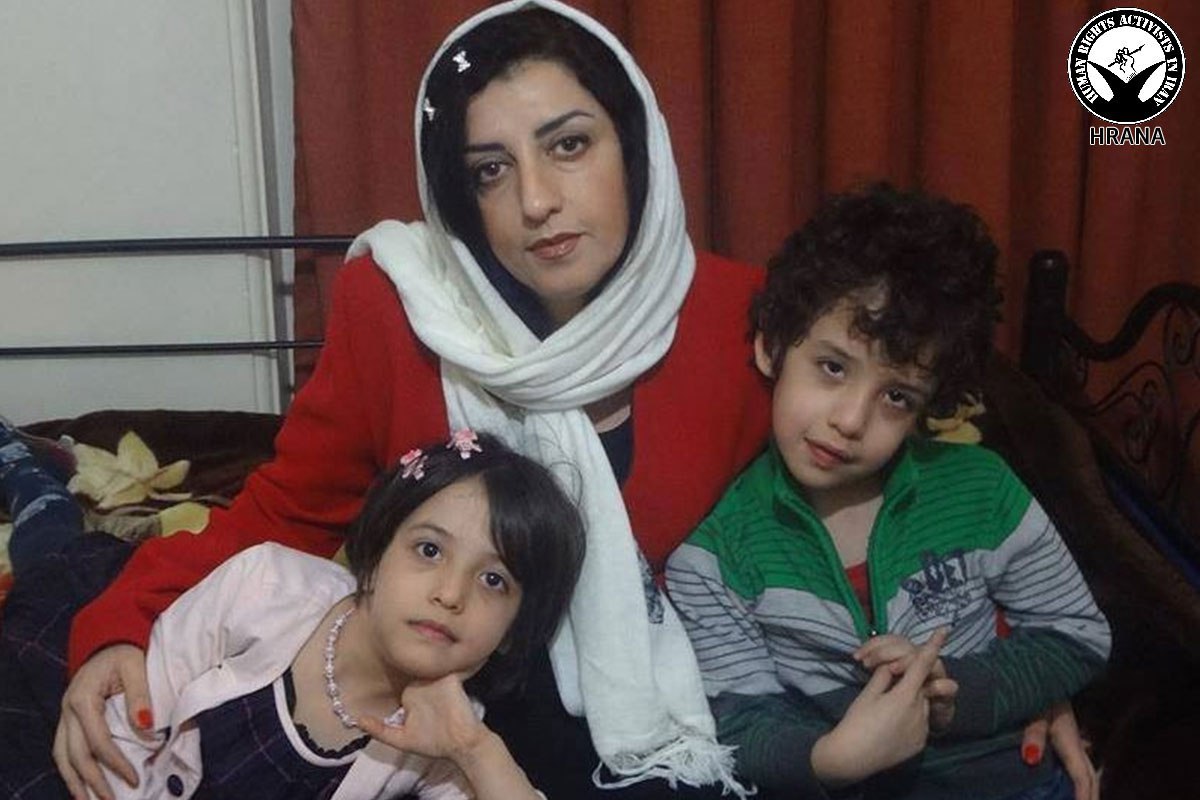
Human Rights Activists News Agency (HRANA) – Narges Mohammadi, Deputy Head of the Centre for Human Rights Defenders who is detained in Evin Prison, was transferred to the hospital early Monday morning following the deterioration of her health. On August 6th, prison authorities reportedly prevented her from seeing a neurologist.

Reza Khandan, husband of Nasrin Sotoudeh (also imprisoned in Evin), said in a note that during his last prison visit, Ms Sotoudeh had informed him of Ms Mohammadi’s critical physical condition and her urgent need to be transferred to the hospital. “Nasrin told me in a phone call that Narges Mohammadi suffered a seizure at 5:00 am and was sent to Imam Khomeini Hospital…” Mr Khandan said.

Narges Mohammadi was previously sent to the hospital on Saturday, June 30th and was returned to Evin prison on Thursday, July 5th after undergoing surgery.

According to Mahmoud Behzadirad, Ms Mohammadi’s lawyer, she suffers from bladder and gallbladder problems. “Six years and four months have passed since my client’s detention and there are around three years and eight months left on her sentence. However, despite the possibility of receiving the conditional release, her requests have not been approved so far,” said Mr Behzadirad.

In May 2016, a revolutionary court sentenced Narges Mohammadi to a 16-year prison term. The main accusation against her (making up 10 years of her sentence) was her cooperation to establish LEGAM, a campaign to abolish the death penalty. The court reportedly called her cooperation with the peaceful campaign as “creating a society aimed at undermining the security of the country”.

Ms Mohammadi stated that during her trial session, the judge was hostile and biased toward her and openly defended the allegations brought against her by Ministry of Intelligence officials. She said the judge accused her of attempting to change “divine laws” through her anti-death penalty activities. The other six years of Ms Mohammadi’s sentence are for the charges of “Gathering and colluding against national security” and “Propaganda against the regime”. The charges against Ms Mohammadi are based on media interviews she gave regarding human rights violations, her participation in peaceful gatherings to support families of prisoners on death row, her contact with other human rights defenders (including Nobel Peace Prize laureate Shirin Ebadi), her participation in peaceful protests to condemn acid attacks against women and her 2014 meeting with Catherine Ashton.

In September 2016, Branch 36 of the Tehran Appeals Court upheld Narges Mohammadi’s prison sentence. In May 2017, her request for a retrial was reportedly rejected by Iran’s Supreme Court.

Journalist & Human Rights Activist Ejlal Ghavami Summoned to Court in a New Case

Human Rights Activists News Agency (HRANA) – Ejlal Ghavami, journalist and human rights activist, was summoned to Branch 2 of the Sanandaj Revolutionary Court (western Iran) in a new case. “I will be tried on November 18th in relation to a previous case, this is another case,” Mr Ghavami said in a note.

Ejlal Ghavami was previously charged with “Propaganda against the regime”, “Speaking to anti-regime media”, “Disseminating lies” and “Insulting the Islamic Revolutionary Guard Corps (IRGC)”. He was acquitted, but upon objections from the Prosecutor, his case was sent to an appeals court.

On June 9, 2018, Mr Ghavami was summoned to the Intelligence office of the IRGC along with Hiwa Rahimi and Ahmad Khalighi, two other civil rights activists from the Kurdistan province. Late last year, he was summoned to Branch 1 of Prosecutor’s office in the Kurdistan province after he was interrogated by the Iranian Cyber Police (FATA). Mr Ghavami was interrogated by FATA in Sanandaj and on Monday, March 25, 2018, he was charged with “Relation and cooperation with anti-regime channels” and “Disseminating lies and illegal contents”.

Political Prisoner Jafar Shahin Eghdami Released After Completing 10-Year Sentence

Human Rights Activists News Agency (HRANA) – Jafar Eghdami, a political prisoner who was arrested while attending a gathering in September 2008 commemorating the anniversary of the 1980’s mass executions of political prisoners, was released from Karaj’s Rajai Shahr Prison on August 13th after reaching the end of his 10-year sentence.

Jafar Eghdami was sentenced to five years in prison by branch 28 of Tehran’s Revolutionary Court, presided by Judge Moghiseh, but his sentence was increased to ten years by an appeals court.

Jafar Shahin Eghdami was previously arrested multiple times by plainclothes and Intelligence forces during the student uprisings in July 1999. He was imprisoned for six years and released in May 2008.

Appeals Court Date Set for Imprisoned Evangelical Activist

Human Rights Activists News Agency (HRANA) – Majid Reza Souzanchi, 34, Christian convert detained in Evin Prison, has received a summons order to appear before Branch 54 of the Tehran Appeals court on December 11, 2018.

He was tried on April 25, 2018, along with Fatemeh Mohammadi for “Membership in Evangelical Groups and Evangelical Activities”, presided by Judge Ahmadzadeh. Mr Souzanchi was sentenced to five years in prison and Ms Mohammadi received a six-month prison sentence on charges of “Engaging in Evangelical activities” and “Acting against national security through propaganda against the regime”.

A source close to the defendants told HRANA that Mr Souzanchi suffered from broken ribs as a result of being beaten up twice during his interrogation by Intelligence Ministry agents. Souzanchi is also worried that his home was searched while he was in prison and some of his personal belongings and family photos were confiscated. He has written several letters [to the authorities] on the matter but has not received any response. In June, his prison cell was raided by agents who confiscated his personal belonging including a notebook in which he had written excerpts from the Bible.

Prison officials refer to Mr Souzanchi as “impure” and “Daeshi” (a member or ISIS). Mr Rostami, the Prosecutor’s representative, had told Mr Souzachi and Ms Mohammadi that “if we were in you Christians’ hands, you would have executed us”. Samad Hadipour, the investigator of Evin court’s Branch 3, referred to the church as a “casino”.

According to the Iranian Constitution, Christianity is a recognized religion. However, security apparatus in Iran are extremely sensitive toward Muslims converting to Christianity, and aggressively pursue evangelist activists.

Article 26 of the Iranian constitution guarantees religious minorities’ rights: “….recognized religious minorities’ associations are free [to exist]…and no one can be forced to participate in these associations or prevented from participating in one of them”.

Hassan Rouhani, Iranian President, during last year’s presidential election campaign stressed the importance of civil rights, and published a “Civil Rights Charter”. However, these promises have not been carried out.

Article 99 of the Charter states: “Citizens have the right to access facilities to participate in cultural life [of their choice], including the right to found associations, perform religious, cultural, and ethnic ceremonies as long as they respect the laws”.