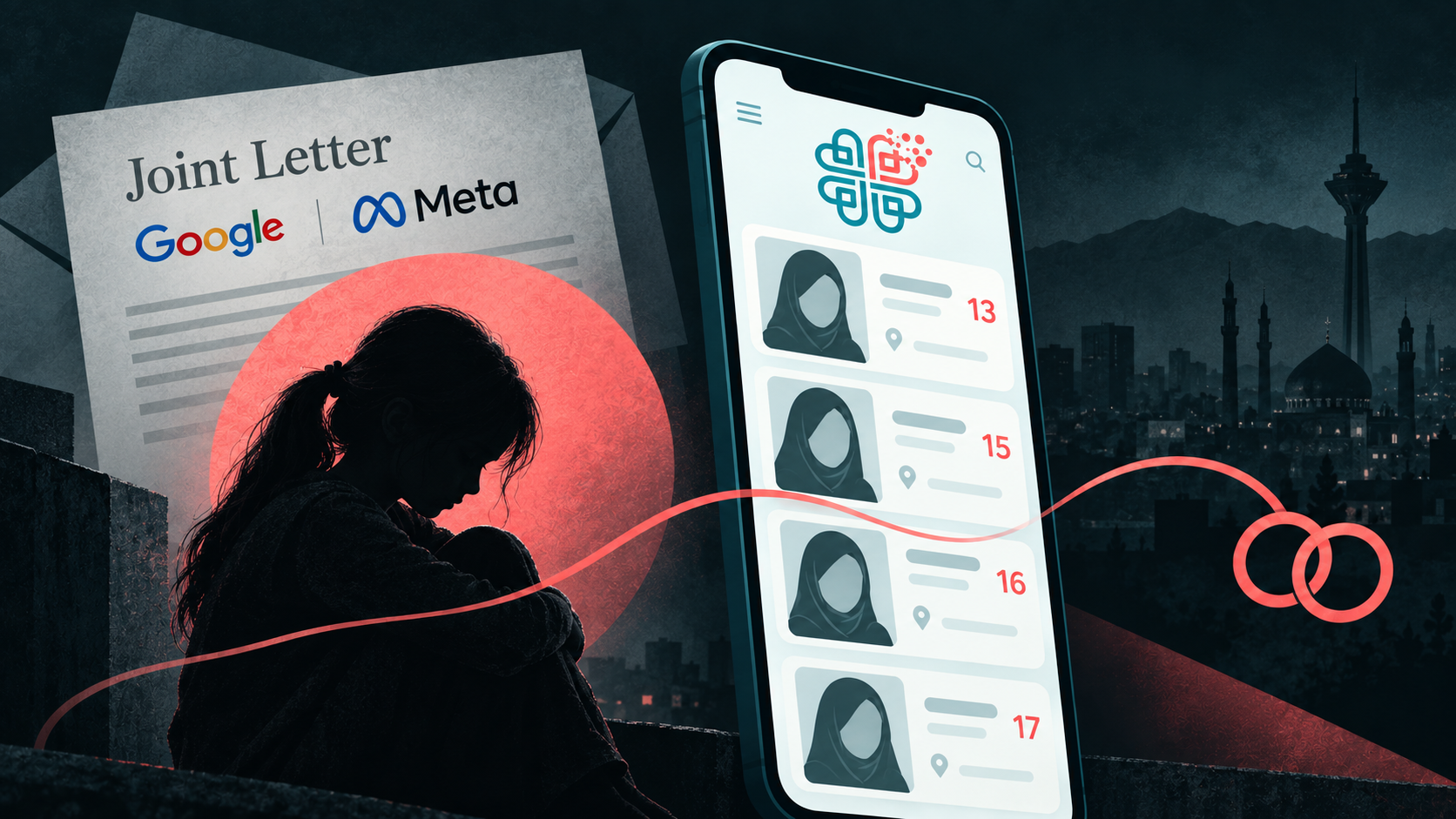
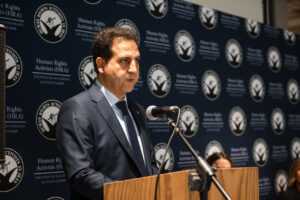
HRANA – Following the publication of HRA’s investigative report on the “Adam and Eve” application, which presented evidence that girls as young as 13 were being listed as prospective spouses, Google and Meta moved swiftly to remove the app and related promotional accounts from their platforms.
Read the full statement below:
Human Rights Activists (in Iran) (HRA) welcomes the swift action taken by Meta and Google following its investigation into “Adam and Eve,” an Iranian matchmaking platform that lists girls as young as 13 as prospective spouses. Both companies confirmed that they removed the application from their respective platforms after HRANA brought the findings to their attention.
A Meta spokesperson told HRANA:
“The exploitation of children is a horrific crime and we work aggressively to fight it on and off our platforms. We investigated the information provided by HRANA and identified external links to underage marriage services. We have removed these entities from Meta platforms.”
A Google spokesperson told HRANA:
“The app was removed from Google Play on October 9 for violating our policies.”
The responses follow the October 8 publication of HRA’s in-depth investigative reporton child marriage in the digital age, released ahead of the International Day of the Girl Child on October 11. Alongside the report, HRA and 23 other civil society organizations sent a joint letter to Google and Meta demanding urgent action to remove the application and its promotional accounts.
HRA is proud that its investigation, together with coordinated civil society advocacy, has helped secure concrete action to limit the platform’s distribution and promotion. The companies’ swift responses demonstrate the value of documenting abuses and bringing specific evidence directly to those positioned to act.
HRA also emphasizes that removal is an important first step. The joint letter called for measures to prevent the service from returning through alternative accounts, protect children’s identifying information, and strengthen safeguards against services that list or market children as prospective spouses.
HRA urges all technology companies to build on these actions and take measures to prevent their platforms from facilitating violations of children’s rights, now and in the future.
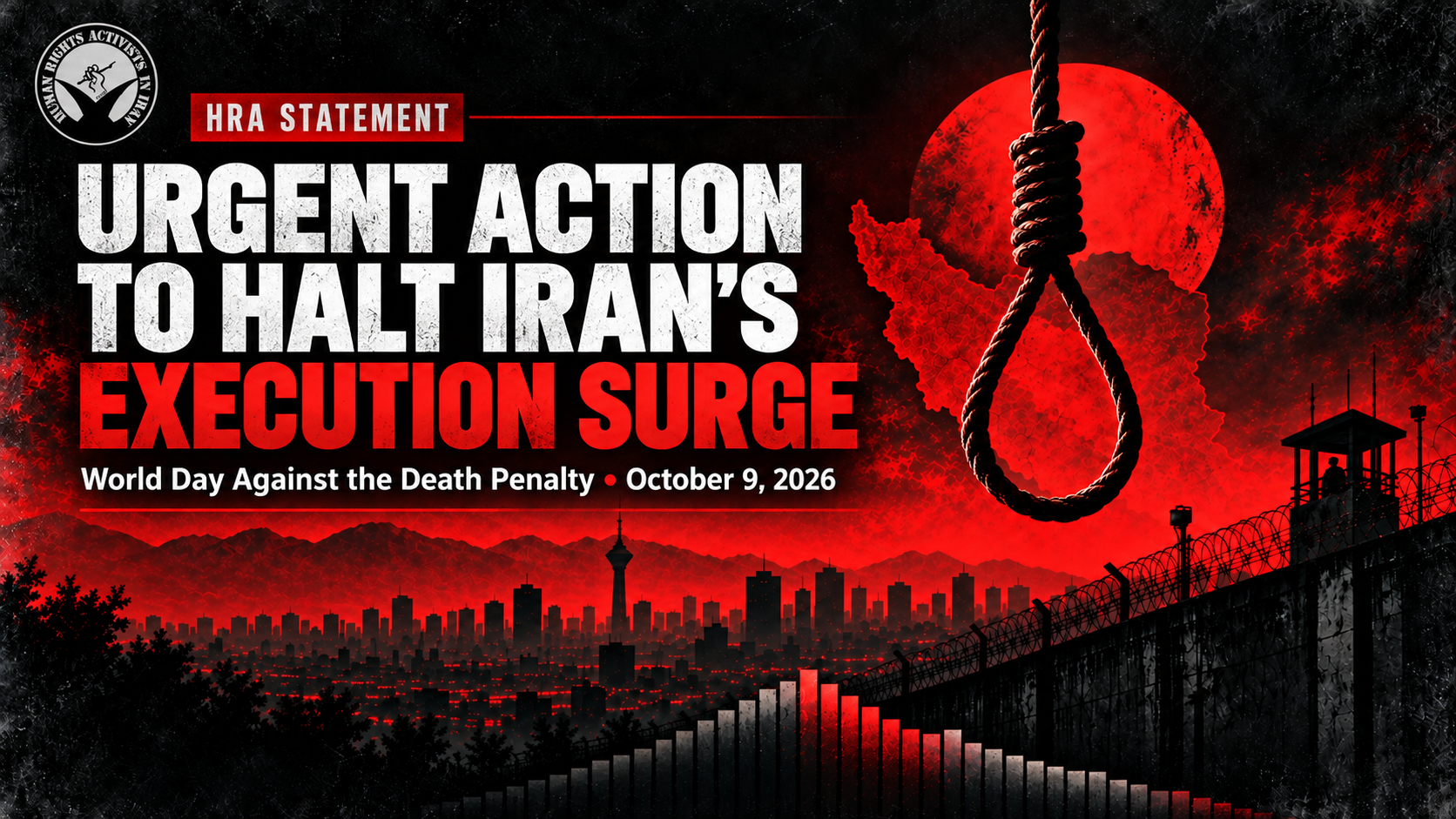
HRANA News Agency – HRA issued a statement today marking the 24th World Day Against the Death Penalty, warning of the sharp rise in executions in Iran and calling for urgent action to halt the use of capital punishment. Citing 932 executions documented so far in 2026 and at least 125 additional death sentences, HRA highlighted the use of the death penalty as a tool of political repression and raised serious concerns over torture, forced confessions, and systemic violations of fair trial rights. Read the full statement below.
On the 24th World Day Against the Death Penalty, Human Rights Activists in Iran (HRA) Calls for Urgent Action to Halt Iran’s Escalating Executions
October 09, 2026: On the occasion of the 24th World Day Against the Death Penalty, which this year highlights the global theme “Stories for Life” to honor human lives affected and destroyed by capital punishment, Human Rights Activists in Iran (HRA) strongly condemns the relentless and expanding use of the death penalty by the Iranian government.
Capital punishment in Iran continues to operate as a systematic instrument of political repression, societal intimidation, and state violence. HRA has documented the execution of 932 individuals so far in 2026, with a further 125 individuals sentenced to death. Behind each figure is a human life, a family, and a community bearing the consequences of state violence. See the associated detailed report released today
A Flagrant Violation of the Right to Life
The Islamic Republic’s use of the death penalty following grossly unfair trials, for offenses that do not meet the threshold of the “most serious crimes,” and against individuals who were under 18 at the time of the alleged offense violates the right to life protected under Article 6 of the International Covenant on Civil and Political Rights (ICCPR), to which Iran is a State party.
Death sentences are systematically handed down through judicial processes that fail to meet international fair trial standards. These proceedings are routinely marked by grave violations, including:
Forced Confessions: Security and intelligence agencies routinely extract “confessions” through severe physical and psychological torture, which the judiciary then uses as a basis for conviction. In the context of the January 2026 protests in Iran, HRA recorded 369 televised forced confessions, some of which were later used in trials against the accused. The use of torture to secure convictions strips proceedings of any claim to fairness and places defendants at risk of arbitrary execution.
The Execution of Minors and Young People: Iranian authorities continue to sentence and execute individuals who were under the age of 18 at the time of the alleged offense, in direct breach of the absolute prohibition on such death sentences under international law. Authorities have also executed young people in protest-related cases. Amirhossein Hatami was only 18 years old at the time of his execution. Saleh Mohammadi was 19 at the time of his execution and had been charged when he was 18.
Denial of Due Process: Defendants are routinely subjected to arbitrary arrest and enforced disappearance, leaving families unaware of their whereabouts. They are also denied access to independent legal representation and fair trial proceedings. These violations undermine their ability to challenge the allegations against them and expose them to irreversible punishment without meaningful safeguards.
The Post-January 2026 Protests and the Sharp Rise in Political Executions
From October 10, 2025, to October 7, 2026, 2,003 individuals were executed in Iran, including 69 on political and security-related charges.
As detailed in a recent report by HRA, this wave of executions reflects systematic actions by security and judicial authorities. In the period following the January 2026 protests, judicial authorities and revolutionary courts accelerated proceedings against political prisoners and demonstrators, issuing and carrying out death sentences following grossly unfair trials. The use of capital punishment in these cases extends repression beyond the streets and into courtrooms and prisons, threatening those who protest with the loss of their lives.
Urgent Calls to Action
On this 24th World Day Against the Death Penalty, HRA urgently calls upon the Iranian authorities to immediately establish an official moratorium on all executions as a first step toward abolition; commute all death sentences, particularly those stemming from political charges, protest-related cases, and offenses committed by individuals under 18; and end the use of torture and forced confessions to obtain convictions.
Authorities must ensure access to independent legal counsel, exclude evidence obtained through torture, and independently investigate allegations of torture and other grave violations in capital cases. No person should face execution for exercising their rights or following proceedings that deny them a fair trial.
Urgent Calls to Action
On this 24th World Day Against the Death Penalty, HRA urgently calls upon the Iranian authorities to immediately establish an official moratorium on all executions as a first step toward abolition; commute all death sentences, particularly those stemming from political charges, protest-related cases, and offenses committed by individuals under 18; and end the use of torture and forced confessions to obtain convictions.
Authorities must ensure access to independent legal counsel, exclude evidence obtained through torture, and independently investigate allegations of torture and other grave violations in capital cases. No person should face execution for exercising their rights or following proceedings that deny them a fair trial.
HRANA News Agency – Today, October 8, 2026, a joint letter signed by 24 civil society and human rights organizations was published, calling on Google and Meta to take action regarding the Iranian “Adam and Eve” platform and its role in facilitating child marriage. The signatories are urging the companies to remove the platform’s app and promotional accounts, strengthen child-protection safeguards, and examine its institutional affiliations. The full text of the letter appears below.
Joint Letter Demands Immediate Action from Google and Meta to End Their Role in Facilitating Child Marriage Through Iran’s “Adam and Eve” Platform
October 8, 2026
Ahead of the International Day of the Girl Child on October 11th, Human Rights Activists (in Iran) (HRA) and the undersigned organizations call on Google and Meta to remove the Adam and Eve matchmaking app from Google Play and its promotional accounts from Instagram and Threads. This year’s theme, “End child marriage and invest in girls’ rights,” demands action against digital services that present children as prospective spouses.
An HRA investigation, published today, documents how this Iranian state-licensed and state-promoted platform makes girls aged 13 to 17 publicly searchable as prospective spouses, without requiring an account. During testing conducted by HRA as part of its investigation, searches for girls aged 13–17 repeatedly reached the platform’s maximum display limit of 100 profiles, establishing that at least 100 girls in this age range were listed.
Although its stated terms permit female users over 15 to register, HRA found that the registration system accepts profiles for girls as young as 13. Users can also create profiles for first-degree relatives, including their children. Further, in September 2026, the platform promoted the marriage of a 16-year-old girl to a 23-year-old man as a success story. That announcement remains visible within the app.
Iranian law permits girls to marry at 13, and younger, with guardian permission and court approval. Licensed matchmaking services extend this system into digital spaces, increasing the visibility and accessibility of children to prospective spouses. Despite its legality under Iranian law, child marriage is incompatible with Iran’s obligations under the Convention on the Rights of the Child. The UN Committee on the Rights of the Child has explicitly called on Iran to raise the minimum marriage age to 18 and eliminate child marriage.
Additionally, Adam and Eve operates as an initiative of the Imam Reza Society, founded and led by a senior Islamic Revolutionary Guard Corps (IRGC) commander, Hossein Yekta. HRA’s investigation also documents organizational and personnel links to Astan Quds Razavi, raising concerns about connections to institutions subject to US sanctions.
Google Play distributes the app with an “Everyone” content rating and shows more than 100k downloads, while its Instagram account reaches approximately 192,000 followers. These services are effectively expanding the reach of a platform facilitating child marriage.
Google and Meta’s own safeguards provide a basis for action. Google Play requires apps whose core function is matchmaking to block minors and prohibits content facilitating child exploitation or abuse. In 2024, Meta’s Oversight Board upheld the removal of a video advertising beauty services for a 14-year-old bride under Meta’s Human Exploitation policy. Meta should apply the same reasoning to accounts promoting a service that lists children as prospective spouses.
The undersigned organizations call on Google and Meta to:
🔘Remove the app and its promotional accounts. Google should remove Adam and Eve from Google Play. Meta should remove its promotional accounts from Instagram and Threads. Both companies should cease advertising or otherwise promoting the service. Further, both companies should take measures to prevent Adam and Eve from being relisted through alternative developer account(s). Take steps to protect children already exposed through the service by ensuring that children’s names, photographs, ages, locations, contact information, or other identifying information are not publicly accessible or indexed.
🔘Strengthen child safeguarding. Prevent children from being listed or marketed as prospective spouses. Google should independently verify matchmaking apps’ age ratings and assess their content, functionality, and risks to children before publication and after material updates.
🔘Require independent verification of age ratings for dating and matchmaking apps. Google Play currently assigns content ratings through the International Age Rating Coalition system based on developers’ responses to a questionnaire. For dating and matchmaking apps, Google should require independent review of those declarations against the app’s content, functionality, eligibility rules, and risks to children, both before publication and following material updates. Developers’ own descriptions should not be sufficient to establish an app’s age rating.
🔘Investigate ownership and institutional links. Conduct ownership, control, and beneficiary screening in response to HRA’s findings.
🔘Respond within 30 days. Disclose the action taken to address these findings and what steps will be taken to prevent similar services from facilitating child m Provide an assessment of whether the companies found the service compliant with their child-safety and human-exploitation policies and what remedial measures were taken.
On the 2026 International Day of the Girl Child, the call to end child marriage must extend to the digital systems through which children can be made visible and accessible as prospective spouses.
Signed:
🔳مجموعه فعالان حقوق بشر در ایران / Human Rights Activists (in Iran) (HRA)
🔳Sassoufit Collective
🔳Lim Nguen Foundation (LNF)
🔳فعالان حقوق بشر ترکمن صحرا (Tuhra)
🔳SPECTRUM
🔳کانون صنفی معلمان مازندران / Mazandaran Teachers’ Trade Association
🔳NetFreedom Pioneers
🔳Kijiji Yeetu
🔳کانون صنفی معلمان ایران / Iranian Teachers’ Trade Association
🔳Manushya Foundation
🔳سازمان حقوق بشر کردپا / Kurdpa Human Rights Organization
🔳International Bar Association’s Human Rights Institute (IBAHRI)
🔳Just Access
🔳انجمن فرهنگیان هرسین / Harsin Educators’ Association
🔳حالوش / Haalvsh
🔳Femena
🔳Association for the Human Rights of the Azerbaijani People in Iran (AHRAZ)
🔳IPEK Center
🔳اتحاد بازنشستگان / Retirees’ Union
🔳DigiCivic Initiative
🔳Magamba Network
🔳World Organisation Against Torture (OMCT)
🔳کانون صنفی معلمان سنندج / Sanandaj Teachers’ Trade Association
🔳Innovation For Change (I4C) South Asia
HRANA– In September 2026, Human Rights Activists in Iran (HRA) launched a legal and advocacy initiative aimed at advancing accountability for alleged crimes against humanity committed by Iranian State authorities. At the center of this effort was HRA’s submission to Germany’s Federal Prosecutor General requesting the opening of a structural investigation (Strukturermittlungsverfahren) into the situation in Iran, with a particular evidentiary focus on the repression surrounding the nationwide protests of December 2025 and January 2026.
1. Overview
HRA submitted the request on September 1, 2026, with legal support from UpRights and German counsel. The nearly 109-page submission was the product of months of intensive investigation and drew on more than 60 interviews with victims, witnesses, and family members inside and outside Iran, together with extensive documentary and digital evidence. HRA also conducted weapons and injury analysis and mapped suspected perpetrators, relevant institutions, and command structures. The submission identifies upwards of 50 suspected perpetrators and analyzes their roles, institutional affiliations, links to documented incidents, and positions within relevant command structures.
The filing was accompanied by a coordinated public-engagement effort intended to explain the legal strategy, bring greater attention to the evidence documented by HRA, and build support for sustained accountability work. This included a public event in Berlin on September 3 bringing together German policymakers, lawyers, civil society representatives, media, and human rights practitioners; an article in Just Security explaining why Germany is particularly well placed to act and why investigative work should begin now; and an upcoming Just Access podcast addressing the filing.
Together, these activities sought to advance a central proposition underlying HRA’s work: documentation undertaken today can create the evidentiary foundation for accountability opportunities that may arise years later.
2. The Criminal Complaint and Request for a Structural Investigation
The submission asks Germany’s Federal Prosecutor General to open a structural investigation into alleged crimes against humanity committed by Iranian State authorities under Section 7 of the German Code of Crimes against International Law (Völkerstrafgesetzbuch, VStGB). HRA argues that the information submitted provides sufficient factual indications of multiple underlying acts potentially amounting to crimes against humanity and meets the threshold under Section 152(2) of the German Code of Criminal Procedure for opening an investigation.
The submission focuses principally on the nationwide protests that began on December 28, 2025. What began with shopkeepers and bazaar merchants in Tehran rapidly developed into a nationwide movement encompassing at least 203 cities across all 31 provinces. HRA documented 682 protest events, including 627 street demonstrations and 55 university assemblies.
According to HRA’s verified minimum figures at the time of submission, at least 7,068 people were killed, including 6,548 protesters, 236 children, and 77 other civilians, and at least 53,987 people were arrested or detained. HRA also documented at least 369 forced confessions broadcast through State and associated media. HRA emphasizes that these figures are verified minimums and do not purport to capture the full scale of the alleged violations.
Nature and Patterns of the Alleged Crimes
The evidence presented describes an alleged nationwide campaign involving multiple organs of the Iranian State, including the Islamic Revolutionary Guard Corps (IRGC), Basij forces, the Law Enforcement Command (LEF), intelligence and security forces, and the Judiciary.
The submission documents allegations including unlawful killings and mass shootings; arbitrary arrest and mass detention; enforced disappearance and incommunicado detention; torture and other ill-treatment; forced confessions; sexual violence; politically motivated persecution; interference with access to medical treatment; intimidation and coercion of victims’ families; interference with funerals, burials, and the recovery of bodies; and the use of capital proceedings and death sentences following manifestly unfair trials. More than 50 representative incidents are included to illustrate alleged criminal conduct across different locations, victim profiles, State institutions, and methods of repression.
HRA’s investigation also identified recurring features across geographically dispersed locations. These included the use of live ammunition, pellet-firing weapons, tear gas, and other forms of force against predominantly unarmed protesters and bystanders. The submission further describes a correlation between the nationwide telecommunications shutdown, the deliberate shutdown of public street lighting, and a marked escalation in lethal and other unlawful force. HRA argues that the recurrence of substantially similar methods across different locations indicates a coordinated pattern rather than a series of isolated incidents.
The submission also addresses alleged abuses following arrest. HRA documented reports of incommunicado detention, denial of access to lawyers, coerced confessions, expedited proceedings involving capital offenses, and death sentences following proceedings lacking basic fair-trial guarantees. It argues that these practices raise serious concerns that the criminal justice system itself has been used as an additional instrument of repression against protesters and perceived dissidents.
Suspected Perpetrators and Institutional Structures
A significant component of the investigation involved moving beyond documentation of individual incidents to examine who may bear responsibility for the alleged crimes.
The submission identifies nearly 50 suspected perpetrators and analyzes their positions, institutional affiliations, geographical areas of responsibility, links to representative incidents, and roles within relevant command structures. They include commanders within the IRGC, Basij, and LEF; heads of intelligence departments; governors; prison officials; prosecutors; and judicial authorities. The underlying information draws in part on HRA’s Spreading Justice Database and Pasdaran Documentation Project Database.
This perpetrator mapping was intended not to prejudge individual criminal responsibility, but to preserve and organize information relevant to determining how particular individuals, units, institutions, and command structures may have contributed to the alleged crimes.
3. Why a Structural Investigation
The request for a structural investigation reflects the nature of both the alleged crimes and the practical obstacles to accountability.
Unlike an investigation centered from the outset on a particular available suspect, a structural investigation would allow German prosecutors to examine the broader factual and organizational structures underlying the alleged crimes; collect and preserve testimonial, documentary, and digital evidence; identify patterns connecting individual incidents; map relevant State institutions and units; establish command structures and institutional relationships; and assess the potential responsibility of individuals who may have planned, ordered, facilitated, contributed to, or directly committed the underlying acts.
Although the December 2025–January 2026 crackdown provides the submission’s principal evidentiary focus, HRA argues that an investigation should not necessarily be confined to that period. The submission situates the recent events within a broader recurring pattern of repression against perceived opponents and civilian protesters, including the response to the 2022 “Woman, Life, Freedom” protests.
The objective is therefore both immediate and long-term: to preserve evidence and investigate structures now, rather than waiting until an individual suspected of involvement happens to become available to German authorities.
4. Why Germany
HRA argues that there is currently no realistic domestic route to accountability in Iran for alleged crimes committed by State authorities. Iran is not a State Party to the Rome Statute and has not lodged a declaration accepting ICC jurisdiction, leaving the ICC without jurisdiction over crimes committed wholly within Iran absent an unlikely United Nations Security Council referral.
At the same time, there are concrete links between the alleged crimes, available evidence, and Germany and the wider European context.
Victims, Witnesses, and Evidence in Europe
Victims, witnesses, and family members of people killed, injured, tortured, arbitrarily detained, or otherwise affected are already outside Iran. HRA has interviewed individuals who fled following the protests and are in Turkey or reaching EU countries, as well as victims and family members elsewhere in Europe and North America. HRA anticipates that continuing displacement may result in additional victims and witnesses reaching Europe.
Germany’s substantial Iranian diaspora provides additional possibilities for identifying witnesses and securing testimonial, documentary, and other evidence. A German structural investigation could also facilitate cooperation with other European jurisdictions in identifying and interviewing victims and witnesses and preserving evidence for possible future proceedings.
Potential Future Presence of Suspects
HRA has also documented past travel to Germany and other European States by senior current and former Iranian officials, including IRGC, government, and judicial officials, for personal, family-related, and medical reasons. HRA argues that these patterns make it realistic that persons potentially implicated in the alleged crimes may enter or transit through Germany or another European jurisdiction in the future, even though it is impossible to predict precisely who will travel, when, or where.
A structural investigation would therefore allow the evidentiary and investigative groundwork to be developed before such a situation arises, rather than requiring prosecutors to begin from scratch once a potential suspect comes within reach.
Transnational Repression
HRA further situates Germany’s interest within the context of Iranian State-sponsored transnational repression. It describes links between Iranian State actors—including the IRGC, Quds Force, Ministry of Intelligence and Security, and associated networks—and surveillance, intimidation, threats, attempted abductions, and assassination plots targeting perceived opponents abroad. The submission notes that members of the Iranian diaspora have faced threats and intimidation in Germany and argues that some State actors implicated in domestic repression are also linked to increased transnational activities targeting perceived opponents outside Iran.
Together, the availability of evidence and witnesses, potential future presence of suspects, Germany’s Iranian diaspora, transnational repression affecting Germany, and Germany’s experience with structural investigations form the principal practical nexus supporting HRA’s request.
5. September 3 Berlin Event
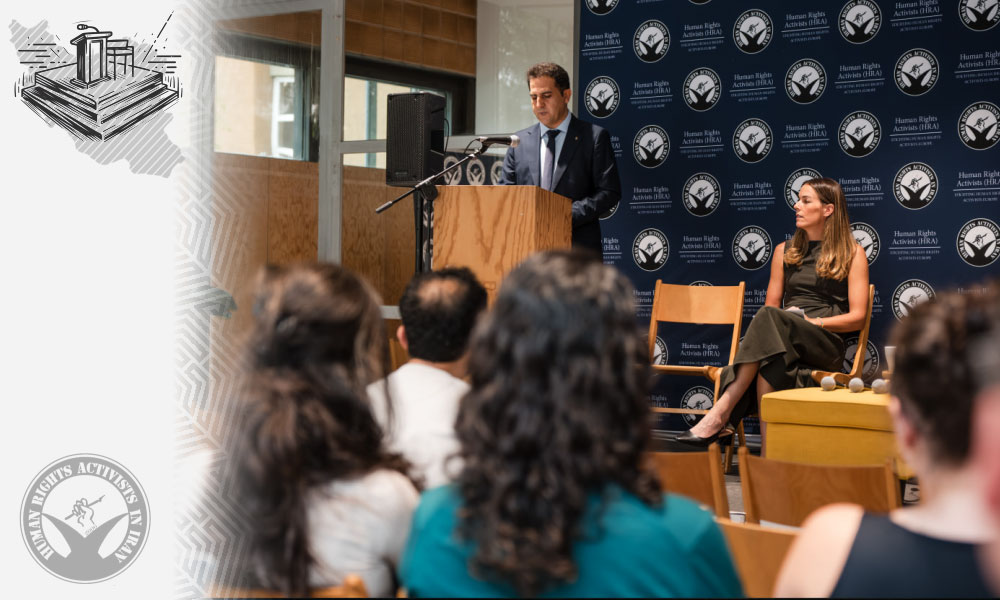
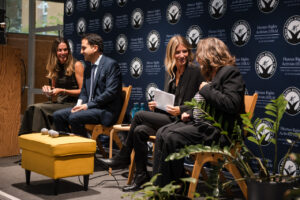
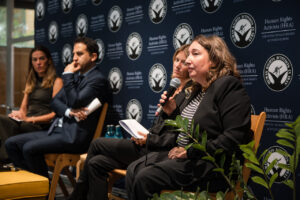
Two days after the submission, HRA and UpRights convened a panel event in Berlin to publicly announce the filing and discuss its significance. The audience included German policymakers, lawyers, civil society representatives, media, activists, and human rights practitioners.
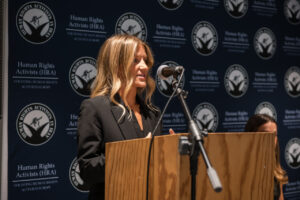
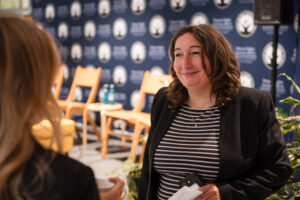
The panel was moderated by Skylar Thompson, Deputy Director of HRA, and featured Jennifer Connet, Legal Advisor at HRA; Valérie Gabard, Co-Director of UpRights; and Sina Yousefi, an Iranian human rights lawyer and former Deputy Chair of the Human Rights Commission of the East Azerbaijan Bar Association.
Skylar Thompson
Thompson provided the broader context for HRA and UpRights’ efforts to pursue legal action in Germany and discussed plans for continued cooperation with investigative and prosecutorial efforts across Europe. She emphasized the importance of sustained documentation and international coordination, particularly as victims and witnesses continue to leave Iran and opportunities for accountability may emerge unpredictably. She also underscored that systematic documentation is the foundation on which both present and future accountability efforts depend.
Sina Yousefi
Yousefi brought the perspective of an Iranian human rights lawyer who had practiced in Iran in the aftermath of the 2022 nationwide protests. Drawing on his professional and personal experience, he discussed patterns of repression directed against protesters and explained why the events following the “Woman, Life, Freedom” protests remain relevant to understanding the more recent crackdown.
His contribution also reinforced an important aspect of the submission: the December 2025–January 2026 crackdown should not necessarily be understood in isolation from recurring patterns of State repression documented during earlier protest movements. The Executive Summary similarly asks German prosecutors to consider the broader situation in Iran, including alleged international crimes committed in connection with the 2022 protests.
Jennifer Connet
Connet presented aspects of HRA’s investigation and its engagement with victims and witnesses. She discussed the scale of HRA’s documentation and emphasized that the investigation depended fundamentally on the courage and trust of individuals who shared their experiences and evidence, including people who remain inside Iran.
Her presentation placed individual testimony within the broader patterns identified through HRA’s investigation: killings and shootings, injuries caused by live ammunition and pellet weapons, fear of seeking medical treatment, detention and torture, forced confessions, interference with families’ efforts to recover and bury their relatives, and other alleged abuses. These individual experiences form part of the evidentiary basis through which HRA has sought to identify patterns extending across locations, institutions, and stages of the crackdown.
Valérie Gabard
Gabard explained why a structural investigation is particularly suited to the allegations documented by HRA. As she emphasized, the alleged crimes are not connected simply to one suspect or one isolated incident, but to a broader State-backed system. A structural investigation can therefore provide a framework for investigating the broader situation while supporting potential future criminal accountability.
This closely reflects the rationale set out in the complaint: German prosecutors would be able to examine organizational structures and patterns, preserve evidence, identify relevant institutions and command relationships, and assess potential individual responsibility without waiting for a particular suspect to become immediately available.
The event concluded with questions from participants and a broader discussion about legal strategies, practical challenges, and opportunities for pursuing accountability beyond Iran, including the role German and European civil society could play as the initiative develops.
6. Extending the Initiative Beyond the Filing
The Germany initiative extended beyond the formal submission and the September 3 Berlin event. HRA also sought to bring the legal and strategic questions raised by the filing into broader legal, policy, and public discussions, with particular emphasis on why investigative action is possible before a specific suspect becomes available to German authorities.
As part of this effort, HRA’s Skylar Thompson and Jennifer Connet published an article in Just Security examining the strategic rationale for opening a structural investigation in Germany. While the submission sets out the underlying evidence and legal basis for HRA’s request, the article situates that request within the broader practice of universal-jurisdiction accountability. It emphasizes the value of beginning investigative work before the future presence of a particular suspect can be predicted, drawing on Germany’s experience with structural investigations concerning other situations, including Syria and Ukraine.
Together, these engagements form part of HRA’s broader effort to ensure that the filing serves not only as a submission of evidence to German authorities, but also as a basis for sustained engagement with legal practitioners, policymakers, civil society, and others working on accountability for alleged crimes committed in Iran.
7. Civil Society Engagement and Next Steps
The submission expressly contemplates continued cooperation between German authorities and civil society organizations possessing relevant evidence and expertise. HRA asks the Federal Prosecutor General to engage directly with HRA and other organizations that have documented the events. It notes that civil society organizations have established trusted relationships with victims and witnesses, accumulated substantial documentation concerning incidents and suspected perpetrators, and developed contextual and technical expertise that can support investigative efforts.
HRA has stated its readiness to cooperate with German authorities, including by facilitating access to relevant information and, where appropriate and subject to necessary safeguards and informed consent, supporting engagement with victims and witnesses.
The Berlin event was therefore not simply a launch event. It was also intended to begin a longer conversation with German policymakers, lawyers, and civil society about how these constituencies can support accountability efforts after the filing itself. The legal submission provides the formal request; continued documentation, engagement with victims and witnesses, monitoring of potential suspects, civil society coordination, and engagement with prosecutorial authorities constitute the next phase.
8. Significance of the Initiative
The September 2026 initiative brings together several strands of HRA’s work: documentation of individual violations; analysis of patterns of repression; identification and mapping of suspected perpetrators and State institutions; engagement with victims and witnesses; legal analysis; and advocacy aimed at translating that documentation into concrete accountability opportunities.
The filing is particularly significant because it seeks to convert a substantial body of civil society documentation into an investigative framework capable of supporting accountability over the long term. The Executive Summary argues that the alleged crimes were neither isolated nor confined to particular perpetrators, but formed part of a widespread and systematic attack against a civilian population involving multiple State institutions. HRA therefore asks German prosecutors to investigate the structures, patterns, evidence, and potential responsibility underlying the alleged crimes rather than waiting until a particular suspect becomes available.
HRANA – A letter initiated by Congresswoman Yassamin Ansari, calls on the U.S. Department of Defense to provide immediate answers and ensure transparency and accountability regarding widespread civilian casualties and damage to critical infrastructure during recent military operations in Iran.
The letter draws on documentation from HRA, including reports of at least 1,701 civilian deaths and damage to essential facilities such as schools, hospitals, other critical infrastructure. It raises serious concerns about potential violations of core principles of the law of armed conflict.
Within this context, Members of Congress pose a series of specific questions to the Department of Defense, including how civilian harm is assessed and mitigated, what mechanisms exist for recording and reporting casualties, how incidents such as the attack on a Lamerd Sports Hall are reviewed, and what accountability measures and amends mechanisms are in place for victims.
HRA contributed to the development of this letter by providing documentation and analysis grounded in the law of armed conflict, civilian harm mitigation frameworks, and contextual expertise on Iran.
The full text of this letter follows:
Dear Secretary Hegseth,
We write with urgent concern following U.S. military actions between February 28, 2026, and April 7, 2026, which, according to independent monitoring by Human Rights Activists in Iran (HRA), have resulted in significant harm to civilian life and damage to civilian infrastructure, namely the deaths of at least 1,701 civilians, including at least 254 children. There are at least 700 additional reported deaths under review.
On February 28, 2026, the opening day of hostilities, U.S. strikes hit both a girls’ school in Minab, Iran, killing a reported 168 children and injuring 100 others, and a youth sports hall in Lamerd, killing 21 civilians, including 3 children, and injuring 110 others. Independent experts and monitoring groups have attributed both attacks to U.S. forces. The fact that these high-casualty incidents, involving clearly identifiable civilian objects, occurred on the first day of a campaign preceded by weeks, if not months, of intelligence gathering and target planning, raises serious concerns about U.S. targeting and precautionary measures and compliance with fundamental principles of the law of armed conflict. Minab marked the largest civilian death toll of any single U.S. attack since the Gulf War in 1991. Between February 28 and March 20, 2026, independent monitoring identified at least 12 incidents in which upwards of ten civilians were reportedly killed in a single strike. Given the limitations in the information environment, this figure is likely a significant undercount.
HRA has documented military strikes and impact damage on hospitals, emergency medical facilities, primary schools, universities, water desalination plants, power plants, civilian airports, places of worship, UNESCO World Heritage Sites, and countless densely populated residential areas. Several incidents investigated by HRA affecting schools resulted in the death or injury of students. In an incident on March 5, 2026, in Tehran, a nearby attack injured 56 people while they waited in line for bread. Another attack in Eastern Tehran on March 9, 2026, killed at least 20 civilians, including a child, as two twenty-unit residential apartment buildings collapsed from a missile strike.
Furthermore, attacks on power stations disrupt services essential to the survival of the civilian population, as hospitals, water treatment facilities, and the food supply chain rely on electricity. Electricity failure will trigger cascading humanitarian consequences, including public health crises, outbreaks of infectious disease, the denial of care to the wounded and sick, and food insecurity. Iran has limited capacity to repair damaged infrastructure, meaning that disruptions to essential services are likely to persist for months, if not years. Such protracted damage deepens the reverberating effects on civilian life and will undermine pathways to recovery. The impact is exacerbated by the highly restrictive operating environment for humanitarian organizations, which severely limits their presence and ability to respond at scale.
These events, in addition to a series of wildly outrageous and threatening statements by President Trump and echoed across the administration, raise serious concerns about violations of domestic and international law. Human rights organizations and legal experts have underscored that threats that “a whole civilization will die,” or calls for indiscriminate destruction, are unlawful because they disregard the fundamental principle of distinction between civilian and military targets and signal an intent wholly incompatible with the protection of civilian life. Notably, more than 200 leading human rights, humanitarian, civil liberties, faith-based, and environmental organizations and experts have issued a joint urgent statement in response to President Trump’s threatening rhetoric.
The prohibition of such conduct is not new. President Abraham Lincoln commissioned the drafting of the Lieber Code in 1863 as one of the first modern codifications of the laws of war. It sought to regulate the conduct of U.S. forces, prohibiting wanton destruction and protecting civilian populations, grounded in the principle that even in war, military necessity must be balanced with humanity. The Trump administration’s recent statements and actions not only undermine such law, but depart from longstanding U.S. military doctrine and values that have, since the Lieber Code, affirmed the protection of civilians as a core principle in warfare.
The administration’s lethal threats and conduct carry a significant risk for U.S. servicemembers of complicity in potential war crimes, as well as moral and psychological injury associated with causing civilian harm. The U.S. Department of Veterans Affairs has identified exposure to morally injurious events as a risk factor for suicide, and an average of more than 17 veterans die by suicide each day. The U.S. Civilian Harm Mitigation and Response Action Plan (CHMR-AP) specifically recognizes that battlefield “successes may ultimately end in strategic failure if care is not taken to protect the civilian environment.” Related resources have been severely defunded and deprioritized in the current administration, eroding the support and oversight capacity for civilian harm mitigation throughout Operation Epic Fury, meant to protect both civilians and U.S. military personnel.
The administration’s threats and actions have moreover damaged our credibility and standing globally, undermining the moral clarity it has historically sought to project. The military assault unleashed and threatened against the Iranian civilian population has already sown the seeds of resentment and further radicalization, counter to US strategic priorities.
In light of these developments, and statements by President Trump and the administration indicating the potential for widespread or total destruction, and consistent with Congress’s oversight responsibilities, we request immediate clarification on the following:
1. What military and legal assessments were conducted within the Department of Defense regarding civilian harm mitigation and reduction, including damage to critical infrastructure such as energy, water, and medical systems?
2. What measures were taken by your department to ensure compliance with the laws of armed conflict, including the principles of distinction, proportionality, and precaution?
3. What mechanisms are in place to track, assess, and publicly report civilian casualties and damage to civilian infrastructure resulting from U.S. strikes in Iran?
4. How does the Department reconcile public claims that it does not target civilians or civilian infrastructure with emerging reports suggesting otherwise?
5. How does the Department reconcile the credible reports regarding the incident in Lamerd on February 28, where multiple weapons experts, including former US military personnel, have identified a U.S. Precision Strike Missile (PrSM) as responsible for the strike?
6. How does the Department plan to take accountability, including through amends for victims, for the widespread destruction of civilian infrastructure resulting from its operations, particularly in light of credible reports of extensive damage to residential homes and the loss of civilian life?
HRANA – Human Rights Activists in Iran today issued a statement expressing concern over the continued recruitment and use of children within military and security structures, particularly at Basij checkpoints, despite the establishment of a ceasefire. The organization described these actions as a serious violation of children’s rights and, in some cases, as constituting war crimes. The statement, citing field reports and eyewitness testimonies, addresses the lowering of recruitment age, the continued presence of children after the ceasefire, and the resulting humanitarian consequences.
Read the full text of this statement below:
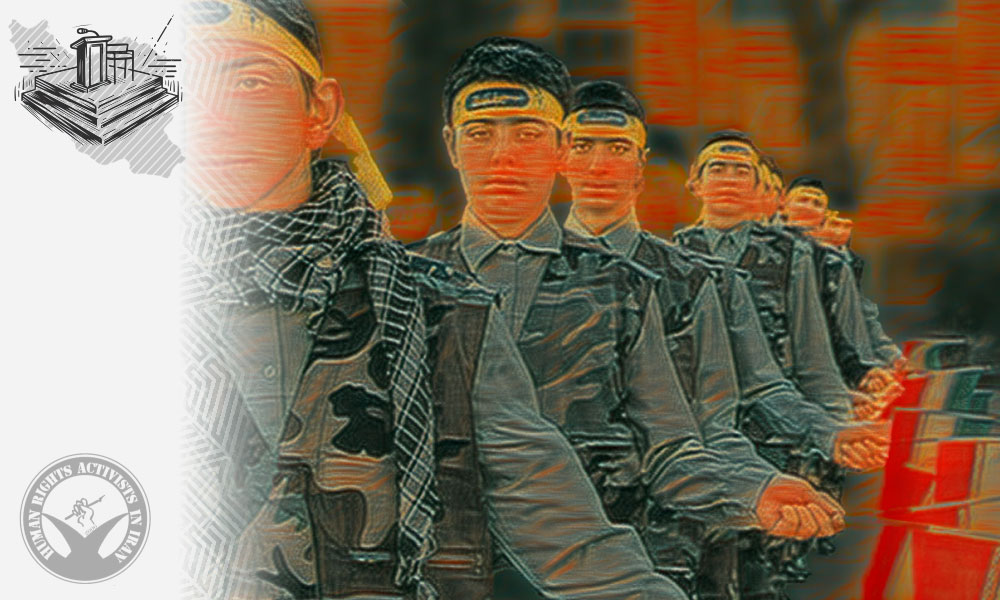
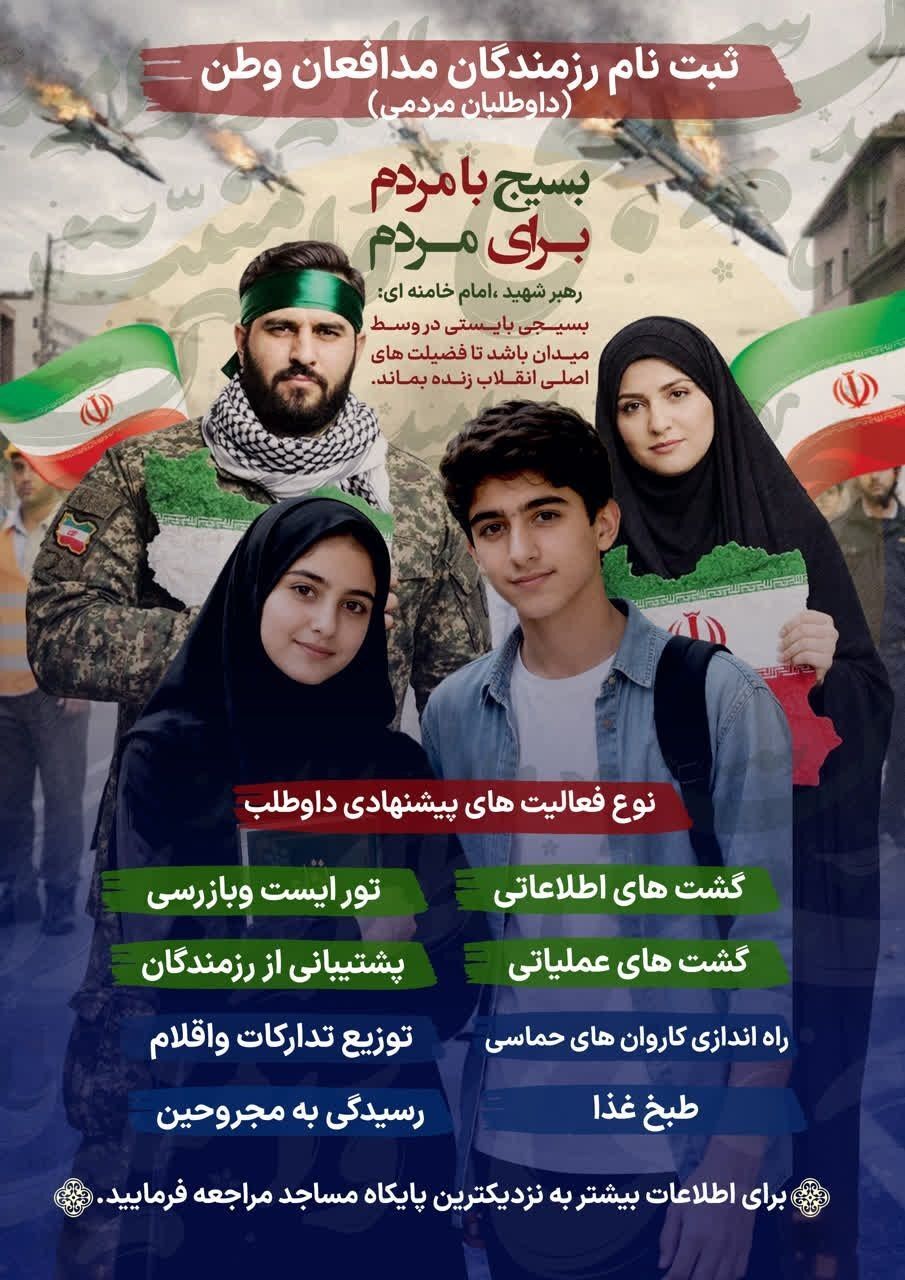
On March 26, 2026, the Islamic Revolutionary Guard Corps (IRGC) announced a recruitment campaign to encourage children as young as 12 to join and ‘help the defenders of the homeland’. Advertised roles include checkpoint duties, cooking and medical support, logistics, and security patrols. Children and students have been asked to participate in human chains to protect infrastructure from airstrikes. Iranian parents have been called on to send their children to checkpoints at night, for them to feel they are ‘heroes on the battlefield’ and to ‘turn sons into men.’
Despite a ceasefire, Basij checkpoints and security operations remain active. On April 9, images circulated showing children behind mounted machine guns on the backs of 4×4 trucks and dressed in IRGC uniforms. Eyewitness accounts collected through Human Rights Activists in Iran (HRA)’s network over the past 7 days indicate the widespread use of children at checkpoints across Tehran, as well as in Karaj, Mashhad, Isfahan, Ahvaz and Shiraz. Boys have been observed stopping and directing vehicles, transporting supplies, and generally supporting checkpoint operations. While HRA’s network confirms that girls are also supporting the Basij, they are mostly seen at government events and marches, handing out promotional flyers and supporting mobilization efforts.
“They go to the local mosque every day, and from there they get assigned a task— one day they’re at a checkpoint, another day they’re at a government march holding speakers, and sometimes they help with serving people. Their family encourages them to do this.”
Testimony indicates that child recruitment is largely driven by family influence and the social environment, rather than by financial incentives. The IRGC cited children’s enthusiasm and interest as justification for lowering the minimum age to 12. However, even where their involvement appears voluntary, the participation of children under the age of 18 is considered coercive under international law, given a child’s inherent inability to provide full, free, and informed consent. Their age makes them particularly susceptible to authority, ideological propaganda, and a desire for power and belonging.
“It’s the appeal of the uniform, the environment they’re in, the excitement and epic vibe created for them—even things like seeing weapons up close… they kind of feel like superheroes.”
“It’s mostly about social influence, encouragement from people around them, and a sense of feeling important, rather than money or direct coercion.”
The Iranian regime has a long and well-documented history of exploiting children to support armed groups and security structures, dating back to the Iran-Iraq war and through the establishment of the Basij organization. HRA has previously reported on IRGC coercion of Afghan immigrant children, some as young as 14, to fight in Syria in exchange for incentives such as residency rights.
While IRGC regulations set a minimum age of 16 years old for recruitment, this falls below international human rights standards, which define a child as any person under 18. Under customary international humanitarian law, the recruitment or use of children under 15 is a war crime. Legal gaps and ambiguity within Iran’s domestic law regarding the age of a child has enabled the historical involvement of children in security and military activities. The recent campaign lowering the recruitment age to 12 amplifies the urgency for the safety and protection of children in Iran.
In this context, the persistence of child recruitment over time, despite clear international prohibitions, supports the conclusion that it reflects a de facto state policy rather than isolated or unauthorized conduct.
The recruitment and use of children in armed forces and armed groups directly exposes them to a heightened risk of injury and death. This risk is particularly acute in Basij checkpoint operations, which have been repeatedly targeted in US and Israeli strikes, including during busy daytime hours when civilian presence is high. Since February 28, HRA has verified 43 attacks on checkpoints resulting in 44 casualties.
On 11 March, 11-year-old Alireza Jafari was killed by an IDF drone strike while volunteering at a Basij checkpoint in Tehran.
According to Jennifer Connet, HRA Legal Advisor, ‘the association of children with armed groups has lasting and profound consequences, including the potential for injury and long-term disability, psychological trauma, and the lifelong repercussions of a lost childhood. The exploitation of children by the IRGC further compromises the resilience and coping capacity of a generation of children living through the devastation of the current conflict.’
The recruitment or use of children in armed conflict is a war crime and a grave violation of children’s rights. The UN Security Council must consider expanding the children and armed conflict agenda to include Iran, and Iran should be listed in the UN Secretary-General’s Annual Report on Children and Armed Conflict. The establishment of a formal Monitoring and Reporting Mechanism would enable the systematic documentation of grave violations against children, including their association with armed forces and armed groups, and inform further action by the Security Council and relevant UN bodies.
HRANA – In a joint statement, Physicians for Human Rights (PHR) and Human Rights Activists in Iran (HRA) warned that recent U.S. and Israeli strikes on Iran’s energy infrastructure are causing grave and foreseeable public health and environmental consequences for civilians. As oil refineries, fuel depots, and gas facilities burn, toxic emissions, disrupted medical supply chains, and mounting pressure on an already fragile health system are placing communities across Iran at immediate and long-term risk, raising urgent concerns under international humanitarian law.
Read the full statement below:
U.S. and Israeli attacks on Iran’s energy infrastructure, including oil refineries, gas treatment facilities and fuel storage depots, pose severe health and environmental risks to civilian populations in Iran, Physicians for Human Rights (PHR) and Human Rights Activists in Iran (HRA) warned today. All parties to the conflict must cease attacks on energy infrastructure that lead to widespread public health harm, in violation of international legal prohibitions on attacks on energy that cause disproportionate civilian harm.
These dangers are unfolding in a health system already severely impacted by overwhelming demands following violence against civilians and attacks on health workers by the Iranian regime earlier this year, direct damage to health facilities, as well as ongoing shortages in medical supplies due to sanctions and economic crisis. Iranian health care workers have reported to HRA severe consequences stemming from U.S. and Israeli attacks on energy and health care infrastructure.
“During the period following the strikes on fuel depots, even in our hospital, which is not specialized in respiratory care, we observed a noticeable number of patients presenting with breathing difficulties, persistent coughing, and signs of airway irritation,” said a general surgeon in Iran. “One of the major challenges has been supply constraints. At different points, we faced shortages of key medications.”
Patients in Iran are presenting with “severe asthma attacks[…], and several previously healthy individuals presenting with bronchospasm, persistent cough, and reduced oxygen saturation,” a specialist in Tehran told HRA.
“The strain on our facility has also been amplified by damage to smaller health care centers. Patients who would normally be stabilized or treated locally are instead referred to us, increasing the load.[…] The volume and acuity of cases exceed[ed] routine capacity,” said a health care provider at a specialized hospital in Tehran.
Environmental toxicologists have also highlighted the short- and long-term health harms populations can face from large-scale oil fires.
‘Heath effects of exposure to burning oil have been well documented in those exposed during the war in the Persian Gulf in 1991 and the Deepwater Horizon oil spill in 2010. The wide range of documented respiratory and cardiovascular effects noted were observed in relatively healthy populations, whereas effects are likely to be far more severe in the general population, which includes the very young and elderly, many with pre-existing health problems. The additional ‘oil- related combustion’ problems are easy to prevent by avoiding attacks on energy infrastructure. All parties to the current conflict in the Gulf must not attack energy facilities,” said Alastair Hay, PhD, OBE, professor emeritus of environmental toxicology, University of Leeds, and PHR Advisory Council member.
Evidencefrom past large-scale oil fires shows that oil combustion releases a complex mixture of toxic pollutants, including a wide range of particulates of all sizes, sulfur and nitrogen oxides, volatile organic compounds, polycyclic aromatic hydrocarbons, acid aerosols, and heavy metals. These emissions can travel over long distances, degrading air quality and contaminating water and soil.
Preliminary reportsfrom affected areas in Iran, describing dense smoke plumes and accounts of “black rain,” are consistent with the release of hazardous combustion byproducts. Exposure to these pollutants is associated with acute respiratory symptoms such as shortness of breath, cough, eye irritation, and skin conditions, as well as exacerbations of cardiovascular disease and respiratory diseases such as sinus and asthma conditions.
In a single attack on an oil depot in Alborz, HRA documented at least six civilian deaths and 21 injuries, underscoring that these strikes are not only causing serious health impacts but also directly resulting in civilian casualties.
Evidence also indicates the potential for long-term health effects. These include chronic respiratory illness, reduced lung function, and other systemic impacts. The scale and duration of these fires raise serious concerns about sustained exposure, particularly for populations living in close proximity to the affected sites.
During recent nationwide protests, Iranian health facilities were overwhelmedby mass casualties and subjected to interference, surveillance, and the targeting of medical personnel. Security forces have reportedly entered hospitals, detained patients, and pressured providers to conceal evidence of injuries. These actions have further undermined the ability of the health system to deliver safe, independent care.
Iranian retaliatory attacks on energy infrastructure across the region carry similarly serious and foreseeable health and environmental risks, impacting civilian populations in the targeted Gulf states.
Effective mitigation of attacks on energy requires coordinated public health interventions. Among these are real-time air quality monitoring, access to protective measures such as high-efficiency filtration and appropriate respiratory protection, and the capacity to provide timely clinical care and long-term medical surveillance. During an ongoing war and with internal barriers to sufficient resources, such responses may be delayed, inadequate, or inaccessible to people most at risk.
International law generally prohibits attacks on energy infrastructure and mandates that such attacks must not cause disproportionate harm to civilians. The foreseeable, severe, and reverberating consequences of the destruction of energy infrastructure on civilian life – in the immediate and long-term – require heightened precautions and consideration in any civilian harm assessment in the planning of an attack.
PHR and HRA call on Israel, the United States, and Iran to end all threats to and attacks on energy infrastructure in violation of international law and to adhere to their obligations to protect civilians and civilian infrastructure, including facilities essential to public health and environmental safety. PHR and HRA also call on the governments of affected countries to implement immediate measures to mitigate exposure, protect affected populations, and ensure that the health system is supported to respond effectively.
Physicians for Human Rights (PHR) is a New York-based advocacy organization that uses science and medicine to prevent mass atrocities and severe human rights violations.
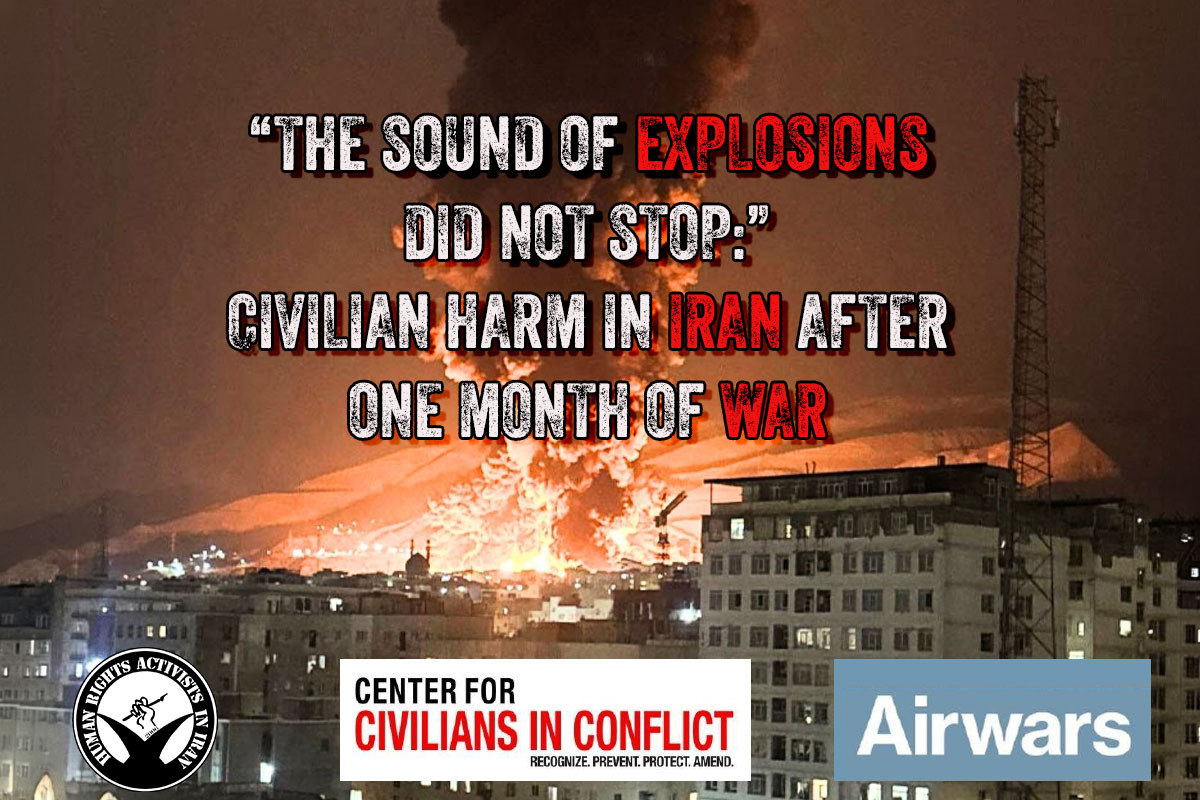
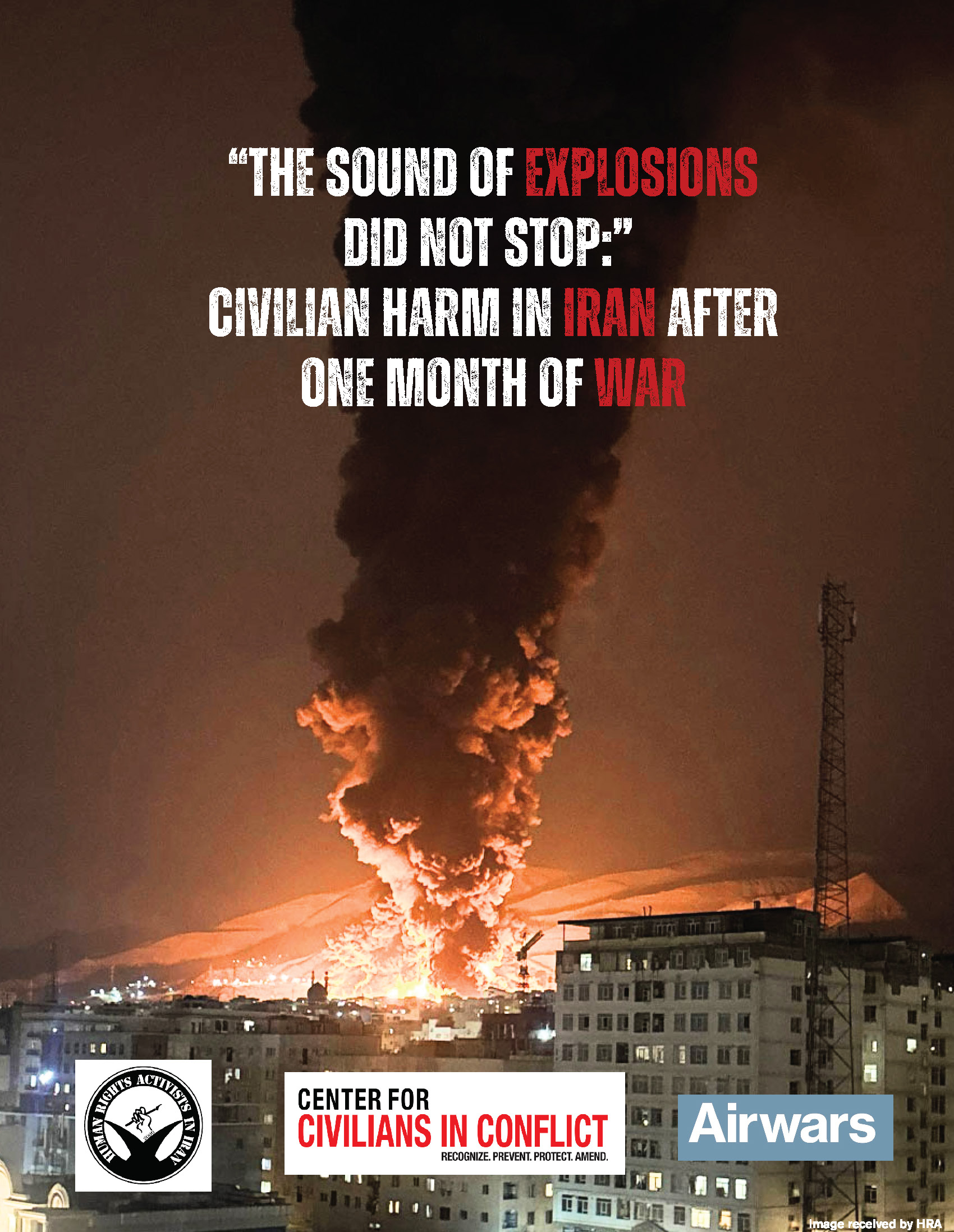
HRANA News Agency – Three organizations—Human Rights Activists in Iran (HRA), Airwars, and the Center for Civilians in Conflict (CIVIC)—in a joint statement, drawing on documented data and expert analysis, have examined the trends and patterns of harm to civilians in the first month of the war between the United States, Israel, and Iran. The international organizations Airwars and CIVIC are among the most recognized and credible groups working globally in monitoring civilian casualties and protecting civilians in armed conflicts, and their findings are widely cited by international institutions, governments, and reputable media outlets.
This statement, compiled based on a combination of field documentation by Human Rights Activists in Iran, open-source data analysis and event archiving by Airwars, and CIVIC’s policy and legal assessments, presents a comprehensive picture of the human dimensions of this conflict and shows how civilians in Iran have simultaneously been exposed to the direct consequences of military operations and increasing internal pressures.
Download the full report in PDF
According to the findings of this report, widespread civilian casualties—including a significant number of children—alongside the destruction of vital infrastructure such as medical and educational centers and residential units, constitute only part of the immediate consequences of this war. At the same time, by highlighting factors such as targeting errors, reliance on incomplete or outdated intelligence, the use of explosive weapons in densely populated areas, and the ineffectiveness or inaccessibility of pre-strike warnings, the statement seeks to explain the mechanisms producing and exacerbating harm to civilians. The report also addresses the indirect and long-term consequences of these attacks, including disruptions to essential services, large-scale population displacement, environmental damage, and threats to public health, warning of their lasting impact on the country’s social and economic structure.
Alongside these factors, the statement points to the overlap between violence resulting from military operations and the intensification of internal repression; a situation that, according to these three organizations, has severely restricted citizens’ access to information, freedom of movement, and even access to vital services, thereby compounding civilian vulnerability. Overall, by outlining a discernible operational pattern in the conduct of attacks and their consequences, the report warns against the normalization of high levels of harm to civilians and emphasizes the necessity for all parties involved to adhere to international humanitarian law and to take immediate measures to reduce harm.
The full text of this statement follows:
Human Rights Activists in Iran (HRA) is an independent human rights organization founded in 2006 in Iran and specializes in documenting and verifying human rights violations across Iran. Through an extensive network inside and outside the country, HRA produces evidence-based reporting that is regularly used by United Nations mechanisms, governments, and international media. Beyond documentation, HRA focuses on advancing strategic pathways for accountability for serious human rights violations and international crimes, including those perpetrated by the Islamic Revolutionary Guard Corps (IRGC). Its work connects verified documentation to legal analysis and policy advocacy, supporting efforts such as targeted sanctions, national investigations, and other judicial and quasi-judicial accountability mechanisms. HRA’s work is supported by several core initiatives, all feeding into its documentation hub. These include HRANA, its news agency, which has provided daily human rights reporting for more than 20 years, as well as specialized documentation projects that compile open-source evidence alongside network insights into individuals and institutions involved in violations. This includes detailed profiling of perpetrators and mapping of structures such as the IRGC, tracing its evolution, command networks, and links to international crimes. Through this integrated approach, HRA aims to produce reliable, actionable information that can support accountability efforts and inform concrete international responses. Today, HRA is based in Washington, D.C., and The Hague, Netherlands.
Airwars is a not-for-profit transparency watchdog which tracks, assesses, archives, and investigates civilian harm claims in conflict-affected nations. Founded in 2014, Airwars is today a leading authority on conflict violence as it affects civilian communities. Airwars’ mission is to reliably and independently document the human cost of war in order to promote a more peaceful world where human lives are acknowledged and taken into account by militaries, policy-makers, and global citizens with dignity and empathy. Airwars endeavors to pressure governments and military actors to acknowledge and take responsibility for the full human toll of their actions; ensure measures to prevent human suffering, particularly amongst civilian populations, are centered in military policy and practice; and give individuals, communities and international actors the tools and evidence to pursue justice and accountability.
Center for Civilians in Conflict (CIVIC) is an international nongovernmental organization dedicated to the protection of civilians in conflict. CIVIC envisions a world where every civilian is protected from the harms of conflict. Our mission is to keep civilians safer in conflict by working with communities, armed actors, and decision-makers to prevent and respond to harm. CIVIC was established in 2003 by Marla Ruzicka, a young humanitarian who advocated on behalf of civilians affected by the war in Iraq and Afghanistan. Honoring Marla’s legacy, CIVIC has kept an unflinching focus on the protection of civilians in conflict. Today, CIVIC has a presence in conflict zones and key capitals throughout the world where we work with and alongside communities affected by violence to strengthen their own protection and advocate for their rights. We engage armed actors and decision-makers to prevent and respond to civilian harm, and we influence policies and practices to make civilian protection a global priority. As a humanitarian protection actor, we bridge the gap between people at risk and those with the power and responsibility to protect them. At CIVIC, we believe civilians are not “collateral damage” and civilian harm is not an unavoidable consequence of conflict—civilian harm can and must be prevented.
Acknowledgements
This brief was authored by Jennifer Connet and Skylar Thompson at HRA, John Ramming Chappell and Annie Shiel at CIVIC, and Emily Tripp at Airwars. Omar Ahmed Abenza, Haja Kamara, Marc Linning, Joanna Naples-Michell, and Lauren SpinkOmar Ahmed Abenza, Joanna Naples-Michell, and Lauren Spink at CIVIC reviewed a draft of the brief. The report was designed by Annalisa Ausilio at CIVIC. We are profoundly grateful to the Iranian civilians whose firsthand accounts and online documentation made this brief possible.
Overview
Civilians have borne the brunt of the US-Israel-Iran war since it began on February 28, 2026. This brief by Human Rights Activists in Iran (HRA), Airwars, and Center for Civilians in Conflict (CIVIC) assesses key civilian harm trends from the first month of the US and Israeli campaign in Iran and examines how civilian harm has been generated, compounded, and normalized in the current conduct of hostilities.
Key figures and trends explored in this brief include:
Between February 28 and March 23, HRA recorded at least 1,443 civilian deaths, including at least 217 children, resulting from US and Israeli airstrikes in Iran. These figures represent verified minimums and are expected to rise.
During the same period, Airwars documented at least 130 separate incidents of civilian harm, including attacks on healthcare, education facilities, and residential areas.
In the deadliest day so far recorded by HRA, at least 252 civilians were killed on March 9 in a barrage of almost 400 strikes across the country, reflecting a high tempo of operations. That number is almost as many civilians as Airwars recorded killed in the entirety of last year’s 52-day US operation on Yemen – at the time, a campaign of unprecedented harm.
Drivers of civilian harm from US and Israeli operations identified by CIVIC, HRA, and Airwars include targeting errors and misidentification, including as a result of outdated or faulty intelligence; inadequate precautionary warnings for civilians; the use of explosive weapons in densely populated areas; and attacks on or impacting civilian and “dual-use” infrastructure, risking long-term reverberating impacts on civilians’ well-being.
As of March 23, HRA found that 37% of confirmed attacks took place in Tehran’s urban environments. HRA has verified damage to 60 hospitals or medical centers, 44 schools, and 129 residential buildings, while government estimates indicate more than 16,000 homes were damaged. 543 strikes targeted “dual-use” infrastructure, including energy and transport systems essential to civilian life. The humanitarian impact is significant, with approximately 3.2 million people reportedly displaced according to United Nations figures.
Moreover, HRA has documented how Iranian civilians have faced intensified domestic repression since February 28, including expanded arbitrary arrests (at least 1,830 as of March 19), restrictive security controls, and inflammatory official rhetoric threatening arrest and even death to perceived opponents, further constraining the ability to seek safety or access information.
Civilian vulnerability is compounded by restricted access to information and movement. Internet connectivity has dropped to approximately 1% of normal levels, with associated economic losses estimated at $37 million per day.
Introduction
The 28 February strike on the Shajareh Tayyebeh elementary school in Minab, widely known as the Minab girls’ school, resulted in one of the highest documented levels of civilian harm from a single incident in recent decades. At least 168 children were killed, and 110 civilians were injured, making the incident the largest civilian death toll of any single US attack since 1991. Occurring on the first day of large-scale United States and Israeli military operations in Iran, the strike signalled an emerging pattern in which Iranian civilian lives are treated as increasingly expendable in the conduct of hostilities.
Between February 28 and March 23, Human Rights Activists in Iran (HRA) recorded at least 1,443 civilian deaths, including at least 217 children, resulting from US and Israeli airstrikes across Iran. Beyond immediate casualties, the destruction of civilian infrastructure risks generating long-term reverberating impacts on civilians, including public health consequences, displacement, environmental harm, and further economic destabilization.
Iranians are also facing intensified domestic repression, including expanded arbitrary arrests, restrictive security controls, and inflammatory official rhetoric, further constraining their ability to seek safety or access information critical to their safety.
Grounded in documentation and legal analysis by HRA, open-source analysis from Airwars, and trend analysis and protection of civilians expertise from CIVIC, this brief assesses the first month of the US and Israeli campaign in Iran and examines how civilian harm has been generated, compounded, and normalized in the current conduct of hostilities. This brief focuses on the experience of civilians inside Iran, and therefore does not analyze the conduct of hostilities and related civilian harm resulting from US, Israeli, or Iranian strikes across the broader Middle East region. This brief focuses on the experience of civilians and civilian harm trends inside Iran specifically, and therefore does not analyze patterns of harm in other countries implicated in the conflict across the broader Middle East region.[1]
Methodology
This brief draws from original documentation by HRA, open source analysis by Airwars, and desk research of secondary sources by CIVIC.
HRA relies on two primary, parallel workflows to document civilian harm. First, systematically collecting open source information, which is then cross-checked against credible external reporting and corroborated through its established network inside Iran. Second, HRA receives direct reports from its in-country network, which are independently verified through additional network contacts or matched against open source material. In all cases, inclusion requires corroborating information from at least two independent sources, with consistency in key details such as time, location, and nature of the incident. In parallel, HRA also collects and preserves official narratives and state-reported figures, but these are maintained as a separate documentation stream and are not incorporated into verified casualty counts. HRA’s published figures, therefore, represent absolute minimums, reflecting only incidents that have been independently corroborated through multiple sources, including firsthand witness accounts and open source material. They are not intended to capture the full scope of harm. Given the constraints on access and communication in an active conflict environment, figures are expected to rise over time as additional incidents are verified. Throughout this report, multiple witness and victim accounts are included; HRA maintains strict security protocols when engaging with individuals, ensuring that all communications prioritize their safety, confidentiality, and informed consent.
Airwars uses an event-based methodology consistently across a number of conflicts, working through open-source harm claims to compile a publicly accessible archive of civilian harm. Due to the limitations in the information environment in Iran, Airwars is currently compiling a chronological database of events, which will form the basis for further research as new information emerges.
CIVIC’s analysis of civilian harm trends and policies stems from over two decades of experience working in conflict around the world; field and desk research into the key drivers of civilian harm in military operations; and significant research, analysis, advocacy, and direct engagement around US Department of Defense policies and frameworks around civilian harm.
US & Israeli Operations and Civilian Harm Trends
The US and Israeli militaries are carrying out a coordinated campaign in Iran, likely sharing intelligence to inform targeting, though each is ultimately responsible for its own target selection and strikes. While Israel and the US have each given sporadic updates on their targeting strategies, there has been no transparent or systematic reporting on which actor is responsible for which strikes. This makes it difficult in many cases to attribute responsibility for civilian harm, especially given that many of the same munitions are used by both parties to the conflict.
As parties to an international armed conflict, all parties, including the US and Israel, have obligations under international humanitarian law (IHL), also known as the law of armed conflict, in their conduct of hostilities. Additionally, even though the strikes themselves may be conducted separately, the joint nature of the overall military operation and security cooperation raises the possibility that each state may bear a degree of responsibility for the foreseeable consequences of the other’s actions.
Minimizing civilian harm is a core obligation of IHL. Attacking forces must distinguish at all times between civilians and combatants, refrain from attacks that cause disproportionate civilian harm, and take all feasible precautions to minimize civilian harm, such as verifying targets, selecting appropriate weapons, adjusting the attack timing to align with reduced civilian presence in the attack area, and providing effective advance warnings where possible. Beyond legal obligations, the US military has developed policy guidance and best practices for civilian harm mitigation and response, including Department of Defence (DoD) Instruction 3000.17 on Civilian Harm Mitigation and Response.
Public statements by senior US officials emphasizing operational speed and force suggest that precautionary measures to protect Iranian civilians may not be adequately prioritized in the current campaign. In a widely circulated post, US President Donald Trump threatened to “hit and obliterate” Iranian power plants, a category of infrastructure indispensable to civilian survival. If operationalized, such an attack would likely violate core protections under IHL. In a briefing on US operations against Iran, US Secretary of Defense Pete Hegseth disparaged “stupid rules of engagement” and declared that no mercy or quarter would be given to enemy combatants, which is unlawful under international law and the United States’ interpretations as such according to the US DoD Law of War Manual. Taken together, these comments from US military leadership signal a dangerous sidelining of legal and moral limits on the conduct of warfare.
The scale and tempo of operations reinforce these concerns. In the opening days of hostilities, Airwars found that US and Israeli forces hit significantly more targets per day than any campaign in recent decades. By March 21, the US military reported hitting 8,000 targets over the preceding three-week period. During this period, Airwars documented at least 130 separate incidents of civilian harm, including attacks on healthcare, education facilities, and residential areas. On March 9, the deadliest day so far recorded by HRA, at least 252 civilians were killed in a barrage of almost 400 strikes across the country. That is almost as many civilians as Airwars recorded killed in the entirety of last year’s 52-day US operation on Yemen, which was, at the time, a campaign of unprecedented harm.
Such intensity raises the risk of targeting errors and broader failures in civilian harm mitigation. For example, an extremely high tempo of strikes condenses the time available for positive identification of targets, collateral damage estimation, and subsequent precautions to reduce foreseen civilian harm, consideration of reverberating effects on the civilian environment, and learning lessons to reduce civilian harm in future strikes. The use of explosive weapons in populated areas also results in predictable civilian harm, damage to and destruction of civilian homes and critical infrastructure, and wide-ranging impacts on essential services and civilian wellbeing.
Targeting Errors and Misidentification
From the outset of the US-Israeli campaign in Iran, evidence emerged indicating that some of the most consequential strikes causing civilian harm resulted from misidentification in the targeting process.
Misidentification, meaning the incorrect assessment of a person or object as a military objective, is a frequent cause of civilian harm in warfare. Research shows that cognitive biases, including confirmation bias, lead military personnel to overlook information indicating protected civilian status. Misidentification can also result from faulty, outdated, or incomplete intelligence. The risks of misidentification are explicitly acknowledged in the US Civilian Harm Mitigation and Response Action Plan (CHMR-AP), yet the resourcing of US military capabilities designed to minimize these risks has significantly declined since 2025, further reflecting the deprioritization of US civilian harm mitigation. For Iranian civilians, the consequence of these errors is immediate and profound.
Preliminary findings indicate that the strike on the Minab girls’ school may have been due to failures in target verification, including reliance on outdated intelligence. Evidence shows that the location had been clearly marked, demarcated, and identifiable as a school since at least 2016. The fact that the strikes occurred on the first day of US operations raises further concerns about US targeting and precautions, given that the pre-planned strikes should have been the culmination of weeks, if not months, of intelligence gathering and deliberate target planning. (The US military initiated an administrative investigation into the strike, which should, among other things, assess what led to this devastating level of harm, whether the operation complied with IHL and applicable rules of engagement, and what can be done to ensure non-repetition.)
On the same day, and overshadowed by the scale of casualties in Minab, a missile struck the Shahid Naemi sports hall in Lamerd County while students were training inside. The attack killed a reported 21 civilians, including 3 children, and injured 110 others. Although the sports hall was located adjacent to an IRGC base, a BBC investigation of satellite imagery found no clear damage to the base itself. Between February 28 and March 20, Airwars identified at least twelve incidents where upwards of ten civilians were reportedly killed in a single strike. Given the limitations in the information environment, this itself is likely a significant undercount. Even at a minimum, this would indicate a dangerous trend – in eight years of US bombing over Iraq and Syria, Airwars identified less than 260 such high fatality incidents.
Incidents of this magnitude raise serious concerns regarding compliance with one of the most fundamental principles of IHL: the duty to distinguish at all times between civilian objects and military objectives. In case of doubt, an individual or object should be presumed to be civilian.
The pace and volume of strikes carried out within a compressed timeframe increase the likelihood of further targeting errors and failures to properly distinguish between civilian and military objects. Reports that artificial intelligence (AI)-assisted systems are being used in parts of the targeting process heighten these concerns. While media reporting indicates that AI has been involved in both the US and Israeli targeting processes, its precise role in their campaign in Iran remains unclear. The US military is reportedly using Palantir’s Maven Smart System, integrated with Anthropic’s large language model Claude. AI tools can replicate and amplify biases embedded in the training data, as well as mistake human beings and civilian objects for military ones. Human operators may also excessively defer to the algorithmic assessments generated by AI, further heightening the risk of cognitive bias among human decision-makers. Furthermore, AI-driven targeting analysis may outpace the human capacity for confirmation or scrutiny. The US military’s use of AI in targeting may not be traceable or retroactively identifiable, according to a US military spokesperson, raising concerns about accountability.
Inadequate Precautionary Warnings and Access to Information
Providing effective advance warning of attacks that may affect civilians is a core precaution under IHL, reflected in treaty law, customary norms, and the US DoD Law of War Manual. Such warnings are intended to give civilians sufficient time and information to take protective measures and reduce their exposure to harm. Importantly, while evacuations can be considered a precautionary measure, they are typically considered a measure of last resort. According to the Norwegian Refugee Council, “Evacuations should only proceed when civilians themselves wish to relocate, have enough information to be able to make an informed choice about their options, and when the risks of staying are higher than the risks associated with the evacuation.” Evacuations require careful planning, cooperation, and information sharing, and civilians who are unable to evacuate or choose to remain in place must continue to be protected as required under IHL.
In practice, the manner in which advance warnings have been communicated to Iranian civilians significantly limits their protective value. HRA’s network inside Iran reports that civilians often do not receive warnings at all due to widespread internet disruptions and restrictions, as well as severely limited access to platforms on which such warnings are disseminated. HRA’s documentation further indicates that only a small proportion of attacks are preceded by warnings, and when warnings are issued, they often cover large, densely populated areas with insufficient time for evacuation. The US has historically maintained that warnings need not be specific to time and place. Yet when delivered in such broad and generalized terms, they often leave civilians unable or unsure how to respond.
In other cases, warnings have been based on flawed or outdated data, further undermining their effectiveness. Notably, US and Israeli warnings also appear to contradict each other. In a February 28 video announcing the war, President Trump addressed the Iranian people: “Stay sheltered. Don’t leave your home. It’s very dangerous outside. Bombs will be dropping everywhere.” That same day, an Israeli Defense Forces (IDF) spokesman urged Iranians near military infrastructure to evacuate. On March 8, US Central Command (CENTCOM) echoed President Trump’s blanket warning in a press release and X post: “U.S. forces strongly urge civilians in Iran to stay at home.” Setting aside the wholly impractical directive for civilians under attack to stay home indefinitely, the US warnings also directly contradict numerous IDF warnings for civilians to evacuate specific areas throughout this period, including X posts from March 2, 3, 5, 6, 13, and 14.
Particularly problematic is the reliance on social media platforms such as X as the primary channel used by CENTCOM and the IDF to disseminate warnings. Under normal conditions, access to platforms such as X are blocked by domestic censorship. While approximately 70–90 percent of Iranian internet users rely on virtual private networks (VPNs) to bypass censorship, usage fluctuates during periods of intensified repression, and a knowninternet blackout in Iran has reduced connectivity to one percent of normal levels and restricted civilians’ ability to receive or act upon such information.
Inadequate and contradictory warnings, information vacuums, and mis– and dis-information undermine civilians’ ability to make informed decisions about their safety, isolate civilians from their loved ones, disrupt assistance efforts, and contribute to and amplify harm, including psychological distress.
At the same time, the absence of functioning early-warning systems on the ground, including air-raid sirens or other public alert mechanisms, has further heightened civilian exposure to harm. Iranians face the threat of the most severe US air campaign in decades without any practical means to respond.
Explosive Weapons in Densely Populated Areas
Most of the US-Israeli campaign in Iran has involved the use of air-to-ground, high-explosive munitions. Initial evidence points to reliance on bombs and missiles. This includes some of the largest munitions in the conventional US military arsenal – the MK80 series, which includes 2000lb bombs, as well as JASSM and Tomahawk missiles, which can each hit targets hundreds of miles away with large ‘bunker-buster’ warheads. Available data indicate that the location of US strikes overlaps with areas of highest population density in Iran, inherently raising the foreseeable risk and likelihood of civilian harm. As of March 23, HRA found that at least 37% of confirmed attacks occurred in Tehran’s urban areas.
March 13 [was] the hardest night. In just one minute, at my home in southwest Tehran, I heard eight explosions. Tehran was bombed in a way that felt like they wanted to leave nothing of it behind. I was actually one of the people who supported the war, hoping that in the short term, and with the least damage, the government would change. But this is not what we imagined. Not only is there no sign of a change in government, but all of us are now living in fear of the sound of explosions and planes flying at low altitude. One of my friends was standing at a checkpoint line yesterday when the checkpoint was hit by a drone attack. He was only a few dozen meters away from the explosion and possible death. – Tehran resident
Explosive weapons are among the foremost causes of civilian harm when used in populated areas. In 2024, 95 percent of those killed by explosive weapons in populated areas were civilians. Beyond immediate casualties, their detonation in interconnected urban areas inflicts catastrophic damage to the infrastructure and systems that civilians rely on, resulting in reverberating and cascading impacts on medical care, livelihoods, transport and food systems, education, and other essential services.
While explosive weapons are not prohibited in warfare, their use is subject to constraints meant to balance military necessity with humanity. In densely populated areas, distinguishing between military targets and civilians, many of whom are unable or unwilling to evacuate, poses unique challenges for the protection of civilians. Risks are further elevated when explosive weapons are inherently imprecise or have wide-area effects. The foreseeable potential for civilian death and injury is high, as well as damage to critical civilian infrastructure such as water, electricity, transport networks, and other basic services.
Consequences for civilians can endure for years after bombs fall, extending not just to deaths and life-changing injuries but also to long-term displacement, explosive remnants of war that continue to inflict civilian casualties after initial operations, and extended disruptions of basic services. Women and children often bear the heaviest long-term burden. In recognition of these harms, 90 states, including the United States, endorsed the 2022 Political Declaration on Strengthening the Protection of Civilians from the Humanitarian Consequences Arising from the Use of Explosive Weapons in Populated Areas.
According to investigations conducted by HRA, as of March 23, at least 60 hospitals or medical centers, 44 schools, and 129 residential buildings in Iran have been damaged in air or missile attacks, either resulting from direct strikes or from nearby explosions and blast waves. The true scale of harm is likely much greater, with official government statements estimating more than 16,000 residential homes damaged.
Several of the incidents investigated by HRA affecting schools resulted in the death or injury of students. In an incident on March 5th in Tehran, a nearby attack injured 56 people while they waited in line for bread. Another attack in Eastern Tehran on March 9th killed at least 20 civilians, including a child, as two twenty-unit residential apartment buildings collapsed from a missile strike.
My children hid under the table. I didn’t know what to tell them. You can’t explain to a seven-year-old why the sky over their city suddenly lights up, and then you hear an explosion.
– Tehran resident, 31 years old, mother of two.
The destruction of homes, forced displacement, and resulting humanitarian crisis risks undermining the future social and economic stability of Iranian society as a whole.
Attacks on Civilian and “Dual-Use” Infrastructure
The war in Iran has been characterized by numerous attacks on or impacting critical infrastructure and other objects essential for civilian survival, including the aforementioned 60+ healthcare facilities, as well as energy infrastructure. Damage to critical infrastructure has wide-ranging effects on civilians and civilian life.
In considering whether an attack is proportionate under IHL – that is, whether the expected civilian harm would be excessive in relation to the anticipated military advantage – armed actors must consider not only the direct and immediate consequences but also the foreseeable indirect and long-term effects. Indirect, or reverberating, effects can be especially harmful when an attack damages critical civilian infrastructure.
Rules governing armed conflict provide safeguards against attacks on objects or resources that civilians depend on to survive, or that risk causing widespread or long-term environmental harm. Protections extend beyond obvious civilian resources such as food and water supplies and agricultural areas to include infrastructure, such as electricity networks, oil facilities, and transport routes, when their destruction would disrupt access to basic needs and essential services.
As a matter of policy, the US DoD Instruction on Civilian Harm Mitigation defines civilian harm to include “civilian casualties and damage to or destruction of civilian objects” and directs that “other adverse effects on the civilian population and the personnel, organizations, resources, infrastructure, essential services, and systems on which civilian life depends resulting from military operations are also considered in CHMR efforts to the extent practicable.” The US CHMR-AP also recognized that “successes may ultimately end in strategic failure if care is not taken to protect the civilian environment as much as the situation allows —including … the personnel, organizations, resources, infrastructure, essential services, and systems on which civilian life depends.”
Israel’s military policy, meanwhile, permits the targeting of civilian infrastructure under the so-called Dahiya Doctrine, which experts have described as a policy of collective punishment.
Complicating the protection of objects critical to civilian survival and environmental safety is that many such objects are described as “dual-use”, meaning that by their nature or use, they may serve both civilian and military functions. As of March 23, HRA has recorded at least 543 strikes on locations regarded as “dual-use”, including energy infrastructure, transport routes, airports, sea ports, detention facilities, and other sites embedded within or near densely populated urban environments. The US has historically adopted a particularly expansive interpretation of what constitutes “dual use,” exposing civilians to risk.
However, an object’s “dual use” nature does not remove constraints from attacking it. Even if an object were to be used solely by Iranian armed forces or to directly support military action, attacking it still requires heightened precautions if it would leave civilians with inadequate water or food, or otherwise force their displacement. Attacks that risk severe and long-term damage to the natural environment can have lasting consequences on civilian health and survival and likewise require heightened precaution.
Since midnight, the sound of explosions did not stop. When we woke up in the morning, the sky was completely dark and the smell of burning was spreading in the air. – Resident of northwestern Tehran
Attacks on Iran’s oil refineries, fuel depots, and distribution facilities throughout the air campaign illustrate the risks and complexity. While there may be military necessity in attacking such infrastructure, they are also deeply embedded in daily civilian life. Further, the burning of oil storage tanks has caused severe air pollution in parts of Tehran, including reported ‘black rain’ laden with oil residues. This poses serious health risks for a population already affected by chronic pollution and particularly for those with underlying health issues. The release of toxic byproducts from the combustion of fossil fuels also threatens to contaminate food and water sources and cause long-term air pollution.
Degradation in water quality has been documented following attacks on energy infrastructure in previous conflicts. Damage to oil infrastructure during the 1991 Gulf War led to documented hydrocarbon contamination of groundwater and threats to regional water supplies. Drone strikes by Turkish armed forces on Kurdish-held areas of northeast Syria between October 5 and 10, 2023, damaged critical infrastructure, disrupting water and electricity access for millions of people, according to Human Rights Watch. Russian strikes on Ukraine’s energy infrastructure have repeatedly disrupted water supply systems and, in some cases, directly polluted water sources, posing acute public health risks.
Strikes on critical energy infrastructure also create cascading effects on basic civilian services. The attack on the South Pars Gas Field on March 18 is particularly significant as Iran relies on it for 80% of its natural gas, which is heavily used for domestic electricity production. Disruptions to electricity supply impact the ability of Iranian civilians to heat homes and cook food, and undermine the operation of hospitals, food production, and cold-chain distribution networks.
The humanitarian consequences of these attacks will extend far beyond the current moment. Disruption to essential services is particularly problematic and severe for already vulnerable populations. For many Iranian civilians, these strikes result in a gradual erosion of the systems that make daily life possible, with both immediate and generational impact on health, safety, and stability.
The Convergence of Harm Between Worsening Domestic Repression and Armed Conflict
The following assessment of internal repression reflects HRA’s continued documentation of the deterioration of human rights in Iran.
The United Nations Independent International Fact-Finding Mission (FFMI) on Iran recently warned that Iranian civilians are caught between the harm resulting from external military operations and ongoing domestic rights violations. Evidence indicates that the escalation of hostilities with the US and Israel has coincided with intensified repression by Iran. This follows in the wake of brutal violence against anti-regime protesters in January 2026, which HRA found likely amounted to crimes against humanity.
International human rights law continues to apply during armed conflict, and Iran remains bound by its obligations under core human rights treaties, such as the International Covenant on Civil and Political Rights, as well as customary international law. At the same time, under international humanitarian law, Iran is obligated to take all feasible precautions to protect civilians and civilian objects under its control from the effects of hostilities. These parallel frameworks operate concurrently, reinforcing the prohibition of arbitrary harm and the duty to protect civilians in all circumstances.
Escalating Repression Amidst Armed Conflict
In line with patterns seen during previous periods of unrest and insecurity, Iranian authorities are using the current conflict to intensify national-security narratives and justify arrests, restrictions on freedom of expression, and violence against civilians. Between February 28 and March 19, HRA documented at least 1,830 arrests on allegations such as espionage, threats to national security, or communicating or sharing content related to the conflict with foreign media.
Senior officials have publicly framed any protest activity as collaboration with foreign enemies. Mass text messages have been sent warning Iranians not to take to the streets. In a televised statement, the national police chief warned that anyone who took to the streets “at the enemy’s request” would be treated as an enemy and stated that security forces were prepared to use lethal force. The Intelligence Organization of the IRGC similarly threatened that individuals labelled as “rioters” would face the same treatment imposed during recent protest crackdowns.
Notably, during the 12-day war in 2025, Iran’s parliament and Guardian Council approved a new, stricter espionage law that explicitly names Israel (“the Zionist regime”) and the US, classifying cooperation with them as severe crimes against national security. This legislation makes collaboration with these nations punishable by death.
Public statements by judicial authorities have reinforced that legal action may even be pursued against Iranians living abroad, accused of cooperating with foreign governments, including the potential confiscation of assets. Within Iran, officials have suggested that the financial costs of the war could be offset through the seizure of assets belonging to individuals deemed to have violated national-security laws.
Worsening Situation for Detainees
Conditions inside Iran’s detention facilities have deteriorated since the escalation of hostilities. Reports indicate severe overcrowding, with many prisoners forced to sleep on the floor in cells, corridors, and prayer rooms. Detainees have also faced reduced access to food, clean water, medical care, and basic movement within facilities.
In Khorramabad Prison, one source told HRA that daily meals have been reduced to two limited rations, with both the quantity and quality of food significantly declining since the start of the conflict. In Greater Tehran Prison, the transfer of large numbers of detainees, including individuals arrested during the January nationwide protests, has created acute space shortages, further straining already fragile living conditions.
Detainees face additional risk of torture, ill-treatment, and enforced disappearances alongside the risk of expedited death penalty proceedings, in violation of the right to due process and the right to life, with even more limited visibility or legal recourse. Since February 28, four executions have taken place, including Mehdi Ghasemi, Saleh Mohammadi, and Saeed Davoudi, who had been arrested during the January 2026 protests in Qom, and Kourosh Keyvani, a dual national, who had been arrested last year on charges of espionage for Israel.
Among the detainees across Iran are students, human rights defenders, and civilians who were arbitrarily detained during recent nationwide protests on a scale that the UN Fact-Finding Mission found may have amounted to a crime against humanity. For thousands of families, the war intensifies the fear and uncertainty for loved ones who have been arbitrarily deprived of physical liberty and are now trapped in facilities with little protection from violence.
I was detained in the holding cell of [Police Station 148] for ten days, along with four other activists. Now it looks like nothing is left of that station but ruins. I can’t even recognize where the detention area was. I keep wondering what happened to the people who were being held there during the attack. – Activist, told HRA upon seeing photos of the police station after recent US/Israeli airstrikes.
The fear for those detained is especially acute after Israel’s June 2025 targeted strike on Evin prison, during visiting hours, which killed around 80 prisoners, their family members, and prison staff. As of March 23, three civilian prison or detention facilities have been damaged by recent US and Israeli airstrikes.
In addition to officially recognized detention facilities, Iran is known to detain civilians at undisclosed “black sites,” in locations such as residential buildings, airports, and hotels. The current armed conflict exacerbates challenges for relatives, lawyers, and monitoring groups to determine their whereabouts. It also increases the risk that airstrikes inadvertently impact these unofficial detention locations and harm arbitrarily detained civilians.
Restricted Access to Information
On March 19, the nationwide internet shutdown imposed since late February became the longest recorded communications blackout in Iran’s history. It also became the longest sustained shutdown in a highly connected society globally, based on tracking by the independent internet monitor, NetBlocks. Authorities justify the blackouts as a national security measure, and recently have acknowledged using them to amplify the voice of authorities and consequently silence dissent. It follows a familiar pattern during times of crisis. In January, Iran imposed a lengthy shutdown while it killed at least 7,000 protesters and arrested at least 53,000 more. Based on experience in Iran and globally, blackouts coincide with upticks in repression and violence against civilians.
Amidst the current conflict, the internet shutdown isolates Iranians from one another and heightens their exposure to harm. Civilians are unable to access information about security risks, including airstrike warnings, evacuation options, and where to access humanitarian assistance. First responders and medical personnel are impeded from coordinating emergency relief. Beyond immediate safety concerns, the shutdown carries severe economic consequences. NetBlocks estimates that each day of an internet shutdown in Iran costs the country over $37 million. This loss results from slowed or lost trade, services, and productivity, with likely long-term impact on investments and livelihoods, which compounds the already dire economic situation of Iran before the start of the conflict.
Some Iranians have attempted to circumvent the internet shutdown through satellite internet systems such as Starlink, but doing so carries significant risk. Iranian authorities have criminalized the possession or use of Starlink systems, and intelligence officials have warned that wartime use warrants the “harshest punishments,” including execution on espionage-related charges.
Internet shutdowns violate a wide range of protections afforded under international human rights law. In addition to the right to freedom of expression and access to information, access to the internet enables the fulfillment of the rights to freedom of association, assembly, and health, among others. Security-related restrictions on communication must be provided for by law and be strictly necessary and proportionate to the specific security concern being addressed. A blanket shutdown, given the widespread and indiscriminate impact, would fail such a proportionality test and could never be justified under human rights law, according to UN human rights experts.
Finally, the communications blackout increases the risk that civilian harm and domestic repression remain hidden from scrutiny. By restricting the capacity for independent reporting, documentation, and monitoring, prolonged shutdowns create conditions in which atrocities can occur with reduced visibility and accountability.
Restricted Freedom of Movement
Reports of expanded checkpoints, surveillance measures, and threats related to movement have further limited civilians’ ability to reach safer areas during ongoing hostilities. Across Tehran, newly established checkpoints subject residents to vehicle and phone searches, questioning, and the risk of arrest. These controls create severe traffic congestion within the city and on major exit routes, and can effectively trap civilians when they are trying to flee hostilities.
Checkpoint congestion has also created new security risks. According to investigations by HRA, at least 43 checkpoints have been hit by US and Israeli airstrikes, resulting in at least 13 civilian deaths. Video evidence indicates that several strikes occurred in daylight hours while passenger vehicles and pedestrians were clearly present in large numbers. In response, authorities have reportedly relocated some checkpoints beneath pedestrian overpasses or inside road tunnels in an attempt to reduce exposure to drone attacks.
One nurse in Tehran described the dilemma many families now face:
In these conditions, I want to do my job. I just wanted to take my two children somewhere safe, so I could have peace of mind. I tried twice to leave Tehran but had to turn back. The first time was because of a bombing that closed the roads in eastern Tehran. My second attempt was at the same time as the explosions at the oil facilities that led to toxic rain in the air, and I had to turn back. Finally, on the third attempt, after ten days, I finally got my children out of Tehran. I returned to the hospital and now sleep there with other medical staff because it is no longer safe to go home.
Alongside physical restrictions, residents report receiving text messages warning them not to gather or move in public spaces, reinforcing a climate of fear that further limits freedom of movement during an already dangerous period.
While certain security controls may be permissible in emergency situations, international human rights standards require that any restrictions on movement remain strictly necessary, proportionate, and non-discriminatory. Where such measures prevent civilians from leaving high-risk areas or accessing basic safety, they may contribute to avoidable harm.
Conclusion and Recommendations
For civilians in Iran, the current situation is marked by exposure to multiple, overlapping sources of harm. Airstrikes in populated areas have caused sudden loss of life, displacement, and damage to critical infrastructure, while intensified domestic repression has further restricted people’s ability to move, communicate, or seek medical care and or safety. This is compounded by a dangerous narrative from the US and Israel that frames harm as isolated or justified, obscuring the cumulative impact on civilians.
These conditions carry consequences far beyond immediate casualties. Disruptions to education, essential services, and economic activity, alongside severe environmental damage that will carry serious long-term health consequences, are likely to produce lasting social and public health impacts.
We urge all parties to protect civilians and adhere strictly to IHL and international human rights law. In particular:
The US and Israel should:
Prioritize the protection of civilians and adherence to IHL, including by taking all feasible precautions to minimize civilian harm and ceasing attacks on critical infrastructure;
Ensure that warnings and other communication with the civilian population are effective, consistent, and account for telecommunication restrictions and the different ways that men, women, people of different ages, and persons with disabilities access information;
Protect civilian objects and consider the reverberating effects of operations in planning, targeting, and proportionality assessments;
Cease the use of explosive weapons in populated areas;
Invest in rigorous civilian harm mitigation and response policies and programs, including full implementation of the US DoD Instruction on Civilian Harm Mitigation and Response;
Ensure that humans make the decision to use force and remain meaningfully involved in targeting, including taking adequate time and care to assess targets recommended by artificial intelligence systems;
Ensure transparency and accountability for civilian harm, including thorough investigations into civilian harm reports and possible violations of international humanitarian law;
Immediately cease hostilities and pursue a diplomatic solution to protect civilians and civilian infrastructure.
Uphold IHL and international human rights law, both within Iran and in its strikes across the region;
End internet blackouts and arbitrary arrests;
Protect detainees and release all political prisoners;
Facilitate civilians’ freedom of movement; and
Agree to an immediate cessation of hostilities and return to diplomatic negotiations.
International actors, including the United Nations Security Council and allies of the US, Israel, and Iran, should:
Support immediate de-escalation, a cessation of hostilities, and return to diplomacy;
Press parties to the conflict to protect civilians, adhere to IHL, and ensure thorough investigations and accountability for civilian harm and possible violations of IHL;
Press parties to the conflict on civilian protection, adherence to IHL, and thorough investigations and accountability for civilian harm and possible violations of IHL; and
Mobilize international humanitarian and human rights funding to support urgent civilian needs and documentation of civilian harm.
HRANA – Human Rights Activists in Iran has issued a statement strongly condemning the ongoing conflict between the United States–Israel and Iran, as civilian casualties continue to rise at an alarming rate, with increasing reports of harm to children, medical facilities, and civilian infrastructure. Read the statement below:
Washington D.C – Human Rights Activists in Iran (HRA) Condemns in the Strongest Terms the Ongoing Conflict Between the United States–Israel and Iran, which has resulted in a Tragic Increase in Civilian Casualties, Including Children, Cultural Heritage Sites, and Critical Civilian Infrastructure.
As of today, March 3, 2026, HRA has documented 912 civilian fatalities and 211 civilian injuries as a result of this conflict. Among those killed, at least 181 were children under the age of ten. An additional 880 reported deaths are currently under review for classification and verification. These figures reflect a devastating and escalating human toll and represent absolute minimums.
The protection of civilians is not optional. It is a binding legal obligation.
Under international humanitarian law, all parties to hostilities are obligated at all times to distinguish between civilians and combatants and between civilian objects and military objectives. They must adhere to the principles of distinction, proportionality, and precaution, which are binding and non-negotiable standards designed to protect human life.
HRA has verified credible reports of attacks on at least seven medical centers and emergency health facilities. Hospitals, medical personnel, and health infrastructure are afforded specific and heightened protection under international humanitarian law. Attacks against them constitute serious violations of the laws of armed conflict. Damage to these facilities and the resulting disruption of healthcare delivery compound civilian suffering and breach fundamental legal protections.
HRA condemns any action that endangers protected civilian sites, even where they are not directly targeted. Incidental damage to hospitals, schools, residential areas, and essential infrastructure can constitute violations of international humanitarian law when parties fail to take all feasible precautions. The disruption of essential services further deepens civilian harm and undermines core legal safeguards.
HRA calls on all parties to immediately cease attacks on civilian infrastructure, particularly hospitals, schools, and residential areas, to ensure the protection of children and other non-combatants, and to comply fully and without exception with their obligations under international humanitarian law.
In addition to its humanitarian obligations, Iran remains bound by international human rights law. As US-Israeli strikes on Iran continue, Iranian authorities must ensure that civilians have access to information, communication, and emergency services. The continued restriction or shutdown of internet access during hostilities severely impedes civilians’ ability to obtain life-saving information, contact family members, access medical assistance, and document violations.
Connectivity in conflict can be the difference between life and death. Iranian authorities must immediately restore full internet access and guarantee that civilians can communicate freely and safely.
As one university student put it to HRA, “Ordinary people always pay the price for political decisions. We’re not at the negotiating table, and we’re not in the war rooms. But when missiles hit, it’s our homes that shake.”
Armed conflict brings profound destruction and suffering to civilians and deepens humanitarian crises. HRA calls for an immediate cessation of hostilities and a renewed commitment to a peaceful resolution grounded in international law. The continued loss of civilian life, including that of children, underscores the urgent need to prioritize the protection of human life above all else.
HRANA – Ahead of a special session of the United Nations Human Rights Council on the situation in Iran in Geneva, Human Rights Activists in Iran has issued a statement warning that documented patterns of repression of nationwide protests, including the widespread use of lethal force, mass arrests, and forced confessions, have intensified serious concerns about grave human rights violations and the possible commission of unlawful killings. These findings, compiled on the basis of verified HRANA reports, underscore the necessity of continuing independent investigations and ensuring international accountability.
Read the full statement here:
As Member States prepare to convene in Geneva for the Human Rights Council Special Session on Iran on Friday, 23 January 2026, Human Rights Activists in Iran (HRA) has prepared this memo to provide the most up-to-date and credible information available. The information that follows draws on verified findings compiled through HRANA reporting and corroborated open-source documentation. It is worth noting that HRA numbers represent absolute minimums. The investigation into the events is ongoing. The information published in this memo is current as of 21 Jan 18h ET. A full-length report detailing HRANA’s findings from 28 December onward will be available in the coming days.
The geographic scope
The protests reflect nationwide protest activity. HRA has documented:
• 633 protests
• 192 cities (without repetition)
• 31 provinces
Verified fatalities
There are 4,902 fatalities verified by HRA to date.
• 4,622 are identified as protesters.
• 40 are children under the age of 18.
• More than 9,000 additional cases remain under review under HRA’s verification procedures.
Use of lethal force against civilians
Verified documentation indicates that, following a crackdown by the Police(FARAJA) at the outset, IRGC Ground Forces and Basij units were deployed across the country to suppress protests. HRA has verified photo and video evidence indicating protesters were shot at close range in multiple locations. International standards governing law enforcement use of force require that lethal force be used only as a last resort, and only where strictly necessary to protect life. Child rights obligations require particular restraint and heightened protection for children. The reported patterns, including close-range shootings and firing into crowds, raise serious concerns of unlawful killings and excessive or indiscriminate use of force. HRA has documented the presence and use of:
• Military Assault Rifles, including AK-47 / AKM
• Handguns Using Live Ammunition
• Paintball Guns (Used as Repressive Tools as previously reported)
Tippmann 98 Custom
Tippmann FT-12
• Shotguns and Pellet Weapons
• Sniper Rifles
• Heavy Machine Guns Mounted on Vehicles
Note: This list is non-exhaustive.
Injuries and access to medical care
HRA has documented 7,389 serious injuries, including serious injuries to the eye; many injuries are consistent with the use of live ammunition.
Additional confirmed documentation includes cases in which individuals were transferred from hospital settings to detention facilities without receiving adequate medical care, raising concerns regarding denial of treatment and potential ill-treatment.
Detention and coerced confessions
HRA has documented 26,541 arrests, including 173 children under the age of 18. HRA has additionally documented more than 181 forced confessions broadcast on state television or media close to security agencies, raising concerns regarding coercion, due process violations, and the risk of torture or other ill-treatment.
Implications for the Special Session
The documented patterns indicate a sustained response involving the use of lethal force, mass arrests, and coercive practices. Member States should underscore the urgency of extending the mandate of the Independent International Fact-Finding Mission on the Islamic Republic of Iran (FFMI) to ensure independent and impartial investigations, continued evidence collection and preservation, and sustained reporting to the Council. Member States should also reinforce accountability pathways consistent with international law, including through enhanced cooperation on documentation and information-sharing, and support for relevant investigative and accountability mechanisms at the international and national levels.