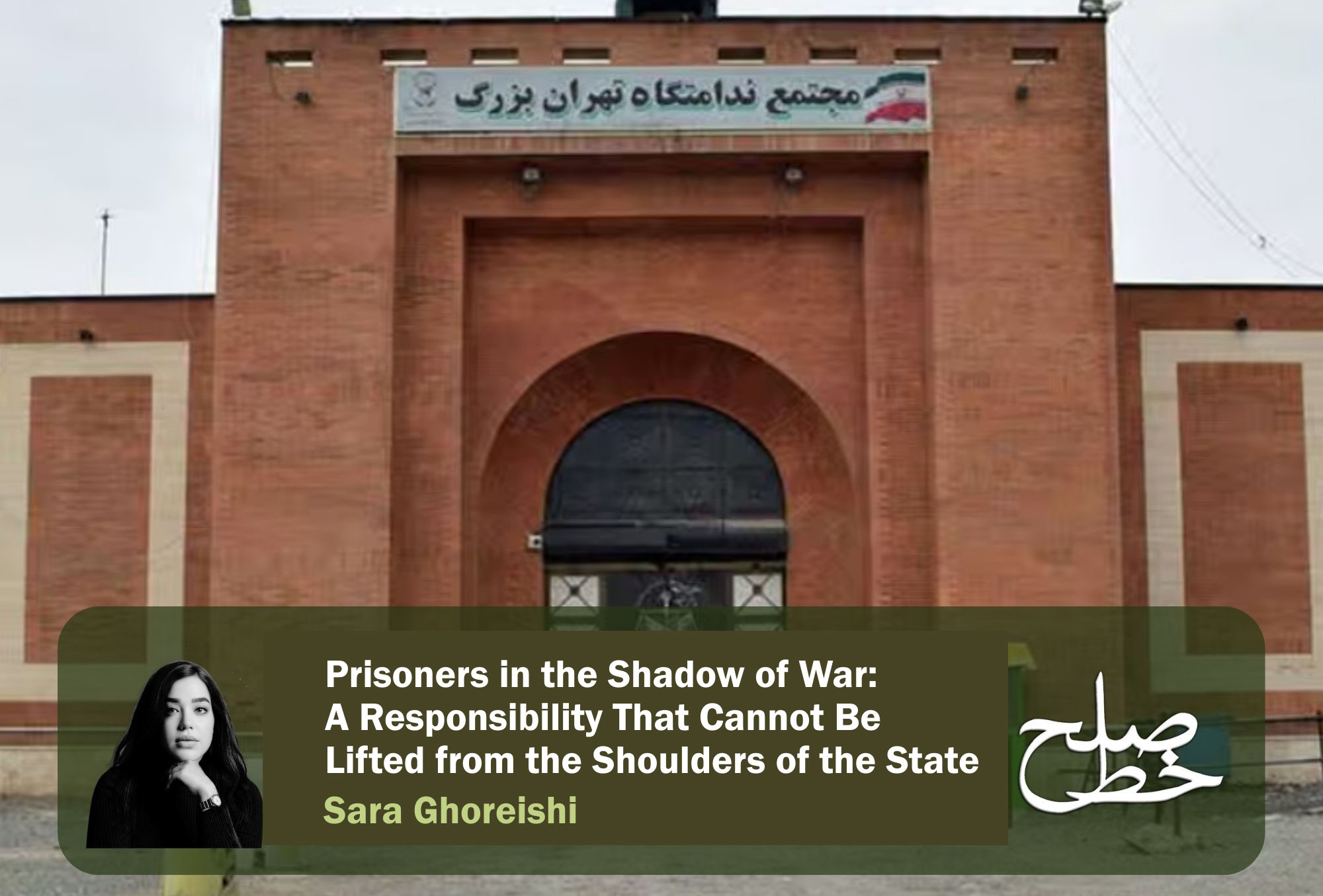
Prisoners in the Shadow of War: A Responsibility That Cannot Be Lifted from the Shoulders of the State/ Sara Ghoreishi

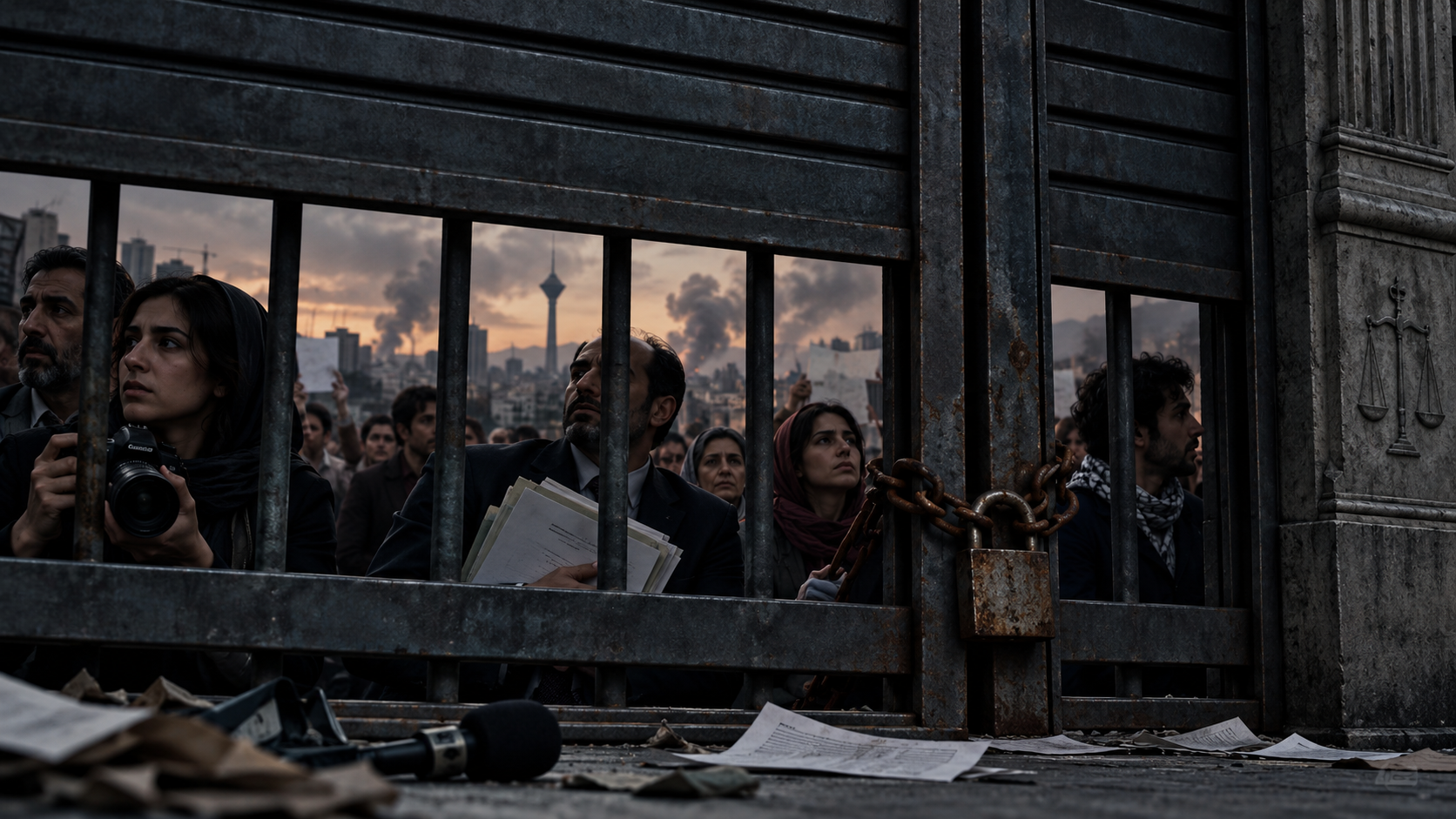
HRANA– With the escalation of military tensions and the possibility of expanding conflict, concerns about the safety of prisons and the lives of prisoners have significantly increased. Prisoners are among the most vulnerable groups in any crisis situation, as they have no independent ability to decide where they live, access medical care, or even secure their most basic needs, and are entirely dependent on prison administrative structures. For this reason, in every legal system, the responsibility for safeguarding the lives and health of prisoners rests directly with the state.

In Iran, this issue has taken on more alarming dimensions. A significant number of prisoners are held on political or security-related charges, with cases that human rights organizations have identified as raising serious doubts. Among prisoners, there are also multiple vulnerable groups, including students and minors, women, mothers with children, persons with disabilities, and prisoners suffering from serious illnesses. The widespread detention of these individuals on vague charges or without adherence to fair trial standards has not only led to severe overcrowding in the prison system, but has also intensified the state’s responsibility to protect their lives and health.

Prison Conditions Under Wartime Tensions

Numerous reports from Iranian prisons indicate that even under normal conditions, prisoners face serious limitations in access to medical care, medication, food, and sanitary facilities. In a situation where the country is confronted with military tensions or the threat of conflict, these conditions can quickly escalate into a humanitarian crisis.

Disruptions in access to medicine, difficulties in transferring ill prisoners to external medical facilities, limitations in the provision of food and sanitary resources, and the intensification of security conditions within prisons are all factors that place prisoners’ health and lives at risk. Under such circumstances, prisoners are effectively trapped in a closed environment—one that, if exposed to military attacks, can become an extremely dangerous space.

Prisons at Risk

Although Evin Prison has received the most media attention, the situation of prisons in Iran is not limited to this facility. Greater Tehran Prison (Fashafouyeh), Adelabad Prison in Shiraz, Mashhad Central Prison, and Qazvin Prison are among the facilities where numerous reports in recent years have documented harsh detention conditions.

Overcrowding, limited access to medical services, poor sanitary conditions, and difficulties in transferring sick prisoners to medical centers are among the problems reported in many of these prisons. In a context of rising military tensions, keeping large numbers of prisoners in such environments may pose serious risks to their lives.

The Situation of Evin Prison Under Military Tension

Evin Prison, as one of the most well-known prisons in Iran, has repeatedly been at the center of human rights concerns in recent years. A large number of political, civil, and ideological prisoners are held in this facility. In conditions of heightened military tension, keeping this population in a closed and overcrowded environment without effective protective measures may put their lives at risk.

In such a situation, concerns arise that, if wartime risks are ignored, prisoners may effectively be placed in conditions that could be interpreted as exposing individuals to danger in a manner akin to the use of human shields—a situation that is explicitly prohibited under international law.

Iran’s Experience in Recent Crises and the Twelve-Day War

Despite the existence of legal capacities, Iran’s experience during various crises has shown that these measures have not been effectively implemented. During what became known in public discourse as the “twelve-day war”—a period of intensified military tension that raised concerns about the vulnerability of infrastructure, including prisons—no large-scale action was taken to reduce the prison population.

At that time, reports indicated that prisoners’ access to medical care, medication, and basic necessities had become more difficult, and concerns about prisoner safety had increased. This situation once again raises the question: when the state is aware of the risks, why does it not use existing legal tools to protect prisoners’ lives?

Directive No. 211 of the Supreme Judicial Council and an Overlooked Legal Capacity

Within Iran’s domestic legal system, mechanisms have been предусмотрены for such situations. One of the most important is Directive No. 211 of the Supreme Judicial Council, dated January 12, 1987 (22 Dey 1365), adopted during the Iran-Iraq war. This directive allows the judiciary, under emergency wartime conditions, to use tools such as modifying detention orders, accepting bail or guarantees, granting conditional release, and temporary release to reduce prison populations. The purpose of this regulation was precisely to reduce humanitarian risks for prisoners during crises.

However, recent crises have shown that this legal capacity has been underutilized in practice, despite the fact that its very purpose was to prevent such dangers.

The Obligation to Release Low-Risk Prisoners

In conditions where prisons are effectively exposed to the risks of war, the first rational and humane step should be the immediate reduction of prison populations. Based on Directive No. 211 and in line with international standards, the judiciary can and must use tools such as bail, conditional release, and temporary release to remove from unsafe prison environments all prisoners whose continued detention is not necessary for public security.

This group includes political and ideological prisoners, financial prisoners, individuals convicted of non-intentional offenses, and those convicted of minor crimes. Keeping these individuals in prison under conditions of increased wartime risk may expose them to unnecessary danger.

International Legal Standards on the Protection of Prisoners

At the international level as well, clear standards exist for the protection of prisoners. The United Nations Standard Minimum Rules for the Treatment of Prisoners, known as the Nelson Mandela Rules, emphasize prisoners’ access to healthcare, adequate food, and proper sanitary conditions.

International humanitarian law, particularly the Geneva Conventions, also obliges states to protect the lives and health of individuals under their control during armed conflict.

Placing individuals in situations that expose them to the risk of military attacks, or using them as instruments of military deterrence, may constitute serious violations of international law.

The Experience of Other Countries

In some countries, measures have been taken during wartime to reduce humanitarian risks in prisons. For example, during the war in Ukraine, as the conflict expanded, steps were taken to transfer prisoners from high-risk areas to safer locations and, in some cases, to reduce prison populations.

Such measures demonstrate that even in times of crisis, decisions can be made that prioritize the safety and health of prisoners.

Conclusion

Being imprisoned does not mean the loss of human dignity. Even in wartime conditions, states are obligated not to deviate from minimum humanitarian standards in their treatment of prisoners.

At a time when prisons are exposed to danger and their populations have increased due to widespread arrests and vague charges, the responsibility of the state not only does not diminish, but becomes heavier. Neglecting this responsibility may place the lives of thousands of prisoners at risk—a risk that is neither remote nor unforeseeable.

Footnotes:
  1. United Nations. (2015). United Nations Standard Minimum Rules for the Treatment of Prisoners (the Nelson Mandela Rules). United Nations.
  2. International Committee of the Red Cross. (1949). Geneva Conventions of 12 August 1949. ICRC.
  3. International Committee of the Red Cross. (n.d.). Detention in armed conflict: Legal standards and guidance. ICRC.
  4. Penal Reform International. (n.d.). Protecting prisoners during armed conflict and emergencies. Penal Reform International.
  5. Office of the United Nations High Commissioner for Human Rights. (n.d.). Reports on detention conditions in conflict situations. OHCHR.
  6. Human Rights Watch. (n.d.). Reports on prison conditions and armed conflict. Human Rights Watch.
  7. Amnesty International. (n.d.). Detention and armed conflict reports. Amnesty International.

Written by Sara Ghoreishi
Originally published in Khat-e Solh (Peace Mark) monthly magazine on March 21, 2026.

On the Origin of Evil and Obedience/Amin Ghazaei

HRANA– The atrocities of World War II and the participation and complicity of the German people with the Nazi regime, in the guise of a soldier or government agent, in the murder of millions of people in the death camps, posed a fundamental question to sociologists: How could an ordinary German citizen be so obedient and obedient to orders that he would commit such crimes not only against the people of neighboring countries, but also against his Jewish or communist compatriots and neighbors? What made the issue even more puzzling was the fact that these citizens belonged to a civilized country with a cultural tradition and had lived in a democratic republic for decades.

The same question confronts us today: How can members of the IRGC and Basij, in their commitment and commitment to the Islamic Republic regime and its religious ideology, go so far as to fire on their fellow citizens and neighbors—even those who may be their relatives or close friends—in the streets?

The answers are varied. Some, following Max Weber, claim that, unlike traditional or legal authority, obedience to a charismatic leader knows no bounds. Others, like Hannah Arendt (especially after observing the Eichmann trial in Jerusalem), claim that no extraordinary reasons are necessary for evil to occur, and that ordinary people may serve a killing machine out of sheer thoughtlessness or simple duty, and that they may not even have thought about the consequences of their actions. In simple terms, evil is something that can easily arise from ordinary people. Zygmunt Bauman, in a similar vein, blames the bureaucratic division of labor in modern societies for this evil, where humans are merely cogs in a vast machine, and their will has no role in the overall functioning of this vast structure. In the field of social psychology, Milgram’s famous experiment showed that many people are unable to resist authority and that if people are put in a situation, they may engage in criminal behavior that is completely incompatible with their personality.

All of these answers are wrong in one way, because they assume a false assumption in the question; that emotions are the source of good and evil. We are surprised by the level of obedience and criminality of ordinary (or seemingly ordinary) citizens because we imagine that emotions and the resulting personality traits such as kindness, compassion, generosity, sacrifice, humility, compassion, empathy, and decency are the source of good, and vice versa, evil comes from people who are sullen, angry, spiteful, cruel, and aggressive. Therefore, since we find ordinary citizens in the streets and markets mostly peaceful, non-aggressive, and even kind and noble people, we wonder how they can one day turn into full-fledged criminals in the guise of soldiers or law enforcers of despotic rulers.

Similarly, culture and art are not the source of good and evil. In the case of criminals and military thugs, we may not be able to attribute to them a special artistic taste or a prominent cultural tradition, but people like Hitler, Himmler and Goebbels could be painters, philosophical students and music lovers, but with a certain will and determination they chose the extermination and death of millions of Jews as the “Final Solution”.

We must accept that good comes from rationality and evil comes from irrationality, and that human emotions and personalities are not the source of good and evil. So a seemingly humble, calm, polite, kind, and compassionate person can easily open fire on even innocent children. He may do this if he has simply reached irrational conclusions in his individual or group thinking. I repeat once again: not human emotions but irrationality is the source and cause of evil. Pity and compassion, sympathy and compassion are not obstacles to crime and murder. The cause of evil is only and only irrationality.

How can a member of the IRGC or even a young Basij member shoot his fellow citizen? This crime and evil manifests itself both in the irrationality of his religious beliefs and in the form of the terrorist organization to which he belongs. This irrationality, in which a person thinks that he is carrying out the command of God and God’s representative on earth, provides sufficient reason for unquestioning obedience to the leader and the IRGC under his leadership.

Social structure, race, historical, political and economic backgrounds, or ideologies are not the source of evil in themselves. It is only the irrationality inherent in them that causes evil. The inner core of this irrationality is one or more fallacies in reasoning or false assumptions. In the case of Islamic jihadism, it is simply the false assumption that an individual is a messenger of God. This false assumption is enough for the believer to imagine that he has a mission to carry out the word assigned to this God and the behavior of the messenger. We must accept that this irrationality does not remain a mere mistaken belief in the minds of people but leads to disastrous consequences in human life.

For this reason, we cannot find a satisfactory explanation for the origin of evil. For if the rational and correct judgment is one, the irrational and wrong judgments are countless. The right and correct judgment is one, but the wrong judgment can be anything, therefore, irrationality is unlimited and hence the origin of evil is unlimited.

From this we conclude that trying to find a social, psychological, etc. phenomenon for the origin of evil leads nowhere. Because evil simply springs from any irrationality. This irrationality can manifest itself in the behavior of an individual or the functioning of an institution.

In short, the obedience of individuals to violence and crime should not surprise us, because it does not arise from their emotions; they can simply remain a devoted father, a kind husband, or a kind and polite neighbor while committing the most heinous crimes. There is no contradiction in this behavior, because their evil arises from their irrationality and their institutions, not from their emotions. Irrationalism is by its very nature immeasurably numerous, and hence a single source of evil cannot be found.


Written by Amin Ghazaei
Originally published in Khat-e Solh (Peace Mark) monthly magazine on February 20, 2026.

The Right to Treatment under Security Fire/Musa Barzin

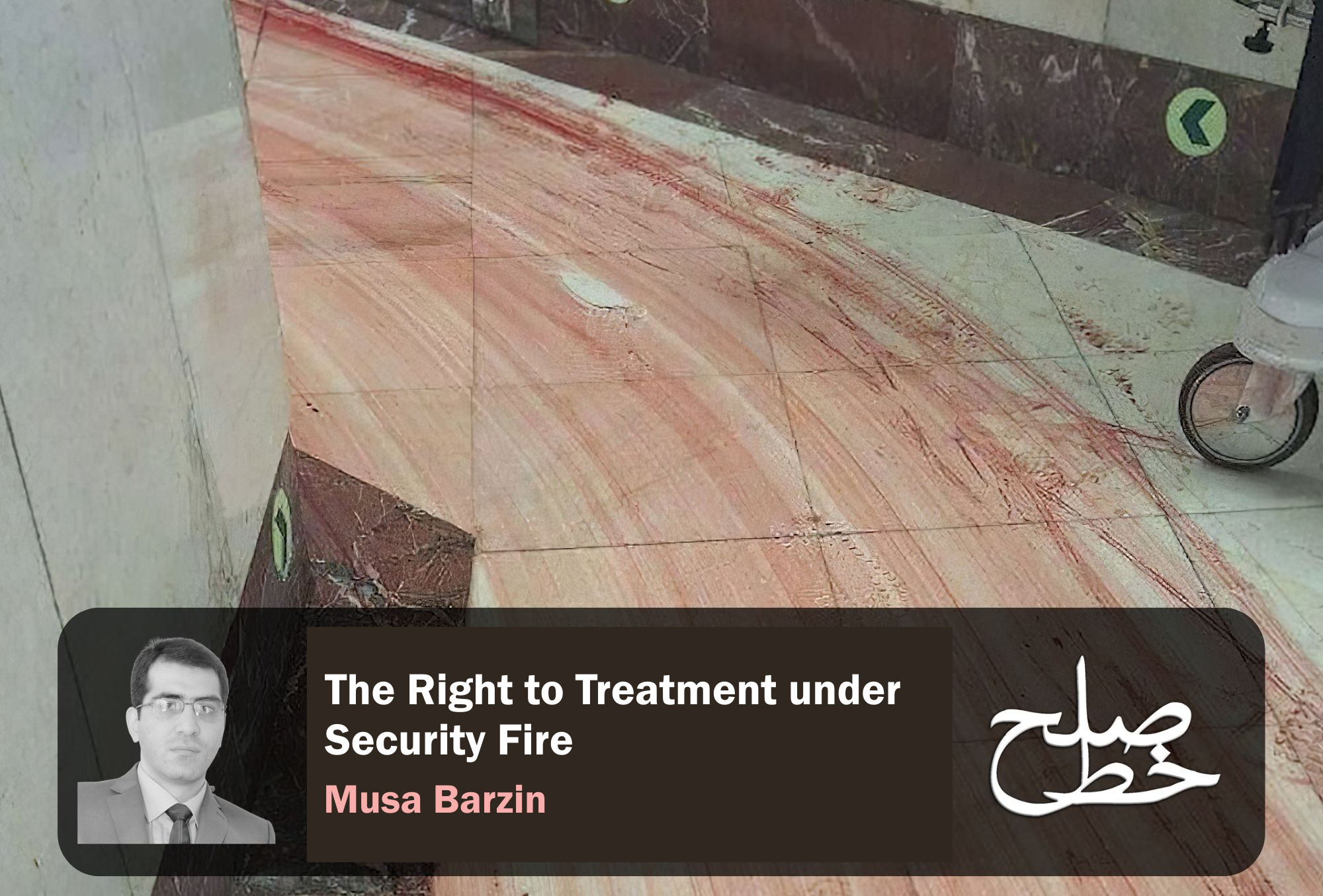
HRANA– During the recent protests, we witnessed many bitter incidents and extra-legal actions in Iran. One of these cases was the restriction of treatment for protesters in various forms. According to reports published from the very first days of the protests, police and security forces attacked hospitals where injured protesters had been taken, creating heartbreaking scenes. Amnesty International has confirmed that the injured broke hospital windows and fired tear gas inside some hospitals. Hospital medical staff were threatened not to provide medical services to protesters or, if they did, they must inform the security forces in advance. Pharmacies were told that any citizen who purchased dressings and disinfectants should inform the officers or refrain from selling these items to the injured. In some hospitals, we witnessed officers preventing medical staff from using the blood bank for injured protesters, and in some cases, these officers even attempted to kidnap protesters from hospitals.

There have been significant reports of threats, summons, and arrests of doctors who helped injured protesters. However, all of these measures have been taken to limit and deny citizens the right to medical treatment. While the right to medical treatment is one of the most fundamental rights that cannot be denied or limited under any circumstances, even in times of war. If we compare this right with other rights, we come to the conclusion that the right to medical treatment is not exceptional. For example, the right to freedom of expression always has exceptions, or even the right to life, which may result in the death penalty for very serious crimes. However, none of the international documents foresee any limitations or exceptions to the right to medical treatment. The right to medical treatment has been emphasized in many international documents. The most important of these are the International Covenant on Civil and Political Rights and the International Covenant on Economic, Social, and Cultural Rights. Both of these have been accepted by the Iranian government and are in force. Also, the Geneva Conventions and their protocols, which relate to the laws of war, generally prohibit attacks on hospitals and medical facilities. It is clear from these international documents that no force has the right to attack medical facilities in any way, whether in a state of war or in a state of internal protests and crises. Violation of this can be considered a war crime or a crime against humanity and have legal consequences for the offending state.

If we look at the domestic laws, we find that any threat by medical personnel to not treat the injured is against the law. The Penal Code for Refusing to Help the Injured and Eliminating Life-threatening Dangers explicitly states that every citizen is obligated to help those whose lives are in danger. This law emphasizes that those who are engaged in medical work due to their profession will be punished if they refuse to help the injured. On the other hand, several regulations, including the Regulation for Handling Professional and Trade Violations of Medical Professionals, state that emergency treatment is one of the duties of medical personnel and no one has the right to prevent it. In other words, domestic laws oblige medical personnel to provide medical services to the injured. The origin of the injury is not important at all. That is, it cannot be said that a person who protested and was injured as a result of shooting no longer has the right to treatment, and doctors have no duty to treat him.

What we have witnessed in the recent protests has been both the denial of the right to treatment and the prevention of the duties of medical staff. The actions taken by the police and security forces have no place in the law and are certainly one of the darkest behaviors observed. When two governments are at war, attacking each other’s medical centers is considered so outrageous that international courts are formed to deal with it. The behavior of a government against its own citizens and attacking hospitals within the same country is naturally doubly outrageous.

It should be noted that both the person who ordered the attack on the hospital and the officer who carried out the order will be held criminally and legally liable. This criminal behavior is not subject to the passage of time and can be investigated and prosecuted under criminal law whenever the conditions are met. The victims of this attack, whether they are the injured protesters, medical staff, or other patients who have been affected by this attack, will have the right to file a criminal and legal lawsuit at any time.

From the perspective of international law, the actions of government forces, along with other criminal behaviors, can be considered a gross violation of human rights and a crime against humanity. Because these actions are geographically dispersed and it is clear that they were carried out systematically. That is, we are faced with a series of actions that show that the government intends to take revenge on the injured protesters. This is despite the fact that both domestic laws, such as the Law on the Procedure for Shooting by Armed Forces, and international laws, emphasize that the use of weapons should not be for the purpose of revenge and destruction of protesters. International documents emphasize that if gatherings are formed and the police feel that intervention could lead to harm to the protesters, ambulances should be prepared in advance on the spot to send the injured to the hospital. In any case, these actions by the Iranian government can pave the way for the application of international mechanisms. This could include pressuring governments to limit their political and economic relations with the Iranian government, or persuading the UN Security Council to impose stricter human rights sanctions. There is even the legal possibility of using force with the approval of the Security Council.


Written by Musa Barzin
Originally published in Khat-e Solh (Peace Mark) monthly magazine on February 20, 2026.

The Collapse of Trust Between People and Medical Staff in Iran / Nafiseh Sharafeddini

HRANA- Trust is a delicate bond between patient and therapist that distinguishes the treatment process from a mere business transaction. But in recent years, we have seen that this pillar in the Iranian medical environment has been severely damaged, giving way to cynicism and misunderstanding.

What is happening in the crowded corridors of hospitals and waiting rooms of offices today is not just simple friction between individuals; it is a reflection of a deeper, structural crisis. Heavy economic and managerial pressures have both placed the patient in the position of a dissatisfied customer and exhausted the medical staff under the burden of overwhelming expectations and restrictions.

This report is an attempt to hear the voices of those lost in the din of this flawed system. Our goal is not to assign blame, but to shine a light on the darkest corners of this broken relationship; a story of the untold suffering of the people and the hidden pain that has overwhelmed doctors and nurses.

Part One: Patients’ Experience

For a patient who walks into a treatment center with a sore body and a troubled mind, there is nothing more painful than feeling invisible. Patients’ narratives show that, faced with the current system, they feel caught in the cogs of a money-making machine, a machine in which recovery and human dignity have been sacrificed for profit and speed.


When health becomes a commodity

Many patients feel that they are a “client” or a “money-making opportunity” for the doctor before they are a human being in need of help. This sense of commodification completely destroys trust. For patients, the priority of the medical staff is not to alleviate their pain and suffering, but to fill their quota of visits or to meet their monthly income ceiling.

Minoo, who has been suffering from breast cancer for three years, told the Peace Line: “Doctors think they must earn several million a month and have visited so many patients. They don’t care about the patient getting better, what matters is filling their pockets.”

This view reduces the doctor from a savior to a businessman. Minoo sees the root of this problem in the motivations for entering the medical field, saying: “When they are taught from childhood that they should study medicine to become rich, what can be expected? God forbid someone gets sick and has to beg for money to pay the doctor, change cars, or go on a foreign trip.”

When the logic of the market ruthlessly overshadows medical ethics, the patient even views the doctor’s compassion with suspicion. Sometimes patients assume that “high cost” must equal “too much medicine and complicated treatments,” and when a doctor prescribes too little medicine based on scientific principles or does not write a prescription for a patient, the patient attributes it to incompetence or illiteracy, not professional commitment.

Samira told the Peace Line: “When you go to the doctor and pay a lot of money for visits and tests, you expect him to at least give you good medicine. For example, I went to the doctor myself, and it cost me about 1,200 tomans for the tests, and then the doctor just gave me a pack of pus-drying ointment. I could have bought the same thing from the pharmacy and not spent so much money. I didn’t say anything to the doctor, but I didn’t go to him again. Even if someone wants to go, I advise them not to go, because I didn’t get any results.”

Some doctors also admit that if they do not give a patient medicine, the patient feels that he did not receive the service for the money he paid, which causes his dissatisfaction. Therefore, they prescribe unnecessary medicines or supplements. This can also lead to financial pressure on the patient.

Ali, a 65-year-old doctor, told the monthly magazine Khat-e-Sulh: “Sometimes the patient’s problem is not serious and does not require medical intervention, yet doctors write a prescription for the patient in a customer-oriented manner, usually for vitamins or painkillers. The reason is that a patient who leaves the office empty-handed and without a prescription often thinks that he has been scammed and does not return. Basically, the offices of doctors who incur the highest costs for the patient, both in terms of paraclinical and pharmaceutical costs, are busier and have greater respect and intimacy.”

On the other hand, if the doctor has written a long prescription for a patient with a lot of medications, there is a concern that the doctor may have colluded with the pharmacy or pharmaceutical company to prescribe unnecessary medications. This toxic atmosphere causes the patient to constantly weigh the issue of whether this prescription was for my health or to line someone else’s pocket?

Mehdi told Khat-e-Sulh: “I worked in a pharmacy and saw with my own eyes the struggle between doctors and pharmacists to write prescriptions. Specialist doctors charge huge amounts of money every month from pharmacies to send their prescriptions there and write more medicine than the patient needs.”


Doctors’ rudeness and inattention

Beyond financial issues, the way a doctor interacts with a patient plays a crucial role in building trust. Many patients describe doctors as arrogant, impatient, and unresponsive. This indifference and indifference can have a devastating effect, especially when the patient is stressed and in pain.

The experience of Hamid, a patient who suffered pulmonary complications after open-heart surgery and was readmitted, illustrates this disconnect between patient and doctor. He says, “My heart surgeon didn’t explain at all, he was very arrogant, and he didn’t talk to the patient or his companion in that way. For example, after the surgery, he didn’t tell me that this procedure had such consequences and complications. After the surgery, we went home, and then the lung problem that is now in the hospital was a complication of the surgery, and we had to come back to the hospital. If we had been a little late or my family had ignored me, something bad could have happened to me.”

Farkhunda, Hamid’s wife, also told the Peace Line: “The surgeon did not involve himself at all and did not even talk to me clearly and precisely after the surgery about the possible complications of the surgery. Of course, I remember that he quickly said things that were not so vulgar that we could understand, nor were we in a good mental state due to the stress of my husband’s surgery to justify it. He was so rude that we did not dare to ask any questions. If the doctor had explained to us very clearly and in simple and understandable language, this might not have happened, or at least we would have been aware of this incident.”

Medical malpractice and misdiagnosis

Nothing shakes a patient’s trust more than the fear of a doctor making a mistake. Medical malpractice and misdiagnosis, especially when accompanied by denial and irresponsibility, inflict an unhealable wound on the body of public trust.

Saba says: “My appendix burst. The doctor told me it wasn’t an appendix. Go home and come back if you get a fever. I spent thirty-six hours with a burst appendix. Then I went to another hospital and had surgery. After the surgery, the doctor told me I was a few hours away from death.”

Aida, who is also suffering from diabetes, says: “My toe was sore because of my illness, meaning it was more of a crack than a wound. I went to the doctor, and they said we had to remove the infection with surgery. Our wounds heal very slowly, and I was actually afraid of surgery. I went to Mashhad, to a hospital for diabetics, and the doctor there said there was no need for surgery and it would heal with pills and medication. My cracked toe healed well in a week. If I had let the doctor do the surgery, God knows what condition I might be in now.”

Such experiences, when spread by word of mouth, create a general fear of visiting the doctor.

Leila says: “I myself heard from one of my doctor friends that sometimes when we can’t diagnose a patient’s problem, we prescribe all kinds of medications, maybe one of them will work!”

Short-term visits

The global standard for visits is between 15 and 20 minutes, but domestic statistics and field observations indicate disastrous averages of 4 to 5 minutes in Iran. Short visits make the patient feel unheard and the doctor’s diagnosis hasty.

Anahita, who has been struggling with eczema for a long time, says, “You go to the specialist before you even sit down in the chair, they diagnose you and write you a prescription.”

In such a process, there is no opportunity for empathy and addressing the patient’s concerns, and the patient may not even have the courage to ask questions. “Sometimes I want to ask the doctor to make the appointment longer so I can ask my questions, but I’m embarrassed, to be honest, I’m a little afraid of my doctor,” says Leila.

This fear and embarrassment reflect the extreme power imbalance in the examination room. The doctor is in a position of omniscience and has complete control over the examination. The patient does not have the right to make demands or the courage to express them.

Shahin also tells the Peace Line: “My doctor gives me five hundred thousand tomans for a visit, and the most time he gives me is when he writes the prescription. I took an appointment for about ninety seconds. Then the next patient is pushing behind the door to come in.”

This compressed schedule of visits leaves doctors with insufficient time to carefully review the patient’s case, explain medications, and answer patient questions, which in turn leads to medical errors.

Group visit

These days, “group visits” have become commonplace in crowded offices and government centers. Patients who are forced to recount their most private pains in the presence of a few strangers experience a feeling of intense humiliation.

Mahtab, a young woman who had a bitter experience visiting a gynecologist, told Peace Line: “He would do the examination behind a partition, but on the other side of the partition, there were several other patients sitting and they could hear everything that each patient was saying to the doctor. I didn’t want everyone to know what was wrong with me.”

This blatant violation of privacy not only calls into question medical ethics, but also causes patients to refrain from expressing their core problems, which directly leads to misdiagnoses and incomplete treatments.


Quotas and the crisis of doctors’ scientific competence

As news about “medical quotas” in the college entrance exam and specialty exams spread, the perception in society has been reinforced that many doctors have relied on their medical chairs not based on scientific merit, but rather on rent and quotas.

Maryam, quoting her daughter, who is a medical student, told the Peace Line about this issue: “My daughter says that doctors are so angry about these quotas. She says that they are making holes in other places or leaving surgical instruments in the patient’s abdomen, especially with laser procedures.”

These stories, whether true or exaggerated, cast doubt on society’s mentality. “People are afraid to show themselves to a novice doctor anymore,” says Solmaz. “These uneducated people want to test their illiteracy and inexperience on patients. Gone are the days when you could trust your education and universities. Now, they let anyone into the medical field.”

According to reports, in some sensitive specialties, such as cardiology, a high percentage of admissions have used the quota. This is why patients today generally prefer to wait in line for hours for old doctors rather than take the risk of visiting young doctors. This distrust traps the patient in an endless cycle of changing doctors and repeating tests.


Part Two: The Lived Experience of Medical Staff

There is another side to the story. Today, Iranian doctors and nurses find themselves caught in a storm of unrealistic expectations, economic pressures, inefficient management structures, and social anger. They believe that society has ignored their sacrifices and focused only on the astronomical incomes of a small group of surgeons.

Exploitation of residents

Residents in Iran struggle with inhumane working hours (sometimes up to 100 hours per week), meager salaries, and heavy responsibilities.

Pooya, an orthopedic resident, describes her situation this way: “Residents don’t have a chance to scratch their heads at all in the first two years. We sleep every other day, and that’s if we don’t eat extra…. We often feel exhausted and extremely tired. It’s unreasonable to expect kindness from a doctor who hasn’t slept for 36 hours.”

The Iranian education system views residents not as expert students but as cheap labor to fill hospital staffing gaps. In such a draining system, young doctors have no opportunity to learn communication and empathy skills.

The shocking suicide rate among residents, which some sources say is up to five times the national average, is a testament to this psychological strain. The suicides of young doctors like Dr. Parastu Bakhshi and Yasman Shirani highlight the depth of the mental health crisis among those who are the health care providers in society. How can a doctor who is struggling with severe depression and anxiety be a safe haven for a patient?

Compulsory service plan for doctors

The Physicians and Paramedics Service Plan is a law in Iran that requires medical graduates to serve for a specified period (usually 24 months) in areas designated by the Ministry of Health, which are often underserved and underserved. Until this period is completed, the physician’s degree is not released and he or she is not allowed to practice medicine independently or immigrate.

Although the initial goal of the scheme is to ensure equitable distribution of healthcare services in the country, the way it is implemented places a heavy burden on young doctors. Many doctors on the scheme face long delays (sometimes up to a year) in receiving their allowances and salaries. The amount paid is often disproportionate to their heavy workload.

Tanaz told the monthly magazine Peace Line about this problem: “Our compulsory draft salary is less than that of a simple worker. Two years of hard labor and hardship in the most deprived parts of the country, even with equipment from half a century ago, is truly cruel. It is true that there is a need for doctors in deprived areas, but they are not willing to make going to those areas attractive for doctors by increasing their salaries, so they forcefully send young doctors there.”

Amin says: “There are no more helpless people in this country than doctors. Study, suffer from insomnia and misery, and don’t breathe, and force a few salaries and allowances out of the ministry’s throat, and in the end they’ll send you to a remote place for a project.”

In many deprived medical centers, doctors have to manage critically ill patients with their bare hands. The lack of medicine and equipment causes the patient’s companions to vent their anger on the doctors, which endangers the doctors’ physical and psychological safety.

Amin adds: “One of the honors of our planning and development manager was that in our city, it’s true that they curse and threaten doctors, but they don’t beat them. Because in the neighboring city, they beat a doctor every day. Once, they beat an orthopedic resident so much that his arm was broken.”

The biggest criticism of this plan is that it is mandatory for the release of a certificate. The doctor practically does not have the right to choose his career path, and this feeling of lack of control causes severe burnout in the early years of his professional career, kills the motivation to serve honestly, and turns the doctor into a bitter and hopeless person whose only wish is for the plan to end and escape from that area.

Violence against medical staff

One of the most bitter experiences for healthcare professionals is encountering blatant violence in the workplace. The patient’s companions, angered by their loved one’s pain and lack of facilities, often blame the healthcare professionals and vent their anger through insults and beatings.

The story of Dr. Mohammad Aboutorabi, an anesthesiologist, who was severely beaten by the companions of a deceased patient and was on the verge of blindness, is a horrific example of this situation. Or a nurse in Arak who was beaten so badly that she fainted because there was no empty bed. In another incident in Yasuj, Dr. Masoud Davoudi, a cardiologist, was murdered by the brother of a deceased patient.

This violence has a direct impact on the behavior of doctors: to protect themselves from potential lawsuits and violence, doctors focus on what is safest for them, rather than on the best treatment. They order unnecessary tests, refuse to admit high-risk patients, and refer patients to other centers. This vicious cycle increases the cost of treatment and further erodes trust.

The reality of the medical community’s livelihood

While the general perception is that all doctors earn billions in income, the statistical reality shows that only a small percentage of doctors (mainly surgeons and renowned specialists in the private sector) earn such incomes, and the main body of the medical community (general practitioners, young specialists, residents) face serious livelihood problems.

Behzad, a doctor, says: “With the current situation in the country, doctors sometimes perform a procedure for just a few million, and that too will be paid for next year.”

The government’s mandated and unrealistic tariffs have put doctors in a bind. Many doctors believe that keeping tariffs artificially low is the root cause of phenomena such as underpayment. When the government system is inefficient and tariffs do not cover costs, a direct and illegal financial relationship is formed between the doctor and the patient.

Low income compared to high workload and responsibility has greatly increased the motivation for immigration among Iranian doctors. The annual departure of thousands of doctors and nurses from the country not only wastes national capital, but also further limits people’s access to quality services.

An analysis of the current state of the health system shows that mutual trust between the public and the medical staff, as one of the most important pillars of social capital, has been seriously eroded. This deep rupture in public trust is a direct result of the ineffectiveness of the government, which, instead of playing the role of a supporter and observer, has practically turned the field of treatment into an eroding battlefield between the doctor and the patient by commodifying health and abandoning its responsibilities. In this flawed structure, the patient, instead of receiving competent services, finds himself alone in a ruthless market, and the doctor, instead of having job security, finds himself a tool to compensate for the government’s budgetary and managerial shortcomings.

The government, by adopting irresponsible policies, is the main originator of this conflict; on the one hand, it exploits young doctors with mandatory plans and unrealistic tariffs, and on the other hand, by not covering costs properly and with weak supervision, it places the financial and psychological burden of treatment entirely on the shoulders of the people. The anger and violence that we are witnessing in hospitals today is the natural reaction of a society that, in the absence of an efficient and accountable system, seeks the only way to vent its dissatisfaction in conflict with the final link in the chain, namely the medical staff.

Attempting to restore this trust through moral advice to the public or doctors is misdirecting and covering up the root cause of the crisis. Until the government accepts responsibility for the consequences of its decisions through fundamental reforms, the wall of distrust will continue to grow higher, and the smoke from this managerial fire will be felt most in the eyes of the public health of society.


Written by Nafiseh Sharafaldini
Originally published in Khat-e Solh (Peace Mark) monthly magazine on December 22, 2025.

Arbitrariness in Justice: Violations of Human Rights and the Responsibility of States/Abuzar Zaman

HRANA– The evolution of criminal justice and the transition from personal revenge and arbitrary justice to modern legal and penal systems is one of the signs of the civilization of human societies. Today, resorting to arbitrary justice is in clear contradiction with the right to a fair trial and human rights and in conflict with the values ​​of a modern society; something that can lead to the disruption of public order and chaos in society and is a sign of the lack of an adequate, efficient and powerful state. Human history shows that wherever legal mechanisms have been ineffective or absent, personal revenge and violence have replaced justice and endangered individual and collective security. In this article, the evolution of penal systems, international and human rights documents, and ultimately the responsibility of states regarding the personal administration of justice are examined.

Transition from personal revenge to the modern penal system

The history of the foundations of criminal law begins with the idea of ​​revenge, then reaches a relative adjustment, and today it is moving towards a general adjustment in order to limit revenge and expand developments for the benefit of society. In primitive societies and in the period of private revenge, due to the lack of a state as a powerful political and executive institution, there were two characteristics regarding punishments: first, collective responsibility, meaning that if an individual committed a crime, his family or tribe had to pay the penalty. Second, there was injustice in punishment, because a specific punishment was not defined for each criminal act and the rule of proportionality between crime and punishment, which is one of the important rules of criminal law today, was not observed. (1) In the civilizations of Egypt, Babylon, and ancient Iran, revenge was not only not a reprehensible act, but was also recognized as a manifestation of justice. Later, with the emergence of centralized and powerful governments and the entry of governments to explain the principles and rules of punishment and establish social order, the method of revenge and punishment of criminals and the determination of compensation became more limited, and a relative adjustment in private revenge was formed.

The emergence of modern criminal justice began with the Age of Enlightenment, a period when philosophers such as Jean-Jacques Rousseau, Beccaria, and Jeremy Bentham founded the school of social utilitarianism. Rousseau believed that because humans live in society, they delegate their powers to society—including the right to punish—and therefore, if a crime is committed against an individual, it is society that punishes, not the individual. Beccaria also emphasized the principles of proportionality of punishment to the crime, certainty of punishment rather than severity, and the elimination of extreme punishments. Beccaria proposed the development of criminal laws that people should be aware of in advance so that their fate was not solely in the hands of the judge (with broad powers). This was later accepted as the principle of “legality of crime and punishment” in modern penal systems. With gradual developments in penal systems, governments took on the main role in punishing criminals. In today’s world, the law is not a means of personal revenge for individuals, and the main goals of governments in criminal matters are based on preventing crime, administering justice (for the criminal and the victim), establishing public order, and reforming the criminal and reinstating him or her into society.

Arbitrariness in justice in light of international documents and human rights

A review of international and related human rights documents shows that arbitrary justice and personal revenge are clear violations of human rights. Although this title is not directly mentioned in international documents, through the interpretation of the fundamental principles of human rights and the emphasis on the right to access to justice and fair trial, the prohibition of arbitrary punishments, the prohibition of torture and the right to life, it can be concluded that arbitrary justice is accepted in complete contradiction with these principles and rights. Article 3 of the Universal Declaration of Human Rights emphasizes respect for the right to life and security of person, and Article 9 of this Declaration states that no one shall be arbitrarily arrested, imprisoned or exiled. Articles 8 and 10 of the aforementioned Declaration declare that individuals have the right to appeal to competent, independent and impartial tribunals to have their cases heard in a fair and public manner. Article 11 of the Declaration also states the principle of the presumption of innocence and states that everyone charged with a criminal offence shall be presumed innocent until proven guilty according to law in a public trial at which he has had all the guarantees necessary for his defence. Article 14 of the International Covenant on Civil and Political Rights, adopted by the United Nations General Assembly in December 1996, also states that everyone is equal before the courts and tribunals. Everyone is entitled to a fair and public hearing by a competent, independent and impartial tribunal according to law, in the determination of any criminal charge against him or of any dispute concerning his civil rights and obligations. In 2007, in General Comment No. 32, (2), the Human Rights Committee, while explaining and interpreting Article 14 of the Covenant, stated that the right to equality before courts and tribunals and the right to a fair trial are essential elements of the protection of human rights and serve as a means of ensuring the rule of law.

All of the above articles are rights that the international community has agreed on in the field of human rights and that modern penal systems have also respected. Respecting these rights is the duty of all human beings, and creating the infrastructure and mechanisms for implementing these rights is the duty of all governments. In the matter of arbitrariness in justice and personal revenge, since the individuals who are punished do not have the right to freely defend themselves and their charges are not heard in an independent and impartial court, and they generally face severe and inhuman punishments such as deprivation of life or torture, a gross violation of human rights occurs.

The role of governments and their responsibility in preventing arbitrariness in justice

Governments have a key role in preventing personal revenge and arbitrariness in justice. Governments must enact clear, precise, and enforceable laws and establish an impartial, sound, and independent judiciary and a strong and systematic police force. It is very important to expedite the process of handling a crime, including: prosecuting the accused, conducting preliminary investigations, hearings in court, and issuing and enforcing sentences. The law should not include things that individuals feel they can use for revenge. Although respecting the rights of the accused is very important, sometimes strict rules and procedures for proving a crime discourage individuals from reaching a conclusion, or even some individuals abuse these strictures and commit crimes that they know will be difficult to prove. These are all things that failure to pay attention to can lead society to arbitrariness in justice.

General Comment No. 36 of the United Nations Human Rights Committee (3), interpreting article 6 of the International Covenant on Civil and Political Rights on the right to life, emphasizes that the right to life is not limited to the prohibition of direct killing by the State, but also includes the active protection of the life of individuals, meaning that the State has a duty to prevent arbitrary deprivation of life (including for personal revenge, honor killings and punishment by arbitrary groups). The Committee states that States have a responsibility to prevent arbitrary killings, to effectively investigate them, to prosecute and punish the perpetrators and to provide reparation to the victims. States must have effective judicial structures so that individuals can resort to the law rather than to personal revenge. Weak judicial systems, delays in proceedings and public distrust all contribute to arbitrary justice. If governments fail to take effective action in this regard, they will have violated their international obligations and blatantly violated human rights.

Footnotes:
1- Reza Noorbaha, The Field of General Criminal Law, 24th edition, Tehran: Ganj Danesh Library, 2008, p. 67.
2- UN Doc. CCPR/C/GC/332, 23 August 2007.
3- UN Doc. CCPR/C/GC/36, 30 October 2018.

Written by Abuzar Zaman
Originally published in Khat-e Solh (Peace Mark) monthly magazine on December 22, 2025.

Subscribe to Our Newsletter

Now is definitely not the time to stop reading!

Fashion and the Representation of Distinction: From Personal Taste to Class System/ Naeimeh Doostdar

HRANA– What is seen on the streets today is not merely a variety of styles, but a silent, ongoing competition between social classes, inscribed on the surface of the body. Hair color, eyebrow shape, the cut of a manteau, and even the quality of makeup have become markers that reveal opportunities, limitations, and economic divides. In a society where class mobility has become increasingly difficult, appearance has more than ever become a language of power. Contrary to popular belief, a person’s appearance is not solely an individual or aesthetic matter, but lies at the heart of power relations, economic inequality, cultural capital, and social mechanisms. From Thorstein Veblen, the American economist and social theorist, to Pierre Bourdieu, the prominent French sociologist, it has been shown that appearance functions as a language, one through which individuals not only define themselves but also signal their social position. In Iran, this language has taken on new and intense meanings, especially under economic pressure, state restrictions, and generational change.

Theoretical Roots of Distinction: From Conspicuous Consumption to Cultural Capital

Through his concept of conspicuous consumption, Veblen argued that many of our stylistic choices are part of a social game—a game where increased or exclusive consumption conveys social prestige. Bourdieu transformed this idea by showing that what we call “taste” is in fact shaped by family upbringing, class structure, and cultural experience. From his perspective, hair color, makeup styles, clothing choices, and even posture carry cultural capital. Society recognizes these signs, and social classes, whether intentionally or not, use them to demarcate boundaries. In Iran, these same mechanisms operate—but with added complexity, as they are entangled not only with economy and culture but also with politics and state control. In Iran, class distinction manifests not only through consumption and style but also through the possibility of consumption and freedom of choice.

The Beauty Economy and Inequality: Appearance as Class Evidence

A person’s appearance is, above all, contingent on financial means. Economic disparity in Iran has widened, and this gap is vividly visible in appearance. The cost of beauty services, from hair coloring, professional blowouts, and nail care to hair treatments, Botox, dermal fillers, and laser procedures, in major Iranian cities often equals several days to a full month of a working-class income. Thus, access to these services has become a class symbol. On the other hand, quality clothing in Iran, due to sanctions, a weak domestic textile industry, inflation, and smuggling, comes at a high price. Purchasing a well-made manteau, European denim, or genuine leather shoes is beyond the reach of much of the population. As a result, the quality of items and the way they are coordinated has become a visible indicator of economic access. In today’s Tehran, “fitness,” “on-trend hairstyles,” “subtle yet professional makeup,” and “simple but expensive clothing” all reflect financial and temporal resources. Conversely, disadvantaged classes are often forced to rely on cheaper market clothing, low-cost beauty services, and longer-lasting styles. The contrast in quality and style acquires class significance, one that is often deeply unfair.

Aesthetics and Judgment: How Styles Produce Class

In Iranian society, as in many others, aesthetic styles carry cultural judgments. Subtle makeup, cool-toned hair colors, short manteaus with clean lines, tailored suits, and minimalist handbags are typically perceived as tasteful and “modern” among the affluent middle class. In contrast, heavy makeup, low-quality fantasy hair colors, flashy manteaus, or embellished bags are often associated with “popular” or lowbrow aesthetics. These judgments are culturally rooted but actively reproduce class divisions. Styles more accessible to lower-income groups are unfairly devalued. This dynamic has pushed the middle class toward luxurious minimalism, a style that appears simple but requires significant financial and cultural capital. In Iran, “luxurious simplicity” has become a class signifier, since high-quality materials, precise tailoring, professional coloring, and minimal yet coordinated makeup all come at a cost.

The Body in Iran: A Heightened Field of Distinction

In Iran, the body bears more social meaning than in many other countries. Several factors have intensified this condition:

First, government restrictions on dress and the body have turned appearance into a site of resistance. Many Iranian women, despite state-imposed mandates, have transformed their appearance into a language of cultural distinction. Specific hairstyles under the headscarf, makeup quality, or even how a shawl is worn have all become carriers of cultural and class messages.

Second, widespread economic pressure has increased the symbolic value of beauty. In a society where upward mobility is limited, appearance often becomes a tool for social competition. A beautiful body, healthy hair, blemish-free skin, low weight, and physical fitness are interpreted as signs of self-management, self-control, and success, concepts that are in fact rooted in class-based opportunities and resources.

Third, the pressure on women is greater than on men. In Iran, women’s beauty is not only a matter of consumption and style but also one of security, social power, employment opportunity, and even access to public space. Thus, grooming and self-presentation have become a “social necessity” rather than merely an aesthetic choice for many Iranian women.

Social Media in Iran: Intensifying Inequality Through Image

Instagram, which prior to widespread censorship was the most popular visual social network in Iran, played a significant role in shaping visual distinctions. Content creators, fitness trainers, makeup artists, beauty clinics, and influencers presented a standardized image of beauty—often accessible only to the upper-middle class. Flawless skin, fit bodies, Hollywood-style makeup, cool-toned blonde hair, European fashion, and foreign brand-name handbags were part of this imagery. In contrast, lower-income groups faced psychological pressure because these beauty standards were out of reach. The result has been the emergence of a new form of class-based shame and costly attempts to mimic upper-class appearances. Practices such as paying in installments for laser treatments, buying counterfeit bags, using low-quality hair dye, or opting for heavy makeup are all attempts to participate in the “beauty field” at a lower cost. This condition is more structural than personal: social media in Iran has rendered class distinctions visual, comparable, and constantly visible.

Class Distinction in Iranian Dress Styles

In Iran, dress style conveys class and identity perhaps more than in many other countries. In Tehran, simply moving from one neighborhood to another reveals stark differences in people’s appearance. In areas like Vanak, Gheytarieh, Elahieh, or Lavasan, styles are predominantly minimalist, with neutral colors and high-quality fabrics. In parts of East or South Tehran, styles are more colorful, diverse, and makeup tends to be heavier. These differences are not just a matter of taste or personal preference—they reflect varying economic means, cultural capital, and even different lived experiences of the world. The high cost of quality clothing, import bans, the weakness of the domestic fashion industry, and the inflated prices of foreign brands have made clothing disparities highly visible. Meanwhile, the affluent middle class has sought to symbolically distance itself by emulating European and Scandinavian fashion trends.

Hijab and Distinction: How Restriction Deepened the Divide

In Iran, mandatory hijab policies have not erased distinction, they’ve made it more complex. Before the “Woman, Life, Freedom” uprising, elements such as the headscarf, manteau, how a shawl was worn, the color and sleeve cut of garments, and the length of clothing all became tools of distinction. The affluent middle class expressed their style through short manteaus, neutral colors, light shawls, and subtly visible hairstyles. The working class, through cheaper manteaus, bold prints, or ornate scarves, were culturally labeled. Even details like “eyebrow grooming” or “nail polish color” carry class signals in Iran. This shows that state restrictions have not erased differences but have instead driven them into more subtle, symbolic, and hidden domains.

Class Reproduction in Iran: How Appearance Is Passed Down Generationally

As in many other countries, family plays a central role in shaping taste in Iran. Children who wear quality clothes from an early age, grow up in affluent neighborhoods, are exposed to global fashion styles, and have access to beauty services develop different aesthetic preferences from childhood. School, university, and the job market all intensify these differences. In Iran’s job market, a “suitable appearance” often means alignment with middle-class aesthetic norms, structurally placing individuals from lower classes at a disadvantage. This is one of the hidden pathways through which inequality is reproduced.

Appearance: A Language of Inequality and a Battleground of Class in Iran

In the end, fashion, clothing, makeup, and hairstyle in Iran are not superficial elements but mechanisms for representing and reproducing class distinction. What we call “taste” is in fact the product of power structures, economic inequality, cultural experience, and regulatory policies. Due to its particular combination of sanctions, inflation, social control, economic pressure, and generational shifts, Iran represents one of the most intense arenas of visual distinction in the region. In Iran, a person’s appearance reveals not so much who they are, but what access they have had and in which social field they have lived.


Written by Naeimeh Doustar
Originally published in Khat-e Solh (Peace Mark) monthly magazine on November 22, 2025.

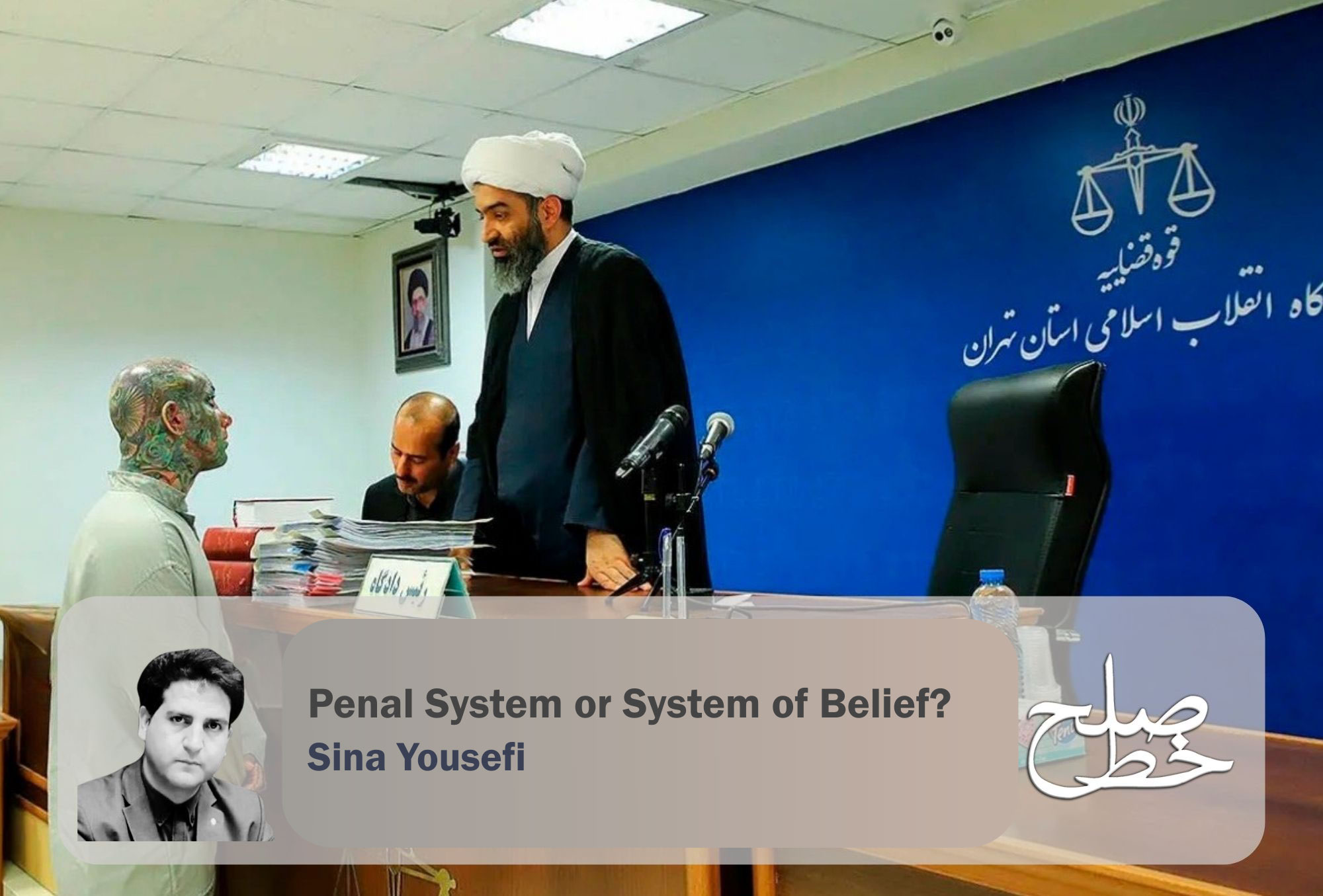
Penal System or System of Belief? / Sina Yousefi

HRANA- Repentance (tawba) has long been regarded in Islamic jurisprudence as a moral and devotional concept, and over time, it has also gained a significant role in criminal proceedings. Islamic jurisprudence, by linking the realm of religious ethics with the domain of punishment, has created an institution in which inner transformation can lead to the annulment or reduction of punishment. This intertwining of religion and law has placed repentance, despite its subjective and unquantifiable nature, in a position to produce direct legal consequences. Within such a framework, the boundary between ethics and criminal responsibility becomes blurred, allowing internal and subjective criteria to influence the objective standards of legal proceedings.

The penal system’s reliance on a concept like repentance, which is inherently internal and lacks empirical criteria, has led to serious challenges in ensuring judicial justice. A judge is compelled to rule on the “sincerity or insincerity” of repentance based on outward signs or the defendant’s claim, opening the door to subjective interpretation and undermining the principle of predictability in judicial processes. In some recent cases, including the reversal of death sentences for well-known defendants, repentance has appeared in such a way that it allows for political and media exploitation, thereby damaging public trust in the judiciary’s impartiality. As a result, the penal system’s reliance on an institution that lacks clear legal standards has not only compromised criminal justice but also created inequality among defendants and weakened the foundation of the principle of equality before the law.

A deeper critique of repentance makes it necessary to structurally challenge the dominance of traditional jurisprudence over the criminal legislative system. Just as repentance is applied in criminal law based on theological rather than legal foundations, many other jurisprudential criminal categories, such as apostasy (irtidad), armed insurrection (moharebeh), corruption on earth (efsad fi al-arz), rebellion (baghy), insulting the Prophet (sabb al-nabi), and similar acts, are criminalized based on belief, expression, or ideological orientation, which clearly contradicts the principles of freedom of thought and expression. As a result, a structure has emerged in which material and harmful conduct is not the criterion for crime; rather, the individual’s belief and expression are treated as the focal point of criminal responsibility. The continuation of this outlook impedes the alignment of the penal system with principles of fair trial and international human rights standards and demonstrates that the issue of repentance is merely a symptom of a deeper structural problem in Iran’s criminal legislation.

The dominance of jurisprudential foundations in criminal lawmaking has led to the continued presence of punishments such as flogging, execution, amputation, and other corporal penalties in the law, because the legitimacy of these punishments is drawn from jurisprudential sources and lacks criminological analysis, principles of human dignity, or global anti-torture standards. These punishments, abolished in many modern legal systems, not only lack sustainable deterrent effects but have caused widespread moral, psychological, and social harm. Their persistence has shown that the penal system, instead of moving toward a legal model based on rationality, proportionality, and respect for human rights, remains subordinate to a structure that prioritizes preserving traditional jurisprudential penal norms and obstructs fundamental reform.

Achieving criminal justice in its modern sense requires an institutional separation between religious ethics and the legal system. Criminal law must be grounded in principles such as proportionality between crime and punishment, the rational necessity of criminal policy, transparency in legislation, and respect for human dignity. Sole reliance on jurisprudential sources—which are inherently inflexible and based on a specific historical worldview—has restricted the realization of these principles. Purging the penal system of jurisprudential foundations does not mean eliminating the role of religion in society but rather placing the law within a framework rooted in public reason, criminological science, and the universal values of human rights. Such a purification is a necessary precondition for establishing a penal system capable of responding to the needs of today’s diverse and complex society.

The transition to a modern penal system requires that the law be understood not as a direct reflection of jurisprudential rulings and traditional value systems, but as the product of the people’s free will, democratic mechanisms, and the universal principles of human rights—principles whose legitimacy derives not from theology but from collective reason and the historical experience of human societies. Modern legal systems, by emphasizing the primacy of inherent human dignity, the equality of citizens before the law, the absolute prohibition of torture and cruel or degrading treatment, and the strict observance of due process, offer a different model of criminal justice. A model in which the goal of law is to safeguard individual and social liberty and security.
These principles can only be realized when the penal structure is freed from reliance on non-legal criteria such as repentance, which is subjective and unmeasurable, and from punishments based on jurisprudence that conflict with global standards of human dignity. Establishing the rule of law in its precise and modern sense requires a legislative foundation based on scientific and criminological analysis of harmful behaviors, the application of human experience in reforming criminal policy, and unconditional respect for fundamental human freedoms. Only through such a fundamental structural transition can the judiciary be directed toward lasting justice, institutional accountability, and the real implementation of citizen equality, and aligned with the standards of the contemporary world and the demands of modern society.


Written by Sina Yousefi
Originally published in Khat-e Solh (Peace Mark) monthly magazine on November 22, 2025.

The Bankruptcy of Pension Funds and Wage Arrears/ Sina Yousefi

HRANA– In recent decades, the country’s pension funds, especially the Civil Servants Pension Fund, the Social Security Organization, and the Armed Forces Pension Fund—have faced a deep structural crisis. This crisis stems from chronic imbalance between resources and expenditures, unprofessional policymaking, and weak corporate governance in managing these institutions. The share of public budget contributions to cover the deficits of these funds has reached a level that confirms their non-independence from the government, calling into question the fundamental principles of insurance. Alongside this, wage arrears owed to workers and employees, which lead to delays in insurance premium payments, have intensified the crisis and created a chain of deferred obligations that directly threaten the liquidity of the funds. Therefore, the current condition of the funds should be viewed not merely as a financial issue, but as a legal and institutional crisis which, if left unaddressed, could lead to the collapse of one of the key pillars of social justice and economic security.

Amid this situation, the government’s approval of the Regulation on Changing the Retirement Age and Service Record in 2025 (1404) has been introduced as a parametric reform aimed at improving the sustainability of the funds. However, the key question remains: can this measure effectively address the structural crisis, or will it merely delay the inevitable collapse?

The 2025 Retirement Age and Service Record Regulation was adopted based on Article 76 of the Civil Service Management Law and Article 111 of the Social Security Law. Its stated objective is to align retirement conditions with demographic indicators and increased life expectancy. According to the regulation, the minimum retirement age has been raised to 62 for men and 55 for women, while the required years of service have been increased to 35 and 30, respectively. In addition, the regulation includes transitional and gradual provisions to prevent a sudden shock to the labor market and obliges the government to periodically assess its economic, social, and financial impacts.

Nevertheless, from an administrative law perspective, this regulation appears to be more a product of short-term fiscal thinking than a result of comprehensive insurance-based analysis. In essence, the regulation aims to reduce the financial burden of the funds in the short term, without simultaneously addressing premium collection systems, investment efficiency, or financial transparency within the funds. In other words, the government, using administrative regulatory tools, has attempted to temporarily contain the chronic liquidity crisis of the funds by raising the retirement age, without providing a scientifically grounded justification for this decision.

In insurance and financial theory, increasing the retirement age theoretically delays pension payments and extends the period of premium contributions, thereby improving the balance between resources and expenditures in the short term. However, this effect only materializes when there is a stable flow of premium income and high formal employment rates. In today’s Iranian economy—marked by negative growth in stable employment, an increase in informal labor, and widespread evasion of insurance, raising the retirement age does not necessarily translate into higher fund revenues.

Moreover, extending the length of employment amid a stagnant labor market blocks job opportunities for younger workers and reduces employment turnover, which in the long term further weakens the financial balance of the funds. From a public law perspective, the 2025 regulation was enacted without a comprehensive research foundation or stakeholder engagement, despite the fact that such a decision should be based on practical analysis and grounded in the principles of fairness and legitimate expectations. In other words, sudden changes to retirement conditions without compensating for workers’ and employees’ acquired rights can be challenged under the general principles of administrative law and the prohibition on retroactive deprivation of vested rights.

The greatest obstacle to realizing the goals of the 2025 regulation is the widespread issue of wage arrears and the accumulated debts of employers to pension funds. When both public and private employers delay in paying their share and the workers’ share of insurance premiums, funds not only lose access to current resources but also face a growing volume of uncollectible claims in the future. Raising the retirement age in such conditions merely defers the obligations to a later time and, far from ensuring financial stability, worsens the funds’ situation by extending employment periods during which premiums are not fully paid.

Legally speaking, employers’ failure to pay insurance premiums constitutes a violation under Articles 36 and 39 of the Social Security Law and carries both civil and criminal penalties. Yet, due to significant weaknesses in enforcement and administrative oversight, these penalties have proven ineffective. Instead of adopting serious measures in this domain, the government has focused its efforts on changing the retirement age. However, without collecting wage arrears and reforming oversight structures over employers, any parametric reform will remain fruitless. In fact, the 2025 regulation, in the absence of an effective claims collection system, serves more to shift the crisis between generations than to resolve it.

Considering all the above, the 2025 Retirement Age and Service Record Regulation, while seemingly an attempt to ease the financial pressure on the funds, is in practice a delaying and unsustainable policy that postpones the crisis rather than undertaking structural reform. Real reform can only occur when the government and legislature adopt a comprehensive, insurance-based approach and implement a combination of institutional, financial, and legal reforms simultaneously, including:

1. Reforming the premium collection system and granting quasi-judicial authority to the funds to seize and recover claims from delinquent employers;

2. Establishing a transparent and public auditing system over the financial operations of the funds and requiring publication of financial statements in accordance with international standards;

3. Diversifying revenue sources through productive, non-rent-seeking investments;

4. Preserving contributors’ vested rights and designing genuinely fair and transitional arrangements;

5. Creating a complementary insurance system and separating welfare funds from insurance-based funds based on their mission and financial logic.

Ultimately, if the government seeks to address the crisis solely through administrative tools and without undertaking fundamental reforms—focusing only on increasing the retirement age—the outcome will be nothing but the erosion of public trust and the deepening of instability. The sustainability of the funds requires rule of law, transparency, and institutional accountability—not merely changing retirement parameters and numerical thresholds.


Written by Sina Yousefi
Originally published in Khat-e Solh (Peace Mark) monthly magazine on October 23, 2025.

Women Kolbars: The Burden of Poverty on Forgotten Shoulders/ Pardis Parsa

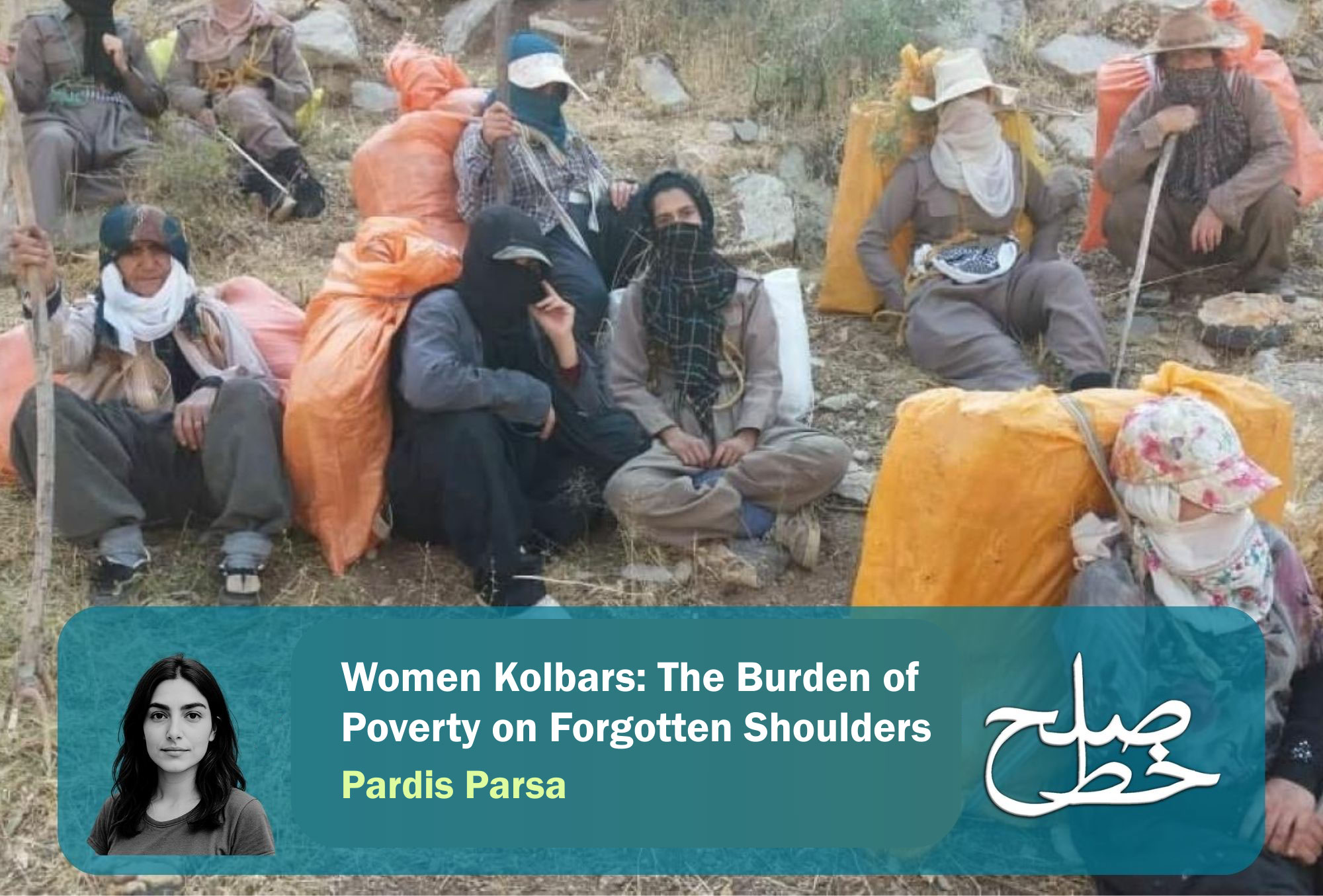
HRANA- This article, published in the peace Mark monthly, recounts the various hardships of kolbari through the voices of women kolbars. Kolbars are laborers who, out of poverty and in order to make a living, carry goods on foot across Iran’s borders, particularly along its western frontiers.

Read the full text of the article below:

Kolbari, a practice most common in the provinces of Kurdistan, Kermanshah, and West Azerbaijan, is a phenomenon tightly intertwined with structural poverty, underdevelopment, and centralized governance policies. The state, through continuous underdevelopment of non-Shia and non-Persian regions, has exacerbated this issue—particularly in the Kurdish border areas. Years of neglect, historical insecurity, and a securitized view of these regions have made sustainable investment virtually impossible. The absence of factories and manufacturing workshops, the weakness of tourism, and stagnation in agriculture have deprived locals of formal employment opportunities and driven up unemployment rates. In the absence of supportive and developmental policies, the informal economy and high-risk activities like kolbari have become the only means of survival and livelihood for thousands of border-dwelling families.

Unofficial estimates place the number of kolbars between 80,000 and 170,000. While there are no official disaggregated statistics on the exact number of women kolbars, some sources estimate it to be several thousand. Many of these women are heads of households or have husbands who are unable to provide due to illness or addiction. For these women, kolbari is the last bastion of financial independence and a means of covering their families’ most basic needs.

“Bahiyeh,” a 53-year-old woman who has been working as a kolbar for ten years, told Peace Mark Monthly Magazine:
“This is just how the world is. Some people have it easy. Others like us live hard lives and have to do kolbari to survive. My eldest son has a master’s degree and is unemployed. He doesn’t even have a penny in his pocket. His wife is educated too, but she’s also jobless. My other two sons are the same—one’s a computer engineer, the other’s got a master’s in accounting. None of them have proper jobs. What can I do? I’ve tried other things like making ‘giveh’ (traditional footwear), sewing, and knitting with yarn. But those don’t bring in money like kolbari. Without kolbari, we wouldn’t survive.”

“Golzar,” 48 years old, a widow who raised her six children alone, said:
“Nowadays, everyone’s doing kolbari to make a living. Life has gotten so expensive. Everything’s pricey. You have to go do kolbari two or three times just to buy a sack of rice. I’ve been doing this work for eleven years now.”

“Chiman,” 45, whose husband cannot work due to severe spinal disc herniation, said:
“Right now, I’m the head of the household. I’ve got three school-aged kids. We’re renting a place in Paveh, and I do kolbari in Dezavar. My daughter got divorced and came back home with a little child, and my husband has back issues. Now we’re seven people in the house. Kolbari is my main job. If I don’t do it, where would we get money to eat?”

Gender Dimensions and Discrimination

Compared to men, women kolbars are in significantly more vulnerable positions. They not only face the same physical dangers but also endure layers of cultural discrimination and pressure. In traditional and patriarchal views prevalent in some local communities, a woman’s presence in the harsh, male-dominated world of kolbari is considered inappropriate. Women who take on this work often face disdainful or pitying glances. This judgmental perspective exposes women kolbars to social isolation and intense psychological stress.

“Golchin,” a widow and kolbar for twelve years, shared:
“So many rumors have spread about us. They’d say we go to Iraq and do God-knows-what, or that we go with strange drivers. A thousand stories have been made up about us. I’ve heard them all. In the beginning, it really upset me. But now I don’t care anymore, because I know I haven’t done anything wrong. I just went, sold my goods at the Toyleh market (a village on the Iraq border), bought some items there, and brought them back to Iran to sell. I did it to raise my two kids and not have to beg anyone.”

“Golzar” also said:
“You know what the difference is between men and women doing kolbari? Men do their job and no one talks behind their backs, but with women, it’s different—especially if you’re a widow. There’s a lot of judgment about female kolbars. They say we go to Iraq and who knows what we do there. Of course, now that we’re older and have been doing this for a long time, people know us and what kind of people we are. But for young women just starting out, this issue still exists.”

The Double Burden of Gender Roles

According to gender roles defined by society, managing the household and caring for children are primarily the woman’s responsibility. For women kolbars, this means starting a “second shift” after hours of grueling physical labor in the mountains. Unlike men, who can rest after returning from kolbari, these women are expected to immediately take up cooking, cleaning, and caregiving duties without pause. This double burden intensifies their physical and mental exhaustion, leaving no room for rest or self-care.

“Roshana,” 22, who has been doing kolbari with her husband for a year and a half, said:
“House chores, cooking—it’s all on me. After we came back from kolbari, my husband would take a shower and lie down, but I had to go straight to the kitchen to make tea or cook. He never helped me. One time, I was really exhausted and his mom was with us. When we got back, I told myself I’d rest an hour before making food. But my mother-in-law criticized me so much and said I wasn’t fulfilling my duties, that I ended up dragging myself to the kitchen to cook while still worn out.”

“Maliheh,” 39, who’s been doing kolbari with her husband for two years, said:
“I do the housework, childcare, cooking, and even work in our garden. When I push myself too hard during kolbari, I can’t handle the rest. My eldest son helps me a lot, but most of the chores are on me. When I bring back heavy loads from Iraq and then come home to more work, I’m really exhausted. I can’t focus on anything—not my kids, not the house, not even the garden.”

No Physical Safety, No Peace of Mind

Treacherous mountain routes expose all kolbars to deadly risks—falling, avalanches, hypothermia, wild animals, and landmines leftover from past wars are constant threats. Violent encounters with border patrols and the risk of being shot must also be added to this list.

“Golzar” added:
“Sometimes the path we take has landmines. God has spared us so far. One time I tried to pass through Maleh Hendu but wasn’t allowed. So, I thought I’d go down from Kalle Ghani. I was about to step on a mine—only a hand’s width away. God helped me at that moment. I thought it was some metal trash. But when I looked closely, I realized it was a mine. If it had exploded, who knows what would’ve happened to me.”

“Bahiyeh” said:
“While returning with loads on our backs, suddenly patrols would show up. We had to hide behind rocks until they left. Sometimes we waited for three hours just to get back. By the time we got home, it’d be night. Sometimes we’d arrive at 2 or 3 a.m., in snowstorms even. They’ve seized or thrown away our goods too.”

“Shahin,” 31, who has been a kolbar for a year, said:
“The loads we carry are really heavy. Sometimes mine has weighed 30 or 35 kilograms. The path is so rough and steep—it’s easy to twist your ankle or fall.”

“Chiman” recalled:
“My mother used to carry kerosene in small bottles to sell in Toyleh. Sometimes it’d spill on her back and burn her skin. Her back would peel like old plastic. Carrying fuel comes with those kinds of miseries.”

The psychological toll is also crushing. Constant fear of death, worry about their children, feelings of humiliation and helplessness, and verbal and physical abuse severely threaten their mental health.

“Golchin” said:
“When I first started kolbari, my son was in first grade and my daughter was in fifth. I’d lock the door and leave them home alone. I worried the whole time—what if they get electrocuted or burn themselves? They were just little kids, but I had no choice.”


Worn-Out Bodies and Forgotten Femininity

Carrying heavy loads on rugged terrain over time causes irreparable damage to women’s spines, joints, and overall health.

“Golzar” said:
“Kolbari is hard for women. When women get older, they suffer from all kinds of pain and illnesses. I have arthritis and a herniated disc. Every night, I take painkillers just to lessen the pain in my shoulders and legs and sleep, so I can get up and go kolbari the next day.”

Kolbari doesn’t just wear down women’s bodies—it also distorts their self-image and sense of femininity. In the struggle for survival, attention to health and feminine care becomes a luxury, and the body is reduced to a tool for labor and endurance.

“Roshana” said:
“Women are better suited for administrative or official jobs. Otherwise, this kind of life wrecks everything. At my age, no other girl is doing kolbari. Among kolbars, I’m the youngest. Girls my age live in comfort, and I’m stuck in this life. The sun in the mountains ruins my skin, my body suffers, and my spirit gets crushed. When I’m out kolbari, I feel really ugly because I can’t always put on sunscreen, and the mountain sun really burns your skin.”


Accompanying Men: A Survival Strategy on the Border

Some women do kolbari alongside their husbands, brothers, or children. This is a smart survival tactic in the perilous conditions of border crossings. According to kolbars’ experiences, having a woman in the group may reduce the likelihood of violence, as border guards are generally more lenient toward women and rarely open fire on them.

“Roshana” added:
“I’ve been doing kolbari for about a year and a half, but very limited. I mostly go with my husband so he’s not alone and doesn’t get stopped by border patrol. We pretend to be checking on our garden and then sneak toward Iraq through it. My husband doesn’t let me carry heavy loads. He’s told me not to come many times, but I don’t want him going alone. I’d rather we face any danger together. If, God forbid, border patrol shoots, at least we’re together. Border guards don’t usually bother women. They rarely shoot at us. That’s why I go with him—to reduce the risk to his life. It gives me peace of mind.”

“Maliheh” said:
“My uncle was killed by a border patrol shooting. His four small children were orphaned. I’m afraid to let my husband go alone. I go with him. If a woman’s with the men, the danger is less.”

Absence of Institutional and Legal Support

Although kolbari has become a widespread feature of border economies, there is no legal framework or institutional support for kolbars. Their work is considered informal, and they are excluded from insurance, social support, or legal rights. In cases of accidents, injury, or death, no institution takes responsibility for supporting kolbars or their families. More tragically, in many cases where kolbars have been killed by border patrol fire, their families have been forced to pay for the very bullets that killed their loved ones.

“Shahin” told Peace Mark Monthly Magazine:
“Kolbari has no insurance, no future—nothing. It’s a limbo job. It’s not something you can do forever. The fear that one day you’ll fall ill or become disabled and can’t earn is always there. You have no peace of mind. If, God forbid, you get shot or step on a mine, no one will come and say, ‘Here’s a little money to cover your treatment or your life.’ The owner of the goods will just find another kolbar the next day. Even the families of kolbars who are killed or injured have to pay for the bullet that hit them. That means a family barely surviving, who’s just lost someone, now has to pay the government too.”

Kolbari, for women kolbars, is a battlefield on multiple fronts. These women are not only battling harsh nature and crushing poverty, but also cultural systems that refuse to accept their presence in this field—while simultaneously shouldering rigid gender-based responsibilities at home. What gets forgotten in all this is their physical health, human dignity, and femininity—concepts that, in the daily fight for survival, become luxuries. Survival tactics, like accompanying men to avoid being shot, are bitter proof that a woman kolbar’s gender is simultaneously her vulnerability and her shield. The story of women kolbars is not merely a tragic tale of poverty—it is an indictment of a system that has offloaded the consequences of its failures in development and social justice onto its most vulnerable citizens.


Written by Pardis Parsa
Originally published in Khat-e Solh (Peace Mark) monthly magazine on October 23, 2025.

The Psychological Impact of Witnessing Public Executions on Children and Adolescents/ Mahtab Alinejad

HRANA -On a cold winter morning, in the heavy silence of a city square, a crowd gathers to witness the public execution of a condemned individual. The murmurs of the crowd and the hurried steps of the guards ripple through the air. A 4- or 5-year-old child, puffed corn snack in hand, stands next to his mother. His eyes are fixed on the rope fastened around the prisoner’s neck, and his lips tremble. Shallow and irregular breathing, trembling hands, and a tensed body are clear signs of intense fear. This child’s brain is flooded with visual, auditory, and even olfactory stimuli—blood and metal—that can permanently alter his neural pathways. His sense of safety has been severely compromised, and his body remains in a constant state of alert, marked by involuntary physical responses such as lip tremors and muscle contraction. In his mind, the imagery of blood and violence becomes imprinted visually and emotionally. These memories, when triggered—even by unrelated stimuli—can recreate the trauma, resulting in severe anxiety.

Elsewhere in the crowd, a 13- or 14-year-old boy hides behind several adults, trying to appear calm. Yet his darting eyes, deep and occasional breaths, and muscle tension betray high anxiety. With more advanced cognitive abilities, his mind formulates profound questions about justice, life, and death. The activation of the hypothalamic–pituitary–adrenal (HPA) axis and the release of stress hormones like cortisol and adrenaline increase heart rate, sweating, and hypervigilance. His body, like that of the younger child, enters a state of persistent readiness.

This scene exemplifies the experience of children and adolescents who directly witness extreme violence—a form of exposure that can have deep psychological and neurological consequences. A 13-year-old adolescent, capable of higher-level processing, may internalize anger, fear, and anxiety while cognitively analyzing the event. His physiological reactions—such as rapid heartbeat, sweating, muscle tension, and heightened alertness—coincide with attempts to process the memory and reconcile it with concepts like justice and social norms. This ongoing struggle can lead to chronic tension and long-term damage to the nervous system.

Public executions represent an exceptionally intense experience of violence with widespread psychological and neurological effects on children and adolescents. These events are not merely legal procedures; they are emotionally and psychologically charged experiences that shape memory, emotion, and social interaction for years to come. Young children, due to the incomplete development of their prefrontal cortex and limited emotional regulation skills, are particularly vulnerable. Adolescents, with more cognitive capacity, may experience philosophical and ethical dilemmas surrounding death, justice, and human values. The activation of the central nervous system and the HPA axis increases the secretion of stress hormones, solidifying fear and memory pathways and increasing the likelihood of developing post-traumatic stress disorder (PTSD).

Neurological and Psychological Mechanisms

Witnessing severe violence—especially in childhood and adolescence—activates complex brain networks responsible for emotion processing, memory, and threat response. The amygdala, a key center for processing fear and threat, becomes hyperactive in such situations. This activation prompts rapid detection of danger and immediate anxiety responses like increased heart rate, sweating, and fast breathing. In young children, these reactions are often uncontrolled and automatic, manifesting as intense fear, trembling, crying, and restlessness. Because the prefrontal cortex—which regulates emotional responses and logical decision-making—is still underdeveloped, their ability to manage such distress is limited. This makes the emotional memory of witnessing violence, especially public execution, deeply ingrained and capable of causing both short- and long-term harm.

Short-Term Effects:
Children and adolescents exposed to violence may develop acute anxiety disorders. These symptoms can include flashbacks, nightmares, insomnia, and fear of being alone. Behavioral regressions are common; younger children might revert to thumb-sucking, bedwetting, or clinginess. Adolescents often respond in more complex and socially driven ways, such as avoiding places or situations reminiscent of the trauma, becoming irritable or aggressive, or engaging in risky behavior.

Long-Term Effects:
The risk of developing PTSD increases significantly, affecting psychological functioning and impacting educational, professional, and social outcomes. A child raised amid violent imagery may struggle with concentration and learning difficulties in school. Persistent anxiety and intrusive thoughts hinder memory formation and academic performance, often continuing into university and adulthood. This limits opportunities for academic and career success and becomes apparent in professional environments.

Adults who witnessed violence as children tend to have lower tolerance for psychological stress and often avoid competitive or high-pressure environments. This avoidance can hinder professional advancement, pushing individuals toward low-interaction, low-stress jobs. Social and emotional relationships are also deeply affected. Those raised with traumatic memories often struggle with trust, forming stable relationships, and emotional regulation. Their adult relationships may be short-lived or conflict-ridden, making secure emotional bonds difficult to establish. Intergenerational effects are also significant. Parents who witnessed executions or public violence as children may struggle to provide a safe environment for their own children. These individuals may manage anger and emotional regulation poorly or inadvertently pass on their own anxiety and fear. As a result, psychological trauma perpetuates across generations. Studies show that such parents may either become overly strict to prevent danger or overly passive and unable to establish safe boundaries—both scenarios impairing a child’s healthy and supportive development.

This array of consequences shows that witnessing violence in childhood is not merely a personal experience—it has long-term, multidimensional impacts on life trajectory, education and employment opportunities, relationship quality, and even future parenting roles.

Adult Testimonies

Research shows that even after many years, memories of public executions can have a lasting psychological impact:

Elaheh, a 28-year-old woman with a degree in graphic design, witnessed a public execution at age five. She retains the memory as a vivid visual and emotional imprint, reporting ongoing anxiety and fear throughout her academic life and creative work. According to Elaheh, recalling the memory not only triggers intense emotional responses but also shapes her artistic themes and worldview.

Saman, a 30-year-old computer engineer, witnessed an execution at age 13 and still feels its effects. He describes repeated flashbacks accompanied by anxiety, anger, and irritability. In academic and professional settings, he continues to struggle with focus and avoids high-stress situations—highlighting how exposure to intense violence during childhood can permanently alter psychological and career development.

Social and Cultural Consequences

Children and adolescents exposed to violent scenes and public executions are not only at risk of personal psychological and emotional harm; broader social and cultural impacts also emerge. From a social psychology perspective, such exposure shapes their perception of justice, law, ethics, and human rights. A child who repeatedly witnesses violent deaths may come to view the world as dangerous, unjust, and threatening. Without appropriate psychological and social support, this perception can lead to distorted beliefs about justice and morality—where violence may be seen as a legitimate or natural solution.

Chronic anxiety and automatic fear responses can also reduce social participation and trust in legal or governmental institutions. Children and adolescents with these experiences may avoid group activities, social discussions, or civil protests, believing that change is beyond their control or that confronting violent power structures is too dangerous. At the macro level, this leads to a culture of distrust, isolation, and apathy toward others’ human rights.

Psychological studies also show that early exposure to violence affects modeling and social learning. A child or adolescent may replicate observed violence in the form of aggression or excessive defensiveness in interpersonal relationships. This can perpetuate a cycle of social and personal violence across generations, creating a vulnerable and anxious population that continues to experience fear and trauma in social contexts.

Culturally, in societies where public executions and organized violence are common, social acceptance of violence and erosion of human rights values can be reinforced across generations. This normalization fosters a culture of fear and general avoidance. Children raised in such environments often feel powerless to change their surroundings and distrust social justice, limiting their emotional and social development. Culturally, public executions witnessed by children foster long-term consequences: higher public anxiety, a sense of injustice, and reduced social solidarity—ultimately creating societies with fragile human relationships and limited mutual support.

In the end, the social and cultural impact of witnessing violence in childhood and adolescence extends far beyond the individual. It can shape entire generations—leading to psychological disorders, difficulties in social and emotional relationships, reduced motivation for civic participation, and even academic and professional struggles. Public executions witnessed by children are not only deeply harmful personal experiences but also social and cultural phenomena that perpetuate cycles of violence and fear in future generations.

Psychological Interventions

To reduce the psychological impact of witnessing executions—especially among children and adolescents—both immediate and long-term psychological interventions are essential.

Short-Term Interventions focus on restoring a sense of safety and emotional stability. These include creating a protected environment, offering age-appropriate explanations of the event, and ensuring the presence of a psychologist or counselor at the scene. Simplified explanations help prevent confusion and distorted perceptions of violence and justice. Psychological professionals can guide children through early emotional processing, helping to reduce acute anxiety.

Specialized Treatment includes evidence-based approaches such as Cognitive Behavioral Therapy (CBT) and Eye Movement Desensitization and Reprocessing (EMDR). CBT helps children and adolescents identify and reconstruct negative thought patterns and learn coping skills for managing emotions and anxiety. EMDR targets traumatic memories, reducing their emotional intensity and relieving symptoms of PTSD, such as flashbacks, nightmares, and severe anxiety responses.

Social Support plays a critical role. Families, schools, and communities must provide a violence-free and supportive environment where children feel safe, connected, and understood. Teaching coping skills—such as relaxation, controlled breathing, emotional regulation, and stress management – is crucial. Peer support groups can enhance a sense of solidarity and reduce isolation.

Long-Term Interventions should include ongoing mental health monitoring, early diagnosis of PTSD or anxiety disorders, and developmentally appropriate treatments continuing through adolescence and early adulthood. Traumatic memories can resurface over time, affecting academic performance, employment, social relationships, and parenting capacity. Educating parents and educators to recognize signs of anxiety, sleep disturbances, irritability, and attention deficits is essential. Parents must learn to create safe, nonviolent home environments and teach their children coping mechanisms to prevent the continuation of psychological harm.

In schools, educators must be aware that children who have witnessed extreme violence may face concentration issues, social anxiety, communication difficulties, and academic decline. Implementing special education and counseling programs can restore trust, enhance social empowerment, and improve academic performance. Life skills education, emotional regulation, and problem-solving training can reduce the negative impacts of violence and strengthen psychological resilience.

At the societal level, public education on the psychological effects of public executions on children and adolescents is vital. Collaboration between human rights organizations, psychologists, and media can raise awareness and promote child-protection policies, helping to break cycles of violence and long-term trauma.

In summary, effective psychological interventions must be multilayered, long-term, and holistic—providing immediate safety, professional trauma treatment, social support, coping education, and continuous mental health care. Only through such an integrated approach can the severe psychological, behavioral, and social consequences of witnessing violence be mitigated, allowing children and adolescents to pursue healthy and successful development.

Conclusion

Witnessing executions in childhood and adolescence is a deeply damaging experience with wide-ranging psychological, neurological, behavioral, and social consequences. PTSD, academic and professional challenges, relationship difficulties, and parenting struggles are among the common outcomes. The testimonies of Elaheh and Saman show that even with academic and professional success, the effects of such trauma persist and affect quality of life well into adulthood. Policymakers and society must recognize the urgent need for psychological support, prevention, and treatment for children exposed to violence. Scientific interventions, supportive families, and safe environments can reduce harm and enable survivors to live healthier, more fulfilling lives.

It is essential to understand that public executions not only violate the human rights of the condemned but also pose a serious threat to the mental health of future generations. Addressing this issue is a social and moral imperative.

References:

Attari, A. (2006). Post-traumatic stress disorder in children witnessing a public hanging in the Islamic Republic of Iran. Eastern Mediterranean Health Journal, 12(1–2), 1–9.
McIntosh, D., Wang, Y., Kelly, E. V., Sharkey, J. D., & Prinstein, M. J. (2023). Exploration of witnessing community violence and recent death of a close family member or friend: Effects on child psychological and behavioral adjustment. Journal of Child and Family Studies, 32(9), 2442–2455.
Elklit, A., Christensen, K. S., & Jind, L. (2013). The psychological reactions after witnessing a killing in a public place. European Journal of Psychotraumatology, 4(1), 19826.
Groves, B. M. (1993). Silent victims: Children who witness violence. JAMA, 270(5), 612–615.


Written by Mahtab Alinejad
Originally published in Khat-e Solh (Peace Mark) monthly magazine on September 23, 2025.