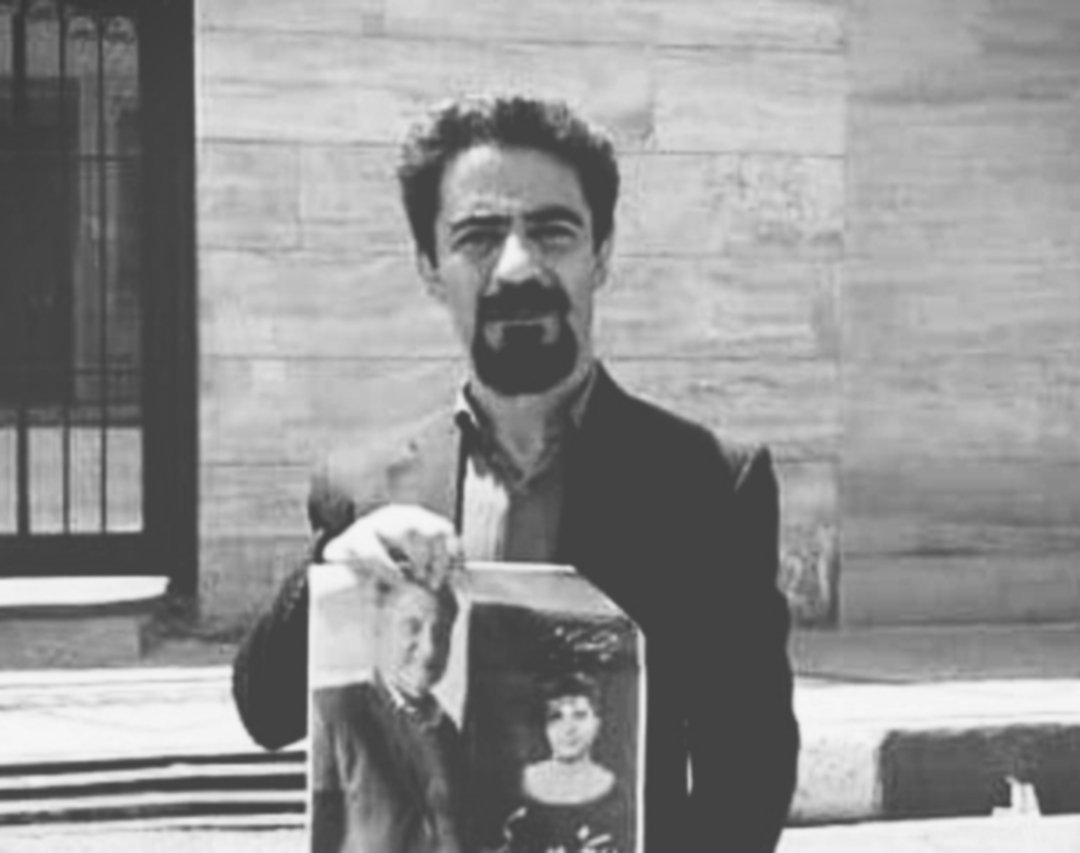
Akbar Gholizadeh sent  to Tehran Prison After Appeal Denied

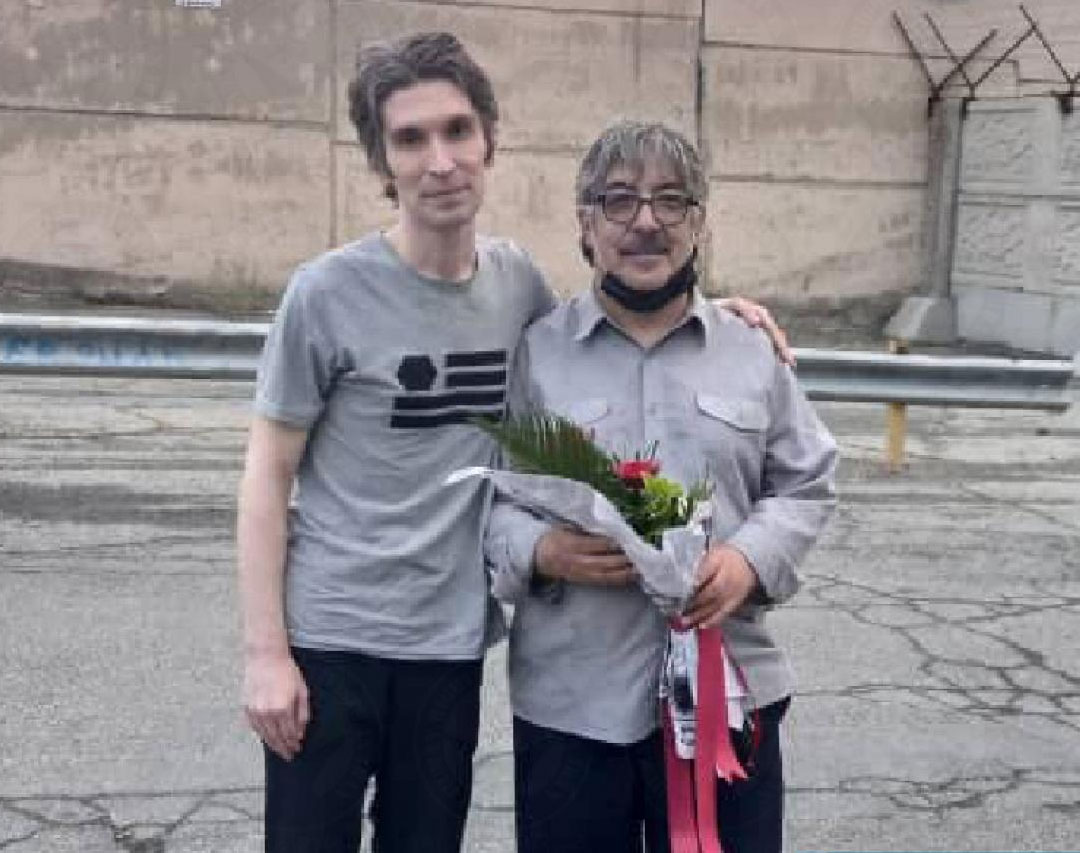
On May 12, 2021, civil activist Akbar Gholizadeh (Yashar Tabrizi) was arrested and transferred to the Greater Tehran Prison to serve out a 3 month and 1 day sentence

According to HRANA, the news agency of Human Rights Activists, Akbar Gholizadeh  was arrested on charges of “propaganda against the regime”.

The charge is said to be related to a news report he prepared about working children, the homeless, and grave dwellers (a particular form of homelessness in Iran).

Gholizadeh, son of Baitullah, has served time for his human rights work before. In March of 2018, he was arrested and then temporarily released 12 days later.  Gholizadeh was given this latest sentence by the Shahriar Revolutionary Court, which was then upheld by Branch 54 of the Tehran Court of Appeals.

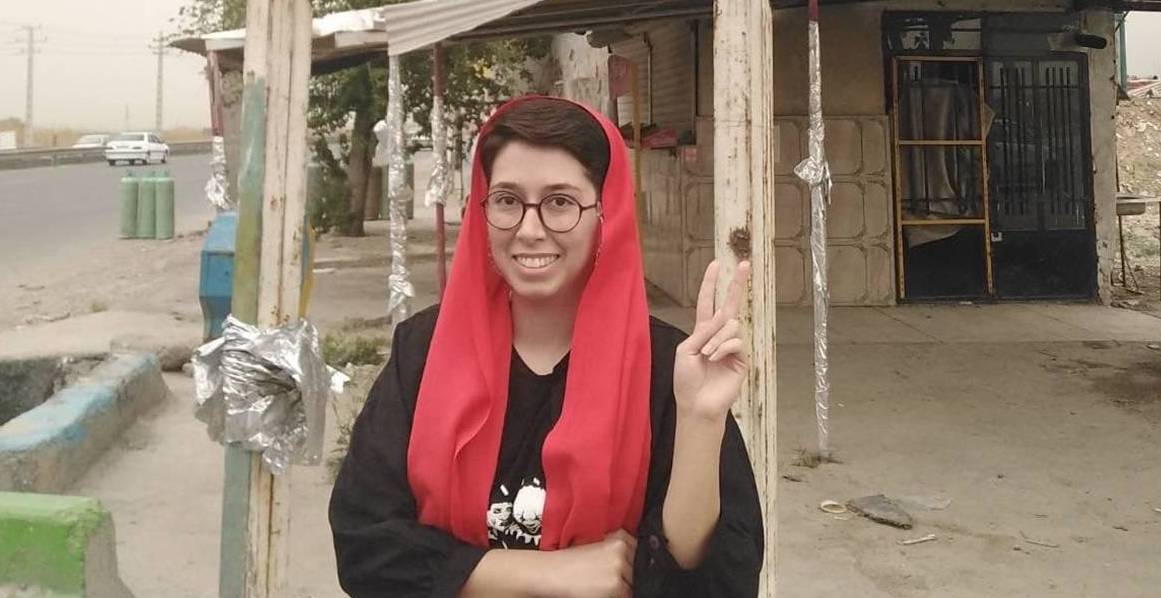
Civil Activist Saba Kord Afshari on Hunger Strike in Qarchak Prison

According to HRANA, the news agency of Human Rights Activists, civil activist Saba Kord Afshari went on a hunger strike on Saturday, May 8th.

22-year-old Kord Afshari, currently imprisoned in Qarchak Prison in Varamin, went on said strike to protest the increasing pressure on her family and other political prisoners in the aftermath of her public criticism of the compulsory hijab.

Kord Afshari demands the release of her mother, Raheleh Ahmadi, who was sent to Evin Prison for giving information about her daughter’s [Saba’s] living conditions in Qarchak.

While in Evin Prison, Raheleh Ahmadi developed a ruptured disc which relegated her to a walker, likely due to chronic stress after her daughter’s imprisonment. Ahmadi was granted medical leave on bail on March 14th, but was denied by prison authorities the two-month recovery period recommended for her surgery.

On April 3, 2021, Saba Kord Afshari was granted a short-term leave on a bail and returned to prison on April 10. On that same day, Ahmadi was returned to Evin Prison.

Kord Afshari’s embroilment in the penal system has been ongoing . In February 2019,  the young activist was released from the women’s ward of Evin Prison from her previous conviction. In June 2019, she was again detained by security forces and was later transferred to prison after interrogations.

In August 2019, Branch 26 of the Revolutionary Court of Tehran, presided over by Judge Iman Afshari, sentenced Saba to 15 years imprisonment on the charge of “spreading depravity by uncovering a hijab and walking without a hijab”; 1 year and 6 months in prison on the charge of “Propaganda against the regime;” and 7 years and 6 months in prison for “Gathering and colluding with the intention of committing a crime against the security of the country”– a total of 24 years in prison along with other social deprivations.

Due to the multiplicity of offenses and previous criminal record, each of the charged sentences were cumulative, of which 15 years in prison was enforceable.

With a correction of judicial misconduct that had caused two and half times to increase in the sentences, and with punishment reduction law, 7 years and 6 months imprisonment will be enforceable.

Saba Kord Afshari has suffered from gastrointestinal bleeding several times before. This, along with the hunger strike has raised concerns about her health among her family members.

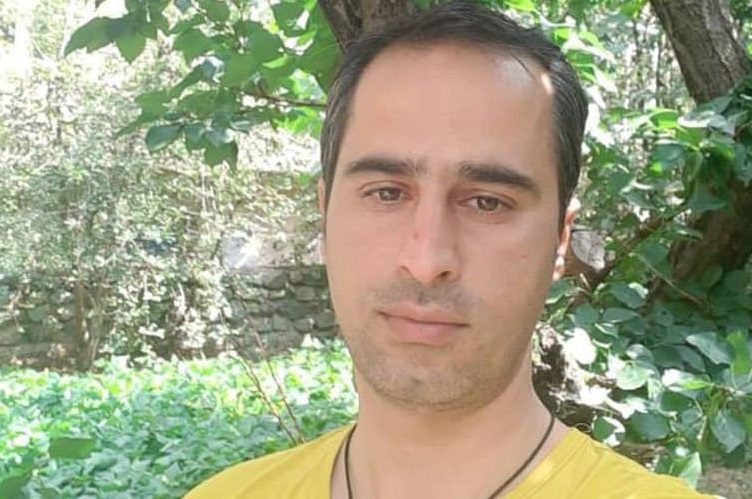
Christian Convert Reza Zaeemi’s Prison Sentence Reduced to Nine Months by Appeal Court

The sentence of Reza Zaeemi, a Christian convert, was reduced by the Alborz Court of Appeals to 9 months in prison and a two-year ban from leaving the country. 40-year-old Zaeemi was sentenced by the Karaj Revolutionary Court to one year and six months in prison and a two-year ban from leaving the country in early February.

According to the HRANA, the news agency of Human Rights Activists, quoting Article 18, Reza Zaeemi was sentenced by the Alborz province court of appeals to nine months in prison and a two-year ban from leaving the country, a significant reduction from his previous sentence.

In January 2021, Mr. Zaeemi was sentenced to one year and six months in prison and a two-year prohibition of leaving the country by Branch 4 of the Revolutionary Court of Karaj, presided by Judge Shabani. Mr. Zaeemi was charged with propaganda against the regime through propagation of evangelical Christianity.

Zaeemi was arrested in November 2020 by undercover forces near his residence  in Karaj. He was transferred to an IRGC intelligence detention center from an unknown location, four hours later, and denied access to a phone for the eight day duration of his detention, during which time his home was searched by security forces.

After ten days, Zaeemi was transferred from the IRGC Intelligence Detention Center to Ghezel Hesar Penitentiary by the order of the Judge of the Revolutionary Public Prosecutor’s Office in Karaj and was released on bail of 60 million Tomans after one week.

Reza Zaeemi is a Christian convert from Karaj.


Eight Citizens Summoned and Arrested in Hamedan Province for Supporting Erfan-e-Halgheh (Circle of Mysticism)

According to HRANA, the news agency of Human Rights Activists, quoting Tasnim, the public relations officer of the IRGC in Hamadan announced the summoning and arrest of eight supporters of Erfan-e-Halgheh (Circle of Mysticism).

Declaring these citizens to be members of the Erfan-e-Halgheh, Ali Akbar Karimpour said “Eight members of this sect were arrested and summoned, and their cases have been sent to the province judicial for legal proceedings.”

The report does not mention the identity or whereabouts of these citizens.

Mohammad Hosseini Ajdadi Summoned for Enforcement of Judgment

According to HRANA, the news agency of Human Rights Activists, Mohammad Hosseini Ajdadi, a citizen of Lahijan City in Gilan province, was summoned  for enforcement of judgment by the executive branch of the Second Criminal Court in Tehran.

In December of 2020, Hosseini Ajdadi was  unknowingly sentenced to two years in prison and a substantial fine, after his 2019 case was reopened in connection with new materials published online.

In the summer of 2019, Mohammad Hosseini Ajdadi was arrested by IRGC intelligence agents in Lahijan, on charges of “spreading lies against the country’s officials to disturb the public mind”. He was released on a 200 million Toman bail, paid for by his mother.

In December of that year, Hosseini Ajdadi was sentenced to two years in prison and fined 4 million Tomans by Branch 1037 of Tehran’s Second Criminal Court, but was later acquitted from “insulting the leadership” charges.

All steps of Mr. Hosseini Ajdadi’s latest trial took place without his presence or information. In fact, he only finally became aware of his conviction sentence while checking on the status of  judiciary paperwork for his previous summon.

It is worth noting that in 2019, Iran’s Judiciary Chief Ebrahim Raisi,  with the support of Supreme Leader Ali Khamenei, removed a section of Constitution requiring the presence of a defendant, plaintiff, or legal representative at appeal hearings.

Hosseini Ajdadi’s mother was informed by the Lahijan Judiciary on behalf of the Tehran Criminal Court that the bail bond will be confiscated if Mr. Ajdadi does not show up on time.

Subscribe to Our Newsletter

Now is definitely not the time to stop reading!

Arash Sadeghi freed from Rajai Shahr Prison in Karaj

According to HRANA, the news agency of Human Rights Activists, on May 1, 2021, political prisoner Arash Sadeghi was freed from Rajai Shahr Prison in Karaj. After serving 5 years and 6 months in prison, including his previous detention, Mr. Sadeghi was released under Article 12 of the law on reducing sentencing. Previously, he was sentenced by the Revolutionary Court to 15 years, of which 7 years and 6 months were enforceable with the application of Article 134 of the Islamic Penal Code. Since Mr. Sadeghi’s previous suspended sentence of 4 years had been served, only 7 years and six months of imprisonment remained enforceable after sum up of the issued sentences.

Despite the early release, Sadeghi’s time in prison has not been without cost. Until he was freed, Arash Sadeghi had been denied the right to visit and call his wife, Golrokh Ebrahimi Erayi, a political prisoner in Amol Prison. The couple had been prohibited from visiting, despite legal provisions for meetings between imprisoned family members residing in different prisons.  In 2017, Sadeghi went on a hunger strike for more than seventy days to protest her re-arrest, and the prolonged hunger strike caused irreparable damage to his physical health.

While in Rajai Shahr, Sadeghi also developed a malignant type of bone cancer called chondrosarcoma. Sadeghi underwent surgery to combat the disease, but prison officials denied him access to the tri-annual post-surgery treatment recommended by physicians, leading to myriad complications. The lack of adequate treatment, coupled with the permanent physical damage from his 2017 hunger strike had devastating effects; Sadeghi’s chrondrosarcoma returned, and he needed to undergo an additional 30 sessions of radiotherapy and kinesiotherapy.

This is the most recent release of political prisoner Arash Sadeghi, who has spent the last decade serving a series of sentences for his human rights work. Sadeghi was first arrested by Ministry of Intelligence agents in July 2009 in front of Allameh Tabatabai University in Tehran along with several students protesting the 2009 election results. He was released on bail 90 days later. In 2010 he was re-arrested and imprisoned in ward 350 of Elvin Prison for 15 months. Sadeghi was arrested yet again in 2014 by IRGC intelligenge, and released on a bail of 600 million tomans in March of 2015. Finally, and most recently, he was arrested in June 2016 and sent back to Elvin Prison, and then transferred to Rajai Shahr, where he  remained until his May 1st release.

Whether Sadeghi is able to recover from his time in prison remains to be seen, but a recent bone marrow scan test confirms promising signs in the body.

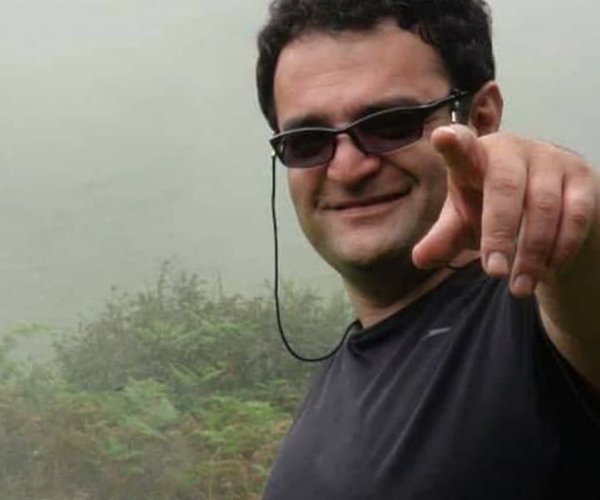
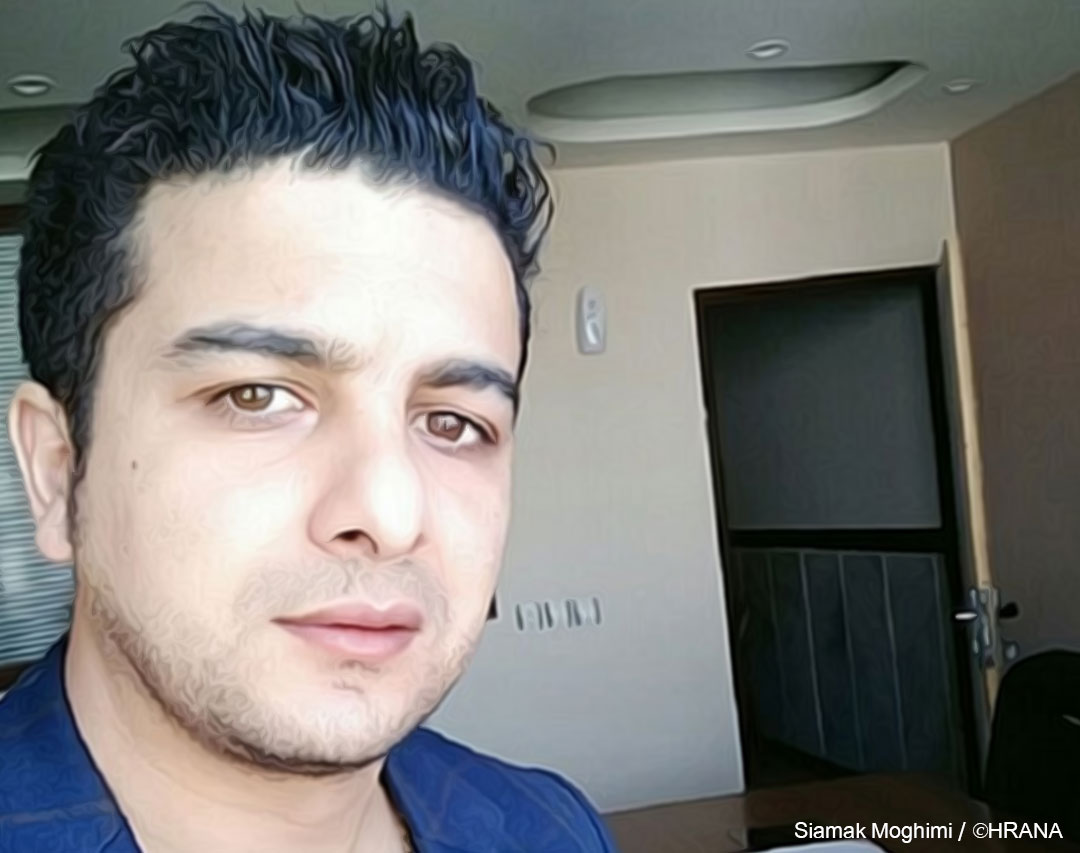
After attempting suicide; A report on the latest situation of Siamak Moghimi in Great Tehran Penitentiary

HRANA – Siamak Moghimi, Political Prisoner imprisoned at Great Tehran Penitentiary who was arrested during the nationwide November 2019 Movements was transferred from quarantine to the public ward, today Monday March 15, 2021. Earlier on Wednesday 24th February 2021, Siamak Moghimi had attempted Suicide by Cutting his Wrist and abdomen. Although he was saved from bleeding and dying after being sent to the hospital where he recieved numerous internal and external sutures, yet he spent the last 18 days in prison quarantine in poor conditions. Despite suffering from a mental illness and a long hospital stay before his arrest, with the negligence of Authorities Mr. Moghimi is still serving his sentence in Great Tehran Penitentiary.

According to Human Rights Activists News Agency (HRANA), Today Monday March 15, 2021, Siamak Moghimi, Political Prisoner imprisoned at Great Tehran Penitentiary who was arrested during the nationwide November 2019 Movements was transferred from quarantine to the public ward.

According to a source close to Mr. Moghimi’s Family, despite that the wrist and abodman of Mr. Moghimi had received multiple internal and external sutures after his attempted suicide, yet he has been transferred from hospital to the Quarantine Ward of Great Tehran Penitentiary, and without any facilities and medical care he has been imprisoned in harsh conditions. It is said that Mirza-Aghai the head of a division, has not signed his papers and therefore he has been kept in the quarantine.

It is said that since Mr. Mirza-Aghaei, the head of the division 9 and 10 of the Great Tehran Prison, took office, every administrative correspondence of the prisoners lasts for 20 days. This used to be done on a daily basis.

Siamak Moghimi was taken to the hospital late night on Wednesday, 24th February, following a suicide attempt by cutting his wrist and abdomen. Despite Mr. Moghimi suffering from a mental illness and his long hospitalization before his arrest, yet by the negligence of the authorities, he is still serving his sentence in the Greater Tehran Prison.

According to an informed source, Mr. Moghimi had attempted suicide being influenced by Mirza-Aghai’s Words, who had told those arrested in relation to November 2019 protests “you have no rights”. By forming a disciplinary council in the prison and disciplinary cases for these prisoners, Prison officials are threatening them with deprivation from furlough, and Not being entitled to parole. This action has created additional psychological problems for some prisoners.

Siamak Moghimi was arrested by the agents of Sarallah Base of the Islamic Revolutionary Guards (IRGC) during the November 2019 protests in Parand city and was transferred to the detention center of this organization. After the interrogation process, he was transferred to Great Tehran Prison.

Mr. Moghimi’s charges were delivered to him at Parand, and after his case was sent to the 24th Branch of the Revolutionary Court of Tehran headed by Judge Amouzadeh, he received 10 years of imprisonment for charges such as “gathering and collusion”, “propaganda against the regime”, “insulting the supreme leader”, and “insulting the president”.  According to Article 134 of the Islamic Penal Code, the most severe punishment, i.e. 5 years in prison, will be applicable to him.

Mr. Moghimi had previously on 25th January 2020, had attempted suicide after coming to know of the verdict of 10 years of imprisonment for him.

The arrest, conviction, and continuation of Mr. Moghimi’s detention took place while, a week before his detention he was hospitalized for a long time in a psychiatric hospital, and his imprisonment exacerbated his condition.

It should be noted that the November protests are a series of nationwide protests that began on Friday, November 15, 2019, with the announcement of an unprecedented increase in gas prices in dozens of cities in Iran with the unprecedented presence of protesters in the streets which continued for several days. Mohammad Javad Koulivand, a Karaj MP, said the protests took place in 719 locations across the country. Seyyed Hossein Naghavi Hosseini, the then spokesman of the National Security and Foreign Policy Commission of the parliament, also announced that the number of detainees in the protests was about 7,000. And according to various human rights groups, hundreds of people were killed during these protests.

Rouhani 8 Years On: The Situation of Women’s Rights in the Islamic Republic of Iran

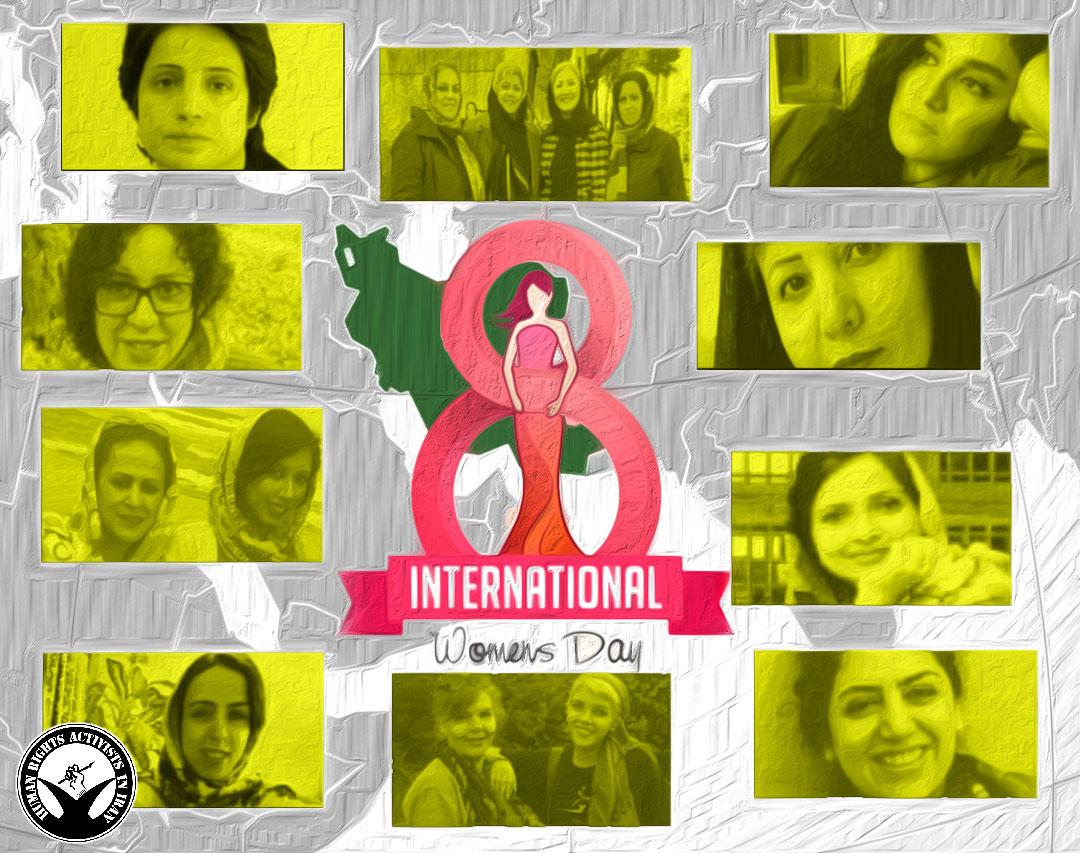
HRANA – On the occasion of International Women’s Day, Human Rights Activists in Iran highlights the situation of women’s rights in Iran during the 8 year term of President Hassan Rouhani. The following report includes an 8-year statistical overview of the most pressing human rights issues women are facing in the country. The report also introduces the brave women’s rights activists that are currently imprisoned or are facing imprisonment.

Women and girls in the Islamic Republic of Iran face widespread and systematic discrimination in areas touching nearly all corners of their lives. Discrimination against women is abundantly present in matters of family law, criminal law, education, employment, and social and cultural life. However, in the face of state-sanctioned discrimination, women in Iran are leading the charge, playing a primary role in defending their rights, standing up and demanding change; unfortunately, this is not without consequence.

Although many were hopeful, 8 years on, Iranian President Hassan Rouhani has done little to improve the lives of women in Iran. In fact, from August 2013 to March 2021, there have been 72 cases of self-immolation, 3,048 suicides, 20 claims of workplace discrimination, 2 reported cases of Female Genital Mutilation (FGM), 553 honor killings, 33,210 child marriages (girls under the age of 18), and 460 reported acid attacks against women. On the occasion of International Women’s Day 2021, Human Rights Activists in Iran (HRAI) highlights some of the most pressing women’s rights issues today and throughout the 8-year Rouhani presidency, as well as the 22 Iranian women’s rights activists targeted over the past 8 years, who have faced harassment, torture, ill-treatment, arrest and arbitrary imprisonment for speaking out against the instruments of oppression working against them every day.


International Framework


The situation of women’s rights in Iran falls short of nearly all international human rights standards and obligations. While Iran is not a State party to The Convention on the Elimination of all Forms of Discrimination Against Women (CEDAW), they remain obligated as a State party to other international mechanisms which protect against gender inequality and discrimination, including: The International Covenant on Civil and Political Rights (ICCPR), the International Covenant on Economic Social and Cultural Rights (ICESCR), and the Convention on the Rights of the Child (CRC). Despite these obligations, women and girls remain unequal in both law and practice and according to the World Economic Forum’s 2020 Global Gender Gap Report, Iran ranked 148 out of 153 countries, only coming in ahead of The Democratic Republic of the Congo, Syria, Pakistan, Iraq, and Yemen.


Women’s Rights in Iran


Compulsory Veiling

Amidst wider social upheaval, compulsory veiling is one of the more well-known women’s rights issues in Iran. The Human Rights Council has stated that any laws regulating what women wear ‘violate [a] State’s obligation under the ICCPR’. Yet, in both law and practice women who choose not to abide by compulsory veiling laws face unrelenting punishment. Under law, women can be fined up to 500,000 rials and/or face up to 2 months in prison. In practice however, they are increasingly charged with crimes such as ‘moral corruption on Earth’, a charge which carries up to 10 years imprisonment. Imprisonment in any regard relating to compulsory garments is a violation of article 9 of the ICCPR.

Cultural Rights

 Article 15 of the ICESCR recognizes the ‘right of everyone to take part in cultural life’. Nonetheless, Iranian women are banned from both singing and dancing in public and although it is not written into the law it is customary that women are also prohibited from attending sporting events. While there have been few occurrences which allow for women’s access to sporting events, access remains segregated and largely unequal.  From 2013 to 2021, at least 147 women were denied entry to sports stadiums. Additionally, 4 female athletes were deprived of traveling outside of the country to compete due to unequal and discriminatory marriage and family laws. The Committee on Economic Social and Cultural Rights has stated that ensuring the equal right of men and women to the enjoyment of cultural rights is a mandatory and immediate obligation of State parties (general comment No.16 (2005), para. 16).

Marriage and Family

Inconsistent with obligations under the ICCPR, Iranian women face discrimination in almost all aspects of family life including in marriage, divorce, custody, and guardianship. The ICCPR also protects the freedom of movement, yet women in Iran face widespread limitations. While women under the age of 40 require the permission of their husbands to travel outside of the country, married women require permission from their husbands; in fact, married women are not permitted to apply for a passport without their husbands’ prior approval—they’ve also no say in their place of residence.

Under Iranian law women are viewed as subordinates to both their spouses and male family members. This affects a woman’s right to obtain her desired employment, as husbands have the right to prevent their wives from taking up certain employment should they deem it inappropriate (against “family values”). Additionally, wives are required, under law, to provide for a husband’s sexual needs; if they should not, a husband in all cases has the exclusive right to a divorce, without question, while women face unconscionable hurdles in the same respect. Should a divorce occur, the father becomes the lawful guardian of a child; in the case of a fathers passing, guardianship is passed to the paternal grandfather as stated in Iranian Civil Code.  The Human Rights Council has stated that inequality in marriage is a violation of Article 23.4 of the ICCPR. (HRC general comment no.  28) including in the dissolution of such and with regard to the issue of custody.

 The Right to Education

 According to the CEO of the Society for Protecting the Rights of the Child (SPRC), approximately 1 million children living in underdeveloped and impoverished neighborhoods of Iran are deprived of receiving an education. In addition to being left out of school for societal reasons such as poverty, the lack of a birth certificate and the need to work in lieu of attending school are among contributing factors. Girls, in certain cases, are deliberately deprived of receiving an education. From 2013 to 2021, 4,142 female students were reportedly deprived of receiving an education due to early marriages, in certain cases as early as age 9, as well as a lack of permission from their male guardians to attend school. These numbers fly in the face of international standards as well as obligations under the CRC.


Women’s Rights Activists 


An overview

 Between August 3, 2013, and March 2, 2021, a total of 84 women’s rights activists were arrested, 8 of whom were men. Additionally, 22 were sentenced to a total of 1,627 months of imprisonment, 8,800,000 Tomans in fines, and 148 floggings. The courts in this regard, carry out sentencing in ways that fail to meet international fair trial standards.

The charges placed upon them by the judicial authorities include:

➡️ 11 charges of “assembly and collusion against the national security”

➡️ 12 Charges of “propaganda against the regime”

➡️ 6 charges of “Performing the ‘Haram’ (Forbidden) act of not wearing headscarf”

➡️ 3 charges of “inciting moral corruption through unveiling”

➡️ 3 charges of “inciting and providing the means for moral corruption”

➡️ 1 charge of “publishing vulgar content on the internet and being present in public without headscarf”

➡️ 1 charge of “spreading moral corruption through unveiling and taking a walk without headscarf”

➡️ 2 charges of “Cooperating with the Hostile Government of United States against the Islamic Republic in the field of family and women’s rights”

➡️ 1 charge of “disrupting public order, on the basis of participating in protest following the death of Farinaz Khosravani”

➡️ 1 charge of “publishing false information online with the aim of disturbing the public mind”

➡️ 1 charge of “disturbing public peace and order”

➡️ 1 charge of “assembly and collusion against national security through cooperation with dissident media.”

➡️ 1 charge of “Insulting Sanctities”

➡️ 1 charge of “being an effective member of the unlawful group the Defenders of Human Rights Center (DHRC), LEGAM (Step by Step to Abolition Death Penalty) and the National Peace Council”


Image 1. A Breakdown of the Charges Placed Upon Iranian Women’s Rights Activists Image 1. A Breakdown of the Charges Placed Upon Iranian Women’s Rights Activists from 2013-2021 from 2013-2021
Click on the image to enlarge the chart


Imprisoned Women’s Rights Activists

Yasaman Ariyani and Monireh Arabshahi (mother and daughter)

Latest Arrest Dates:

Yasaman Ariyani: 10 April 2019

Monireh Arabshahi: 11 April 2019

Charges and Sentence:

“Gathering and collusion against national security”

“Propaganda against the regime”

“Inciting and providing the means for moral corruption”

Both mother and daughter were Initially sentenced to 16 years imprisonment. Upon appeal, the sentence was reduced to 9 years and 7 months each. Article 134 of the Islamic Penal Code allows for 5 years and 6 months imprisonment in this regard.

Condition: Doctors have indicated that Monire Arabshahi requires a lumbar disc surgery and thyroid biopsy; she has been denied access to medical care.

Prison: After arrest held at Gharchak Prison of Karaj on 13 August 2019 both women were transferred to Evin prisons Female’s Ward. On 21 October 2020 they were transferred to Kachoui of Karaj.

Yasmin Ariyani was transferred to solitary cell on Friday 13 November 2020, following a positive COVID-19 test.


Saba Kordafshari and Raheleh Ahmadi (mother and daughter) 

Latest Arrest Dates:

Saba Kordafshari: 1 June 2019

Raheleh Ahmadi: 10 July 2019

Charges and Sentence:

Saba Kordafshari:

“spreading moral corruption through unveiling and taking a walk without headscarf”

“Propaganda against the Regime”

“Gathering and colluding against national security”

Raheleh Ahmadi:

“assembly and collusion against national security through cooperation with dissident media”

“propaganda against the regime”

“inciting moral corruption through unveiling and posting it online” (acquitted)

Saba Kordafshari: – sentenced to a total of 24 years of imprisonment for the above-mentioned charges

Raheleh Ahmadi – sentenced to a total of 4 years and 2 months for the above-mentioned charges

Condition: On 24 December 2020, Ms. Ahmadi was transferred to a hospital to receive an MRI test, which indicated her spinal cord had been damaged due to stress and shock of the news that her daughter (Saba Kordafshari) was exiled to Gharchak prison of Varamin.

Prison: On Tuesday 26 January 2021 Saba Kordafshari was transferred from ward 8 of Gharchak Prison of Varamin to Ward 6, where she was beaten. She is currently housed alongside “violent crimes” prisoners.


Mojgan Keshavarz

Civil rights activists opposing compulsory veiling

Latest Arrest: Thursday 25 April 2019. She was arrested at her home.

Charges and Sentence:

Sentenced by Branch 54 of the Appeals Court of Tehran

“Assembly and collusion against national security” 3 years and 6 months imprisonment

“Propaganda against the regime” 7 months imprisonment.

“inciting and providing the means for moral corruption” 5 years and 6 months imprisonment

“insulting the sanctities” received 3 years imprisonment.

Prison: On Saturday December 5th, 2020 she was transferred from the Women’s Political Prisoners Ward of Evin Prison to Gharchak Prison of Varamin.
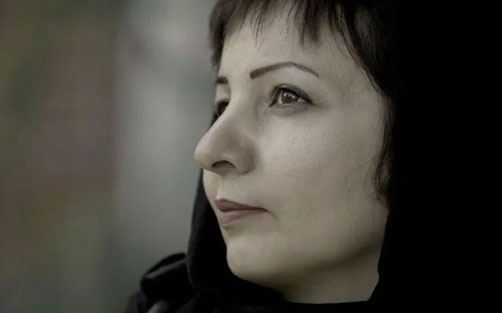
 

Alieh Motalebzadeh

Photographer and women’s rights activist

Arrest and Prison: Ms. Motalebzadeh was initially arrested on November 26th, 2016 through a phone call by the intelligence ministry. She was interrogated at Ward 209 of Evin Prison (under the control of the intelligence ministry) she was temporarily released on bail of 300 million Toman on December 19, 2016. On October 11th, 2020 she was arrested at the Sentence Execution Unit of Evin Prison to begin serving her sentence.

Charges:

“Gathering and collusion against national security”

“propaganda against the regime”.

Sentence: Tried at the Revolutionary Court of Tehran in 2017 and sentenced to 3 years imprisonment. The sentence was upheld by Branch 36 of the Appeals Court of Tehran headed by Judge Seyed Ahmad Zargar.

 

Nasrin Sotoudeh

Human rights activists and lawyer

Latest arrest: June 13, 2018 at her home

Trial: Tried on December 30th, 2018, in absentia, by Branch 28 of Tehran’s Revolutionary Court

Charges:

“gathering and collusion against national security”

“Propaganda against the regime”

“inciting and providing the means for moral corruption”

“appearing at an interrogation branch without proper Islamic Hijab”

“disturbing public peace and order”

“publishing false information with the aim of disturbing public opinion”

being an effective member of the unlawful group the Defenders of Human Rights Center (DHRC), LEGAM (Step by Step to Abolition Death Penalty) and the National Peace Council”

Sentence: 33 years imprisonment and 148 floggings

Condition:

– On Tuesday August 11, 2020, through a letter demanding the release of political prisoners Ms. Sotoudeh announced she was going on hunger strike.

– On September 19, 2020, following a heart condition she was transferred from Evin Prison to CCU units at Taleghani Hospital of Tehran.

– On Wednesday September 23rd, she returned to Evin Prison from the hospital.

Mr. Khandan (Ms. Sotoudeh’s husband) has stated that Ms. Sotoudeh did not receive the proper medical care during this time.

– On September 25th Ms. Sotoudeh ended her hunger strike.

* she was transferred from Evin Prison to Gharchak Prison of Varamin on October 20th, 2020

Women’s rights activists at risk of imprisonment  

  1. cases awaiting review

Nahid Shaghaghi, Akram Nasirian, Maryam Mohammadi, and Asrin Darkaleh

Arrests

Akram Nasirian: April 29, 2019

Nahid Shaghayeghi: May 15, 2019

Maryam Mohammadi: July 8, 2019

Asrin Darkaleh: July 28, 2019

All four women were summoned to prison to begin serving their sentence on March 14, 2020

Charges and Sentence: Branch 26 of the Revolutionary Court of Tehran, headed by Judge Iman Afshari, sentenced each woman to 4 years and 2 months imprisonment.

“Gathering and Collusion against national security” each received 3 years imprisonment

“Propaganda against the Regime” each received 6 months imprisonment.

“Performing ‘Haram’ (Forbidden) act of not wearing headscarf” each received 8 months imprisonment.


  1. cases where the initial verdict has been issued


Banafsheh Jamali

Women’s rights activist

Arrest: In 2017 Ms. Jamali was arrested along with others during the 8th March, International Women’s Day Rally in Tehran, she was released sometime after the arrest.

Charges: “Propaganda against the Regime”

Sentence: 1 year of imprisonment, 4 million Toman fine

Banned from using smart electrical devices (smartphones)

Mandatory attendance at MAVA Counselling in Qom City

* the imprisonment has been suspended for 5 years


  1. cases awaiting sentence to be executed
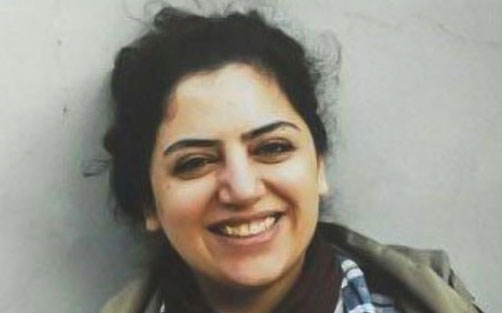
Raha (Raheleh) Askari-Zadeh

Journalist, photographer, and women’s rights activist

Arrest: Raha was arrested on November 29th, 2018, at the Imam Khomeini International Airport (IKIA) while attempting to depart.

Charges: “assembly and collusion against the national security”

Sentence: Initially issued by the Revolutionary Court of Tehran and later upheld by the Appeals Court. 2 years imprisonment

2-year ban from exiting the country

2-year ban from Internet activities

2-year ban from activity in political or journalist groups


Najme Vahedi and Hoda Amid

Women’s rights activists

Arrest: On September 1, 2018, both women were arrested separately at their homes.

Charges: “Cooperating with the hostile government of United States against the Islamic Republic in the field of family and women’s rights”

Sentence: Hoda Amid: 8 years imprisonment

2-year ban from joining political parties and groups

2-year ban from being active on the Internet, social media, and in the press

2-year ban from exiting the country

2-year ban from working as a lawyer

Najmeh Vahedi:7 years imprisonment

2-year ban from joining political parties and groups

2-year ban from being active on the internet, social media, and in the press

2-year ban from exiting the country


For media inquiries please contact Senior Advocacy Coordinator, Skylar Thompson at [email protected]


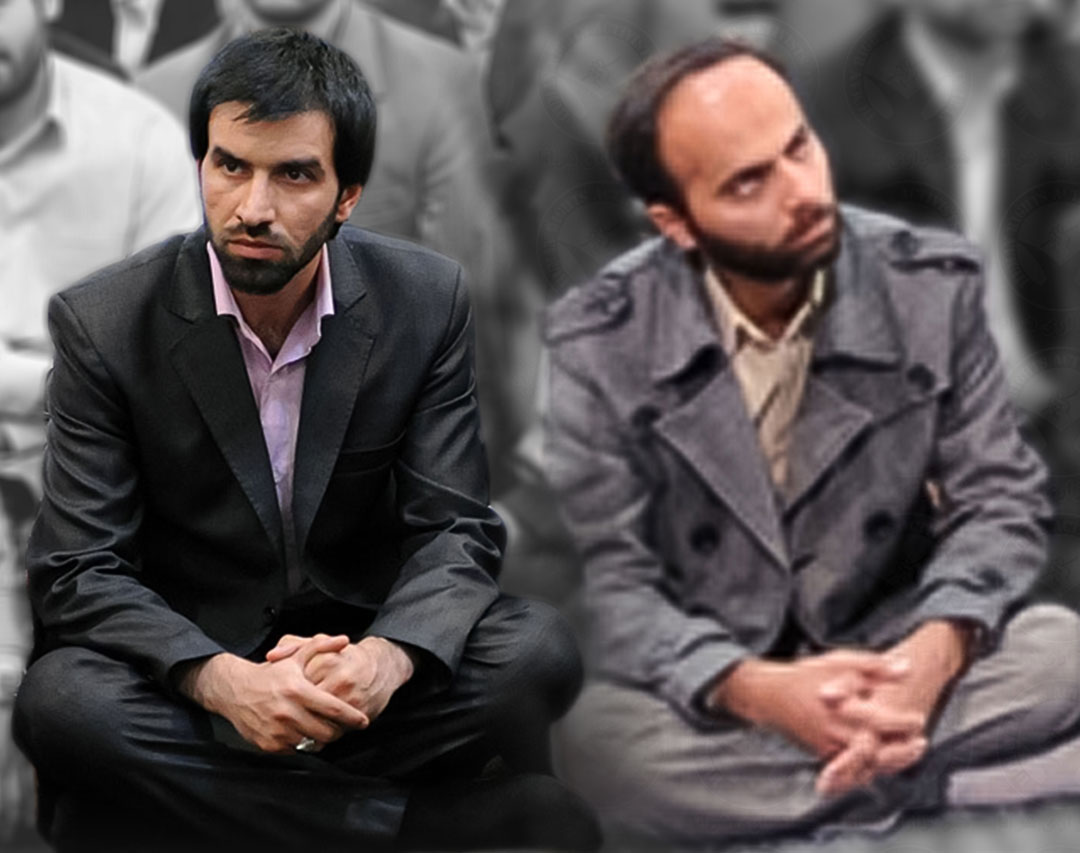
HRANA has identified Revolutionary Guard intelligence members, “Raouf” and “Sattar”

HRANA – Earlier this week, HRANA, the news body of Human Rights Activists in Iran (HRAI), detailed the identification of a man known by a number of names, most notably, Raouf. Raouf is a notorious security force member involved in a number of human rights violations in Iran. Operating in Ward 2A of Evin Prison, which belongs to the IRGC, Raouf is said to have participated in the interrogation and mistreatment of a large number of civil and political activists. 

Although his main place of work is believed to be in Ward 2A of Evin Prison, a number of political-civil activists or family members of prisoners have faced interrogations at the hands of Raouf at other locations, such as offices affiliated with the Revolutionary Guards in Tehran. 

He is responsible for interrogating a large number of political and civil activists, including Arash Sadeghi, Golrokh Erayi, Mahdieh Golroo, Soheil Arabi, Nastaran Naimi, and Athena Daemi. Most of these people are currently serving long prison sentences.

HRANA has spoken to a number of former political prisoners [whose names could not be mentioned for security reasons] personally interrogated by Raouf to confirm the identity and role of this security agent. Some of their statements are detailed below. 

One witness stated,  “Raouf slapped me so much during my interrogation that twice I bled after returning to my cell.” 

A former political prisoner, speaking anonymously, told HRANA, detailing his interrogation with Raouf,  “He hit me so hard that it caused one of my bones to break. He used a leather belt to beat me often for upwards of ten minutes. He did this while he verbally insulted my family and I.”

A human rights activist who served his sentence in Evin Prison told HRANA,  “He was present at all stages of my trial in the Revolutionary Court and repeatedly threatened my peers and I with new cases. He continued, “I still remember his face. I still remember how it bothered my wife…”

Mahdieh Golroo, a former student activist, confirmed Raouf’s role in interrogating her throughout her detention, posting a note on her personal page: “I have complained about his recent threats in Sweden by name, phone, and photo – to no avail.  It is my duty to expose the interrogators and those who destroy the lives of many with impunity.”

Since the original report was released, HRANA received information that Raouf is a pseudonym for the name Ali Hemmatian. We are not yet able to independently confirm and will continue to investigate further.

The below image displays Raouf sitting in the first row of Ayatollah Khamenei’s speech in 2015.

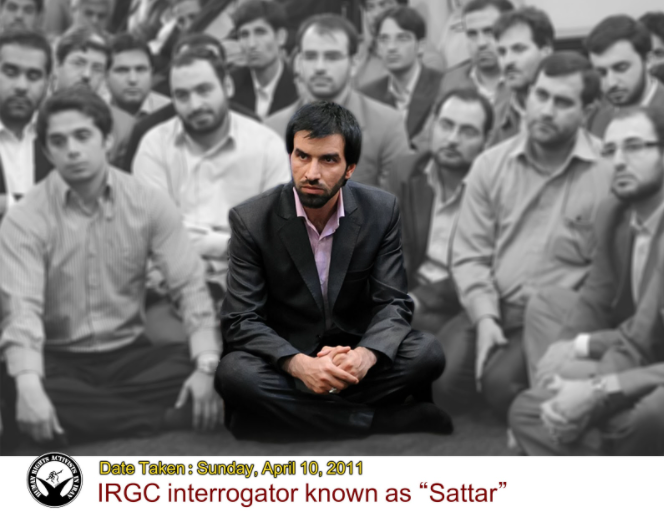
The information about Raouf drew public attention which led to additional witnesses coming forward to identify a number of other security figures within the country. Notably, these witness statements have led to the identification of an IRGC interrogator known as “Sattar.” Sattar is said to have played a role in detaining political prisoners involved in the 2019–20 Iranian protests (also known as Bloody November). 

The following image, which shows a meeting of the directors and researchers of the Islamic Revolutionary Documentation Organization with Ayatollah Khamenei on April 11, 2011, shows Sattar in color.

A group of witnesses, all of whom were detained during the November 2019 protests in Tehran, testified that after being arrested, they were taken to unknown locations where they were beaten and interrogated.

One of the victims told HRANA, “From the beginning of our detention [November 2019], we were blindfolded and then taken to an interrogation facility where we were beaten for several days.”  When asked about the man in question, the victim continued, “His colleagues called him Sattar; this name was perhaps because of the beard style he wore. However, when I saw him in those days,  he had a longer beard and shorter hair than in the 2011  picture [provided above].”

Another witness told HRANA, “While I was closing my business, located on Enghelab Street,  I was arrested by plainclothes men (November 2019). From the beginning of my arrest, I was beaten. In addition to myself, two or three other people were arrested and transported in the same vehicle, to an unknown location. After being transported, we were threatened and interrogated. The plainclothes man violently forced us to admit wrongdoing. This went on for two days before ultimately being handed over to the IRGC detention center in Evin Prison.”

A witness, detained at the same time, confirmed these witness statements and also stated, “There were a combination of forces present at the scene of the arrest that day and during the interrogation. Involved were plainclothes forces, Basij forces, and the IRGC. The person in question, Sattar, was in plain clothes, according to the case file and interrogation documents.” He continued, “When we were finally handed over to the IRGC, it was clear Sattar was affiliated with them.”

Sattar, in addition to the above-mentioned unknown places of interrogation, was also seen at the Yad Yaran Basij Resistance Base located on Argentina Street in Tehran.

Following HRANAs request for information, a number of other victims of Sattar’s interrogations contacted the news agency with information, including a court document discovered by HRANA and which named Sattar as “Massoud Safdari.”

A former prisoner who has experience dealing with the security forces detailed Sattar as the person who was present at the time of his televised forced confession. He told HRANA, “I remember his face very well, he was a rude person who, along with his colleagues, managed the video recording by threatening and intimidating me.” 

Another witness, whose identity is withheld for security reasons, told HRANA, “I was interrogated at an IRGC intelligence base in Tehran Afsariyeh district known as 1Alef. They recorded my televised confession. Sattar didn’t leave me alone even after they recorded their video. He abused me and harassed my family by threatening them over the phone.” 

Some sources also informed HRANA that Sattar, along with a number of other security forces, is living in the district of Shahrak Shahid Mahallati in Tehran.

From the summary of information received and based on the credibility of the sources, it seems that there is a team of young intelligence forces of the Revolutionary Guards in the internal security sector in the Tehran region; their traces can be seen in numerous cases. Sattar (likely Massoud Safdari), Majid Koushki (known as Majid Buffalo), and Massoud Hemmati, known to be on the Raouf team, all likely operating under the leadership of Raouf (likely Ali Hemmatian).

In an effort to complete information about this human rights abuser, HRANA News Agency is calling on victims and those aware of their status to assist in completing these investigations.

COVID-19 Fear in Iran’s Prisons: Iran Must Do More to Protect Prisoners

HRANA – Nearly half a year has passed since Iranian officials acknowledged the grave threat posed by the novel coronavirus to the country’s prison population. In late February 2020, high-ranking officials in the prison and judicial systems announced new protocols to head off a health catastrophe in the country’s chronically overcrowded and underfunded penal system, including furloughs for certain classes of prisoners, a reduction in intake of new prisoners, daily rounds of disinfection, hygiene training for prisoners and prison staff, distribution of hygienic supplies, and the formation of full-time task forces to monitor prisoners’ health.

In April of 2020, Abdorrahman Boroumand Center for Human Rights in Iran (ABC) released a report, COVID-19, Fear in Iran’s Prisons, detailing the scope of a COVID-19 crisis that was spreading across multiple prisons despite administrative measures taken to prevent it — including the release of thousands of prisoners — as well as the unrest sparked in late March by heightening fears of the virus and the subsequent violent crackdown by security forces.

In its analysis of key risk factors such as overcrowding, which makes social distancing next to impossible, the report identified shortcomings and inconsistencies in the implementation of Judiciary directives. It pointed to persistent overcrowding in some prisons; an unjustifiable insufficiency of fundamental necessities, such as cost-free cleaning products and hot water to ensure prisoners’ personal hygiene and to the glaring absence of systematic disinfection procedures in prison wards and common areas. In view of addressing these problems, the report also set forth recommendations that were in line with best practices formulated by international health and human rights authorities.

In conjunction with the Human Rights Activist News Agency (HRANA), ABC conducted a follow-up investigation into the evolution of these problems since April. The findings of this report indicate that the hygienic conditions in Iranian prisons, rather than improving, have significantly deteriorated. The research sheds light on Iranian officials’ failure to adequately decrowd prisons and implement prevention protocols, which led to a proliferation of COVID-19 cases in several prisons. Disinfections by prison officials have stopped across several investigated prisons, apparently due to a lack of budget. Some prisons were found to have reduced supplies of free food, basic hygiene products, and personal protective equipment to prisoners, and the steep price markups in prison shops render these items inaccessible to less-affluent prisoners, who can then not afford to ensure their own protection.

Quarantine procedures were shown in many cases to be self-defeating, due in part to a constant flow of newcomers and continued commingling in common areas such as bathrooms, hallways, and kitchens (ex: Zanjan, Greater Tehran). Initial efforts across several prisons to reduce the prison population in March and April seem to have been abandoned by May, coinciding with the return of prisoners who had initially been sent on furlough. Avoidable arrests and detentions for petty crimes and for crimes not recognized under international law, including for social media posts, religious activities and drug use, have countervailed releases and pardons that were issued in an attempt to keep inmate numbers low. These problems are compounded by a systematic and long-standing tradition of opaque governance and heavy-handed securitization. Consequently, Iran remains secretive about COVID-19 cases within prisons and the number of prisoners who were hospitalized or died, generating anxiety among incarcerated people and preventing an actionable assessment of the problem.

The human cost of this neglect continues to mount: confirmed or suspected cases of the novel coronavirus — some resulting in death — are cropping up in increasing numbers across the country, including Mashhad Central Prison (where three halls, with a cumulative capacity of around 600 people, have been designated as holding spaces for both confirmed and suspected cases), Evin (where at least eight people in the political prisoners’ ward have recently tested positive), Orumieh (where medical staff went on strike to protest a lack of preventative measures after prison personnel, including one doctor, fell ill and eight prisoners were transferred to the hospital with high fever and seizures), Greater Tehran (where two men exhibiting severe symptoms were held in a prayer room of Building 5 when the overwhelmed prison clinic couldn’t accommodate them, and a ward of Building 5 was placed under quarantine after an outbreak caused by the introduction of sick newcomers into a previously health ward), and Shahr-e Rey women’s penitentiary (known also as Qarchak, where scores of prisoners who tested positive have languished without much medical care).

Iranian officials have sung the praises of their coronavirus response in prisons, which they tout as exemplary for the region, if not for the world, yet the credibility of their claims is undermined by their blatant under-reporting of cases, their denial of prison access to independent human rights observers, and the persecution of citizens who disseminate accurate information about the virus. Documents recently leaked to Amnesty International indicate that Iran’s Ministry of Health has repeatedly ignored urgent appeals from the Prisons Organization to remedy the widespread shortages of the protective equipment, disinfectant products, and medical supplies needed to fight the pandemic.

Sanctions have indeed proven crippling to the economy of the Islamic Republic of Iran, and its leaders are facing hard choices in terms of resource allocation. But this adversity cannot account for the continued shortages of certain vital products such as soap, which has been produced in Iran for close to a century. Ordinary citizens, Iranian officials, hospital staff, and sources with knowledge of medical supply chains have told ABC and HRANA that domestically produced masks and disinfectants, hard to come by at the beginning of the outbreak, are now available in adequate supply.

The dire state of Iran’s prisons is a long-standing systemic problem that stems from policy choices of Iran’s leaders. Responsibility for the failures highlighted in this report rests with the Judiciary, parliamentarians, and successive governments who have, for four decades, failed to reform a draconian criminal code — as repeatedly recommended by experts and prison officials — or resource the carceral system while continuing to overload it with hundreds of thousands more people each year. In normal times, prisoners are more vulnerable to disease than the general population; in a time of pandemic, when an increase in COVID-19 infections and deaths have been reported in several prisons, it is reckless to disregard prisoner’s rights to health and life, rights which Iran is obligate under international law. If Iranian prisons become hotspots for COVID-19, thousands of prisoners will get infected, constituting a real threat for the prison population and the communities outside prison walls.

Iran has ratified several UN Conventions, which bar it from arresting individuals for crimes not recognized under international law and obligate it to protect the health and life of individuals deprived of liberty. The International community must hold Iran accountable for violating prisoners’ human rights, the lack of administrative transparency, and denying access to independent human rights monitors. It is imperative to distinguish Iran’s systemic failures of resource allocation from current international tensions and the hardships they have placed on trade. Iran does have the resources it needs to improve prison conditions and save lives, but decision makers have simply chosen to allocate precious resources to non-essential causes instead, such as the rebuilding of golden shrines in Iraq or the funding of religious studies for foreign students. Releasing prisoners who do not belong in jail is also a budget-neutral measure that, if implemented, would reduce the strain on prison resources while helping prisons’ staff who are themselves at risk and under tremendous pressure in the fight against the pandemic.

Iran must immediately allocate the resources prison officials have repeatedly asked for. It must allow implementation of the preventive measures recommended by the World Health Organization, as well as the Judiciary’s own directives, including but not limited to:

  • daily and thorough disinfection of prison facilities,
  • ensuring that essential personal hygiene items such as soap and sanitizer are made available at no cost and in sufficient quantities to all prisoners,
  • systematic testing and monitoring of prisoners,
  • provision of proper medical care inside and outside prisons to prisoners who are infected
  • allowing independent monitoring and health assessments by human rights groups and civil society.

It is imperative to note that the measures above will fail to curb the spread of the pandemic if they are not paired with a significant reduction in the number of incarcerated people to enable prisoners to respect sufficient social distance and avoid mass infections. The vital decision to release prisoners –including prisoners of conscience and human rights defenders, individuals accused of petty crimes, and those guilty of crimes not recognized under international law– is in the hands of Iranian leaders alone. They must not allow lifesaving measures to be hindered by administrative and political obstacles.

To read the full report, please download the file:

PDF document (in English)