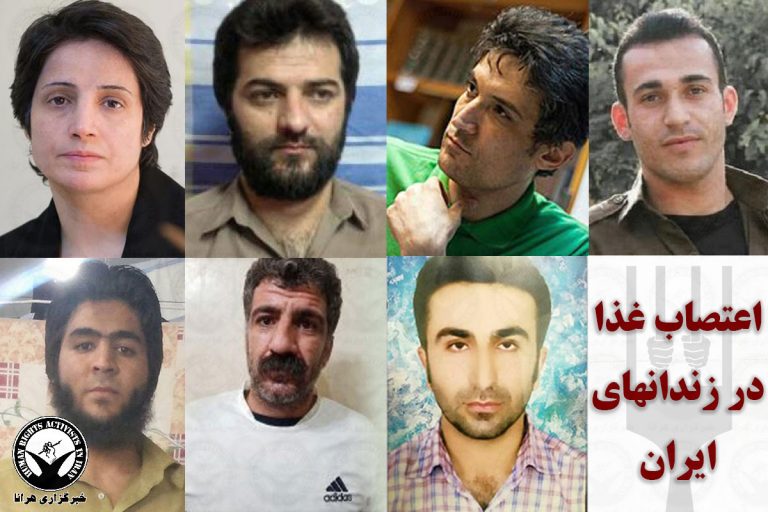
Nine Prisoners on Hunger Strike in Iran

Human Rights Activists News Agency (HRANA) – In the last few weeks, a number of prisoners across the country have declared hunger strike. HRANA has prepared a bulletin on their cases, previously reported in detail.

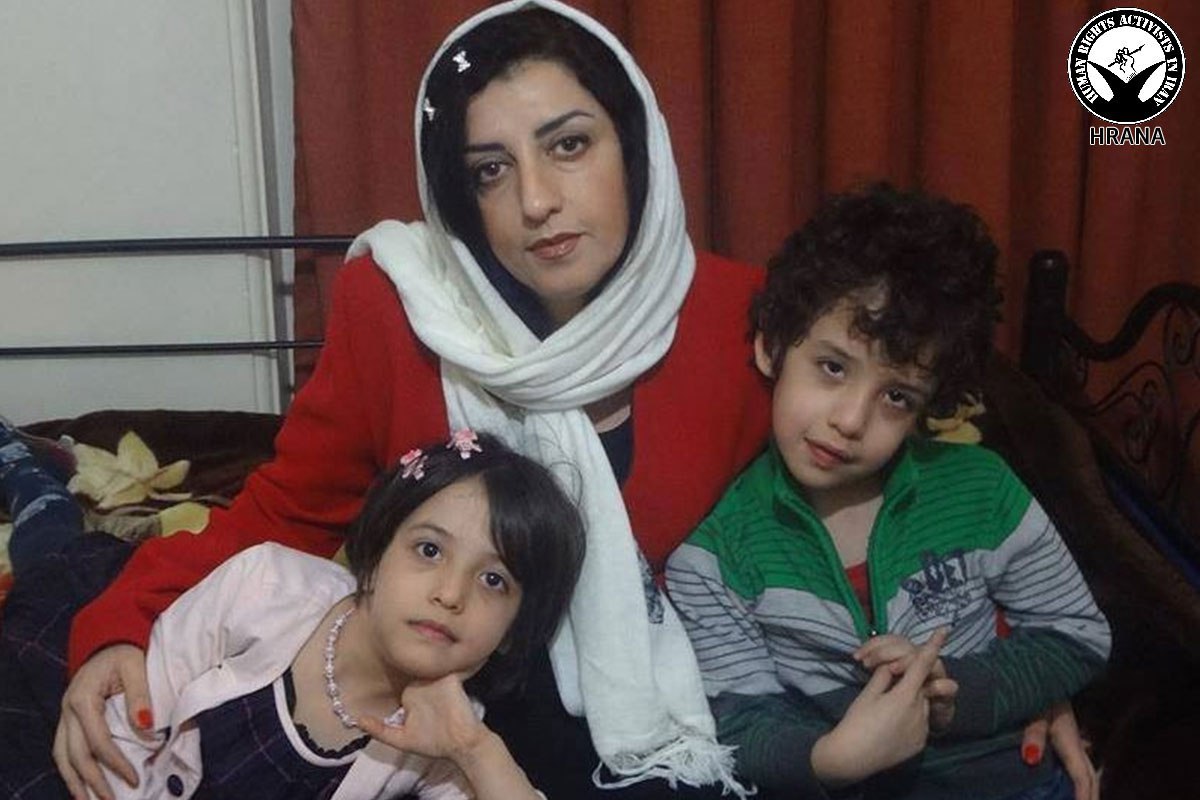
Nasrin Sotoudeh
Lawyer and human rights activist

Nasrin Sotoudeh started a hunger strike on August 25th in protest to her arrest and the judicial pressures being placed on her family, relatives, and friends.
She published an open letter outlining her reasons for the strike.

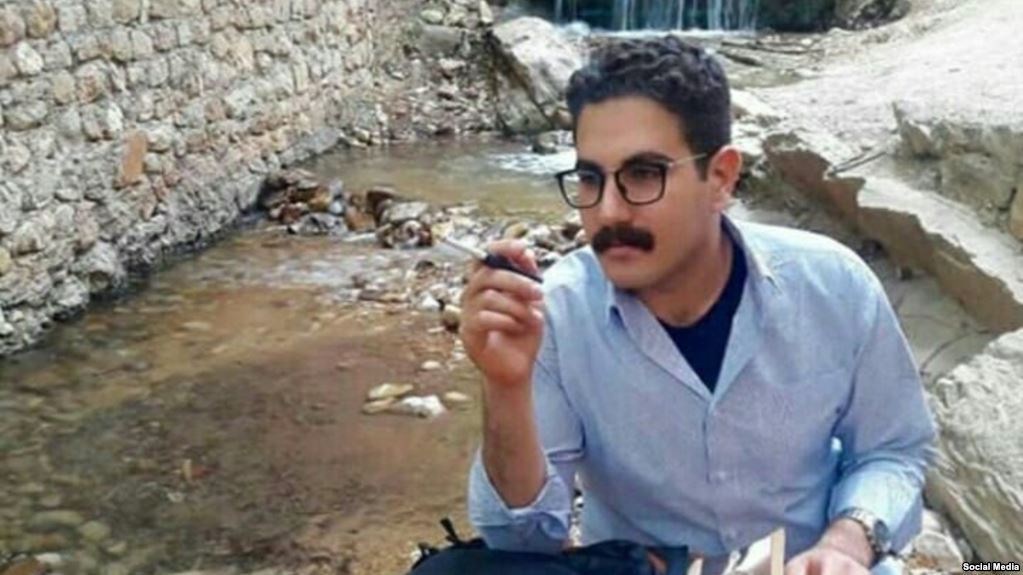
Ramin Hossein Panahi
Political prisoner

Sentenced to death, Ramin Hossein Panahi was recently transferred to Karaj’s Rajai Shahr Prison and declared hunger strike on August 27th by sewing his lips together. He is protesting his sentence and multiple violations of his legal rights. His lawyers published a statement sharing the reasons behind the strike. According to them, his whereabouts have been unknown since his August 26th transfer out of Rajai Shahr.

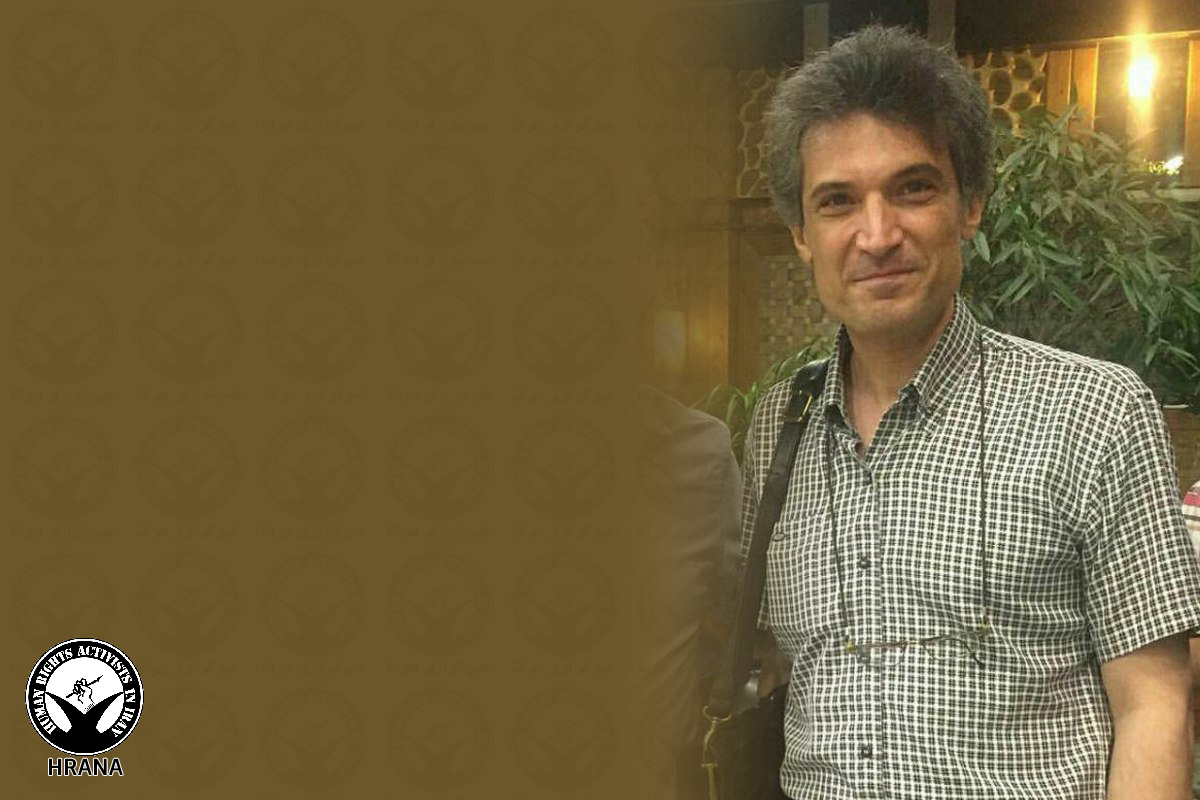
Farhad Meysami
Civil rights activist

Farhad Meysami was arrested July 31st by security forces. He started a hunger strike August 1st, protesting his arrest and the constraints being placed on his choice of attorney. He was transferred from Evin’s Quarantine Ward to the General Ward on August 26th, where he is reportedly suffering from low blood pressure and drastic weight loss.

Namegh Deldel
Prisoner of conscience

Sunni prisoner Namegh Deldel from hall 21, Ward 7 of Rajai Shahr Prison has been suffering from an injury to his right leg. In protest of his restricted access to medical care, including the prison’s refusal to transfer him to an outside hospital, he has been on hunger strike for more than a month.

Farhad Ariai (Sahrapeyma)
Political prisoner

Farhad Ariai (Sahrapeyma), a political prisoner in the Workers’ Ward of Urmia Prison, is in the sixth year of his seven-year sentence. Eligible for early release per Article 134 on the serving of concurrent sentences, he declared hunger strike on August 15th when the court refused to review his request thereof. According to a credible source, Ariai was transferred to the quarantine ward immediately after starting his hunger strike.
Ariai also declared hunger strike last year when prison officials denied his request for furlough. In response to that strike, prison staff forcibly handcuffed and transferred him to the Workers’ Ward of the prison, where he remains to this day.

Seyed Ghassem Abasteh
Prisoner of conscience

Seyed Ghassem Abasteh, a Sunni prisoner in Karaj’s Rajai Shahr prison, started a hunger strike on July 17th to protest his inadequate medical care and the prison’s denial of his access to a clinic. Despite developing asthenia and severe weight loss as of the fifteenth day of his strike, prison authorities continue to ignore his pleas.

His poor health condition has been repeatedly reported on, and in March, he was diagnosed with thyroid cancer. His condition has deteriorated to the point that he struggles to speak and breathe.

Abasteh is married with two children. He was arrested in early 2010 and sent to solitary confinement in Urmia Prison, which is run by the Ministry of Intelligence. He spent eight months there before being transferred to Evin Prison, where he spent six months in the solitary cells of wards 240 and 209. After 14 months, he spent another 20 days in Ward 350 of Evin before finally being transferred to Rajai Shahr on April 8, 2012.

He faces charges such as “militant activity”, accused of backing Salafi groups. He denied such involvement, saying the charges are baseless.

He has been awaiting trial since his 2016 prison sentence from Judge Moghiseh was nullified. He has thus far spent eight years in prison without due process.

Saman Rahmani

Saman Rahmani, a prisoner in the Health Ward of Saqez Prison, is on the verge of losing his arms after suffering an injury, yet continues to be denied the rights of furlough and access to a clinic. He started a hunger strike on July 20th in protest.
“Rahmani was to be sent to Karaj’s Rajai Shahr prison for care, but prison authorities changed their minds,” a credible source told HRANA.

When authorities promised him medical care earlier this year, he stopped the hunger strike he had started in June for the same reasons.

Farshid Nasseri
Prisoner of conscience

Sunni prisoner Farshid Nasseri of Rajai Shahr started a hunger strike on June 16th to demand his right to furlough. Twenty-eight days later, his condition had severely deteriorated. He suffers from back and neck problems, in addition to psychological issues stemming from his years spent in prison.

Verya Saed Moochashmi

On August 19th, on orders from a Ward chief penalizing their refusal to end their hunger strike, five prisoners from Ward 3 of Rajai Shahr were beaten and sent to solitary confinement. They were reportedly striking to protest issues with their respective legal cases.

HRANA understands these prisoners to be Verya Saed Moochashmi, Hossein Esmaeili, Saeed Moradpour, Mojtaba Kounani, and Alireza Kounani. As of yesterday, August 27, 2018, Moochashmi is the sole among the group to continue the strike.

In 1998, Moochashmi, then 17, was sentenced to death and 80 lashings when he was convicted of aiding and abetting murder. He has so far served 21 years in prison.

Ahwazi Arab Activists Arrested in Southwestern Iran

Human Rights Activists News Agency (HRANA) – Three Ahwazi Arab activists from the city of Hamidiyeh, in the province of Khuzestan (southwestern Iran), were arrested by plainclothes forces on the morning of Monday August 27th and taken to an undisclosed location.
HRANA has confirmed the identities of two of the detainees as Hassan Beit Said, 26, and Ali Mazraeh, 27.
Hamidiyeh county consists of two districts and four villages and has a population of 48,935 people (based on a 2006 census).
At the same time, three prisoners who were detained on July 2, 2018, during widespread protests in Ahwaz (capital of the Khuzestan province) were transferred to Sheyban Prison by IRGC Intelligence forces following the completion of the interrogation process. HRANA has identified these three individuals as Seyed Ali Mousavi, 27, Mohammad Savari, 18, and Reza Savari, 26. All three are residents of Ahwaz’s Kouy-e Alawi district. The charges against them are still unknown.

Prisoners Taken to Solitary Confinement Facing Imminent Execution

Human Rights Activists News Agency (HRANA)- At least five death row inmates in Karaj’s Rajai Shahr Prison have been transferred from their respective wards to solitary confinement, raising fear of their imminent execution.

Convicted of murder, the prisoners face the death penalty unless the families of their victims choose to pardon them, a stipulation of the Islamic penal code.

HRANA has been able to confirm the identities of two of the prisoners, Mojtaba Asadi from Ward 2, and Shamsali Abdollahi from Ward 10.

The HRANA Statistics Center has reported that between March 21, 2017, and March 18, 2018, at least 322 persons have been executed and 236 have received the death penalty in Iran. Among those executed, there were four juvenile offenders — under 18 years of age at the time of the offense — and 23 executions carried out in public. More than sixty percent (60%) of the executions have not been publicized, and are considered “secret” executions.

Ramin Hossein Panahi Sews Lips Shut, Declares Hunger Strike

Human Rights Activists News Agency (HRANA) – The lawyers of Ramin Hossein Panahi, a Kurdish political prisoner who has been sentenced to death, announced on August 27th that he had sewn his lips together and begun a hunger strike in protest to the violation of his legal rights.
Hossein Panahi’s lawyers published a statement today explaining that their client has been denied the right to appeal and the right to amnesty, among others. According to the statement, Hossein Panahi had been transferred to Karaj’s Rajai Shahr Prison on August 13th for unidentified reasons and has been unreachable since his transfer out of Rajai Shahr.
One of Hossein Panahi’s lawyers, Hassan Ahmadiniaz, elaborated in the statement the four motivations behind his client’s hunger strike:
1- Deprivation of legal rights, including medical treatment outside the prison as requested by the authorities of the Sanandaj Central Prison clinic,
2- Unlawful cessation of his phone contacts and visitations with family and lawyers,
3- Deprivation of customary prisoners’ rights and access to prison facilities,
4- The unlawful and unjust nature of the sentence in light of the necessity to reassess his charges through the customary legal channels.
In their statement, Hossein Panahi’s lawyers appeal to articles 477 and 474 of the penal code, requesting that their client’s execution be stopped so that “legal avenues to appeal may be explored for his sentence, or the client may benefit from amnesty.”
Ahmadiniaz revealed in June 2018 that Hossein Panahi’s request for a retrial had been rejected.
Hossein Panahi was convicted of “Acting against national security by violating the rights of others” and sentenced to death by Branch One of Sanandaj’s Revolutionary Court. The Supreme Court confirmed this sentence in late March and forwarded it to the Enforcement Department.
The statement, signed by Ahmadiniaz, Maziar Tatayi, and Osman Mozayan, indicates that Hossein Panahi will continue his strike until his demands are met.

Imprisoned “Teacher of Civil Disobedience” Enters 26th Day of Hunger Strike

Human Rights Activist News Agency (HRANA) – The health condition of Farhad Meysami — who declared hunger strike the day after his arrest on July 31st in protest of his detention and the denial of his right to a lawyer of his choice — is in decline.

As of the 26th day of his hunger strike, Meysami was suffering from low blood pressure, low blood sugar, and severe weight loss. He was transferred from prison quarantine to the general ward (Ward 4, Hall 3) yesterday.

A source close to Meysami confirmed his health condition to HRANA, adding, “He has lost 11 kilograms since the start of his hunger strike, and intends to continue striking despite his frail condition and insistence from his family and friends to put an end to it.”

The source went on to elucidate the events surrounding Meysami’s arrest: ”He was in his personal library with Zia Nabavi when an individual buzzed in, saying that they wished to submit a book to the publication house located one floor below Mr. Meysami’s flat. When Meysami opened the door for him, four Ministry of Intelligence agents came in and presented an arrest warrant for both Meysami and Nabavi. After a search of his library in which they confiscated pin-back buttons reading “I protest mandatory veiling” along with 30 copies of the book titled “Small Acts of Resistance” and 40 copies of “Human Rights: Questions & Answers,” they arrested both Meysami and Nabavi and transferred them to Ward 209 of Evin Prison. Mr Nabavi was released the next day as he was not implicated in the case.”

The source added that Meysami was called a “teacher of civil disobedience” during his interrogation. He faces charges of “Collusion and conspiracy to threaten national security”, “Disseminating propaganda against the regime”, and “Insulting the hijab, an essential sacrament of Islam” from Branch 7 of the Evin Court. Based on the content of his interrogation sheets, these charges stem from “provoking women to appear without hijab in the street,” as well as a speech he gave on the topic of “social nonviolence” at the University of Isfahan.

Meysami’s hunger strike is motivated in part by his wish to appoint Arash Keikhosravi as his lawyer. Keikhosravi, who has been detained in the Great Tehran Penitentiary for the past 11 days, previously explained to HRANA, “On Sunday, August 12th, Mr. Meysami’s mother and I went to Branch 7 of Evin court to follow up on his case and to see how he was doing. I planned to register as his lawyer, but the officials at the branch told me that section 48 of the Criminal Procedure Code bars me from doing so.”
Section 48 of the recently-amended Criminal Procedure Code states that those accused of national security crimes must choose their lawyer from a list approved by the Iranian judiciary.

Subscribe to Our Newsletter

Now is definitely not the time to stop reading!

Civil Rights Activist Mohammad Davari Released on Bail

Human Rights Activists News Agency (HRANA)- Mohammad Davari, a 26-year-old civil rights activist from the city of Yasouj (southwestern Iran) who was arrested by Ministry of Intelligence forces on August 10, 2018, was released around noon local time on August 27th on a 200 million tomans (approximately $20,000 USD) bail pending the completion of the investigation into his case.

Earlier a source close to Davari’s family told HRANA: “Mr Davari was severely beaten in the chest and stomach areas during his interrogation at the Yasouj Intelligence office. As a result, he suffered from severe nausea which led to shortness of breath and consequently, on Monday, August 20th, Mr. Davari vomited blood. He asked twice for medical attention but the authorities refused to transfer him to the prison clinic or a hospital outside the prison.”

Mohammad Davari was held incommunicado in the Yasouj Intelligence office before he was transferred to Yasouj Central Prison. He was previously detained on March 5, 2018, for taking part in widespread popular protests in Iran. He was released eight days later on a 50 million tomans (approximately $10,000 USD) bail. The authorities reportedly told Davari’s family that he was arrested on the charge of “Acting against national security through disturbing the public peace of mind”.

Born in Dehdasht (150 km west of Yasouj), Davari is a Masters student of Political Science. He was arrested another time following the death of Hashemi Rafsanjani when he pulled down a banner bearing Rafsanjani’s photo. He was later released on bail.

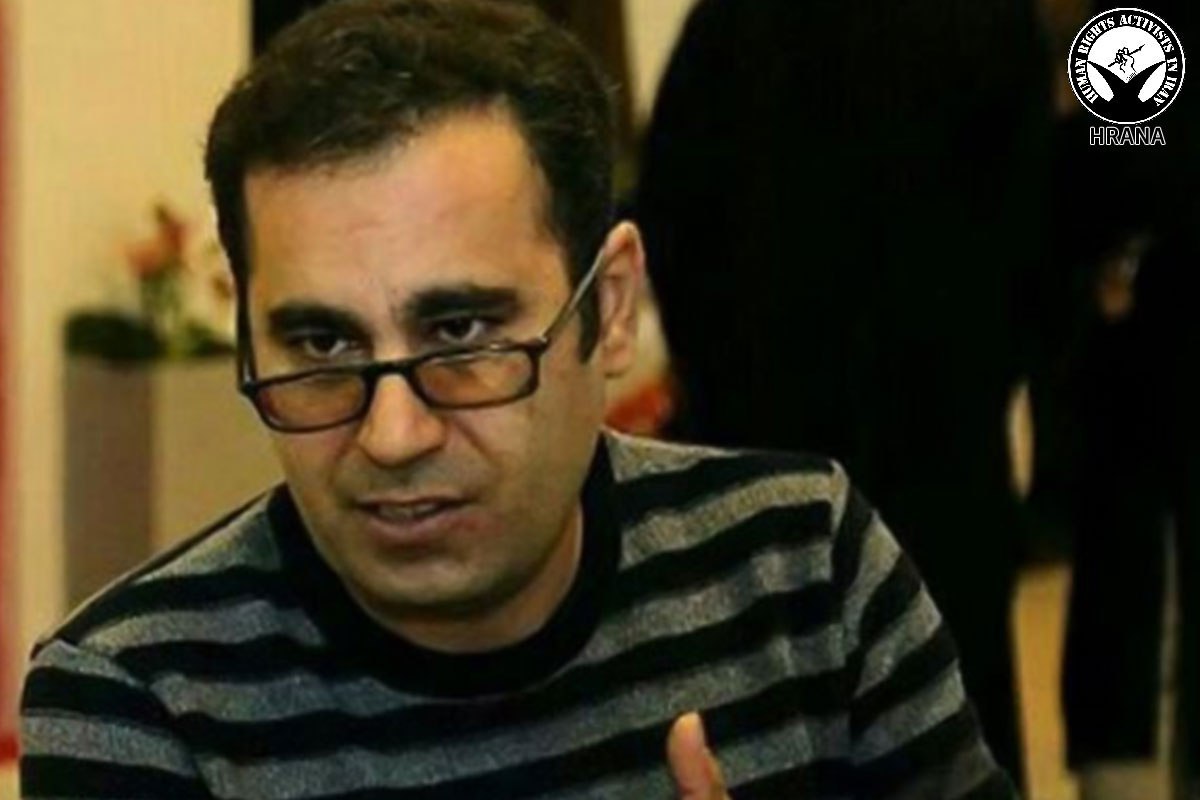
Mohammad Habibi Returns to Prison from Hospital without Adequate Medical Care

Human Rights Activists News Agency (HRANA) – On Sunday, August 26, 2018, Mohammad Habibi’s medical leave from prison was cut short when he was returned to detention before receiving adequate care.

The union activist and member of the board of directors of the Teachers’ Union Association of the Province of Tehran was being treated at Imam Khomeini Hospital. He was recently sentenced to a ten-year prison term and 74 lashings.

Sedigheh Pakzamir, a close associate of Habibi, stated in an online post that it took 45 days for prison authorities to act on the order for Habibi to be transferred to an outside medical clinic. When they finally carried out the order — which stipulates that Habibi receive medical attention — he was returned to the prison without receiving any.

Pakzamir added that Habibi is symptomatic for lung and urinary tract infections. As such, the doctor recommended he undergo a battery of specialized medical tests, including a sonography, on Monday.

Fatemeh Saeidi, Member of Iran’s Parliament (representing Tehran) and of the Parliament’s Education and Research Commission, previously stated that Habibi was being held in a ward housing violent criminals, and that a letter outlining his predicament containing a request for his sentence to be reduced was signed by a number of Parliament representatives and addressed to the head of the Judiciary.

On August 4, 2018, Habibi’s attorney Amir Raeisiyan reported that his client was sentenced to ten and a half years’ imprisonment. Given that the maximum cumulative prison sentence for all of Habibi’s charges would be seven and a half years, he cannot be required to serve longer. Habibi was subjected to the additional penalties of 74 lashings, a two-year ban on civic activities, and a two-year travel ban.

Prior to this, the International Trade Union Confederation issued a letter to the Islamic Republic in objection to Habibi’s heavy sentence, demanding his immediate and unconditional release. Education International, a teachers’ union federation, has also protested the verdict and demanded Habibi’s release.

In a statement, the Council for Coordination of Teaching Syndicates protested Habibi’s sentence, calling it a litmus test for the justice meted by the Iranian Judiciary. This council demanded the immediate and unconditional release of Habibi, stating, “It is as if the judge intended with his verdict to put society on guard, sending the message that if you pursue justice, you will face prison and lashings.”

On July 16, 2018, over 100 teachers, all alumni of Shahid Rajai University, met with a Mr. Abdi, the Minister of Education’s advisor in Union Affairs, and delivered him a letter in defense of Mohammad Habibi. In the letter, the signatories expressed “great concerns regarding Mr. Habibi’s health”, and requested he be transferred to Evin Prison in accordance with his charges. It also implored the Ministry of Education to pursue the demands of the letter to the furthest degree possible, and to keep the signatories and Habibi’s family abreast of their findings.

A letter signed by 6,500 teachers and civil society activists demanding the release of Mohammad Habibi was delivered to Iranian Parliament on July 25, 2018.

On May 10, 2018, the Council for Coordination of Teaching Syndicates urged teachers, be they retired or employed, to assemble in protest across the country. In Tehran, several of those who responded to the call were arrested and transferred to Evin Prison; all but Mr. Habibi were released on bail three days later.
Mohammad Habibi was previously arrested at his place of employment on March 3, 2018 and jailed for 44 days. On April 15, 2018, he was released on a bail of approximately $50,000 USD.

Mohammad Habibi is currently imprisoned in Tehran’s Evin Prison, and according to a letter from his HR office, is no longer receiving his salary.

Two Arrested in Saqqez and Transported to Unknown Location

Human Rights Activists News Agency (HRANA) – The whereabouts of two people who were arrested in Saqqez about three weeks ago are still unknown.
Houshmand Alipour of Sardasht, West Azerbaijan Province, and Mohammad Ostadghader of Saqqez, Kurdistan Province, stand accused of “membership in Kurdish opposition parties.” They were taken to an unknown location after their arrest by Intelligence forces on August 3, 2018.
Security forces reportedly opened fire on the detainees during the arrest, injuring Ostadghader.
Since their detainment, they have been denied communication with their families and access to a lawyer.

Saga of the Iranshahr Girls: whereabouts of imprisoned activist still unknown

Human Rights Activists News Agency (HRANA) – The family of Abdollah Bozorgzadeh has been in the dark about his whereabouts for twenty days. The activist was arrested by plainclothes forces on June 17th after joining a peaceful gathering in support of the Iranshahr Girls.
The Iranshahr Girls are a group of 41 girls who have reputedly been raped in the southeastern city of Iranshahr. Their case attracted publicity after Sunni Imam Molavi Tayeb Molazehi spoke about them in his sermon at the end of Ramadan, in which he stated the girls had been raped by a group of men “of wealth and power”.
According to the Baluchi Activist Campaign, Bozorgzadeh spoke once with his family on the phone from a detention center run by the intelligence department of the Islamic Revolutionary Guard Corps (IRGC). He was then transferred to the quarantine section of Zahedan Prison and has not been heard from since.
A day after his arrest, Bozorgzadeh was seen in the corridors of Iranshahr’s Revolutionary Court where he said he had been tortured.
In the days that followed, the head of the Judiciary of Sistan & Baluchestan province was asked in a news interview about the reasons for the arrest. He responded that the activist had been “disrupting order”, adding that Bozorgzadeh’s brother was “among the enemies of the regime”.
A short while after, IRGC’s intelligence department published footage that showed Bozorgzadeh among a group of six male and female teenagers.
Social media has been buzzing in support of Bozorgadeh and his fellow protesters who were arrested for gathering to advocate for the Iranshahr Girls. Many Friday-prayer imams have also asked for his release.
After the names of the Iranshahr girls’ rapists were published on social media, it became evident that they had the support of the IRGC and security apparatuses.

Narges Mohammadi Back in Evin Prison after Hospitalization

Human Rights Activists News Agency (HRANA) – Narges Mohammadi, imprisoned deputy head of Iran’s Center for Supporters of Human Rights who had been transferred to Imam Khomeini hospital on August 13th due to her grave health condition, has been sent back to Evin Prison.

Taqi Rahmani, Mohammadi’s husband, released a statement to announce his wife’s return to prison: “Narges needs sick leave to continue her treatment,” Rahmani wrote. “Yesterday, her children were waiting for their mother to call, and the call never came. She has the right to treatment.”

Mohammadi had previously been hospitalized on June 30th, and shortly after undergoing surgery was sent back to Evin on July 5th. On August 6th, prison authorities denied her transfer to see a neurological specialist outside the prison.

According to Mohammadi’s lawyer Mahmood Behzadirad, her requests for conditional medical release are consistently denied. Four years remain of the ten-year sentence she is currently serving.

Mohammadi was sentenced in Tehran’s Revolutionary Court in May 2016 to two concurrent imprisonments of ten and six years. Mohammadi reported that the trial judge displayed an openly hostile attitude toward her while endorsing the allegations of the Ministry of Intelligence. The ten-year sentence stemmed from a charge of “forming a society to disrupt national security,” for campaigning to end capital punishment in Iran. Her six-year sentence was for “organizing and colluding against national security” and “propaganda against the regime.”

Among the pieces of evidence used against her on the latter counts were her media interviews, participation in peaceful protests supporting prisoners on death row, her correspondence with fellow activists like Nobel Peace Laureate Shirin Ebadi, and her 2013 meeting with former European Union Foreign Policy Chief Catherine Ashton.

Branch 36 of Tehran’s Appeals Court confirmed Narges Mohammadi’s sentence in the Fall of 2016. In May 2017, Iran’s Supreme Court refused to appeal the decision.