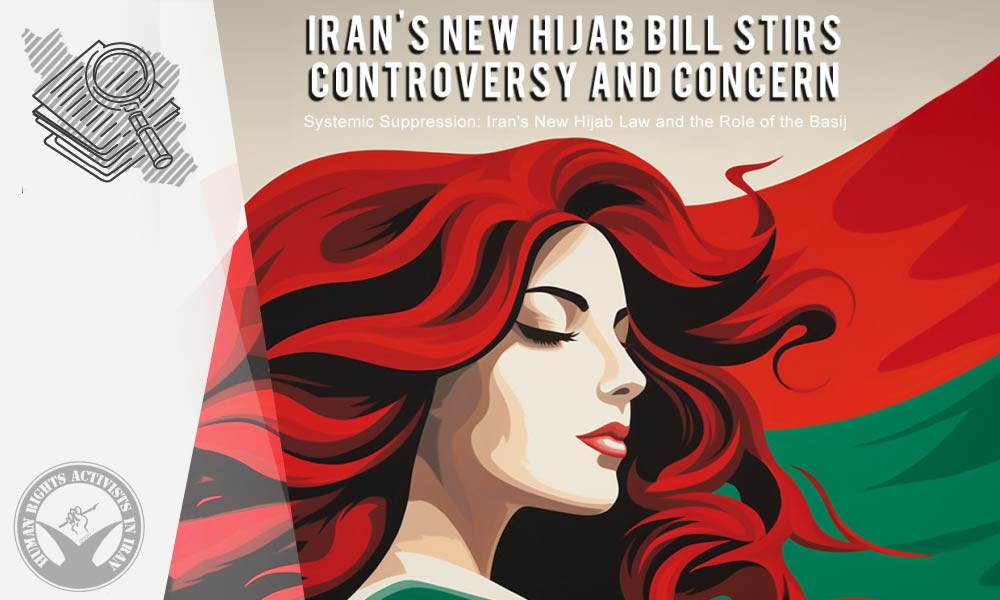
This new report by Human Rights Activists (HRA) provides a comprehensive assessment of Iran’s controversial “Bill to Support the Family by Promoting the Culture of Chastity and Hijab.” The bill has sparked international concern over increased restrictions on women’s rights and personal freedoms.
HRA’s investigation reveals over 180 individuals and entities connected to the bill’s approval, including parliamentary members, government officials, and religious institutions. The report analyzes the bill’s far-reaching impact across Iranian society, its punitive measures for non-compliance, and the key role of the Basij paramilitary force in enforcing the legislation. HRA argues the bill violates Iran’s obligations under international human rights law and represents a systematic crackdown on women’s autonomy and freedom of expression.
Background
Human Rights Activists (HRA) has worked to diligently monitor the escalating human rights issues in Iran over the past 12 months. The commemoration of Mahsa Amini’s tragic passing and the subsequent widespread protests have prompted Iran to intensify its

crackdown on activists. This has resulted in the arrests of prominent figures, campaigners, and numerous individuals, including family members of protestors. Furthermore, recent legislative developments in Iran have raised significant alarms, drawing attention not only nationally but also internationally, particularly in light of the recently passed hijab bill. This report aims to delve into the ramifications of such legislation on the daily lives of Iranian citizens, with a particular focus on its impact on women.
In addition to our apprehensions about the enforcement of the Hijab Bill, we have closely observed the disconcerting actions of 2,500 active Basij members and 650 student Basij members over the past year. These individuals have played an alarming role in suppressing civil protests and stifling voices of dissent within universities. Moreover, this report seeks to address the broader context of discrimination against women in Iran, examining how this oppressive environment affects their rights and freedoms. By doing so, we aim to provide a comprehensive overview of the systematic human rights abuses occurring at various levels of society.
Objectives
The primary objective of this report is to conduct a comprehensive human rights assessment of the hijab bill and to document its wide-ranging impact on various facets of Iranian society. Equally important is our objective to unveil the repressive actions of specific Basij members, thereby elucidating the intricate connection between legislative measures and their enforcement through suppressive tactics.
Methodology
In order to maintain the highest level of precision and credibility HRA employed meticulous methodologies. These included an in-depth examination of parliamentary debates, analysis of media reports, interviews with individuals directly impacted, and a thorough review of leaked documents and internal memos. Additionally, we conducted a comprehensive audit of 2,500 active Basij members and 650 student Basij members to meticulously document their roles in quelling protest and assess their alignment with the principles outlined in the hijab bill
Data Collection and Sources
To gain a comprehensive understanding of the extensive reach of the hijab law and the actions of Basij members, HRA engaged in consultations with a diverse group of sources. This inclusive approach encompassed government publications, articles, reports issued by international organizations, and first-hand testimonies from Iranian citizens. We are committed to transparency, and as such, the annex contains the list in its entirety. It includes the 180 names encompassing members of parliament and institutions that played a role in the approval of the bill. The names of Basij members are held confidentially and have been shared with partners alongside the requested action.
Bill to Support the Family by Promoting the Culture of Chastity and Hijab
Just shy of the anniversary of the death of Mahsa Zhina Amini, which ignited widespread protests throughout Iran, the Iranian Judiciary has approved a new, more stringent Hijab and Chastity bill. The original bill contained 15 clauses; however, following a rigorous amendment process by the Parliamentary Judiciary Committee, the bill has expanded from 15 articles to 70 and has been rebranded as the ‘Bill to Support the Family by Promoting the Culture of Chastity and Hijab.’ Human Rights Activists (HRA) has conducted an in-depth investigation uncovering more than 180 individuals and institutions connected to the endorsement of the bill in some form from its inception to present day. Additionally, through a thorough analysis of the available articles HRA has identified those responsible for the implementation of the bill across society once final approval has been obtained.
Where does the bill stand today?
The recent revisions to Iran’s hijab laws have led to stricter penalties for those who fail to adhere to them. These amendments encompass various aspects of public life, particularly concerning gender segregation. This is notably applicable to institutions such as universities, public offices, parks, and specific sections of hospitals. The bill, which has recently been approved by the Judicial Committee of the Parliament, now awaits a vote by the Internal Committee to determine its experimental implementation. However, before setting the date for the implementation of The Guardian Council; this unelected power council of 12 men, that recently re-elected a 97-year-old cleric, will be deciding the fate of 85 million Iranians. They are tasked with reviewing the bill’s provisions, ensuring their alignment with Islamic Law. Once endorsed, the bill will return to the parliament for the determination of its commencement date. The bill is likely to come into force early October 2023.
The vote by the Internal Committee is occurring because the Islamic Consultative Assembly of Iran convened an open session where representatives collectively decided to propose the review of the contentious “Chastity and Hijab Bill” within the internal commission, thus removing it from the public discussion arena. This step, guided by Article 85 of the constitution, led to the transfer of the bill’s examination to a dedicated group of representatives.
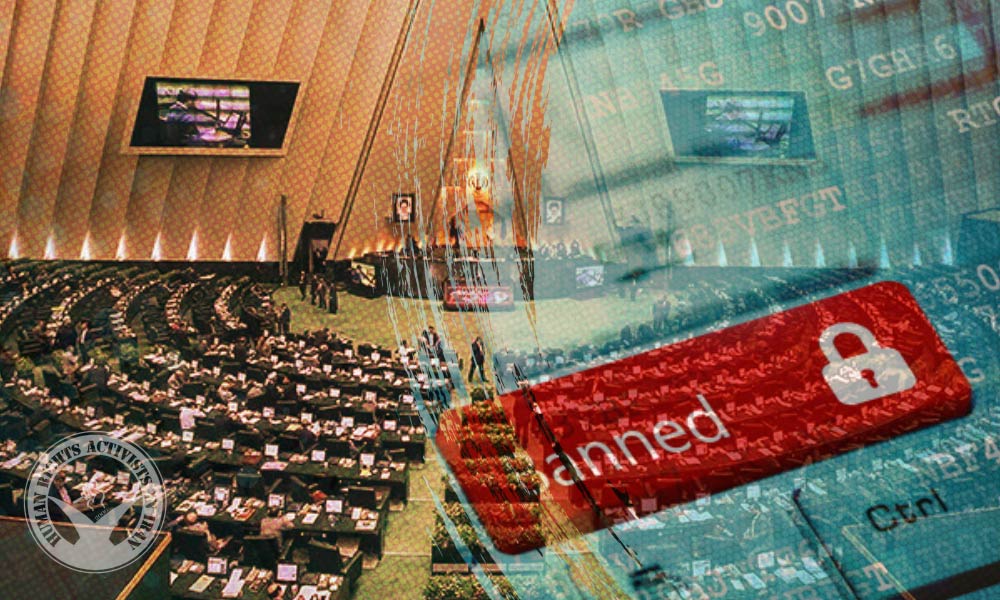
However, critics raised concerns about the lack of transparency, asserting that the public is being excluded from crucial discussions that significantly impact their lives. A similar approach was used for the highly contentious and draconian internet bill, Iranians are too often kept in the dark about processes containing their vital rights. Consequently, discussions surrounding the bill’s approval will not be broadcast through mass media platforms, including the radio, television, and newspapers. Among the assembly’s 238 representatives, a majority of 175 voted in favor of this decision, while 49 expressed opposition, and five abstained.
What does the bill seek to achieve?
The issue of mandatory hijab remains a focal point, with conservative elements closely monitoring its development. In recent years, a significant number of Iranian women have vocally expressed their dissent against the imposition of compulsory hijab. Notably, the tragic death of Mahsa Zhina Amini during an arrest by the morality police triggered widespread protests across the nation. Amid the discussion of the proposal, one of its architects officially acknowledged that if debated in the public assembly session, the bill’s “non-approval” was likely due to over 1,600 amendments registered by 59 representatives. Consequently, the bill’s approval by the commission was presented as a prudent solution to address its “urgent” implementation. Earlier, a member of the Assembly’s Legal and Judicial Commission emphasized the urgency of addressing the matter, given the worsening situation, to avert an irreversible crisis that could potentially engulf the nation.
The enforcement of these laws involves a significant technological dimension, with cyberspace playing a pivotal role. The sharing of videos and photos underscores the importance of adhering to hijab regulations. To ensure widespread adherence, the Basij organization has been tasked with educating its members, referred to as Basijis, to instill the principles of encouraging good behavior and discouraging wrongdoing. This preparation empowers them to address situations involving individuals who do not adhere to hijab requirements, both in physical and virtual environments.
In addition to this alarming technological emphasis, an invasive system has been imposed, enabling citizens to denounce cases of women deviating from the mandated veil standards by submitting visual proof. This regressive approach exploits technology to expedite the enforcement of hijab laws, intensifying the severity of control mechanisms.
Scruntinity about the use of AI and other forms of technology is significant. There are serious right-to-privacy concerns woven into many layers of the bill itself. In scenarios involving the public application of AI, the likelihood of misuse becomes all but inevitable. The utilization of AI technology also raises concerns about its potential to impede the principle of free speech, potentially enabling control over Iranians’ online experiences. This concern is amplified by the absence of well-defined data privacy laws in Iran, potentially granting the Iranian government access to individuals’ private lives.
Evidently, the Iranian government prioritizes censorship and surveillance, demonstrating a willingness to employ extensive measures to monitor citizens, particularly targeting women. The internet stands as a vital sanctuary for many, offering a space where they can openly share and articulate their thoughts. An Iranian journalist conveyed to HRA: “Technology could potentially become a tool of oppression. Surveillance cameras, drones, and AI systems might monitor our every move, further limiting our freedoms.”
The amendments also detail penalties for businesses that fail to comply with these regulations. Article 41 outlines that a third-degree cash penalty or an amount equivalent to three months of profits from the business’s income may be imposed. This includes online activists who may run afoul of the rules. Furthermore, Article 45 pertains to the import, production, distribution, or sale of prohibited clothing items. The penalty outlined here consists of a fourth-degree cash penalty or an amount twice the customary value of the involved property. For repeat violations, the penalty can escalate up to a third-degree cash penalty or four times the customary value of the property.
Gender segregation has taken a central role in the new law, encompassing various aspects. The law advocates for the expansion of women’s universities and campuses. Moreover, hospitals and health centers are directed to uphold Sharia privacy boundaries between male and female employees and establish distinct environments for medical services. A female doctor expressed to HRA her viewpoints on the bill stating, ‘Medicine is about healing, without bias. This bill introduces a bias, evaluating us not for our skills but our attire’ and ‘Every day, as I don my white coat, the bill reminds me that I’m judged not for my competence but compliance’ Article 18 further mandates municipalities and village administrators not only to promote hijab awareness but also to enforce gender segregation within parks, reserving a minimum of twenty percent of such areas for women’s use. In coastal cities, these entities are additionally required to construct segregated swimming areas and address environmental health concerns along the shorelines.
Speaking with HRA, a university student remarked ‘The recent hijab bill leaves me deeply dismayed and heartbroken. Our prolonged and passionate protests seemed to have fallen on deaf ears. A progressive future I had envisioned for our country feels farther away now.’’
In summary, the recent amendments to Iran’s hijab laws signify more severe penalties for noncompliance, extending to various facets of public life, supported by technological initiatives and specific punitive measures for businesses. These amendments underscore the government’s resolve to enforce stricter adherence to the hijab regulations in both physical and virtual domains.
Public Opinion of Officials
Despite the stringent nature of the bill, there are parliamentary members and other government officials who perceive it as insufficiently robust. For instance, Javad Mojtahed Shabestari, a Member of the Assembly of Experts, emphasized the need to consider the perspectives of clerics and academic elites. He also called for the inclusion of viewpoints from hijab and cultural activists. Ali Moalemi, the Representative of Mazandaran Province in the Assembly of Leadership Experts and Friday Imam of Qaim Shahr deemed the penalties to be inadequate. He advocated for corporal punishment, specifically whipping, instead of fines. Hasan Norouzi, the Vice Chairman of the Judicial and Legal Committee of the Parliament, opined that, in general, the bill demonstrated a lack of strength and favored individuals who do not adhere to the principles of Hijab.
Conversely, several parliamentary members firmly endorse the bill and are eager for its swift implementation. Mohammad Hossein Farhandi, a parliament member, expressed, “Our concern lies in anticipating the approval and subsequent enactment of this bill.” Mohammad Rashidi, another parliament member, asserted, “We should aim to promote observance of hijab, especially among the youth, by generating content that emphasizes modesty and hijab.” A comprehensive list of such endorsements can be found in the annex to this report.
Entities Responsible for Implementing the Legislation
HRA, through careful examination of the bill, has successfully identified several ministries that will be responsible for carrying out crucial executive functions. These ministries cover various aspects of society, such as Education, Industries and Mines, Interior, Science, Research, and Technology, among others that are listed below. According to Chapter 2, Article 4 of the newly introduced bill, all the aforementioned institutions have a mandate to incorporate Islamic values into their educational efforts, particularly emphasizing the significance of marital commitment and cultivating a culture of modesty and hijab. Collaboration with Islamic Propaganda Organizations is expected in order to develop and implement programs aimed at promoting a ‘family-oriented Islamic Lifestyle’ and fostering the values of modesty and hijab.
With the bill now soon to be enacted, each institution will be required to formulate operational benchmarks and evaluations within a three-month timeframe. These evaluations will then be submitted to the Supreme Council of Cultural Revolution for approval. This chapter also delineates specific objectives that each Ministry must adhere to.
For instance, the Ministry of Science, Research, and Technology is tasked with integrating the principles of modesty and hijab within the general courses offered by universities. The Ministry is also charged with establishing and expanding dedicated university campuses for women while advancing the concept of a family-centered Islamic lifestyle.
A teacher, in a conversation with HRA said ‘I worry for my students, especially the girls. They’re at an impressionable age, and this bill sends them a message that their choices are secondary.’. He is worried that the morality police’s influence can introduce biases in the place of learning.
Furthermore, the Ministry of Industry, Mines, and Trade is responsible for overseeing clothing production units, especially during the design and manufacturing phases. It is obligatory for them to support the establishment of permanent stores specializing in hijab essentials, with associated discounts on company fees. The Ministry is also mandated to ensure adherence to modesty principles and to arrange training sessions and workshops on family-oriented Islamic lifestyles and the culture of modesty and hijab for guilds seeking licensure.
Evidently, the comprehensive scope of the new bill encompasses various sectors of society. Numerous ministries are compelled to take proactive steps as outlined by the bill, and are deeply involved in promoting its principles within their respective domains of operation.
Unmasking Basij Members
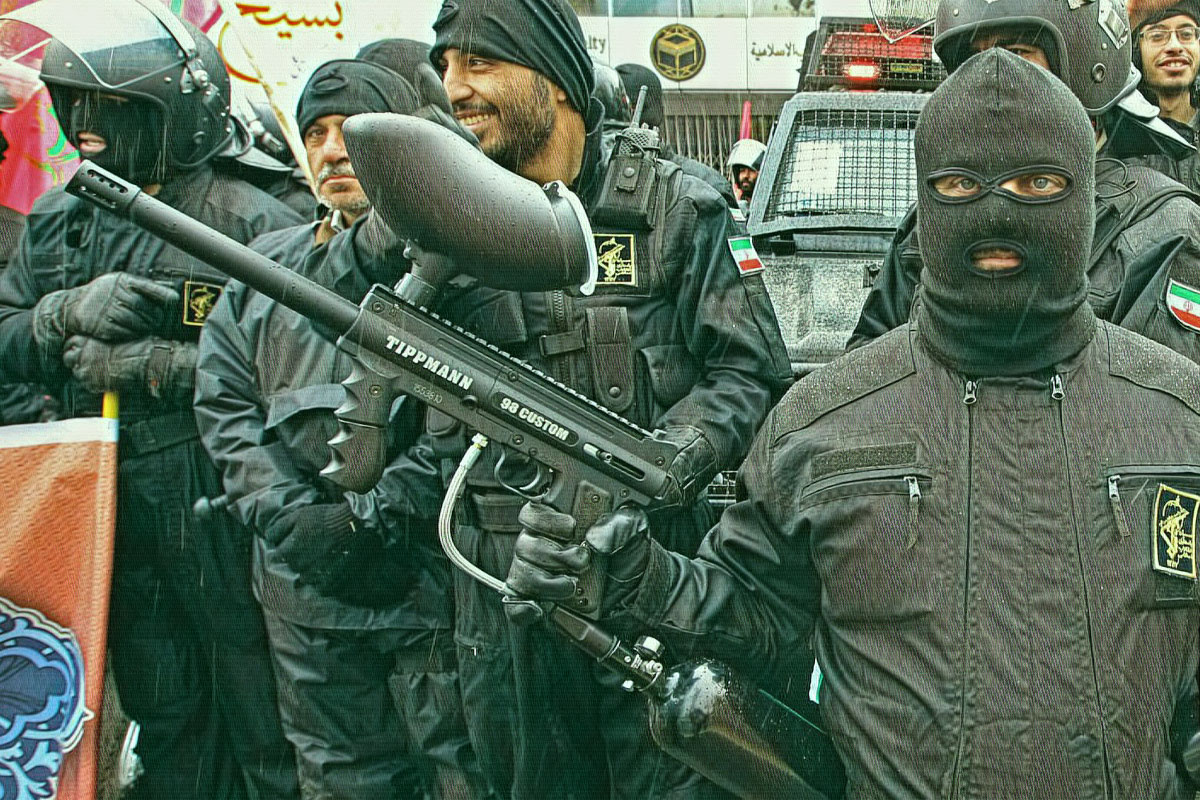
Alongside government entities, the Basij has also been given new responsibilities with the hijab law. The Basij is a paramilitary force of men and women under the control of the Islamic Revolutionary Guards Corps (IRGC). They play a central role in the suppression of protests. In November 2021, for example, the Basij was deployed to the streets of Tehran to crack down on protests against the government’s economic policies. The Basij reportedly used tear gas, batons, and live ammunition to disperse the protesters, and several people were killed. The Basij has been accused of numerous human rights abuses, including torture, forced disappearances, and extrajudicial killings. It has also been accused of using excessive force against protesters, including women and children.
Given the assertive character of the Basij’s conduct, the authority conferred upon them in the Hijab bill is deeply disconcerting. The Basij serves as an instrument of the IRGC to uphold law and order, prosecute dissidents, control media censorship, and suppress protests. Without effective oversight, they possess the unchecked capacity to employ excessive force against the populace and persist in receiving commendation from the Iranian government.
The Student Basij
In addition to the Basij, the Human Rights Activists (HRA) also perceive the Student Basij as a highly influential instrument in suppressing democratic movements in Iran. This influence primarily stems from the deeply ingrained ideological indoctrination they receive during their training, which instills unwavering loyalty to the Supreme leaders and prepares them for future roles within the government and security apparatus.
Notably, the Student Basij operates officially under the command of the Islamic Revolutionary Guard Corps (IRGC), a formidable entity with considerable power and sway in Iran. This university-based organization was established by the directive of Iran’s founding figure, Ayatollah Khomeini, with its central mission being the defense of the revolutionary principles and the prevailing political system. Over time, the Student Basij has gained notoriety for its involvement in violent clashes with protesters, engaging in espionage activities, and facilitating state-sanctioned repressive actions against student movements. A significant number of its members transition into prominent governmental and security positions after completing their academic tenure.
The aftermath of Mahsa Amini’s tragic death sparked widespread protests within Iranian universities, prompting the active participation of the Student Basij on campuses. Their involvement encompassed physical altercations with demonstrators, collecting student information for security forces, and aiding in the detention of students deemed dissenters. The Student Basij’s history of suppression dates back at least to 1999, marking a long-standing pattern of quelling dissenting voices.
It is important to note that a substantial number of young Iranians have been actively engaged in protesting, often using the act of not wearing hijabs as a symbol of rebellion and defiance. When examining the individuals facing death sentences as a result of these protests, a significant majority fall below the age of 30. Given the substantial involvement of young Iranians in these protests, the role played by the Student Basij becomes increasingly pivotal for the IRGC in intensifying their crackdown on these demonstrations and identifying individuals who do not adhere to new laws and regulations.
Consequences
The consequences of the expanded role of the Basij, both in the context of the hijab law and broader societal control, are deeply troubling. The authority granted to the Basij in enforcing the hijab law exacerbates concerns about unchecked power. The Basij and Student Basij have become crucial for the IRGC in intensifying their crackdown on these demonstrations. This paints a troubling picture of systemic repression and the suppression of freedom of expression in Iran, where the Basij and Student Basij play pivotal roles in maintaining the status quo.
Obligation under International Human Rights Law
Iran, as a signatory to various international human rights treaties, like the International Covenant on Civil and Political Rights (ICCPR) and International Covenant on Economic, Social and Cultural Rights (ICESCR), holds an obligation to uphold and protect the fundamental rights and freedoms of its citizens. These obligations encompass the right to freedom of expression, religion, privacy, and personal choice. According to Article 19(2) of the ICCPR, every individual holds the right to express themselves freely, which encompasses the freedom to choose their attire. Furthermore, Article 19 safeguards the freedom of thought, conscience, and religion. The freedom of religion is a deeply personal entitlement, permitting individuals to practice, exhibit, and embrace their chosen faith without intrusion, as long as it doesn’t infringe upon the fundamental rights of others. In the context of the discussion, the act of wearing a hijab, or not, must always be up to the discretion of the woman herself.
The longstanding need for reform
The introduction of Iran’s new hijab law has ignited concern for women’s rights and personal freedoms worldwide. This newly introduced bill extends its reach across all segments of society, mandating educational institutions, workplaces, businesses, and numerous other establishments to enforce its provisions, including the obligation to file regular reports. The bill infringes upon individual rights by imposing dress codes on individuals and has forced every sector of society to involve itself, specifically in the lives of Iranian women. Any legislation pertaining to personal attire should be crafted with a careful balance between cultural considerations and the preservation of individual rights. Moreover, the implementation of Artificial Intelligence (AI) displays a significantly more invasive method of monitoring hijab adherence. Additionally, this approach fosters an environment characterized by apprehension and seclusion.
The financial burden of non-compliance with hijab regulations falls squarely upon businesses. The all-encompassing nature of this bill ensures that women who opt to voice their dissent are systematically marginalized, rendering them unwelcome in schools, workplaces, and even healthcare facilities.
This situation, particularly as we see it play out before us, underscores the longstanding and critical need for legal reform. Civil society’s active engagement in this reform process is pivotal, giving voice to those affected and advocating for progressive changes.
The new hijab law in Iran compels women to adhere to strict dress codes, infringing upon their personal choices and freedom of expression despite the widespread calls against such enforcements. This legislation not only suppresses women’s agency but also perpetuates a culture of inequality, limiting opportunities for women in education, employment, and public life. HRA firmly believes that everyone has the right to make decisions about their own bodies, clothing, and personal beliefs.
The bill further symbolizes a broader pattern of limited gender equality within the legal framework, reinforcing discriminatory practices against women. By institutionalizing the enforcement of a specific dress code, the law reinforces harmful stereotypes and reinforces societal norms that prioritize control over personal choice. This not only disregards the diverse cultural expressions and beliefs of Iranian women but also sends a detrimental message that their autonomy is secondary to conforming to state-imposed standards.
It is of paramount importance the international community widely condemns the implementation of Iran’s new Hijab bill as its mere existence highlights the regime’s alarmingly intensified position related to the persecution of women in both law and practice.
ANNEX OF NAMES and ENTITIES
1 – Full Name: Ali babai Karnami- Entity Classification: Individual- Role or Position in Power Structure: Member of Parliament (Babolsar)- Government Branch or Hierarchical Structure: Legislature- Key Contribution to Bill Approval: Support this plan in parliament
2 – Full Name: Abdolsamad Khorramabadi- Entity Classification: Individual- Role or Position in Power Structure: Deputy Supervisor of the Attorney General’s Office- Government Branch or Hierarchical Structure: Judiciary- Key Contribution to Bill Approval: Media promoter for this bill
3 – Full Name: Hossein Shariatmadari- Entity Classification: Individual- Role or Position in Power Structure: The Supreme Leader’s representative at Keyhan Institute- Government Branch or Hierarchical Structure: Supreme Leader- Key Contribution to Bill Approval: Media promoter for this bill
4 – Full Name: Abbas Ali-Abadi- Entity Classification: Individual- Role or Position in Power Structure: Minister of Industry, Mining and Trade- Government Branch or Hierarchical Structure: Executive branch- Key Contribution to Bill Approval: Endorsed or approved this plan in government (executive branch)
5 – Full Name: Abbas Moghtadaei- Entity Classification: Individual- Role or Position in Power Structure: Member of Parliament- Government Branch or Hierarchical Structure: Legislature- Key Contribution to Bill Approval: Support this plan in parliament
6 – Full Name: Gholam-Hossein Mohseni Ejei- Entity Classification: Individual- Role or Position in Power Structure: Chief Justice of Iran- Government Branch or Hierarchical Structure: Judiciary- Key Contribution to Bill Approval: Media promoter for this bill
7 – Full Name: Abdol-Hossein Khosrow Panah- Entity Classification: Individual- Role or Position in Power Structure: Chairman and Secretary of the Supreme Council of Cultural Revolution- Government Branch or Hierarchical Structure: Supreme Leader- Key Contribution to Bill Approval: Media promoter for this bill
8 – Full Name: Abdolkarim Jomeiri- Entity Classification: Individual- Role or Position in Power Structure: Member of Parliament- Government Branch or Hierarchical Structure: Legislature- Key Contribution to Bill Approval: Support this plan in parliament
9 – Full Name: Abolfazl Amoui- Entity Classification: Individual- Role or Position in Power Structure: Member of Parliament- Government Branch or Hierarchical Structure: Legislature- Key Contribution to Bill Approval: Support this plan in parliament
10 – Full Name: Sayyid Ebrahim Raisolsadati- Entity Classification: Individual- Role or Position in Power Structure: President- Government Branch or Hierarchical Structure: Executive branch- Key Contribution to Bill Approval: Endorsed or approved this plan in government
11 – Full Name: Ahamd Vahidi- Entity Classification: Individual- Role or Position in Power Structure: Interior Minister- Government Branch or Hierarchical Structure: Executive branch- Key Contribution to Bill Approval: Endorsed or approved this plan in government (executive branch)
12 – Full Name: Ahmad Hossein Fallahi- Entity Classification: Individual- Role or Position in Power Structure: Member of Parliament- Government Branch or Hierarchical Structure: Legislature- Key Contribution to Bill Approval: Media promoter for this bill
13 – Full Name: Ahmad Rastineh- Entity Classification: Individual- Role or Position in Power Structure: Spokesperson of the Cultural Commission of the Islamic Council- Government Branch or Hierarchical Structure: Legislature- Key Contribution to Bill Approval: Media promoter for this bill
14 – Full Name: Ahmad Salek- Entity Classification: Individual- Role or Position in Power Structure: Member of the Combatant Clergy Association- Government Branch or Hierarchical Structure: None- Key Contribution to Bill Approval: Media promoter for this bill
15 – Full Name: Ali Babai- Entity Classification: Individual- Role or Position in Power Structure: Member of Parliament- Government Branch or Hierarchical Structure: Legislature- Key Contribution to Bill Approval: Support this plan in parliament
16 – Full Name: Seyed-Ahmad Alamolhoda- Entity Classification: Individual- Role or Position in Power Structure: Representative of the supreme leader in khorasan province, and the Friday Imam of Mashhad- Government Branch or Hierarchical Structure: Supreme Leader- Key Contribution to Bill Approval: Deemed this bill to be weak and advocated for its fortification
17 – Full Name: Ali Bahadori Jahromi- Entity Classification: Individual- Role or Position in Power Structure: Spokesman and Secretary of the Government Board- Government Branch or Hierarchical Structure: Executive branch- Key Contribution to Bill Approval: Media promoter for this bill
18 – Full Name: Ali Keshvari- Entity Classification: Individual- Role or Position in Power Structure: Member of Social Sciences Department of Imam Sadegh Research Institute- Government Branch or Hierarchical Structure: Supreme Leader- Key Contribution to Bill Approval: Media promoter for this bill
19 – Full Name: Ali Khazrian- Entity Classification: Individual- Role or Position in Power Structure: Member of Parliament- Government Branch or Hierarchical Structure: Legislature- Key Contribution to Bill Approval: Support this plan in parliament
20 – Full Name: Mohammad-Bagher Ghalibaf- Entity Classification: Individual- Role or Position in Power Structure: Head of the Parliament of Iran- Government Branch or Hierarchical Structure: Legislature- Key Contribution to Bill Approval: Support this plan in parliament
21 – Full Name: Ali Moalemi- Entity Classification: Individual- Role or Position in Power Structure: Representative of Mazandaran Province in the Assembly of Leadership Experts and Friday Imam of Qaim Shahr- Government Branch or Hierarchical Structure: Legislature- Key Contribution to Bill Approval: Deemed this bill to be weak and advocated for its fortification
22 – Full Name: Ali-Akbar Mehrabian- Entity Classification: Individual- Role or Position in Power Structure: Minister of Energy- Government Branch or Hierarchical Structure: Executive branch- Key Contribution to Bill Approval: Endorsed or approved this plan in government (executive branch)
23 – Full Name: Ali-Morad Heydari- Entity Classification: Individual- Role or Position in Power Structure: Member of the faculty of the Department of Criminal Law and Criminology- Government Branch or Hierarchical Structure: Executive branch- Key Contribution to Bill Approval: Media promoter for this bill
24 – Full Name: Mousa Ghazanfar-Abadi- Entity Classification: Individual- Role or Position in Power Structure: MP in 11th Islamic Consultative Assembly- Government Branch or Hierarchical Structure: Legislature- Key Contribution to Bill Approval: Media promoter for this bill
25 – Full Name: Alireza Abedi Sar Asia- Entity Classification: Individual- Role or Position in Power Structure: Member of the academic staff of the Department of Fiqh and Fundamentals of Islamic Law, Ferdowsi University of Mashhad- Government Branch or Hierarchical Structure: Executive branch- Key Contribution to Bill Approval: Media promoter for this bill
26 – Full Name: Alireza Arafi- Entity Classification: Individual- Role or Position in Power Structure: Director of seminaries across the country- Government Branch or Hierarchical Structure: Supreme Leader- Key Contribution to Bill Approval: Media promoter for this bill
27 – Full Name: Alireza Monadi Sefidan- Entity Classification: Individual- Role or Position in Power Structure: Member of Parliament- Government Branch or Hierarchical Structure: Legislature- Key Contribution to Bill Approval: Support this plan in parliament
28 – Full Name: Kazem Sedighi- Entity Classification: Individual- Role or Position in Power Structure: Chief of headquarter for enjoining good and forbidding wrong- Government Branch or Hierarchical Structure: Executive branch- Key Contribution to Bill Approval: Media promoter for this bill
29 – Full Name: Alireza Pakfetrat- Entity Classification: Individual- Role or Position in Power Structure: Member of Parliament- Government Branch or Hierarchical Structure: Legislature- Key Contribution to Bill Approval: Support this plan in parliament
30 – Full Name: Amin Hossein Rahimi- Entity Classification: Individual- Role or Position in Power Structure: Minister of Justice of Iran- Government Branch or Hierarchical Structure: Legislature- Key Contribution to Bill Approval: Endorsed or approved this plan in government (executive branch)
31 – Full Name: Amir Hossein Bankipour- Entity Classification: Individual- Role or Position in Power Structure: Parliament Member Representing Isfahan- Government Branch or Hierarchical Structure: Legislature- Key Contribution to Bill Approval: Support this plan in parliament
32 – Full Name: Amir Hossein Yazdanpanah- Entity Classification: Individual- Role or Position in Power Structure: Head of the news department of the Islamic Council- Government Branch or Hierarchical Structure: Legislature- Key Contribution to Bill Approval: Media promoter for this bill
33 – Full Name: Bahram Eynollahi- Entity Classification: Individual- Role or Position in Power Structure: Minister of Health and Medical Education of the Islamic Republic of Iran- Government Branch or Hierarchical Structure: Executive branch- Key Contribution to Bill Approval: Endorsed or approved this plan in government (executive branch)
34 – Full Name: Behrouz Mohebi Najm-Abadi- Entity Classification: Individual- Role or Position in Power Structure: Representative of Sabzevar people in the Islamic Council- Government Branch or Hierarchical Structure: Legislature- Key Contribution to Bill Approval: Media promoter for this bill
35 – Full Name: Behzad Khalili- Entity Classification: Individual- Role or Position in Power Structure: Director of Beh-Ayandeh Policy Research and Strategic Studies Think Tank- Government Branch or Hierarchical Structure: None- Key Contribution to Bill Approval: Media promoter for this bill
36 – Full Name: Behzad pourseyed- Entity Classification: Individual- Role or Position in Power Structure: Legal deputy of the judiciary- Government Branch or Hierarchical Structure: Judiciary- Key Contribution to Bill Approval: Media promoter for this bill
37 – Full Name: Seyed-Yousef Tabatabaei Nejad- Entity Classification: Individual- Role or Position in Power Structure: Member of Assembly of Experts, and Isfahan Friday Imam- Government Branch or Hierarchical Structure: Supreme Leader- Key Contribution to Bill Approval: Deemed this bill to be weak and advocated for its fortification
38 – Full Name: Bijan Nobaveh-Vatan- Entity Classification: Individual- Role or Position in Power Structure: Deputy Chairman of the Cultural Commission of the Islamic Council- Government Branch or Hierarchical Structure: Legislature- Key Contribution to Bill Approval: Support this plan in parliament
39 – Full Name: Davood Manzour- Entity Classification: Individual- Role or Position in Power Structure: Head of the country’s program and budget organization- Government Branch or Hierarchical Structure: Executive branch- Key Contribution to Bill Approval: Media promoter for this bill
40 – Full Name: Eghbal Shakeri- Entity Classification: Individual- Role or Position in Power Structure: Member of Parliament- Government Branch or Hierarchical Structure: Legislature- Key Contribution to Bill Approval: Support this plan in parliament
41 – Full Name: Ehsan Arkani- Entity Classification: Individual- Role or Position in Power Structure: Member of Parliament- Government Branch or Hierarchical Structure: Legislature- Key Contribution to Bill Approval: Support this plan in parliament
42 – Full Name: Ensiyeh Khazali- Entity Classification: Individual- Role or Position in Power Structure: Vice President for Women and Family Affairs of the President of Iran- Government Branch or Hierarchical Structure: Executive branch- Key Contribution to Bill Approval: Media promoter for this bill
43 – Full Name: Farajollah Hedayat-Nia- Entity Classification: Individual- Role or Position in Power Structure: Member of the scientific faculty of the Research Institute of Islamic Culture and Thought- Government Branch or Hierarchical Structure: None- Key Contribution to Bill Approval: Media promoter for this bill
44 – Full Name: Fatemeh Ghasempour- Entity Classification: Individual- Role or Position in Power Structure: Parliament Member Representing Tehran and Ray- Government Branch or Hierarchical Structure: Legislature- Key Contribution to Bill Approval: Support this plan in parliament
45 – Full Name: Fatemeh Mohammad-beigi- Entity Classification: Individual- Role or Position in Power Structure: Representative of the Islamic Council- Government Branch or Hierarchical Structure: Legislature- Key Contribution to Bill Approval: Deemed this bill to be weak and advocated for its fortification
46 – Full Name: Fatemeh Rahmani- Entity Classification: Individual- Role or Position in Power Structure: Member of Parliament- Government Branch or Hierarchical Structure: Legislature- Key Contribution to Bill Approval: Support this plan in parliament
47 – Full Name: Gholam-Hossein Rezvani- Entity Classification: Individual- Role or Position in Power Structure: Member of Parliament- Government Branch or Hierarchical Structure: Legislature- Key Contribution to Bill Approval: Support this plan in parliament
48 – Full Name: Gholam-Reza Montazeri- Entity Classification: Individual- Role or Position in Power Structure: Member of Parliament- Government Branch or Hierarchical Structure: Legislature- Key Contribution to Bill Approval: Support this plan in parliament
49 – Full Name: Habibollah Sayyari- Entity Classification: Individual- Role or Position in Power Structure: Coordinating Deputy of the Islamic Republic of Iran Army and the former Commander of the Islamic Republic of Iran Navy- Government Branch or Hierarchical Structure: Executive branch- Key Contribution to Bill Approval: Media promoter for this bill
50 – Full Name: Hadi Beigi Nejad- Entity Classification: Individual- Role or Position in Power Structure: Member of Parliament- Government Branch or Hierarchical Structure: Legislature- Key Contribution to Bill Approval: Support this plan in parliament
51 – Full Name: Hadi Saheb Qarani- Entity Classification: Individual- Role or Position in Power Structure: Director General of Islamic Propaganda of Khorasan Razavi Province- Government Branch or Hierarchical Structure: Executive branch- Key Contribution to Bill Approval: Media promoter for this bill
52 – Full Name: Hasan Norouzi- Entity Classification: Individual- Role or Position in Power Structure: Vice Chairman of the Judicial and Legal Committee of the Parliament- Government Branch or Hierarchical Structure: Legislature- Key Contribution to Bill Approval: Deemed this bill to be weak and advocated for its fortification
53 – Full Name: Hojjatollah Firouzi- Entity Classification: Individual- Role or Position in Power Structure: Member of Parliament- Government Branch or Hierarchical Structure: Legislature- Key Contribution to Bill Approval: Support this plan in parliament
54 – Full Name: Hossein Amir-Abdollahian- Entity Classification: Individual- Role or Position in Power Structure: Minister of Foreign Affairs of Iran- Government Branch or Hierarchical Structure: Executive branch- Key Contribution to Bill Approval: Endorsed or approved this plan in government (executive branch)
55 – Full Name: Hossein Bostan (Najafi)- Entity Classification: Individual- Role or Position in Power Structure: Member of the faculty of the research institute of the Seminary and University- Government Branch or Hierarchical Structure: None- Key Contribution to Bill Approval: Media promoter for this bill
56 – Full Name: Seyed Mohammad Mehdi Hosseini Hamedani- Entity Classification: Individual- Role or Position in Power Structure: Supreme Leader Representative in Alborz Province- Government Branch or Hierarchical Structure: Supreme Leader- Key Contribution to Bill Approval: Media promoter for this bill
57 – Full Name: Hossein Jalali- Entity Classification: Individual- Role or Position in Power Structure: Member of Parliament- Government Branch or Hierarchical Structure: Legislature- Key Contribution to Bill Approval: Media promoter for this bill
58 – Full Name: Hossein Mirzaei- Entity Classification: Individual- Role or Position in Power Structure: Member of Parliament- Government Branch or Hierarchical Structure: Legislature- Key Contribution to Bill Approval: Support this plan in parliament
59 – Full Name: Hossein Salami- Entity Classification: Individual- Role or Position in Power Structure: Commander in Chief of the Revolutionary Guards Corps- Government Branch or Hierarchical Structure: Supreme Leader- Key Contribution to Bill Approval: Media promoter for this bill
60 – Full Name: Hossein-Ali Haji-Deligani- Entity Classification: Individual- Role or Position in Power Structure: Parliament Member (Member of Judiciary and Legal Commission of the Islamic Consultative Assembly)- Government Branch or Hierarchical Structure: Legislature- Key Contribution to Bill Approval: Support this plan in parliament
61 – Full Name: Jafar Rasti- Entity Classification: Individual- Role or Position in Power Structure: Member of Parliament- Government Branch or Hierarchical Structure: Legislature- Key Contribution to Bill Approval: Support this plan in parliament
62 – Full Name: Jalil Mohebi- Entity Classification: Individual- Role or Position in Power Structure: Expert of Majlis Research Center- Government Branch or Hierarchical Structure: Legislature- Key Contribution to Bill Approval: Media promoter for this bill
63 – Full Name: Jalil Rahimi Jahan-Abadi- Entity Classification: Individual- Role or Position in Power Structure: Parliament Member- Government Branch or Hierarchical Structure: Legislature- Key Contribution to Bill Approval: Deemed this bill to be weak and advocated for its fortification
64 – Full Name: Javad Karimi-Ghodousi- Entity Classification: Individual- Role or Position in Power Structure: Member of the National Security and Foreign Policy Commission of the Islamic Council- Government Branch or Hierarchical Structure: Legislature- Key Contribution to Bill Approval: Support this plan in parliament
65 – Full Name: Javad Mojtahed Shabestari- Entity Classification: Individual- Role or Position in Power Structure: Member of the Assembly of Experts- Government Branch or Hierarchical Structure: Legislature- Key Contribution to Bill Approval: Media promoter for this bill
66 – Full Name: Javad Naeini- Entity Classification: Individual- Role or Position in Power Structure: Member of Parliament- Government Branch or Hierarchical Structure: Legislature- Key Contribution to Bill Approval: Support this plan in parliament
67 – Full Name: Javad Nikbin- Entity Classification: Individual- Role or Position in Power Structure: Member of the Parliament’s Cultural Commission- Government Branch or Hierarchical Structure: Legislature- Key Contribution to Bill Approval: Media promoter for this bill
68 – Full Name: Javad Oji- Entity Classification: Individual- Role or Position in Power Structure: Minister of Oil- Government Branch or Hierarchical Structure: Executive branch- Key Contribution to Bill Approval: Endorsed or approved this plan in government (executive branch)
69 – Full Name: Kioumars Hashemi- Entity Classification: Individual- Role or Position in Power Structure: Minister of Sports and Youth- Government Branch or Hierarchical Structure: Executive branch- Key Contribution to Bill Approval: Endorsed or approved this plan in government (executive branch)
70 – Full Name: Kobra Khazali- Entity Classification: Individual- Role or Position in Power Structure: Representative of Supreme Council of the Cultural Revolution- Government Branch or Hierarchical Structure: Executive branch – Key Contribution to Bill Approval: Deemed this bill to be weak and advocated for its fortification
71 – Full Name: Majid Dehghan- Entity Classification: Individual- Role or Position in Power Structure: Member of the faculty of Women’s Studies Research Institute- Government Branch or Hierarchical Structure: Supreme Leader- Key Contribution to Bill Approval: Media promoter for this bill
72 – Full Name: Mansour Arami- Entity Classification: Individual- Role or Position in Power Structure: Member of Parliament- Government Branch or Hierarchical Structure: Legislature- Key Contribution to Bill Approval: Support this plan in parliament
73 – Full Name: Mansour Shokrollahi- Entity Classification: Individual- Role or Position in Power Structure: Member of Parliament- Government Branch or Hierarchical Structure: Legislature- Key Contribution to Bill Approval: Support this plan in parliament
74 – Full Name: Mehdi Bagheri- Entity Classification: Individual- Role or Position in Power Structure: Member of Parliament- Government Branch or Hierarchical Structure: Legislature- Key Contribution to Bill Approval: Support this plan in parliament
75 – Full Name: Mehdi Bayati- Entity Classification: Individual- Role or Position in Power Structure: Chaste Life Working Group of the Council of Public Culture- Government Branch or Hierarchical Structure: Executive branch- Key Contribution to Bill Approval: Deemed this bill to be weak and advocated for its fortification
76 – Full Name: Mehdi Jamshidi- Entity Classification: Individual- Role or Position in Power Structure: Member of the academic board of the Research Institute of Islamic Culture and Thought- Government Branch or Hierarchical Structure: Supreme Leader- Key Contribution to Bill Approval: Deemed this bill to be weak and advocated for its fortification
77 – Full Name: Mehdi Saadati- Entity Classification: Individual- Role or Position in Power Structure: Member of Parliament- Government Branch or Hierarchical Structure: Legislature- Key Contribution to Bill Approval: Support this plan in parliament
78 – Full Name: Mehrdad Bazrpash- Entity Classification: Individual- Role or Position in Power Structure: Minister of Roads and Urban Development- Government Branch or Hierarchical Structure: Executive branch- Key Contribution to Bill Approval: Endorsed or approved this plan in government (executive branch)
79 – Full Name: Mehrdad Veiskarami- Entity Classification: Individual- Role or Position in Power Structure: Member of Parliament- Government Branch or Hierarchical Structure: Legislature- Key Contribution to Bill Approval: Support this plan in parliament
80 – Full Name: Mohammad Ali Nikbakht- Entity Classification: Individual- Role or Position in Power Structure: Minister of Agriculture- Government Branch or Hierarchical Structure: Executive branch- Key Contribution to Bill Approval: Endorsed or approved this plan in government (executive branch)
81 – Full Name: Mohammad Elahi Khorasani- Entity Classification: Individual- Role or Position in Power Structure: Manager of the strategic analysis project for the organization of the state of hijab- Government Branch or Hierarchical Structure: None- Key Contribution to Bill Approval: Media promoter for this bill
82 – Full Name: Mohammad Hassan Vakili- Entity Classification: Individual- Role or Position in Power Structure: High-level professor of Holy Mashhad Seminary- Government Branch or Hierarchical Structure: Supreme Leader- Key Contribution to Bill Approval: Media promoter for this bill
83 – Full Name: Mohammad Hossein Farhandi- Entity Classification: Individual- Role or Position in Power Structure: Member of Parliament- Government Branch or Hierarchical Structure: Legislature- Key Contribution to Bill Approval: Support this plan in parliament
84 – Full Name: Mohammad Hossein Tahei Akardi- Entity Classification: Individual- Role or Position in Power Structure: Secretary of the Headquarters of Enjoining Good and Forbidding Evil- Government Branch or Hierarchical Structure: Supreme Leader- Key Contribution to Bill Approval: Deemed this bill to be weak and advocated for its fortification
85 – Full Name: Mohammad Javad Nezafat- Entity Classification: Individual- Role or Position in Power Structure: Member of the Supreme Council of Khorasan Seminary- Government Branch or Hierarchical Structure: Supreme Leader- Key Contribution to Bill Approval: Media promoter for this bill
86 – Full Name: Mohammad Mahdi Esmaeili- Entity Classification: Individual- Role or Position in Power Structure: Minister of Culture and Islamic Guidance- Government Branch or Hierarchical Structure: Executive branch- Key Contribution to Bill Approval: Media promoter for this bill
87 – Full Name: Mohammad Mokhber- Entity Classification: Individual- Role or Position in Power Structure: First Vice President of Islamic Republic- Government Branch or Hierarchical Structure: Executive branch- Key Contribution to Bill Approval: Endorsed or approved this plan in government (executive branch)
88 – Full Name: Mohammad Morvarid- Entity Classification: Individual- Role or Position in Power Structure: Teaching at the Seminary- Government Branch or Hierarchical Structure: Supreme Leader- Key Contribution to Bill Approval: Media promoter for this bill
89 – Full Name: Mohammad Mosadegh Kahnamouyi- Entity Classification: Individual- Role or Position in Power Structure: First Deputy of the Judiciary- Government Branch or Hierarchical Structure: Judiciary- Key Contribution to Bill Approval: Involved in conceptualizing and drafting the initial plan
90 – Full Name: Mohammad Rashidi- Entity Classification: Individual- Role or Position in Power Structure: Member of Parliament- Government Branch or Hierarchical Structure: Legislature- Key Contribution to Bill Approval: Support this plan in parliament
91 – Full Name: Mohammad Reza Gharaei Ashtiani- Entity Classification: Individual- Role or Position in Power Structure: Minister of Defense and Armed Forces Logistics of Iran- Government Branch or Hierarchical Structure: Executive branch- Key Contribution to Bill Approval: Endorsed or approved this plan in government (executive branch)
92 – Full Name: Mohammad Saeid Ahadian- Entity Classification: Individual- Role or Position in Power Structure: Advisor to the Speaker of the Parliament- Government Branch or Hierarchical Structure: Legislature- Key Contribution to Bill Approval: Support this plan in parliament
93 – Full Name: Mohammad Taghi Naghd Ali- Entity Classification: Individual- Role or Position in Power Structure: Member of the Legal and Judicial Committee of the Parliament- Government Branch or Hierarchical Structure: Executive branch- Key Contribution to Bill Approval: Media promoter for this bill
94 – Full Name: Mohammad-Ali Zolfigol- Entity Classification: Individual- Role or Position in Power Structure: Minister of Science, Research and Technology- Government Branch or Hierarchical Structure: Executive branch- Key Contribution to Bill Approval: Endorsed or approved this plan in government (executive branch)
95 – Full Name: Mohammad-Kazem Movahedi Azad- Entity Classification: Individual- Role or Position in Power Structure: The Attorney General of the country – Government Branch or Hierarchical Structure: Judiciary- Key Contribution to Bill Approval: Involved in conceptualizing and drafting the initial plan
96 – Full Name: Mohammad-Saleh Jokar- Entity Classification: Individual- Role or Position in Power Structure: Member of Parliament- Government Branch or Hierarchical Structure: Legislature- Key Contribution to Bill Approval: Support this plan in parliament
97 – Full Name: Mohammadreza Ahmadi- Entity Classification: Individual- Role or Position in Power Structure: Member of Parliament- Government Branch or Hierarchical Structure: Legislature- Key Contribution to Bill Approval: Support this plan in parliament
98 – Full Name: Mohsen Abbasi-Valadi- Entity Classification: Individual- Role or Position in Power Structure: Member of the scientific faculty of the Research Institute of Science and Culture- Government Branch or Hierarchical Structure: None- Key Contribution to Bill Approval: Media promoter for this bill
99 – Full Name: Mohsen Pirhadi- Entity Classification: Individual- Role or Position in Power Structure: Member of the Presidium of the Islamic Council- Government Branch or Hierarchical Structure: Legislature- Key Contribution to Bill Approval: Media promoter for this bill
100 – Full Name: Mojtaba Tavangar- Entity Classification: Individual- Role or Position in Power Structure: Member of Parliament- Government Branch or Hierarchical Structure: Legislature- Key Contribution to Bill Approval: Media promoter for this bill
101 – Full Name: Mojtaba Zolnouri- Entity Classification: Individual- Role or Position in Power Structure: Member of Parliament- Government Branch or Hierarchical Structure: Legislature- Key Contribution to Bill Approval: Support this plan in parliament
102 – Full Name: Monovar Shayestekhoo- Entity Classification: Individual- Role or Position in Power Structure: Director of Narjes Seminary and Cultural Activist- Government Branch or Hierarchical Structure: Supreme Leader- Key Contribution to Bill Approval: Media promoter for this bill
103 – Full Name: Morteza Aghatehrnai- Entity Classification: Individual- Role or Position in Power Structure: Chairman of the Cultural Committee of the Parliament- Government Branch or Hierarchical Structure: Legislature- Key Contribution to Bill Approval: Media promoter for this bill
104 – Full Name: Parvin Salehi Mobarake- Entity Classification: Individual- Role or Position in Power Structure: Member of Parliament- Government Branch or Hierarchical Structure: Legislature- Key Contribution to Bill Approval: Support this plan in parliament
105 – Full Name: Razieh Khodaivi- Entity Classification: Individual- Role or Position in Power Structure: Promoter of Hijab and Modesty- Government Branch or Hierarchical Structure: None- Key Contribution to Bill Approval: Media promoter for this bill
106 – Full Name: Reza Daneshvar Sani- Entity Classification: Individual- Role or Position in Power Structure: Member of the faculty of Razavi University of Islamic Sciences- Government Branch or Hierarchical Structure: Executive branch- Key Contribution to Bill Approval: Media promoter for this bill
107 – Full Name: Reza Gholami- Entity Classification: Individual- Role or Position in Power Structure: Member of the faculty of Bagher Alolum University- Government Branch or Hierarchical Structure: Executive branch- Key Contribution to Bill Approval: Media promoter for this bill
108 – Full Name: Reza Morad Sahrai- Entity Classification: Individual- Role or Position in Power Structure: Minister of Education- Government Branch or Hierarchical Structure: Executive branch- Key Contribution to Bill Approval: Endorsed or approved this plan in government (executive branch)
109 – Full Name: Issa Zarepour- Entity Classification: Individual- Role or Position in Power Structure: Minister of Information and Communications Technology of Iran- Government Branch or Hierarchical Structure: Executive branch- Key Contribution to Bill Approval: Endorsed or approved this plan in government (executive branch)
110 – Full Name: Seyed Esmaeil Khatib- Entity Classification: Individual- Role or Position in Power Structure: Minister of Ministry of Intelligence- Government Branch or Hierarchical Structure: Executive branch- Key Contribution to Bill Approval: Endorsed or approved this plan in government (executive branch)
111 – Full Name: Ruhollah Motefakerzadeh- Entity Classification: Individual- Role or Position in Power Structure: Member of Parliament- Government Branch or Hierarchical Structure: Legislature- Key Contribution to Bill Approval: Support this plan in parliament
112 – Full Name: Saeid Montazer almahdi- Entity Classification: Individual- Role or Position in Power Structure: FARAJA’s Spokesperson- Government Branch or Hierarchical Structure: Executive branch- Key Contribution to Bill Approval: Entities required to implement this bill
113 – Full Name: Salman Eshaghi- Entity Classification: Individual- Role or Position in Power Structure: Member of Parliament- Government Branch or Hierarchical Structure: Legislature- Key Contribution to Bill Approval: Support this plan in parliament
114 – Full Name: Seyed Abolhassan Mahdavi- Entity Classification: Individual- Role or Position in Power Structure: Temporary Friday Imam of Isfahan- Government Branch or Hierarchical Structure: Supreme Leader- Key Contribution to Bill Approval: Media promoter for this bill
115 – Full Name: Seyed Ali Mousavi- Entity Classification: Individual- Role or Position in Power Structure: Head of Promoting and Islamic Studies of Bagher Alolum Research Institute- Government Branch or Hierarchical Structure: Executive branch- Key Contribution to Bill Approval: Deemed this bill to be weak and advocated for its fortification
116 – Full Name: Seyed Ali Yazdikhah- Entity Classification: Individual- Role or Position in Power Structure: Member of Parliament- Government Branch or Hierarchical Structure: Legislature- Key Contribution to Bill Approval: Support this plan in parliament
117 – Full Name: Seyed Ehsan Khandouzi- Entity Classification: Individual- Role or Position in Power Structure: Minister of Economic Affairs and Finance- Government Branch or Hierarchical Structure: Executive branch- Key Contribution to Bill Approval: Endorsed or approved this plan in government (executive branch)
118 – Full Name: Seyed-Ezatollah Zarghami- Entity Classification: Individual- Role or Position in Power Structure: Minister of Ministry of Cultural Heritage, Handicrafts and Tourism- Government Branch or Hierarchical Structure: Executive branch- Key Contribution to Bill Approval: Endorsed or approved this plan in government (executive branch)
119 – Full Name: Seyed Jalil Mirmohammad Meybodi- Entity Classification: Individual- Role or Position in Power Structure: Member of Parliament- Government Branch or Hierarchical Structure: Legislature- Key Contribution to Bill Approval: Support this plan in parliament
120 – Full Name: Seyed Mohammad Hossein Hashemian- Entity Classification: Individual- Role or Position in Power Structure: Member of the Board of Directors of Bagher Alolum University and Secretary of the Specialized Council of the Seminary of the Supreme Council of Cultural Revolution and Islamic Research Center of Qom Majlis- Government Branch or Hierarchical Structure: Executive branch- Key Contribution to Bill Approval: Media promoter for this bill
121 – Full Name: Seyed Mohammad Hosseini- Entity Classification: Individual- Role or Position in Power Structure: Deputy of Parliament Affairs- Government Branch or Hierarchical Structure: Legislature- Key Contribution to Bill Approval: Endorsed or approved this plan in government (executive branch)
122 – Full Name: Ahmad-Reza Radan- Entity Classification: Individual- Role or Position in Power Structure: Commander-in-Chief of Iran Police (Faraja) – Government Branch or Hierarchical Structure: Executive branch- Key Contribution to Bill Approval: Media promoter for this bill
123 – Full Name: Seyed Mohammad Mohsen Doai- Entity Classification: Individual- Role or Position in Power Structure: Professor at the Seminary and University- Government Branch or Hierarchical Structure: Supreme Leader- Key Contribution to Bill Approval: Deemed this bill to be weak and advocated for its fortification
124 – Full Name: Seyed Mohammad Saeidi Golpayegani- Entity Classification: Individual- Role or Position in Power Structure: Qom Friday Imam- Government Branch or Hierarchical Structure: Supreme Leader- Key Contribution to Bill Approval: Deemed this bill to be weak and advocated for its fortification
125 – Full Name: Seyed Mohammad-Reza Mirtaj-Aldini- Entity Classification: Individual- Role or Position in Power Structure: Member of Parliament- Government Branch or Hierarchical Structure: Legislature- Key Contribution to Bill Approval: Support this plan in parliament
126 – Full Name: Mohammad-Jafar Montazeri- Entity Classification: Individual- Role or Position in Power Structure: Head of Special Clerical Court, Prosecutor-General of Iran- Government Branch or Hierarchical Structure: Judiciary- Key Contribution to Bill Approval: Involved in conceptualizing and drafting the initial plan
127 – Full Name: Seyed Morteza Hosseini- Entity Classification: Individual- Role or Position in Power Structure: Member of Parliament- Government Branch or Hierarchical Structure: Legislature- Key Contribution to Bill Approval: Support this plan in parliament
128 – Full Name: Seyed Mostafa Mirsalim- Entity Classification: Individual- Role or Position in Power Structure: Member of Parliament- Government Branch or Hierarchical Structure: Legislature- Key Contribution to Bill Approval: Support this plan in parliament
129 – Full Name: Seyed Reza Taghavi- Entity Classification: Individual- Role or Position in Power Structure: Member of the Parliament’s Cultural Commission- Government Branch or Hierarchical Structure: Legislature- Key Contribution to Bill Approval: Support this plan in parliament
130 – Full Name: Mohammad Reza Jan Nesari- Entity Classification: Individual- Role or Position in Power Structure: Deputy Governor of Isfahan – Government Branch or Hierarchical Structure: Executive branch- Key Contribution to Bill Approval: Media promoter for this bill
131 – Full Name: Seyed Solat Mortazavi Babaheidari- Entity Classification: Individual- Role or Position in Power Structure: Minister of Cooperation, Labor and Social Welfare- Government Branch or Hierarchical Structure: Executive branch- Key Contribution to Bill Approval: Endorsed or approved this plan in government (executive branch)
132 – Full Name: Ahmad Beheshti- Entity Classification: Individual- Role or Position in Power Structure: Member of the Assembly of Experts- Government Branch or Hierarchical Structure: Legislature- Key Contribution to Bill Approval: Deemed this bill to be weak and advocated for its fortification
133 – Full Name: Shiva Ghasemipour- Entity Classification: Individual- Role or Position in Power Structure: Parliament Member Representing Marivan- Government Branch or Hierarchical Structure: Legislature- Key Contribution to Bill Approval: Deemed this bill to be weak and advocated for its fortification
134 – Full Name: Somayeh Rafie- Entity Classification: Individual- Role or Position in Power Structure: Member of Parliament- Government Branch or Hierarchical Structure: Legislature- Key Contribution to Bill Approval: Support this plan in parliament
135 – Full Name: Zohre Elahian- Entity Classification: Individual- Role or Position in Power Structure: Member of Parliament- Government Branch or Hierarchical Structure: Legislature- Key Contribution to Bill Approval: Support this plan in parliament
136 – Full Name: Zohre Sadat Lajevardi- Entity Classification: Individual- Role or Position in Power Structure: Representative of the Islamic Council- Government Branch or Hierarchical Structure: Legislature- Key Contribution to Bill Approval: Media promoter for this bill
137 – Full Name: Administrative and employment organization of the country- Entity Classification: Institute- Government Branch or Hierarchical Structure: Executive branch- Key Contribution to Bill Approval: Entities required to implement this bill
138 – Full Name: The Headquarters to Revive Enjoying Good and Forbidding Evil- Entity Classification: Institute- Government Branch or Hierarchical Structure: Supreme Leader- Key Contribution to Bill Approval: Involved in conceptualizing and drafting the initial plan
139 – Full Name: Central bank- Entity Classification: Institute- Government Branch or Hierarchical Structure: Executive branch- Key Contribution to Bill Approval: Entities required to implement this bill
140 – Full Name: Chamber of Guilds of Iran- Entity Classification: Institute- Government Branch or Hierarchical Structure: Executive branch- Key Contribution to Bill Approval: Entities required to implement this bill
141 – Full Name: Coordination and leadership headquarters for the implementation of the decree on modesty and hijab of the Ministry of Interior- Entity Classification: Institute- Government Branch or Hierarchical Structure: Executive branch- Key Contribution to Bill Approval: Entities required to implement this bill
142 – Full Name: Cultural Commission of the Islamic Council- Entity Classification: Institute- Government Branch or Hierarchical Structure: Legislature- Key Contribution to Bill Approval: Entities required to implement this bill
143 – Full Name: Intelligence Organization of the Police Command of the Islamic Republic of Iran- Entity Classification: Institute- Government Branch or Hierarchical Structure: Executive branch- Key Contribution to Bill Approval: Entities required to implement this bill
144 – Full Name: Islamic Azad university- Entity Classification: Institute- Government Branch or Hierarchical Structure: Executive branch- Key Contribution to Bill Approval: Entities required to implement this bill
145 – Full Name: Islamic Consultative Assembly- Entity Classification: Institute- Government Branch or Hierarchical Structure: Legislature- Key Contribution to Bill Approval: Support this plan in parliament
146 – Full Name: Islamic Council of Cities- Entity Classification: Institute- Government Branch or Hierarchical Structure: Legislature- Key Contribution to Bill Approval: Entities required to implement this bill
147 – Full Name: Islamic council of Village- Entity Classification: Institute- Government Branch or Hierarchical Structure: Legislature- Key Contribution to Bill Approval: Entities required to implement this bill
148 – Full Name: Islamic Development Organization- Entity Classification: Institute- Government Branch or Hierarchical Structure: Supreme Leader- Key Contribution to Bill Approval: Entities required to implement this bill
149 – Full Name: Judiciary- Entity Classification: Institute- Government Branch or Hierarchical Structure: Legislature- Key Contribution to Bill Approval: Entities required to implement this bill
150 – Full Name: Judiciary and Legal Commission of the Islamic Consultative Assembly- Entity Classification: Institute- Government Branch or Hierarchical Structure: Legislature- Key Contribution to Bill Approval: Support this plan in parliament
151 – Full Name: The Islamic Republic of Iran Broadcasting (IRIB)- Entity Classification: Institute- Government Branch or Hierarchical Structure: Supreme Leader- Key Contribution to Bill Approval: Entities required to implement this bill
152 – Full Name: Ministry of Commerce- Entity Classification: Institute- Government Branch or Hierarchical Structure: Executive branch- Key Contribution to Bill Approval: Entities required to implement this bill
153 – Full Name: Ministry of Communications and Information Technology- Entity Classification: Institute- Government Branch or Hierarchical Structure: Executive branch- Key Contribution to Bill Approval: Entities required to implement this bill
154 – Full Name: Ministry of Cultural Heritage, Tourism and Handicrafts- Entity Classification: Institute- Government Branch or Hierarchical Structure: Executive branch- Key Contribution to Bill Approval: Entities required to implement this bill
155 – Full Name: Ministry of Culture and Islamic Guidance- Entity Classification: Institute- Government Branch or Hierarchical Structure: Executive branch- Key Contribution to Bill Approval: Entities required to implement this bill
156 – Full Name: Ministry of Economy and Finance- Entity Classification: Institute- Government Branch or Hierarchical Structure: Executive branch- Key Contribution to Bill Approval: Entities required to implement this bill
157 – Full Name: Ministry of Education- Entity Classification: Institute- Government Branch or Hierarchical Structure: Executive branch- Key Contribution to Bill Approval: Entities required to implement this bill
158 – Full Name: Ministry of Foreign Affairs- Entity Classification: Institute- Government Branch or Hierarchical Structure: Executive branch- Key Contribution to Bill Approval: Entities required to implement this bill
159 – Full Name: Ministry of Health and Medical Education- Entity Classification: Institute- Government Branch or Hierarchical Structure: Executive branch- Key Contribution to Bill Approval: Entities required to implement this bill
160 – Full Name: Ministry of intelligence of the Islamic Republic of Iran- Entity Classification: Institute- Government Branch or Hierarchical Structure: Executive branch- Key Contribution to Bill Approval: Entities required to implement this bill
161 – Full Name: Intelligence Organization of the Islamic Revolutionary Guard Corps- Entity Classification: Institute- Government Branch or Hierarchical Structure: Supreme Leader- Key Contribution to Bill Approval: Entities required to implement this bill
162 – Full Name: Ministry of Industry, Mine and Trade- Entity Classification: Institute- Government Branch or Hierarchical Structure: Executive branch- Key Contribution to Bill Approval: Entities required to implement this bill
163 – Full Name: Ministry of Interior- Entity Classification: Institute- Government Branch or Hierarchical Structure: Executive branch- Key Contribution to Bill Approval: Entities required to implement this bill
164 – Full Name: Ministry of Roads and City Planning- Entity Classification: Institute- Government Branch or Hierarchical Structure: Executive branch- Key Contribution to Bill Approval: Entities required to implement this bill
165 – Full Name: Ministry of Science, Research and Technology- Entity Classification: Institute- Government Branch or Hierarchical Structure: Executive branch- Key Contribution to Bill Approval: Entities required to implement this bill
166 – Full Name: Ministry of Sport and Youth- Entity Classification: Institute- Government Branch or Hierarchical Structure: Executive branch- Key Contribution to Bill Approval: Entities required to implement this bill
167 – Full Name: Municipalities- Entity Classification: Institute- Government Branch or Hierarchical Structure: Executive branch- Key Contribution to Bill Approval: Entities required to implement this bill
168 – Full Name: Police Command of the Islamic Republic of Iran- Entity Classification: Institute- Government Branch or Hierarchical Structure: Executive branch- Key Contribution to Bill Approval: Entities required to implement this bill
169 – Full Name: Presidential Office of Women and Family Affairs- Entity Classification: Institute- Government Branch or Hierarchical Structure: Executive branch- Key Contribution to Bill Approval: Entities required to implement this bill
170 – Full Name: Program and budget organization of the country- Entity Classification: Institute- Government Branch or Hierarchical Structure: Executive branch- Key Contribution to Bill Approval: Entities required to implement this bill
171 – Full Name: Scientific, technology and knowledge-based economy deputy of the presidency- Entity Classification: Institute- Government Branch or Hierarchical Structure: Executive branch- Key Contribution to Bill Approval: Entities required to implement this bill
172 – Full Name: Secretariat of the Supreme Council of Cultural Revolution- Entity Classification: Institute- Government Branch or Hierarchical Structure: Executive branch- Key Contribution to Bill Approval: Entities required to implement this bill
173 – Full Name: Seminaries Management Center- Entity Classification: Institute- Government Branch or Hierarchical Structure: Supreme Leader- Key Contribution to Bill Approval: Entities required to implement this bill
174 – Full Name: The country’s welfare organization- Entity Classification: Institute- Government Branch or Hierarchical Structure: Executive branch- Key Contribution to Bill Approval: Entities required to implement this bill
175 – Full Name: The Judicial and Legal Commission of the Islamic Council- Entity Classification: Institute- Government Branch or Hierarchical Structure: Judiciary- Key Contribution to Bill Approval: Entities required to implement this bill
176 – Full Name: The Organization for Mobilization of the Oppressed (Basij)- Entity Classification: Institute- Government Branch or Hierarchical Structure: Supreme Leader- Key Contribution to Bill Approval: Entities required to implement this bill
177 – Full Name: The Organization for the Regulation of Universal Audio and Video Media in Virtual Space (Satra)- Entity Classification: Institute- Government Branch or Hierarchical Structure: Supreme Leader- Key Contribution to Bill Approval: Entities required to implement this bill
178 – Full Name: Trade unions- Entity Classification: Institute- Government Branch or Hierarchical Structure: Executive branch- Key Contribution to Bill Approval: Entities required to implement this bill
179 – Full Name: Working group for organizing fashion and clothing- Entity Classification: Institute- Government Branch or Hierarchical Structure: Executive branch- Key Contribution to Bill Approval: Entities required to implement this bill
180 – Full Name: Village administrators- Entity Classification: Institute- Government Branch or Hierarchical Structure: Executive branch- Key Contribution to Bill Approval: Entities required to implement this bill
For media inquiries please contact, Skylar Thompson at [email protected]