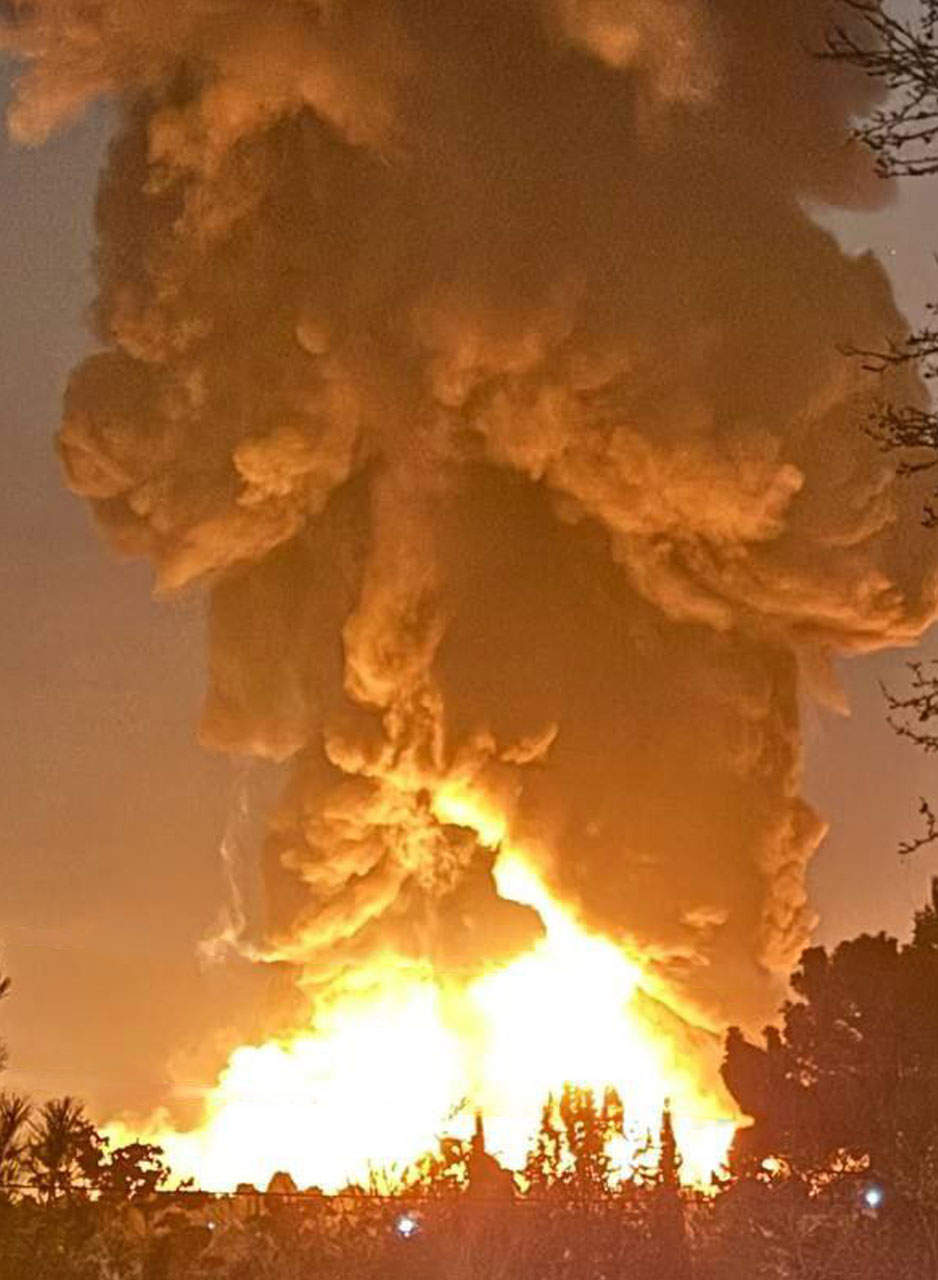
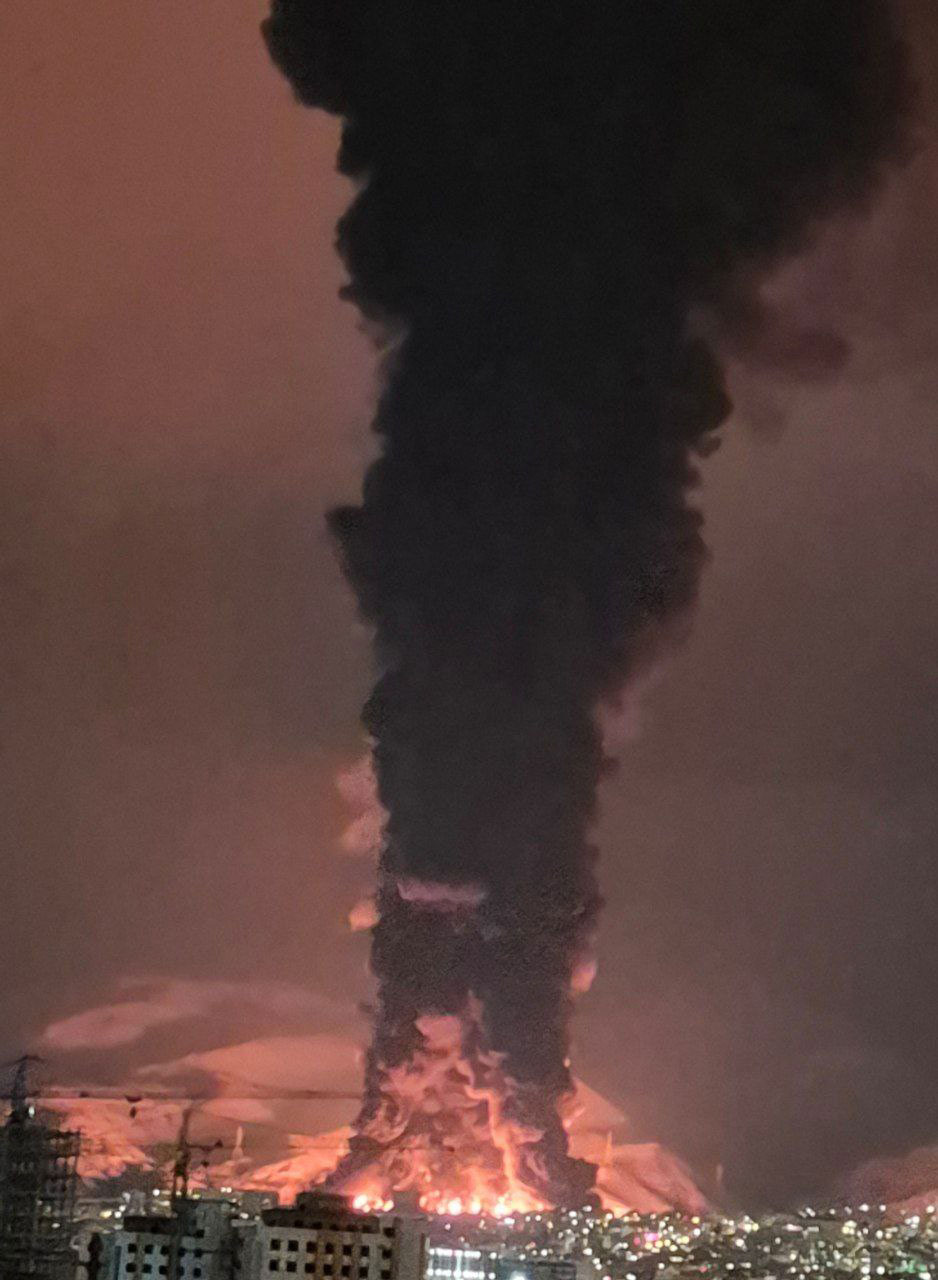
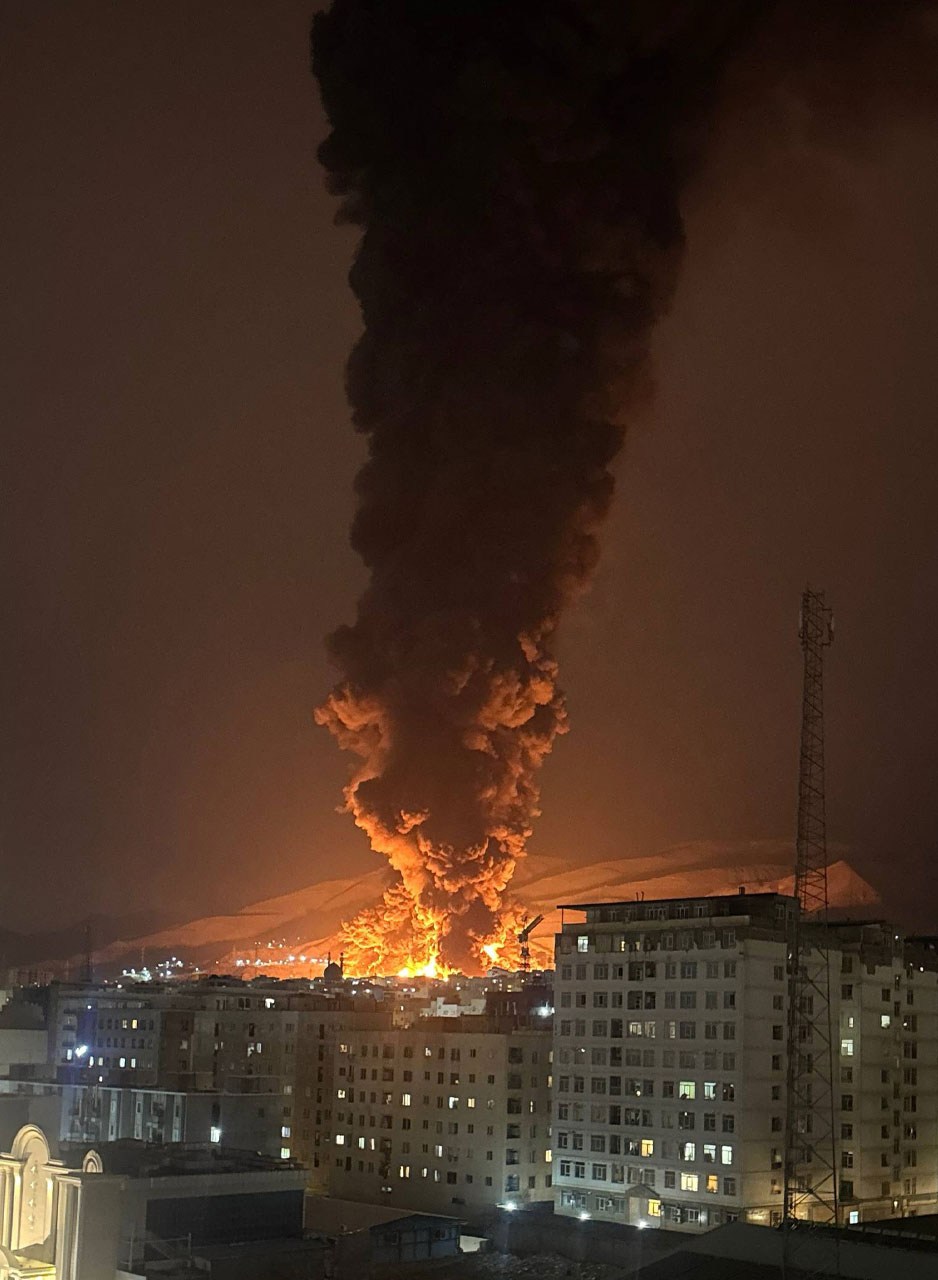
HRANA – Following airstrikes on the evening of March 7 targeting several oil depots and facilities in Tehran and Karaj, large fires in fuel storage tanks have released significant amounts of smoke and pollutants into the capital’s sky. As the fires continue and warnings about respiratory risks grow, officials have also announced a reduction in gasoline quotas. This situation, amid increasing efforts by some residents to leave Tehran, could affect people’s ability to move around and exit the city.
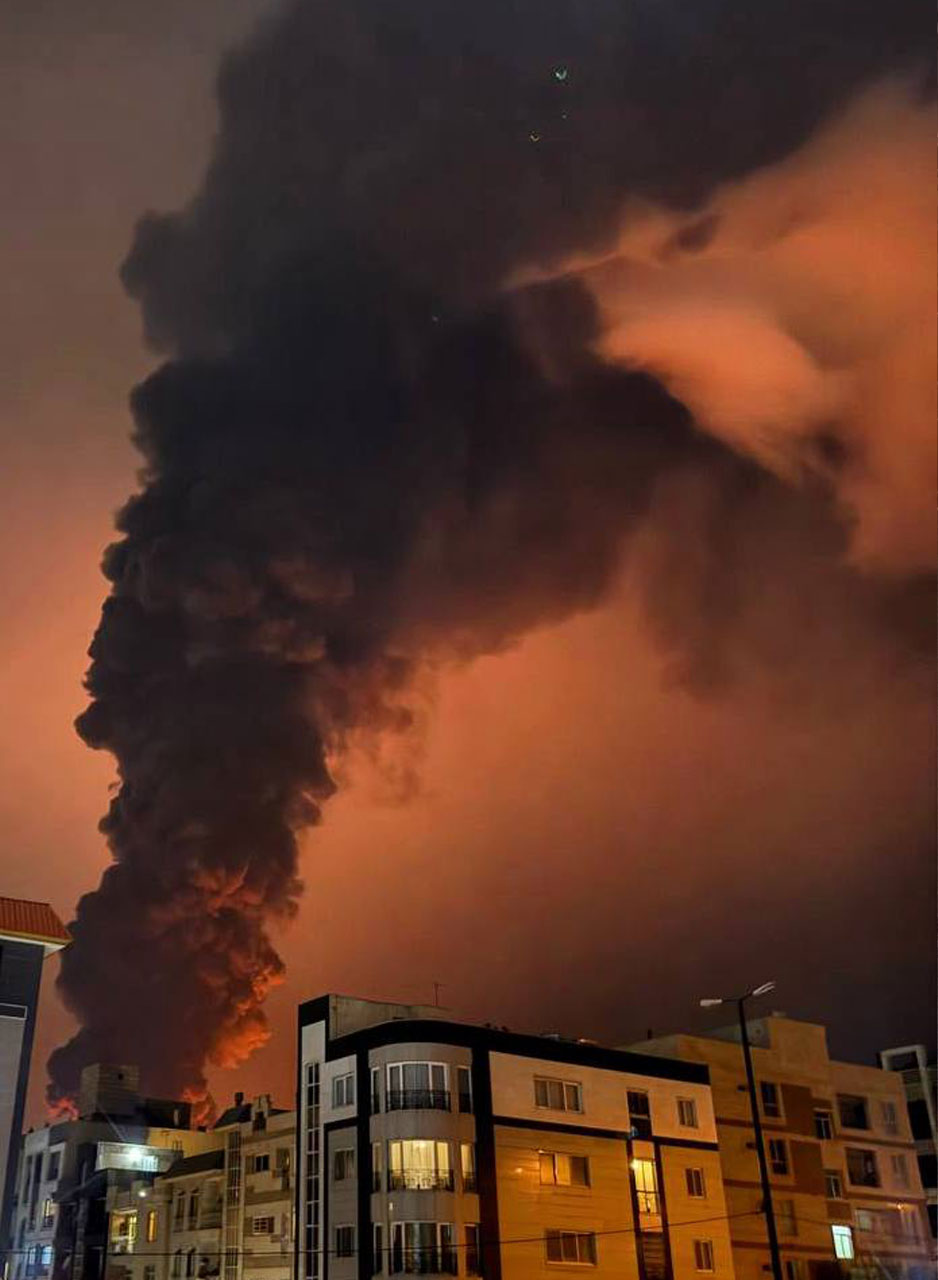
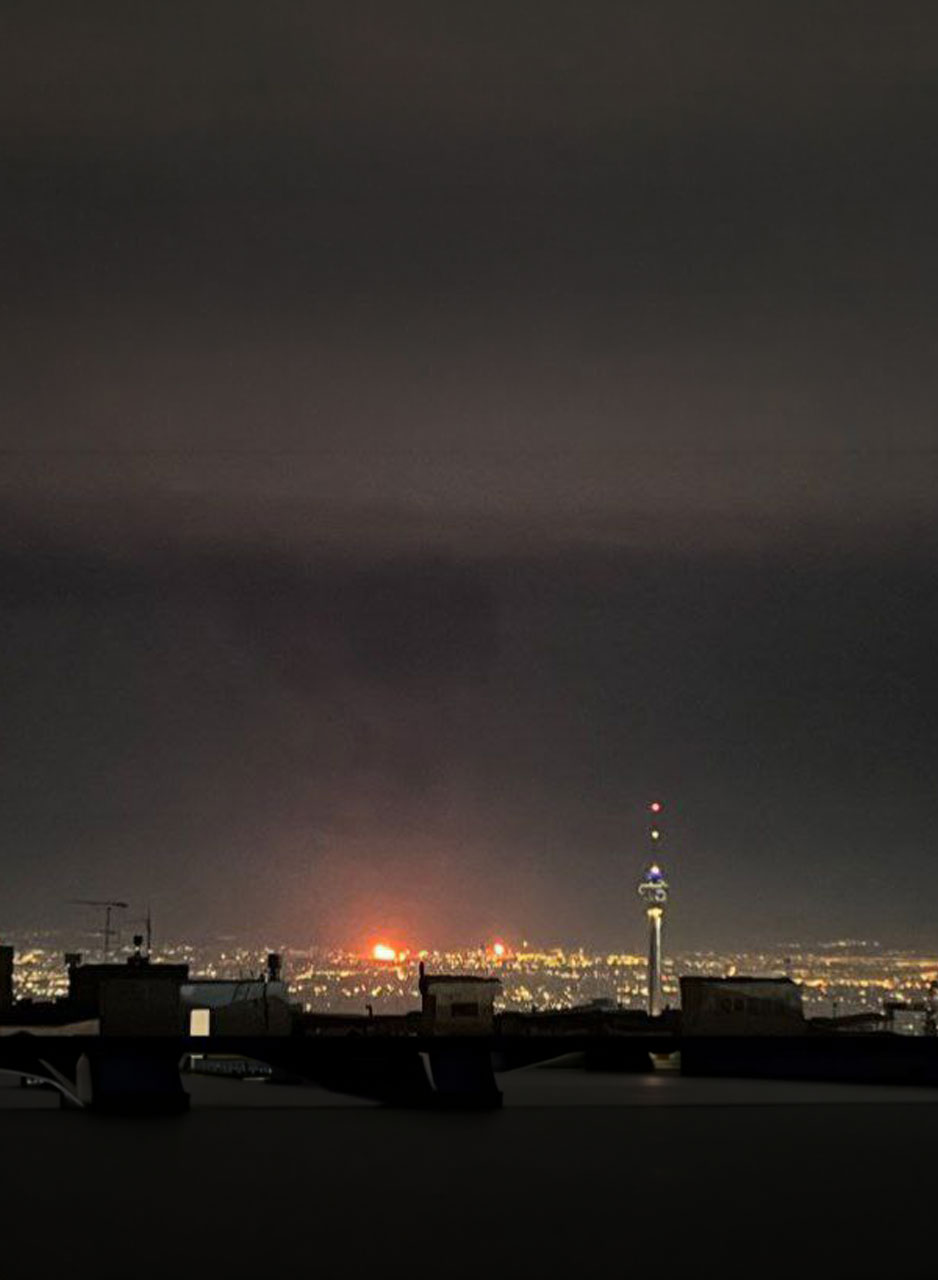
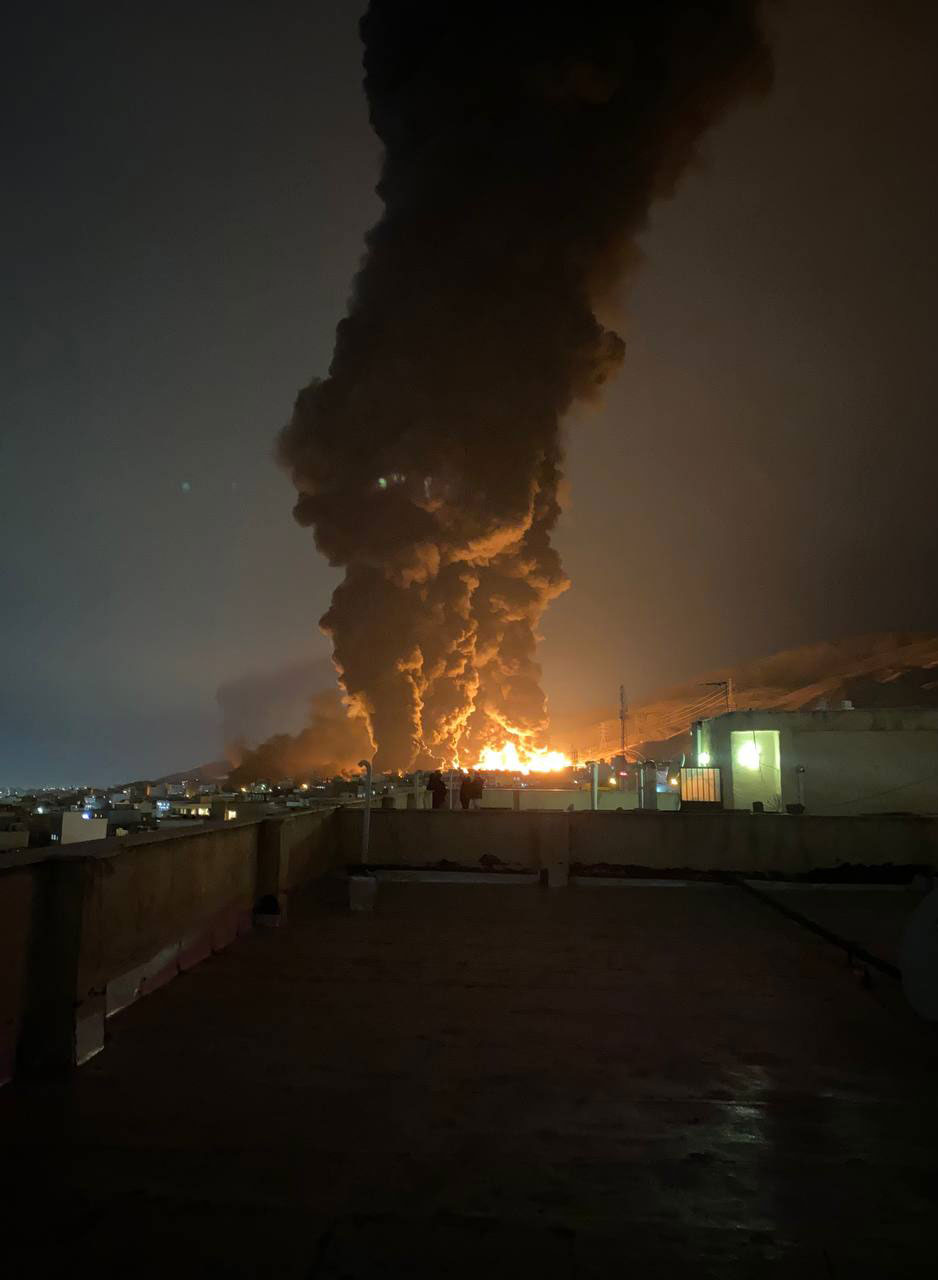
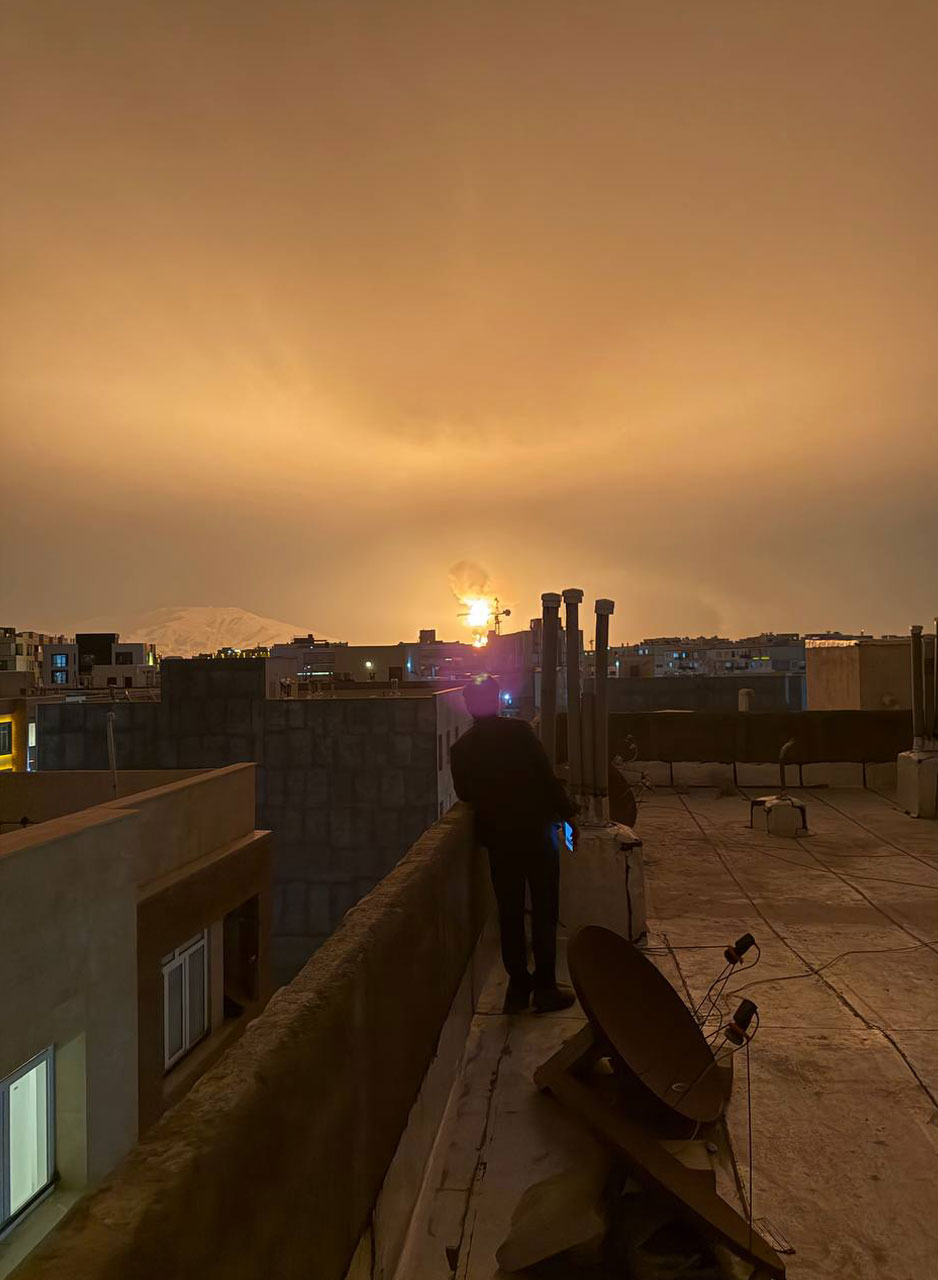
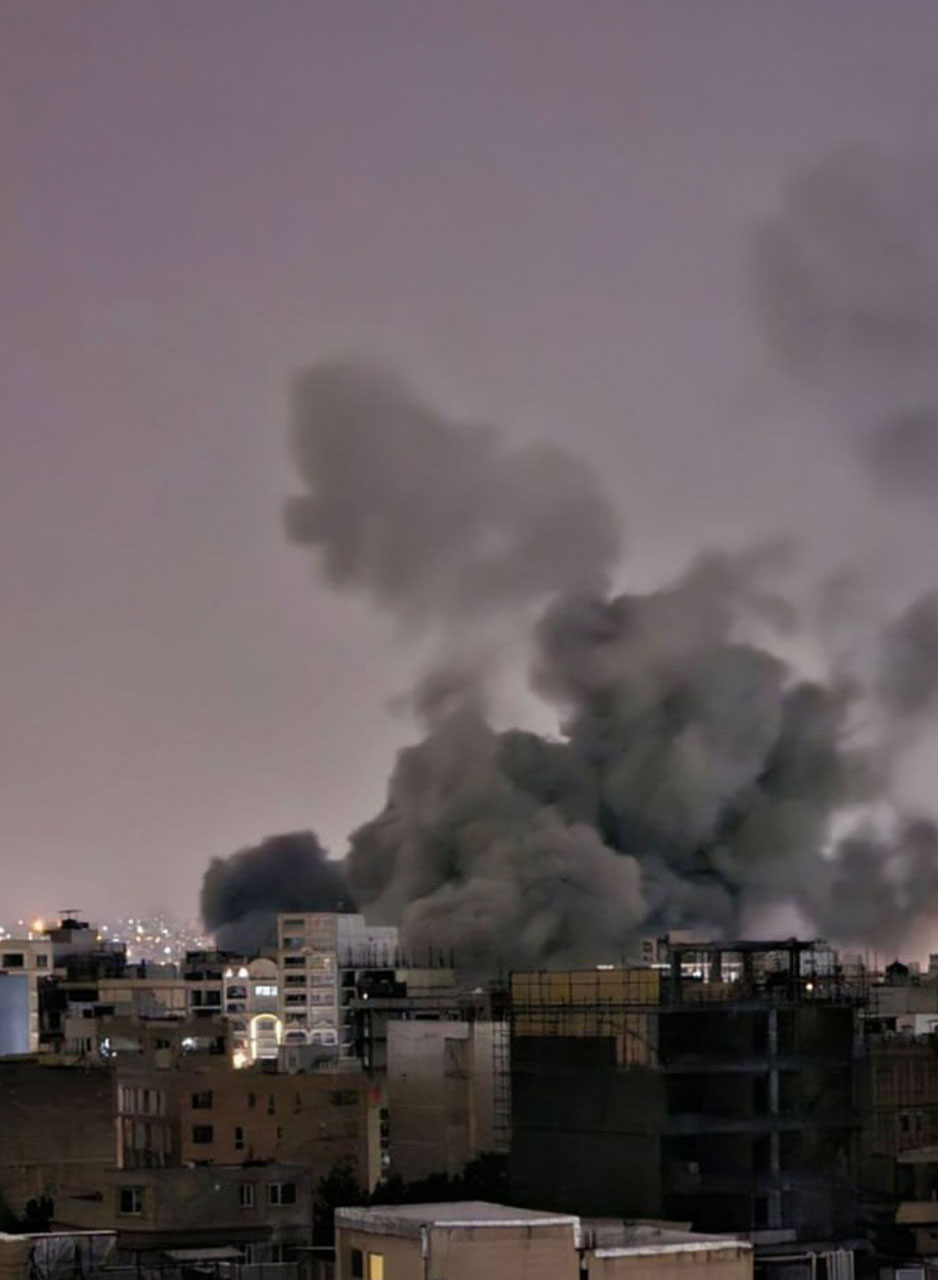
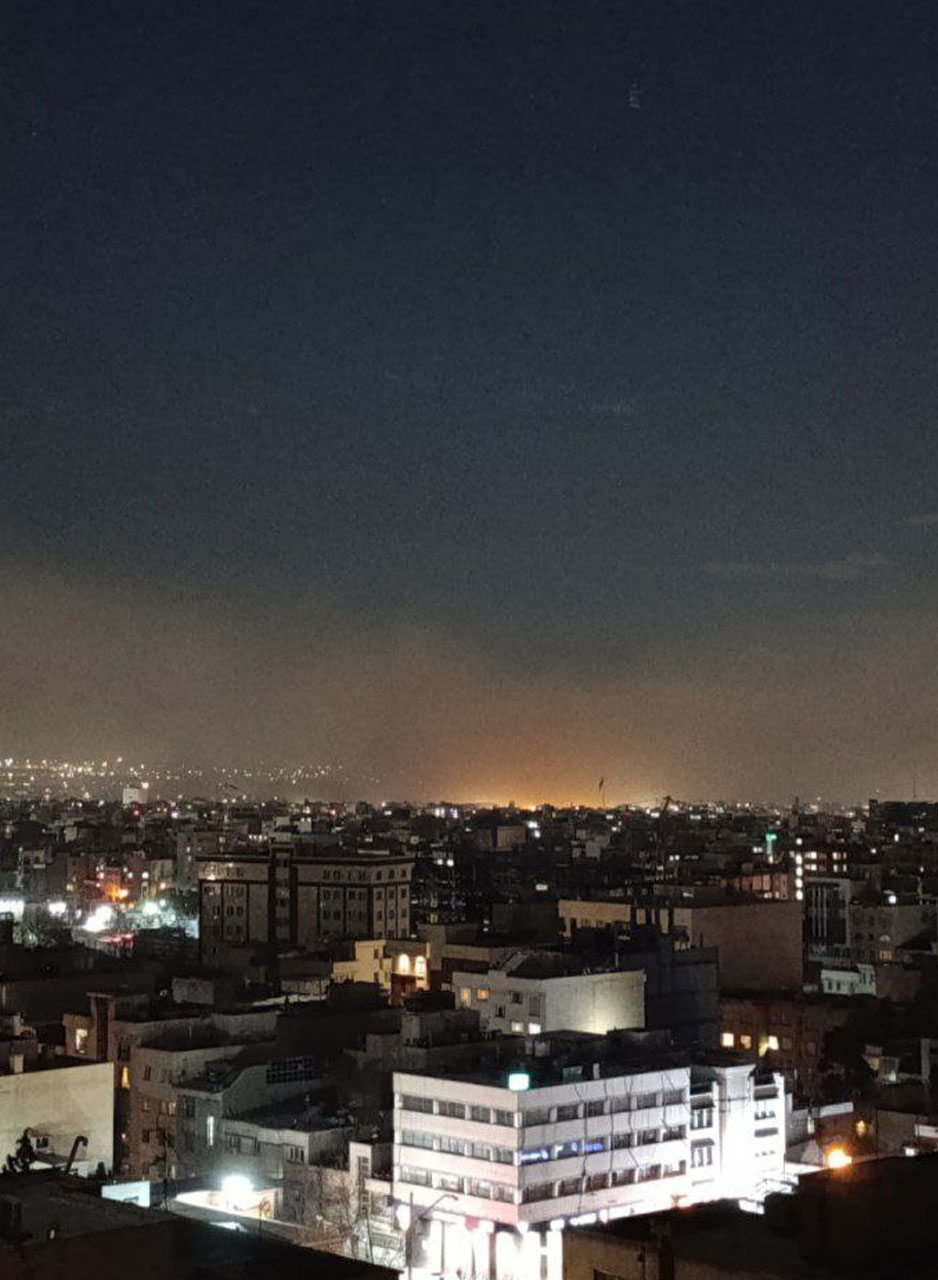
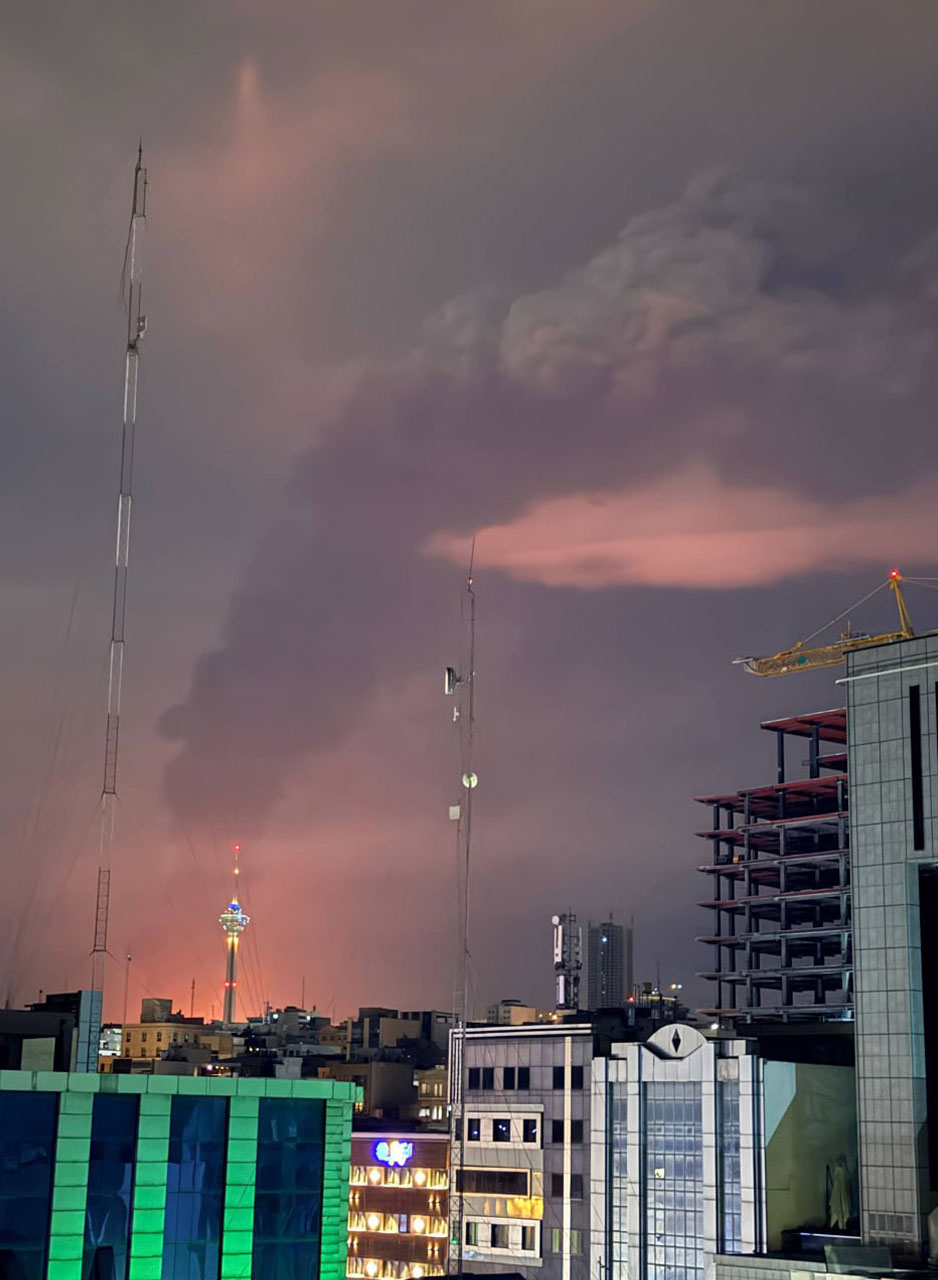
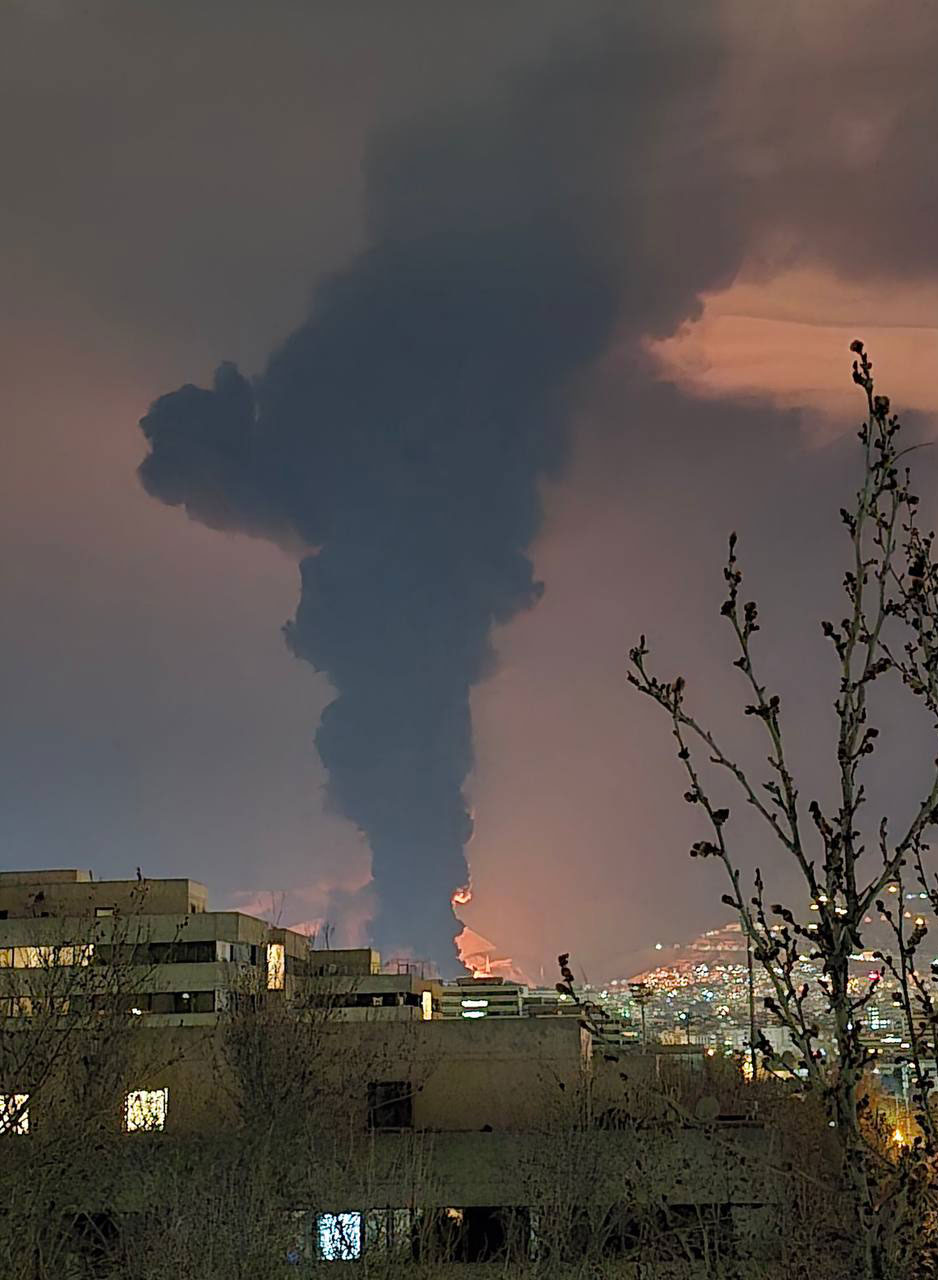
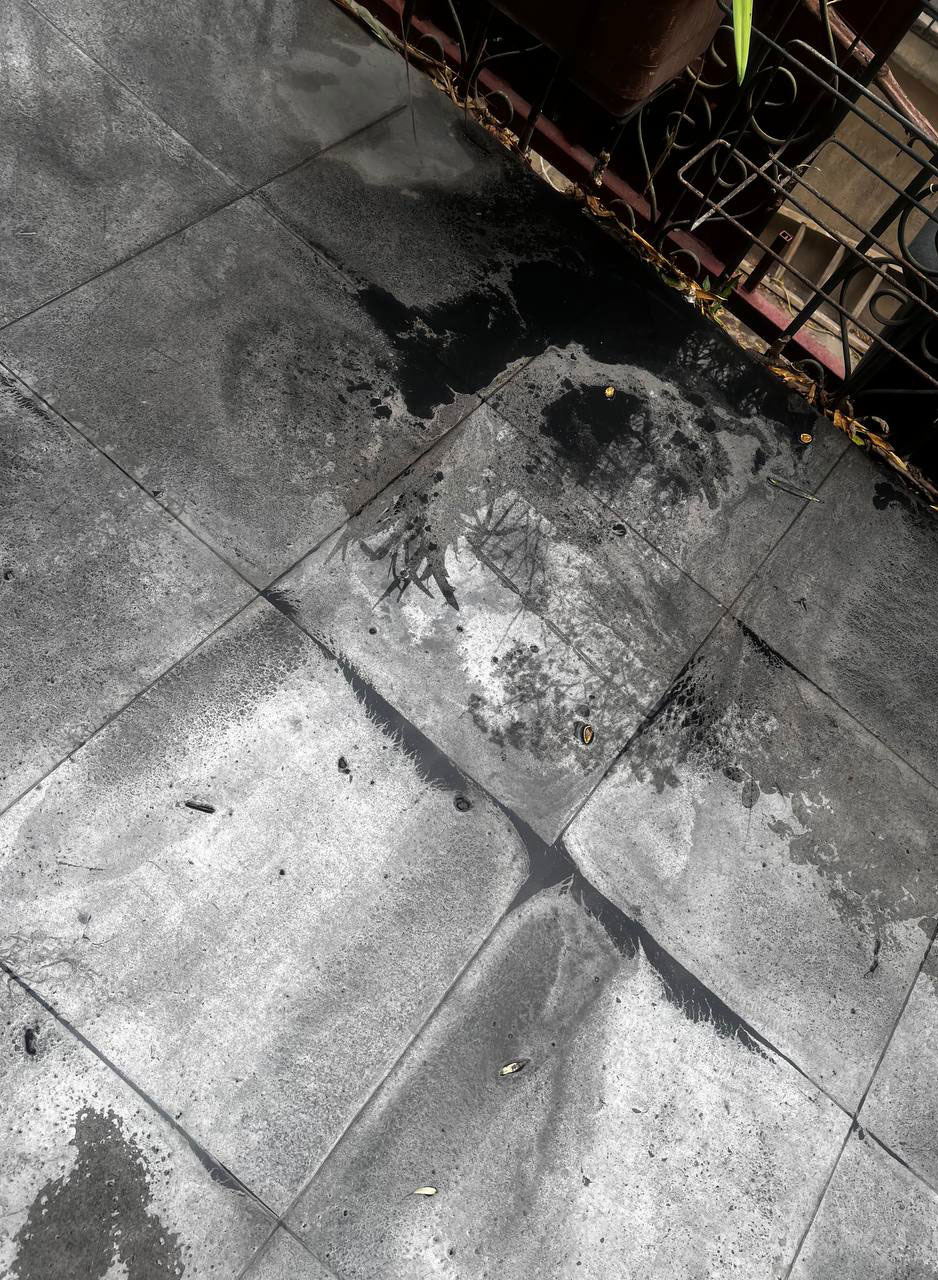
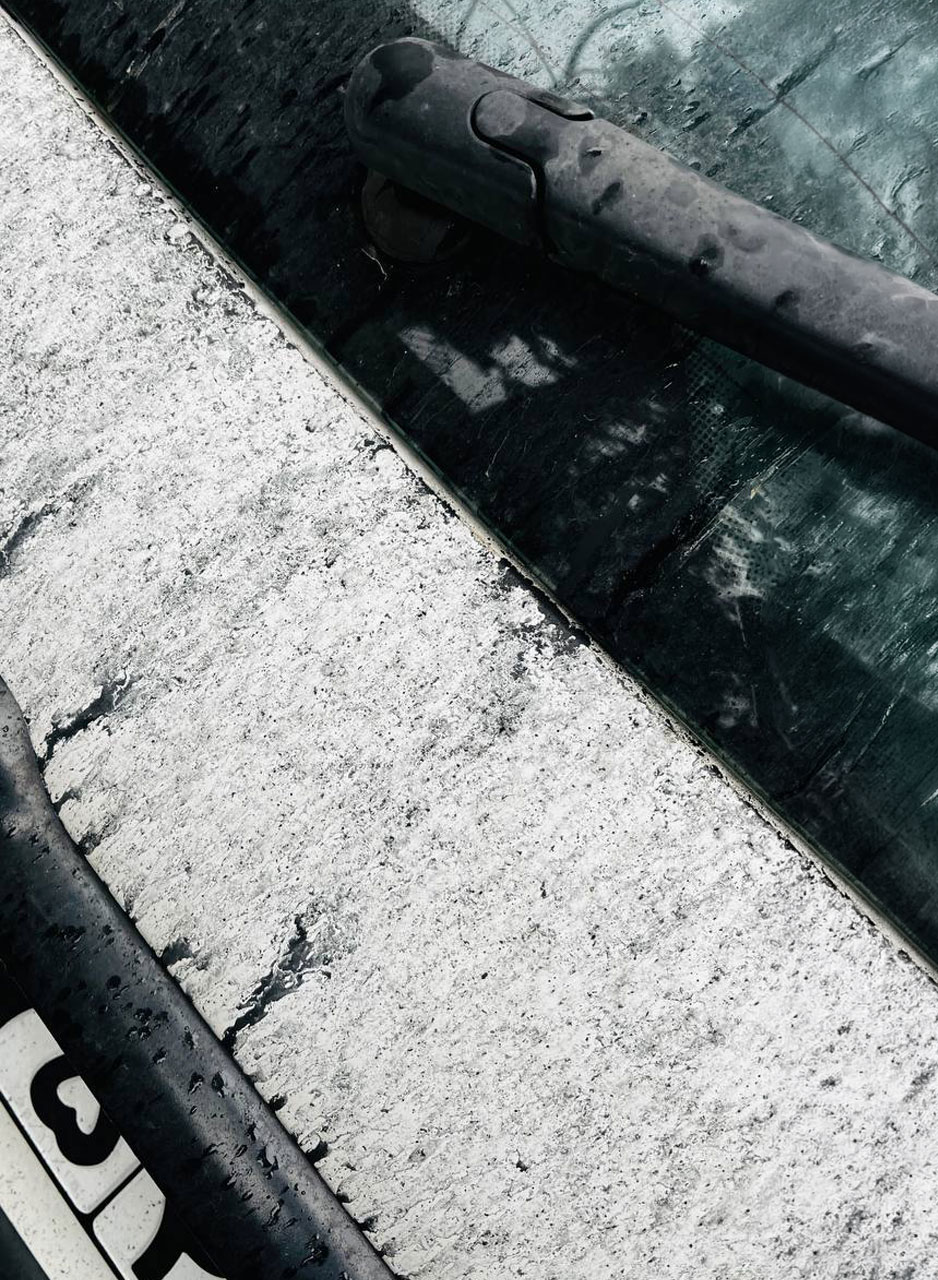
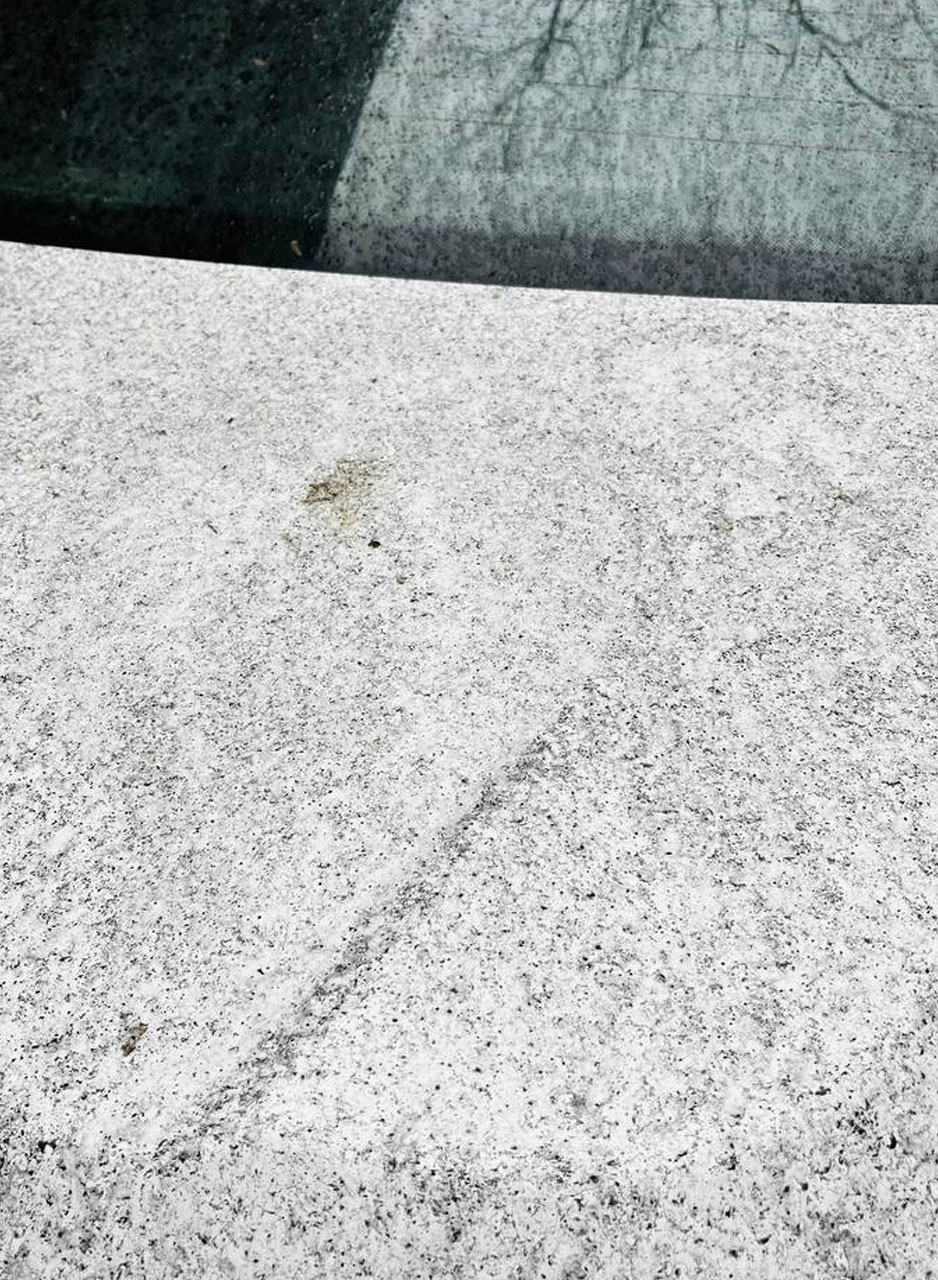
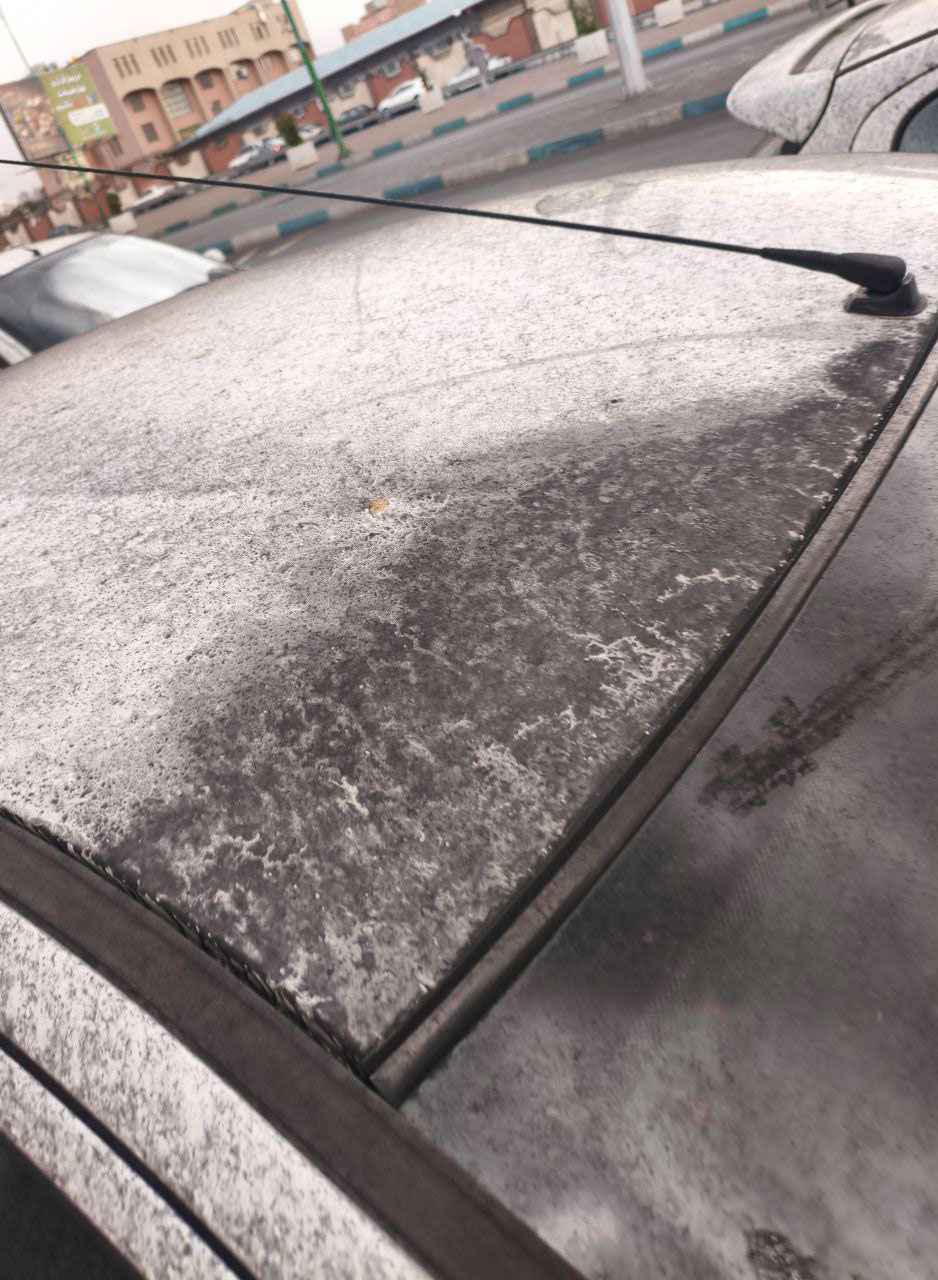
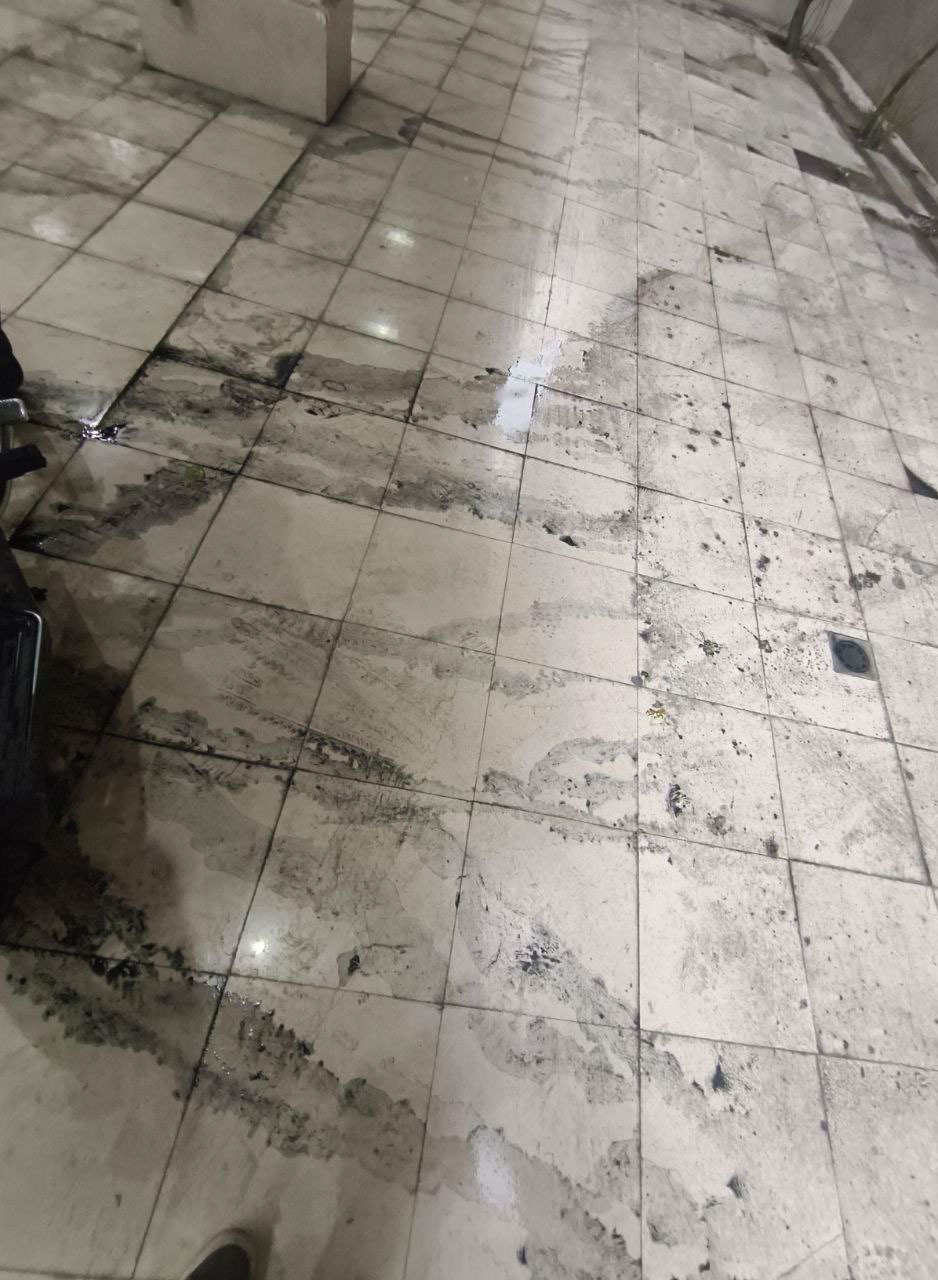
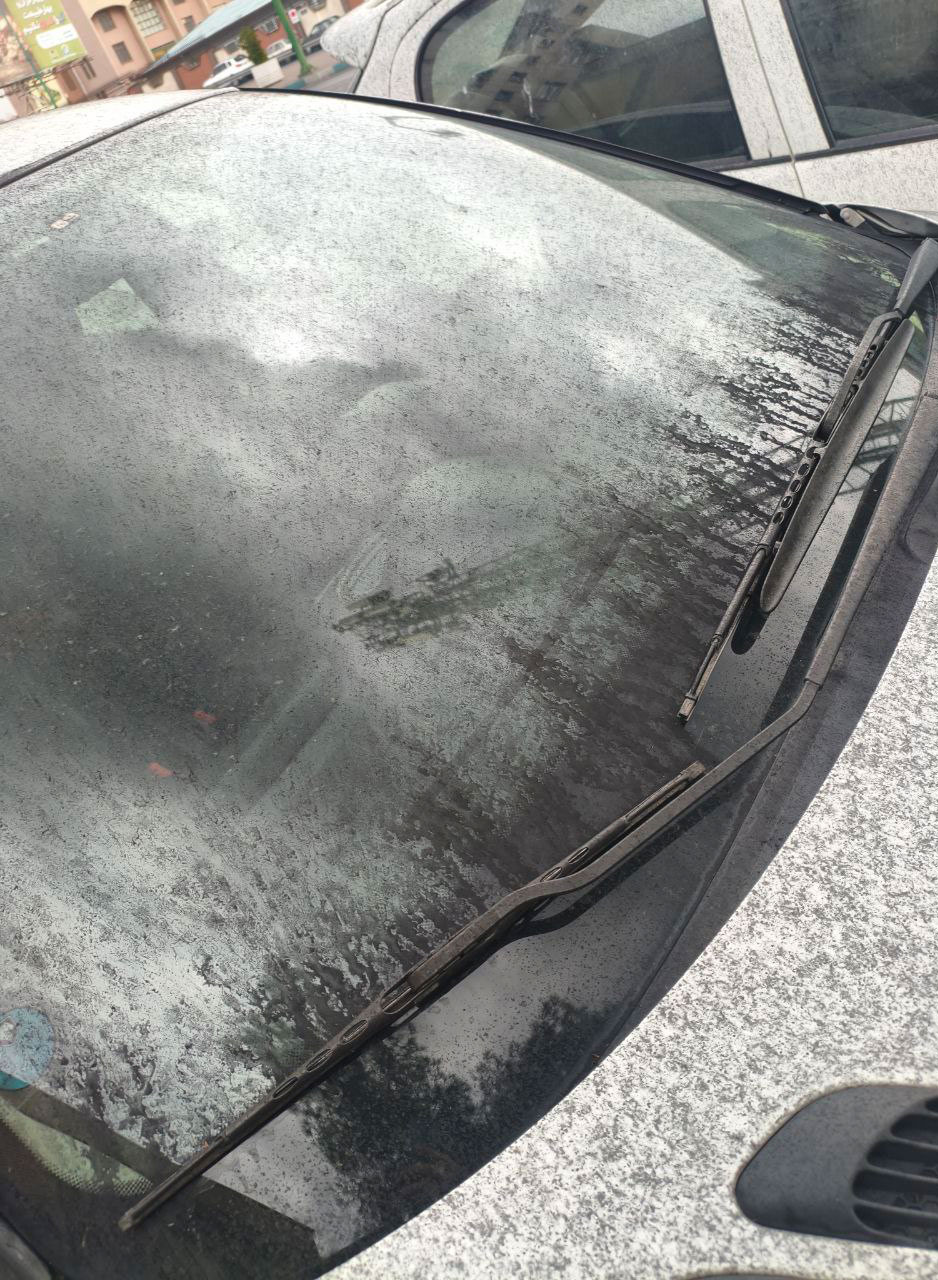
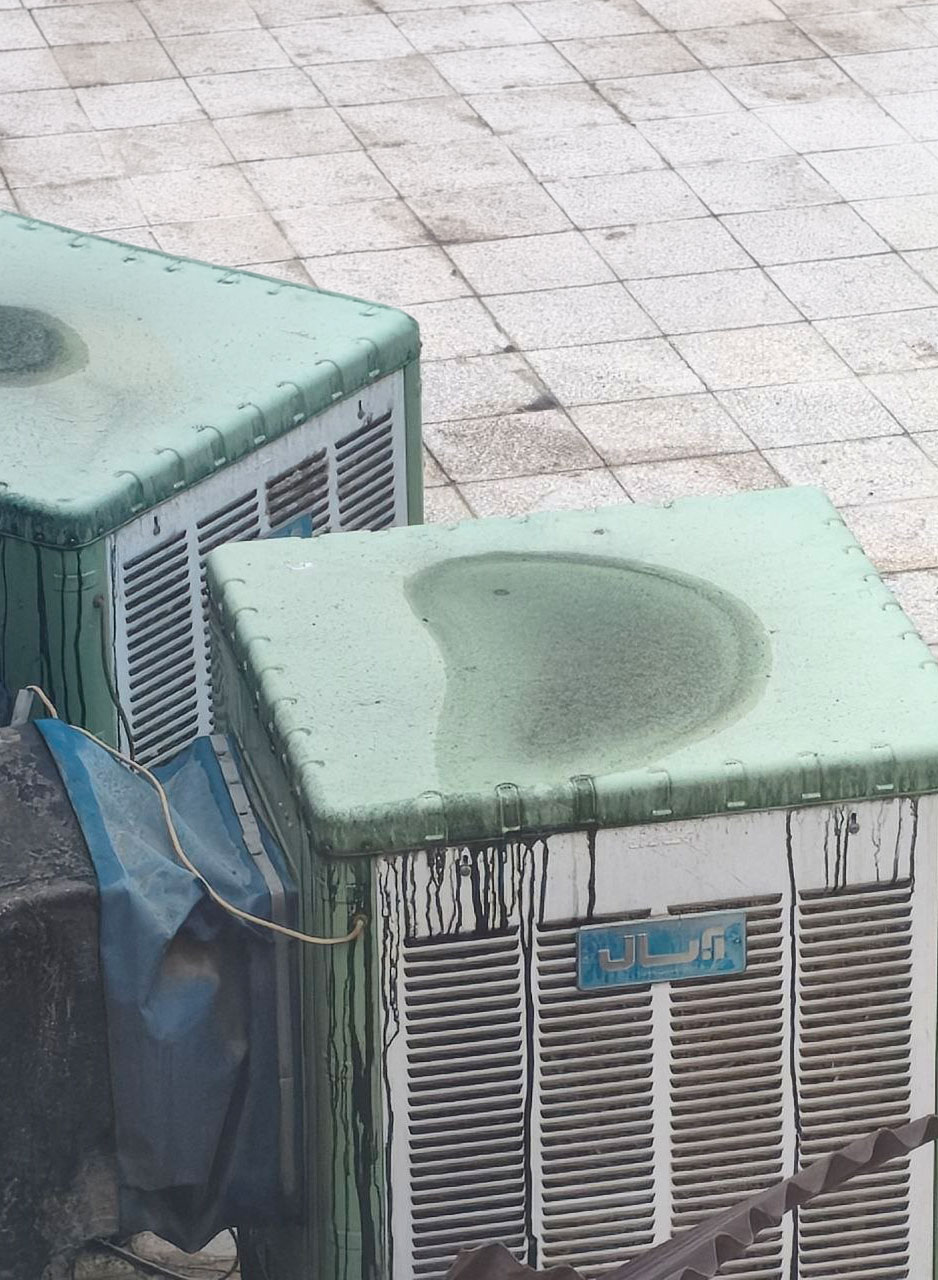
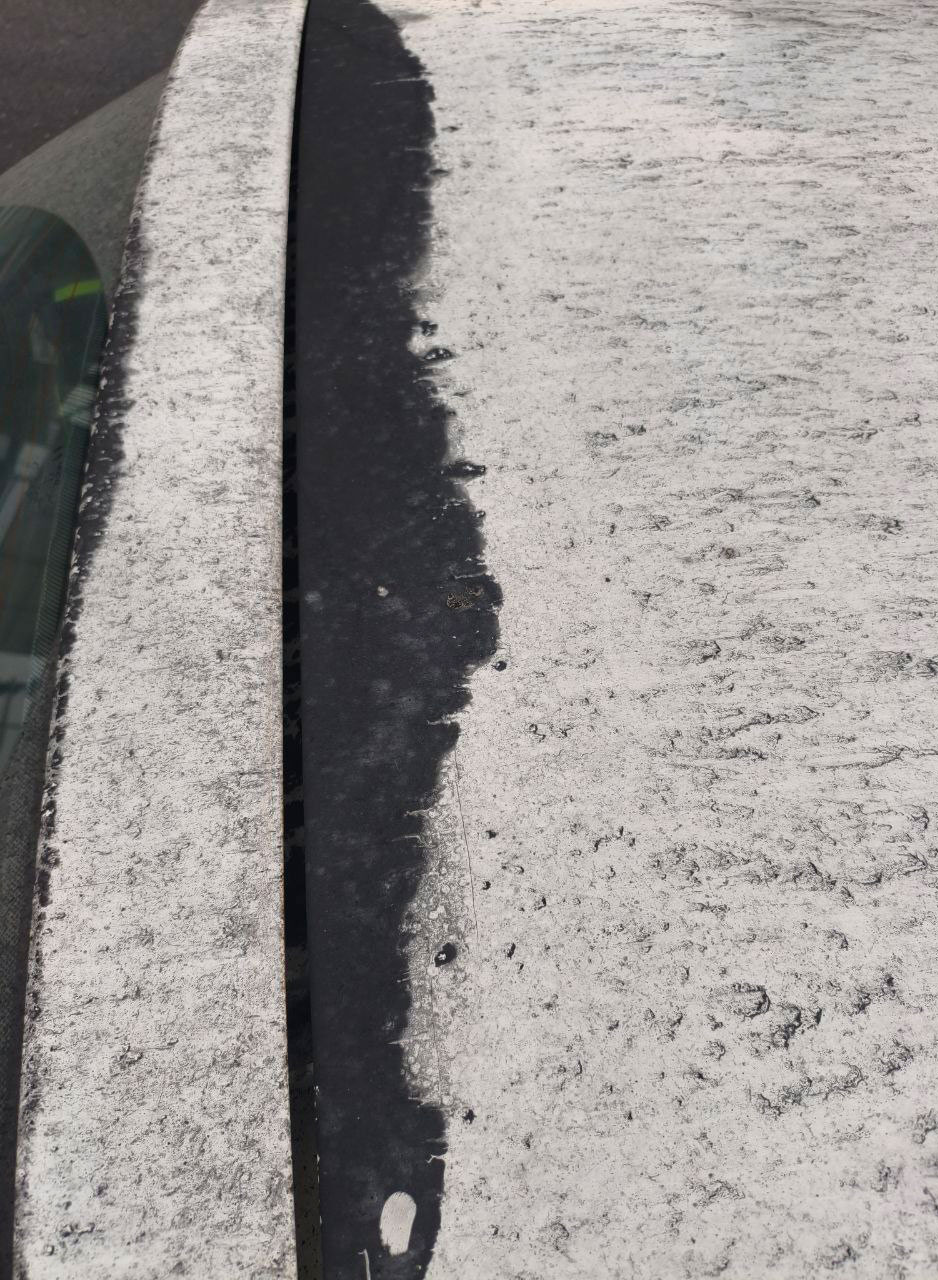
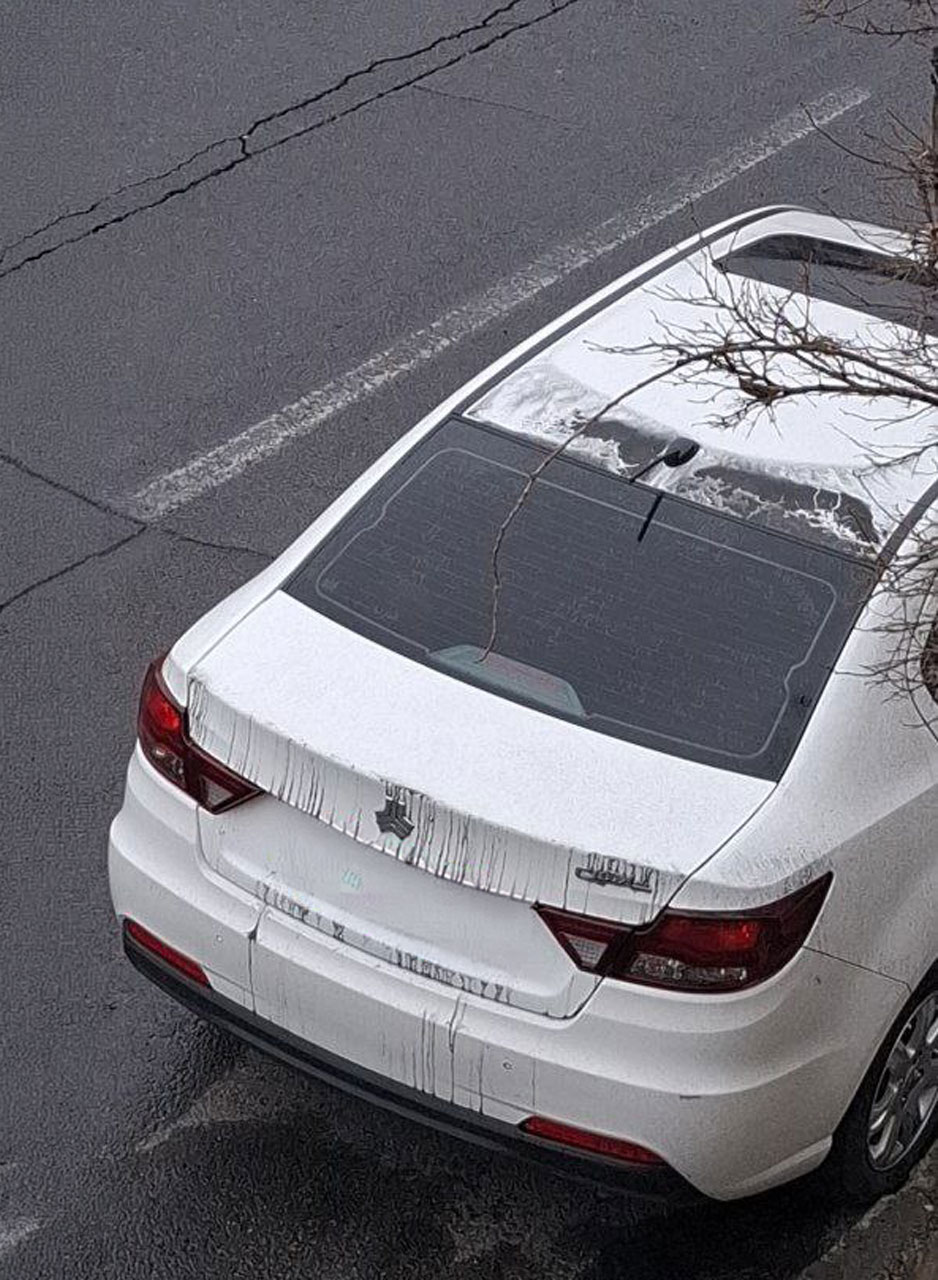
Based on images shared on social media and reports received, several oil depots and fuel-distribution facilities in different parts of Tehran were hit, including locations around Shahran in the northwest of the capital, the Aghdasieh and Sohanak areas in the northeast, as well as oil facilities in Shahr-e Rey and Fardis in Karaj, which experienced major explosions and widespread fires. Massive columns of smoke and flames were visible across many parts of Tehran, and hours after the attack some of the fuel tanks were still burning. Reports published by citizens and journalists indicate that, following these fires, the sky over Tehran has noticeably darkened, with a layer of smoke and suspended particles spreading across different parts of the city. Some social media users have also reported precipitation containing black particles, which they say has settled on the surfaces of cars and buildings.
Following the attacks, Iranian authorities announced that parts of the network for transferring and distributing petroleum products in Tehran and Alborz provinces had been damaged. Although the exact scale of the damage has not been announced, alongside the widespread images of the fires, measures were introduced to manage fuel consumption in the capital. The Governor of Tehran announced that the fueling quota using personal fuel cards at stations has been temporarily reduced from 30 liters to 20 liters. In addition, to reduce pressure on the city’s transportation system, it was announced that the Tehran Metro would operate free of charge and around the clock. These decisions were taken amid recent reports indicating that some residents have been increasingly trying to leave Tehran following the airstrikes.
The immediate consequence of these attacks was severe air pollution in parts of Tehran. The burning of large quantities of petroleum products can release hydrocarbons, particulate matter, sulfur oxides, and nitrogen oxides into the atmosphere, compounds that, when accumulated in urban air, can quickly push air quality to dangerous levels.
Iran’s meteorological authorities have announced that in the hours following the attacks, a combination of smoke from the fires and existing cloud cover was observed over Tehran’s sky. Such conditions may lead to precipitation containing chemical compounds produced by combustion. Some warnings published in the media have also advised residents to use protective masks if possible and to reduce direct contact with rainfall that may contain chemical contaminants.
Tehran has long been a city chronically affected by air pollution. The addition of a substantial volume of smoke from burning oil storage tanks could further worsen this situation and expose the city’s millions of residents to health risks. In the short term, inhaling such pollutants can aggravate symptoms of respiratory illnesses, cause irritation of the eyes and throat, headaches, and breathing difficulties. For individuals who already suffer from conditions such as asthma, chronic lung diseases, or heart problems, these conditions may be even more dangerous.
Some physicians in Tehran have also expressed concern about a potential rise in respiratory problems among residents in messages shared on social media.
One resident of northwestern Tehran told HRANA:
“Since midnight, the sound of explosions did not stop. When we woke up in the morning, the sky was completely dark and the smell of burning was spreading in the air.”
Another resident living in eastern Tehran summarized their observations in a conversation with HRANA:
“When the rain started, black particles were settling on windows and cars. Many people were saying not to go out in the rain.”
At the same time as concerns about air quality, access to fuel has also become a major worry for residents. The reduction in gasoline quotas and the possibility of disruptions in the fuel distribution network could have consequences beyond simply managing consumption. Under circumstances where some families are attempting to travel to safer areas following the airstrikes, limited access to fuel may reduce their ability to move.
One driver in Tehran told HRANA’s reporter:
“Many people want to leave the city, but the lines for gasoline have become long, and it’s unclear what will happen if the situation continues.”
Documented experiences of large-scale fires at energy facilities show that such incidents can have consequences beyond their immediate effects. In similar cases, the release of large amounts of byproducts from the combustion of fossil fuels has sometimes led to long-term air pollution, the deposition of contaminants in soil, and in some instances impacts on water resources. Depending on the volume of materials burned, the duration of the fires, and prevailing weather conditions, this type of pollution can affect the environment and public health in the short term or even over a longer period.
Meanwhile, reports received by HRANA indicate that the departure of some residents from Tehran has increased in recent days. The United Nations had previously announced that at least 100,000 people had left the capital following the bombardments. However, the new conditions created by damage to fuel infrastructure may disrupt this trend. According to received reports, some citizens are concerned that restrictions on gasoline access, along with the continuation of airstrikes, could make leaving the city more difficult. Under such circumstances, the combination of security concerns, severe air pollution, and logistical limitations may place additional pressure on the urban population, many of whom are seeking a safer environment for themselves and their families.
 |  |  |  |
 |  |  |  |
 |  |  |  |
 |  |  |  |
 |  |  |  |