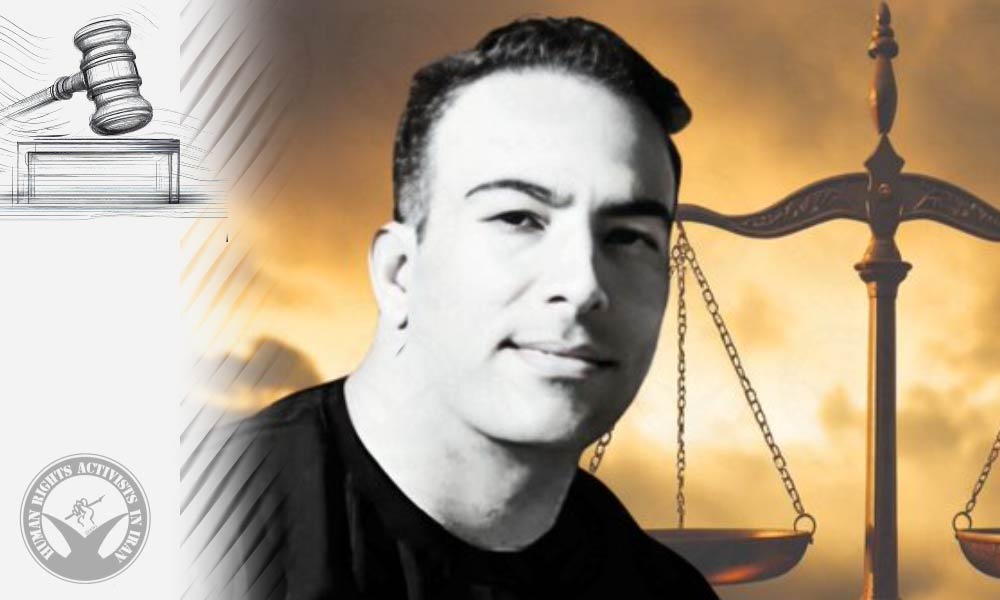
Siamak Nasiri Receives Six-Year Sentence and Two-Year Exile

The Revolutionary Court in Karaj has sentenced Siamak Nasiri to six years in prison and two years of exile on political charges. Currently held in the Central Prison of Karaj, Nasiri, aged 39, was arrested by IRGC Intelligence in Karaj on August 28, 2023.

Presiding over Branch 1 of the Karaj Revolutionary Court, Judge Musa Asef Al-Hosseini conveyed the verdict on January 17. Nasiri received five years for “inciting people to violence and waging war against national security” and an additional year for “propaganda against the regime.” He is also mandated to reside in Ahvaz for two years.

According to a source who spoke to HRANA, Nasiri had a previous detention in December 2022 in Karaj, where he was held in the Ministry of Intelligence’s facility. Following this, he was transferred to the Central Prison of Karaj and later granted pardon and released under a general pardon and commutation directive.

Execution of Three Inmates in Ghezel Hesar Prison for Drug Offenses

On January 17, 2024, Ghezel Hesar Prison executed three inmates convicted of drug-related crimes.

HRANA has identified two of them as Iman Sha’abani and Bahman Fathollahzadeh. The third inmate is an Afghan national whose name remains undisclosed.

Sha’abani and Fathollahzadeh received the death penalty in a legal case. Another co-defendant, Bamyar Fathollahzadeh, met the same fate last month.”

No official sources or domestic media outlets within the country have provided coverage of these executions at the time of writing. The lack of official information raises concerns about transparency and accountability in the execution process.

According to data gathered by the Department of Statistics and Publication of Human Rights Activists, Ghezel Hesar Prison in Karaj witnessed the highest number of executions in 2023, with Zahedan Prison following closely behind. For a comprehensive examination of the details and statistics surrounding the executions in Iran, refer to HRANA’s report.


Media Activist Sina Band-Alizadeh Arrested in Ardabil

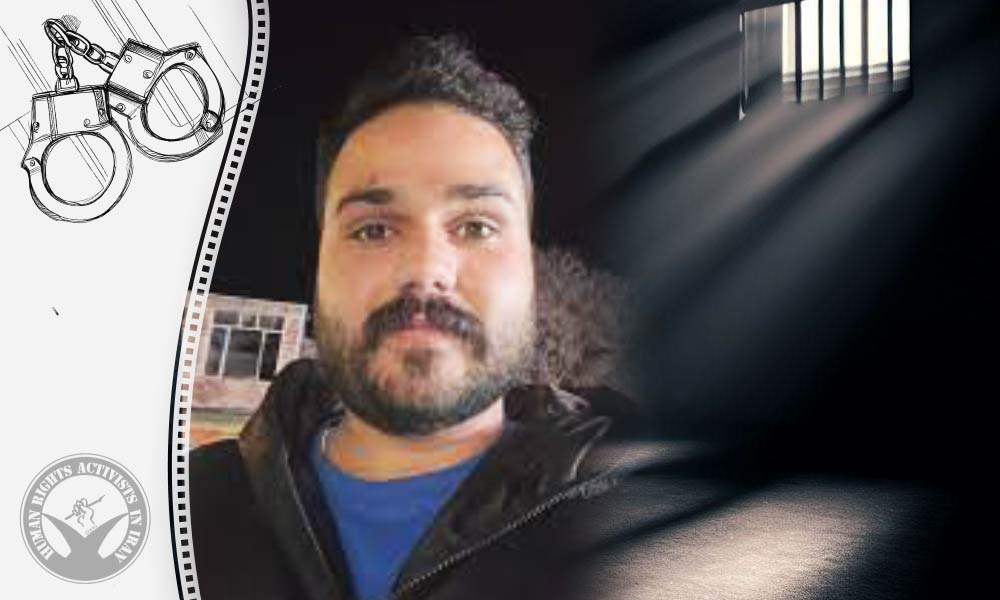
On January 15, 2024, security forces apprehended Sina Band-Alizadeh in Ardabil.

The grounds for Band-Alizadeh’s arrest and his current location remain undisclosed. However, close associates have confirmed his arrest, linking it to his criticism in published posts as a media activist addressing the current state of the country.

As reported in HRA’s annual report, there has been an alarming 86% increase in the number of citizens arrested for expressing opinions and thoughts compared to the previous year. Band-Alizadeh’s arrest adds to concerns about the shrinking space for free expression in the country.

Workers’ Rights Defender Mostafa Zamani Arrested in Isfahan

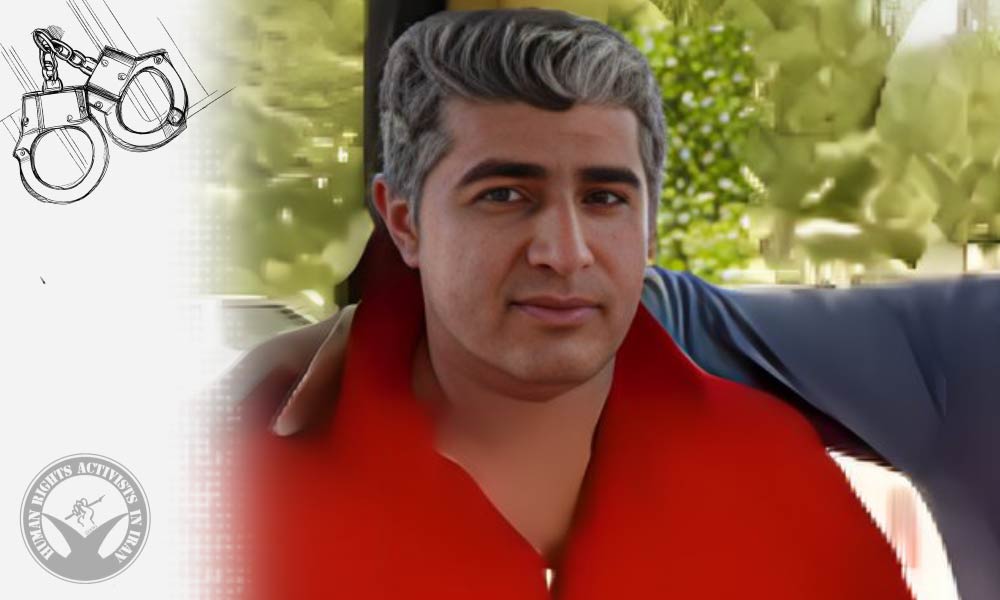
Mostafa Zamani, an advocate for workers’ rights and a resident of Izeh, was arrested on January 14, 2024, by security forces in Isfahan. The Independent Iranian Workers Union (IIWU) reported his arrest and subsequent transfer to an undisclosed location.

The arrest allegedly took place within the premises of Isfahan Oil Refinery, yet the reasons behind his detention and his current location remain undisclosed.

Zamani, known for his advocacy of workers’ rights, is also employed as a welding worker.

As HRA’s annual report reveals, in 2023, 64 workers’ rights advocates were arrested by security forces in Iran. Additionally, 29 labor activists or defenders of workers’ rights were sentenced to 654 months of imprisonment, which includes 568 months of actual imprisonment and 86 months of suspended imprisonment. These alarming statistics underscore the challenging environment faced by those advocating for labor rights in the country.

Arrest of Swedish National in Iran Raises Concerns Amidst String of Arbitrary Detentions

The Swedish Ministry of Foreign Affairs has disclosed the recent arrest of a Swedish national in Iran within the past two weeks.

The detainee, whose identity remains undisclosed, was apprehended in the early days of the new year and is currently held in custody. The Ministry revealed that the individual is a resident of the central regions of the country.

“The embassy in Tehran is in contact with local authorities. The Foreign Ministry is in contact with relatives in Sweden,” as reported in an email statement to Reuters.

This arrest is part of a concerning trend of arbitrary detentions of foreign citizens by the Iranian regime. It comes in the wake of the trial and life sentence conviction of former IRGC official Hamid Nouri in Sweden for his involvement in the mass execution of political prisoners in 1988. Notably, another Swedish national, Johan Floderus, was arrested by the Iranian regime in April 2022 and is presently on trial, facing espionage charges. The situation underscores growing international apprehension regarding the safety of foreign nationals in Iran.

Subscribe to Our Newsletter

Now is definitely not the time to stop reading!

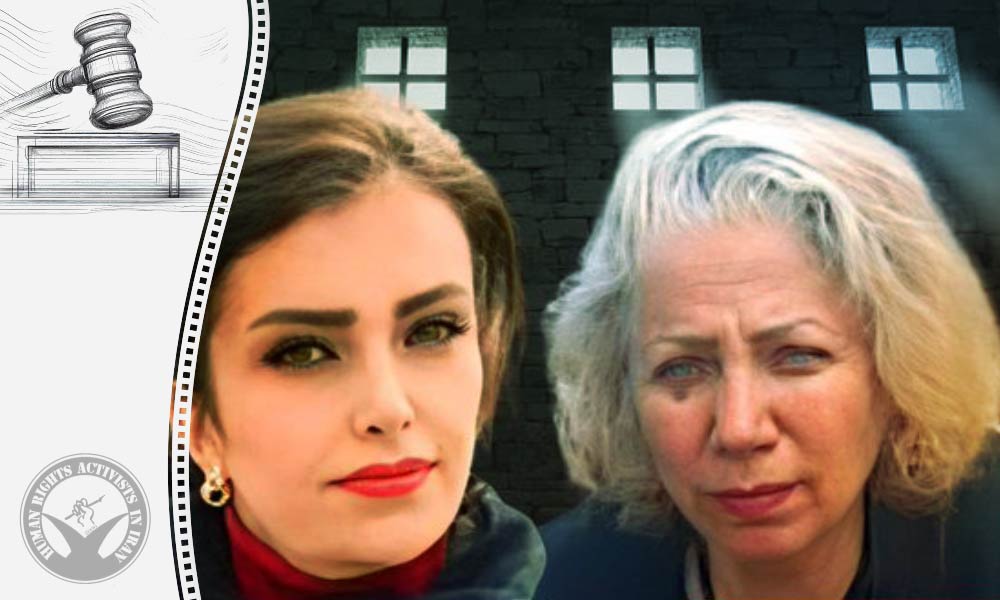
Maryam Jalal Hosseini and Fatemeh Tadrisi Receive Lengthy Prison Sentences and Exile

In a recent verdict, the Revolutionary Court in Karaj has sentenced Maryam Jalal Hosseini and Fatemeh (Mojgan) Tadrisi to six years of imprisonment and a two-year exile on charges related to their political activities.

Presiding over the court, Judge Seyed Musa Asef-Al-Hosseini ruled that both individuals were guilty of “inciting people to violence, engaging in propaganda against the regime, insulting the Supreme Leader, and forming groups to act against national security.”

In addition to their prison terms, Fatemeh Tadrisi has been ordered to serve a mandatory two-year residence in Zanjan County, while Jalal Hosseini will be in exile in Ilam County. Presently, they are confined in Kachooie Prison, Karaj.

Security forces arrested Hosseini and Tadrisi in August of the previous year. Subsequently, on August 28, 2023, they were transferred to Kachooie Prison.

Both activists have a history of arrests and legal confrontations stemming from their engagement in activism.

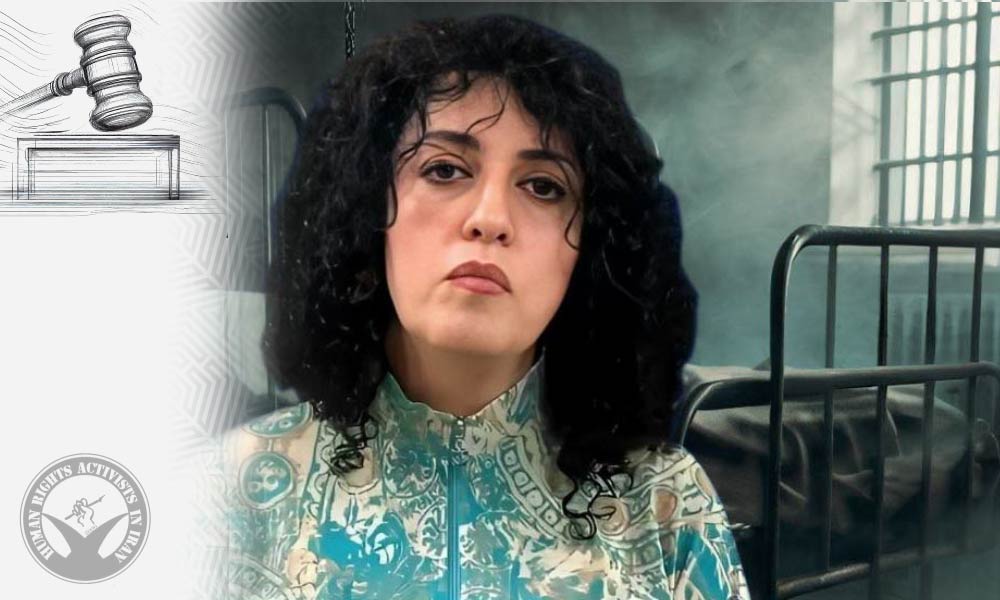
Narges Mohammadi Faces Additional Penalties While Incarcerated

Renowned human rights activist Narges Mohammadi has recently been handed down a sentence of imprisonment, exile, travel restrictions, and additional penalties by the Tehran Revolutionary Court.

Presided over by Judge Iman Afshari, Branch 26 of the Tehran Revolutionary Court imposed a 15-month prison term on Mohammadi for “propaganda against the regime.” Additionally, she received a two-year ban on residing in Tehran and neighboring provinces, a two-year travel restriction, a two-year prohibition from joining political/civil groups, and limitations on smartphone usage for the same duration.

The verdict was issued on December 19, 2023, during an in-absentia court session prompted by a complaint from the Ministry of Intelligence, according to Mrs. Mohammadi’s social media page.

Currently incarcerated in Evin Prison, Mohammadi continues to face additional penalties for her activism.

In October 2020, she was released from Zanjan Prison after enduring approximately five and a half years of imprisonment. However, her ordeal persisted as she faced another legal case, culminating in a sentence of 30 months of imprisonment, 80 lashes, and two fines.

On November 16, 2021, Mohammadi was arrested once again during a commemorative event honoring Ebrahim Ketabdar, who had lost his life during the November 2019 protests in Karaj. Subsequently, Branch 26 of the Tehran Revolutionary Court handed down a staggering eight-year prison sentence, accompanied by seventy-four lashes, two years of exile, and various social restrictions.

Adding to her ordeal, Mohammadi received an additional one-year prison sentence in early August, stemming from a new case initiated during her incarceration.

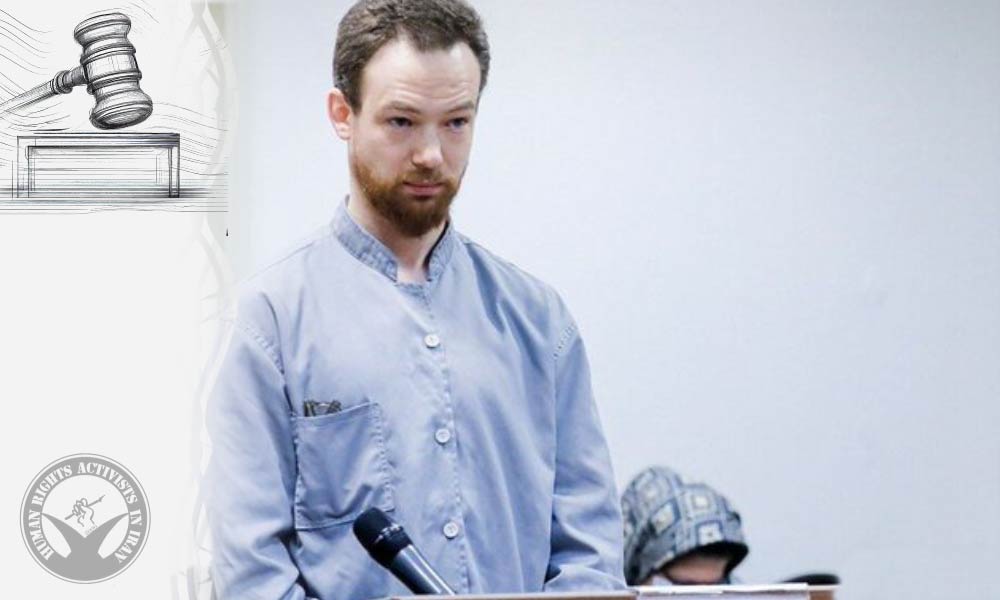
Swedish National Johan Floderus Faces Fourth Court Session While in Detention

On January 14, 2024, Mizan, the judiciary’s news agency, reported that Branch 26 of the Tehran Revolutionary Court, led by Judge Iman Afshari, conducted the fourth court session addressing the charges against detained Swedish citizen Johan Floderus.

The court session included the board of judges, the prosecutor’s representative, defense attorneys, an interpreter, and the Chargé d’affaires of the Swedish Embassy. Floderus is accused of various charges, including “spreading corruption on earth” and “espionage.”

After previously refuting the charges in the last session, Floderus responded to questions from the prosecutor’s representative during this court meeting.

Mizan reported that the proceedings focused on Floderus’ communications, including “documented” emails from his cell phone, his associations with the Swedish Ministry of Defense and Army, as well as his meetings with intelligence agents from several European countries. The defendant was also questioned about his motive for learning Farsi.

Furthermore, the prosecutor’s representative stated that no new charges or re-interrogations would be introduced.

In April 2022, Floderus visited Iran. As he was departing Iran on April 16, 2022, he was detained by the Ministry of Intelligence at the airport on charges of espionage.

In July, the Ministry of Intelligence issued a statement asserting that Floderus had made multiple trips to Iran. During his last visit, he was allegedly on a mission to uncover the identity of another spy who had been apprehended in Iran. Intelligence agents monitored his communications and, after accumulating evidence, arrested him under a warrant issued by the judiciary.

It is worth noting that on May 6, 2022, the Swedish Ministry of Foreign Affairs confirmed his detention in Iran. The Swedish daily newspaper Aftonbladet described his arrest as a retaliatory move by Iran’s regime in response to the trial of Hamid Nouri, a prominent figure involved in the 1988 executions of Iranian political prisoners. Nouri had been arrested in November 2019 in Sweden and subsequently convicted of crimes against humanity.

Execution of at Least 11 Prisoners in Karaj Raises Concerns

On January 14, 2024, the Central Prison of Karaj executed at least 11 death-row convicts, with five of them sentenced for drug-related offenses.

According to HRANA, individuals named Akbar Taj, Hoajjat Miri, Hamed Nazari, Ahmad Latifi, and Mohammad Ali (last name unknown) were among those hanged. HRANA is actively working to identify the remaining individuals.

No official sources or domestic media outlets within the country have provided coverage of these executions at the time of writing. In 2023, 66% of HRANA’s reports on executions lacked official announcements by judicial authorities and went unreported by media inside Iran, highlighting a troubling lack of transparency in due process.

In 2023, the Department of Statistics and Publication of Human Rights Activists in Iran registered the execution of  746 individuals. Out of these, 6 were carried out in public. Among the executed individuals whose genders were identified, 597 were male and 20 were female. Additionally, 2 juvenile offenders, defined as individuals under the age of 18 at the time of their alleged crimes, were also executed. For a comprehensive examination of the details and statistics surrounding the executions in Iran, refer to HRANA’s annual report.


Female Journalists Elahe Mohammadi and Niloofar Hamedi Released from Evin Prison

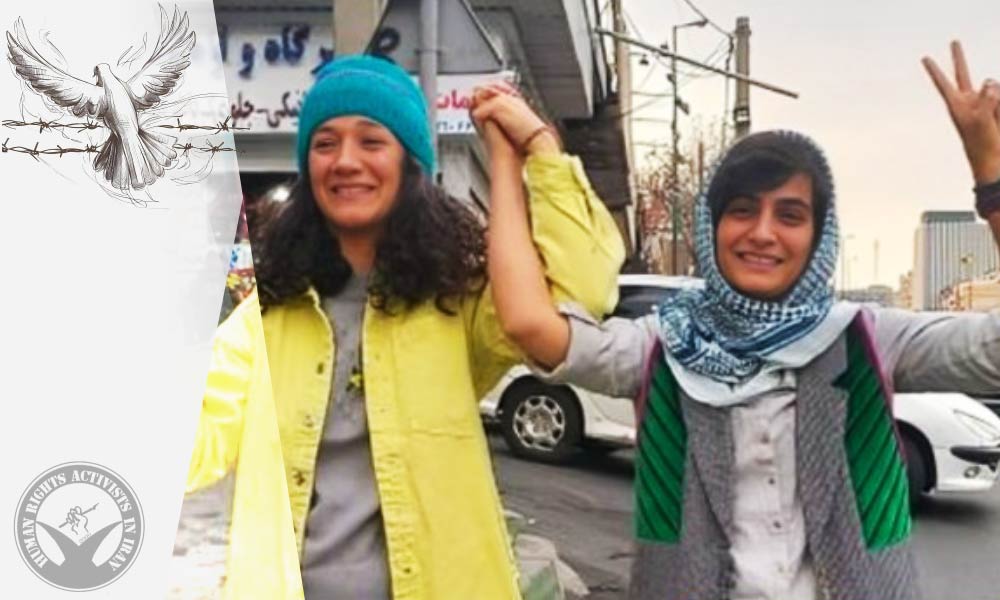
Journalists Elahe Mohammadi and Niloofar Hamedi were granted release on bail from Evin Prison on January 14, 2024. They were detained for reporting on news surrounding the tragic death of Mahsa Amini.

Elnaz Mohammadi disclosed that her sister secured bail with 10 billion tomans, equivalent to approximately 200,000 dollars.

Hamedi, a correspondent for the daily newspaper Shargh, was apprehended at her residence in Tehran by security forces on September 22, 2022. She gained notoriety for being the first journalist to publish a photograph of Mahsa Amini in a coma. In December 2022, she was transferred to Qarchak Prison in Varamin.

Mohammadi, a reporter for the daily newspaper Ham-Mihan, faced arrest on September 29, 2022, following her coverage of the funeral of Mahsa Amini in Saqqez.

Following their arrests, Hamedi and Mohammadi were handed down sentences of 13 and 12 years, respectively, by the Tehran Revolutionary Court. Moreover, both journalists were prohibited from affiliating with political parties and groups, as well as engaging in journalism across media and the Internet.