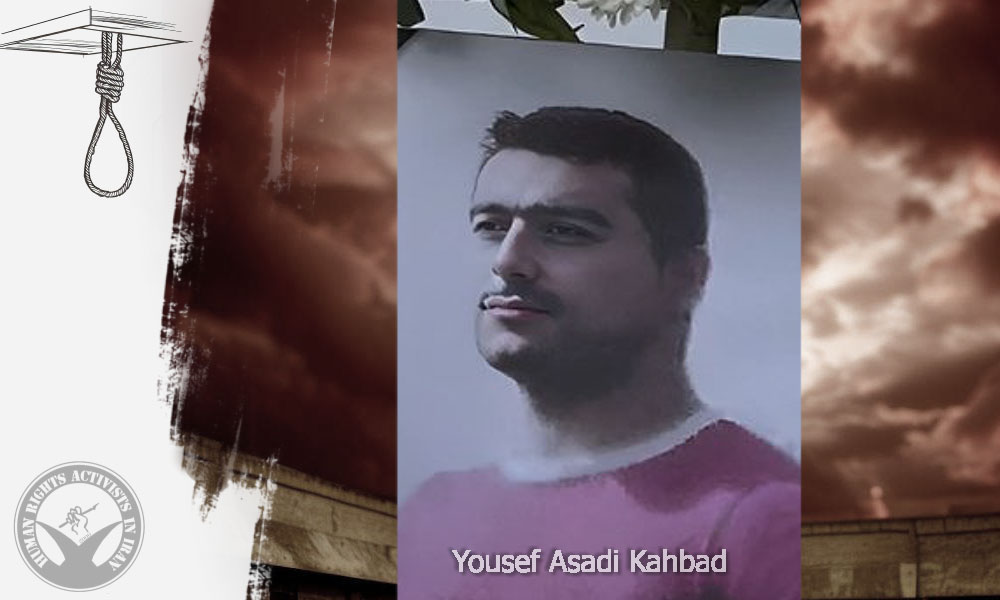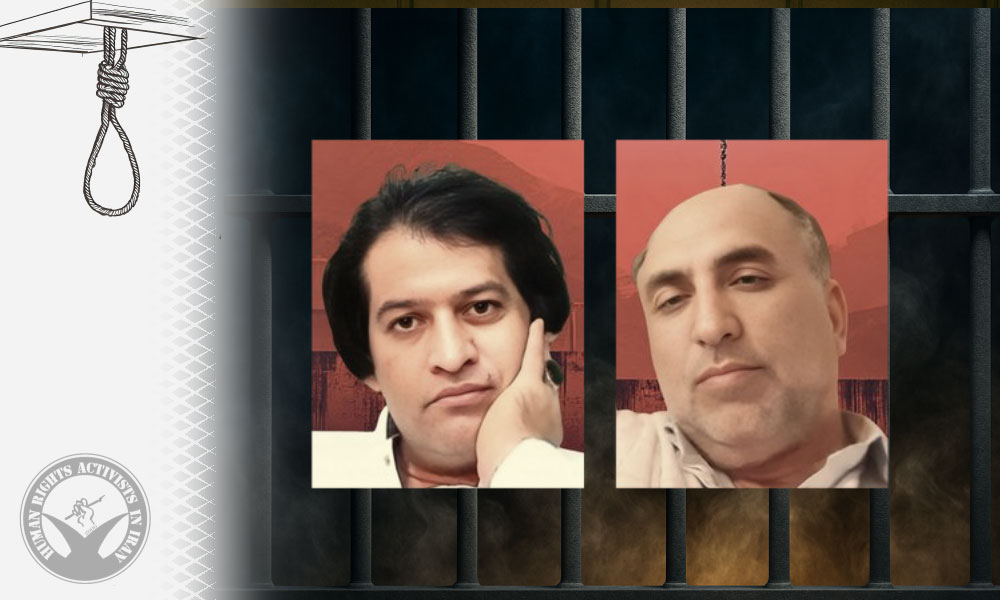
Supreme Court Upholds Death Sentence of Political Prisoner Azad Shojaei

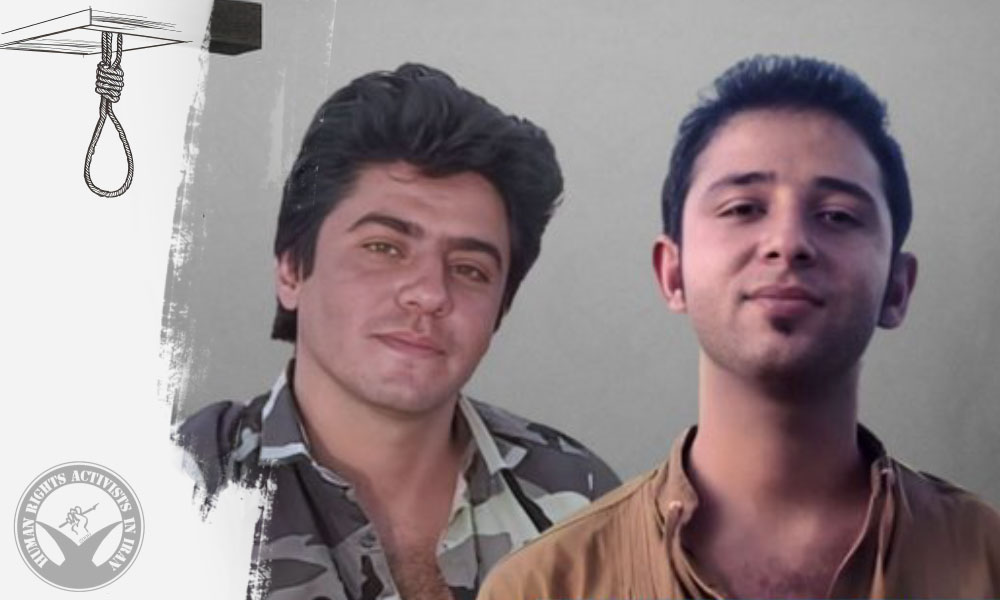
HRANA News Agency – The Supreme Court of Iran has upheld the death sentence of Azad Shojaei, a political prisoner currently held in Urmia Prison. Shojaei, a resident of Sardasht, was initially convicted by Branch 3 of the Urmia Revolutionary Court on charges of “spying for Israel” and “transferring equipment used in the assassination of Mohsen Fakhrizadeh.”

According to information received by HRANA, the ruling was recently confirmed by Branch 39 of the Supreme Court.

The case dates back to early 2024, when Shojaei was arrested along with two others, Edris Ali and Rasoul Ahmad Mohammad, by security forces and transferred to Urmia Prison. In November of the previous year, a judiciary spokesperson announced that all three had been sentenced to death.

Judiciary official Asghar Jahangir claimed that the men had transported equipment used in Fakhrizadeh’s assassination “under the guise of alcohol smuggling” and also accused them of espionage.

Mohsen Fakhrizadeh, a senior figure in Iran’s nuclear program, was killed in November 2020 in an ambush involving a car explosion and gunfire between his security team and unknown assailants.

Nine Prisoners Executed in Ghezel Hesar Prison, Karaj

HRANA News Agency – With the identities of six additional individuals confirmed, the total number of prisoners executed at dawn on Monday in Ghezel Hesar Prison in Karaj has risen to nine.

According to HRANA, the news agency of Human Rights Activists in Iran, the executions took place at dawn on Monday, June 2.

Based on information received by HRANA, three of the nine prisoners were convicted on drug-related charges, five were convicted of murder, and one was sentenced to death for rape and murder.

HRANA has identified two of the three executed on drug charges as Ali Karami Nasr and Alireza Shahbazi. The identity of the third individual remains under investigation.

Three of the five executed for murder have been identified as Ali Abbas-Moghaddam, Sajad Nabizadeh, and Yasin Aghaei.

HRANA also confirmed the identity of the individual executed for rape and murder: Nazir Mohammad, an Afghan national.

Javan newspaper published details of the cases involving three of the executed men, including the Afghan national. The paper referred to him as “Shokrollah” and reported that in September 2013, he raped and murdered a young girl while her mother and brother were away. He reportedly entered the home, raped the girl, and suffocated her. He was arrested a few days later while attempting to flee the country via the Taybad border. He confessed during his trial and was ultimately sentenced to death.

In 2024, according to 812 reports compiled by HRANA, the Iranian regime executed 930 individuals in its prisons—marking the highest number of executions in the past 12 years. Despite the scale of these executions, prison officials and other relevant authorities publicly acknowledged only 6% of them, highlighting the regime’s lack of transparency and accountability.

Prisoner Executed in Urmia Prison for Drug Offenses

HRANA News Agency – On Monday, June 2, the execution of a prisoner previously sentenced to death on drug-related charges was carried out in Urmia Prison.

According to HRANA, the news agency of Human Rights Activists in Iran, the prisoner has been identified as Naser Nabizadeh, a resident of Urmia.

Based on information received by HRANA, Nabizadeh was arrested five years ago on drug-related charges and later sentenced to death by the Revolutionary Court.

As of the time of this report, prison authorities and responsible institutions have not officially announced the execution.

In 2024, according to 812 reports compiled by HRANA, the Iranian regime executed 930 individuals in its prisons—marking the highest number of executions in the past 12 years. Despite the scale of these executions, prison officials and other relevant authorities publicly acknowledged only 6% of them, highlighting the regime’s lack of transparency and accountability.

Drug-Related Offenses: Three Prisoners Executed in Ghezel Hesar Prison, Karaj

HRANA News Agency –In the early hours of Monday morning, June 2, three prisoners convicted of drug-related offenses were executed in Ghezel Hesar Prison in Karaj.

HRANA, the news agency of Human Rights Activists in Iran, has confirmed the identities of two of the executed individuals as Ali Karami Nasr and Alireza Shahbazi, both from Kuhdasht. The identity of the third individual remains under investigation.

The three had previously been arrested on drug charges and sentenced to death by the Revolutionary Court.

As of the time of publication, neither prison authorities nor relevant state institutions have officially acknowledged the executions.

According to HRANA’s statistics, Ghezel Hesar Prison in Karaj carried out the highest number of executions among all Iranian prisons, with 150 inmates hanged. This figure has nearly doubled compared to the previous year — a deeply alarming increase that underscores the escalating use of capital punishment in Iran.

Two Prisoners Executed in Hamedan Prison

HRANA News Agency – At dawn today, June 2, two prisoners previously sentenced to death on drug-related charges were executed in Hamedan Prison.

HRANA has identified the two individuals as Navid Hodavand-Khani and Naeem Naseri.

According to information obtained by HRANA, both had been arrested on drug-related charges and later sentenced to death by the Revolutionary Court.

The prisoners were transferred to solitary confinement on May 31 in preparation for the execution.

As of the time of this report, the executions have not been officially announced by prison authorities or relevant institutions.

In 2024, according to 812 reports compiled by HRANA, the Iranian regime executed 930 individuals in its prisons—marking the highest number of executions in the past 12 years. Despite the scale of these executions, prison officials and other relevant authorities publicly acknowledged only 6% of them, highlighting the regime’s lack of transparency and accountability.

Subscribe to Our Newsletter

Now is definitely not the time to stop reading!

Two Prisoners Executed in Kermanshah Prison for Drug Offenses

HRANA News Agency – On Wednesday, May 28, the death sentences of two prisoners previously convicted on drug-related charges were carried out in Kermanshah Prison.

HRANA has identified the two individuals as Farhad Hosseini and Shahmoradi (first name unknown).
According to information obtained by HRANA, Mr. Hosseini and Mr. Shahmoradi had previously been arrested on drug-related charges and were later sentenced to death by the Revolutionary Court.

As of the time of this report, the executions have not been officially announced by prison authorities or relevant institutions.

According to HRANA’s report, in 2024, over 52 percent of executed prisoners had been convicted on drug-related charges. Over the past ten years, individuals convicted of drug trafficking have accounted for 40 percent of all executions. Unfortunately, HRANA’s statistics show no progress in reducing executions for drug-related offenses.
Drug-Related Charges: Prisoner Executed in Qazvin Prison

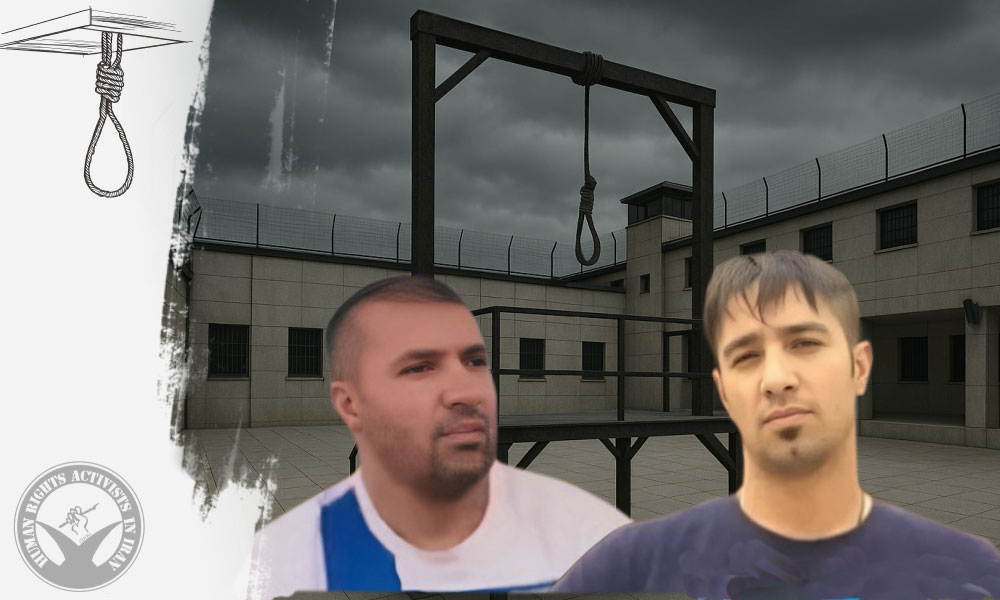
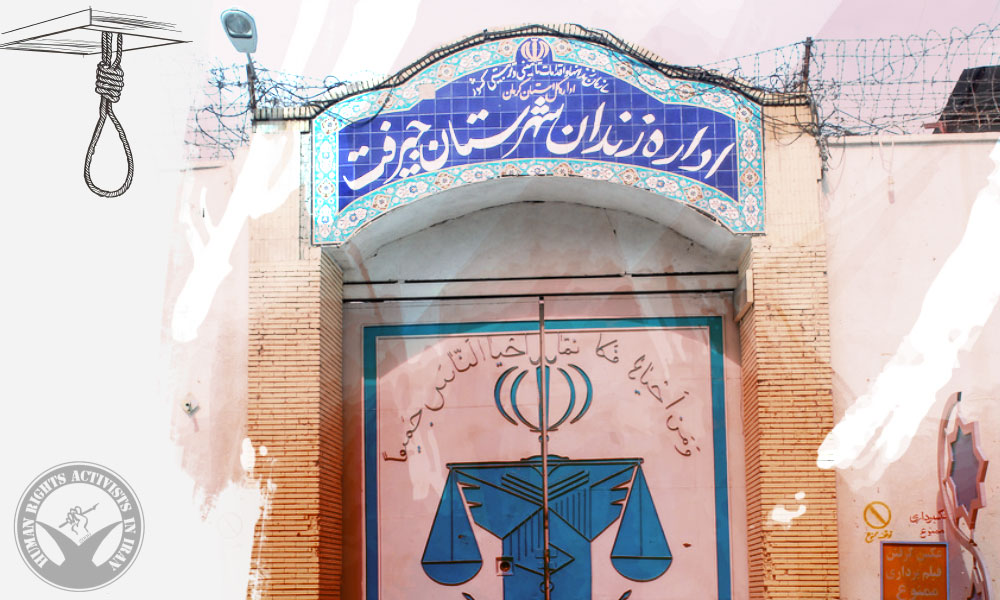
HRANA News Agency – At dawn on Tuesday, May 27, a prisoner previously sentenced to death on drug-related charges was executed in Qazvin Prison.

According to HRANA, the news agency of Human Rights Activists in Iran, the identity of the executed prisoner has been confirmed as Khodayar Keyfari, a resident of Sahneh County.

Keyfari had been arrested on drug-related charges and later sentenced to death by the Revolutionary Court.

As of the time of this report, prison authorities and official agencies have not publicly announced the execution.

In 2024, Iranian prisons witnessed the execution of 930 inmates. According to HRANA’s data, the number of executions carried out by the Iranian regime’s judiciary has risen steadily over the past five years. The percentage of executions related to drug charges has also increased year after year.

Two Prisoners Executed in Dastgerd Prison, Isfahan

HRANA News Agency – At dawn on Wednesday, May 28, the death sentences of two prisoners previously convicted of murder in separate cases were carried out in Dastgerd Prison in Isfahan.

Their identities have been reported by Iran Human Rights as Shahram Abbaszadeh, 23, from Khomeinishahr, and Alireza Ahmadi, 35, from Aligudarz.

According to the report, Abbaszadeh had been arrested four years ago, and Ahmadi about six years ago, both in separate cases on charges of murder, and later sentenced to death by judicial authorities.

As of the time of this report, the executions have not been officially announced by prison officials or relevant institutions.

In 2024, according to 812 reports compiled by HRANA, the Iranian regime executed 930 individuals in its prisons—marking the highest number of executions in the past 12 years. Despite the scale of these executions, prison officials and other relevant authorities publicly acknowledged only 6% of them, highlighting the regime’s lack of transparency and accountability.

Three Prisoners Executed in Shiraz, Kerman, and Dezful

In recent days, three prisoners were executed in the prisons of Kerman, Dezful, and Shiraz on charges related to drug offenses and murder.

On Monday, authorities at Dezful Prison carried out the execution of a prisoner named Reza Abdoli. According to information received by HRANA, Mr. Abdoli had previously been arrested on murder charges and was later sentenced to death by the criminal court.

On the same day, a prisoner named Sanjar Navabi was executed in Kerman Prison on drug-related charges. His sentence had been issued by the Revolutionary Court.

Finally, yesterday, May 28, Adelabad Prison in Shiraz witnessed the execution of a prisoner named Mehdi Farhadi. According to information received by HRANA, Mr. Farhadi had previously been arrested on murder charges and sentenced to death by the criminal court.

As of the time of this report, none of these executions have been officially announced by prison officials or responsible institutions.

According to HRANA reports, in 2024, only 6% of executions were announced by official bodies or domestic media outlets. Over the past five years, 77% of executions have gone unreported—commonly referred to as secret executions. In some of these cases, the lack of transparency is so severe that the death-row prisoners are denied even the chance for a final visit with their families.

Four Prisoners Executed in Ghezel Hesar Prison on Drug-Related Charges

At dawn today, four prisoners previously sentenced to death on drug-related charges were executed in Ghezel Hesar Prison in Karaj.

HRANA has identified the executed individuals as Abbas Lak, Hojjat Havasi, Majid Khalifeh, and Afshin Ezzati.

According to information received by HRANA, they had been arrested on drug-related charges and subsequently sentenced to death by Revolutionary Courts.

As of the time of this report, the executions have not been officially announced by prison authorities or relevant institutions.

According to HRANA’s statistics, Ghezel Hesar Prison in Karaj carried out the highest number of executions among all Iranian prisons, with 150 inmates hanged. This figure has nearly doubled compared to the previous year — a deeply alarming increase that underscores the escalating use of capital punishment in Iran.