Identities of 16 Defendants in the “Shohada Square of Isfahan” Case Confirmed; Legal Uncertainty Continues in Isfahan Prisons

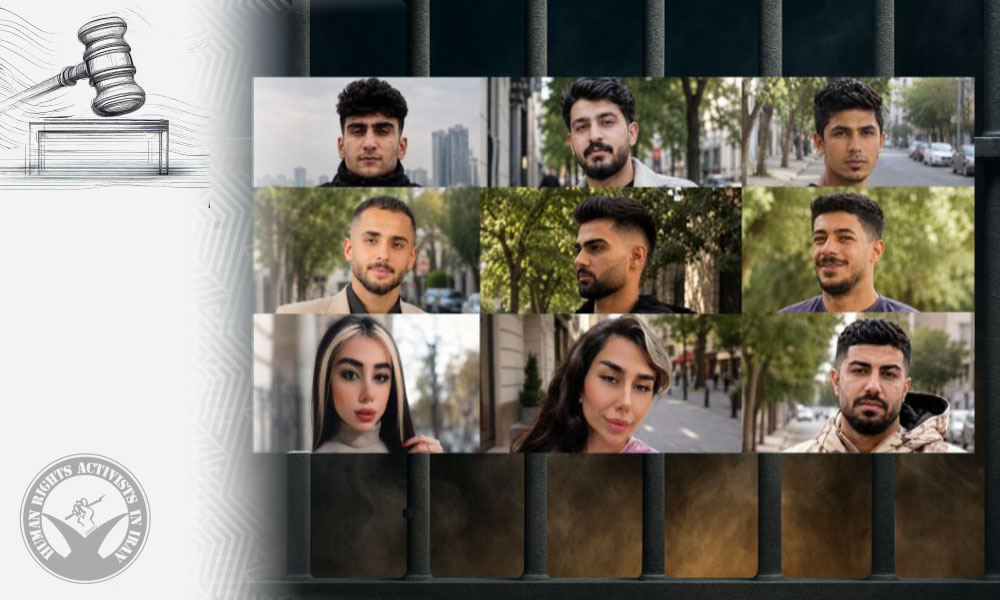
HRANA has confirmed the identities of 16 defendants in the case known as the “Shohada Square of Isfahan” case. The individuals, who were arrested in connection with the January 2026 protests, face charges including “enmity against God (moharebeh)” and other national security-related offenses. They remain in legal limbo in Dastgerd and Dolatabad prisons in Isfahan.

According to HRANA, 16 individuals arrested during the 2026 protests in Isfahan remain in detention.

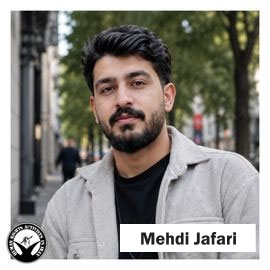
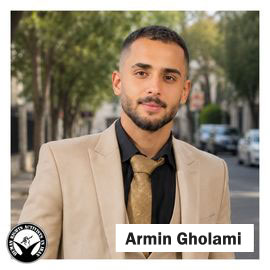
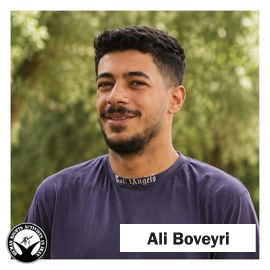
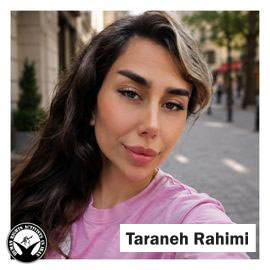
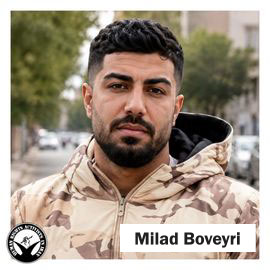
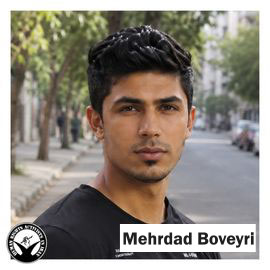
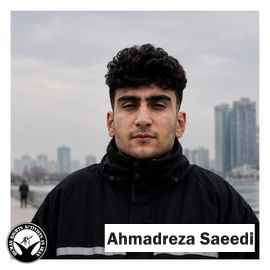
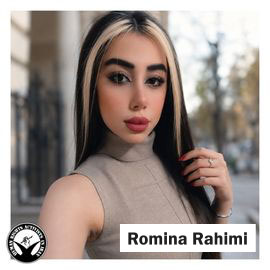
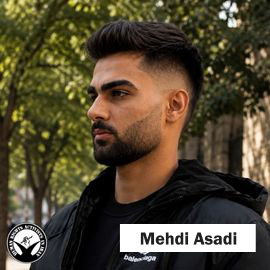
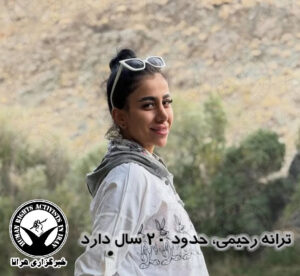
HRANA has identified the defendants as Armin Gholami, Sajjad Abedi Shapourabadi, Parsa Jafari, Mehdi Jafari, Ahmadreza Saeedi, Navid Elyasi, Abolfazl Dadgostar, Mehdi Mansouri, Hamed Mehralian, Mehdi Asadi, Setayesh Saedi, three brothers, Milad Boveyri (35), Mehrdad Boveyri (32), and Ali Boveyri (28), and 20-year-old twin sisters Taraneh Rahimi and Romina Rahimi. The female defendants are currently being held in Dolatabad Prison, while the male defendants are detained in Dastgerd Prison in Isfahan.

A source familiar with the detainees’ situation confirmed to HRANA:

“Most of these individuals spent time in solitary confinement after their arrests. Many of them had experienced significant weight loss by the time they were transferred out of solitary confinement. They are now permitted to make phone calls and receive family visits.”

According to information received by HRANA, the defendants were tried in July 2026 before Judges Morteza Barati and Mohammadreza Tavakkoli on charges including “enmity against God (moharebeh) through carrying bladed weapons,” “destruction of public property constituting moharebeh,” “assembly and collusion against national security,” and “propaganda against the regime.” No verdict has yet been issued.

Based on HRANA’s documentation, two of the defendants are additionally charged with “complicity in moharebeh” and “complicity in the destruction of public property,” while Setayesh Saedi is charged solely with “assembly and collusion.”

The three Boveyri brothers, Milad, Mehrdad, and Ali, were arrested at 4:00 a.m. on January 24, 2026, when security forces raided their home in Isfahan. Following their arrests, the family’s two shoe stores were sealed by the authorities. Taraneh and Romina Rahimi, the twin sisters charged in the same case, were also arrested in February 2026.

HRANA had previously reported on the case involving these 16 detainees, which has become known as the “Shohada Square of Isfahan” case. Several of the defendants are charged with moharebeh. Their trial was held inside Dastgerd Prison in Isfahan. Defense lawyers reportedly did not receive full access to the case files before the hearing, and one defendant told the judges in court that he had been subjected to torture during interrogation.

According to information obtained by HRANA, the case is also marked by uncertainties regarding the basis for several of the charges. During the events at Shohada Square in Isfahan, two people were killed, one identified as a member of the Islamic Revolutionary Guard Corps (IRGC) and the other as a homeless civilian. However, the indictment against the defendants contains no specific murder charges related to either death. Instead, the proceedings have focused on charges including moharebeh, complicity in moharebeh, destruction of public property, assembly and collusion, and propaganda against the regime.

A source familiar with the proceedings told HRANA that no evidence was presented during the trial specifically demonstrating the defendants’ involvement in the deaths of the two individuals.


Background on the January 2026 Protests

It should be noted that protests and strikes by shopkeepers and bazaar merchants began in Tehran on Sunday, December 28, 2025, and within two days spread beyond markets and commercial centers. With the participation of students, citizens, and various social groups, these protests became one of the largest protest movements of recent years. Following the crackdown by security and law enforcement forces, thousands were killed or injured, and tens of thousands were arrested or summoned by security agencies. For more information, readers may refer to HRANA’s comprehensive report titled “Crimson Winter,” documenting the first fifty days following the outbreak of Iran’s nationwide protests.
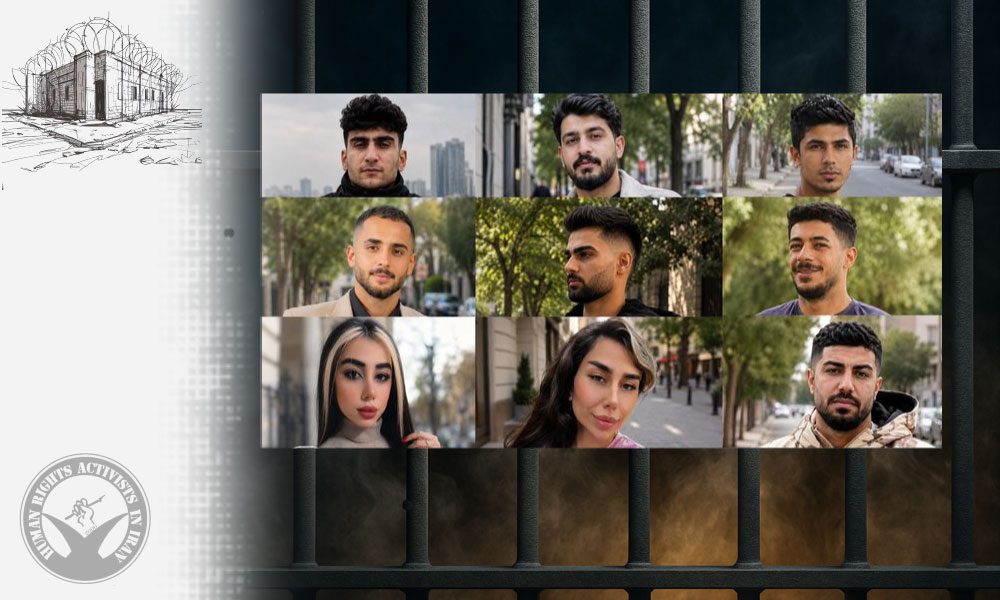
Isfahan Shohada Square Case: 16 Citizens Stand Trial, Several Face “Enmity Against God” Charges

HRANA – HRANA has obtained information regarding the case of 16 citizens arrested in connection with the January 2026 protests, a case referred to as the “Isfahan Shohada Square Case.” HRANA has so far verified the identities of 12 of the defendants. Several of these citizens are facing charges of moharebeh (enmity against God), an accusation that carries severe criminal consequences, including the possibility of a death sentence.

According to HRANA, judicial proceedings are underway against 16 citizens arrested in connection with the January 2026 protests in a case known as the “Isfahan Shohada Square Case.”

Note: The “Isfahan Shohada Square Case” should not be confused with the separate “Isfahan Alikhani Square Case.” Although the two cases involve a similar number of defendants and comparable charges, they are distinct judicial proceedings. In the Alikhani Square case, several defendants were sentenced to death.

HRANA has verified the identities of 12 of the defendants. They are:

• Ahmadreza Saeedi
• Navid Elyasi
• Abolfazl Dadgostar
• Mehdi Mansouri
• Hamed Mehralian
• Mehdi Asadi
• Three brothers: Milad Boveyri, Mehrdad Boveyri, and Ali Boveyri
• Two 20-year-old twin sisters: Taraneh Rahimi and Romina Rahimi
• Setayesh Saedi

These citizens are currently being held in Dastgerd Prison and Dowlatabad Prison in Isfahan. The identities of the remaining four defendants had not been verified by HRANA at the time of publication.

Hearing Held at Dastgerd Prison

According to information received by HRANA, the hearing for all 16 defendants was held on July 13, at Dastgerd Prison in Isfahan. The proceedings were video recorded.

Judge Morteza Barati and Judge Mohammadreza Tavakkoli presided over the hearing. An individual identified by the surname Kheirollahi attended the session as the prosecutor’s representative.

According to information obtained by HRANA, the case was registered with Branch 5 of the Isfahan Revolutionary Court. However, it has been adjudicated by judges from Branch One of the Revolutionary Court in the city.

Most of the defendants are accused of moharebeh through the use of bladed weapons, destruction of public property amounting to “moharebeh”, “assembly and collusion against national security,” and “propaganda against the regime.”

Defense Lawyers Denied Full Access to the Case File

Before the hearing, defense attorneys were denied access to the majority of the case file and were not given the opportunity to fully review the documents, evidence, and other materials contained in it.

In response to these restrictions, the defense lawyers objected and requested sufficient time to examine the case file, as well as a postponement of the court’s verdict.

A source close to the families of several defendants told HRANA:

“The lawyers’ access to the case file was restricted, and they were unable to review all of the documents and evidence before the hearing.”

Restricting defense lawyers’ access to the contents of the case file—particularly in a case in which several defendants face the charge of moharebeh (enmity against God) and the risk of severe punishments—can seriously undermine the right to an effective defense, adequate time and facilities to prepare that defense, and the guarantees of a fair trial.

Differences in the Charges Against Some Defendants

According to HRANA’s investigations and documentation, two of the defendants have been charged with aiding and abetting moharebeh and aiding and abetting the destruction of public property.

The charges against Setayesh Saedi also differ from those brought against several of the other defendants. The principal charge in her case is “assembly and collusion against national security.” Based on the evidence contained in the case file, her defense lawyers have requested that she be acquitted.

Several Defendants Connected to Shoe Stores in Shohada Square

According to information obtained by HRANA, the events underlying this case originated in the vicinity of several shoe stores in Shohada Square in Isfahan. Most of the defendants either owned or worked at these stores.

Among the defendants are three brothers, Milad Booari, Mehrdad Booari, and Ali Booari. Milad Booari owned a shoe store in Isfahan, while his two brothers and their mother worked at the same shop. Taraneh Rahimi and Ahmadreza Saeedi were also employees of that store.

Taraneh and Romina Rahimi, twin sisters, are also among the defendants.

Defendant Alleges Torture During Interrogation

During the court hearing, Ahmadreza Saeedi told the judges that he had been subjected to torture while under interrogation.

According to his testimony, the investigating judge personally used an electric stun gun to inflict injuries to his neck and genitals.

At the time of publication, it remains unclear whether a formal complaint has been filed regarding Mr. Saeedi’s allegations or whether an independent investigation has been opened to examine the torture claims and identify those allegedly responsible.

Given the nature and severity of the conduct described, the allegations raised by the defendant require a prompt, independent, impartial, and effective investigation. Furthermore, any statements or confessions that may have been obtained through torture, threats, or other forms of ill-treatment should not be relied upon in judicial proceedings or used as the basis for a conviction.

Uncertainty Surrounding the Defendants’ Alleged Connection to the Deaths of Two Individuals

During the January 2026 protests, two individuals lost their lives in the vicinity of Shohada Square in Isfahan. These events ultimately led to the judicial case known as the “Isfahan Shohada Square Case.”

One of the deceased was identified as a member of the Islamic Revolutionary Guard Corps (IRGC), while the other was described as a homeless man.

20-year-old Taraneh Rahimi

According to information obtained by HRANA, the indictment issued against the defendants does not include any specific murder charges related to the deaths of these two individuals. Instead, the proceedings have focused on charges including moharebeh (enmity against God), destruction of public property, assembly and collusion against national security, and propaganda against the regime.

A source familiar with the case told HRANA that, during the hearing, no evidence was presented specifically establishing the defendants’ involvement in the deaths of the two individuals.

The source further stated that the location where the IRGC member died was separate from the area where several of the defendants were working near the shoe stores, and that, according to the available information, no connection has been established between those defendants and the incident that resulted in his death.

Regarding the second victim, the same source said that a video found on the mobile phones of several defendants shows Taraneh Rahimi urging those present not to assault the homeless man while a group of individuals was attacking him.

According to information received by HRANA, this video has been included among the evidence in the case file.

In light of the absence of any specific murder charges in the indictment, and the available information indicating that no evidence was presented linking the defendants to the deaths of these two individuals, attributing legal responsibility for those deaths to the defendants would be without legal basis.

Background on the January 2026 Protests

It should be noted that protests and strikes by shopkeepers and bazaar merchants began in Tehran on Sunday, December 28, 2025, and within two days spread beyond markets and commercial centers. With the participation of students, citizens, and various social groups, these protests became one of the largest protest movements of recent years. Following the crackdown by security and law enforcement forces, thousands were killed or injured, and tens of thousands were arrested or summoned by security agencies. For more information, readers may refer to HRANA’s comprehensive report titled “Crimson Winter,” documenting the first fifty days following the outbreak of Iran’s nationwide protests.