January 2026 Protests: Fathollah Avari Executed

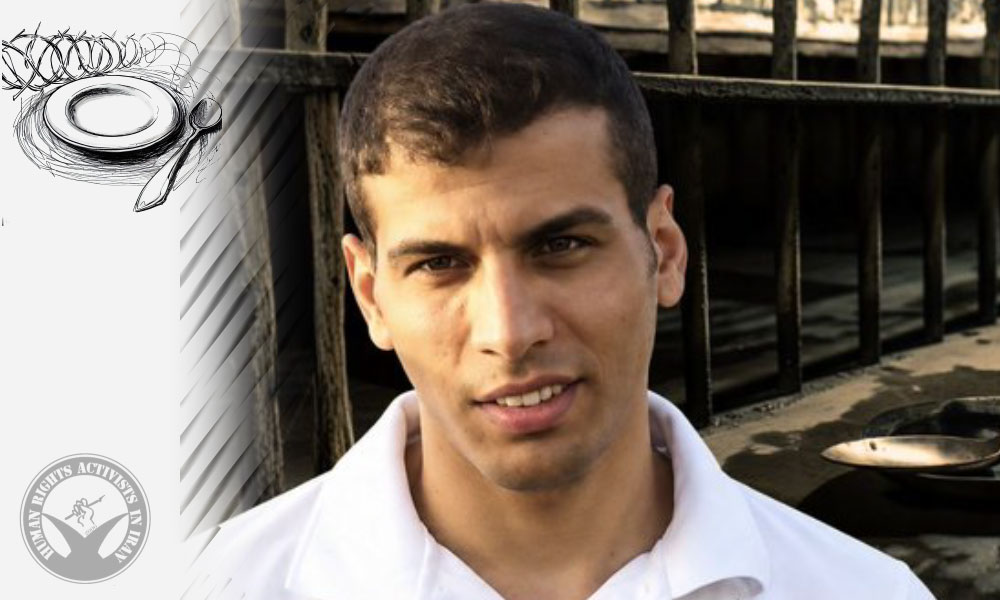
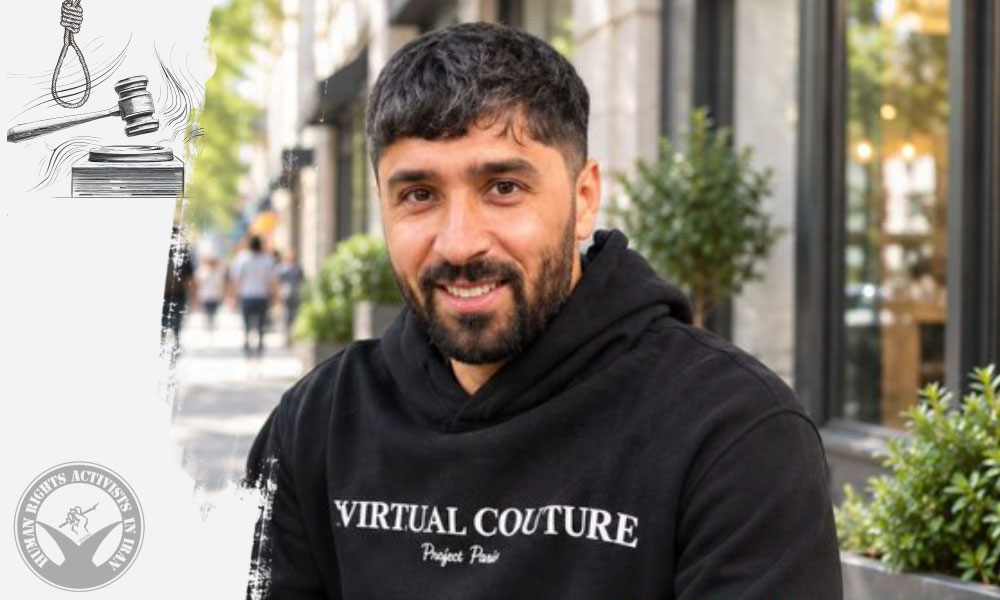
HRANA – Iran’s Judiciary Media Center has announced the execution of Fathollah Avari, one of those arrested during the nationwide protests of January 2026, on charges of moharebeh (enmity against God) and murder.

According to Mizan News Agency, Fathollah Avari, who had been arrested during the nationwide protests of January 2026, has been executed. The Judiciary Media Center stated that his death sentence was carried out after being upheld by the Supreme Court.

He was arrested in January-February of 2026 in one of the cities of Alborz Province in connection with the protest events that took place in Hamedan on January 8, 2026.

Subsequently, an indictment was issued against him on charges of moharebeh and the murder of Major Mahmoud Javad Bakhshian, and the case was referred to the judicial authorities for review.

Regarding the proceedings, the judiciary stated that the trial was held in the presence of the defendant and his lawyer. It added that, based on the evidence contained in the case file, the defendant’s confessions, the forensic medical report, CCTV footage, and the complaint filed by the victim’s family, the charge of intentional murder was established, and Fathollah Avari was sentenced to death.

The report did not provide details regarding Avari’s access to an independent lawyer, the quality of the court proceedings, or whether fair trial standards were observed. It also did not specify the location or date of the execution.

According to data collected by HRANA, since the outbreak of military conflict, the number of death sentences issued and carried out in political and security-related cases has risen significantly, with 40 prisoners executed in connection with such cases during this period.

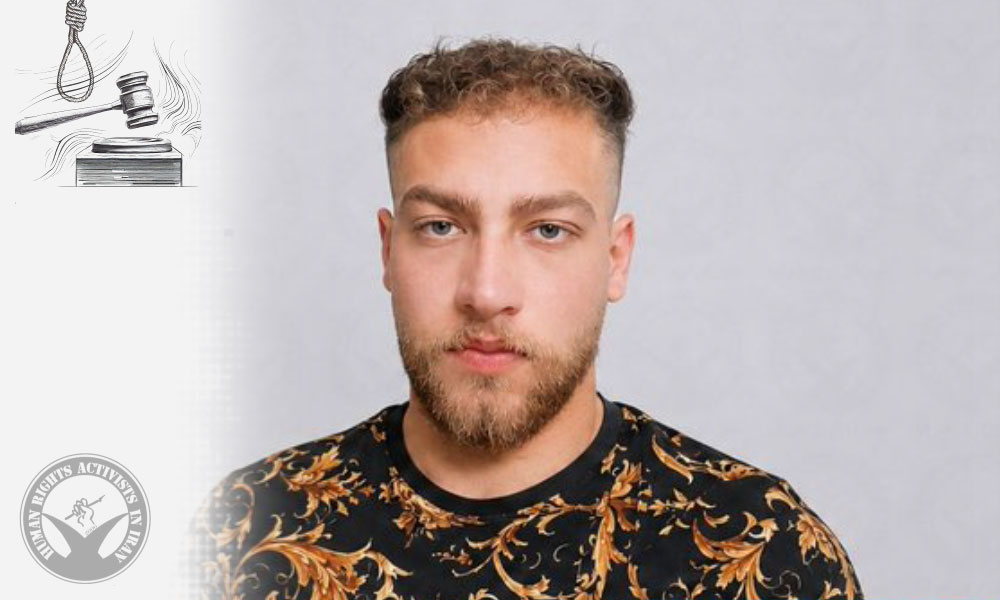
January Protests: Benjamin Naghdi Sentenced to Death

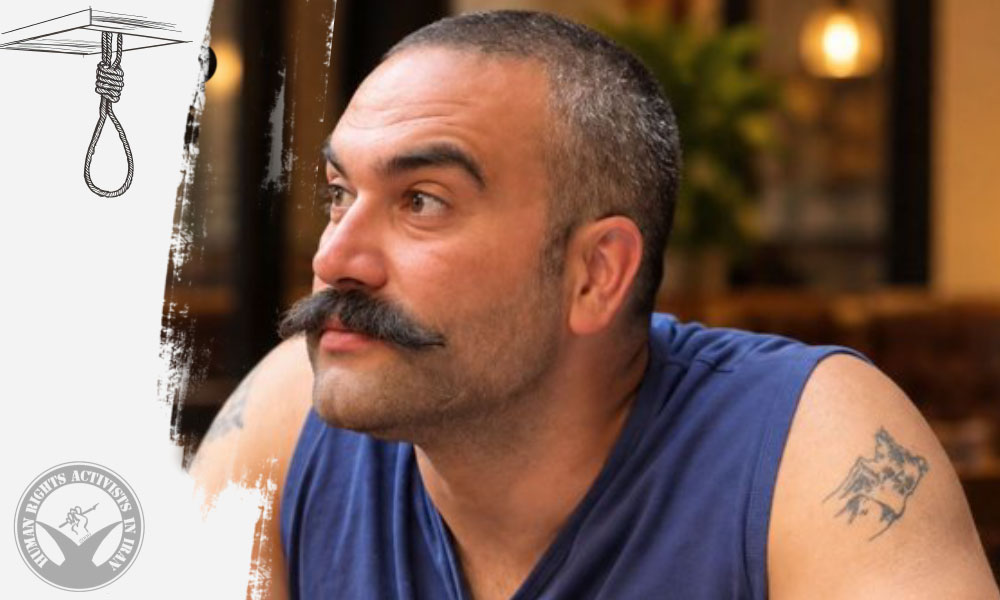
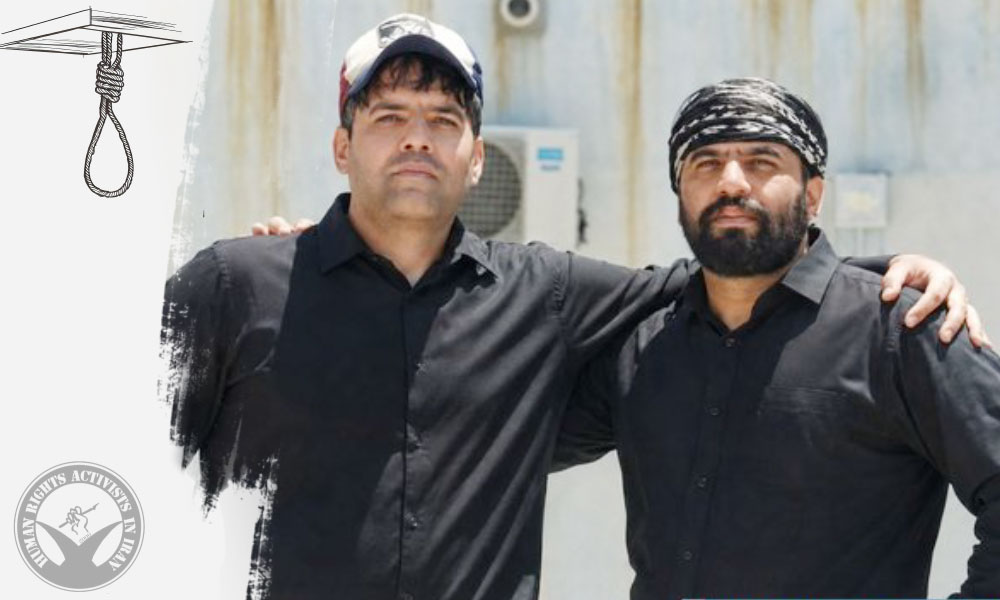
HRANA – Benjamin Naghdi, arrested during the nationwide protests of 2026, has been sentenced to death by the Revolutionary Court of Shiraz on the charge of “spreading corruption on earth” (efsad-e fel-arz). His attorney, Mostafa Nili, has announced that he will appeal the verdict before the Supreme Court.

According to HRANA, citing Emtedad, Benjamin Naghdi, who was arrested during the nationwide protests in January 2026, has been sentenced to death.

According to Mr. Naghdi’s lawyer, Mostafa Nili, he was initially charged with “attempted murder,” but the charge was later changed to “enmity against God” (moharebeh). Following the completion of the preliminary investigation, an indictment was issued against him on charges including “enmity against God,” “membership in groups disrupting national security,” “assembly and collusion against national security,” and “propaganda against the regime.” At the same time, the charges of “causing bodily harm to law enforcement officers” and “carrying a cold weapon” were dismissed, and no prosecution was pursued on those counts.

Mr. Nili further stated that the court judges determined that all of the alleged offenses constituted “spreading corruption on earth” and, on that basis, issued a death sentence for his client.

The attorney also said that he and his colleagues will file an appeal within the legal deadline. He expressed hope that, given that no individuals were injured during the incident, the Supreme Court would overturn the sentence.

According to the defense lawyer, Mr. Naghdi was arrested in Shiraz on January 3, 2026, for “igniting a fire extinguisher and directing it toward law enforcement officers.”

Before his arrest, Benjamin Naghdi was active in kickboxing and Muay Thai and had won championship titles in competitions in those disciplines.

It should be noted that protests and strikes by shopkeepers and bazaar merchants began in Tehran on Sunday, December 28, 2025, and within two days spread beyond markets and commercial centers. With the participation of students, citizens, and various social groups, these protests became one of the largest protest movements of recent years. Following the crackdown by security and law enforcement forces, thousands were killed or injured, and tens of thousands were arrested or summoned by security agencies. For more information, readers may refer to HRANA’s comprehensive report titled “Crimson Winter,” documenting the first fifty days following the outbreak of Iran’s nationwide protests.

January 2026 Protests; Abbas Akbari Feyzabadi Executed

HRANA – The Judiciary’s media center has announced the execution of Abbas Akbari Feyzabadi, one of those arrested during the 2026 protests who had been charged with offenses including “enmity against God” (moharebeh).

According to Mizan Online, Abbas Akbari was executed at dawn today, May 25, 2026.

The report states that following his arrest, Abbas Akbari was tried and sentenced to death on charges including “enmity against God” (moharebeh), “intentional destruction of public property with the intent to oppose the regime,” “disrupting public order and security,” and “assembly and collusion to commit crimes against the country’s internal security.”

Mizan reported that his death sentence had recently been upheld by the Supreme Court.

The judiciary claims that during the 2026 protests, Mr. Akbari was involved in armed actions against government centers and buildings, including the governor’s office in Naein, Isfahan Province. The report also alleges that this executed prisoner opened fire on security forces.

According to data collected by HRANA, alongside the onset of military conflict, the trend of issuing and carrying out death sentences in political and security-related cases has intensified, with at least 36 prisoners executed on such charges during this period.

HRA’s Annual Report reveals that in 2025 at least 2,063 citizens, including 61 women and 2 juvenile offenders, were executed. Of these, the sentences of 11 individuals were carried out in public. During the same period, 172 other individuals were sentenced to death.

2026 Protests; Ilya Ben-Rashid Sentenced to Imprisonment and Flogging

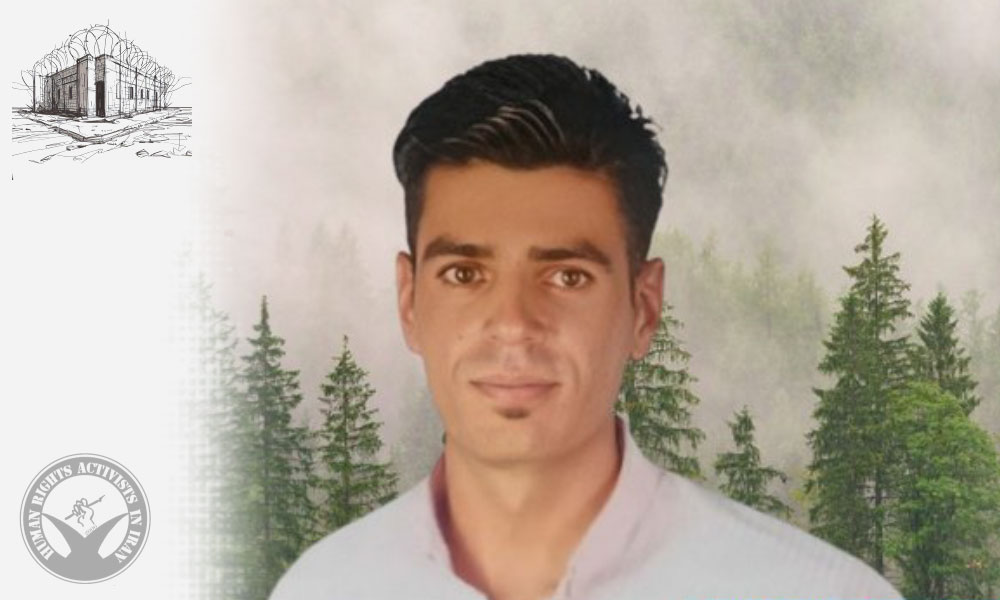
HRANA – Ilya Ben-Rashid, one of the detainees arrested during the January 2026 protests in Shahin Shahr, has been sentenced by a criminal court to six months in prison and 20 lashes. Another part of his case, involving the charge of “enmity against God” (moharebeh), is currently under review by the Revolutionary Court, and no verdict has yet been issued for that part of the case.

According to HRANA, Ilya Ben-Rashid, who is currently imprisoned in Dastgerd Prison in Isfahan, has been sentenced to imprisonment and flogging.

Based on the ruling issued by Branch 102 of the Shahin Shahr and Meymeh Criminal Court Two, Mr. Ben-Rashid was sentenced to six months of discretionary imprisonment and 20 lashes on the charge of “direct involvement in the theft of a computer case belonging to the Shahin Shahr Health and Treatment Network.” The court acquitted him of the charge of disrupting public order and peace through participation in protests.

According to information received by HRANA, another part of his case is still being reviewed by the Isfahan Revolutionary Court, and no ruling has yet been issued in that regard.

In April of this year, a hearing was held at Branch 5 of the Isfahan Revolutionary Court to address the charges against this citizen. In this part of the case, he faces charges including “enmity against God (moharebeh) through participation in the destruction of public property, assembly and collusion to commit crimes against national security, and anti-state propaganda activity.”

Mr. Ben-Rashid was arrested on January 22, 2026, in connection with the nationwide protests in Shahin Shahr, Isfahan, and was subsequently transferred to Dastgerd Prison in Isfahan.

He was later formally charged on February 20, 2026, at Branch 2 of the Public and Revolutionary Prosecutor’s Office in Shahin Shahr regarding the aforementioned accusations.

Ilya Ben-Rashid is 22 years old and a resident of Shahin Shahr, Isfahan.

It should be noted that protests and strikes by shopkeepers and bazaar merchants began in Tehran on Sunday, December 28, 2025, and within two days spread beyond markets and commercial centers. With the participation of students, citizens, and various social groups, these protests became one of the largest protest movements of recent years. Following the crackdown by security and law enforcement forces, thousands were killed or injured, and tens of thousands were arrested or summoned by security agencies. For more information, readers may refer to HRANA’s comprehensive report titled “Crimson Winter,” documenting the first fifty days following the outbreak of Iran’s nationwide protests.

“Ekbatan Town” Case in the Revolutionary Court; 4 Defendants Sentenced to Death and 4 Others to Prison

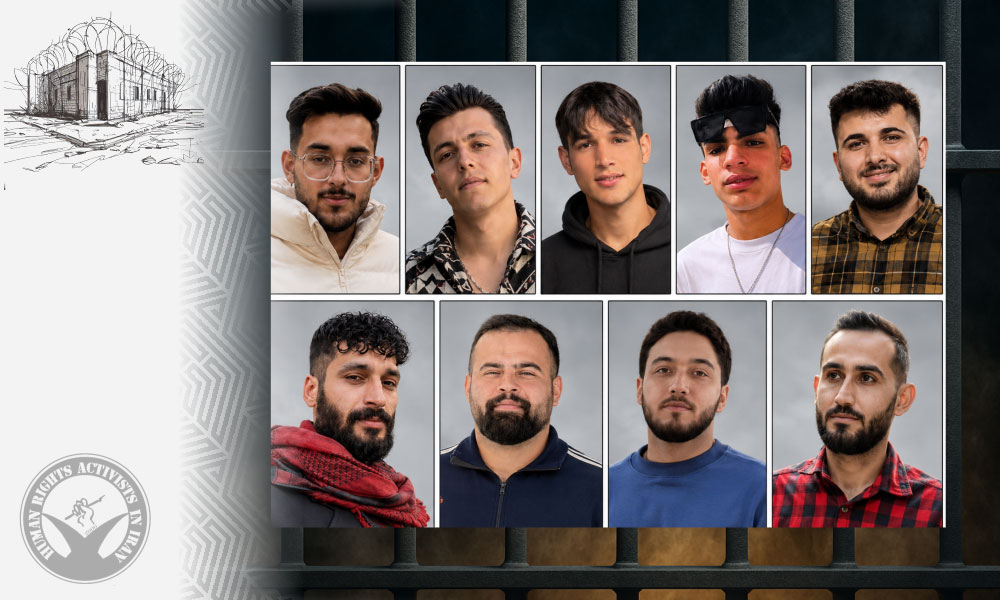
HRANA – Milad Armoun, Navid Najaran, Mehdi Imani, and Seyed Mohammad-Mehdi Hosseini, defendants in the so-called “Ekbatan Town” case and detainees from the 2022 nationwide protests, were sentenced to death by the Tehran Revolutionary Court on charges of “enmity against God” (moharebeh). Amir Mohammad Khosh-Eghbal, Alireza Bormarz Pournak, Alireza Kafaei, and Hossein Nemati, other defendants in the case, were each sentenced to seven years in prison along with additional punishments. Another part of this case had previously been reviewed in criminal court and recently resulted in prison sentences and the payment of blood money (diyeh) for some of the defendants.

According to HRANA, eight defendants in the Ekbatan case were sentenced by the Revolutionary Court. Based on a ruling issued by Branch 15 of the Tehran Revolutionary Court, presided over by Judge Abolghasem Salavati, Milad Armoun, Navid Najaran, Mehdi Imani, and Seyed Mohammadmehdi Hosseini were sentenced to death on charges of “enmity against God” (moharebeh). In addition, Amir Mohammad Khosh-Eghbal, Alireza Bormarz Pournak, Alireza Kafaei, and Hossein Nemati were each sentenced to five years in prison on charges of “assembly and collusion against national security”, two years for “propaganda against the regime,” a two-year ban on online activities, and a two-year residency ban from Tehran and Alborz provinces.

A source familiar with the case told HRANA that the verdict was verbally communicated to the defendants yesterday without the presence or prior notification of their lawyers. According to the source, the ruling has still not been officially served to the defense attorneys, effectively depriving them of the opportunity to file appeals.

Background:

At the beginning of November 2022, during the nationwide protests and following the killing of a Basij force member named Arman Aliverdi in Ekbatan Township, at least 50 young residents of Ekbatan Township were arrested by security and law enforcement forces. Indictments were ultimately issued against 14 of them.

The case was reportedly divided into two sections. One section was referred to Branch 15 of Tehran Revolutionary Court, presided over by Judge Abolqasem Salavati, and the other to Branch 13 of Tehran Criminal Court One. So far, no verdict has been issued for those defendants whose cases in the Revolutionary Court involve security-related charges and moharebeh.”

In May 2023, the spokesperson for Iran’s Judiciary announced that three defendants in the “murder of Arman Aliverdi” case had been charged with “enmity against God (moharebeh) through the use of cold weapons and acting against national security.” According to the indictment, these individuals were charged with “moharebeh,” “participation in intentional murder,” and “disrupting public order and peace.”

In late October 2023, after four court sessions were held, the court did not return the case to the prosecutor’s office for further investigation. Instead, Branch 13 of Tehran Criminal Court One intervened to conduct supplementary investigations, expedite proceedings, and determine the defendants’ status. Another part of the case was referred to Branch 15 of Tehran Revolutionary Court.

Further, Four of the defendants , Nemati, Barmarz Pournak, Kafaei, and Khosh-Eghbal, were released from Ghezel Hesar Prison on bail in February 2024.

The case involving Milad Armoun, Seyed Mohammad Mehdi Hosseini, Mehdi Imani, and Navid Najjaran, designated as confidential, had been returned in late April 2024 from Branch 13 of Tehran Province Criminal Court One to Branch 4 of the Prosecutor’s Office for Criminal Affairs in Tehran’s District 27 to address deficiencies in the case. In early September that year, after the deficiencies were addressed, the case was referred back to Branch 13 of Tehran Criminal Court One and Branch 15 of Tehran Revolutionary Court, presided over by Judge Abolqasem Salavati.

In November 2024, these individuals had each been sentenced to death by Branch 13 of Tehran Criminal Court. In September 2025, the Supreme Court overturned the death sentences and referred the case back to Branch 13 for retrial. Ultimately, on December 3 of that year, a new hearing was held in the same branch.

Following the overturning of the death sentences of six defendants in this case by the Supreme Court and the retrial in a parallel branch, new verdicts were recently issued by Branch 13 of Tehran Province Criminal Court One. According to the ruling, Milad Armoun, Alireza Kafaei, and Amir Mohammad Khosh-Eghbal were each sentenced to pay an equal share of the full blood money for one person and to serve five years in prison on charges of participation in intentional murder. Meanwhile, Alireza Barmarz Pournak, Hossein Nemati, and Navid Najaran, the three other defendants in the case, were acquitted of participation in intentional murder due to the lack of evidence showing they had inflicted blows on a specific part of Arman Aliverdi’s body.

Subscribe to Our Newsletter

Now is definitely not the time to stop reading!

Ilam: Arshia Gheysar Beigi Faces Charges of “Enmity Against God” and “Corruption on Earth”

HRANA – Arshia Gheysar Beigi, a resident of Sarableh in Ilam Province, was violently arrested by security forces on May 5, 2026. He is now facing charges of “moharebeh” (enmity against God) and “corruption on earth.”

Based on information received by HRANA, on May 6, 2026, the Public and Revolutionary Prosecutor’s Office of Chardavol County charged him with “moharebeh” and “corruption on earth” and extended his detention order for two months. Allegations including “armed intimidation, purchasing and possessing weapons, and illegal shooting” were cited in the detention order.

A source familiar with the case told HRANA that following his arrest, Gheysar Beigi was subjected to intense pressure, and the confessions attributed to him were allegedly obtained under coercive conditions. According to the source, he is currently being held in a security detention facility, where interrogations are ongoing in solitary confinement, without access to adequate medical care.

The informed source added that since his arrest, Mr. Gheysar Beigi has been denied access to a lawyer and family visits. The severity of the beatings during his arrest reportedly resulted in fractures to his jaw, nose, and teeth, yet he has not received effective medical treatment despite his condition.

The report notes that these allegations have been raised despite existing reports regarding this citizen’s physical condition and detention circumstances, which indicate the use of violence during arrest and interrogation. This has cast serious doubt on the validity and credibility of the confessions attributed to him. Furthermore, although the detention order mentions a ten-day right to appeal, his lack of access to legal counsel and continued solitary confinement have made the practical use of this right unclear.

Arshia Gheysar Beigi was violently arrested on Tuesday, May 5, 2026, after security forces entered his home without presenting a judicial warrant.

January Protests: Erfan Kiani Executed

HRANA – The death sentence of Erfan Kiani, one of those arrested during the January 2026 protests in Isfahan, was carried out early this morning. During the judicial process, he had been charged with offenses including moharebeh (enmity against God).

According to Mizan News Agency, the charges against this protester included “moharebeh through drawing a cold weapon (machete) with the intent to intimidate the public,” “creating insecurity,” “inciting individuals to violent actions,” and “participation in the destruction of public property.”

The published report lists examples of these accusations, including participation in protest gatherings, destruction of public and private property, arson, throwing stones and Molotov cocktails at security forces, blocking streets, and carrying a cold weapon. It is also claimed that he had a leadership role among a group of protesters.

According to the Judiciary, following his arrest during the January 2026 protests, he was sentenced to death by the Isfahan Revolutionary Court. After an appeal, the ruling was upheld by the Supreme Court and was carried out at dawn on Saturday, April 25, 2026.

No further details have been released regarding the circumstances of his arrest, whether he had effective access to legal counsel during different stages of the proceedings, the conditions of his detention prior to execution, or the exact location where the sentence was carried out.

It should be noted that following the outbreak of military conflict between the United States–Israel and Iran, which began on February 27, 2026, the implementation of death sentences in Iran has entered a new and concerning phase, one marked by a strong focus on prisoners with political and security-related charges and a noticeable acceleration in executions.

According to HRA’s Annual Report, in 2025 at least 2,063 citizens, including 61 women and 2 juvenile offenders, were executed. Of these, the sentences of 11 individuals were carried out in public. During the same period, 172 other individuals were sentenced to death.

Political Prisoner Sultanali Shirzadi Fakhr Executed

HRANA – The judiciary announced the execution of Sultanali (Sultan-Ali) Shirzadi Fakhr, a political prisoner, stating that he had been sentenced to death on charges including “membership in the Mojahedin-e Khalq Organization, collaboration with Israel, and enmity against God (Moharebeh).”

According to Mizan News Agency, the death sentence of Sultanali Shirzadi Fakhr was implemented at dawn on Thursday, April 23, after completing legal proceedings and being confirmed by the Supreme Court.

According to the claims of this institution, the charges against him included “membership in the Mojahedin-e Khalq Organization, cooperation with Israel’s intelligence service, and moharebeh.”

Mizan News Agency has claimed that he joined the group in the 1980s after leaving the country and, following military training, participated in operations including “Forough Javidan” and “Chelcheragh.” It was also stated that in recent years, after residing abroad, he entered Iran under the cover of a family visit on a mission allegedly linked to foreign intelligence bodies and was arrested upon arrival.

The location where the execution was carried out has not been announced by the judiciary’s media center or other official authorities.

It is worth noting that following the outbreak of military conflict between the United States–Israel and Iran, which began on February 28, 2026, the execution of prisoners with political-security charges has accelerated.

According to HRA’s Annual Report, in 2025 at least 2,063 citizens, including 61 women and 2 juvenile offenders, were executed. Of these, the sentences of 11 individuals were carried out in public. During the same period, 172 other individuals were sentenced to death.

More Than 60 Security Cases Opened in East Azerbaijan; 10 Involve Espionage Charges

HRANA – The prosecutor of East Azerbaijan Province’s central district announced that 60 judicial cases have been opened over security-related issues, adding that 10 of them involve alleged espionage charges.

According to HRANA, citing Tasnim, since the beginning of the recent war, more than 60 security cases have been opened in East Azerbaijan Province. The prosecutor of the central district of East Azerbaijan Province stated that 10 of these cases include espionage charges.

Hussein Mohammadzadeh Almalou added: “The punishments determined for some of the defendants in these cases are at the level of moharebeh (enmity against God), and indictments for some of them have already been issued.”

He noted that the relevant rulings will be carried out after confirmation by the Supreme Court. Mohammadzadeh Almalou also said that the judicial system has remained continuously active during this period, adding that the province’s prosecutor’s offices have continued operating without interruption.

No further information has been released in this report regarding the details of the cases, the identities of the defendants, or the progress of their legal proceedings.

It should be noted that the U.S. and Israeli military attacks on Iran began on February 28, 2026, and on April 8, 2026, a two-week ceasefire between the parties was announced. Since the start of these attacks, HRANA has been documenting and recording related incidents across different parts of the country on a daily basis.

Supreme Court Upholds Death Sentence of Political Prisoner Reza Abdali

HRANA – The death sentence and prison term of Reza Abdali, a political prisoner held in Sheiban Prison in Ahvaz, have been upheld by Iran’s Supreme Court, the country’s highest judicial authority.

Abdali had previously been sentenced to death and 15 years in prison by the Ahvaz Revolutionary Court on the charge of “enmity against God” (moharebeh).

According to information obtained by HRANA, the Supreme Court recently confirmed and notified Abdali’s verdict. He had been convicted in June-July 2025 by one of the branches of the Ahvaz Revolutionary Court on charges of moharebeh, with “connection with the Mojahedin-e Khalq Organization (MEK)” cited as an instance of the accusation.

Reza Abdali, aged 35 and a resident of Ahvaz, is currently held in Ward 8 of Sheiban Prison.

He was arrested in February 2025 (Bahman 1403) by security forces, and after interrogation, was transferred to Sheiban Prison. During his detention, he has been denied access to a lawyer of his choice.