Baha’i Citizen Barsa Maleki Sentenced to Prison and Additional Punishments

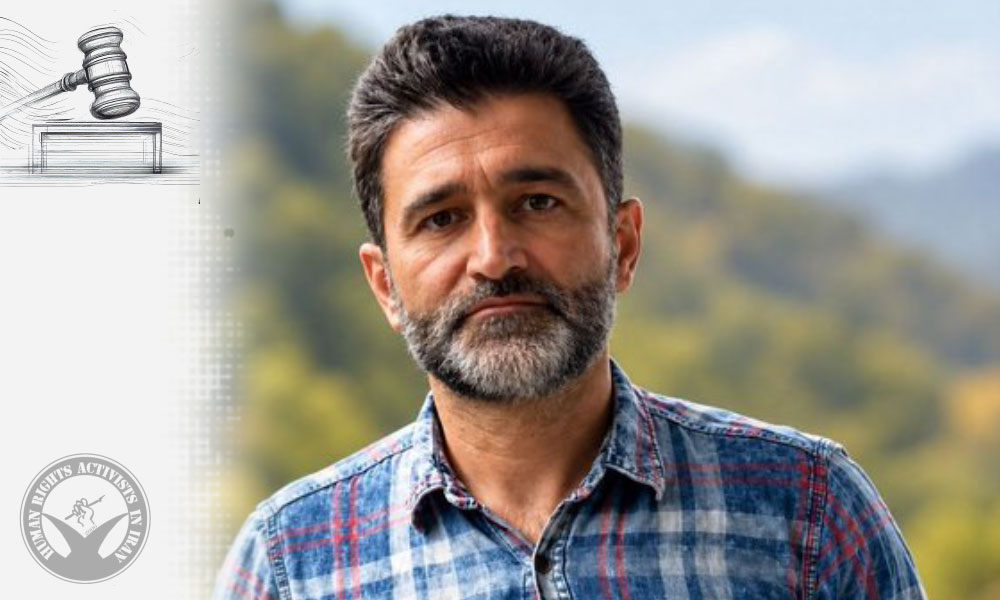
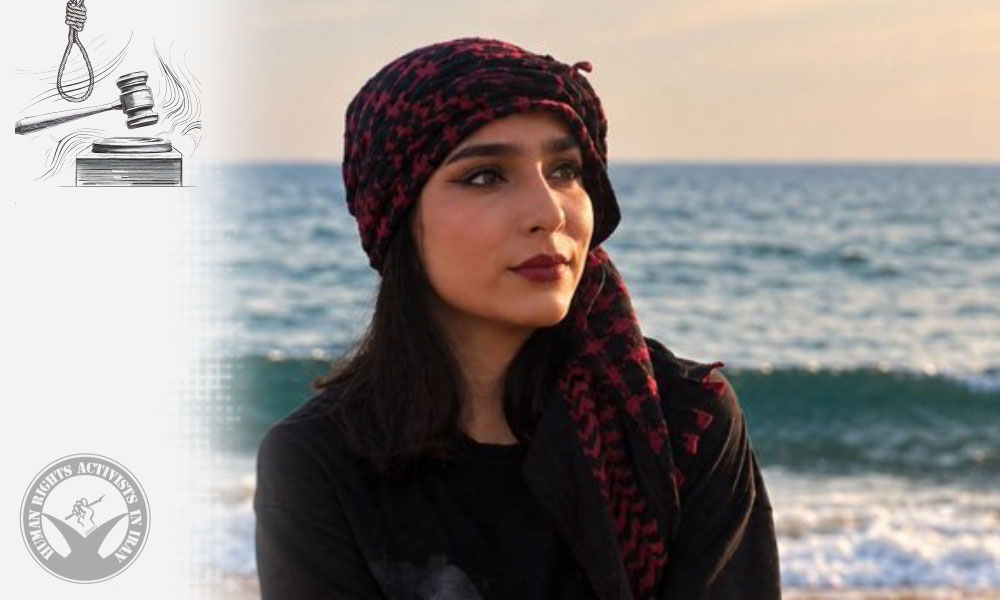
HRANA – Barsa Maleki, a Baha’i resident of Mashhad, has been sentenced by the Revolutionary Court of Mashhad to two years of imprisonment, a monetary fine, and deprivation of social rights.

According to a ruling issued by Branch 1 of the Revolutionary Court of Mashhad and served on this Baha’i citizen, Mr. Maleki was convicted under Article 500 bis of the Islamic Penal Code for the charge of engaging in educational or propagandistic activities deemed deviant, contrary to, or disruptive of the sacred laws of Islam. He was sentenced to two years and one day in prison, an 80 million toman fine, and deprivation of social rights for a period of six years.

A source familiar with the matter confirmed the news to HRANA, stating: “The verdict was issued some time ago and was formally communicated to this Baha’i citizen last week.”

Barsa Maleki was arrested on January 22 of 2026, along with eleven other individuals, during a birthday gathering in Mashhad.

After 24 days in detention, he was released from Vakilabad Prison in Mashhad on bail.

Over the past decade, the Baha’i community in Iran has been subjected to more security and judicial pressure than any other religious minority in the country. HRA’s annual reports indicate that in 2025, an average of 62.41% of all reports concerning religious minorities involved violations of the rights of Baha’i citizens.

Baha’i Citizen Navid Irani Faces Continued Detention and Uncertainty in Mashhad

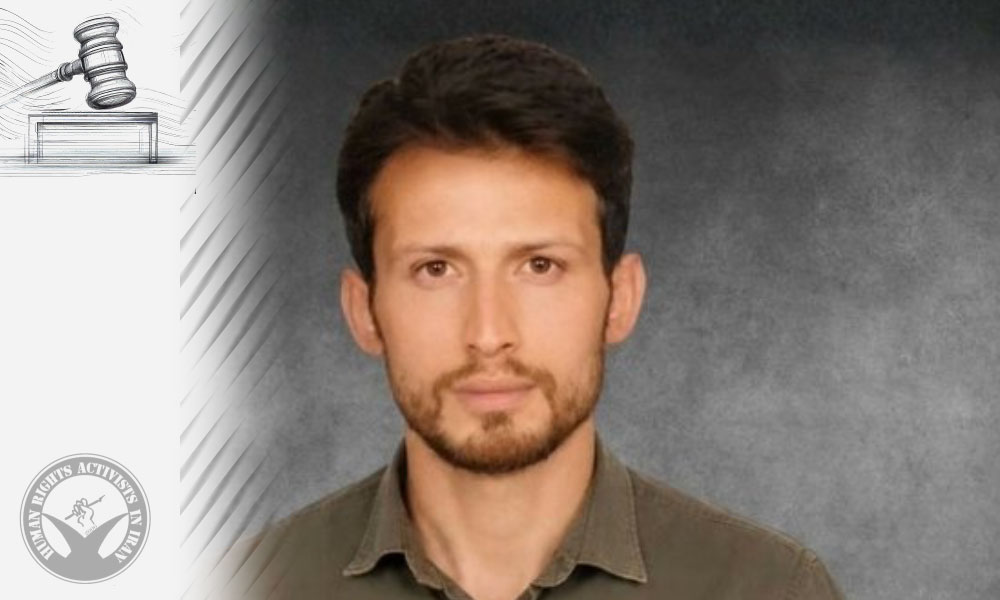
HRANA – Navid Irani (Zarrin), a Baha’i citizen living in Mashhad who was arrested during the 2026 protests in the city, remains imprisoned in an uncertain legal status in Vakilabad Prison in Mashhad, despite more than four months having passed since his arrest.

Based on information received by HRANA, Mr. Navid Irani continues to be held in limbo at Vakilabad Prison in Mashhad, despite four months and four days having passed since his arrest.

Navid Irani (Zarrin), a Baha’i citizen and photographer residing in Mashhad, was arrested on January 15 in connection with the 2025 protests in the city of Mashhad.

It should be noted that protests and strikes by shopkeepers and bazaar merchants began in Tehran on Sunday, December 28, 2025, and within two days spread beyond markets and commercial centers. With the participation of students, citizens, and various social groups, these protests became one of the largest protest movements of recent years. Following the crackdown by security and law enforcement forces, thousands were killed or injured, and tens of thousands were arrested or summoned by security agencies. For more information, readers may refer to HRANA’s comprehensive report titled “Crimson Winter,” documenting the first fifty days following the outbreak of Iran’s nationwide protests.

January Protests: Samira Rezvanifar Remains Detained in Vakilabad Prison, Mashhad

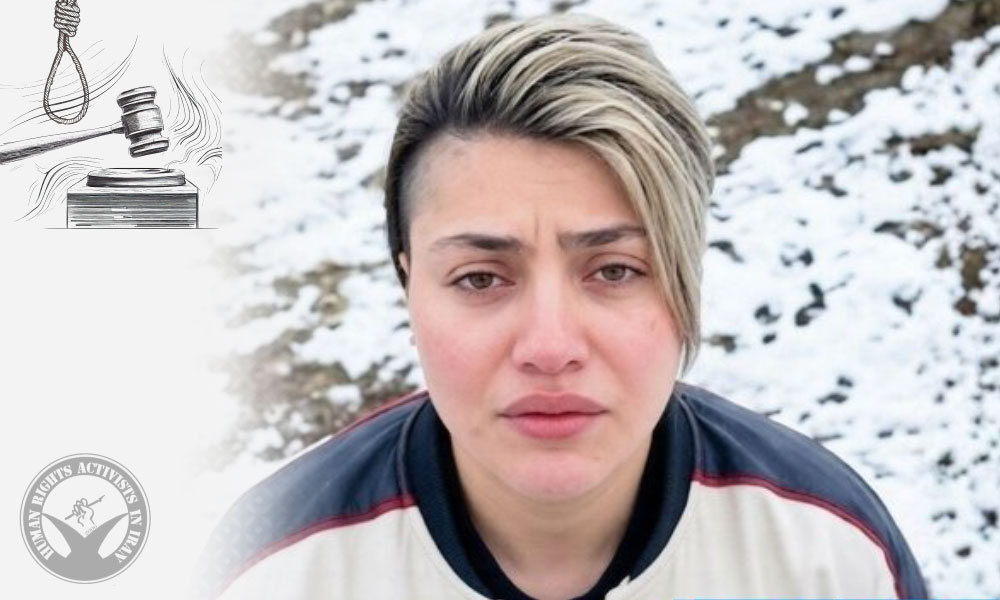
HRANA – Samira (Fatemeh) Rezvanifar, one of those arrested during the 2026 nationwide protests in Mashhad, has been held in legal limbo in Vakilabad Prison for nearly four months.

Based on information received by HRANA, Ms. Rezvanifar was arrested by security forces on January 17, 2026, during the nationwide protests in Mashhad. Following her arrest, she was transferred to the quarantine ward of Vakilabad Prison in Mashhad and, after 111 days, remains in judicial limbo.

A source close to her family told HRANA’s journalist that no court hearing has yet been held to address her case, and no information has been obtained regarding the charges against Samira. According to the source, her family’s efforts to secure her temporary release have so far been unsuccessful.

According to reports received by HRANA, detained and imprisoned women held in the quarantine section of Vakilabad Prison in Mashhad are facing harsh conditions. These prisoners are deprived of basic facilities, including proper ventilation, standard sanitary services and showers, beds, and adequate access to medical care.

It should be noted that protests and strikes by shopkeepers and bazaar merchants began in Tehran on Sunday, December 28, 2025, and within two days spread beyond markets and commercial centers. With the participation of students, citizens, and various social groups, these protests became one of the largest protest movements of recent years. Following the crackdown by security and law enforcement forces, thousands were killed or injured, and tens of thousands were arrested or summoned by security agencies. For more information, readers may refer to HRANA’s comprehensive report titled “Crimson Winter,” documenting the first fifty days following the outbreak of Iran’s nationwide protests.


Azadeh Yaghoubi Remains in Limbo at Vakilabad Prison in Mashhad

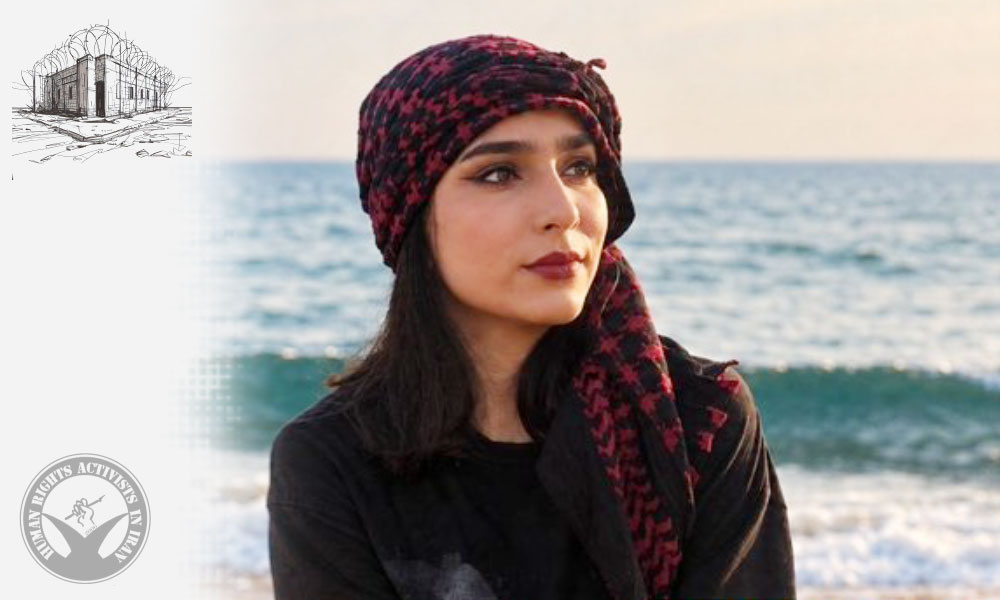
HRANA – Azadeh (Masoumeh) Yaghoubi, a resident of Mashhad, has been detained for more than three months following her arrest by security forces during the nationwide protests and remains held without clarification of her legal status in Vakilabad Prison in Mashhad.

Based on information received by HRANA, Ms. Yaghoubi was arrested by security forces in Mashhad on February 3, 2026. She is currently being held in the quarantine ward of Vakilabad Prison in Mashhad.

A source familiar with her situation confirmed the news and told HRANA: “It has been 93 days since Azadeh’s arrest, and we still have no information regarding the charges brought against her. Additionally, her temporary release has not been possible so far.”

According to reports received by HRANA, detained and imprisoned women held in the quarantine section of Vakilabad Prison in Mashhad are facing harsh conditions. These prisoners are deprived of basic facilities, including proper ventilation, standard sanitary services and showers, beds, and adequate access to medical care.

It should be noted that protests and strikes by shopkeepers and bazaar merchants began in Tehran on Sunday, December 28, 2025, and within two days spread beyond markets and commercial centers. With the participation of students, citizens, and various social groups, these protests became one of the largest protest movements of recent years. Following the crackdown by security and law enforcement forces, thousands were killed or injured, and tens of thousands were arrested or summoned by security agencies. For more information, readers may refer to HRANA’s comprehensive report titled “Crimson Winter,” documenting the first fifty days following the outbreak of Iran’s nationwide protests.

January Protests: Mehdi Rasouli and Mohammadreza Miri Executed

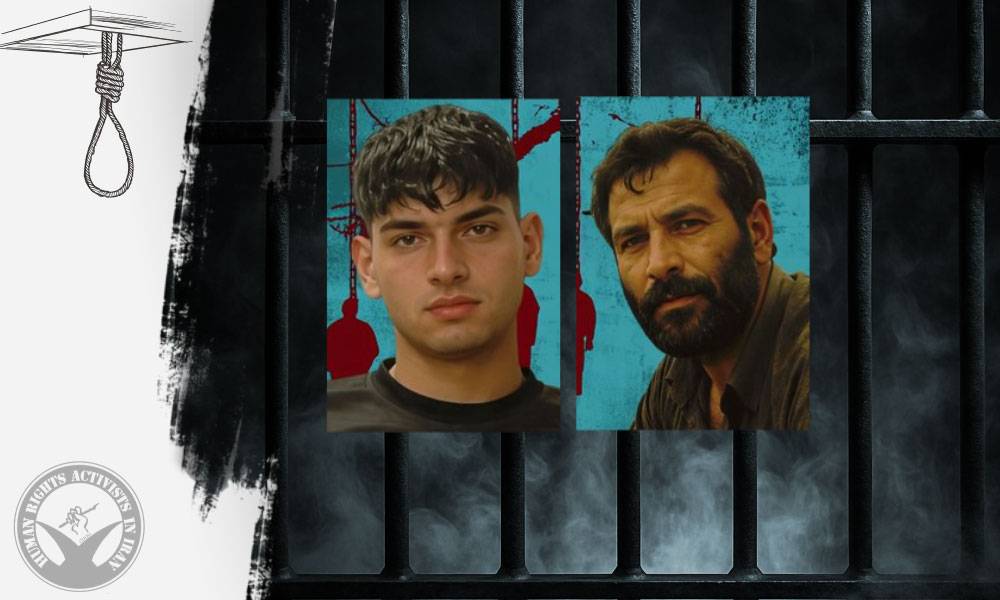
HRANA – Mehdi Rasouli and Mohammadreza Miri, two prisoners connected to the January protests, were executed at dawn yesterday, May 3, in Vakilabad Prison in Mashhad. The two had previously been sentenced to death in a case related to the killing of a Basij member.

According to HRANA, at dawn on Sunday, May 3, 2026, the death sentences of Mehdi Rasouli, 25, and Mohammadreza Miri, 21, were carried out in Vakilabad Prison, Mashhad.

A source familiar with Mehdi Rasouli’s case told HRANA:
“A video showing the beating of a Basij member during the January protests in Mashhad was found on Mehdi Rasouli’s mobile phone. Security agencies claimed that the attacker was Mehdi Rasouli and another individual, and that the Basij member seen in the video died as a result of the beating.”

The source added:
“Mr. Rasouli had questioned the validity of these claims, but had told his relatives that due to severe beatings and torture, he was forced to accept the charges. These coerced confessions became the main evidence against him in the case.”

According to this source, security agencies had pressured his family and relatives into silence by promising that his sentence would be reduced if they remained quiet. Due to the family’s silence and lack of public information dissemination, these two prisoners had remained unknown to human rights groups.

On Saturday, at around 3:00 PM, Mehdi Rasouli informed his family in a phone call that he was being transferred to solitary confinement. This morning, the families of the two prisoners were informed of the execution of their sons, and their bodies were handed over to the families at around 10:00 AM.

Yesterday afternoon, Mehdi Rasouli’s body was buried under security measures in a village near Kashmar. The execution of the two prisoners has also been confirmed by Marzieh Mohseni, a legal expert.

It should be noted that protests and strikes by shopkeepers and bazaar merchants began in Tehran on Sunday, December 28, 2025, and within two days spread beyond markets and commercial centers. With the participation of students, citizens, and various social groups, these protests became one of the largest protest movements of recent years. Following the crackdown by security and law enforcement forces, thousands were killed or injured, and tens of thousands were arrested or summoned by security agencies. For more information, readers may refer to HRANA’s comprehensive report titled “Crimson Winter,” documenting the first fifty days following the outbreak of Iran’s nationwide protests.

Subscribe to Our Newsletter

Now is definitely not the time to stop reading!

January Protests: Nine More Citizens Arrested in Connection with the Killing of a Security Force Member

HRANA – The Police Information Center announced the arrest of 9 additional citizens in connection with the case of the killing of a security force member during the January protests in Mashhad. Previously, state media had also reported that a number of protesters had been arrested in relation to the same case.

According to Tasnim News Agency, the Information Center of the Law Enforcement Command of the Islamic Republic of Iran stated that, in a “joint operation” between the Khorasan Razavi police and security forces, an individual identified as a suspect in the killing of Farajollah Shushtari, along with eight others, has been arrested.

According to the police’s claims, the detainees have been described as “individuals involved in this crime” and have been handed over to judicial authorities. However, the identities of these individuals, the exact details of how they were arrested, and their place of detention have not been disclosed.

Earlier, state media had also reported the arrest of a number of citizens in Mashhad in connection with the same case. In that report, without mentioning the number or identities of those arrested, the charge of “killing a security force member” was attributed to the detainees.

No independent details are available regarding the legal proceedings of this case, the detainees’ access to legal counsel, or their current condition.

It should be noted that protests and strikes by shopkeepers and bazaar merchants began in Tehran on Sunday, December 28, 2025, and within two days spread beyond markets and commercial centers. With the participation of students, citizens, and various social groups, these protests became one of the largest protest movements of recent years. Following the crackdown by security and law enforcement forces, thousands were killed or injured, and tens of thousands were arrested or summoned by security agencies. For more information, readers may refer to HRANA’s comprehensive report titled “Crimson Winter,” documenting the first fifty days following the outbreak of Iran’s nationwide protests.

Report on the Arrest of an Olympiad Gold Medal–Winning Literature Student in Mashhad

HRANA – Mohammad-Parsa Golchin, a University of Tehran student and winner of a gold medal in the National Literature Olympiad, was arrested on the evening of Saturday, April 11, during a gathering in Mashhad and taken to an undisclosed location. At the same time as his arrest, the other individuals present were also detained and released later that same night, but he remains in custody.

According to United Students, a student was arrested in Tehran. The identity of this student has been reported as Mohammad-Parsa Golchin, a University of Tehran student. Mr. Golchin was arrested on the evening of Saturday, April 11, in Mashhad.

He had gathered with a group of his high school friends to meet one of their former teachers when, during the gathering, several security agents entered the location and arrested everyone present.

Most of those detained in this incident have since been released, but this student remains in custody. No information has been obtained regarding his place of detention or the charges brought against him.

Mohammad-Parsa Golchin is a 2024-entry undergraduate student in Persian Literature and the recipient of a gold medal in the National Literature Olympiad.

Mounting Pressure on Prisoners: Shortages of Water, Food, and Medical Care

HRANA – Following developments arising from wartime conditions in Iran, prisoners in a number of the country’s prisons have faced disruptions in the provision of some of their basic needs. Reports indicate shortages of suitable drinking water, reductions in the quantity and quality of food, limitations on the operation of prison stores, shortages of medication, and a decline in medical services. The present report reviews details of conditions in prisons including Greater Tehran, Evin, Vakilabad in Mashhad, Urmia, Khorin, Ghezel Hesar, Khorramabad, and Kermanshah.

Based on information received by HRANA, in recent weeks prisoners in several prisons across the country have encountered similar problems in obtaining essential items. Among these problems are shortages of drinking water, a decline in the quality and quantity of food, restrictions on the operation of prison stores, and shortages of medication. In many of these prisons, water is supplied from wells and, according to former and current prisoners, it is not suitable for drinking. As a result, prisoners are forced to purchase bottled water from prison stores.

However, under the recent conditions, the supply of bottled water to some prisons has decreased, and the price of each bottle has reached around 25,000 tomans, an amount that, according to reports, many prisoners cannot afford.

In addition, reports indicate that prisoners in most of these prisons receive two meals per day, but the quantity and quality of the food have significantly declined compared to the period before the wartime conditions in Iran. At the same time, many prison stores are facing shortages of goods; in some cases, the stores have been closed for several days or have operated with nearly empty shelves. The high level of overcrowding in prisons has further increased pressure on prisoners and raised concerns regarding their hygienic and living conditions. There have also been reports of restrictions on prisoners’ phone calls and family visits.

A former staff member of Khorramabad Prison told HRANA regarding the prison’s population: “Approximately 4,750 prisoners are held in Khorramabad Prison, with the majority of convictions related to assault, theft, financial crimes, and murder. The prison has nine wards, one of which is allocated to service operations. The wards are assessed as having moderate access to natural light. On average, around 500 prisoners are held in each ward, while the bed capacity per ward is about 360. As a result, some prisoners are forced to sleep on the floor or stay in the prayer hall spaces of the wards.”

He added: “Even under normal conditions, the prison infirmary did not have sufficient medication, and a doctor was present in the prison only one day per week. Additionally, no counseling or psychological services were provided in the prison. With the start of the war, these conditions have worsened and resources have become even more limited.”

Another informed source told HRANA about the quality of food in the prison: “Currently, prisoners receive two meals per day, but the amount of food has been reduced to nearly half compared to before the wartime conditions in Iran began, and its quality has also dropped to roughly half.”

According to information obtained by HRANA, Greater Tehran Prison, despite being considered one of the largest prisons in the country, has faced a shortage of space following the transfer of a large number of prisoners from Evin Prison, including detainees from the nationwide protests of December. As a result, sleeping on the floor in rooms, corridors, and even prayer halls has become a common situation.

A lawyer representing one of the prisoners held in Greater Tehran Prison told HRANA that the conditions of prisoners in this facility are no different from those in other prisons. This attorney, who requested anonymity for security reasons, added that many detainees from the December protests are being held in this prison, and that the principle of separation of prisoners based on their alleged offenses is not being observed. According to him, the quality of food has declined compared to the period before the attacks on Iran, and the portion size of each meal has been reduced to about half. He also described the hygienic conditions of the prison as poor due to overcrowding, adding that these circumstances have raised serious concerns among the families of many detainees and prisoners about the physical well-being of their loved ones. The prison store has been closed, and prisoners are also facing a shortage of drinking water.

A prisoner who was recently released from Kermanshah Prison told an HRANA reporter: “Around 4,000 prisoners are held in this prison, but the accommodation conditions are not the same for everyone.”

He added:“Prisoners receive two meals per day, but the amount of food has decreased compared to the past, and its quality is about 40 percent of what it used to be. In some meals, for a stew prepared for around 20 people, only five small pieces of meat, each weighing about 10 grams, are included.”

At the same time, a relative of a prisoner held in Khorin Prison told HRANA that even before the war the prison had faced problems such as overcrowding and poor food quality, but that these issues have intensified since the outbreak of the war. As in other prisons, food portions have been reduced by half due to wartime conditions. Many prisoners are forced to purchase their food from the prison store, where prices are around 40 percent higher than outside, placing additional financial pressure on families. The prison’s drinking water, which is supplied from a well, is also of poor quality and has reportedly caused health problems such as kidney stones among prisoners. Under the current wartime conditions, the prison store is often closed or its shelves are largely empty. The prison infirmary’s doctor is present only during the early morning hours, and prisoners in need of urgent medical care are often left without treatment. In addition, the infirmary is facing shortages of medication.

In Urmia Prison, prisoners are facing similar conditions. The mother of one of the prisoners held there told HRANA: “Given the widespread attacks in Iran, I am worried about my child’s life. Earlier, in a letter, he had requested the prison authorities to grant him temporary leave during this period, but he has not yet received a response. In Urmia Prison, the quality of food has significantly declined compared to before the war, and meal portions have also been cut in half. Due to the current conditions, the prison store sells many goods to prisoners at prices higher than usual. Our family does not have the financial means to support my child so that he can buy water, food, and hygiene items from the store.”

This elderly mother added: “Visits in this prison have become very limited and are no longer like before. In a phone call my son had with me a few days ago, he said that the prison population is very high. Many people are being held in the quarantine ward. These are the same individuals who were arrested in December. The toilets and bathing facilities are not sufficient for all of us. I am worried about the health of my child and the other prisoners held in this prison.”

The child of a prisoner held in Vakilabad Prison in Mashhad also told HRANA about conditions in the prison and the physical state of ill prisoners, including his father: “Even before the war, the quality of food in this prison was poor, but now under the current conditions both the quantity and quality of food have dropped significantly. My father has heart disease and is currently in the prison infirmary, but due to the absence of a doctor and a shortage of medication, the care he receives has been very limited. In addition, many of the recent detainees are being held in this prison. The overcrowding is severe, and many people sleep in the prison corridors. As far as I know, many individuals are still being held in the prison’s quarantine section.”

He added: “The water in this prison is not drinkable. During this period, the prison store has also run out of goods, and water is being sold there at extremely high prices. Many prisoners cannot afford to buy it. In addition, we have been denied the ability to visit my father. All the families of prisoners are worried about their loved ones under these conditions.”

Prisoners in Evin Prison are also facing shortages of food and water. A prisoner who was recently granted temporary leave from the prison told HRANA: “Water has been cut off in some sections of the prison, the prison stores are closed, and telephone calls have been reduced to a minimum or blocked entirely.”

According to him, prisoners’ food rations have been reduced to one meal per day, and in some cases they are given only “dry bread and something resembling soup.” There are also reports that in some wards prisoners have faced severe shortages of water and food for several days at a time. The prison infirmary is also experiencing shortages of medication.

According to information obtained by HRANA, Ghezel Hesar Prison in Karaj is also facing significant overcrowding in terms of capacity and detention conditions.

An informed source told HRANA: “Overcrowding in this prison is severe, and as a result some prisoners are forced to sleep on the floor. At present, large groups are sleeping on the floors of the prayer halls, and in some of the larger rooms of the prison around five prisoners are also sleeping on the floor.”

The family of one of the prisoners held in this facility told HRANA: “The food given to prisoners is poor in quality, and under the current conditions its quantity has also decreased. Prisoners are forced to purchase the items they need from the prison store. The price of bottled water has increased by about 65 percent, and the price of beef has risen by about 113 percent.”

The spouse of another prisoner held in this prison also told HRANA about the state of medical services: “At present, a doctor is not effectively present, and only a nurse’s aide is available on a limited basis. Medical attention is very minimal, and there are no counseling or psychological support services.”

She added: “Under wartime conditions, prisoners’ concerns about the safety of their families have increased, which has affected their mental well-being. In addition, movement restrictions inside the prison have intensified, and prisoners’ movements are being conducted with greater caution.”

According to information received by HRANA, problems such as food shortages, declining quality of health and medical services, limited access to drinking water, and severe overcrowding are not limited to these prisons. Similar conditions have been reported in many prisons across Iran, particularly following the recent wartime conditions.

It should be noted that military attacks by the United States and Israel on Iran began on February 27, 2026. Since the start of these attacks, HRANA has been documenting and recording related developments across various parts of the country on a daily basis. For more information, readers may refer to HRANA’s detailed report on the eleventh day of the conflict, which was published last night.

Shot in the Heart: New Details Emerge on the Killing of 18-Year-Old Arian Nabati in Mashhad

HRANA – Arian Nabati, an 18-year-old resident of Mashhad, lost his life while attending a memorial ceremony marking the 40th day after the deaths of victims of the nationwide protests in the city. Although some media outlets close to security institutions have denied that he was killed during the protests, a source close to his family shared new details about his death in an interview with HRANA. According to this report, Arian was shot in the side, head, and heart.

A person close to the family told HRANA that the Nabati family has been under pressure from security institutions. As a result, his father denied in a phone interview with a media outlet inside Iran that his son had been killed by gunfire during the nationwide protests in Mashhad.

The informed source went on to describe the incident, stating: “On February 17, Arian went with two friends on a motorcycle to attend the 40th-day memorial ceremony for those killed in the protests in Mashhad. According to individuals present at the scene, when security forces arrived, they fled the ceremony. During a subsequent pursuit by security forces near one of the hospitals in Mashhad, Arian was shot, causing his motorcycle to overturn. In those circumstances, his friends fled the scene.”

According to the source, two days after the incident, Arian’s family was summoned to the hospital by phone, where they were confronted with their son’s lifeless body.

The source added that at first, the family was not allowed to see the body, which was placed in a black bag. They were told to leave and that burial arrangements would be handled. However, after insisting, the family was eventually permitted to see their son’s body.

Based on the source’s statements, Arian had been shot in the side, head, and heart and died due to the severity of his injuries. His family was also warned that they were not permitted to hold a public ceremony. Ultimately, his funeral was held under restrictive conditions without broad public announcement.

Arian Nabati (Noghondar), was born on May 19, 2007, in Mashhad.

Execution of At Least Twelve Prisoners on Murder and Drug-Related Charges

HRANA – At dawn today, the death sentences of at least 12 prisoners were carried out in the prisons of Mahabad, Shiraz, Malayer, Lahijan, Gonabad, Chabahar, Damghan, Bushehr, Shahrekord, Sabzevar, Kashmar, and Mashhad. These individuals had previously been sentenced to death on charges related to murder and drug offenses.

According to information received by HRANA, Kianoush Monavari was executed in Mahabad Prison; Ghader Mohammadi in Shiraz Prison; Nariman Zangeneh in Malayer Prison; Ali Asghar Oladi in Lahijan Prison; (first name unknown) Shateri in Gonabad Prison; Mostafa Kamali in Chabahar Prison; Aysan Rostami in Damghan Prison; Jahan Azadi in Bushehr Prison; and Farshid Ghasemi in Shahrekord Prison. These individuals had previously been arrested in separate cases on murder charges and sentenced to death by criminal courts.

Meanwhile, the death sentences of Taher Yousefi in Sabzevar Prison, Hamid Tajik in Kashmar Prison, and Adel Fereshteh in Mashhad Prison were carried out on drug-related charges.

As of the time of this report, the executions have not been officially announced by prison authorities or relevant institutions.

According to HRA’s annual report on the human rights situation in Iran, in 2025, at least 2,063 individuals were executed in Iran between January 1, 2025, and January 1, 2026. This represents a 119% increase in the implementation of death sentences compared to 2024. In many of these cases, due to secrecy, prisoners were even denied the right to a final visit with their families.