Hojat Al-Mohammadi Sentenced to 21 Years in Prison

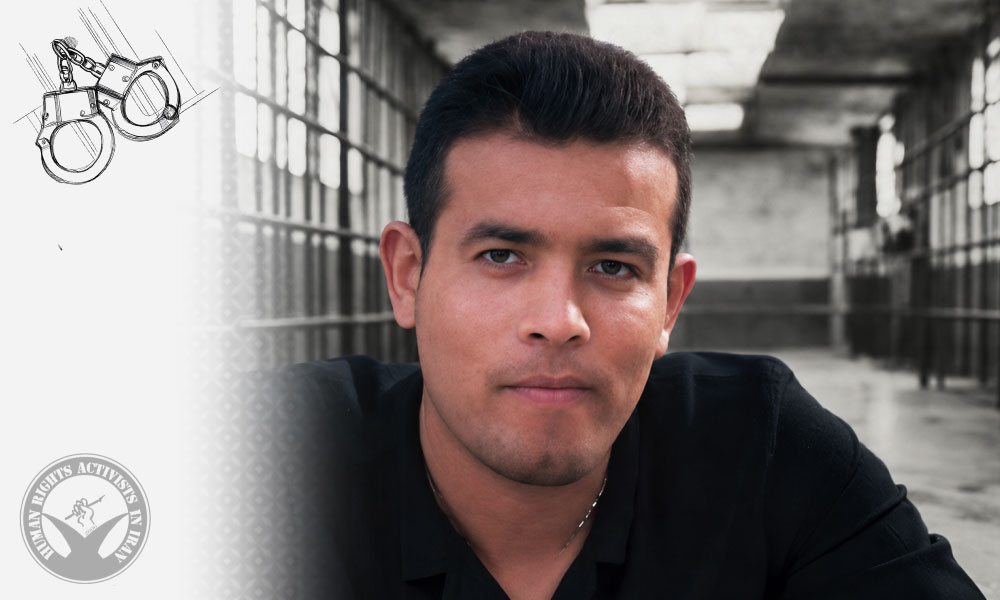
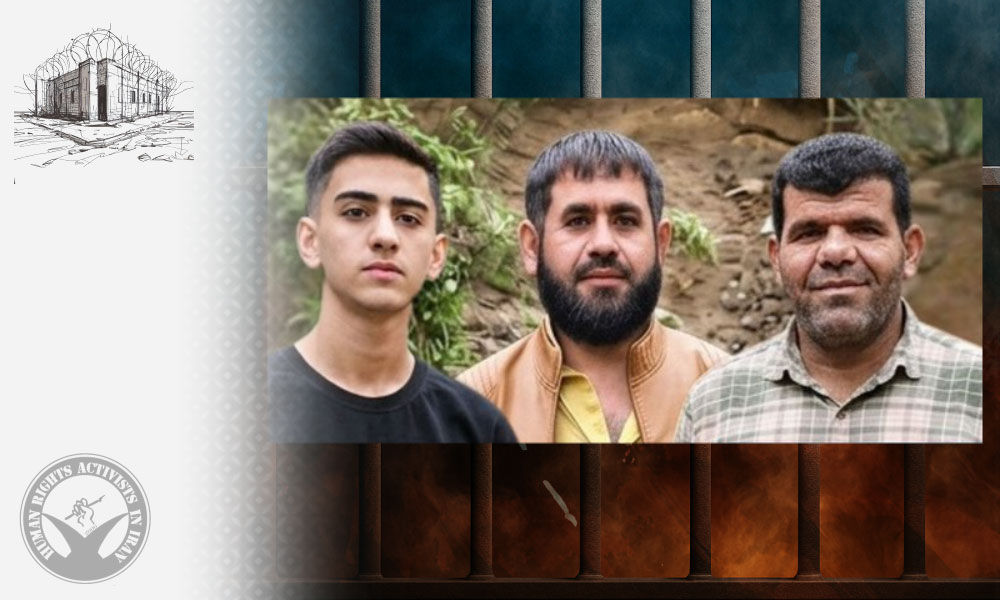
HRANA – Hojat Al-Mohammadi, a political prisoner held in Sheiban Prison in Ahvaz, has been sentenced to 21 years in prison by the Revolutionary Court of Ahvaz.

Based on information received by HRANA, Mr. Al-Mohammadi was sentenced to 21 years in prison by Branch 3 of the Ahvaz Revolutionary Court. The verdict was formally communicated to him in prison last week.

His trial session was held in this branch in December of 2025. During the hearing, Mr. Al-Mohammadi and Mohammad Tahmasebi, who were tried jointly in this case, defended themselves against charges including “propaganda against the regime,” “disrupting public order,” and “cooperation with anti-regime groups.”

Mr. Al-Mohammadi was arrested at his home in Izeh on September 16, 2024, by several security agents. After the completion of interrogations, he was transferred from The Ministry of Intelligence’s detention facility in Ahvaz to Ward 5 of Sheiban Prison.

Hojat Al-Mohammadi, 40 years old, is the father of a young child and a resident of Izeh County. He has previously faced arrest and conviction due to his activities.

Ruhollah Korki, Political Prisoner, Sentenced to Death

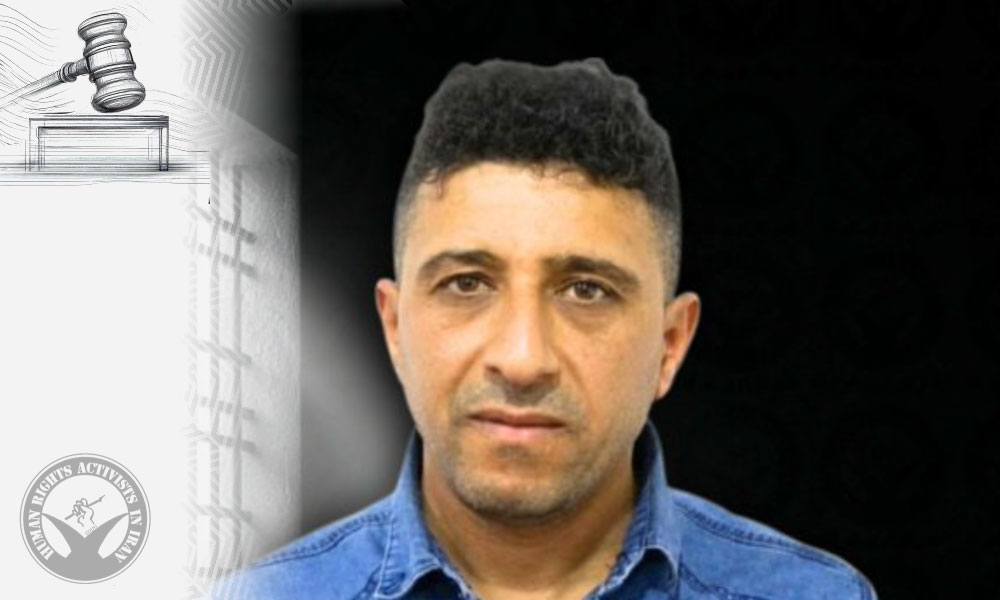
HRANA – Ruhollah Korki, a political prisoner held in Sheiban Prison in Ahvaz, has been sentenced to death.

Based on information received by HRANA, Ruhollah Korki was sentenced to death. Some time ago, the indictment against this citizen was issued on charges including “publishing and disclosing confidential documents,” “cooperation with the Mojahedin-e Khalq Organization (MEK),” “spying for Israel and exchanging military and security information,” “insulting sanctities and officials,” and “acting against national security.” The case had been referred to Ahvaz Criminal Court Two.

Mr. Korki was transferred to Sheiban Prison in Ahvaz on October 2, 2025. He had previously been arrested by security forces in Andimeshk on August 5, 2025.

It should be noted that Ruhollah Korki is the brother of Amin Korki, one of those arrested during the nationwide protests of December 2017–January 2018. Amin Korki died under unclear circumstances in March 2018 after being rearrested.

Ruhollah Korki, aged approximately 47, is married and originally from Andimeshk County.

Sunni Prisoner Ali Soveidi Transferred to Hospital Following Deteriorating Health

HRANA- Ali Soveidi, a Sunni prisoner held in Ward 8 of Sheiban Prison in Ahvaz, was transferred from prison to a hospital due to his deteriorating physical condition.

A source close to Mr. Soveidi’s family, confirming the news, told HRANA:
“This Sunni prisoner suffers from several illnesses, including kidney problems, diabetes, and high blood lipids. On Sunday, April 19, he lost consciousness in prison due to a drop in blood pressure and was subsequently transferred to a hospital. However, prison authorities have not allowed his family to visit him and have not even disclosed the name of the hospital to which he was transferred. Since then, his family has remained unaware of his condition. The lack of information about his health has increased the concern of his family and relatives.”

Mr. Soveidi was arrested on October 3, 2018, in the village of Hajiyeh, a district of Dasht-e Azadegan County. He is currently being held in Ward 8 of Sheiban Prison in Ahvaz.

Ali Soveidi had previously been arrested by the Intelligence Office last year and was released from prison in May 2018 on bail.

Nationwide Protests: Nima Hassankhani Sentenced to Imprisonment and Other Penalties

HRANA – Nima Hassankhani, one of those arrested during recent nationwide protests, has been sentenced by Branch One of the Ahvaz Revolutionary Court to two years of imprisonment, a two-year travel ban, and one year of mandatory attendance at the Headquarters for the Promotion of Virtue and Prevention of Vice.

Based on the ruling issued by Branch One of the Ahvaz Revolutionary Court, Mr. Hassankhani was sentenced to two years in prison, a two-year ban on leaving the country, and one year of mandatory presence at the Headquarters for the Promotion of Virtue and Prevention of Vice on charges of “propaganda against the regime” and “disrupting public order and peace through participation in protests.”

Hossein-Ali Hatami, an attorney-at-law, told HRANA that in Nima Hassankhani’s case, upon formally declaring his representation, he has not only objected to the detention order but has also filed an appeal request.

Nima Hassankhani, a bodybuilding athlete and a shopkeeper in the city of Izeh, was arrested on February 7, 2026, during protests in the city and was subsequently transferred to Sheiban Prison in Ahvaz.

It should be noted that gatherings and strikes by shopkeepers and bazaar merchants began on Sunday, December 28, 2025, in Tehran. After two days, the protests expanded beyond markets and commercial centers. With the participation of students, citizens, and various social groups, these demonstrations became one of the most widespread protests in recent years. Following the crackdown by security and law enforcement forces, thousands were killed or injured, and tens of thousands were arrested or summoned by security institutions. For more information about these protests, refer to HRANA’s comprehensive report.

At Least Nine Prisoners Executed in Iran on December 30

HRANA – At dawn yesterday, December 30, at least nine prisoners were executed in the prisons of Jiroft, Yazd, Borazjan, Ilam, Khaf, Birjand, Bam, and Sheiban Prison in Ahvaz. These prisoners had previously been sentenced to death on charges related to drug offenses and murder.

HRANA has confirmed the identities of eight of those executed. Based on information received by HRANA, Sajad Vaisi was executed in Jiroft Prison and Mahmoud Zarei in Yazd Prison. The death sentences of Ali Akbar Barzegar in Borazjan Prison, Peyman Zamani in Ilam Prison, and Khodarahm Ahmadi in Khaf Prison were also carried out.

Ali Mohammad Dastar was executed in Birjand Prison, Yahya Panahi Rad in Bam Prison, and Amin Khosroabadi in Sheiban Prison in Ahvaz.

Vaisi, Barzegar, Zamani, Panahi Rad, and Khosroabadi had previously been arrested on murder charges and later sentenced to death by criminal courts. The death sentences of the other prisoners, who had been convicted on charges related to drug offenses, were issued by Revolutionary Courts.

Further details, including the identity of the ninth prisoner executed on a murder charge in Sheiban Prison in Ahvaz, remain under investigation by HRANA.

As of the time of this report, prison authorities and relevant institutions have not officially announced these executions.

According to the annual report on the human rights situation in Iran, published by the Statistics, Publications, and Documentation Unit of the Human Rights Activists in Iran, at least 1,922 people were executed in Iran during the one-year period from early January to December 20, 2025. Based on this data, executions increased by 106.6 percent compared to 2024. In many of these cases, due to secrecy, prisoners were denied even the right to a final visit with their families.

Subscribe to Our Newsletter

Now is definitely not the time to stop reading!

At Least Seven Prisoners Executed on December 16 Across Iranian Prisons

HRANA – Various prisons continue to witness an unprecedented wave of executions on charges related to murder and drug offenses. This report provides details of some of these executions carried out in recent days.

Today, Wednesday, December 17, a female prisoner named Razieh Abbasi, approximately 40 years old, was hanged in Ghezel Hesar Prison. According to information received by HRANA, Ms. Abbasi had previously been arrested on charges of murdering her husband and was later sentenced to death by a criminal court.
This prisoner, who had been held in Qarchak Prison in Varamin, was recently transferred to Ghezel Hesar Prison in Karaj for the implementation of her execution sentence.

According to HRANA, on Tuesday, December 16, the death sentences of the following individuals were carried out:

• Mahmoud Din Mohammadi, on charges of murder, in Birjand Prison, South Khorasan province;
• Yazdan Mohammadzadeh, on charges of murder, in Bam Prison, Kerman province;
• Nejat Rajabi, on charges of murder, in Jiroft Prison, Kerman province;
• Keyhan Abbasi, on charges of murder, in Borazjan Prison, Bushehr province;
Ghobad (Qobad) Fathollahi, on charges of murder, in Ilam Prison;
• Ali Mohammad Roshanfekr, on charges of murder, in Sheiban Prison in Ahvaz;
• Ata Shahsavari, on drug-related charges, in Khaf Prison, Razavi Khorasan province.

HRANA also reported that on Sunday, three prisoners were hanged on charges of murder in Yazd Prison. The identities of two of these prisoners, Jasem Seghaei and Khalegh Zolfaghari, have been confirmed by HRANA.

Additionally, a human rights organization reported the execution of a prisoner named Heydar Amiri, 32 years old, on charges of murder on Monday, December 15, in Sabzevar Prison. The organization also reported that on Sunday, Mohammad Rahimi, 50 years old, was executed on drug-related charges in Gorgan Prison.

From the beginning of this year until the end of November, 2025, the Iranian regime has executed 1,594 people, marking an unprecedented increase compared to previous years.

At Least 27 Prisoners Executed Across Iran from December 7 to 9

HRANA – Between Sunday and Tuesday, December 7 to 9, at least 27 prisoners were executed in prisons across Iran.

Sunday, December 7

Iran Human Rights reported that in addition to the execution of a prisoner named Farshid Jafarzadeh, two other prisoners were hanged in Lakan Prison of Rasht. Their identities were reported as Sirus Zabihi, 32, and Ali Soudi, 27. Mr. Zabihi had been sentenced to death about three years ago following a group altercation that resulted in a murder charge. Ali Soudi had been arrested about two years earlier on charges related to drug offenses.

The organization also reported the execution of Hassan Bahmani, 28, on a murder charge in Neyshabur Prison.

Monday, December 8

According to HRANA, on this day, Sultan Morad Bahmani was executed in Kerman Prison and Nima Karami in Neyshabur Prison, both on drug-related charges. Two other prisoners were also hanged in Dastgerd Prison of Isfahan on similar charges. HRANA has confirmed the identity of one of them as Mohammad-Baqer Souri.

Additionally, Borzu Beigi in Saveh Prison, Bahram Mousavi in Dorud Prison, Reza Raoufi in Kashan Prison, Kermshah Zaki-Pour in Zanjan Prison, and Ali Rostgari in Gorgan Prison were executed on murder charges.

Tuesday, December 9

As previously reported by HRANA, six prisoners were hanged on drug-related charges in Birjand Prison on this day. HRANA has confirmed the identities of three of them as Mirzakhan Basati, Behzad Mazarzahi, and Ali Barahouei. The identity of a fourth prisoner has been confirmed by Haal Vsh as Ramazan Deldadeh.

HRANA also reported the following executions:

Emad Rashidi, on drug-related charges, in Jiroft Prison
Ghanbar Eslami, on drug-related charges, in Khaf Prison
Kermali Farhadi, on a murder charge, in Bam Prison
Shahmorad Abdi, on a murder charge, in Ilam Prison
Abdollah Ghasemi, on a murder charge, in Borazjan Prison
Jalil Shahsavari, on a murder charge, in Yazd Prison
Houshang Jadidi, on a murder charge, in Sheiban Prison in Ahvaz

As of the time of compiling this report, prison officials and relevant authorities have not announced these executions.

Monthly Report – November 2025: Human Rights Situation in Iran

HRANA- This report provides a summary of numerous human rights violations in Iran during November 2025. An unprecedented surge in executions, a rise in the arrests of citizens for expressing opinion and belief, and the extraction of forced confessions from detainees and prisoners were among the most significant human rights violations of the past month.

Executions

In November, 308 individuals were hanged in Iranian prisons, mostly on drug-related and murder charges. This brought the number of executions this year to an unprecedented 1,594.
Among those executed were seven women. The gender of another 52 individuals remains unknown, reflecting the Iranian regime’s lack of transparency in releasing information.
Two executions were carried out in public, and seven of those executed were Afghan nationals.
The charges against 161 of those executed were murder, and 137 were related to drugs. Five individuals were executed on charges of rape, and the charges for another five remain unknown.

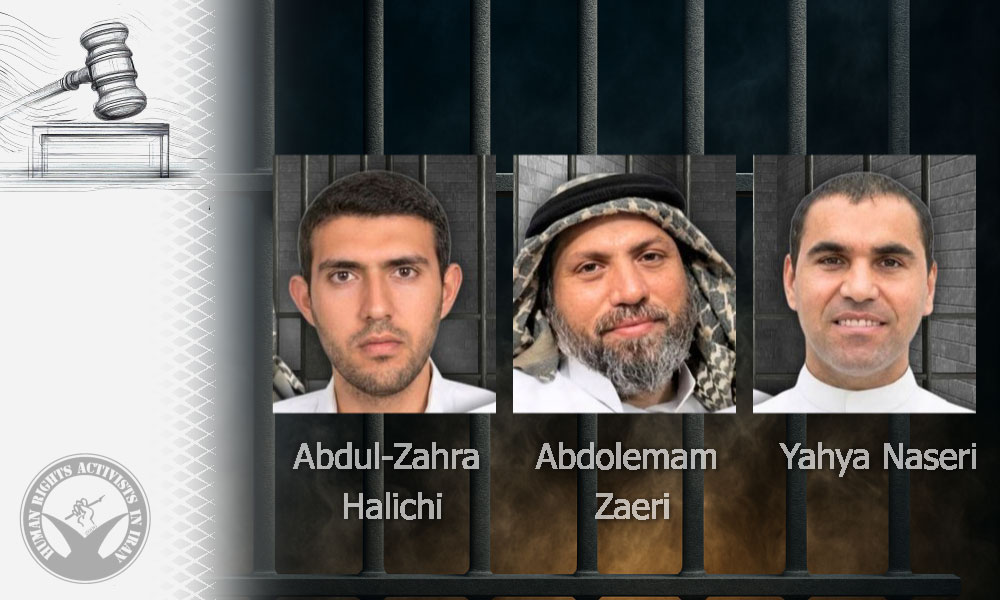
HRANA has also reported the issuance of nine death sentences on charges of murder. Two of those sentenced to death are women. Also, the death sentences of Masoud Jamaei, Alireza Mardasi, and Farshad Etemadifar, political prisoners held in Sheiban Prison in Ahvaz, were upheld by the Supreme Court.

Freedom of Thought and Expression

In the past month, the Iranian regime’s security agencies arrested 73 individuals for expressing their opinions and beliefs. In eleven of these arrests, security forces did not present an arrest warrant. The most prominent example was the detention of fourteen individuals for protest-related activities such as writing protest slogans. These citizens were subjected to forced confessions and accused of having connections abroad. Four people were summoned by security agencies, and eleven others were summoned by judicial authorities. The homes of seven citizens were searched by security forces.

This month, 16 individuals were also tried for expressing their opinions and beliefs. A total of 25 people were sentenced to 905 months of imprisonment. In addition, the Iranian judiciary issued a sentence of 159 lashes. The sentence of 38 lashes against Atash (Zahra) Shakarami, on the charge of “spreading falsehoods,” was also carried out. She is the aunt of Nika Shakarami, one of those killed during the 2022 nationwide protests.

Prisoners’ Rights

The rights of prisoners, especially political and ideological prisoners, are being violated in various ways. In this month alone, 21 cases of denial of adequate medical care for political and ideological prisoners, including Zeinab Jalalian, the only female political prisoner in Iran sentenced to life imprisonment, 25 cases of transferring prisoners to solitary confinement, and 5 cases of prolonged solitary confinement were recorded.
HRANA reported 67 cases of detainees being held in a state of uncertainty, 40 cases in which families of detainees were not informed of their status after their arrest, and 15 cases of forced confessions.
Due to harsh prison conditions, five cases of prisoner suicide, three deaths caused by illness, and ten hunger strikes were documented.
Additionally, six cases of denial of visitation rights and 20 cases of denial of access to legal counsel were recorded.

prisoners rights

Kolbars and Fuel Carriers

Each week, a number of citizens fall victim to the unregulated shootings carried out by military and law-enforcement forces. This month, these shootings claimed the lives of eight citizens and injured five others. Four fuel carriers (sookhtbar) were among those killed, and two fuel carriers and one kolbar were among the injured.
Additionally, due to the explosion of a landmine left over from the Iran–Iraq war, a 40-year-old kolbar named Ebrahim Abdollahi was maimed in the border areas of Nowsud.

Workers’ Rights

In November, 116 labor protests and nine labor strikes were reported, and two labor activists were arrested.
Workplace incidents also claimed the lives of 44 workers and injured 96 others. In addition, a firefighter in Sanandaj attempted self-immolation.
HRANA’s reports this month documented wage arrears affecting 7,886 workers.

Unions and professional guilds also held 100 protest gatherings. Another tragic case was the self-immolation and death of Ahmad Baladi, a 20-year-old student from Ahvaz, in protest against the municipality’s demolition of his family’s kiosk.
HRANA also reported the sealing of 18 commercial establishments, including cafés and traditional eateries.
Additionally, the Iranian judiciary issued eight rulings against union and guild activists, amounting in total to 43 months of imprisonment, sixty months of exile, and four cases of deprivation of social rights.

Women’s Rights

In the past month, HRANA recorded the murders of nine women, including a report about a man in Urmia County who shot and killed his mother, his sister, and his wife’s mother. After the killings, the suspect took his own life in the presence of his young child.

For further statistical details on violence against women over the past twelve months, refer to the HRANA report published in November.

Children’s Rights

Cases of violations against children this month included the murder of two children, one case of a victim of physical violence and abuse, the suicide of a fourteen-year-old teenager in Gachsaran, and one case of sexual assault and abuse. The death of a thirteen-year-old child laborer in Isfahan was also reported.
Additionally, the death of one child and injuries to 104 others due to official negligence were recorded, along with two abandoned newborns.

Religious Minorities

In this month, Iranian courts sentenced four members of religious minorities to a total of 160 months of imprisonment, including the conviction of Shahram Fallah, a Baha’i citizen, to nine and a half years in prison and one year of exile by the Court of Appeal. Three sentences involving social deprivations and two travel bans were also issued against members of religious minorities.
The prison sentences of twelve members of religious minorities, including seven individuals from the Baha’i community and two Christian converts, were carried out. The homes of six members of religious minorities were also searched this month and six people were arrested.

Ethnic Rights

In November, the Iranian regime’s security forces arrested thirteen ethnic rights activists and carried out one home search. In ten of these cases, the forces did not present an arrest warrant.

Inhuman Punishment

In this month, Iranian courts issued a total of 527 lashes against eighteen individuals.
Additionally, in a violation of citizens’ privacy, at least 20 people, including seven actors, were arrested for consuming alcoholic beverages at a mixed-gender gathering.


Ahvaz: Death Sentences for Three Political Prisoners Upheld by the Supreme Court

HRANA – The death sentences of Masoud Jamaei, Alireza Mardasi, and Farshad Etemadifar, political prisoners held in Sheiban Prison in Ahvaz, have been upheld by the Supreme Court. These prisoners had previously been sentenced by the Ahvaz Revolutionary Court to two death sentences each, plus one year in prison.

Earlier this year, Branch 1 of the Ahvaz Revolutionary Court, presided over by Judge Adibimehr, had sentenced each of them to two death sentences and one year in prison on charges of “corruption on earth,” membership in baghi (insurgent) groups, and “propaganda against the regime.”

In the same case, Saman Hormatnejad and Davood Hormatnejad were sentenced by the same court to 12 and 15 years in prison, respectively, on the aforementioned charges. No new information has been obtained so far regarding the latest status of their cases.

In the text of the rulings, membership in the Mojahedin-e Khalq Organization (MEK) was cited as the basis for the charges. This case is considered one of the heaviest security-related rulings issued in recent months in Khuzestan Province.

A source familiar with the case, who requested anonymity for security reasons, told HRANA: “These individuals spent about the past two years in temporary detention without clarity on their legal status. During their detention, they were denied access to lawyers and adequate medical care. The rulings were communicated to them despite gross violations of fair trial principles. The confessions attributed to the defendants were taken under coercion and in inhumane conditions.”

Farshad Etemadifar, Saman Hormatnejad, and Davood Hormatnejad were arrested on June 16, 2023, by Ministry of Intelligence agents. Masoud Jamaei and Alireza Mardasi were arrested on August 1, 2023, by security forces in Ahvaz and transferred to Sheiban Prison.

Following their arrests, Tasnim, an outlet close to the IRGC, claimed in a report that these citizens were connected to the “Monafeqin (hypocrites) network” and intended to carry out “disruptive operations” in the provinces of Khuzestan, Fars, and Kohgiluyeh and Boyer-Ahmad.

It should be noted that in the terminology of the Islamic Republic, the terms “Nefaq” and “Monafeqin” refer to the Mojahedin-e Khalq Organization, one of the Iranian opposition groups.

Farshad Etemadifar is from Kohgiluyeh and Boyer-Ahmad Province, and Masoud Jamaei and Alireza Mardasi (Hamidavi) are residents of Ahvaz. Masoud Jamaei, 47, suffers from liver issues and stomach cancer. His physical condition in prison has deteriorated severely, and he requires urgent treatment and transfer to specialized medical facilities outside the prison. Prior to his arrest, he worked for the National Iranian Oil Company. In late March of last year, he, along with his wife Zeinab Hazbapour and their children Nahid, Dalal, and Roghayeh Jamaei, had been tried by the Bavieh Revolutionary Court on charges of links with one of the groups opposing the regime.

Supreme Court Upholds Death Sentence of Political Prisoner Reza Abdali

HRANA – The death sentence and prison term of Reza Abdali, a political prisoner held in Sheiban Prison in Ahvaz, have been upheld by Iran’s Supreme Court, the country’s highest judicial authority.

Abdali had previously been sentenced to death and 15 years in prison by the Ahvaz Revolutionary Court on the charge of “enmity against God” (moharebeh).

According to information obtained by HRANA, the Supreme Court recently confirmed and notified Abdali’s verdict. He had been convicted in June-July 2025 by one of the branches of the Ahvaz Revolutionary Court on charges of moharebeh, with “connection with the Mojahedin-e Khalq Organization (MEK)” cited as an instance of the accusation.

Reza Abdali, aged 35 and a resident of Ahvaz, is currently held in Ward 8 of Sheiban Prison.

He was arrested in February 2025 (Bahman 1403) by security forces, and after interrogation, was transferred to Sheiban Prison. During his detention, he has been denied access to a lawyer of his choice.