





Author: . .
Three Individuals Executed for Drug-Related Crimes in Meshginshahr

No official sources or domestic media outlets within the country have provided coverage of these executions at the time of writing. In 2023, 66% of HRANA’s reports on executions lacked official announcements by judicial authorities and went unreported by media inside Iran, highlighting a troubling lack of transparency in due process.
The reports from the Department of Statistics and Publication of Human Rights Activists for the year 2023 reveal a concerning prevalence of executions for drug offenses in Iran, constituting 56.4% of the total executions. For a comprehensive examination of the details and statistics surrounding the executions in Iran, refer to HRANA’s report.
Five Arrested in Hashtrud for Environmental Protest

In Hashtrud, East Azerbaijan province, five individuals were detained by security forces following a protest against environmental damage.
The detainees, identified by HRANA as Rahmat Saeedi, Jafar Sharifi, Davoud Sharifi, Hadi Sharifi, and Aghil Talebi, are residents of a village in Hashtrud County.
They were protesting the ecological harm caused by local sandwashing workshops. The protest escalated into violence following intervention by police and security agents, leading to multiple arrests. The specific charges against the arrested individuals have not yet been disclosed.
Juvenile Offender Executed in Miandoab

On May 18, 2024, 20-year-old Ramin Sa’adat was executed at Miandoab Prison for a murder committed when he was 16 years and five months old, reports Kurdpa.
Sa’adat was arrested after a fatal altercation. He maintained throughout his trial that he had not delivered the deadly blows.
No official sources or domestic media outlets within the country have provided coverage of these executions at the time of writing.
In 2023, the Department of Statistics and Publication of Human Rights Activists in Iran registered the execution of 767 individuals. Out of these, 7 were carried out in public. Among the executed individuals whose genders were identified, 21 were female. Additionally, 2 juvenile offenders, defined as individuals under the age of 18 at the time of their alleged crimes, were also executed. For a comprehensive examination of the details and statistics surrounding the executions in Iran, refer to HRANA’s annual report.
Appellate Court Upholds One-Year Sentence for Political Activist Reza Ramezanzadeh
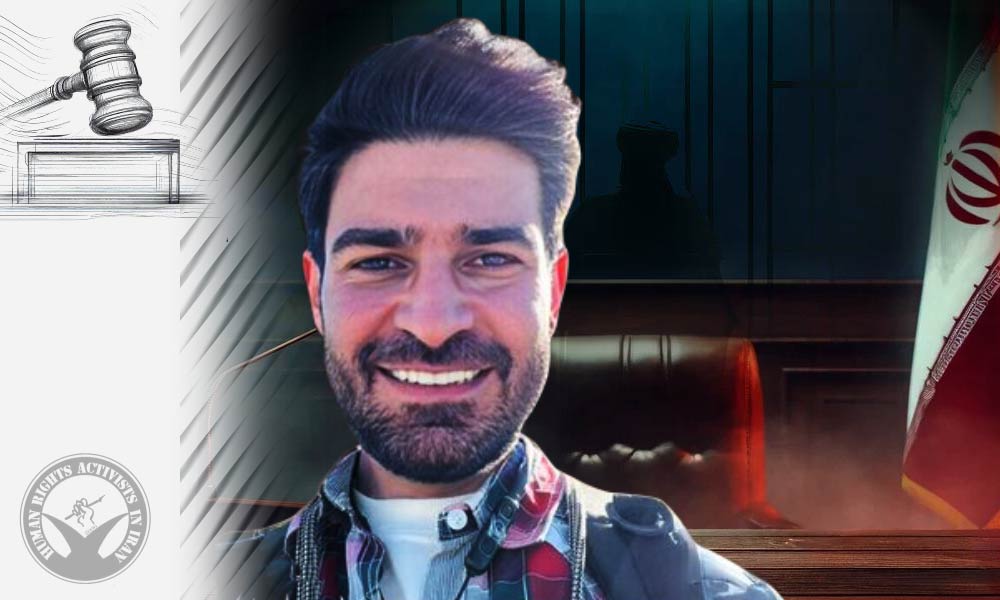
Branch 36 of the Tehran Appellate Court has upheld a one-year prison sentence for Reza Ramezanzadeh.
The sentence was originally imposed by Branch 24 of the Tehran Revolutionary Court, which convicted Ramezanzadeh of “disseminating false information” related to reporting on the conditions of prisoners.
Ramezanzadeh was initially detained in late February 2024 after attending a hearing at the Evin Prosecutor’s Office. He was released on bail three days later.
This incident marks another chapter in Ramezanzadeh’s history of arrests and legal challenges stemming from his political activism.

Four Political Detainees Face Armed Rebellion Charges

Pouya Ghobadi, Babak Alipour, Abolhassan Montazer, and Seyed-Mohammad Taghavi have been recently indicted of armed rebellion (Baghi) by the Public and Revolutionary Court of Tehran. This charge which carries the potential for severe penalties, including the death penalty, raises concerns.
On May 14, 2024, these individuals were indicted of “armed rebellion” for allegations of their involvement with an anti-regime group” and “assembly and collusion against national security.”
Earlier HRANA reported that another political detainee Vahid Bani-Amerian has also faced the same charges. He has been reportedly moved from Ward 209 of Evin prison to the quarantine section of this prison, following his indictment.
Under the Islamic penal code, Baghi is a grievous offense that can lead to severe punishments, including execution, amputation of the right hand and left foot, and exile.
Abolhassan Montazer and Babak Alipour were arrested separately in Tehran on December 22, 2023. Pouya Ghobadi was detained by security forces in Chaldoran, West Azerbaijan province, on February 23, 2024, and subsequently transferred to Maku and then Evin prison. Seyed Mohammad Taqavi was also detained by security forces late last year.
Mashallah Karami Sentenced to Six Years in Prison
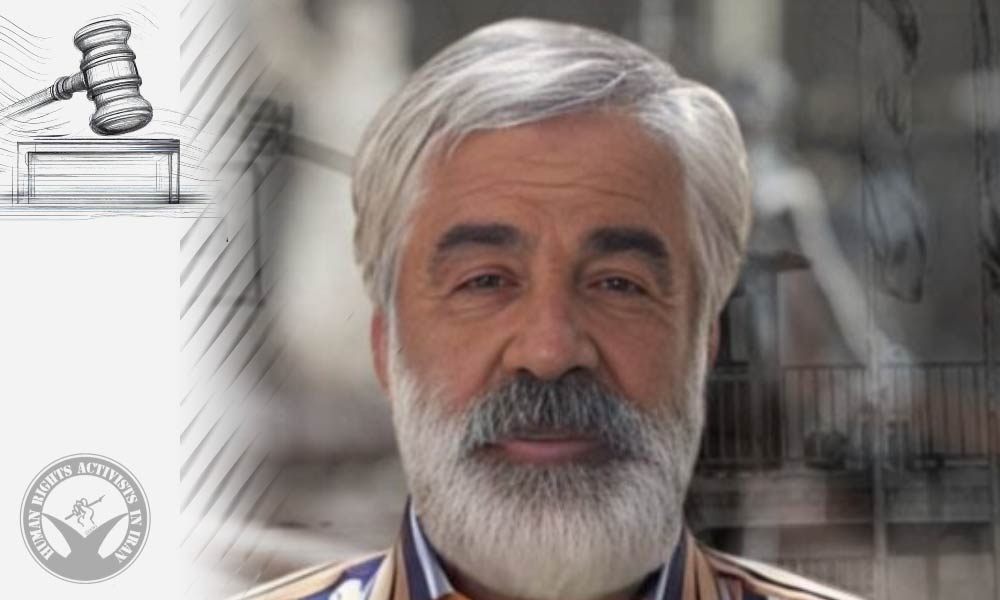
Mashallah Karami was sentenced to six years in prison by the Revolutionary Court of Karaj. This follows the execution of his son, Mohammad-Mehdi Karami, by the regime for his participation in the 2022 nationwide protests.
On May 20, 2024, Branch 2 of the Revolutionary Court in Karaj handed down a verdict sentencing Karami to five years for “assembly and collusion against national security” and an additional year for “propaganda against the regime.”
In March, Karami’s lawyer, Sharifzadeh Ardekani, revealed that his client also faces charges of “acquisition of illegal property” and “money laundering,” which are pending in the Criminal Court of Nazarabad.
Karami was arrested at his home on August 22, 2023. During the arrest, authorities conducted a search, seizing various items from him and his family.
He was initially detained at the Ministry of Intelligence facility before being transferred to the Central Prison of Karaj on October 28, 2023. After spending three months in the prison’s quarantine section, Karami was moved to Ward 15.
It is notable that Mohammad Mehdi Karami and Mohammad Hosseini, both implicated in the death of Basij militia member Ruhollah Ajamian, were executed on January 7, 2023.
Background on the 2022 Nationwide Protests
The arrest of Mahsa Amini by Tehran Morality Police for her improper hijab and her suspicious death on September 16 sparked protests sweeping across Iran. Protesters came to the streets with the central slogan “Women, Life, Freedom” in protest against the performance, laws, and structure of the regime. During the nationwide protests, thousands of people, including journalists, artists, lawyers, teachers, students, and civil rights activists, were arrested.
Father Sentenced to Three Years for Murder of Transgender Son
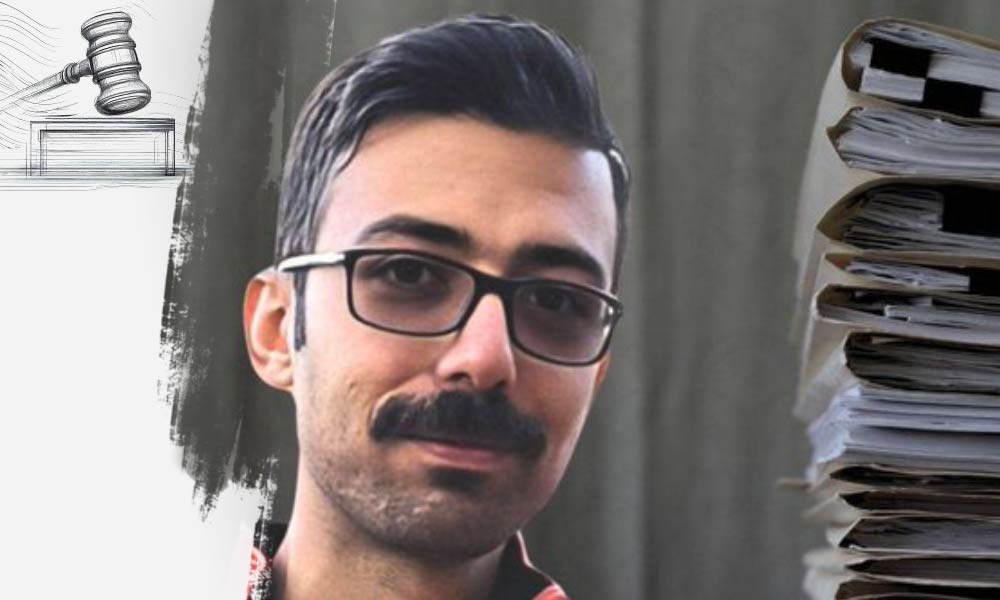
Vahid Bani-Amerian Charged with “Armed Rebellion”
Journalist Manijeh Moazenzadeh Charged Over Comments on Iranian President’s Death
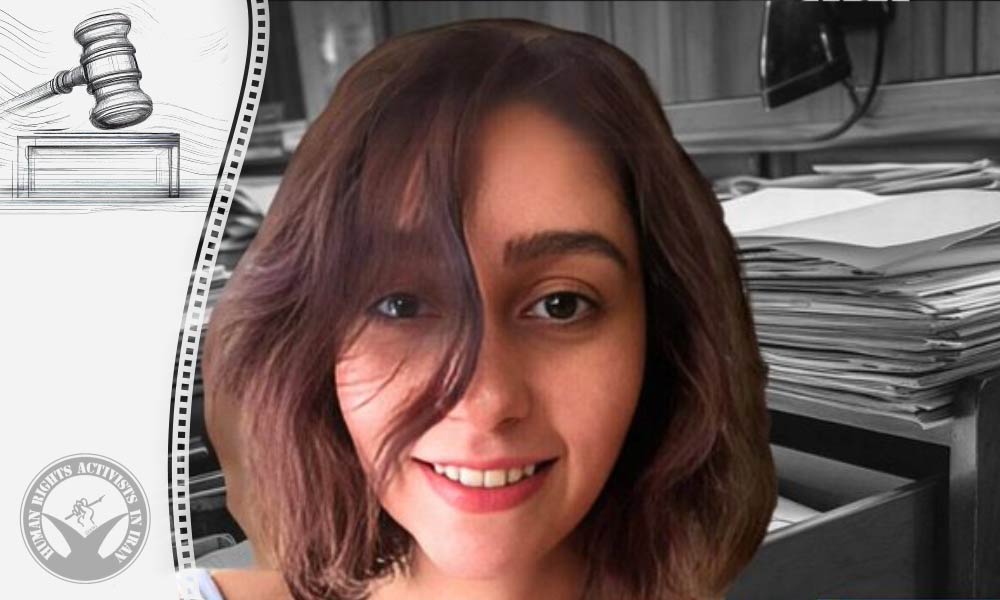
The Culture and Media Prosecutor’s Office has initiated legal proceedings against journalist and translator Manijeh Moazenzadeh following her article about the helicopter crash that resulted in the death of Iranian President Ebrahim Raisi.
Moazenzadeh revealed, “I am facing legal action for my reaction to President Raisi’s death and how I reported it.” She also mentioned that an existing legal case against her, which includes three charges, is still pending without any court hearing scheduled.
Previously, in November 2022, Moazenzadeh was detained by security forces and subsequently released on bail after 19 days. She is currently affiliated with EcoIran and the weekly magazine Tejarat-e-Farda.