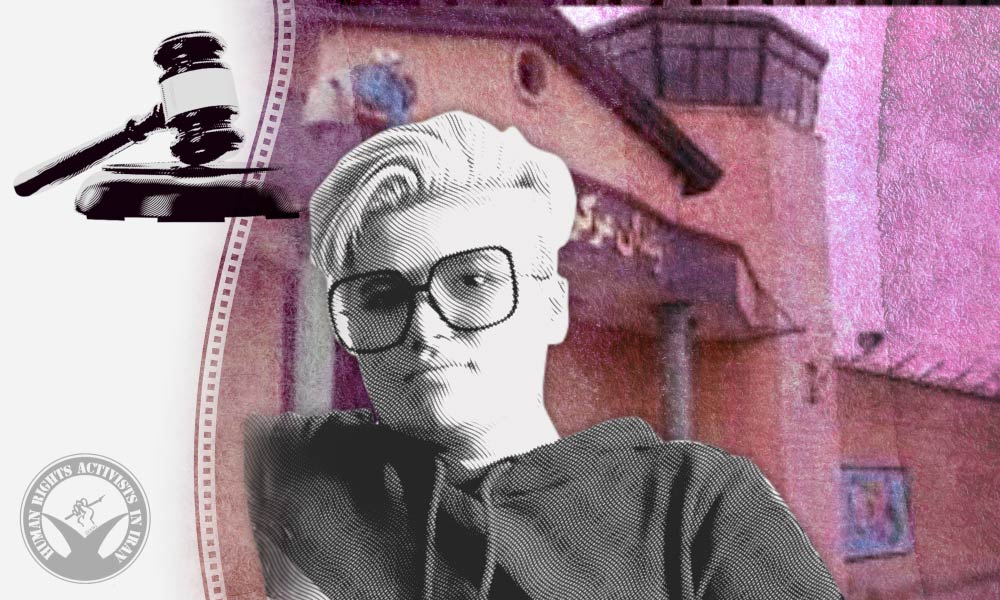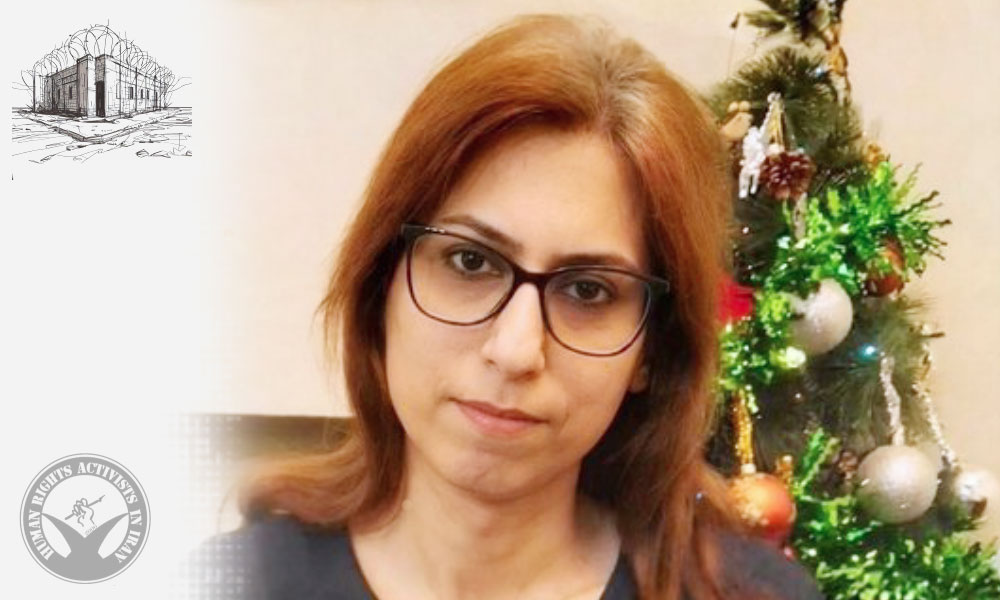
Letter from Prison: Ghazal Marzban Recounts Rape at a Ministry of Intelligence Detention Facility

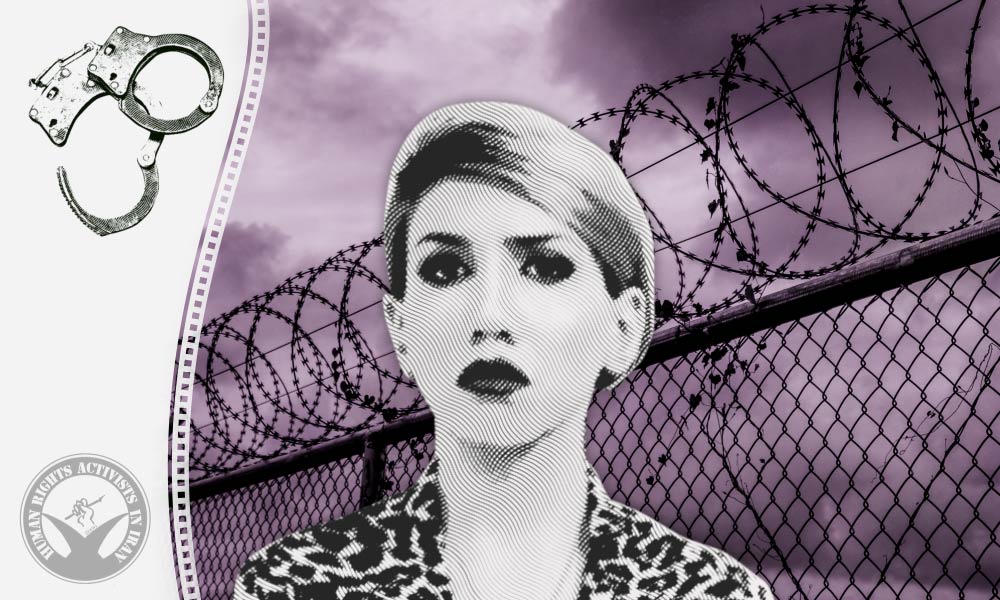
HRANA – Ghazal Marzban, a transgender woman incarcerated in Evin Prison, has written a letter describing her experience of sexual assault at one of the Ministry of Intelligence’s detention facilities. She says that following her arrest in May 2023, she was raped at the detention facility and subsequently threatened into remaining silent about the incident.

According to HRANA, Ghazal Marzban wrote in a letter, a copy of which was obtained by HRANA, that on May 17, 2023, while walking in a park, she was detained by several individuals and taken blindfolded to a location that she later learned was one of the Ministry of Intelligence’s operational detention facilities.

In describing what happened to her at the detention facility, she wrote that after being searched and forced to remove her clothes, she was left in a cell in the basement. According to Ms. Marzban, minutes later, a masked man entered the cell and raped her, an incident that, according to her account, resulted in bleeding as well as physical and psychological injuries. She further wrote that afterward, several officials at the detention facility promised to release her in exchange for her silence and, when releasing her, again threatened her against speaking about the incident.

In another part of the letter, Ms. Marzban wrote that when she was arrested again in January 2026, she was taken back to the same detention facility. She described the fear that the assault might happen again as the “greatest torture” she endured during her 22 days in detention. She also stated that her attempts to file a complaint regarding the rape were met with obstruction and threats, and that she continues to suffer from the psychological effects of the incident.

The full text of the letter, as published by HRANA, follows:


“It was May 17, 2023, a relatively cool afternoon, with mild weather that was pleasant for walking in the park. It was a habit I had maintained for several years to stay healthy.

As I walked, I found myself reflecting on the events of the previous year and everything that had happened to all of us, the people of Iran, since September 16, 2022: the stories of people’s suffering, the blood spilled in the streets, the lives unjustly taken in the pursuit of freedom, the grief we had once again been forced to swallow, and the streets that still bore witness to the solidarity of the Iranian people.

I walked around the park, gradually making my steps firmer and quicker. It was as though, with each step, I was distancing myself from the world around me. The words ‘Woman, Life, Freedom’ could still be seen on the walls surrounding the park. There were even handwritten slogans that seemed to carry the touch of young elementary school girls, little girls who had written them in colored pencil.

I was lost in my thoughts when suddenly two men and a woman stood in front of me. I changed direction, but it seemed they really had come for me. Truthfully, I was a little frightened. Over the years, whenever people like this, with that kind of imposing demeanor, appeared before me, I knew something serious was about to happen.

The woman was wearing a chador and a face mask. After the COVID pandemic, wearing masks had become ordinary for us, but this time, the mask seemed to carry the scent of fear. I don’t know, perhaps they are more afraid of facing their victims than we are of them.

I stood there staring at them until hearing them call my name several times brought me back to the moment: ‘Ms. Marzban, you need to come with us. You are under arrest.’ I asked why, but the only response was anger and threats. I tried to resist going with them, but two more men joined the group and threatened that if I did not go willingly, they would take me by force.

There were two white Samand cars. A woman, a man, and I got into one of them; both of them were wearing masks. The others got into the second car. Once I was inside, they used my scarf to blindfold me.

For about an hour, perhaps longer, I don’t know; I had lost track of time. But I remember that I was arrested at around 2 p.m. It took some time before we reached their intended destination, a place that I later learned, during a subsequent detention, was one of the Ministry of Intelligence’s operational detention facilities.

First, a young man entered my identification details into the system. I was then taken with a woman to a room to be searched. After these procedures, which did not take very long, I was blindfolded and led to another room where two women were present. I was told to remove all of my clothes.

Until that day, I had never been arrested and was unfamiliar with such procedures. I became extremely anxious, crying continuously and pleading with them to let me go. The women, who were wearing chadors and masks, told me not to worry, saying this was standard procedure and that I had to be searched. They said that if I complied, they would allow me to call my husband and tell him that I had been arrested.

At their suggestion, I took off my manteau, but once again I was overcome with anxiety and terror. While I was naked, they wrapped a chador around me and forcibly took me into a cell, where they left me alone.

I got up and looked around the cell. From a small opening high on the wall that looked out into darkness, I realized I was underground. There was a shower and a stainless-steel toilet, separated from the rest of the cell by a low wall. The air was damp and thick with dust, and my breathing grew heavier.

Less than ten minutes later, the cell door opened. This time, a tall man, perhaps around 180 centimeters, entered, speaking in a harsh voice filled with shouting and anger. His eyes stood out beneath a black hood that covered his entire face except for his eyes and mouth. His shirt hung over his trousers, resembling the way men involved in repression typically dress.

He wore a ring set with red agate, with an inscription on it; it stood out against his entirely black clothing. From the sound of his voice, I could tell he was a man in his thirties. He was so large and heavily built that when he entered, his body filled the entire doorway. From the moment he came in, I knew that what was happening was in no way normal.

He shouted at me to change into the two pieces of clothing he had thrown down in front of me. I was terrified. With all the strength I had, I screamed and protested; it felt as though, at that moment, my life was being torn from my body.

I was a human being trapped in a state of absolute helplessness. I wanted to pound on the door and call for help. I did not know what was about to happen. My breathing became heavier, as though I were still walking through the park, faster and faster. It was as if everything were a dream. I could not believe it.

It was me in his hands, not in the gentle hands of my husband, a man who, for years, had respected my boundaries and dignity even when caressing or kissing me. For a moment, I came back to myself: No, this was real. I was still trapped in that room with that man. He had violated the boundaries of my body, my womanhood, my human dignity. My resistance, my tears, my screams…

Time felt like years. I don’t know, perhaps half an hour, perhaps less or more, this brutal rape continued. Afterward, I was left alone. I lay on the floor. The flooring of the room was stained red with a large pool of blood from my body.

I thought of all those whose memories live on, whose precious blood had been spilled on the pavement of the streets the year before—those whose most basic demand had been nothing more than an ordinary life.

Less than five minutes later, the door opened again. Two women wearing masks and chadors, along with another woman dressed in a white nurse’s uniform, came over to me. They tended briefly to my distressed condition and allowed me to put my own clothes back on. They had even brought me my manteau.

Several more men, from among those same operatives, entered the cell and promised that I would be released by that evening in exchange for my promise to remain silent. I wrapped my arms around my knees and sat in a corner of the cell, waiting. I had lost all sense of time. The entire time, I felt as though I were dreaming, but the pain in my body, and the pain in my soul, which was far greater than the physical pain, kept reminding me: “You are awake. You are awake.”

Those people returned, blindfolded me again, and put me into the same car in which they had brought me there. Throughout the journey, they repeatedly threatened me and warned me about the consequences of breaking my silence. They dropped me off somewhere near my home. It was still May 17. It was around seven o’clock.

My phone had rung several times. My husband was worried because he had not heard from me for so long. I called him and told him that I had extended my walking route and had forgotten to take my phone off silent mode.

I returned home. Nothing felt normal anymore. I did not know what to do with the suffering that had been inflicted upon me.

I was worried about my husband. He had been suffering from advanced Parkinson’s disease for several years, and his condition was very poor. I did not know what learning about something like this would do to him. The suffering caused by his illness had crushed his youth like a flower plucked from its stem, and it did not seem right to add another burden to his pain.

I remained silent. I withdrew into myself and distanced myself from others. I stopped going to the park. I made excuses, saying the weather was not suitable for walking. Night after night and day after day, I held my wounded spirit close, searching for some way to heal from the unimaginable experience I had endured.

On January 14, 2026, at around midnight, I was arrested again. This time, it was much like the previous occasion, except that many other women were with me. Perhaps their presence, and the large number of detainees, somewhat eased my fear that what had happened before would happen again.

This time, too, I was taken to the same place. During the 22 days I spent in the Ministry of Intelligence’s detention facility, my greatest torment was the fear that the horrific incident would be repeated. I objected several times to men entering and leaving the women’s detention area, but the officials there responded harshly.

Ultimately, I went on a hunger and thirst strike. After ten days, when I was close to death, they transferred me to prison.

After I was arrested last (Hijri) year, I tried several times to formally file a complaint about the sexual assault, but each time they refused and used threats to keep me silent. Now, seven months after my arrest and imprisonment, I continue to endure the bitter days and routines of prison while still suffering from anxiety whenever I see men.

Yet I remain hopeful that one day, the seeds of our suffering will sprout and the tree of our pursuit of justice will grow strong. Through this letter, I seek justice for the suffering that the Ministry of Intelligence inflicted upon my life. Perhaps, too, I can help pave the way for courage to spread and multiply, so that we may speak out about the abuses that run rampant in the dark chambers of oppression under the Islamic Republic.

I remain hopeful for the day my country is freed from the scourge of authoritarian violence, particularly the religious authoritarianism against which women have for years stood among the foremost ranks of resistance. For years, women have spread courage and achieved victories through civil activism, the struggle of ideas in universities, think tanks, and justice-seeking circles, and through acts of civil disobedience.

We have proven that our power to prevail is greater than the power of missiles and bombs used to dominate and subjugate. We are the ones who brought protest from our homes into the streets.

We will return once again to the front lines of the struggle of ideas, until the day freedom of thought, freedom of belief, freedom to choose how we dress, and liberation from authoritarian rule are realized for our beloved homeland, not through an enemy attack, but through the resistance of the women and men of Iran.

Long live freedom; long live our homeland, Iran.”

Ghazal Marzban, August 2026.


Regarding Ghazal Marzban, it should be noted that in June of this year, Branch 26 of the Tehran Revolutionary Court sentenced her to nine years and eight months in prison. The sentence was issued on charges including “propaganda against the regime” and “assembly and collusion against national security.”

Ms. Marzban was arrested by security forces at her home in Tehran on January 15, 2026. She was subsequently transferred to Evin Prison.

Marzban, who converted to Catholic Christianity, has previously served prison sentences in connection with her activities.

It should also be noted that in recent years, this Christian convert faced numerous difficulties obtaining Parkinson’s medication for her spouse. Marzban has claimed that some of these difficulties were related to the couple’s Christian faith.

Ghazal Marzban Jourshari is a law graduate originally from Lasht-e Nesha, Rasht, and resides in Tehran.
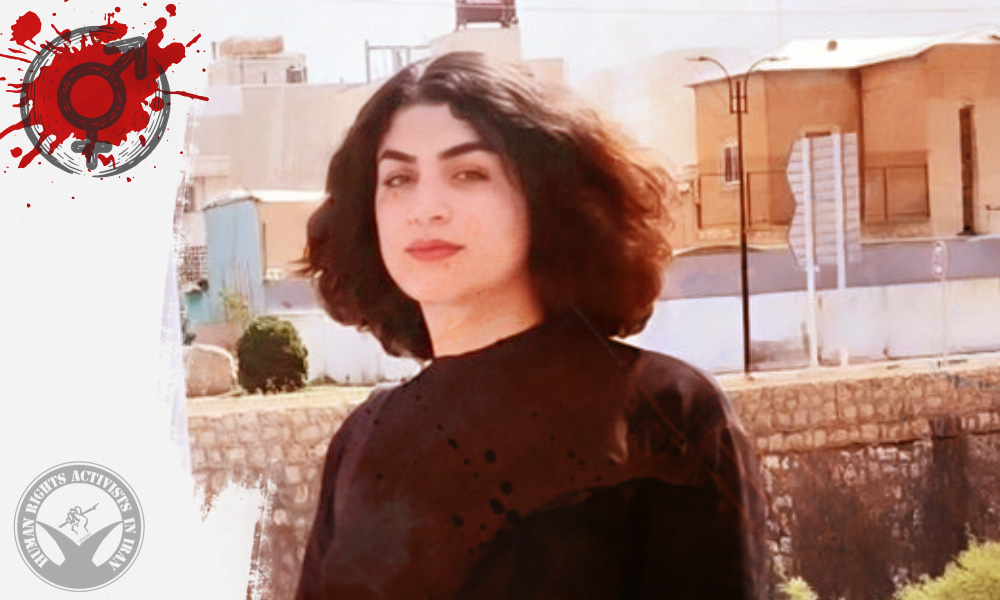
Trans Woman Sogand Pakdel Killed by Uncle in Honor-Related Shooting

HRANA – Sogand Pakdel, a 25-year-old trans woman, was shot and killed last month in the city of Kavar, Fars Province, by her uncle. The killing occurred during her cousin’s wedding and was motivated by so-called “honor.”

A source familiar with the case told HRANA: “Sogand Pakdel, around 25 or 26 years old, was a well-known member of the trans community in Shiraz and surrounding areas. She had been repeatedly threatened, subjected to violence, and even abducted by her family—especially by male relatives. In recent years, after being rejected by her family, she was living in a guesthouse in Shiraz. She never remained silent in the face of family violence and sometimes posted videos online demanding recognition of trans people’s right to live freely. Her father reportedly died of a stroke brought on by emotional distress related to her gender identity, which may have further fueled the family’s hostility.”

Sogand had endured a difficult life, including multiple abductions and physical assaults in remote areas by her own relatives. A close acquaintance told HRANA: “Living in a village or small town with a different appearance can, in itself, provoke those around you. Unfortunately, in the Ghashghaie community, hypermasculine notions of ‘honor’ are still widespread.”

According to information obtained by HRANA, Sogand’s family had tried to prevent her from attending the wedding through threats. Nevertheless, she attended in her feminine appearance. Upon her arrival, her uncle first fired a warning shot into the air, then shot her in the head, killing her instantly.

The source also noted that only a few people attended Sogand’s funeral due to ongoing threats from the family, including her uncle—who ultimately took responsibility for her burial. He later turned himself in to the police and confessed to the murder.

A friend of Sogand told HRANA: “She was always defiant—and she paid for it with her life.”

Sogand Pakdel’s killing highlights the systemic lack of legal protection for trans and queer communities in the Islamic Republic of Iran, where they continue to face discrimination, criminalization, and persistent violence. Discriminatory laws, including those related to compulsory hijab, a medicalized approach to gender identity, and cultural propaganda that legitimizes so-called “honor killings,” all contribute to the conditions that allow such crimes to occur.

Father Sentenced to Three Years for Murder of Transgender Son

In February of last year, the Criminal Court of Tabriz sentenced a man to three years in prison for the murder of his 17-year-old transgender son, sparing him from more severe punishment. According to the report by Rokna, the man killed his son, Parsa, because he wore makeup.

During his trial, the father defended his actions by stating, “Parsa had feminine sexual inclinations, and we did everything we could to treat him, but none were effective because Parsa did not cooperate and kept running away from home. His behavior was completely uncontrollable.” He also attempted to place Parsa in the care of the State Welfare Organization, which declined due to Parsa’s conditions.

The father further claimed that Parsa had recently tried to influence his younger brother, asserting, “His brother said that when we are alone at home, Parsa shows pictures of his friends and talks about the ‘immoral acts’ they perform together. I could no longer bear it. I felt so disgraced and embarrassed among friends and relatives.”

Ultimately, referencing Article 612 of the Fifth Book of the Islamic Penal Code, the court sentenced the man to three years in prison, including time already served. The Islamic Republic’s laws designate the father as the primary “blood avenger,” a status that can spare him from severe punishment in cases involving the killing of a child. This provision has been widely criticized by many who argue that it sometimes enables repeat offenses.

It is important to note that transgender individuals have a gender identity that differs from the sex assigned to them at birth. Not all transgender individuals seek gender confirmation surgeries. However, under Iranian law, a transgender person’s identity is recognized officially only after undergoing surgery and sterilization.

No specific regulations have yet been established in Iranian law regarding the transition process for transgender individuals; however, a section was included in the 2013 Family Protection Bill. In 1983, Ruhollah Khomeini issued a fatwa legitimizing gender reassignment surgery. The absence of uniform laws for changing documents and obtaining necessary surgical permits has created significant challenges for transgender citizens, navigating legal complexities and facing arbitrary and sometimes exploitative behaviors by certain legal authorities.

Criminalized Identity: Highlighting LGBTQ+ Rights Abuses In Iran

Iranian LGBTQ+ individuals face systematic persecution that is both state-sponsored and pervasive. Legal frameworks and government policies explicitly endorse violence and discrimination against the LGBTQ+ community.

HRA, through extensive research via its Spreading Justice initiative, has identified the state institutions and individuals involved in human rights violations against these sexual and gender minorities. The research draws on detailed case studies and insights from members of the community advocating for change both within and beyond the borders of Iran.

State-Sponsored Homophobia: Institutional and Legislative Enablers

The Iranian government’s perpetuation of discrimination against LGBTQ+ individuals is overt and multifaceted. Dating back decades, there are seemingly endless examples of the widespread, State-sponsored discrimination faced by LGBTQ+ individuals in Iran.

The following are a mere few:

The notorious, “Modesty and Hijab Bill,” though not fully ratified, has already been used by State broadcasters to actively promote homophobia. Article 8 paragraph 2 of this bill compels the Broadcasting Organization of Iran to produce content that counters homosexuality, effectively legislating hate and reinforcing societal prejudices against LGBTQ+ individuals. The bill also explicitly tasks the Broadcasting Organization of Iran with promoting content that vilifies homosexuality, contributing to the spread of hatred against homosexuals, sanctioned by state media. Despite awaiting confirmation by the Guardian Council, the police force has practically enforced the hijab law in numerous cities, further institutionalizing discrimination against the LGBTQ+ community under the guise of upholding modesty and moral values. One example of spreading hatred against the LGBTQ+ community is, guest speakers on talk shows spreading false narratives. For example on Jaryan talk show, the Guest speaker questions the boundaries of freedom of expression in Europe, stating that while they can insult prophets, according to him, speaking against homosexuality leads to consequences.

In addition, The Research Center of the Parliament –which is a part of the Islamic Council Research is responsible for conducting study and research projects to provide advisory opinions to the representatives, commissions, and presidium of the Islamic Council— has produced reports that suggested temporary marriage as a remedy to homosexuality, in essence legitimizing State interference in personal identities. In 2014 a report titled Temporary Marriage and Its Effect on Adjusting Illicit Sexual Relations stated “Out of 141,552 middle school students across the country, 24,889 were identified as homosexuals.” The report went on to advocate for temporary marriage as a corrective measure, reinforcing harmful stereotypes.

Forced Conformity

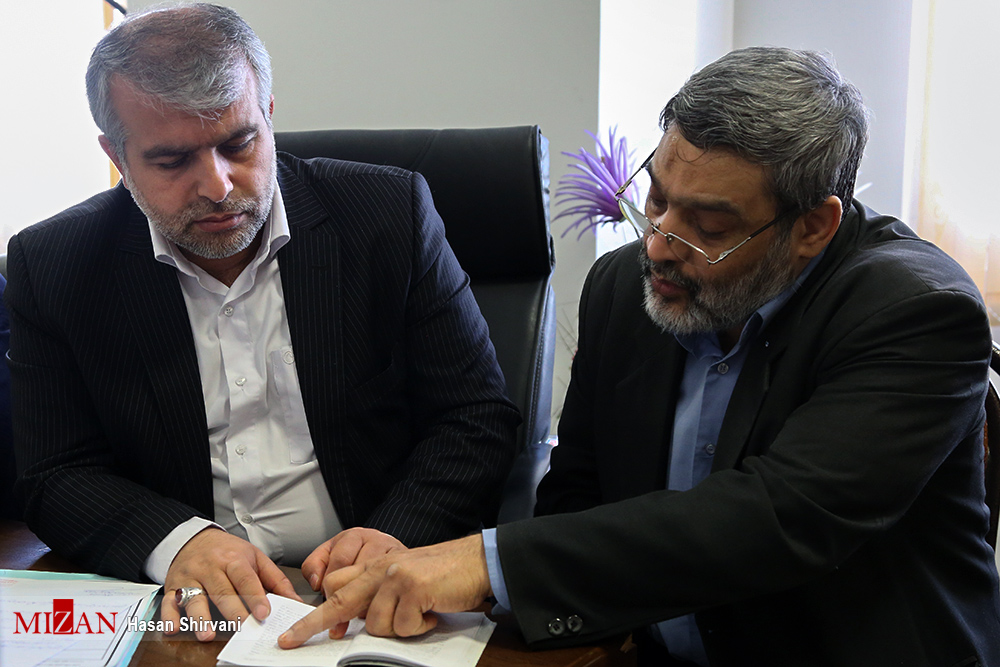
In Iran, the judiciary plays a critical role in enforcing discriminatory laws against the LGBTQ+ community, particularly impacting transgender individuals. A stark example of this is Judge Abbas Ghaderi, head of Branch 45 of the Special Judicial Complex for Family Matters in Tehran. Ghaderi is notorious for his harsh requirements for transgender individuals who seek the legal recognition of their gender. Under his jurisdiction, transgender individuals are compelled to undergo extensive and invasive surgeries to legally change their gender markers on identification documents.

Abbas Ghaderi

Ahmad Ahmadi-Sadr

Alireza Nadali Sherestanaki

The extensive nature of Ghaderi’s behavior can be explored in more depth via his profile on the Spreading Justice database.

Iran has a gender binary legal framework and the law mandates that individuals select either male or female and undergo corresponding gender-confirming surgeries for legal recognition. The mandated surgeries are physically demanding, carry significant medical risks, and entail high financial costs that many cannot afford.  Requiring these surgeries as a condition for legal recognition imposes an unjust burden on transgender individuals, making their right to identity contingent upon their willingness and ability to undergo medical procedures. Moreover, those who refuse or are unable to choose a binary gender and undergo the prescribed surgeries face severe consequences. They are often denied access to basic services and rights, such as employment and education. This denial extends to various aspects of public life, effectively marginalizing them and limiting their ability to participate fully and freely in society.

In addition to these surgical requirements, transgender citizens must navigate a lengthy and arbitrary legal process to obtain identification documents that reflect their gender identity, often resulting in the removal of reproductive organs such as the uterus, ovaries, and testicles. These heavy and irreversible surgeries, coupled with the high costs and low quality of medical care available, further exacerbate the challenges faced by transgender Iranians. HRA has documented instances where local judges, like Judge Ghaderi, apply these requirements inconsistently, adding to the confusion and discrimination.

LGBTQ+ voices from inside the country

The situation for LGBTQ+ individuals in Iran is dire, marked by systemic discrimination, abuse, and persecution. Accounts from community members reveal the depth of their suffering and the pervasive fear that governs their lives.

“Being interrogated was a nightmare. They made fun of me, taunted me, and treated me like a criminal. Even soldiers who were supposed to be impartial joined in the abuse. When I was finally taken to prison, I was so humiliated that I wanted to disappear,” one individual recounted. This testimony highlights the hostile and dehumanizing treatment faced during interrogations.

The Iranian regime’s propaganda machinery further exacerbates the plight of LGBTQ+ individuals. “The regime actively fuels animosity against us. They even burn our flag in government marches and use derogatory language to perpetuate negative stereotypes about us. They exploit existing societal taboos to bolster their campaign of humiliation and oppression. This rhetoric reinforces deeply ingrained prejudices and strengthens the stigma surrounding our community,” shared another member. Such actions by the government serve to legitimize and intensify public hostility and discrimination against the LGBTQ+ community.

Living in constant fear, many LGBTQ+ individuals face profound personal and social risks. “My greatest fear is that coming out could cost me my freedom or my future. Arrests, job loss, or social ostracism are very real risks, even if I’m fortunate to have a supportive family. My fear is for those who have no such support,” explained a third individual. This fear is not unfounded, as Iran’s legal and social environment is extremely hostile towards LGBTQ+ individuals, often leading to severe consequences such as imprisonment, loss of employment, and social exclusion.


Military Service

In the realm of military service, discrimination persists with the “Nervous and Mental” classification in the medical exemption regulations. This classification, used to exempt transgender and homosexual individuals from mandatory military service, not only stigmatizes but also carries severe long-term repercussions. The label of a mental disorder is then recorded in their medical and military records, casting a long shadow over their lives, and impacting their ability to secure employment and access social services.

The military exemption, known as the “red card,” creates additional barriers to obtaining licenses or employment in public offices, reflecting a broader pattern of state-sanctioned discrimination against LGBTQ+ individuals in Iran. This systematic marginalization,  reinforced by both legal mandates and societal attitudes, impedes the full participation of LGBTQ+ individuals in society.

Although there have been some changes since the enactment of the Examination and Medical Exemption Regulation for Conscription in 2014, which shifted the review of exemptions for transgender and homosexual individuals to specific sections, colloquially known as the “Nervous and Mental” section, the stigma attached to these exemptions persists. Despite the World Health Organization’s reclassification of being transgender from mental and behavioral disorders and the removal of homosexuality from the list of mental disorders in 1990, the implications of these exemptions remain problematic in Iran, especially considering the criminalization of same-sex relations. This has led to increased caution and strictness in issuing exemptions, which some manage to obtain only after extended efforts, often limited to an exemption from combat rather than a complete waiver from military service.

Systematic Exclusion from Professional and Social Arenas

The exclusion from additional professional and social arenas is another facet of discrimination faced by LGBTQ+ individuals in Iran. Notable figures such as Mohammad Heidari, former head of City Theater, and Seyed Sadegh Mousavi, head of the Evaluation and Supervision Council of the General Directorate of Performing Arts, have played significant roles in excluding transgender individuals from the arts. The case of Saman Arastoo, a well-known actor who faced systematic exclusion from theater productions following his gender confirmation surgery, illustrates the professional and personal costs of such discrimination.

    Invisible Removal from the Work Environment

Some transgender individuals are deprived of continuing their careers in their specialized fields after coming out. Saman Arastoo, who was a recognized actor in cinema and theater, found himself ousted from the job market shortly after his gender confirmation. In 2020, in an interview with Ensaf News, addressing his removal from a theater production in 2008, Arastoo detailed that Mohammad Heidari, the head of City Theater, and Seyed Sadegh Mousavi Mousavi, from the Evaluation and Supervision Council, decided to remove him from the main character role after a lengthy review process. Arastoo stated, “Many students have been in my classes or participated in my self-awareness workshops. They are transgender and have studied at the University of Arts, and they are never given any work. I always tell the kids to make sure to do two or three art projects, whether in theater or cinema, before undergoing surgery so that they face fewer problems after the operation.”

    Marginalization from the Social Sphere

The marginalization extends beyond professional spheres into social settings. Alireza Nadali, the spokesperson for the Islamic Council of Tehran City, has publicly criticized the presence of transgender citizens in Daneshjoo Park, suggesting that their presence in public spaces should be regulated and not be allowed in cultural spots of the city. This type of rhetoric contributes to the stigmatization and marginalization of transgender individuals, limiting their ability to participate in public life.

    The Plight of Homeless Transgender Individuals

Economic and social challenges are further compounded for transgender individuals facing homelessness, a situation exacerbated by widespread family rejection owing to societal taboos and systemic barriers. In 2019, the Daneshgah News Agency highlighted the refusal of shelters to accommodate transgender individuals, citing a case where the Tehran Municipality was questioned for allowing a transgender individual to stay in a women’s shelter. In response to growing pressures, Ahmad Ahmadi Sadr from the Social Services and Participation Organization of Tehran announced plans in 2023 to establish specialized shelters. However, these promises were quickly retracted, underscoring a lack of genuine commitment to addressing the needs of transgender individuals facing homelessness.

Vulnerability to Violence

The vulnerability of LGBTQ+ individuals to violence is pronounced, with minimal protection or recourse available through legal channels. Incidents of violence, such as the assault on a 23-year-old transgender woman in Sanandaj by her brother, often go unaddressed by authorities, leaving victims without support or justice. The lack of a safe environment, even for welfare workers, places these individuals at greater risk, highlighting the systemic neglect and discrimination they face daily.

These examples starkly illustrate the multifaceted discrimination and exclusion faced by LGBTQ+ individuals in Iran, spanning professional, social, and personal spheres. The systemic nature of this exclusion, supported by both governmental policy and societal attitudes, necessitates urgent reforms to protect the rights and dignity of the LGBTQ+ community in Iran.

Security Measures Against LGBTQ+ Members

The plight of LGBTQ+ individuals in Iran extends into their treatment under security measures and legal actions. During the nationwide protests in 2022/23 Rahaa Ajoudani, a transgender citizen living in Tehran, was arrested and faced severe judicial consequences. She was sentenced to two and a half years in prison and banned from leaving the country, although her sentence was later converted to a fine due to “living conditions as a transgender woman and the lack of a proper facility for detention.” This adjustment speaks volumes about the unsuitable conditions in detention facilities, which were further highlighted by leaked surveillance footage showing inadequate facilities and oversight in the specific prison ward where she was held.

Furthermore, the morality police and law enforcement agencies have historically targeted transgender individuals based on their appearance. Recent allegations have included accusations of promoting immorality, leading to arrests and detentions. For instance, in Gonbad-e Kavus in April 2023, a citizen was detained on such charges. Additionally, State-affiliated media have been involved in propagating stigmatizing narratives, including releasing videos of “forced confessions” from five transgender individuals, casting further doubt on the fairness and transparency of legal proceedings against the LGBTQ+ community. The ultimate fate of these individuals remains unknown, underscoring the ongoing risks and uncertainties faced by the community.

Conversion Therapies

Conversion therapies, which are widely discredited by global health authorities, are still promoted and practiced, often under the guise of religious and psychological “treatment.” Dr. Davood Najafi Tavana, for instance, advertises conversion therapies on his website, offering medication, hypnotism, and aversion therapy as methods to change an individual’s sexual orientation from homosexual to heterosexual. Similarly, the Mehr news agency and the ISNA news agency have published claims supporting the efficacy of conversion therapy, despite widespread international condemnation of such practices. These actions are indicative of a broader societal and governmental stance that views homosexuality and diverse gender identities as disorders that need to be “cured” or “corrected,” further alienating and endangering the LGBTQ+ population.

The Organization of Psychology and Counseling, as the overseeing body for psychologists, does not take any action regarding the unscientific claims made by practitioners of conversion therapy. This is despite the fact that these so-called therapies have long-lasting or irreparable effects on individuals’ mental health, particularly adolescents. Among the responsibilities of this organization are issuing licenses and permits for members of the organization (psychologists and counselors) and monitoring the quality of their professional work.


Hate Speech

Hate speech against the LGBTQ+ community is rampant among high-ranking officials and media outlets in Iran. Historical and ongoing rhetoric from figures such as Ebrahim Raisi underscores the institutional disdain and disregard for LGBTQ+ rights. In a notable instance during a visit to Uganda in 2023, President Raisi criticized Western countries for promoting homosexuality, linking it to broader geopolitical conflicts and cultural wars. He stated, “Western countries are pressuring independent countries by attacking the family foundation, promoting the ugly phenomenon of homosexuality, spreading extremism and terrorism, and using human rights as a tool.” He further stated “This [homosexuality] is one of the dirtiest things that has happened in human history”, he even goes as far as saying homosexuality is created to “extinct humans”. His statements, alongside those of Vahid Yamin Pour, Secretary of the Supreme Council for Youth, who praised Uganda’s harsh anti-homosexuality laws, reflect a deep-seated animosity towards LGBTQ+ rights, both domestically and internationally.


The Urgent Need for Accountability and Reform

Iran’s legal framework and practices concerning homosexuality and in particular forced gender reaffirming surgery contravene several fundamental principles of international human rights law. These include the rights to life, privacy, freedom from torture and cruel treatment, bodily autonomy, and the principle of nondiscrimination.

The criminalization of homosexuality and importantly the imposition of the death penalty for consensual same-sex activities are severe violations of the right to life, as protected under Article 6 of the ICCPR. The United Nations Human Rights Committee (UNHRC) has consistently maintained, as noted in the general comment, that the death penalty should only be applied to the “most serious crimes,” a category that does not encompass consensual sexual relations. Furthermore, such criminalization on this ground constitutes an arbitrary interference with privacy.

Compulsory gender reaffirming surgeries infringe upon the right to health, which encompasses the right to make autonomous decisions regarding one’s body. This practice directly contravenes international human rights standards that protect individuals from non-consensual medical treatments and uphold their right to personal health decisions. The forced imposition of gender reaffirming surgeries on transgender individuals in this way amounts to cruel, inhuman, and degrading treatment.

Finally, discrimination based on sexual orientation and gender identity is prohibited by international human rights law. Iran’s laws target LGBTQ+ individuals, leading to systematic discrimination that violates their inherent dignity and equality.

The international community must support LGBTQ+ activists and pressure Iran to change its laws to meet international human rights standards and uphold its obligations. There must also be accountability for all past and ongoing violations.

By systematically identifying and discussing the roles of specific perpetrators and institutions, HRA seeks to underscore the accountability necessary for addressing human rights violations against LGBTQ+ individuals (as a persecuted group) in Iran.

In Iran, essential reforms must include decriminalizing homosexuality, abolishing the death penalty for consensual same-sex activities, and halting forced gender-reaffirming surgeries.

These changes are crucial to ensure that Iran respects and protects the fundamental human rights of all individuals, regardless of their sexual orientation or gender identity.

As the international community continues to watch, these efforts must be supported and amplified to foster real and lasting change.


List of perpetrators mentioned in the Report  

Ebrahim Raisi: President of the Islamic Republic of Iran

Abbas Ghaderi: Former Head of the 45th branch of the Special Judicial Complex for non-litigious matters at the Public and Revolutionary Courts of Tehran

Alireza Nadali: Member and spokesperson of the Tehran Islamic Council

Ahmad Ahmadi-Sadr: CEO of the Welfare, Services, and Social Partnerships Organization of Tehran Municipality

Transgender Individual Arrested in Gonbad-e Kavus for Alleged Promotion of Indecency

The police chief of Gonbad-e Kavus, located in Golestan province, has announced the arrest of a transgender individual on charges of “promoting indecency and promiscuity,” as reported by the Borna News Agency.

According to police officials, the detainee was accused of “gathering a group of young motorcyclists to cause traffic disruptions in Gonbad-e Kavus, with the intention of promoting indecency and promiscuity.”

While specific details of the alleged actions promoting indecency were not provided, the police chief suggested that the individual’s motive was to seek adventure and demonstrate their abilities to their friends. Legal proceedings have been initiated against the individual in question, as confirmed by the police chief.

Subscribe to Our Newsletter

Now is definitely not the time to stop reading!

Five Transgender Individuals Arrested and Coerced into Confession

In Tehran, five transgender citizens were arrested following a quarrel with a religious vigilante who targeted them for their attire. The footage of their coerced confession has recently been released by security-affiliated media.

According to HRANA, the news agency of Human Rights Activists, quoting Hamshahri, five transgender citizens were apprehended in the Afsariyeh district of Tehran.

The incident unfolded when a self-proclaimed religious enforcer took it upon themselves to interfere with these citizens, citing the religious duty of “enjoining good and forbidding wrong,” ultimately resulting in the arrest of these transgender individuals. Consequently, legal action has been taken against them.
The recently published video captures their forced confession, in which they express remorse for their behaviour and appearance. The identities of these individuals remain unknown at present.

Recognition of transgender identity in Iran is solely contingent upon undergoing state-supported sex reassignment surgery. Additionally, there are instances where homosexual individuals are coerced into undergoing such surgeries to alleviate legal and social pressures.

Iran Protests: Non-binary Teenager Raha Ajodani Arrested

On December 17, 2022, Raha Ajodani, a non-binary teenager, was arrested by security forces in Tehran and reportedly transferred to a youth detention centre.

According to HRANA, the news agency of Human Rights Activists, on December 17, 2022, Raha Ajodani was arrested in Tehran.
An informed source told HRANA, Ajodani was arrested while leaving her home. The agents searched the house and confiscated some of her belongings.

“Since her registered gender does not match her gender identity, it is unclear in which section for boys or girls, Ajodani has been sent, raising her family concerns,” this informed source added.

Despite frequent family inquiries, the reason for her arrest and the charges are unknown.

Earlier, on October 26, 2022, Ajodani was arrested at recent protests and released after a few hours.


59 Human Rights Organizations Call for Abolition of Death Penalty for All Offences

On October 10, the 20th anniversary of the World Day Against the Death Penalty, Human Rights Activists in Iran and 58 other human rights organizations issued a joint statement to draw attention to gender bias and discrimination against women and LGBTQIA+, which can negatively impact the judicial process. They also called for the abolition of the death penalty for all offenses.

The following is the full text of this statement:

20TH WORLD DAY AGAINST THE DEATH PENALTY

On this 20th anniversary of the World Day Against the Death Penalty dedicated to the link between torture and the use of the death penalty and in continuation of the 2021 World Day Against the Death Penalty dedicated to women facing capital punishment, sentenced to death, executed, pardoned or charged with a capital crime and found not guilty, the members of the World Coalition and allies of women and LGBTQIA+ individuals sentenced to death take this opportunity to:

  • Draw attention to gender bias in the use of torture in the judicial process leading to the imposition of the death penalty. Women and LGBTQIA+ individuals are particularly at risk to abuse, including physical, sexual, and psychological torture. In addition, women victims of gender-based violence, who are over-represented on death row, are at risk of making false confessions when subjected to coercive investigative methods, especially those carried out by men.
  • Emphasize that violence against women and LGBTQIA+ individuals in detention – including gender and sexual abuse and harassment, inappropriate touching during searches, rape, and sexual coercion – can rise to the level of torture or cruel, inhuman, or degrading treatment or punishment, in violation of the International Covenant on Civil and Political Rights (ICCPR) and the Convention Against Torture (CAT), among others.
  • Accentuate that women and LGBTQIA+ individuals have specific needs, including sexual and reproductive health care, medical and mental health care, harm reduction services for those using drugs, and protection from gender-based violence, among others. These needs are not systematically considered and covered in prisons, which can turn detention into torture.
  • Stress that in many countries, particularly those with the mandatory death penalty, women and LGBTQIA+ individuals may be sentenced to death without considering their experiences of gender-based violence, among their other vulnerability aspects, prior to incarceration.

More broadly, the members of the World Coalition and allies of women and LGBTQIA+ individuals sentenced to death and at risk of being sentenced to death wish to use this 20th anniversary to:

  • Emphasize that, as done by the Special Rapporteur on extrajudicial, summary or arbitrary executions in its 2022 report, the death penalty as currently practiced can be considered as torture.
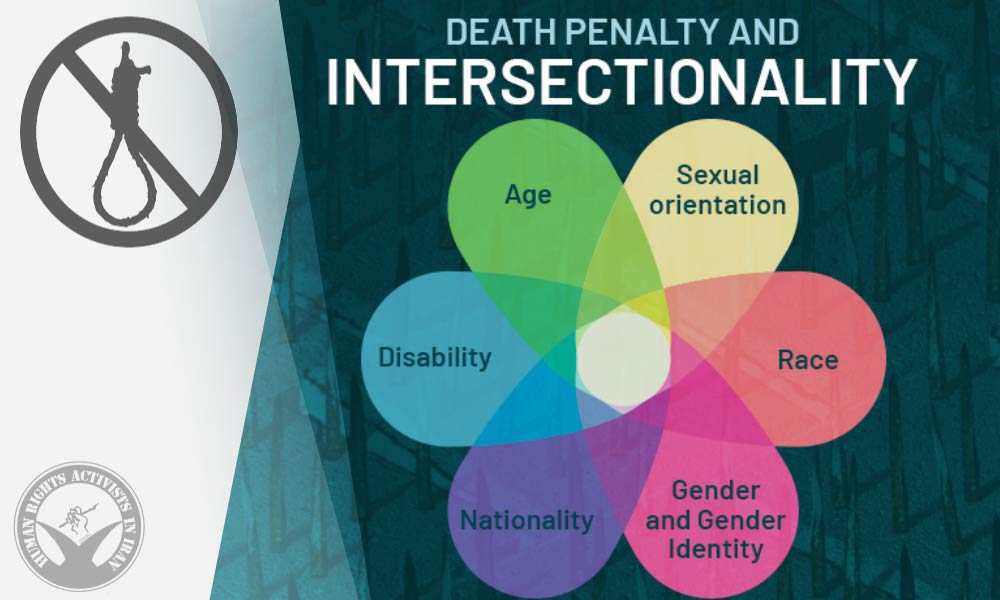
  • Call attention to the intersectional discrimination and inequalities that women and LGBTQIA+ individuals face, as these can negatively impact the judicial process leading to the death penalty. Pervasive gender biases in criminal legal systems influence: the investigation, through gender bias by law enforcement; the trial, where marginalized women and LGBTQIA+ individuals tend to be denied fair trial; and at the sentencing stage, where mitigating circumstances that might benefit women and LGBTQIA+ individuals sentenced to death are not considered.
  • Recall that, in violation of international human right law and standards, 12 countries continue to criminalize consensual same-sex relations, imposing the death penalty upon conviction.
  • Address the recognition of the intersectional dimension of discrimination. An analysis of the profiles of women sentenced to death reveals that most are from ethnic and racial minorities, are non-literate, and live with intellectual or psychological disabilities, often as a result of the gender-based violence they have suffered. Gender-based discrimination does not operate in isolation but is compounded by other forms of discrimination, including discrimination based on age, race, ethnicity, nationality, sexual orientation, gender identity and expression, sex characteristics, economic status, and disability, among others.
  • Make visible the lack of accurate and up-to-date data on the number and status of women and LGBTQIA+ individuals sentenced to death, executed, or whose death sentences have been commuted or pardoned.

We recommend that governments in countries that still retain the death penalty:

  1. Abolish the death penalty for all offences, regardless of gender, sexual orientation, gender identity and expression, and sex characteristics;
  2. Establish a moratorium on executions with a view to abolishing the death penalty, as called for by the UN General Assembly in its resolutions calling for a moratorium on the use of the death penalty;
  3. Pending full abolition, we call on governments to:
    1. Eliminate the death penalty for offences that do not meet the threshold of  “most serious crimes” under international law and standards including same-sex relationships and drug offences;
    2. Repeal provisions that allow for the mandatory imposition of the death penalty, which does not allow judges to consider the circumstances of the offence for the defendant at sentencing;
    3. Commute the sentences of women sentenced to death for killing close family members who perpetrated gender-based violence against them and for women sentenced to death for drug trafficking and other offenses that do not involve the loss of human life;
    4. Acknowledge the compounding forms of violence and discrimination experienced by girls, women and LGBTQIA+ individuals – including gender-based violence, early and forced marriage;
    5. Review laws, criminal procedures, and judicial practices and implement policies and legislative reforms to protect women and LGBTQIA+ individuals from violence and discrimination;
    6. Ensure that the criminal legal system takes full account of any mitigating factors linked to women’s and LGBTQIA+ individuals’ backgrounds, including evidence of prior abuse as well as psycho-social and intellectual disabilities;
    7. Ensure publicly available disaggregated data on people sentenced to death, their profile, age, gender, the courts that have pronounced the judgements charges and places of detention;
    8. Prevent the disproportionate detention and prosecution of women for “moral and sexual” crimes and of people for their sexual orientation and decriminalize such offenses;
    9. Promote the training of all those involved in the investigation, legal defense, prosecution, trial, adjudication and conviction of crimes involving women on gender-based discrimination and violence, pathways to crime, and gender-sensitive mitigations;
    10. Ensure that all those facing the death penalty have access to free and effective legal representation by counsel with experience representing individuals charged with capital offences and who are trained to recognize and bring forward mitigating factors, including those linked to gender-based discrimination and violence;
    11. Develop and implement programs to prevent gender-based violence and discrimination, and to promote the human rights of women, girls and LGBTQIA individuals+;
    12. Guarantee access to consular assistance for foreign women charged with death-eligible offenses, as required by the Vienna Convention on Consular Relations;
    13. In accordance with the Bangkok Rules and the Mandela Rules, adopt gender-sensitive policies regarding the detention of women, ensuring their safety and security before trial, during admission to prison, and while incarcerated.

Signatory organizations:


  1. ACAT Germany
  2. AdvocAid
  3. The Advocates for Human Rights
  4. American Constitution Society
  5. Anti-Death Penalty Asia Network (ADPAN)
  6. Association pour les Droits Humains au Kurdistan d’Iran-Genève (KMMK-G)
  7. Avocats sans frontières France
  8. Capital Punishment Justice Project
  9. Center for Constitutional Rights
  10. Coalition Tunisienne Contre la Peine de mort
  11. Colegio de Abogados y Abogadas de Puerto Rico
  12. Cornell Center on the Death Penalty Worldwide
  13. The Death Penalty Project
  14. Droit et Paix
  15. Ensemble Contre la Peine de Mort
  16. Federal Association of Vietnamese Refugees in the Federal Republic of Germany
  17. Fédération internationale pour les droits humains (FIDH)
  18. Fédération internationale des ACAT (FIACAT)
  19. Forum Marocain pour la Vérité et la Justice
  20. Gender Violence Clinic – University of Maryland Carey School of Law
  21. German Coalition to Abolish the Death Penalt
  22. Global Alliance Against Traffic in Women
  23. Greater Caribbean for Life
  24. Harm Reduction International
  25. Human Rights Activists in Iran
  26. Human Rights and Legal Profession Project Assistant
  27. International Commission of Jurist
  28. Institute for Criminal Justice Reform
  29. Institute for the Rule of Law of the International Association of Lawyers
  30. IraQueer
  31. Italian Federation for Human Rights
  32. Japan Innocence and Death Penalty Information Center
  33. Kenya Human Rights Commission
  34. Lawyers Collective India
  35. Lembaga Bantuan Hukum Masyarakat
  36. Ligue des droits de l’Homme (LDH)
  37. Madrid Bar Association
  38. MASUM & PACTI
  39. Mouvement contre le racisme et pour l’amitié entre les peuples (MRAP)
  40. Parliamentarians for Global Action (PGA)
  41. Pax Christi Uvira
  42. Penal Reform International
  43. Persatuan Sahabat Wanita Selangor
  44. Red para la Abolición de la Pena de Muerte y las Penas Crueles
  45. Resilient Women’s Organization
  46. Planète Réfugiés-Droits de l’Homme
  47. The Rights Practice
  48. Sandigan Kuwait
  49. The Sentencing Project
  50. Society for Human Rights and Development Organisation (SHRDO)
  51. Taiwan Alliance to End the Death Penalty (TAEDP)
  52. Terre des Femmes e.V.
  53. The Texas After Violence Project
  54. Union Chrétienne pour le Progrès et la Défense des Droits de l’Homme
  55. The William Gomes Podcast
  56. Witness to Innocence
  57. Women Beyond Walls
  58. The Women and Harm Reduction International
  59. World Coalition Against the Death Penalty


Urmia Revolutionary Court has sentenced Zahra Sedighi Hamedani and Elham Choobdar to death

The Revolutionary Court of Urmia sentenced Zahra Sedighi Hamedani and Elham Choobdar to death. The Media Center for Iran’s Judiciary cited the reason as “spreading corruption on earth through trafficking women to the Kurdistan region of Iraq.” However, many have expressed concern that the two were #LGBTQ+ advocates and the sentencing may be related to their sexual orientation.

According to HRANA, the Human Rights Activists news agency, the Revolutionary Court of Urmia has issued a death sentence for Zahra Sedighi Hamedani and Elham Choobdar.

The Media Center for Iran’s Judiciary announced that these individuals have “deceived and trafficked women to one of the countries in the region by promising them education and jobs, and in some cases, young women have committed suicide.”

Sedighi was in Iraq’s Kurdistan region but was arrested on her way to Turkey when part of her trip led her to cross Iran’s territory.

On November 6, 2021, the IRGC announced the arrest of (Zahra Sedighi Hamedani) as ahead of a network that was trafficking women to a country to spread prostitution with the support of Homosexual groups and foreign intelligence services.” some LGBTQ+ activists denied such accusations and attributed the arrest to the individual’s sexual orientation and advocacy work.

IRGC-affiliated Tasnim News has also brought such accusations against Zahra Sedighi Hamedani, including gambling, fraud, promotion of homosexuality, illegitimate sexual relationships, and publishing on social media. Tasnim also revealed the identity of two other defendants, Alireza Farjadi-Kia and a woman identified with the first name Kati.

In February of 2022, Amnesty International recognized Sedighi as an LGBTQ+ rights activist and warned about her execution for promoting homosexuality and Christianity.

However, until now, no part of the case documents, including the pleadings or the workflow of the case, or any comments from any of the above sources, including the lawyers of the case, have been published.

Police Refuse to Record Transgender Individual’s Complaint

Tehran police refused to record the complaint of a transgender who was assaulted and beaten by two individuals.

According to HRANA, the news agency of Human Rights Activists, quoting BBC Persian, a transgender Individual who was assaulted by two was denied justice by the police.

A video published by BBC Persian showed a transgender being assaulted and scolded by a woman at a shopping mall in Tehran. Then, a man assaulted her and crashed her phone.

Despite abundant pieces of evidence, the police refused to file her complaint.

In Iran, transgender individuals are subject to daily discrimination, harassment and violations. Transgender identity is only recognized through state-supported sex reassignment surgery. In some cases, homosexual individuals are pressured to go through sex reassignment surgery to avoid legal and social pressure.