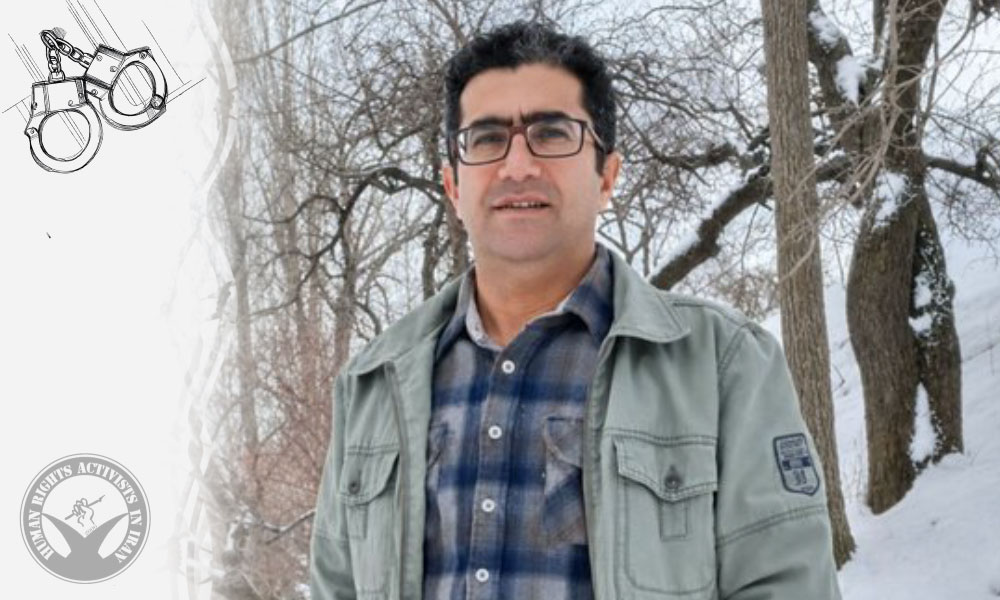
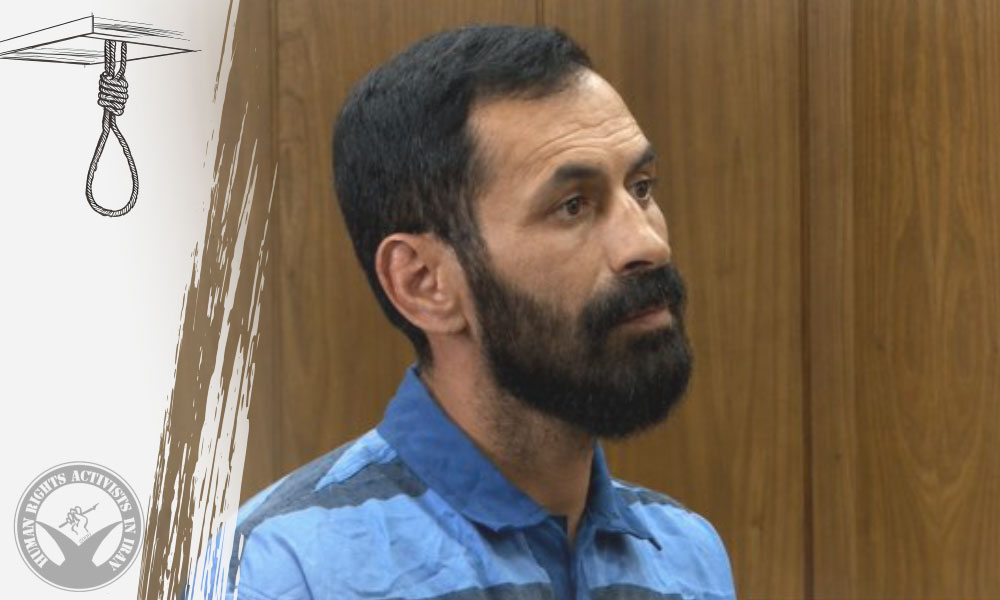
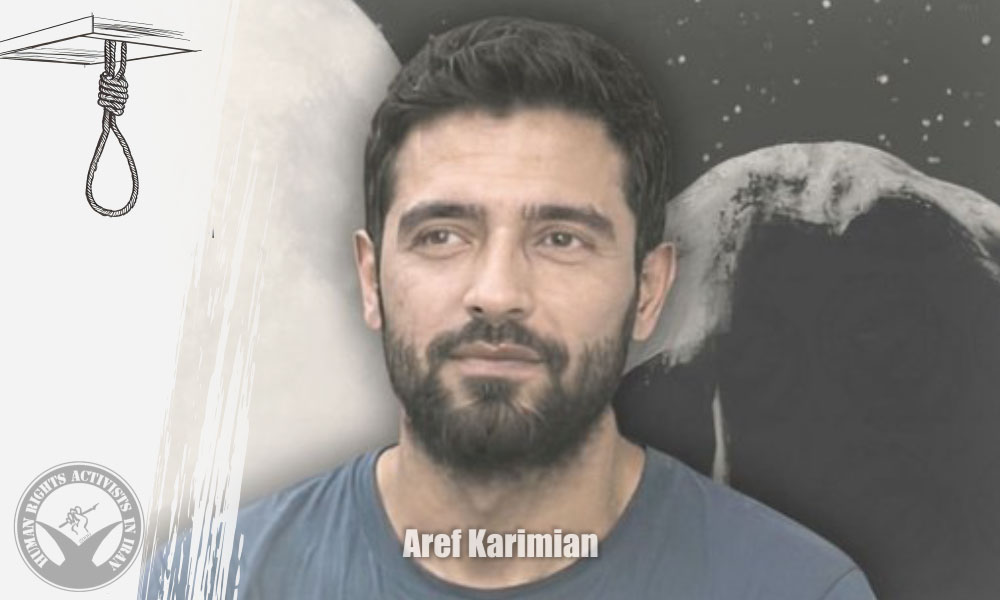
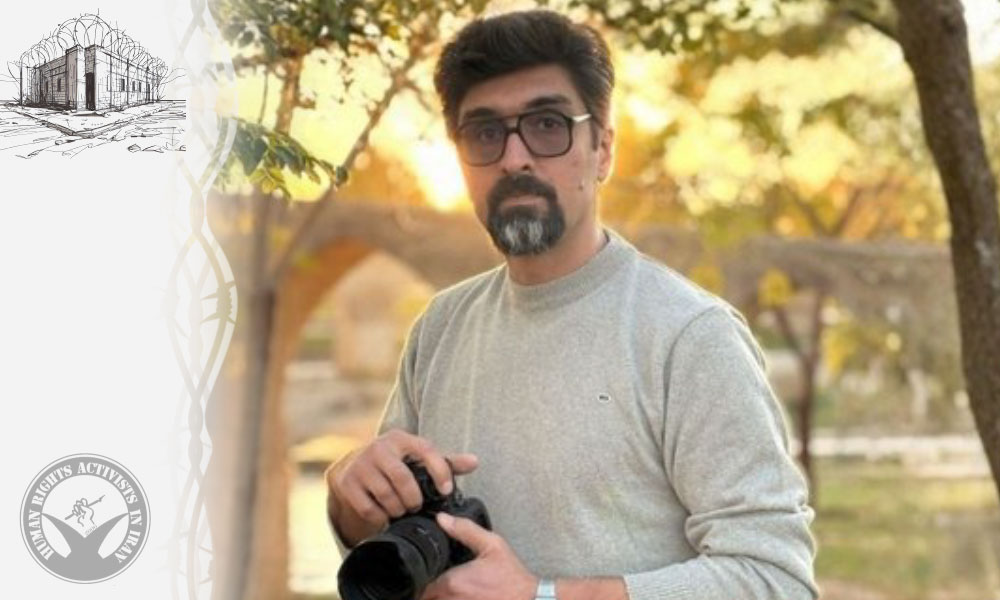
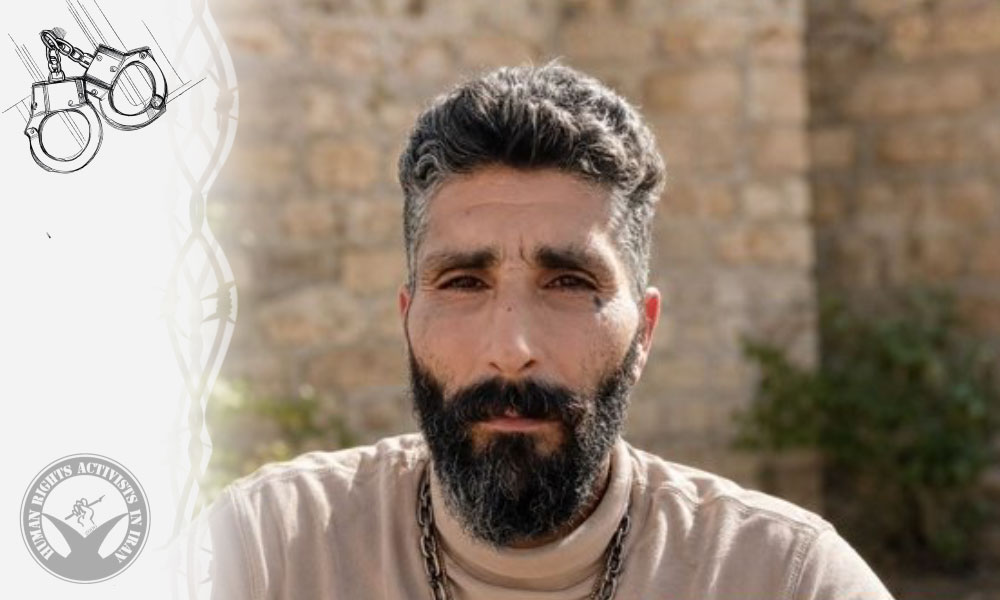
Reza Amani Far, Teachers’ Union Activist in Bushehr, Arrested

HRANA – Yesterday, Reza Amani Far, a teachers’ union activist in Bushehr, was arrested by security forces in this city.

According to the channel of the Coordinating Council of Iranian Teachers’ Trade Associations, Reza Amani Far, a teachers’ union activist in Bushehr, has been arrested. Based on this report, Mr. Amani Far was arrested on Saturday, April 4, 2026, by security forces in Bushehr.

So far, no information has been obtained regarding his place of detention or the charges brought against this teachers’ union activist.

Reza Amani Far, an inspector for the Coordinating Council of Iranian Teachers’ Trade Associations and a member of the Bushehr Teachers’ Trade Association, has previously also faced judicial action due to his activities.

Day 37 of U.S. and Israeli Attacks on Iran: From Kohgiluyeh and Boyer-Ahmad to Ardabil

HRANA– In the last 24 hours, and as of April 5, 2026, at 17:00 ET, HRANA has recorded at least 168 attacks across 83 incidents in 11 provinces, resulting in a total of at least 7 casualties (killed and injured, both civilian and military). Renewed attacks on petrochemical complexes in the Mahshahr region, as well as heavy clashes in Kohgiluyeh and Boyer-Ahmad Province, were among the developments that drew the attention of the media and public opinion.

According to information recorded and verified by HRANA, from the first minutes of the day through the end of April 5, 2026 (Tehran time), at least six civilians were killed and one other person was injured.

Aggregated data since the beginning of the conflict on February 28, 2026, based on incidents recorded in the incident tab and using minimum values for figures marked “more than”:

• Civilian fatalities: 1,616 people (including at least 244 children)

• Military fatalities: 1,219 people

• Unclassified fatalities (civilian/military): 711 people

Note on official statements: Alongside HRANA’s independent reporting, several official aggregate figures were also recorded today from state media, including:

The head of the Ministry of Education’s Center for Information and Public Relations said: “The number of student martyrs in the Third Imposed War has reached 243.” He added: “In the enemy’s brutal attacks, 58 teachers and education staff members were also killed.” Sadeghi said that “over the past 36 days, 178 students and 24 teachers have also been injured.”

Jalal Maleki, spokesperson for the Tehran Fire Department, said: “Over the past 36 to 37 days, we have managed to rescue 410 people alive from beneath the rubble.”

Figures released by the Lorestan Operations Control and Coordination Center indicate that “2,739 people were injured during this period. The Red Crescent played a direct role in providing aid to 855 people. Ten technical rescue operations were also recorded. On the tragic side of these incidents, 142 people in Lorestan were killed as a result of Zionist and American attacks. The Red Crescent also participated in the transfer of 41 bodies.”

Since these figures are presented in aggregate form and cannot be precisely matched to specific incidents, they have not been included in the event-based calculations used in HRANA’s independent reporting section of this review. They are mentioned here solely as a record of official statements.

1. Overview of Incidents in the Last 24 Hours

In the last 24 hours, incidents were reported across multiple provinces, reflecting a geographically dispersed pattern of hostilities. In a large portion of the incidents, the method/type of attack has not yet been confirmed and has been recorded as “undetermined.” In cases where the attack type was identifiable, airstrikes and drone attacks were reported.

Preliminary analysis indicates that Isfahan Province, accounting for 40 percent, tops the list of provinces that have been targeted. Khuzestan Province, with a 19 percent share, ranks second, while Tehran Province, at 16 percent, places third. The list is followed, respectively, by Bushehr, Hormozgan, and Fars provinces.

2. List of Objects Reported Hit

In the past 24 hours, the recorded attacks have damaged 15 distinct objects or facilities. These include a range of different types of targets. In some cases, damage caused by nearby strikes or secondary consequences of the attacks has also been reported.

Examples of targets recorded over the past 24 hours:

• IRGC base in Sartel (Bushehr)

• Naval Forces base (Bushehr)

• Military barracks (Shiraz)

• Air Force base (Shiraz)

• International airport (Ahvaz)

For a number of the listed targets, the exact nature of the target (civilian/military/dual-use) is still under review, and classifications may be revised as additional information becomes available.

Facilities Protected Under International Humanitarian Law:

Under international humanitarian law, medical facilities, educational institutions, humanitarian facilities, religious sites, and emergency service centers are among the many objects that maintain special protected status and are afforded special protection. In the past 24 hours, HRANA has preliminarily recorded the following cases:

• Boys’ high school (Mobarakeh)

• Petrochemical complex (Mahshahr)

• Gas station (Bandar Kong)

• Road Maintenance Department (Borujerd)

• Sadra Marine Industries (Bushehr)

 3. Civilian Casualties

During the period covered by this report, no reports of civilian casualties were received. All classifications are preliminary and may be updated if new information becomes available.

4. Military Casualties

During the period covered by this report, six military personnel were killed and one other individual was injured. Military casualties are generally reported in the context of attacks on Army and Islamic Revolutionary Guard Corps (IRGC) bases. Where possible, organizational affiliation and operational context are being assessed; however, not all details have yet been independently verified.

In some incidents, individuals have been killed in the vicinity of military targets; however, their official status has not yet been definitively determined. These cases remain under review, and if reliable information indicating a different status becomes available, the classification may be revised accordingly.

It is believed that military casualties are significantly higher than the figures reported in these reports. However, due to the sensitive nature of military information and the limited access of human rights groups and media to locations where military forces are present, this section largely reflects reports of senior officers or military personnel who were present in urban areas.

5. Confirmed but Unspecified Casualties

Burials: Today, 15 burial cases resulting from attacks in previous days were recorded.

A Note on HRANA Methodology

Note that, in line with HRANA policy, this report reflects only incidents that occurred within the territorial borders of Iran.

The information contained in this report is compiled through HRANA’s established documentation network. Data is collected from a combination of field reports, local contacts, medical and emergency sources, civil society networks, and open source materials, including publicly available images, videos, and official statements where relevant. Each reported incident is logged and assessed through an internal review process before publication.

Given the evolving nature of hostilities, information is gathered on a rolling basis and reflects the status of documentation at the time of publication.

The figures presented in this report may not reflect the full scope of harm. Ongoing hostilities, damage to infrastructure, communication disruptions, restricted access to affected areas, and security risks for sources may limit the ability to document incidents comprehensively.

Delays in medical reporting, difficulties in confirming identities, and restricted access to certain provinces may result in temporary undercounting. As access improves or additional evidence emerges, casualty figures and incident classifications may be revised accordingly.

HRANA remains committed to transparency, methodological rigor, and the continual updating of its findings as new verified information becomes available.

January 2026 Protests: Mohammadamin Biglari and Shahin Vahedparast Executed

HRANA – The Judiciary’s Media Center announced that the death sentences of Mohammadamin Biglari and Shahin Vahedparast have been carried out after being upheld by the Supreme Court. These political prisoners had been arrested in connection with the January 2026 protests in Tehran and were later sentenced to death by the Tehran Revolutionary Court.

The Judiciary’s Media Center stated that the sentences were carried out at dawn today, April 5, following review of the case and confirmation of the final verdict by the Supreme Court. The judiciary claimed that the two had “entered a military-classified location and, while participating in the destruction and burning of this sensitive site, attempted to gain access to the armory.”

The case was heard in Branch 15 of the Tehran Revolutionary Court, presided over by Judge Abolghasem Salavati, and death sentences had been issued for them on February 7, 2026.

Hassan Aghakhani, one of the privately retained lawyers for Mohammadamin Biglari, had previously pointed to existing ambiguities regarding the alleged “confession” attributed to his client. He said that the court-appointed lawyer at the preliminary stage had informed the family that the defendant had confessed, but the content of this confession, the conditions under which it was obtained, and the related documentation had never been clarified for the privately retained lawyers. He emphasized that attributing this confession to his client is subject to serious doubt.

The case was opened on the evening of January 8, 2026, following a fire at the “185 Martyr Mahmoud Kaveh” Basij base in eastern Tehran. According to reports and videos of forced confessions broadcast by the Islamic Republic’s state television, these individuals had not played a role in the arson or destruction of property at the site; rather, they had merely entered a building that had already been set on fire by others.

Mohammadamin Biglari and Shahin Vahedparast Kaloor, along with Abolfazl Salehi Siavashani, Amirhossein Hatami, and Ali Fahim, who had all been sentenced to death in a joint case, were transferred to solitary confinement cells in Ghezel Hesar Prison in Karaj last Sunday. Following the execution of these two individuals and the execution of Amirhossein Hatami on Thursday, April 2, 2026, concerns have intensified regarding the fate of Abolfazl Salehi Siavashani and Ali Fahim.

According to HRA’s annual report, in 2025, at least 2,488 citizens, including 63 women and 2 juvenile offenders, were executed. Of these, the sentences of 13 individuals were carried out in public. During the same period, 130 others, including 10 women and 1 juvenile offender, were sentenced to death.

Day 36 of U.S. and Israeli Attacks on Iran: Fire Breaks Out at Iran’s Petrochemical Facilities

HRANA– In the last 24 hours, and as of April 4, 2026, at 17:00 ET, HRANA has recorded at least 272 attacks across 92 incidents in 14 provinces, resulting in a total of at least 184 casualties (killed and injured, both civilian and military). Widespread attacks on petrochemical complexes, particularly in the Mahshahr region in the south of the country, drew significant attention in the media.

According to information recorded and verified by HRANA, from the first minutes of the day until the end of April 4, 2026 (Tehran time), at least nine civilians were killed.

Aggregated data since the beginning of the conflict on February 28, 2026, based on incidents recorded in the incident tab and using minimum values for figures marked “more than”:

• Civilian fatalities: 1,616 people (including at least 244 children)

• Military fatalities: 1,213 people

• Unclassified fatalities (civilian/military): 711 people

Note on official statements: Alongside HRANA’s independent reports, several official aggregated statistics were also recorded today by state-affiliated media, including:

The deputy governor of Khuzestan Province for security and law enforcement affairs told media outlets: “Since the beginning of the Ramadan War, 1,000 projectiles have been fired toward the province. As a result of these attacks, 210 locations across 26 counties in Khuzestan have been targeted. He also stated that 1,430 people in the province have been injured since the start of the Ramadan War, adding that 27 civilian citizens have also been killed during this period.”
Jafar Miadfar, head of the country’s Emergency Medical Services Organization, stated: “Unfortunately, during efforts to provide services to those injured in the Ramadan War, 24 healthcare defenders lost their lives. Of this number, 3 were EMS 115 rescue workers, and the rest were from various sectors of the health field, including public health, treatment, food, and pharmaceuticals; among them were doctors, nurses, and technicians.”
Miadfar also said: “During the imposed war period, 360 cases of damage to health-sector infrastructure and 46 ambulances were recorded. The number of injured individuals under the age of 18 has reached approximately 1,900, of whom 121 were under 5 years old. Women account for around 4,695 of the injured, with the youngest being one month old and the oldest 100 years old. So far, 216 of those killed were under the age of 18, a significant portion of whom were students. Additionally, 17 of the recorded fatalities were under 5 years old. The number of female fatalities has also reached 261, the youngest of whom was a newborn only a few days old.”

Since these figures are presented in aggregate form and cannot be precisely matched to specific incidents, they have not been included in the event-based calculations used in HRANA’s independent reporting section of this review. They are mentioned here solely as a record of official statements.

1. Overview of Incidents in the Last 24 Hours

In the last 24 hours, incidents were reported across multiple provinces, reflecting a geographically dispersed pattern of hostilities. In a large portion of the incidents, the method/type of attack has not yet been confirmed and has been recorded as “undetermined.” In cases where the attack type was identifiable, airstrikes and drone attacks were reported.

Preliminary analysis shows that Tehran Province tops the list of attacked provinces with a 34% share. Khuzestan Province follows in second place with 22%, while Isfahan Province ranks third with 16%. The list is then followed by Alborz, Bushehr, Ilam, and Sistan and Baluchestan provinces, respectively.


Map of Attacks

2. List of Objects Reported Hit

In the past 24 hours, the recorded attacks have damaged 28 distinct objects or facilities. These include a range of different types of targets. In some cases, damage caused by nearby strikes or secondary consequences of the attacks has also been reported.

Examples of targets recorded over the past 24 hours:

• Army Aviation Base (Isfahan)

• 15 Khordad Garrison (Isfahan)

• Badr Military Airport (Isfahan)

• Air Base (Bushehr)

• Imam Ali Garrison (Mobarakeh)

For a number of the listed targets, the exact nature of the target (civilian/military/dual-use) is still under review, and classifications may be revised as additional information becomes available.

Facilities Protected Under International Humanitarian Law:

Under international humanitarian law, medical facilities, educational institutions, humanitarian facilities, religious sites, and emergency service centers are among the many objects that maintain special protected status and are afforded special protection. In the past 24 hours, HRANA has preliminarily recorded the following cases:

• Widespread attack on the Karun Petrochemical Complex (Mahshahr)

• Bandar Imam Petrochemical Complex (Bandar Imam Khomeini)

• Mineral water storage warehouses (Mehran)

• Nuclear power plant (Bushehr)

• Residential area (Tehran)

3. Civilian Casualties

Over the past 24 hours, at least nine civilian citizens were killed and 175 others injured. All classifications are preliminary and may be updated if new information becomes available.

4. Military Casualties

During the period covered by this report, no reports of military casualties were received. Military casualties are generally reported in the context of attacks on Army and Islamic Revolutionary Guard Corps (IRGC) bases. Where possible, organizational affiliation and operational context are being assessed; however, not all details have yet been independently verified.

In some incidents, individuals have been killed in the vicinity of military targets; however, their official status has not yet been definitively determined. These cases remain under review, and if reliable information indicating a different status becomes available, the classification may be revised accordingly.

It is believed that military casualties are significantly higher than the figures reported in these reports. However, due to the sensitive nature of military information and the limited access of human rights groups and media to locations where military forces are present, this section largely reflects reports of senior officers or military personnel who were present in urban areas.

5. Confirmed but Unspecified Casualties

Burials: Today, Five burial cases resulting from attacks in previous days were recorded.

A Note on HRANA Methodology

Note that, in line with HRANA policy, this report reflects only incidents that occurred within the territorial borders of Iran.

The information contained in this report is compiled through HRANA’s established documentation network. Data is collected from a combination of field reports, local contacts, medical and emergency sources, civil society networks, and open source materials, including publicly available images, videos, and official statements where relevant. Each reported incident is logged and assessed through an internal review process before publication.

Given the evolving nature of hostilities, information is gathered on a rolling basis and reflects the status of documentation at the time of publication.

The figures presented in this report may not reflect the full scope of harm. Ongoing hostilities, damage to infrastructure, communication disruptions, restricted access to affected areas, and security risks for sources may limit the ability to document incidents comprehensively.

Delays in medical reporting, difficulties in confirming identities, and restricted access to certain provinces may result in temporary undercounting. As access improves or additional evidence emerges, casualty figures and incident classifications may be revised accordingly.

HRANA remains committed to transparency, methodological rigor, and the continual updating of its findings as new verified information becomes available.


The Ambiguous Death of a Detained Citizen in the IRGC Intelligence Detention Facility in Ahvaz

HRANA – Hossein Ghavi, a disabled resident of Ahvaz who had recently been arrested in connection with the ongoing conflict, died under unclear circumstances in an IRGC Intelligence detention facility.

Local sources told HRANA that Hossein Ghavi had been arrested in March by security forces at the tea stall where he worked, allegedly for filming bombed areas and sending the footage to foreign media outlets.

According to these sources, on Thursday, April 2, forces affiliated with the IRGC Intelligence Organization informed his family by telephone that their son had died. The security forces who made the call provided no explanation regarding the conditions of his detention or how he died in custody. His body has also not yet been returned to his family.

Hossein Ghavi (Silavi), 28, was a resident of the Zargan area in northern Ahvaz. He had a disability affecting his left leg and was the sole breadwinner of his family.

Subscribe to Our Newsletter

Now is definitely not the time to stop reading!

Political Prisoners Abolhassan Montazer and Vahid Bani-Amerian Executed

HRANA – The judiciary’s media center announced that at dawn today, Saturday, April 4, the death sentences of Abolhassan Montazer and Vahid Bani-Amerian, political prisoners held in Ghezel Hesar Prison in Karaj, were carried out.

According to Mizan, the judiciary’s media center, the sentences were carried out this morning, Saturday, April 4, after being upheld by the Supreme Court. On Sunday evening last week, Vahid Bani-Amerian and Abolhassan Montazer had been transferred to solitary confinement in Unit One of Ghezel Hesar Prison.

The death sentences of Bani-Amerian and Montazer, along with four others, had previously been issued on the charge of armed rebellion (baghi) through membership in anti-government groups. In July of last year, the Supreme Court overturned this ruling and referred their case to a parallel branch.

In November, 2025, they were retried in Branch 26 of the Tehran Revolutionary Court, presided over by Judge Iman Afshari. Ultimately, on Sunday, December 7, 2025, the same branch reissued the death sentence for these political prisoners and formally notified their lawyers.

The two political prisoners were arrested by security forces in Tehran in December, 2023. They were held for a period in Evin Prison before later being transferred to Ghezel Hesar Prison in Karaj.

The judiciary further claimed regarding the actions of these political prisoners that: “Abolhassan Montazer, son of Seyed Jafar, was one of the main members of a team affiliated with the Mojahedin-e Khalq Organization (MEK). Using financial resources, he arranged safe houses for the activities of members of this group and accommodated certain related individuals in these locations. According to the case file, these houses were used as sites for building launchers and improvised bombs, and the rent was paid through funds received in cryptocurrency.”

Continuing these allegations, Vahid Bani Amerian, son of Mohammad, was also identified as one of the members of this team. It was stated that: “He was arrested alongside Abolhassan Montazer while they were allegedly preparing to carry out an operation using a launcher, and four launcher devices were reportedly discovered in their possession.”

It was also claimed that: “After reestablishing contact with this group, he first engaged in propaganda activities and later took part in several operations against various locations.”

Montazer was reportedly among the political prisoners of the 1980s, and Vahid Bani-Amerian had also previously faced conviction and imprisonment because of his activities.

According to HRA’s annual report, in 2025, at least 2,488 citizens, including 63 women and 2 juvenile offenders, were executed. Of these, 13 executions were carried out in public. During the same period, 130 other individuals, including 10 women and 1 juvenile offender, were sentenced to death.
Day 35 of U.S. and Israeli Attacks on Iran: Fire Breaks Out on Vessels in Bandar-e Charak

HRANA– In the last 24 hours, and as of April 3, 2026, at 17:00 ET, HRANA has recorded at least 206 attacks across 107 incidents in 13 provinces, resulting in at least one fatality. The large-scale attacks on the Bandar-e Charak pier, where dozens of passenger and cargo vessels were docked, left extensive damage. At the same time, the attack on different sections of Shahid Beheshti University drew significant public attention.

According to information recorded and verified by HRANA, from the first minutes of the day until the end of April 3, 2026 (Tehran time), at least one civilian was killed.

Aggregated data since the beginning of the conflict on February 28, 2026, based on incidents recorded in the incident tab and using minimum values for figures marked “more than”:

• Civilian fatalities: 1,607 people (including at least 244 children)

• Military fatalities: 1,213 people

• Unclassified fatalities (civilian/military): 711 people

Note on Official Statements: Alongside HRANA’s independent reporting, several official aggregated statistics were also recorded today from state media, including:

The Ministry of Health, Treatment, and Medical Education announced the latest details on the number of fatalities, injuries, and the extent of damage to the country’s healthcare infrastructure up to the thirty-fifth day of the war. According to the report:


“The provinces of Tehran and Hormozgan account for the highest number of deaths. Among the injured, 4,610 were women, 1,881 were children under the age of 18, and 68 were children under the age of 2. In the treatment sector, 31,076 individuals have been treated and discharged, while 476 patients remain hospitalized and are currently undergoing treatment and discharge procedures. So far, 1,153 surgeries have been performed on the injured. The national health team, consisting of medical and emergency personnel, has also sustained 116 injuries, and 24 healthcare defenders on the front lines of the crisis response have been killed. In addition, 251 women, 216 children under 18, and 17 children under 5 have been killed. On the other hand, damage to healthcare infrastructure has also been reported. According to these figures, 54 emergency bases, 45 treatment center units, and 216 health centers have been damaged. In addition, 7 hospitals have been evacuated, and 41 ambulances have also been damaged.”

Pirhossein Kolivand, head of the Iranian Red Crescent Society, told the media:
“Since the beginning of the current war until today, 3 relief workers of the Iranian Red Crescent Society have been killed during rescue and relief operations, and 14 others have been injured.”

He added that up to today, 20,399 commercial units, hundreds of critical centers, and thousands of homes that are no longer places of peace, along with 290 medical and healthcare centers, 600 schools, and 17 Red Crescent centers, have been destroyed as a result of enemy attacks.

Tedros Adhanom Ghebreyesus, Director-General of the World Health Organization, wrote in a post on X that since March 1, this organization has confirmed more than 20 attacks on Iran’s healthcare system, resulting in the deaths of at least 9 people.

Since these figures are presented in aggregate form and cannot be precisely matched to specific incidents, they have not been included in the event-based calculations used in HRANA’s independent reporting section of this review. They are mentioned here solely as a record of official statements.

1. Overview of Incidents in the Last 24 Hours

In the last 24 hours, incidents were reported across multiple provinces, reflecting a geographically dispersed pattern of hostilities. In a large portion of the incidents, the method/type of attack has not yet been confirmed and has been recorded as “undetermined.” In cases where the attack type was identifiable, airstrikes and drone attacks were reported.

Preliminary analysis shows that Tehran Province ranks first among the provinces targeted in the attacks, accounting for 35% of the total. Khuzestan Province comes second with 14%, followed by Alborz Province in third place with 10%. The list is then followed, respectively, by Bushehr Province, Isfahan Province, and East Azerbaijan Province.

Map of Attacks

2. List of Objects Reported Hit

In the past 24 hours, the recorded attacks have damaged 31 distinct objects or facilities. These include a range of different types of targets. In some cases, damage caused by nearby strikes or secondary consequences of the attacks has also been reported.

Examples of targets recorded over the past 24 hours:

• Law Enforcement Command (Qom)

• Missile sites (Borazjan)

For a number of the listed targets, the exact nature of the target (civilian/military/dual-use) is still under review, and classifications may be revised as additional information becomes available.

Facilities Protected Under International Humanitarian Law:

Under international humanitarian law, medical facilities, educational institutions, humanitarian facilities, religious sites, and emergency service centers are among the many objects that maintain special protected status and are afforded special protection. In the past 24 hours, HRANA has preliminarily recorded the following cases:

• Tofiq Daru Pharmaceutical Company (Tehran)

• Eynali Recreational Area (Tabriz)

• Twelve civilian vessels and landing craft (Bandar-e Charak)

• Relief supply warehouse (Shiraz)

• Shahid Beheshti University (Tehran)

• Qareh Tapeh road tunnel (Mianeh)

• Bandar-e Charak pier (Bandar-e Charak)

• Poultry farm unit (Behbahan)

3. Civilian Casualties

In the past 24 hours, at least 1 civilian citizen has been killed. All classifications are preliminary and may be updated if new information becomes available.

4. Military Casualties

During the reporting period, one military force member was killed. Military casualties are generally reported in the context of attacks on Army and Islamic Revolutionary Guard Corps (IRGC) bases. Where possible, organizational affiliation and operational context are being assessed; however, not all details have yet been independently verified.

In some incidents, individuals have been killed in the vicinity of military targets; however, their official status has not yet been definitively determined. These cases remain under review, and if reliable information indicating a different status becomes available, the classification may be revised accordingly.

It is believed that military casualties are significantly higher than the figures reported in these reports. However, due to the sensitive nature of military information and the limited access of human rights groups and media to locations where military forces are present, this section largely reflects reports of senior officers or military personnel who were present in urban areas.

5. Confirmed but Unspecified Casualties

Burials: Today, 2 burial cases resulting from attacks in previous days were recorded.

A Note on HRANA Methodology

Note that, in line with HRANA policy, this report reflects only incidents that occurred within the territorial borders of Iran.

The information contained in this report is compiled through HRANA’s established documentation network. Data is collected from a combination of field reports, local contacts, medical and emergency sources, civil society networks, and open source materials, including publicly available images, videos, and official statements where relevant. Each reported incident is logged and assessed through an internal review process before publication.

Given the evolving nature of hostilities, information is gathered on a rolling basis and reflects the status of documentation at the time of publication.

The figures presented in this report may not reflect the full scope of harm. Ongoing hostilities, damage to infrastructure, communication disruptions, restricted access to affected areas, and security risks for sources may limit the ability to document incidents comprehensively.

Delays in medical reporting, difficulties in confirming identities, and restricted access to certain provinces may result in temporary undercounting. As access improves or additional evidence emerges, casualty figures and incident classifications may be revised accordingly.

HRANA remains committed to transparency, methodological rigor, and the continual updating of its findings as new verified information becomes available.

At least 37 Citizens Arrested Across Multiple Provinces

HRANA – At least one citizen in Tehran, five in West Azerbaijan, 28 in Sistan and Baluchestan, and three others in Semirom were arrested by security forces in connection with the war.

According to Tasnim, the Greater Tehran Police Information Center stated that the citizen was arrested for “operating under the cover of a trading company to illegally procure and use satellite equipment, including Starlink, and to establish communication with foreign countries.” A Starlink satellite device was also confiscated from him at the same time.

According to Mehr News Agency, the IRGC Intelligence Organization in West Azerbaijan announced that in the past 48 hours, five individuals had been identified and arrested on charges of links to the Mossad intelligence service and the Iran International network.

According to IRIB, the Ministry of Intelligence reported the arrest of 28 individuals along the borders of Sistan and Baluchestan Province, claiming that they were connected to “takfiri groups.” According to the ministry, some of those arrested had intended to carry out sabotage operations, and five others were also arrested on charges of sending information about certain locations to a media outlet affiliated with Israel. The ministry added that weapons, hand grenades, and several pieces of Starlink satellite internet equipment were discovered and confiscated during the operation.

According to Shahr News Agency, the police commander of Semirom announced the identification and arrest of three individuals by officers of the command’s intelligence organization. According to him, these individuals were arrested for communicating with anti-government networks and sending information and images of certain locations abroad.

The reports did not mention the identities of those arrested or their place of detention.

It should be noted that the military attacks by the United States and Israel on Iran began on February 28, 2026. Since the beginning of these attacks, HRANA has been documenting and recording related incidents across different parts of the country on a daily basis. For more information, you can refer to HRANA’s detailed report on the thirty-fourth day of the conflict, which was published last night.

Day 34 of U.S. and Israeli Attacks on Iran: From the Strike on Bridge B-1 to the Pasteur Institute

HRANA– In the last 24 hours, and as of April 2, 2026, at 18:00 ET, HRANA has recorded at least 275 attacks across 130 incidents in 16 provinces, resulting in a total of at least 13 casualties (killed and injured, both civilian and military). Among the incidents that drew significant attention were the missile strike on the under-construction bridge known as B-1, the tallest bridge in the Middle East, located on the outskirts of Karaj, as well as the attack on the Pasteur Institute’s research and educational center.

According to information recorded and verified by HRANA, from the first minutes of the day until the end of April 2, 2026 (Tehran time), at least ten civilians were injured.

Aggregated data since the beginning of the conflict on February 28, 2026, based on incidents recorded in the incident tab and using minimum values for figures marked “more than”:

• Civilian fatalities: 1,606 people (including at least 244 children)

• Military fatalities: 1,213 people

• Unclassified fatalities (civilian/military): 711 people

Note on Official Statements: Alongside HRANA’s independent reporting, several cumulative official figures were also recorded today from state-affiliated media, including the following:

Abdolmotehar Mohamadkhani, spokesperson for the Mayor of Tehran, stated that “so far, 33,000 residential units have been damaged in the war by the Zionist regime and the United States.” He added, “In total, we have 1,869 affected families whose accommodation has been a matter of concern. So far, 1,245 families, equivalent to around 4,200 people, have been housed in 23 accommodation facilities. Some of those affected have also chosen to stay with relatives or in other cities at their own request. In addition, around 140 families have returned to their homes after minor repairs were completed.”

As these figures were presented in cumulative form and cannot be accurately matched to specific incidents, they have not been included in the event-based calculations used in HRANA’s independent reporting section of this review and are mentioned here solely as a record of official statements.

1. Overview of Incidents in the Last 24 Hours

In the last 24 hours, incidents were reported across multiple provinces, reflecting a geographically dispersed pattern of hostilities. In a large portion of the incidents, the method/type of attack has not yet been confirmed and has been recorded as “undetermined.” In cases where the attack type was identifiable, airstrikes and drone attacks were reported.

Preliminary analysis shows that Tehran Province ranks first among the provinces targeted in the attacks, accounting for 41 percent of the total. Alborz Province ranks second with a 16 percent share, followed by Lorestan Province in third place with 8 percent. The list is then followed, respectively, by Khuzestan, East Azerbaijan, Hormozgan, and Razavi Khorasan provinces.

map of attacks

2. List of Objects Reported Hit

In the past 24 hours, the recorded attacks have damaged 22 distinct objects or facilities. These include a range of different types of targets. In some cases, damage caused by nearby strikes or secondary consequences of the attacks has also been reported.

Examples of targets recorded over the past 24 hours:

• Iranian Border Outpost (Arvand Kenar)

• Kalantari Pier (Chabahar)

• Strike on the Airport (Konarak)

• Industrial Town (Ramhormoz)

• Bahman Pier (Qeshm)

For a number of the listed targets, the exact nature of the target (civilian/military/dual-use) is still under review, and classifications may be revised as additional information becomes available.

Facilities Protected Under International Humanitarian Law:

Under international humanitarian law, medical facilities, educational institutions, humanitarian facilities, religious sites, and emergency service centers are among the many objects that maintain special protected status and are afforded special protection. In the past 24 hours, HRANA has preliminarily recorded the following cases:

• Saha Helal Pharmaceutical Company (Tehran)

• B-1 Bridge (Karaj)

• Pasteur Institute for Medical Research and Vaccine Production (Tehran)

• Airport Control Tower (Tabriz)

• Residential Home (Tehran)

3. Civilian Casualties

In the past 24 hours, at least 10 civilian citizens have been injured. All classifications are preliminary and may be updated as new information becomes available.

4. Military Casualties

During the reporting period, one military force member was killed. Military casualties are generally reported in the context of attacks on Army and Islamic Revolutionary Guard Corps (IRGC) bases. Where possible, organizational affiliation and operational context are being assessed; however, not all details have yet been independently verified.

In some incidents, individuals have been killed in the vicinity of military targets; however, their official status has not yet been definitively determined. These cases remain under review, and if reliable information indicating a different status becomes available, the classification may be revised accordingly.

It is believed that military casualties are significantly higher than the figures reported in these reports. However, due to the sensitive nature of military information and the limited access of human rights groups and media to locations where military forces are present, this section largely reflects reports of senior officers or military personnel who were present in urban areas.

5. Confirmed but Unspecified Casualties

The 2 deaths reported in the past 24 hours remain classified as undetermined, meaning that HRANA has not yet been able to establish with sufficient certainty whether the individuals were civilians or military personnel.

A Note on HRANA Methodology

Note that, in line with HRANA policy, this report reflects only incidents that occurred within the territorial borders of Iran.

The information contained in this report is compiled through HRANA’s established documentation network. Data is collected from a combination of field reports, local contacts, medical and emergency sources, civil society networks, and open source materials, including publicly available images, videos, and official statements where relevant. Each reported incident is logged and assessed through an internal review process before publication.

Given the evolving nature of hostilities, information is gathered on a rolling basis and reflects the status of documentation at the time of publication.

The figures presented in this report may not reflect the full scope of harm. Ongoing hostilities, damage to infrastructure, communication disruptions, restricted access to affected areas, and security risks for sources may limit the ability to document incidents comprehensively.

Delays in medical reporting, difficulties in confirming identities, and restricted access to certain provinces may result in temporary undercounting. As access improves or additional evidence emerges, casualty figures and incident classifications may be revised accordingly.

HRANA remains committed to transparency, methodological rigor, and the continual updating of its findings as new verified information becomes available.

Executions of Political Prisoners Escalate Amid Ongoing War

HRANA – As the military conflict between the United States–Israel and Iran, which began on February 28, 2026, continues, the implementation of death sentences in Iran has entered a new and deeply alarming phase, one marked by an exclusive focus on prisoners facing political and security-related charges and a noticeable acceleration in executions. During this period, at least nine political prisoners have been executed, while the confirmation of new death sentences and the transfer of several condemned prisoners to solitary confinement have sharply intensified concerns over an imminent rise in further executions.

According to HRANA, a review of available data shows that at least nine political prisoners have been executed since the start of the war. The trend began with the execution of a dual national citizen, Kourosh Keyvani, on charges of “espionage.” Just one day later, it continued with the execution of three other prisoners, Mehdi Ghasemi, Saleh Mohammadi, and Saeed Davoudi, on political-security charges.

Subsequently, two defendants linked to the Mojahedin-e Khalq Organization, Akbar Daneshvar-Kar and Seyed Mohammad Taghavi-Sangdehi, were executed, followed by two other prisoners, Babak Alipour and Pouya Ghobadi, in a related case. At dawn today, another political prisoner, Amirhossein Hatami, was also hanged. At the same time, the death sentence of political defendant Mansour Jamali was upheld by the Supreme Court.

This sequence indicates that not only has the number of executions increased, but the time intervals between executions have also shortened, reflecting a rapidly accelerating pattern.

Based on the information collected, all executions carried out during this period have been tied to cases of a political and security nature, and no reports have been published of executions for non-political crimes during the same timeframe. This points to a significant shift in the pattern of death penalty implementation in the country.

Simultaneously, reports indicate a growing number of prisoners at imminent risk of execution. At least six prisoners, Vahid Bani Amerian, Abolhassan Montazer, Mohammad-Amin Biglari, Shahin Vahedparast Kaloor, Abolfazl Salehi Siavashani, and Ali Fahim, have been transferred to solitary confinement cells in Ghezel Hesar Prison, a step that in Iran’s judicial practice is generally viewed as a sign that execution is imminent. In addition, several other prisoners in different parts of the country are reportedly awaiting execution.

Taken together, these developments indicate that during wartime, the use of the death penalty has become distinctly concentrated on political and security-related cases, and this trend is continuing at an increasing pace. Such a pattern has raised serious concerns about the fate of prisoners sentenced to death and suggests that a greater number of them now face immediate danger.

While Donald Trump, the President of the United States, had previously claimed that under U.S. pressure Iran had halted the implementation of “more than 800 death sentences”, and had even expressed appreciation for that move, recent developments show that not only was such a trend not sustained, but with the outbreak of war, executions, particularly in political and security cases, have once again resumed with significant speed. This comes despite earlier warnings from U.S. officials that the continued execution of protesters could provoke a severe response. Current data, however, indicates an intensification of this trend in the recent period.

According to HRA’s annual report, at least 2,488 people, including 63 women and 2 juvenile offenders, were executed in the Iranian year 1404. Of these, 13 executions were carried out in public. During the same period, another 130 individuals, including 10 women and 1 juvenile offender, were sentenced to death. Although a significant portion of these executions were described as relating to ordinary crimes, human rights organizations have consistently warned about the use of the death penalty in political and security cases and the lack of fair trial standards in such proceedings.