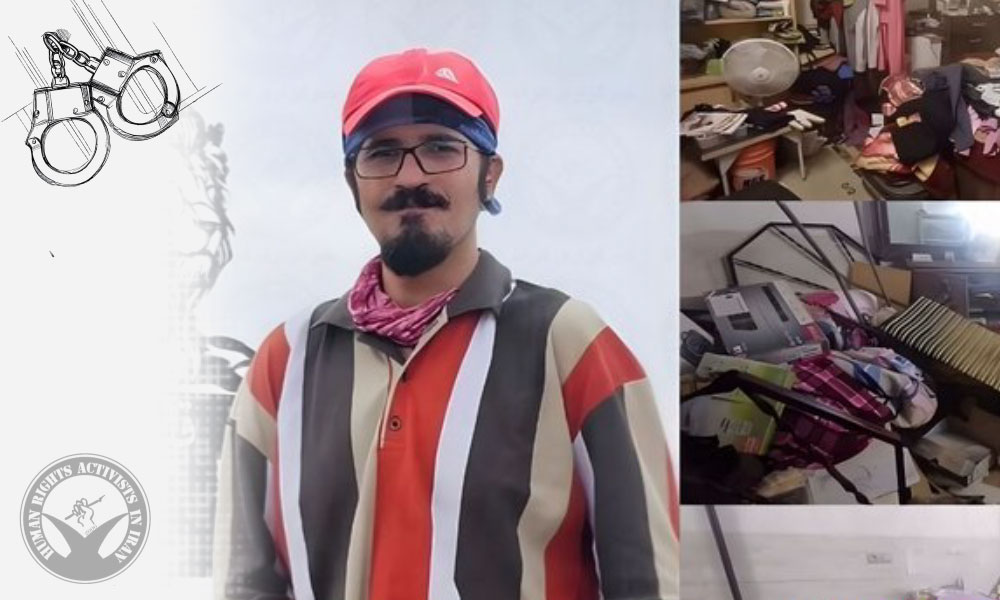
Baha’i Citizen Keyhan Maghsoudi Held in Incommunicado Detention After Over Two Months

HRANA – Keyhan Maghsoudi, a Baha’i citizen from Urmia, was arrested by security forces in June 2025. After undergoing interrogation, he was transferred to Urmia Prison. In recent days, however, he has once again been moved to a security detention facility.

On Friday, June 20, 2025, amid the 12-day war between Iran and Israel, Maghsoudi was arrested by security forces at his workplace. He was initially taken to a security detention center in Urmia and, after a period of interrogation, transferred to Urmia Prison. Recently, he was returned from the prison to an undisclosed security facility, leaving his family with no information about his condition or whereabouts.

Speaking to HRANA, his sister, Mahsa Maghsoudi, confirmed the developments, stating: “We still have no information about the status of my brother’s case or the charges against him. Throughout this time, Keyhan has been held without access to an independent lawyer, which raises serious concerns about the possibility of forced confessions under pressure or torture. Such confessions have no legal or human validity.”

She added: “So far, no official information has been provided about the judicial process, and our concerns about the future of his case and the likelihood of a fair trial are growing day by day.”

Keyhan Maghsoudi, 49, is single and works as a photographer and videographer in Urmia.

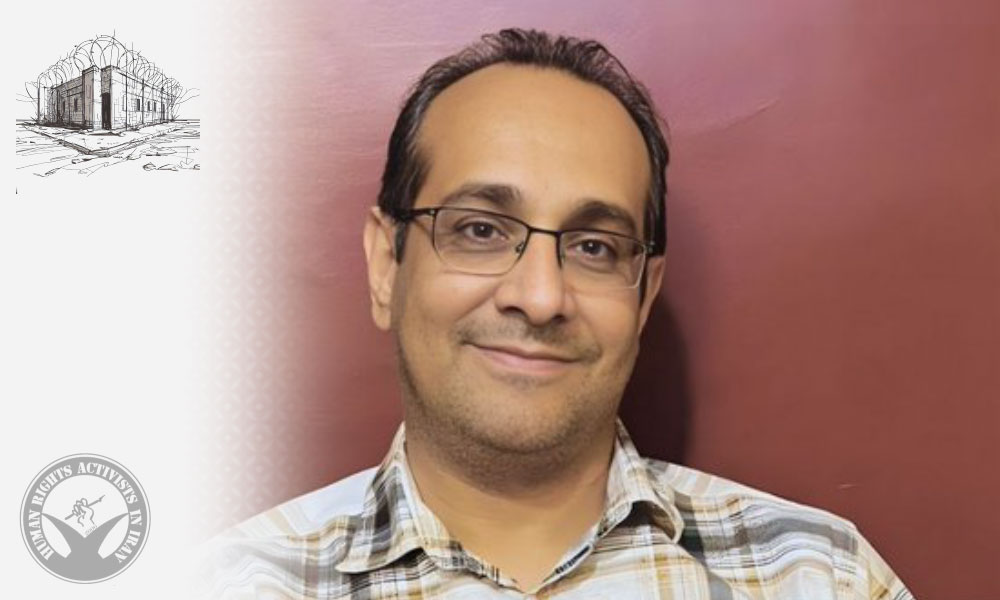
Shahram Fallah, Baha’i Citizen, Arrested in Kerman

HRANA – On the evening of Monday, August 18, 2025, Shahram Fallah, a 64-year-old Baha’i citizen of Kerman, was arrested at his home by agents of the Ministry of Intelligence and transferred to that agency’s detention facility.

A source close to the family told HRANA: “Intelligence agents in Kerman came to Mr. Fallah’s home that evening and arrested him while several guests were present. They confiscated the mobile phones of family members and guests, along with a number of Mr. Fallah’s religious books and images. Since his arrest, he has not contacted his family.”

The reasons for his arrest and the charges against him remain unknown.

Mr. Fallah has previously faced judicial harassment, arrest, and imprisonment.

Recently, HRANA published a statistical report on the widespread human rights violations against Baha’i citizens in Iran over the past five years.

Iran’s State TV Airs Forced Confessions of Christian Converts

HRANA– Following the arrest of a group of Christian converts, IRIB’s 20:30 news program aired a propaganda documentary featuring security-related accusations and forced confessions from some of the detainees. This move is part of an ongoing campaign of case fabrication and pressure against Christian citizens in Iran.

According to HRANA, the news agency of Human Rights Activists in Iran, after the recent statement by the Ministry of Intelligence of the Islamic Republic regarding the arrest of a group of Christians, IRIB Channel 2 produced and broadcast a documentary centered on fabricating security cases against Christian converts.

The documentary, produced with the participation of Ameneh Sadat Zabihpour, a well-known IRIB figure linked to security agencies, presents a security-driven narrative. It levels accusations against Christian converts – referred to in the program as “Evangelists” – including alleged ties to foreign entities, participation in religious camps abroad, collaboration with opposition groups, and attempts to undermine national security.

The reporter frames activities such as traveling to Turkey, attending the “Armenia Camp,” communicating with Zionists, and planning attacks on “sensitive sites” in Iran as evidence of security threats, thereby portraying religious and personal activities as criminal.

In the final part of the documentary, footage was shown of detained individuals presented as suspects, who appeared under unknown circumstances making confessions. These confessions were recorded and broadcast under pressure or threats from security agencies. Images of what was described as “a shipment of weapons” were also displayed, without any independent evidence or documentation to substantiate the claim.

The Islamic Republic’s use of forced confessions and televised documentaries to legitimize repression of religious minorities and dissidents has long been condemned by human rights organizations. Broadcasting such confessions is a blatant violation of defendants’ rights, including the right to a fair trial.

The release of this documentary comes amid intensifying security and psychological pressure on Iran’s Christian community and efforts to create an atmosphere of fear and intimidation. In recent years, many Christian converts have faced similar charges and have been handed heavy sentences, including imprisonment, exile, or social deprivation.

Previously, the Ministry of Intelligence announced in a statement that at least 53 Christian converts had been arrested during the so-called “12-Day War” operation.

In 2024, HRANA documented 28 cases of forced confessions extracted from prisoners. The practice of obtaining and broadcasting coerced confessions from political dissidents and protesters by the Iranian regime’s security apparatus is as old as the regime itself. In 2022, amid nationwide protests, the number of such forced confessions surged to 391 cases.

Appeals Court Upholds 38 Years and 11 Months of Imprisonment for Six Baha’i Women

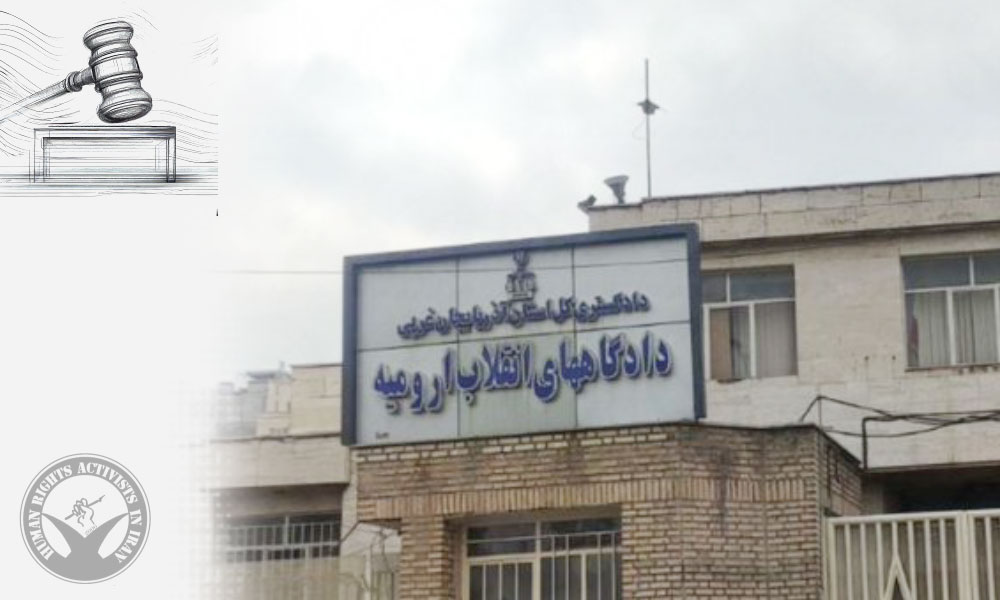
HRANA– The prison sentences of six Baha’i women residing in Hamedan, have been fully upheld by Branch 11 of the Hamedan Appeals Court. In the initial stage, they had been sentenced by the Hamedan Revolutionary Court to a combined total of 38 years and 11 months in prison.

The sentences of Neda Mohebi, Atefeh Zahedi, Farideh Ayoubi, Noora Ayoubi, Zarrindokht Ahadzadeh, and Zhaleh Rezaei were upheld on August 12 by Branch 11 of the Hamedan Appeals Court. The ruling was issued without scheduling a hearing, without informing the lawyers about a session, and under the advisement of Bahram Karari and Morteza Ramezani. Membership in the Baha’i community and “teaching and propagating against Sharia” were among the charges brought against them.

In June this year, following their initial trial, Branch 2 of the Hamedan Revolutionary Court sentenced Neda Mohebi to five years in prison for “teaching and propagating against Sharia” and two years and eight months for “membership in the Baha’i community.” Three years of her prison sentence were suspended for five years.

Atefeh Zahedi, Farideh Ayoubi, Noura Ayoubi, Zarindokht Ahadzadeh, and Zhaleh Rezaei were each sentenced to two years and eight months for “membership in the Baha’i community” and three years and seven months for “teaching and propagating against Sharia.” Two years of the sentences of Noora Ayoubi, Ahadzadeh, and Rezaei were suspended for five years.

These citizens had previously been released in December 2023 on bail. They were arrested on November 7, 2023, by security forces and transferred to The Ministry of Intelligence’s detention facility in Hamedan.

Over the past decade, the Iranian Bahá’í community has been disproportionately targeted by Iran’s security forces and judiciary—more than any other minority group. In the past three years, an average of 72 percent of the reports on religious rights violations collected by HRANA have documented the Iranian regime’s repression of the Bahá’í community.
53 Christians Arrested in Iran After 12-Day War with Israel

HRANA – Official media outlets have announced that following the 12-day war between Iran and Israel, 53 Christian citizens have been arrested in Iran. The arrests were carried out under allegations of “collaborating with Israel.”

According to HRANA, quoting Hamshahri, since the start of the 12-day Iran-Israel war, 53 Christian citizens have been arrested. The report claims that the arrests of these citizens are connected to the 12-day war between Israel and Iran.

It also alleges that these individuals were “followers of a branch of Christianity and had collaborated with Israel.”

No further details, including the identities of those arrested or the location of their detention, have been provided in the report.

Based on about 180 reports compiled by HRANA over the past decade, 11% of all victims of religious minority rights violations by Iran’s security-judicial apparatus were Christians—particularly Christian converts. In 2024, Christians made up over 9% of those targeted.

Subscribe to Our Newsletter

Now is definitely not the time to stop reading!

Statistical Report on Violations of Baha’i Rights Over the Past Five Years

HRANA– This report presents a statistical and analytical review of actions taken by security and judicial authorities against the Baha’i community in Iran. It is based on the collection, analysis, and documentation of 636 reports published by HRANA over the past five years (August 2020 to August 2025) regarding violations of the rights of Baha’i citizens.

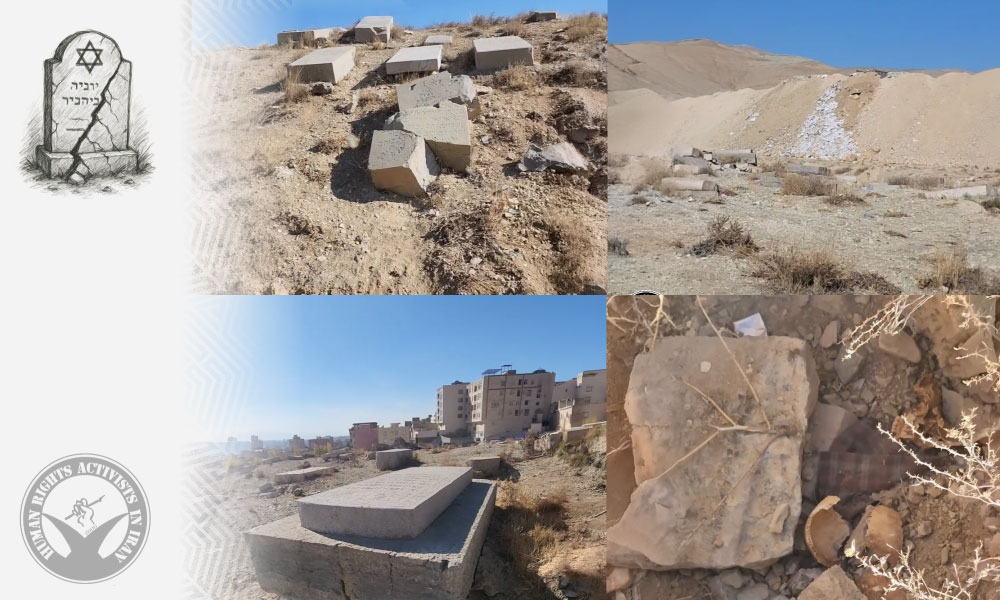
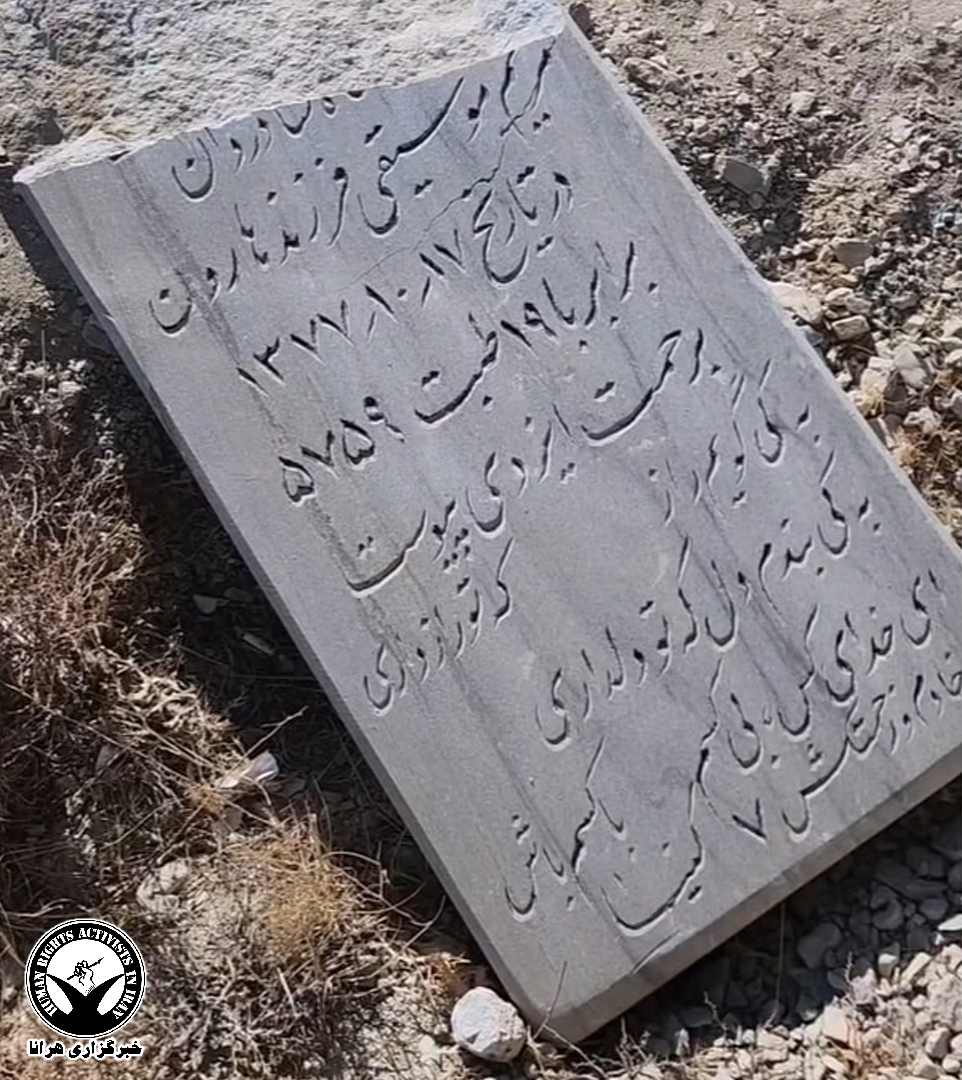
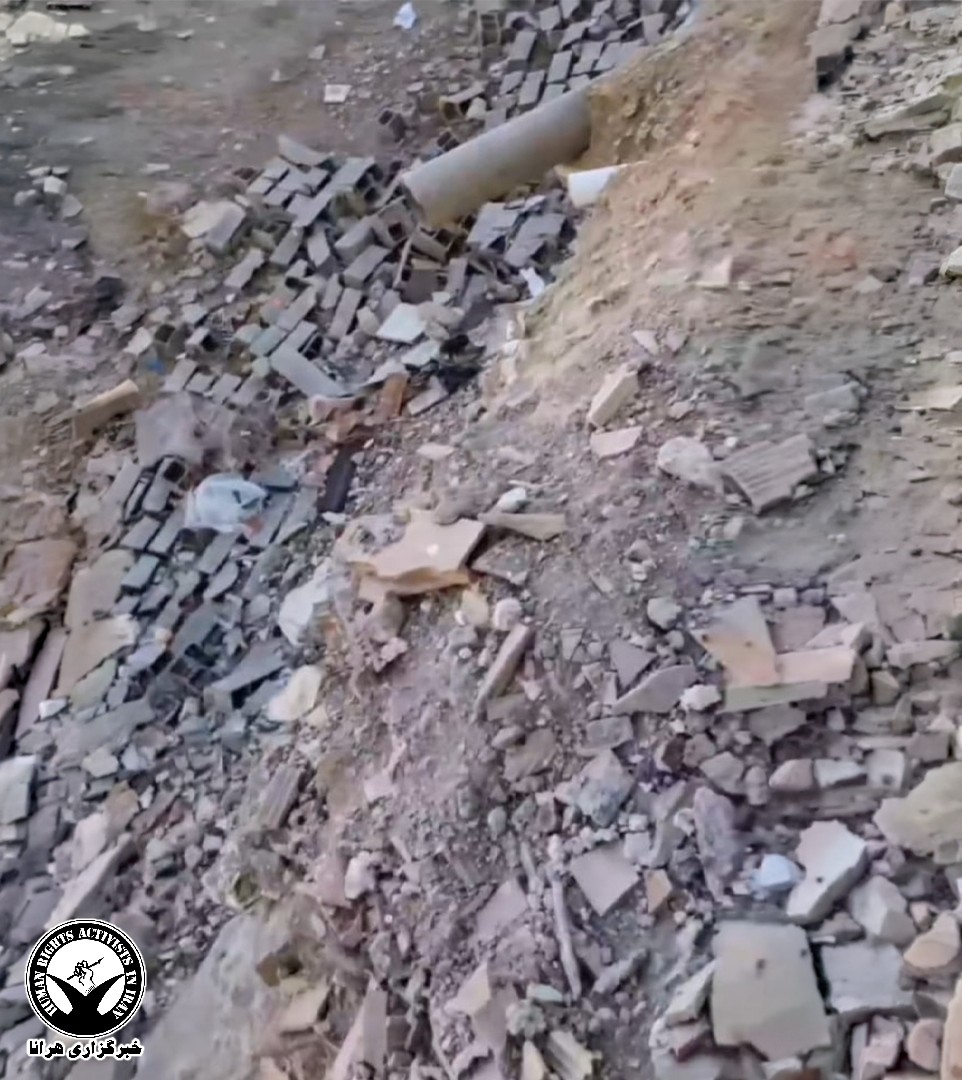
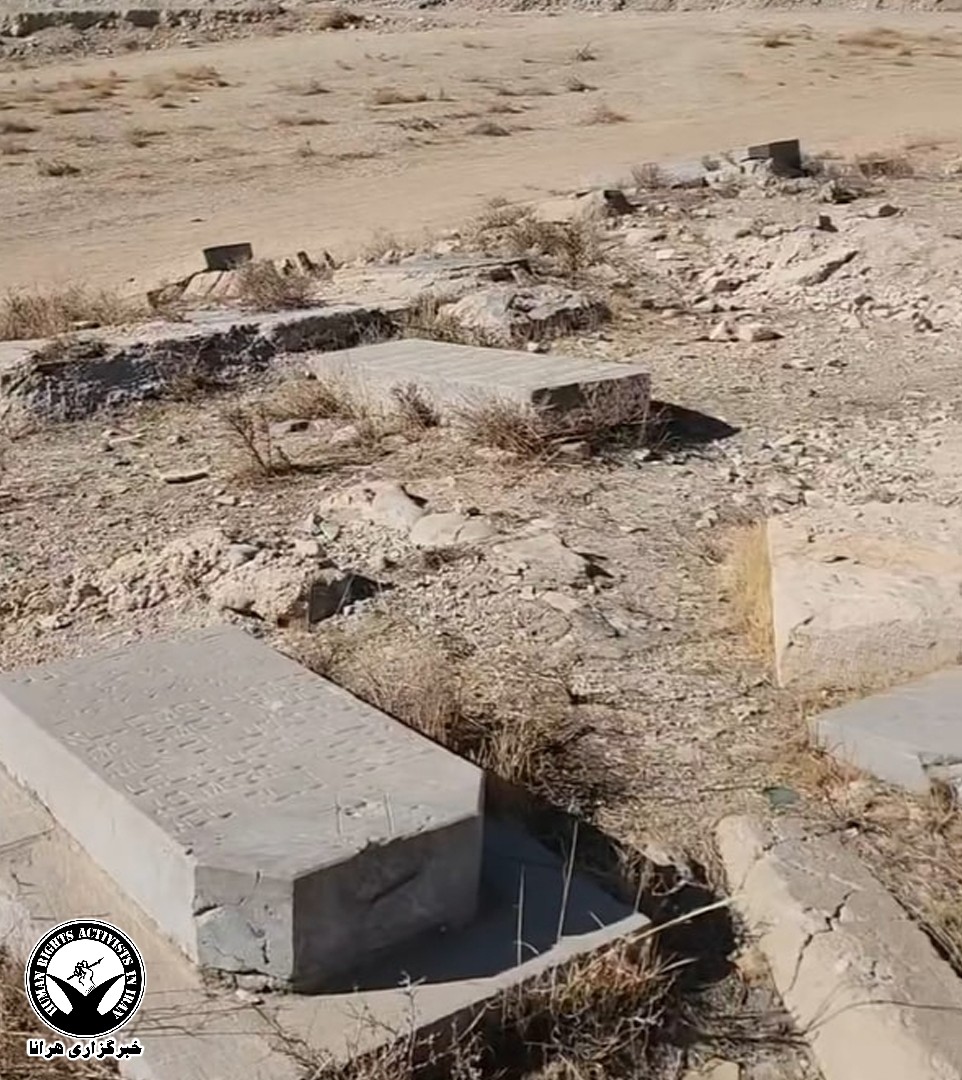
Over this five-year period, HRANA’s Statistics Department has documented at least 284 arrests of Baha’i citizens, along with 270 summonses to security and judicial bodies. There have also been 419 home searches, 57 incidents of preventing economic activity, 3 cases of cemetery destruction, 27 confiscations of homes and properties, 1 case of refusal to hand over a body, 4 cases of preventing burials, 108 instances of prison sentence enforcement, 127 travel bans, 9 physical assaults, 106 denials of access to education, 147 trials, and 19 interrogations in security or judicial institutions.

In total, 388 Baha’i citizens were sentenced to 17,948 months of imprisonment (equivalent to 1,495 years and 8 months). This includes 17,324 months of enforceable (ta’zir) prison terms and 624 months of suspended sentences. Of this total, appellate courts issued 6,012 months of prison terms. Additionally, 91 individuals were fined a combined 503,510 million tomans, and 103 were sentenced to deprivation of social rights. Twenty-five people were also sentenced to a combined 600 months of exile.

The data show that the third year of this period saw the highest number of reports (162), while the fourth year recorded the most arrests (76) and the longest cumulative prison sentences (5,220 months). These figures point to a continuation—and in some cases, intensification—of judicial actions against Baha’i citizens in the later years of the reporting period.

The table below illustrates changes in the number of reports, arrests, and total prison sentences issued between August 2020 and August 2025.

Annual Statistics of Reports, Arrests, and Prison Sentences of Baha’is (2020–2025)
Reporting YearNumber of ReportsArrestsTotal Prison Terms (months)
First Year (Aug 2020 – Aug 2021)90283361
Second Year (Aug 2021 – Aug 2022)104461588
Third Year (Aug 2022 – Aug 2023)162743687
Fourth Year (Aug 2023 – Aug 2024)161765220
Fifth Year (Aug 2024 – Aug 2025)119604092


Annual Number of Recorded Reports (Aug 2020 – Aug 2025)

Annual Number of Arrests of Baha’i Citizens (2020–2025)

Analysis of the five-year data shows that violations of Baha’i citizens’ rights have been recorded across a wide geographic range in Iran. Tehran Province tops the list with 117 reports, followed by Fars (78), Mazandaran (70), Isfahan (63), and Alborz (56).

Khorasan Razavi, Kerman, Yazd, and Gilan provinces also rank high, reflecting a notable concentration of security and judicial actions against the Baha’i community in these regions. At the same time, documented violations extend to provinces with smaller populations or limited media coverage—such as Kohgiluyeh and Boyer-Ahmad, Ardabil, Qom, and Chaharmahal and Bakhtiari—underscoring the nationwide scope of the repression.

Volume of Reported Violations of Baha’i Rights by Province

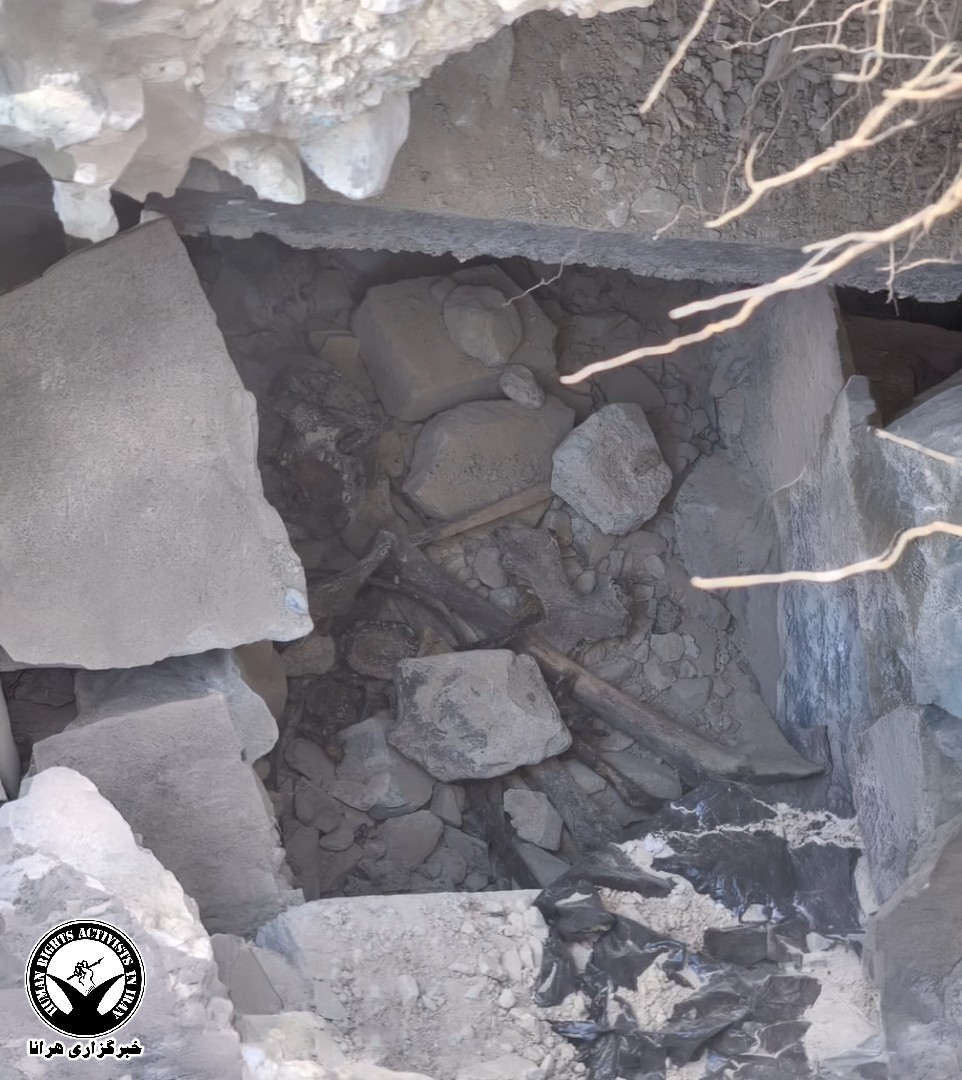
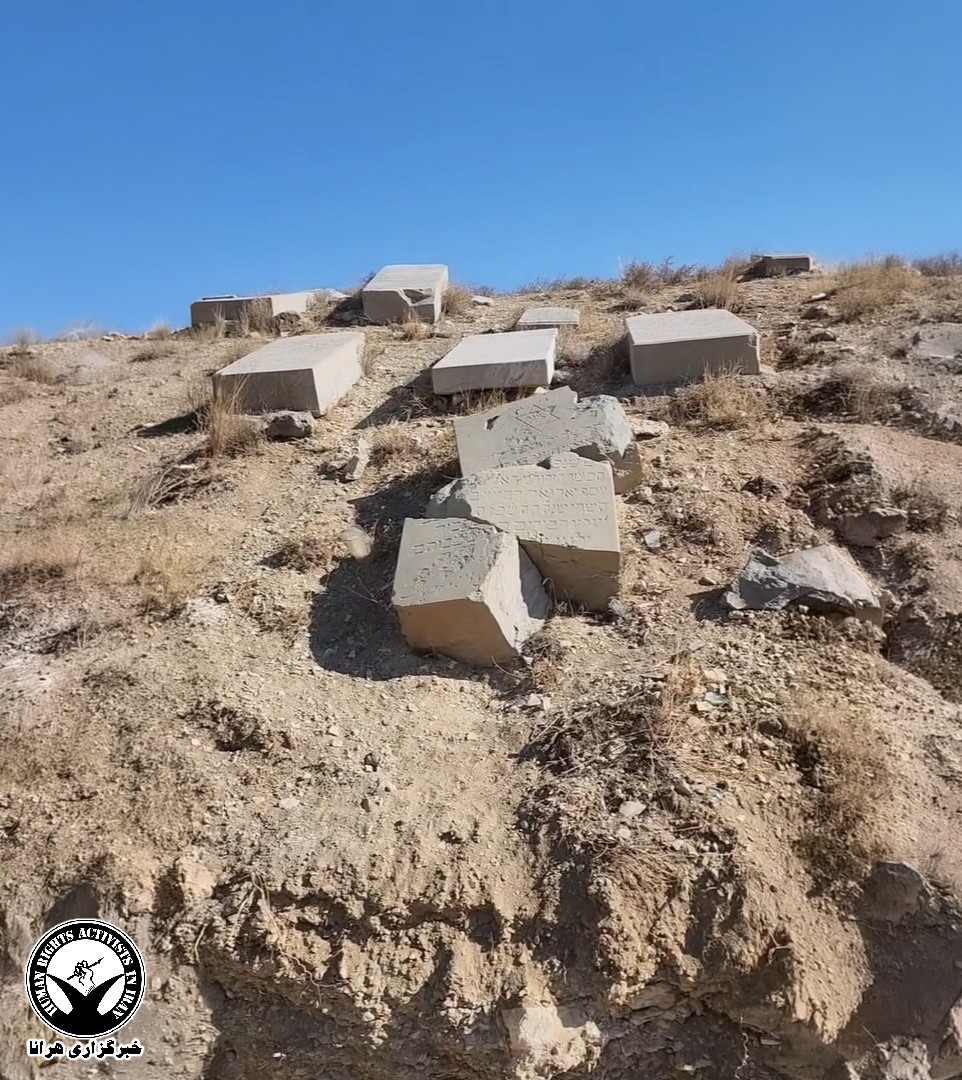
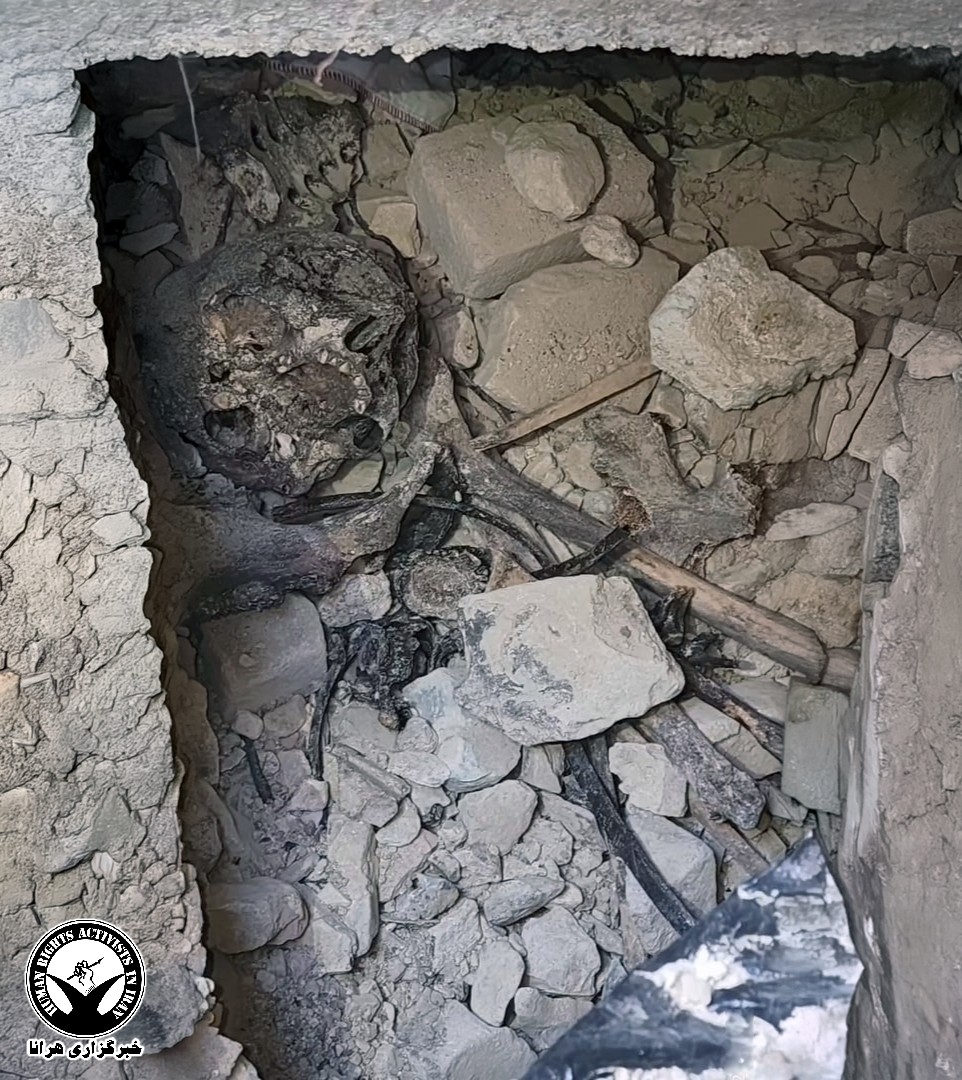
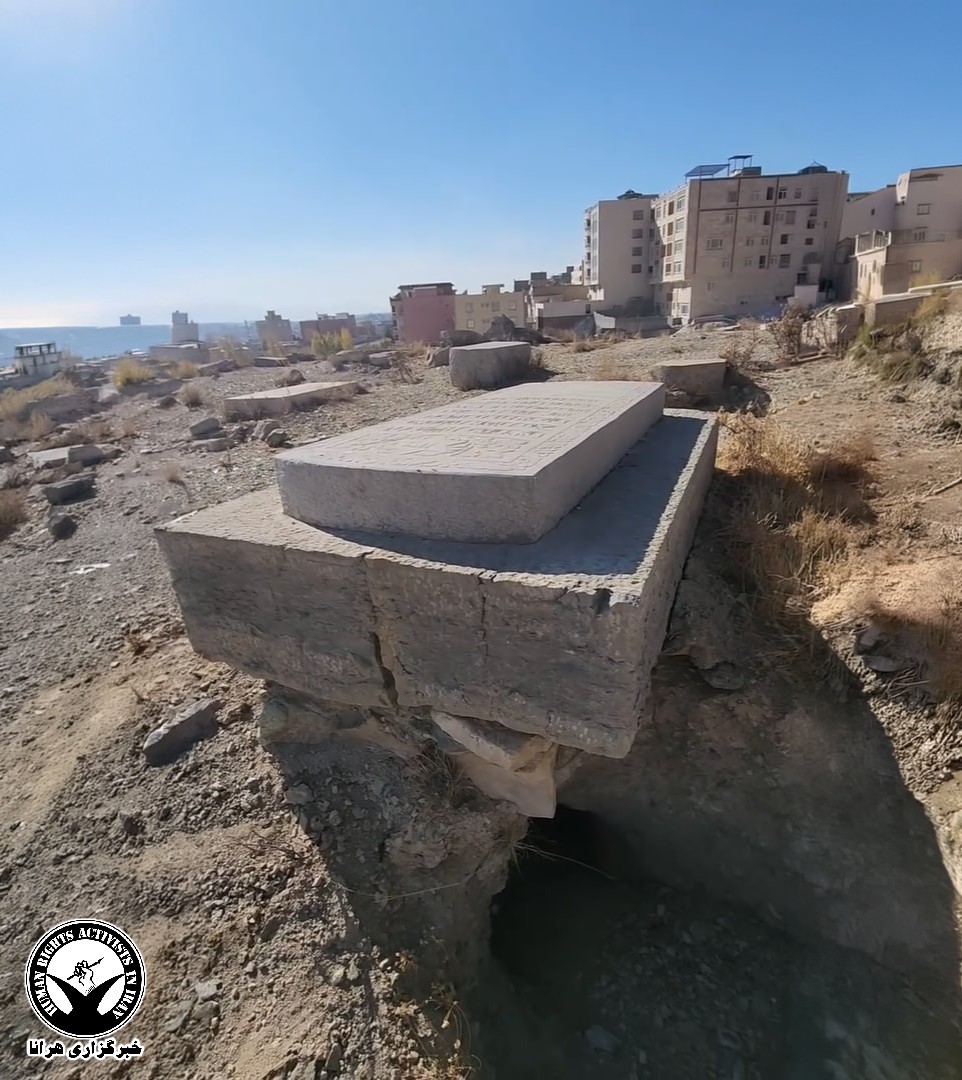
Some of the human rights violations described in this report are of a nature specifically tied to the Baha’i community in Iran. These include deprivation of economic and educational opportunities, obstruction in burial and funeral arrangements, destruction of cemeteries, confiscation of property, and structural discrimination based on religious belief. Such cases are specific to Baha’is and rarely appear in broader, general reports, underscoring the need for dedicated and specialized reporting on violations targeting this community.
Among the Baha’i citizens currently imprisoned are:
Farkhandeh Rezvan Pey, Nasrin Khademi Ghaqarakhi, Roya Azadkhosh, Sara Shakib, Boshra Motahar, Mojgan Pourshafe Ardestani, Maryam Khorsandi, Shurangiz Bahamin, Sanaz Rasteh, Firoozeh Rastinejad, and Azita Rezvani Khah (in Dolatabad Prison, Isfahan);
Behnam Momtazi (in Choobindar Prison, Qazvin);
Anisa Fanaeian (in Semnan Prison), Sepehr Ziaei (in Evin Prison);
Golnoosh Nasiri, Farideh Moradi (in Vakilabad Prison, Mashhad);
Arshia Rouhani, Arash Nabavi, Hamid Monzavi (in Dastgerd Prison, Isfahan);
Houshider Zarei (in Adelabad Prison, Shiraz);
and Paridokht Shojaei (in Kerman Prison).

Among Baha’i citizens who have faced judicial verdicts during the five-year period, some have been sentenced to heavy and long-term prison terms, in some cases exceeding 10 years. These verdicts have often been issued without observing fair trial standards and on charges such as “propaganda against the regime” or “forming illegal groups.” Such heavy sentences reflect the severity of judicial measures against the peaceful religious activities of Baha’i citizens and the continuation of a systematic policy of repression targeting this community.
Notable individuals facing heavy prison sentences include:

● Ne’matollah Shadpour, Nima Shadpour, and Shafigh Eslami, collectively sentenced to 51 years in prison;
● Shahdokht Khanjani, a Baha’i citizen from Semnan, sentenced to 16 years in prison;
● Sanaz Tafazoli, sentenced to 10 years and 9 months in prison
● Enayatollah Naeimi, sentenced to a total of 15 years in prison, and
● Vesal Momtazi and Anisa Samieian, a Baha’i couple, collectively sentenced to 9 years and 6 months in prison.

Judicial Officials with the Highest Number of Verdicts Against Baha’is in the Past Five Years
Monetary Fine (million
tomans)
Prison Term (months)Number of Sentences IssuedCourt BranchJudge NamePicture
542199641Branch 1 of the Shiraz Revolutionary CourtSeyed Mahmoud Sadati
50144732Branch 36 of the Tehran Court of AppealsAbbas‑Ali Houzan
1,800222028Branch 1 of the Isfahan Revolutionary CourtMohammad Reza Tavakoli
5105626Branch 37 of the Fars Province Court of AppealsSaeed Bolandzadeh
5607214Branch 9 of the Mazandaran Court of AppealsElias Shakeri
52513Branch 28 of the Tehran Revolutionary CourtMohammad Reza Amouzad
70512Branch 1 of the Mashhad Revolutionary CourtSeyed Hadi Mansouri
82811Branch 26 of the Tehran Revolutionary CourtIman Afshari
4083329Branch 3 of the Rasht Revolutionary CourtMehdi Rasekhi
1959Branch 4 of the South Khorasan Court of AppealsEbrahim Ramazani

Iranian Jewish Citizens Remain Detained in Shiraz and Tehran

HRANA – Four Jewish citizens remain in detention in Tehran and Shiraz weeks after being arrested by the Ministry of Intelligence during the heightened security atmosphere following the 12-day conflict between Iran and Israel. The detainees are being held without formal charges, and no details about their legal status or the cases against them have been made public.

According to HRANA, the news agency of Human Rights Activists in Iran, the four individuals have been identified as Navid Reuven, Shahab Yosef, Kamran Hekmati, and Michael (surname unknown). All four remain in detention facilities operated by the Ministry of Intelligence.

Navid Reuven (son of Gila) and Shahab Yosef (son of Zwela) were arrested in Shiraz during the recent conflict. They are currently being held at the Ministry’s “Plaque 100” detention facility. While the specific charges against them have not been disclosed, sources report that one alleged issue in their case is the possession of an Israeli flag found in their residence.

A third detainee, previously identified by HRANA as Yehuda Hekmati, has now been confirmed as Kamran Hekmati, a 70-year-old Iranian-American Jewish citizen. His mother’s name is listed as Rivka. He was arrested upon entering Iran to visit family and is reportedly being held due to a trip he made to Israel seven years ago. He is currently detained in a Ministry of Intelligence facility in Tehran.

The fourth detainee, Michael (surname unknown), is also being held in Tehran and is expected to appear for his final interrogation session tomorrow. No information has been released regarding the charges or legal process in his case.

These arrests are part of a broader pattern of state pressure on the Jewish community in Iran. In the wake of the recent Iran-Israel conflict, at least 35 Jewish citizens in Tehran and Shiraz were reportedly summoned and interrogated by Iranian security forces. Interrogations primarily focused on the individuals’ family ties with relatives in Israel and included warnings against any phone or internet contact with foreign relatives.

In a related account, Motahareh Goonehi, a student activist recently released from the Intelligence Ministry’s detention facility, referred in a public statement to a Jewish individual named Lida. It remains unclear whether she is among the recently detained or if her case is separate. No further information is currently available regarding her status.

Iranian law passed in 2011 criminalizes travel to Israel by Iranian citizens, imposing penalties of two to five years in prison and temporary bans on passport eligibility. This law continues to impact Iranian Jews by restricting contact with family members abroad, particularly in Israel.

Despite official state claims of upholding the rights of religious minorities, including Jews, human rights experts warn that these recent arrests and interrogations may constitute religious and ethnic discrimination, violating Iran’s commitments under international human rights law.

Confiscation of Property from 22 Baha’i Citizens in Isfahan

HRANA – Iranian authorities have intensified security and economic pressure on the Baha’i community by issuing judicial rulings to confiscate the property of 22 Baha’i citizens in Isfahan. Officials delivered these orders—citing Article 49 of the Constitution—without following standard legal procedures or registering them in the judiciary’s electronic system (Sana).

One of the Baha’i citizens affected, speaking to HRANA on condition of anonymity due to security concerns, stated: “At this point, property has been frozen for most, if not all, of those targeted, and they have effectively been placed under a transaction ban. Any assets or property in their name can no longer be sold or transferred. However, final rulings on permanent confiscation have not yet been issued.”

According to this source, the process is unfolding in complete secrecy and involves blatant violations of the accused individuals’ rights—including denial of access to legal representation, removal of case files from the judiciary’s Sana system, and the creation of two parallel legal cases for each individual: one criminal case (typically heard in Branch 11 of the Criminal Court) and another in courts handling cases under Article 49, aimed at confiscating property.

Another informed source noted that although some of the individuals had previously been arrested and had their belongings seized during security raids, a separate and now formal property confiscation process has been initiated—one that could result in significantly greater harm to families both legally and financially.

He added: “This goes far beyond temporary detention or the seizure of personal items. Full asset freezes and transfer bans are being enforced in cases that are not even officially registered in the judiciary’s database, leaving lawyers unable to intervene.”

HRANA has previously documented similar patterns of persecution against Baha’is in other provinces, including Mazandaran and Khorasan Razavi. Article 49 of Iran’s Constitution authorizes the government to confiscate assets acquired through illegitimate means. However, in recent years, this article has increasingly been used as a structural tool to target religious and political minorities and confiscate their assets.

Due to fears that the confiscation process may accelerate, many Baha’i citizens have declined to have their names made public. Nevertheless, HRANA has verified the identities and details of those involved in these cases.

The Baha’i International Community has previously expressed grave concern over the increasing confiscation of Baha’i-owned property in Iran, a campaign reportedly orchestrated and directed by the “Executive Headquarters of Imam’s Order” (Setad).

Identity Confirmed: One of Two Detained American-Jewish Citizens in Iran Identified as Yehuda Hekmati

HRANA – Amid a growing wave of summonses, arrests, and security pressure targeting Iran’s Jewish community, HRANA has confirmed the identity of one of the two American-Jewish citizens recently detained in Iran. The individual, Yehuda Hekmati, is over 70 years old and works in the jewelry and precious stones trade. His arrest is reportedly linked to a visit he made to Israel seven years ago.

According to HRANA, the news agency of Human Rights Activists in Iran, Hekmati is one of two American-Jewish citizens whose arrests were first reported by Israel’s Channel 11. The detentions came amid rising tensions between Iran and Israel following a 12-day conflict. The second detainee, an Iranian-American from Los Angeles, has reportedly been released on bail, while Mr. Hekmati remains in custody. Both men are believed to have traveled to Iran to visit relatives.

A source familiar with the case confirmed efforts to secure their release, telling Hebrew-language media: “These two Americans were in the wrong place at the wrong time.”

In recent weeks, at least 35 members of Iran’s Jewish community in Tehran and Shiraz have reportedly been summoned and interrogated by security agencies. These interrogations have focused mainly on their familial ties with relatives in Israel and included warnings against any phone or online contact with people outside the country.

In a related case, student activist Motahareh Goonehi (Gounei), who was recently released from the Ministry of Intelligence’s detention facility, mentioned a woman named Lida, whom she identified as a Jewish citizen. However, it remains unclear whether this individual is among the recently detained or connected to another security-related case.

Under Iranian law passed in 2011, travel to Israel by Iranian citizens can result in two to five years in prison and several years of passport suspension. This law has increasingly affected Iranian Jews with familial connections in Israel.

Despite the Iranian government’s official narrative about protecting the rights of religious minorities, including Jews, recent developments point to an unprecedented rise in security pressure on this community. Human rights experts warn that such actions could constitute “discrimination based on religion and ethnicity” and violate Iran’s international obligations.
Baha’i Citizen Armaghan Yazdani Arrested in Shiraz

HRANA – On Wednesday, July 23, 2025, Armaghan Yazdani, a Baha’i citizen residing in Shiraz, was arrested by agents of the IRGC Intelligence Organization. Her family home was also raided, during which agents confiscated digital devices, religious materials, and identification documents belonging to family members.

A source close to the family told HRANA:
“Ms. Yazdani was arrested while she was out with her mother and sister making preparations for her upcoming wedding. Agents intercepted them, forced the family to return home, and carried out the arrest at the residence.”

The source added that the agents searched the home during the arrest, seizing several personal belongings including mobile phones, a laptop, a tablet, IDs, photographs, and religious books and pamphlets.

As of the time of this report, no information has been made available regarding the reasons for Yazdani’s arrest, her current whereabouts, or the charges she may be facing.

Armaghan Yazdani is the fiancée of Vahid Masoumi, who was previously arrested and later released on bail.