Political Prisoner Shakila Monfared Beaten by Inmates in Qarchak Prison

On Monday, June 7, political prisoner Shakila Monfared was beaten by several prisoners in Qarchak Prison in Varamin after being held in a section that houses prisoners of violent crimes–a violation of the UN principle of separation of prisoners based on crime.

According to HRANA, the news agency of Human Rights Activists, per an informed source, several prisoners of disparate crimes severely insulted and beat Monfared with the sharp lid of a can of tuna after the instigation of a member of prison staff.

This is yet another case of the widespread practice of Iranian prison officials punitively orchestrating situations in which inmates sentenced for violent crimes assault political prisoners–particularly in women’s wards. This allows the prisons to effectively impose physical assault as punishment without officially claiming responsibility for the damage.

In January of this year, the joint court trial of Shakila Monfared, Arsham Rezaei, and Mohammad Abolhassani was held in Branch 26 of the Revolutionary Court of Tehran, presided over by Judge Iman Afshari. 27-year-old Monfared was sentenced to 6 years in prison and 4 months of probation work in the Agricultural Jihad on charges of “propaganda activities against the system and insulting the sanctities of Islam”.

Monfared was arrested by IRGC intelligence agents after the court hearing and was transferred to Bushehr prison. Branch 36 of the Tehran Court of Appeals later reduced the sentence to 4 years and two months in prison. She had previously been transferred to Qarchak Prison in Varamin from Bushehr Prison on May 12.

Women’s Motocross Champion and Baha’i Citizen Shahrzad Nazif Sentenced to 8 Years in Prison

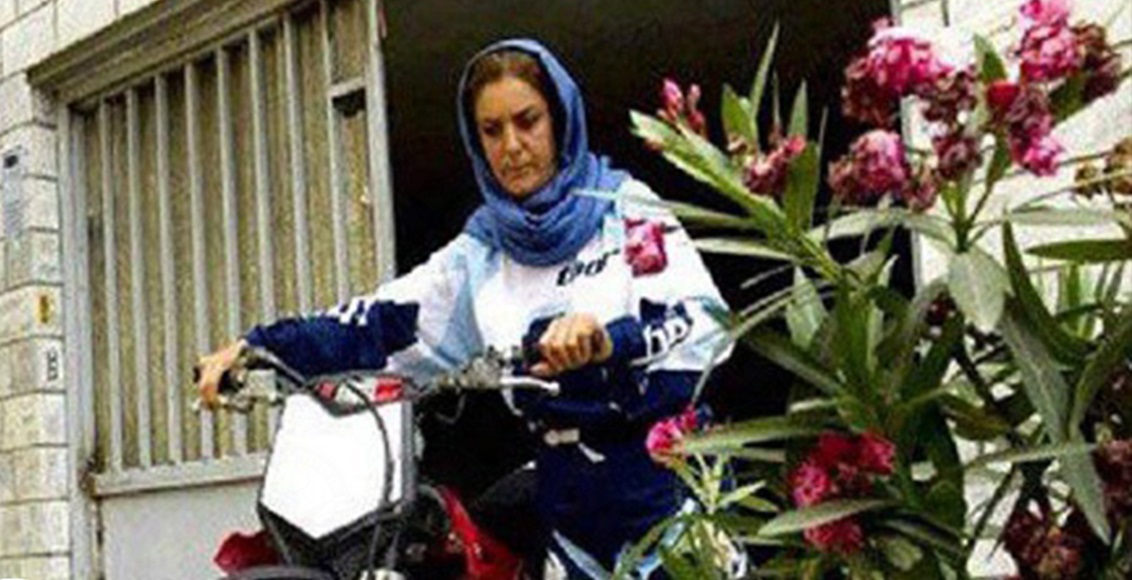
Women’s motocross champion and Baha’i citizen Shahrzad Nazifi was recently sentenced to 8 years in prison, 3 months’ probation in a center for mental handicaps, and a 2-year ban from leaving the country.

According to HRANA, the news agency of Human Rights Activists,  Branch 26 of the Revolutionary Court of Tehran, presided over by Judge Iman Afshari, issued the sentence in the absence of both Nazifi and her lawyer.

Tehran resident Shahrzad Nazifi, daughter of Ali, was born in 1971. Nazifi and her daughter Nora Naraghi are among the pioneers of women’s motocross in Iran. In May 2019, HRANA reported that Shahrzad Nazifi, Mehrshad Naraghi, and their children, were all barred from entering and using motorcycling tracks without a court order.

Nazifi has been charged with “managing illegal groups and factions with the aim of disrupting the security of the country” and with “bad motives and internal desire to destroy the religious system”.

According to unofficial sources, more than 300,000 Baha’is live in Iran, but the Iranian constitution recognizes only Islam, Christianity, Judaism, and Zoroastrianism. Because their faith is not considered legitimate by authorities, the rights of Baha’is in Iran have been systematically violated for years.

This deprivation of the freedom to practice their religion is a violation of Article 18 of the Universal Declaration of Human Rights, and Article 18 of the International Covenant on Civil and Political Rights. The United Nations covenant holds that every person has the right to freedom of religion, freedom of converting religion, as well as freedom of expression, individually or collectively; openly or secretly.

Married Couple Executed in Qazvin Prison on Drug-Related Charges

On May 30, two prisoners were executed in Qazvin prison on drug-related charges.

According to HRANA, the news agency of Human Rights Activists, quoting Iran Human Rights (IHR), Mr. Yousef Pirastvan and Ms. Pirastvan (first name unknown) were a married couple at the time of their arrest.

An informed source said that Mr. and Ms. Pirastvan were arrested 7-8 years ago on the Qazvin-Karaj highway on charges of carrying 380 kilograms of drugs and were sentenced to death in their first court session.

According to international organizations, Iran ranks first in the world in citizen executions per-capita. The Statistics and Publication Center of the Human Rights Activists in Iran (HRAI) reported that between January 1st and  December 20th of 2020, at least 236 citizens were executed. One of these citizens was executed publicly, and two were juvenile offenders. An additional 95 citizens were sentenced to death.

More than 72% of executions in Iran are not reported by the government or the judiciary. Human rights organizations call these “secret executions.”

At the time of writing, their execution has not been reported by domestic media or officials in Iran.

Benjamin Berier Indicted on Charges of Espionage and Spreading Propaganda Against the System

Benjamin Berier, arrested last May and held in Vakilabad Prison in the city of Mashhad since, has been indicted more than two months after giving his last defense to the Mashhad Prosecutor’s Office.

According to HRANA, the news agency of Human Rights Activists, Berier’s lawyer Saeed Dehghan wrote in a note on his social media that Benjamin Berier has been found guilty on charges of spying and spreading propaganda against the system. His other two charges of drinking and spreading depravity were dropped.

According to Dehghan, photographing forbidden areas, and asking the question “Why is the hijab mandatory in the Islamic Republic but optional in other Islamic countries?” are the reasons for the accusation of spying and propaganda against the regime.

Berier’s lawyer previously told HRANA, “Despite the ambiguities and contradictions in his charges against Mr. Berier, his case has not been allowed access to a lawyer thus far, which is a catastrophe.”

Mr. Dehghan also told HRANA that translational errors from a particular French publication have exacerbated the suspicion among officials.

“In a news story published by the French newspaper Figaro, Berier’s use of the common word “drone” has been misinterpreted as a UAV (unmanned aerial vehicle)–Mr. Berier is a tourist who used a ‘helicam’ for photography,” Dehghan said. “The use of this word by the newspaper Figaro has caused this misconception by some media. Figaro also reported Mr. Berier is a French Iranian citizen while he actually is a French citizen.”

Six Baha’is Were Sentenced to a Total of 73 Years and Six Months in Prison

Six Baha’i citizens, one man and five women, were sentenced to a total of 73 and a half years in prison.

According to HRANA, the news agency of Human Rights Activists, On May 19, the Revolutionary Court of Borazjan, presided over by Alireza Kiani, issued the verdict.

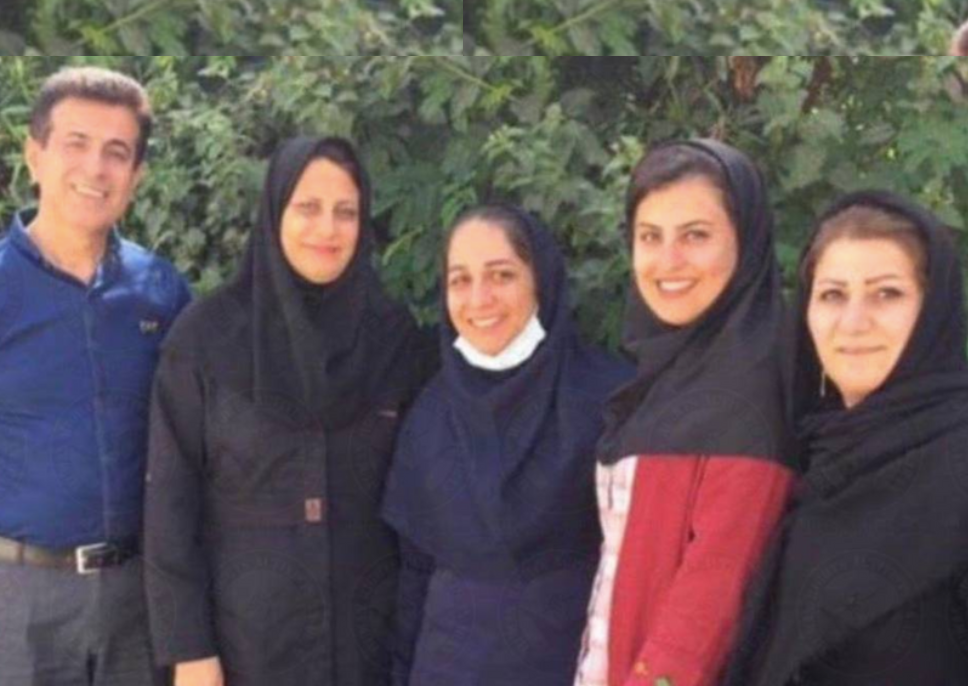
Borhan Ismaili, Maryam Bashir, Frank Sheikhi, Hayedeh Ram, Minoo Bashir, and Dorna Ismaili are residents of Shiraz city in the Fars Province and Borazjan city in the Bushehr Province.

Borhan Ismaili was sentenced to 11 years in prison as a first-degree defendant on charges of “propaganda activities against the regime” by spreading Baha’i beliefs and “acting against the security of the country” by disseminating and propagating the Baha’i faith.

Maryam Bashir, Frank Sheikhi, Hayedeh Ram, Minoo Bashir, and Dorna Ismaili each were sentenced to 12 years and 6 months in prison on charges of “assisting in propaganda activities against the regime by spreading Baha’i beliefs, producing and publishing vulgar images in cyberspace and social networks, and acting against the security of the country through publication”.

Based on this verdict, all documents, pamphlets, books, pictures, videos, and CDs related to the Baha’i faith that were taken by the Bushehr provincial IRGC Intelligence Organization during the search of the house will be confiscated.

The court has issued this sentence based on (what the court called) “membership in the hostile and anti-regime Facebook website, and also referred to the educational activities related to Bahai’s’ children”.

According to unofficial sources, more than 300,000 Baha’is live in Iran, but the Iranian constitution recognizes only Islam, Christianity, Judaism, and Zoroastrianism. Because their faith is not considered legitimate by authorities, the rights of Baha’is in Iran have been systematically violated for years.

This deprivation of the freedom to practice their religion is a violation of Article 18 of the Universal Declaration of Human Rights, and Article 18 of the International Covenant on Civil and Political Rights. The United Nations covenant holds that every person has the right to freedom of religion, freedom of converting religion, as well as freedom of expression, individually or collectively; openly or secretly.


Subscribe to Our Newsletter

Now is definitely not the time to stop reading!

Mojgan Kavousi Ends Hunger Strike After 10 Days

On the evening of May 25, political prisoner Mojgan Kavousi ended her hunger strike in Evin Prison.

According to HRANA, the news agency of Human Rights Activists, Kavousi had been on hunger strike since May 16 in protest of prison officials’ arbitrary behavior sending prisoners on leave during the outbreak of COVID-19.

Kavousi has been incarcerated for more than a year without leave. Her family has traveled from out of town to visit her but have been denied in-person visits and has only been permitted to meet through a cabin, behind glass.

Baha’i Women of Baharestan: 6 Remaining Baha’i Women Released on Bail from Dolatabad Prison in Isfahan

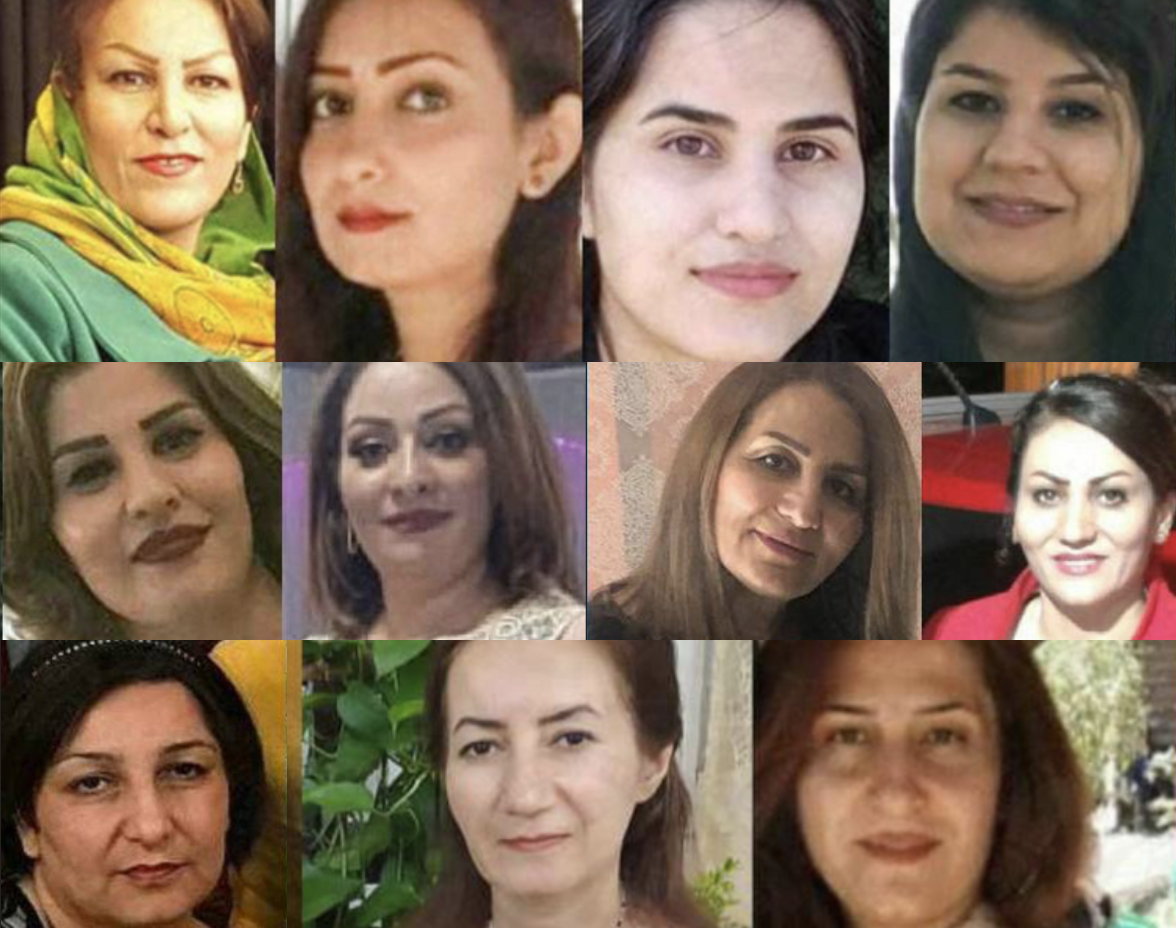
On Monday and Tuesday of this week, the remaining six of the 11 Baha’i women arrested in Baharestan, Isfahan, were released on bail from Dolatabad Prison.

According to HRANA, the news agency of Human Rights Activists, on May 22,  Nooshin Hemmat, Shurangiz Bahamin, Sara Shakib, Azita Rezvani, and Sholeh Ashouri were released from Dolatabad Prison. The following day, Mojgan Pourshafie, the last of the 11 women, was released as well.

More than 300,000 Baha’is live in Iran, unofficial sources say, but the Iranian constitution recognizes only Islam, Christianity, Judaism, and Zoroastrianism. Because their faith is not considered legitimate by authorities, the rights of Baha’is in Iran have been systematically violated for years.

This deprivation of the freedom to practice their religion is a violation of Article 18 of the Universal Declaration of Human Rights, and Article 18 of the International Covenant on Civil and Political Rights.

The United Nations covenant holds that every person has the right to freedom of religion, freedom of converting religion, as well as freedom of expression, individually or collectively; openly or secretly.

Mojgan Kavousi Finishes 9th Day of Hunger Strike in Evin Prison

Yesterday, May 24, was the ninth consecutive day of hunger strike for political prisoner Mojgan Kavousi.

According to HRANA, the news agency of Human Rights Activists, Kavousi has been on hunger strike since May 16 in protest of prison officials’ arbitrary behavior sending prisoners on leave during the outbreak of COVID-19.

45-year-old Kavousi is the daughter of Akbar and mother of two girls. Ms. Kavousi is a researcher, translator, and follower of the Yarsan faith.

The activist was arrested by security forces at her home in Nowshahr during the nationwide November Protests of 2019. She was released on a bail and later  sentenced to two years in prison on charges of “inciting the people to disrupt the order and security of the country”.  Ms. Kavousi was banned from leaving the country in September 2019, according to the Nowshahr Intelligence Office.

In May 2020, Kavousi was summoned to the women’s ward of Evin Prison to serve out her sentence, where she has been held since. Kavousi suffers from gastrointestinal disease, hemorrhoids, and cardiac arrhythmias. Given her previous conditions, a hunger strike of this duration could cause permanent damage.

Female Prisoner Kobra Fatemi Executed in Yazd Prison Under Qisas (Eye-for-an-Eye) Principle of Shariah Law

On May 23, Kobra Fatemi was executed in Yazd Prison on a charge of murder under the Qisas (loosely translated as “eye for an eye”) principle of Shariah Law.

According to HRANA, the news agency of Human Rights Acvitists, quoting Iran Human Rights (IHR),  41-year-old Fatemi had been in prison since 2015 for the murder of her husband.

Based on the report, an informed source stated: “The victim’s family were going to grant forgiveness but the victim’s paternal uncle, who is a member of the Islamic Revolutionary Guards Corps, insisted that the sentence be carried out and refused diya (blood money) on behalf of the victim’s family.”

“Kobra Fatemi had been married for three years and did not have any children,”  the source added. “Family disputes led her to the murder of her husband,”

According to international organizations, Iran ranks first in the world in citizen executions per-capita. The Statistics and Publication Center of the Human Rights Activists in Iran (HRAI) reported that between January 1st and  December 20th of 2020, at least 236 citizens were executed. One of these citizens was executed publicly, and two were juvenile offenders. An additional 95 citizens were sentenced to death.

The report states that more than 72% of executions in Iran are not reported by the government or the judiciary. Human rights organizations call these “secret executions.”

At the time of writing, her execution has not been reported by domestic media or officials in Iran

Narges Mohammadi Sentenced to 30 Additional Months in Prison, Flogging, and Fines

On May 19, less than a year after completing a five year sentence and being released from Zanjan Prison, human rights activist Narges Mohammadi was sentenced by Branch 1177 of the Criminal Court in the Quds Judicial Complex in Tehran to 30 more months in prison, 80 lashes, and two fines.

In March, HRANA, the news agency of Human Rights Activists, reported that Narges Mohammadi had published an open letter in response to her latest summons to the Evin Courthouse.

“I have not attended any hearing,” Mohammadi said in the letter. “I will not accept the verdict issued by the court and I definitely will disobey.”

According to HRANA, Mohammadi is facing a slew of protest-related charges, including “Propaganda activities against the Islamic Republic of Iran through the issuance of a statement against the death penalty”,  “Sit-down strike in the prison office”, “Breaking glass”, “Libel and assault”, and “Rebelling against the prison administration who asked to end the sit-down strike”.

In December 2019, Mohammadi and seven other political prisoners in the women’s ward of Evin Prison announced in a letter that they would go on a sit-down strike in support of bereaved families who lost loved ones in November 2019 national protests. Evin Prison officials threatened to deport Mohammadi and others who participated in the strike to prisons known for their harsher conditions. She was transferred from Evin Prison to Zanjan Prison in December 2019.

After five years and six months in prison, Narges Mohammadi was finally released from Zanjan in October 2020. Mohammadi has since been denied a passport and barred from leaving the country to visit her husband and children even though her previous conviction did not mention a supplementary ban on international travel.

Whether Mohammadi’s latest sentence is carried out given her refusal to accept the charges remains to be seen.