Trans Woman Murdered in Sanandaj

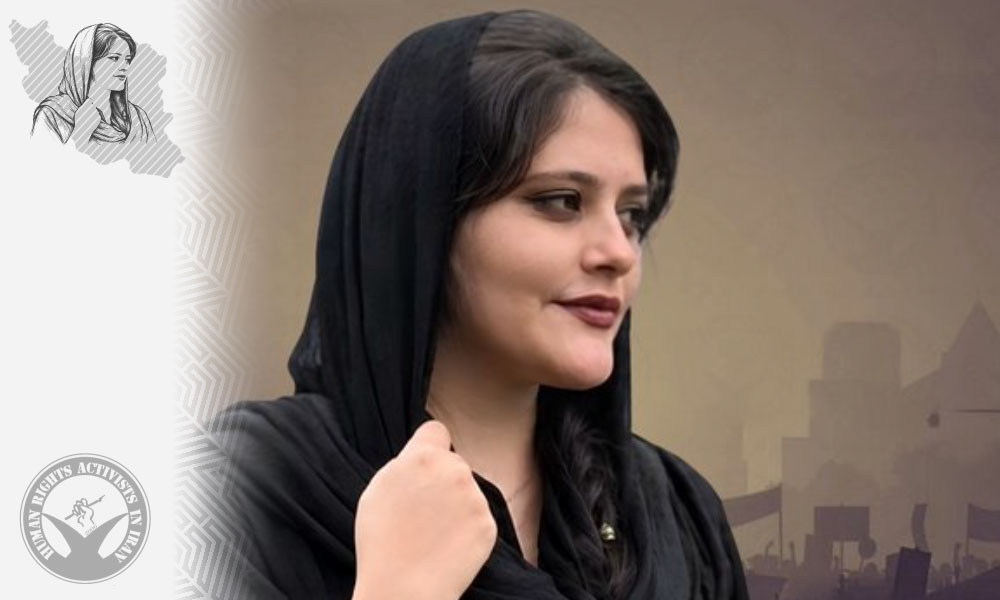
HRANA – Mahshid, a 26-year-old trans woman, was killed several days ago in Sanandaj after being stabbed by unidentified individuals.

According to HRANA, Mahshid, a trans woman and resident of the Golshan neighborhood of Sanandaj, lost her life following an attack by unknown assailants.

An informed source told HRANA: “She was likely killed on Friday by unidentified individuals who stabbed her multiple times. After the killing, the attackers also mutilated Mahshid’s body.”

The motive for the killing and the identities of those responsible remain unknown. However, the source added: “Given the nature of the crime and the circumstances surrounding it, it appears that this may have been a hate-motivated murder. In addition, Mahshid’s family has come under pressure and threats for pursuing the case and speaking publicly about the killing, to the extent that they have not even published a funeral announcement for her.”

Mahshid was 26 years old and lived in the Golshan neighborhood of Sanandaj.

The killing occurred amid ongoing discrimination, violence, and lack of effective legal protection faced by trans individuals and other members of the LGBTQ+ community in Iran. Human rights advocates believe that discriminatory laws, the medicalization of gender identities, and certain cultural and social narratives that contribute to gender-based violence and so-called “honor killings” can play a role in creating the conditions for such acts of violence.

As of the time of this report, no further information has been released regarding the identities of the perpetrators, the judicial proceedings, or any actions taken by the relevant authorities in connection with the case. The situation of Mahshid’s family following the reported threats also remains unknown.

Day Six of the U.S.–Israel War on Iran: 170 Strikes in 19 Provinces

HRANA – In the last 24 hours, and as of March 5, 2026, at 17:00 ET, HRANA has recorded at least 170 attacks across 113 incidents in 19 provinces, resulting in a total of at least 79 casualties (killed and injured, both civilian and military). According to aggregated data since the outbreak of the conflict on February 28, the total number of reported civilian deaths has reached 1,168 including 194 children, most of them under the age of ten. An additional 336 reported deaths are currently under review for verification and classification.

Based on information verified today, HRANA has recorded 9 civilian deaths, including one child, and 38 civilian injuries, as well as 3 military personnel killed. During the last 24-hour period, 29 cases (deaths and injuries) remain under review for verification and classification, including assessment of whether individuals were civilians or military personnel.

In addition, 26 sites were hit in 67 attacks over the past 24 hours. These include a range of locations and infrastructure, including several military bases, several dual-use sites, and a stadium. The nature of these objects, whether under special protected status, civilian, military, or dual use, remains under review, and classifications may be revised as further information becomes available. The list of 26 recorded targets are included in this report and reflect both objects reportedly directly targeted and those documented as damaged due to nearby strikes or collateral effects.

Aggregated data since the beginning of the conflict on 28 February 2026: The total number of reported civilian deaths stands at 1,168, including 194 children under 18, with 336 reported deaths currently and under review pending verification and classification.

This report provides a preliminary analysis of incidents documented within the last 24 hours. All figures and classifications contained herein are based on information available at the time of publication. As verification efforts continue and additional information becomes available, casualty figures, classifications of individuals as civilian or military, and the categorization of damaged objects may be updated.

HRANA applies a verification methodology that relies on cross-checking field reports, local sources, medical and emergency contacts, and available open source material. In cases where information cannot yet be conclusively verified, incidents or casualties are classified as undetermined and remain under active review. The dynamic nature of the situation, access constraints, and communication disruptions may affect the completeness of current data.

1. Overview of Incidents in the Last 24 Hours

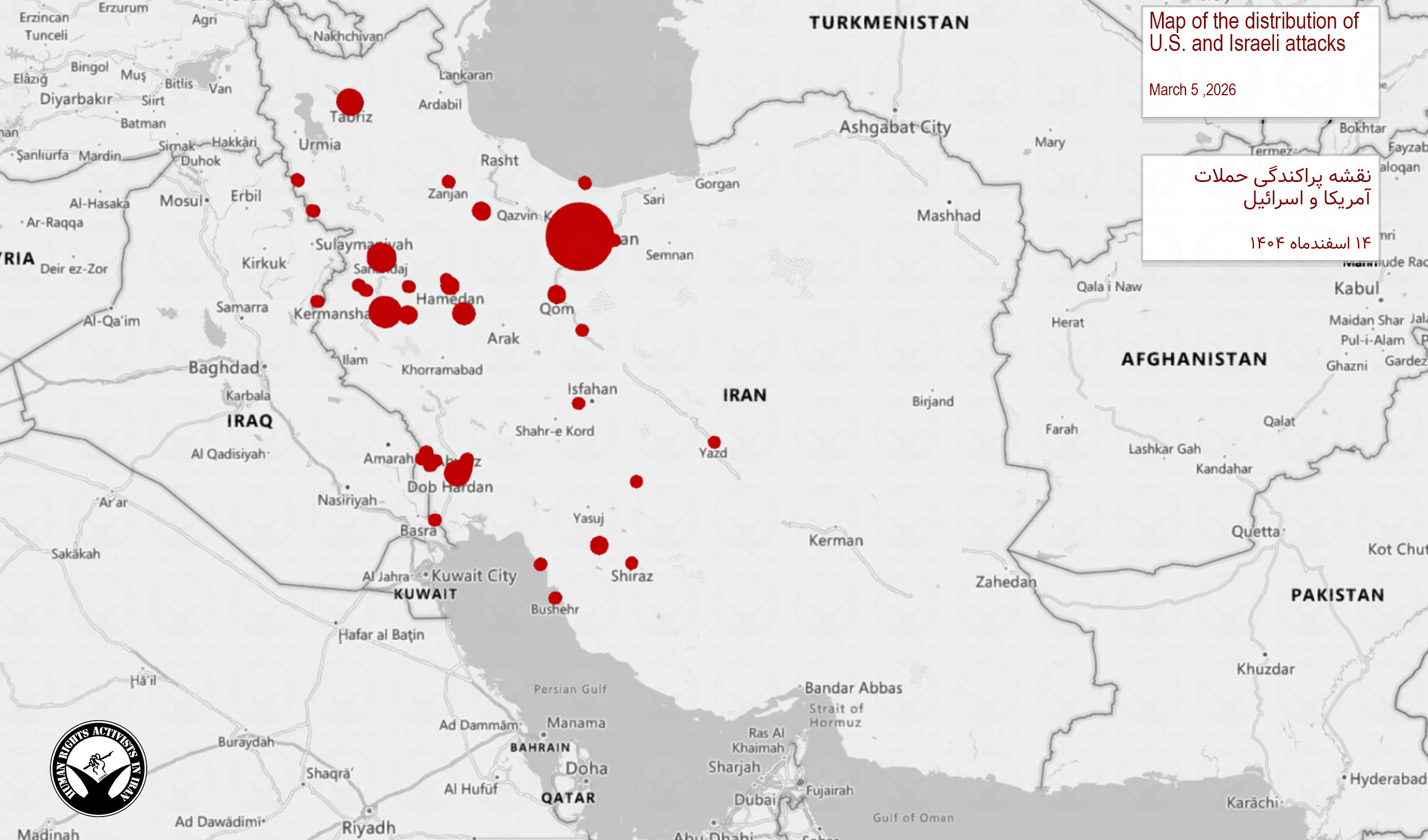
In the last 24 hours, incidents were reported across multiple provinces, reflecting a geographically dispersed pattern of hostilities. The documented incidents include airstrikes and missile attacks, primarily involving cruise missiles.

Preliminary analysis indicates that Tehran Province, accounting for 32% of the attacks, continues to be targeted more than any other part of the country. Khuzestan and Kermanshah provinces rank next, accounting for 14% and 11% of the attacks, respectively. Western regions of the country continue to bear a significant share of the airstrikes.

Day-6-map-war

2 List of Objects Reported Hit

In the last 24 hours, the following objects were reported as hit. Please note that this list includes not only objects reportedly directly targeted, but also those documented as damaged as a result of nearby strikes or blast effects. This list is not exhaustive; the items listed are illustrative.

• The Ministry of Intelligence office in Sardasht

• The IRGC Imam Ali garrison in Sanandaj

• A paper factory in Malayer

• The Chazabeh border terminal in Dasht-e Azadegan

• Jannat Abad Police Station No. 138 in Tehran

Under international humanitarian law, medical facilities, educational institutions, humanitarian facilities, religious sites, and emergency service centers are among the many objects that maintain special protected status and are afforded special protection.

As of the past 24 hours, HRANA documents reported damage to the following facilities protected by IHL. The information below reflects preliminary findings and remains subject to verification. This list is not exhaustive; those listed are illustrative.

• A residential building in Tehran

• The 12,000-seat Azadi Stadium in Tehran

• Yas Nabi Girls’ Elementary School in Tehran

• District 18 Municipality in Tehran

• Basat Stadium in Tehran

3. Civilian Casualties

All casualty figures presented below are based on information available at the time of publication. The classification of individuals as civilian, military, or undetermined is preliminary and subject to change as further verification is conducted. Where sufficient corroboration is not yet available, cases remain under review and may be reclassified in subsequent updates.

In the last 24 hours, 9 civilians were reported killed, and 38 civilians were reported injured across 19 provinces. One child is among those killed.

4. Military Casualties

During the same reporting period, three military personnel were reported killed. Military casualties have primarily been reported in connection with attacks on Army and Islamic Revolutionary Guard Corps (IRGC) bases. Where possible, organizational affiliation and operational context are being assessed; however, not all details have been independently verified. Access to information and statistics regarding military casualties remains particularly challenging.

In certain incidents, individuals were killed in proximity to military objectives, but their formal status has not yet been conclusively established. These cases remain under review, and classification may be revised if credible information indicates a different status.

5. Unverified Casualties

As of publication, 336 casualties remain under active review and are currently classified as undetermined. The classification may remain pending for the following reasons:

• Lack of identifying documentation

• Conflicting reports from sources

• Insufficient information regarding affiliation or role at the time of death or injury

• Ongoing efforts to verify open-source reports through the HRANA network

6. Undetermined Casualties

As of the time of publication, 29 casualties (17 deaths and 12 injuries over the last 24 hours) remain classified as undetermined. This includes cases where HRANA has not yet been able to confirm whether the individual was a civilian or military personnel, or where age status (including potential child casualties) has not been conclusively verified. Reports of 18 burial ceremonies for victims of incidents in recent days were also documented today.

The Third Day of the U.S.–Israel War on Iran: Rising Casualties and Intensified Strikes in Tehran and Western Provinces

HRANA – In the last 24 hours, and as of March 2, 2026, at 17:00 ET, HRANA recorded at least 56 incidents across 13 provinces, resulting in 101 total casualties (killed and injured, civilian and military). All figures and classifications in this report are preliminary and may be updated as additional information becomes available and verification efforts continue.

Based on information verified today, HRANA has recorded 85 civilians killed and 5 total civilians injured, as well as 11 military personnel killed. During the last 24-hour period, 579 cases (deaths and injuries) remain under review for verification and classification, including assessment of whether individuals were civilians or military personnel.

In addition, in the last 24 hours, 28 objects were reported as hit. These include a range of locations and infrastructure, such as several military bases, two residential areas, and Shahid Bahonar Pier in Bandar Abbas. The nature of these objects, whether under special protected status, civilian, military, or dual use, remains under review, and classifications may be revised as further information becomes available. The list of 28 recorded targets are included in this report and reflect both objects reportedly directly targeted and those documented as damaged due to nearby strikes or collateral effects.

Aggregated data since the beginning of the conflict on 28 February 2026: The total number of reported civilian deaths stands at 742, including 176 children under 18, with 624 reported deaths currently and under review pending verification and classification. Reported civilian injuries since 28 February 2026 stand at 971, including 115 children.

This report provides a preliminary analysis of incidents documented within the last 24 hours. All figures and classifications contained herein are based on information available at the time of publication. As verification efforts continue and additional information becomes available, casualty figures, classifications of individuals as civilian or military, and the categorization of damaged objects may be updated.

HRANA applies a verification methodology that relies on cross-checking field reports, local sources, medical and emergency contacts, and available open source material. In cases where information cannot yet be conclusively verified, incidents or casualties are classified as undetermined and remain under active review. The dynamic nature of the situation, access constraints, and communication disruptions may affect the completeness of current data.

1. Overview of Incidents in the Last 24 Hours

In the last 24 hours, incidents were reported across multiple provinces, reflecting a geographically dispersed pattern of hostilities. Documented incidents include airstrikes and missile attacks.

Preliminary analysis indicates that Tehran Province, accounting for 56% of the attacks, continues to be targeted more than any other part of the country. Unlike previous days, when West Azerbaijan and East Azerbaijan provinces ranked second and third in terms of the number of attacks, today Kurdistan and Hormozgan provinces hold those positions, with shares of 8% and 7%, respectively.
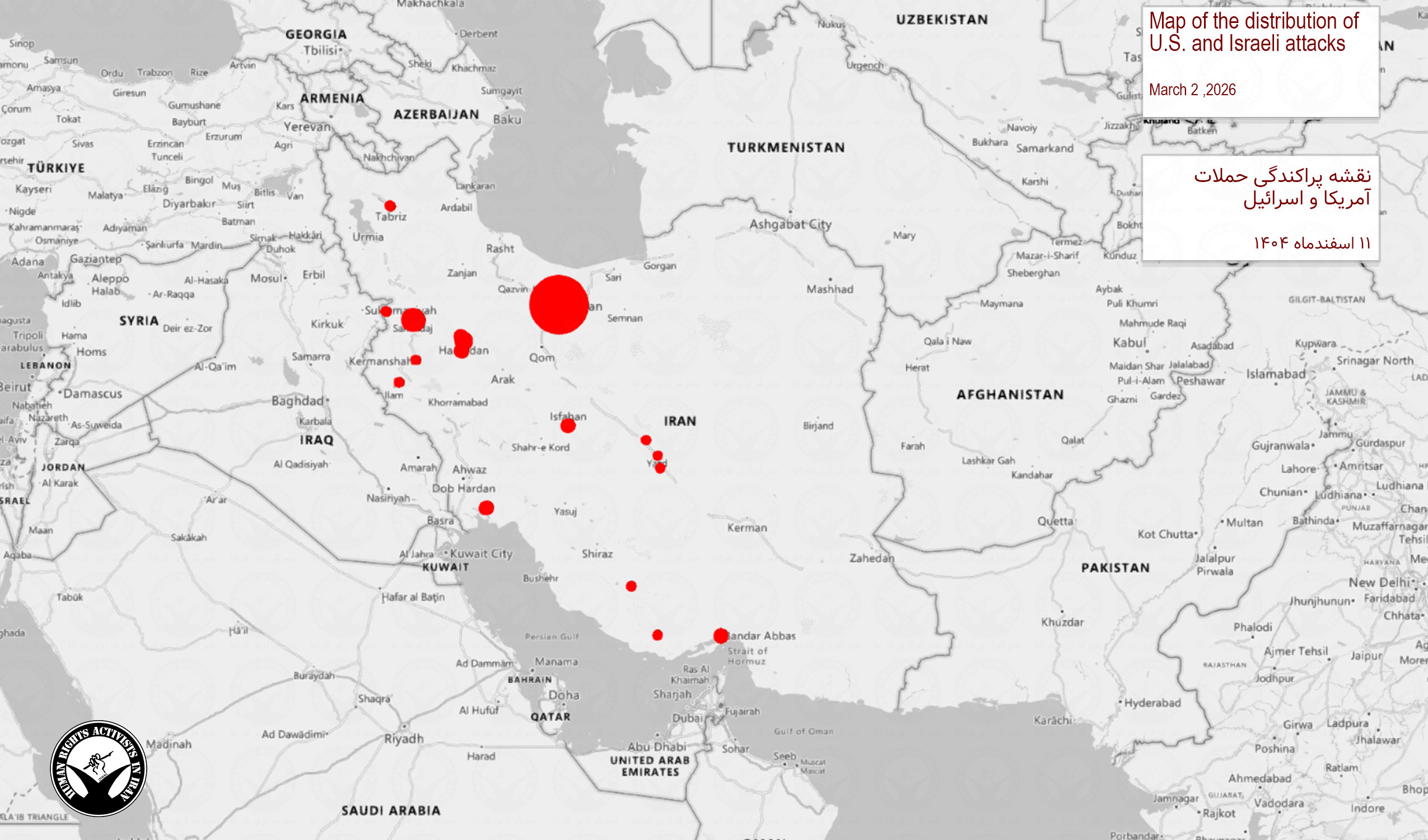
US-Iran war map Day 3

2 List of Objects Reported Hit

In the last 24 hours, the following objects were reported as hit. Please note that this list includes not only objects reportedly directly targeted, but also those documented as damaged as a result of nearby strikes or blast effects. This list is not exhaustive; the items listed are illustrative.

• The Law Enforcement Command Headquarters of Kurdistan, located in Sanandaj

• The Kurdistan Border Guard Command Center, located in Sanandaj

• The 8th Tactical Air Base (Islamic Republic of Iran Air Force) in Isfahan was targeted

• The Army’s Self-Sufficiency Jihad Base in Tehran was targeted

For a number of the above-listed objects, the precise nature of the target, whether civilian, military, or dual use, remains under review. Verification efforts are ongoing to determine the status and function of each object at the time of the reported strike. As further information becomes available, classifications may be revised in subsequent updates.

Facilities Protected Under International Humanitarian Law:

Under international humanitarian law, medical facilities, educational institutions, humanitarian facilities, religious sites, and emergency service centers are among the many objects that maintain special protected status and are afforded special protection.

As of the past 24 hours, HRANA documents reported damage to the following facilities protected by IHL. The information below reflects preliminary findings and remains subject to verification. This list is not exhaustive; those listed are illustrative.

• A mosque in Mehrshahr, Karaj, was targeted

• A residential building on Shariati Street in Tehran was targeted

• The governor’s office in Rey was targeted

• Shahid Bahonar Pier in Bandar Abbas was targeted

• A residential complex on Sepahbod Qarani Street in Tehran was targeted

3. Civilian Casualties

All casualty figures presented below are based on information available at the time of publication. The classification of individuals as civilian, military, or undetermined is preliminary and subject to change as further verification is conducted. Where sufficient corroboration is not yet available, cases remain under review and may be reclassified in subsequent updates.

In the last 24 hours, 85 civilians were reported killed, and 5 civilians were reported injured across 13 provinces. Among them, 1 children were killed.

The highest number of civilian casualties was documented in the city of Ilam, Ilam Province, followed by Kurdistan Province.

In Tehran, a particularly severe incident occurred when an airstrike damaged the Iranshahr Street Emergency building and several adjacent buildings. These incidents continue to be reviewed as additional documentation becomes available.

4. Military Casualties

During the same reporting period, 11 military personnel were reported killed. This figure for military casualties is limited exclusively to those reported in connection with attacks on military or paramilitary bases. Where possible, organizational affiliation and operational context are being assessed; however, not all details have been independently verified.

In certain incidents, individuals were killed in proximity to military objectives, but their formal status has not yet been conclusively established. These cases remain under review, and classification may be revised if credible information indicates a different status.

5. Unverified Casualties

As of publication, 52 casualties remain under active review and are currently classified as undetermined.

Classification may remain pending due to:

• Lack of identifying documentation

• Conflicting reports from sources

• Insufficient information regarding affiliation or role at the time of death or injury

• Ongoing efforts to verify open-source reports through the HRANA network

Several incidents and casualties documented in this reporting period remain under review due to incomplete or conflicting information. These cases are recorded but are not yet fully verified or cannot yet be reliably classified, and may be updated as additional corroboration becomes available.

6. Undetermined Casualties

As of the time of publication, 579 casualties (deaths and injuries) remain classified as undetermined. This includes cases where HRANA has not yet been able to confirm whether the individual was a civilian or military personnel, or where age status (including potential child casualties) has not been conclusively verified.

A Note on HRANA Methodology

The information contained in this report is compiled through HRANA’s established documentation network. Data is collected from a combination of field reports, local contacts, medical and emergency sources, civil society networks, and open source materials, including publicly available images, videos, and official statements where relevant. Each reported incident is logged and assessed through an internal review process before publication.

Given the evolving nature of hostilities, information is gathered on a rolling basis and reflects the status of documentation at the time of publication.

The figures presented in this report may not reflect the full scope of harm. Ongoing hostilities, damage to infrastructure, communication disruptions, restricted access to affected areas, and security risks for sources may limit the ability to document incidents comprehensively.

Delays in medical reporting, difficulties in confirming identities, and restricted access to certain provinces may result in temporary undercounting. As access improves or additional evidence emerges, casualty figures and incident classifications may be revised accordingly.

HRANA remains committed to transparency, methodological rigor, and the continual updating of its findings as new verified information becomes available.

Humanitarian Obligations

HRA reiterates that all parties to the conflict are bound by international humanitarian law and must at all times distinguish between civilians and combatants, and between civilian objects and military objectives. Attacks directed against civilians or civilian objects, as well as indiscriminate attacks, are prohibited. All parties are required to take all feasible precautions to minimize civilian harm and to protect facilities afforded special protection, including medical units, schools, humanitarian facilities, religious sites, and objects indispensable to the survival of the civilian population.

HRA further underscores the obligation under human rights law of the Islamic Republic of Iran to ensure access to information. Authorities must refrain from imposing internet shutdowns, communication disruptions, or other restrictions that impede the flow of information, obstruct documentation efforts, or prevent families from obtaining information about the fate and whereabouts of their relatives. Transparency and access to information are essential for civilian protection and the effective delivery of humanitarian assistance.

As seen in the documentation in this report, armed conflict brings profound destruction and suffering to civilians and deepens humanitarian crises. HRA calls for an immediate cessation of hostilities and a renewed commitment to a peaceful resolution grounded in international law. The continued loss of civilian life, including that of children, underscores the urgent need to prioritize the protection of human life above all else.

The protection of civilians and the safeguarding of fundamental rights, including access to information, are binding legal obligations. The pursuit of peace remains essential to preventing further harm.

Afshin Hosseinpanahi and Khabat Dehdar Arrested by Security Forces

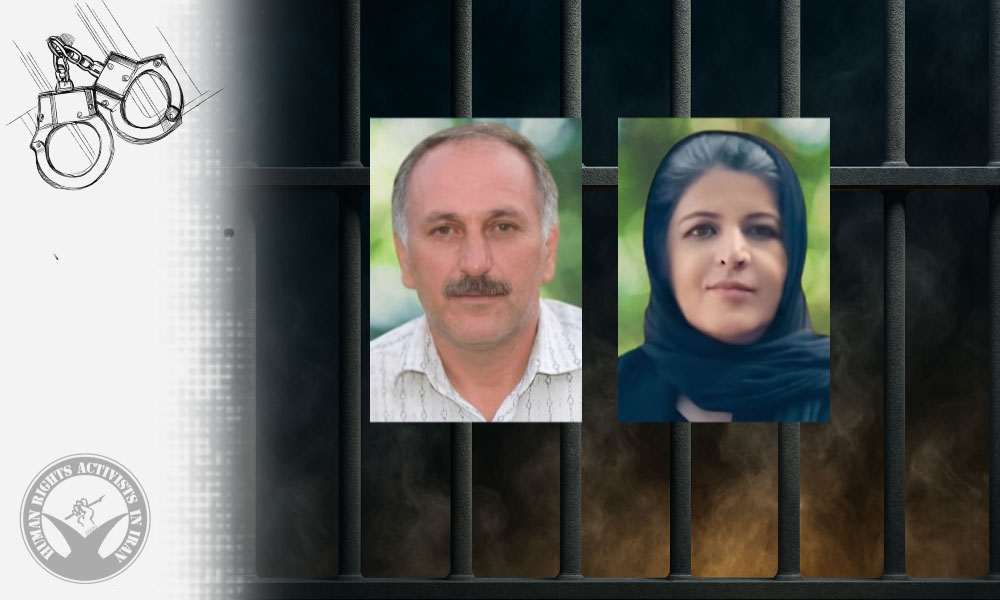
HRANA – Today, Afshin Hosseinpanahi and Khabat Dehdar, residents of Sanandaj, were arrested by security forces and transferred to an unknown location.

According to Kurdpa, the arrests were carried out today by security forces without the presentation of a judicial warrant. As of the time of this report, no information has been obtained regarding the reasons for their arrest, the charges brought against them, or their place of detention.

Afshin Hosseinpanahi and Khabat Dehdar, both residents of Sanandaj, have previously faced security-related confrontations due to their activities.

Report on the Arrest of Nine Citizens in Connection with the January Protests

HRANA – In connection with the nationwide protests, nine individuals were arrested by security forces in the cities of Ilam, Kermanshah, Sanandaj, Tehran, and Kerman.

Based on information received by HRANA, Amir Mohammad Sarhadi, Pouria Mirzaei, Mohammad Mohammadian, and Ali Gilani were arrested during the nationwide protests in Kerman by Intelligence Organization of the IRGC agents in this city.

In this regard, on January 14, 2026, Mehr News Agency published a video of the forced confessions of these citizens under the title “Agents Behind the Arson of the Kosar Square Procession.” In this video, which it is unclear under what conditions it was recorded, the citizens express remorse.

A source close to the families of these citizens, while confirming the news, told HRANA: “So far, no information has been obtained about their place of detention. The lack of information about the fate of these citizens has increased the concerns of their families and relatives.”

Additionally, Fariborz Sadeghi, a resident of Ilam, was also arrested by security forces in this city in late January 2026. So far, no information has been obtained about his place of detention.

On the other hand, Hamid Haj Jafar Kashani and Ahmadreza Bakhtar were arrested by security forces in Tehran and are currently being held in Greater Tehran Prison.

According to available information, Bakhtar, 18 years old, from Shirvan in Ilam Province, and Haj Jafar Kashani were arrested by security forces in Tehran during the early days of the protests.

Kurdpa News Agency also reported the arrest of two citizens in Sanandaj and Kermanshah.

The identities of these citizens were reported as Mehdi Ghaderi, 32 years old, son of Ali, married, father of two children, and a resident of Sanandaj; and Moslem Seydi, 39 years old, from and residing in Kermanshah.

According to this report, Mr. Ghaderi was arrested on Tuesday, February 3, 2026, by security forces in Sanandaj, and Mr. Seydi was arrested on January 9, 2026, inside a doctor’s office on Kashani Street in Kermanshah. Since their arrest, no information has been obtained regarding their place of detention.

As of the time of this report, no information has been obtained regarding the charges brought against these citizens.

It should be noted that gatherings and strikes by shopkeepers and bazaar merchants began in Tehran on Sunday, December 28, 2025. After two days, they spread beyond bazaars and commercial centers. With the participation of students, citizens, and various social groups, these protests became one of the most widespread in recent years. For more information, you can refer to HRANA’s detailed report published last night on the thirty-eighth day since the start of the protests.

Subscribe to Our Newsletter

Now is definitely not the time to stop reading!

Report on the Execution of at Least 26 Prisoners on Murder and Drug-Related Charges

HRANA – At least 26 prisoners were executed in the prisons of Arak, Naein, Tabriz, Bandar Abbas, Qazvin, Ardabil, Qom, Semnan, Borujerd, Sanandaj, Nowshahr, Lahijan, and Qaemshahr. These prisoners had previously been sentenced to death on charges related to drug-related offenses and murder.

The identities of the prisoners have been confirmed by HRANA as: Shahriar Farahani, Manoochehr Mehrabi, Nasser Hosseini, Behrouz Hazrati, Fardin Kalami, Mohammadali Moridan, Amin Nasiri, Sajjad Dousti, Peyman Shiri, Hekmat Daryaei, Mostafa Minavand, Shahab Karami, Nemat Mehraban, Azim Nourzad, Noushad Alipour, Shahrouz Hosseini, Yousef Eini, Meysam Rafiei, Jaber Mohammadi, Payam Nouri, Omid Hatami, Samir Ajamloo, Iman Nejati, Ghorban Rashidi, Kourosh Zamani, and Kianoush Rostami.

Based on information received by HRANA, today, Sunday, February 1, Shahriar Farahani was executed in Arak Prison, Manoochehr Mehrabi in Naein Prison, Nasser Hosseini in Qazvin Prison, Behrouz Hazrati in Ardabil Prison, Fardin Kalami in Qom Prison, Mohammadali Moridan in Borujerd Prison, Amin Nasiri in Sanandaj Prison, and Sajjad Dousti in Nowshahr Prison on murder charges.

Additionally, Peyman Shiri in Tabriz Prison, Hekmat Daryaei in Bandar Abbas Prison, and Mostafa Minavand in Semnan Prison were hanged on charges related to drug-related crimes.

Additionally, HRANA has received reports of executions carried out in recent months. From October to December of 2025, at least eight prisoners were executed in Qaemshahr Prison. Shahab Karami on October 6, Nemat Mehraban on October 20, Azim Nourzad on November 17, Noushad Alipour on December 1, and Shahrouz Hosseini on January 12 were executed on murder charges. Furthermore, Yousef Eini on November 2, Meysam Rafiei on December 15, and Jaber Mohammadi on December 29 were executed on charges related to drug-related offenses.

The death sentences of at least seven other prisoners were also carried out in Lahijan Prison. Ghorban Rashidi on  December 3, Kourosh Zamani on December 15, and Kianoush Rostami on December 31 were executed on charges related to drug-related crimes. Payam Nouri on October 29, Omid Hatami on November 12, Samir Ajamloo on November 19, and Iman Nejati on December 17 were sentenced to death and executed on murder charges.

As of the time of this report, the executions of these prisoners have not been officially announced by prison authorities or relevant institutions.

According to HRA’s annual report, at least 2,063 people were executed in Iran. Based on this report, the implementation of death sentences increased by 119% compared to 2024. In many of these executions, due to secrecy, prisoners were even deprived of the right to a final visit with their families.

Execution of 14 Prisoners on Murder and Drug-Related Charges

Amid ongoing concerns over the lack of judicial transparency and widespread internet disruptions in Iran, at least 14 prisoners were executed in various prisons across the country in the last four days. These prisoners had previously been sentenced to death on charges related to drug offenses and murder.

Based on information received by HRANA, Rastin Noorian was executed on Tuesday in Behbahan Prison on a charge of murder. On the same day, Farshid Darabi in Sari Prison and Changiz Ghafoori in Bukan Prison were also executed on murder charges. In addition, Amirali Haghighat-Doost was hanged on Tuesday in Gonabad Prison on charges related to drug offenses. On Wednesday, Houshang Maleki in Ferdows Prison, Touraj Rashidi in Esfarayen Prison, Shaho Safari in Sanandaj Prison, and Jalal Papi in Nowshahr Prison were all executed on murder charges. Two other prisoners were executed in Rasht Prison on murder charges; the identity of one of them, Ashkan Kalehri, has been confirmed by HRANA.

On Monday, Iman Zamani was executed in Quchan Prison on charges related to drug offenses. Additionally, on Wednesday, Momen Abdi-Pour was executed in Mahshahr Prison on a charge of murder. Meanwhile, today, Thursday, January 22, Abdullah Panjshiri, an Afghan national, was executed in Taybad Prison on charges related to drug offenses. Nariman Sohrabi was also executed in Bojnord Prison on a murder charge.

Further details, including the identity of one of the prisoners executed in Rasht Prison, are still under investigation by HRANA.

As of the time of this report, these executions have not been officially announced by prison authorities or relevant institutions.

According to HRA’s annual report, at least 2,063 people were executed in Iran during the one-year period from January 1, 2025, to January 1, 2026. This represents a 119% increase in executions compared to 2024. In many of these cases, due to secrecy, prisoners were denied even the right to a final visit with their families.

Execution of at Least 22 Prisoners on Charges of Murder and Drug-Related Offenses

HRANA – Amid nationwide protests and the continued widespread internet shutdown in Iran, between January 12 to January 15, 2026, the death sentences of at least 22 prisoners, including one woman, were carried out in various prisons across the country. These individuals had previously been sentenced to death on charges including murder, drug-related crimes, and moharebeh (enmity against God) through armed robbery.

Based on HRANA’s findings, on Monday, January 12, 2026, Arta Saei was executed in Nowshahr Prison on a charge of murder. On January 13, four other prisoners were executed: Akram Rezaei (female) and Hamzeh Jafari, both on murder charges in Rasht Prison; Kourosh Bozorgmehr on a charge of moharebeh through armed robbery in Sanandaj Prison; and Mohammadjavad Naeimi on a murder charge in Gonabad Prison.

On Wednesday, January 14, 11 prisoners who had previously been sentenced to death on murder charges were executed in various prisons. Among them were three prisoners in Shiraz Prison, one of whom has been identified as Sharif Dehghani; Armin Aghapour in Bushehr Prison; Jalil Shahbazi in Mashhad Prison; Ali Agha Hemmati in Chabahar Prison; Mousa Askari in Damghan Prison; Mehrshad Asadabadi in Mahabad Prison; Seyed Ali Hatami in Ferdows Prison; Ehsan Ansari in Quchan Prison; and Aziz Morad Hosseini in Esfarayen Prison. On the same day, Borzou Mahdinia was executed in Malayer Prison and Farshad Heydari-Kia in Bojnurd Prison. These two prisoners had previously been sentenced to death on drug-related charges.

Continuing on Thursday, January 15, four more prisoners were executed on murder charges. On that day, Azim Omari was executed in Behbahan Prison; Saleh Kaabi in Mahshahr Prison; Omid Jamshidi in Sari Prison; and an Afghan national in Taybad Prison.

Further details, including the identification of three of the prisoners, are still under investigation by HRANA.

As of the time of this report, the executions have not been officially announced by prison authorities or relevant institutions.

The continued large-scale implementation of death sentences amid internet shutdowns and severe restrictions on the flow of information has intensified concerns over the lack of judicial transparency, prisoners’ denial of access to fair trials, and the heightened risk of violations of the right to life. Human rights organizations have repeatedly warned that carrying out executions in a securitized and opaque environment increases the likelihood of serious human rights abuses.

According to the HRA’s annual report, at least 2,063 people were executed in Iran during the one-year period from January 1, 2025, to January 1, 2026. This represents a 119% increase in executions compared to 2024. In many of these cases, due to secrecy, prisoners were even denied the right to a final visit with their families.

Execution of at Least 52 Prisoners in Iran on Murder and Drug-Related Charges

HRANA – Concurrent with nationwide protests in Iran and amid a widespread internet shutdown across the country, the execution of at least 52 prisoners has been reported in 42 different prisons. These individuals had previously been sentenced to death on charges including murder, drug-related offenses, and other non-political and non-security-related accusations.

Their sentences were carried out between January 5 to 14, 2026. These executions took place under conditions in which public access to information was severely restricted, and independent oversight of judicial proceedings and the implementation of sentences was effectively impossible.

A review of the information received by HRANA indicates that despite the imposition of severe communication restrictions nationwide, the implementation of death sentences continued without interruption. Based on these findings, the executions were carried out in at least 42 prisons across various provinces of Iran, covering a wide range of geographical areas.

Between Monday, January 5 to 12, at least 37 prisoners were executed in various prisons across the country:
Mohammadjavad Rasouli executed in Nowshahr Prison on Monday, January 5; Arsalan Arabi in Rasht Prison on Tuesday, January 6; and Mahyar Mohammadi in Sanandaj Prison on Wednesday, January 7, all on murder charges. Additionally, on Saturday, January 10, multiple executions on murder charges were recorded in different prisons, including Mostafa Sheikhi in Khorramabad Prison, Samyar Emkani in Kermanshah Prison, Ebrahim Rayati in Hamedan Prison, Bahman Shokri in Dezful Prison, and Masoud Mardani in Yasuj Prison.

Furthermore, on Sunday, January 11, the executions of Simrad Zali in Borujerd Prison, Ayin Mousavi in Qom Prison, Hamid Khatib in Ardabil Prison, Jabbar Gholipour in Qazvin Prison, and Alireza Bagheri in Tabriz Prison were reported, all on murder charges. Also, on Monday, January 12, the executions of Ali Teymouri in Gorgan Prison, Parviz Khani in Neyshabur Prison, Sobhan Ghasemi in Dorud Prison, Hossein Jalili in Zanjan Prison, Javad Bahrami in Saveh Prison, Sajad Bamari in Kerman Prison, and Habibollah Shakeri in Kashan Prison were reported on murder charges.

In addition to murder charges, a number of the executions were reported to have been carried out on drug-related charges. Ahmad Hemmati was executed in Gonabad Prison on Wednesday, January 7; Khodarahm Mehri in Esfarayen Prison on the same day; Vali Karambeigi-Nejad in Quchan Prison on Thursday, January 8; Mehdi Babaei in Nahavand Prison on Saturday, January 10; Abdolhossein Zakipour in Arak Prison on Sunday, January 11; and Mola Joozipour in Semnan Prison on Sunday, all on charges related to drug offenses.

During the current week, a new wave of executions has been reported. On Saturday, January 10, the execution of two prisoners in Karaj Prison on drug-related charges was recorded; the identity of one of them was announced as Sasan Amini. On the same day, the execution of three prisoners in Aligudarz Prison on murder charges was reported, with the identities of two of them announced as Reza Shahmohammadi and Younes Parsa. On Sunday, January 11, the execution of two prisoners in Bandar Abbas Prison on murder charges was also reported, with the identity of one of them announced as Behzad Niazi. Additionally, on Monday, January 12, the execution of four prisoners in Isfahan Prison on murder charges was recorded, with the identity of one of them announced as Sattar Ahmadi.

On Tuesday, January 13, at least 10 prisoners were executed in various prisons across the country. According to available information, six prisoners were executed on murder charges, including Sohrab Fathi in Birjand Prison, Morteza Gholami in Ilam Prison, Mohammad-Amin Boghlani in Ahvaz Prison, Hamed Latifi in Yazd Prison, Najafali Navabi in Jiroft Prison, and Jalal Bakhtiari in Borazjan Prison. On the same day, Karim Piri in Bam Prison, Keyomars Sanaei in Khaf Prison, and Aziz Alipanahi in Yazd Prison were executed on charges related to drug offenses, and another prisoner was executed in Yazd on non-political and non-security-related charges.

On Wednesday, January 14, the execution of at least five prisoners on murder charges was also reported: Dariush Bozorgi  in Mahabad Prison; Mostafa Azizi and Arman Mohammadian in Kashmar Prison; Yaser Akbari in Shahrekord Prison; and Khosrow Abdi in Sabzevar Prison.

Further details, including the identification of seven of the prisoners, are still under review by HRANA.

As of the time this report was compiled, the executions of these prisoners have not been officially announced by prison authorities or responsible institutions.

The continuation of the widespread implementation of death sentences amid internet shutdowns and severe restrictions on the flow of information has intensified concerns over the lack of judicial transparency, prisoners’ denial of access to fair trials, and the heightened risk of violations of the right to life. Human rights organizations have repeatedly warned that carrying out these punishments in a securitized and opaque environment increases the likelihood of serious human rights violations.

According to HRA’s annual report on the human rights situation in Iran, at least 2,063 people were executed in Iran during the one-year period from January 1, 2025, to January 1, 2026. Based on this report, executions increased by 119% compared to 2024. In many of these cases, due to secrecy, prisoners were even denied the right to a final visit with their families.

Eight Citizens Arrested During Protests

HRANA – During the 2026 protests, Behnam Fatehi, a resident of Sanandaj, and seven residents of Abdanan identified as Rahmat Rashidi, Behrouz Sheikhi, Ashkan Sabzi, Arman Karami, Aref Mirzaei, Amirhossein Khan Mohammadi, and Mostafa Saffar were arrested by security forces without the presentation of a judicial warrant and transferred to undisclosed locations.

HRANA has confirmed the identity of this citizen as Behnam Fatehi, a mechanic from Sanandaj, who was arrested yesterday by agents of the Ministry of Intelligence.

Additionally, Kurdpa News Agency reported the arrest of seven citizens, Rahmat Rashidi, Behrouz Sheikhi (29 years old), Ashkan Sabzi, Arman Karami, Aref Mirzaei, Amirhossein Khan Mohammadi, and Mostafa Saffar, in Abdanan County.

As of the time of this report, no information has been obtained regarding the charges against these individuals or their place of detention.

It is worth noting that gatherings and strikes by shopkeepers and merchants began in Tehran on Sunday, December 28, 2025, and after two days expanded beyond bazaars and commercial centers. With the participation of students, citizens, and various social groups, these protests have become among the most widespread demonstrations in recent years. For more information, readers may refer to HRANA’s detailed report on the twelfth day of the protests, published last night.