





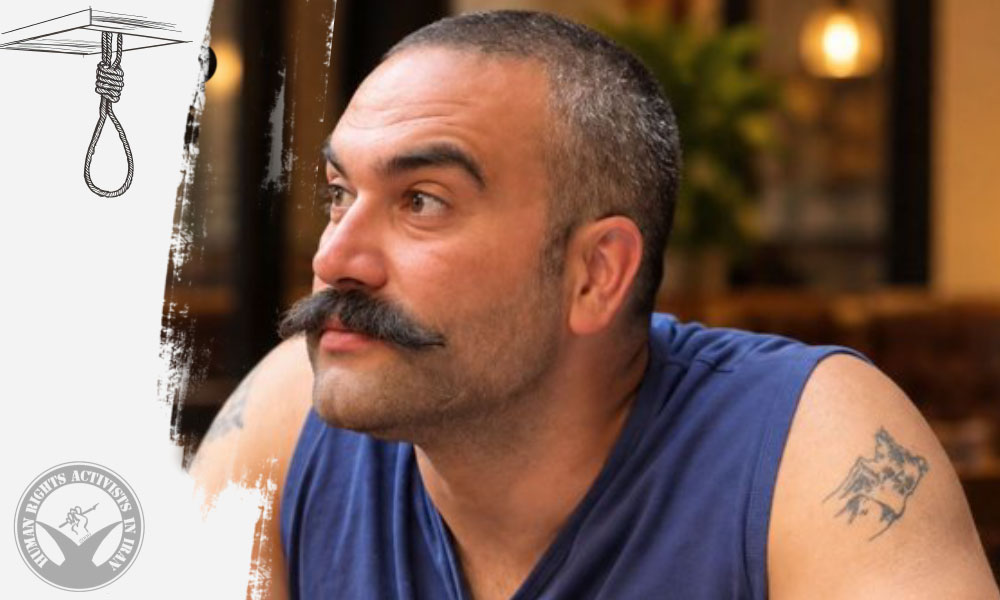
HRANA – Today, October 14, 2026, the Judiciary’s Media Center announced the execution of Ali-Sina Mostafavi, a prisoner accused of moharebeh (enmity against God), in Kerman. His death sentence was carried out after being upheld by the Supreme Court.
According to HRANA, citing Mizan News Agency, the death sentence of Ali-Sina Mostafavi was carried out in Kerman.
The Judiciary’s Media Center claimed that on March 24, 2026, Mostafavi opened fire in Azadi Square in Kerman, injuring a civilian and a young girl. According to the same source, he also fired shots at conscript soldiers and passing vehicles on April 21, 2026, and on two occasions fired toward the Kerman–Mahan Highway Police.
The center described Mostafavi as a “monarchist” and stated that he had participated in the protests of January 2026, during which he allegedly sent videos and photographs to media outlets based outside Iran. It further claimed that during the war, he filmed locations struck by projectiles and provided the footage to these outlets.
According to the report, following Mostafavi’s identification and arrest, security personnel searched his hiding place and discovered firearms, ammunition, and Molotov cocktails.
The charges brought against him included “moharebeh with the intent to spread fear and terror, attempted murder, intentionally causing bodily harm through gunfire, brandishing a firearm, manufacturing and possessing explosives, and drawing a weapon with the intent to threaten people’s lives and intimidate them.” Contact with foreign-based media outlets was also among the allegations raised in his case.
According to Mizan, the court issued the death sentence based on evidence in the case file, field investigations, reports from judicial officers, and confessions attributed to the defendant. The report also claimed that the trial was held in the presence of his lawyer.
Ultimately, following the rejection of his appeal and the Supreme Court’s confirmation of the verdict, Ali-Sina Mostafavi’s death sentence was carried out.
The published report did not provide information regarding the exact date of his arrest, the court branch that handled his case, the date of the initial verdict, or details of the judicial proceedings. It also remains unclear to what extent Mostafavi had access to a lawyer of his own choosing during his detention and trial.