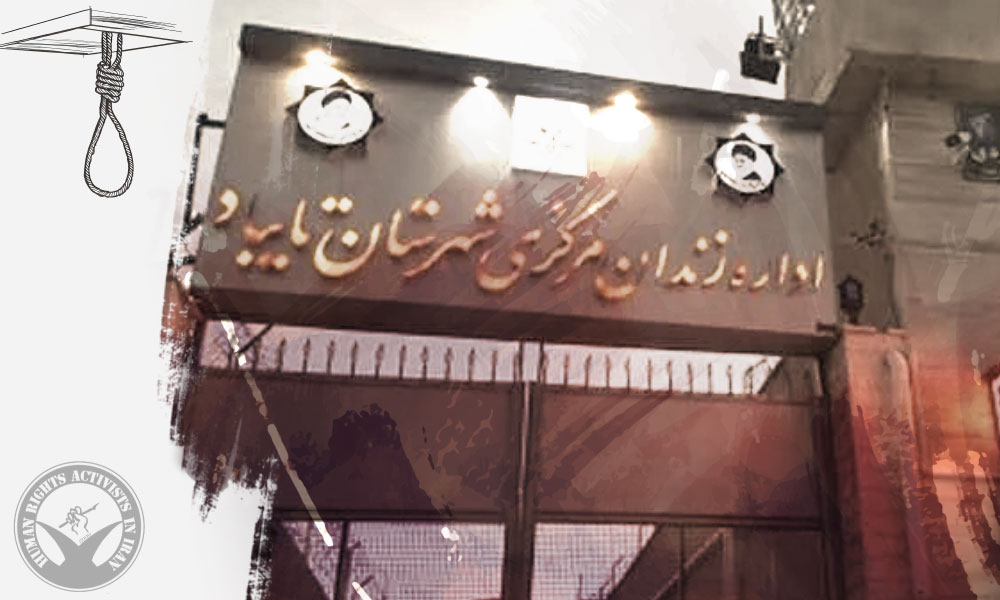
Esmail Fekri Executed on Charges of Espionage

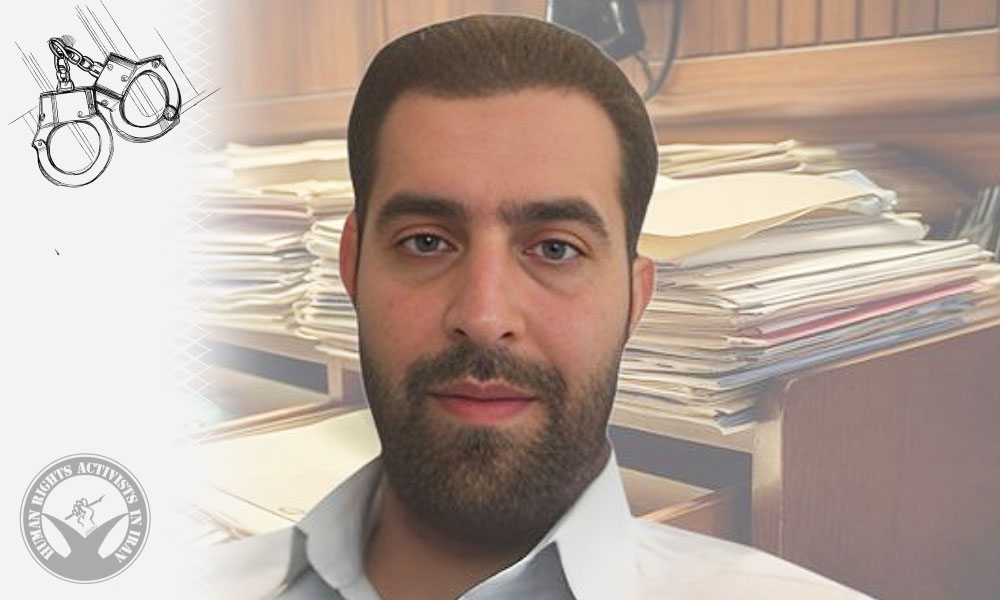
HRANA News Agency – On Monday, June 16, the Judiciary’s media center announced the execution of Esmail Fekri, a prisoner convicted of spying for Israel.

According to the state-affiliated Mizan News Agency, the execution was carried out at dawn on June 16, 2025. The Judiciary’s media outlet claimed that “after identifying a spy network linked to Israel in December 2023, Esmail Fekri was arrested on charges of intelligence cooperation and espionage for Israel, under the charges of ‘enmity against God’ (Moharebeh) and ‘spreading corruption on earth’ (efsad fel-arz).” Following the issuance of an indictment, court sessions were held with the presence of the defendant and his lawyer. The court found him guilty and sentenced him to death. The sentence was later upheld by the Supreme Court after a review of the appeal. The execution was carried out following legal procedures.

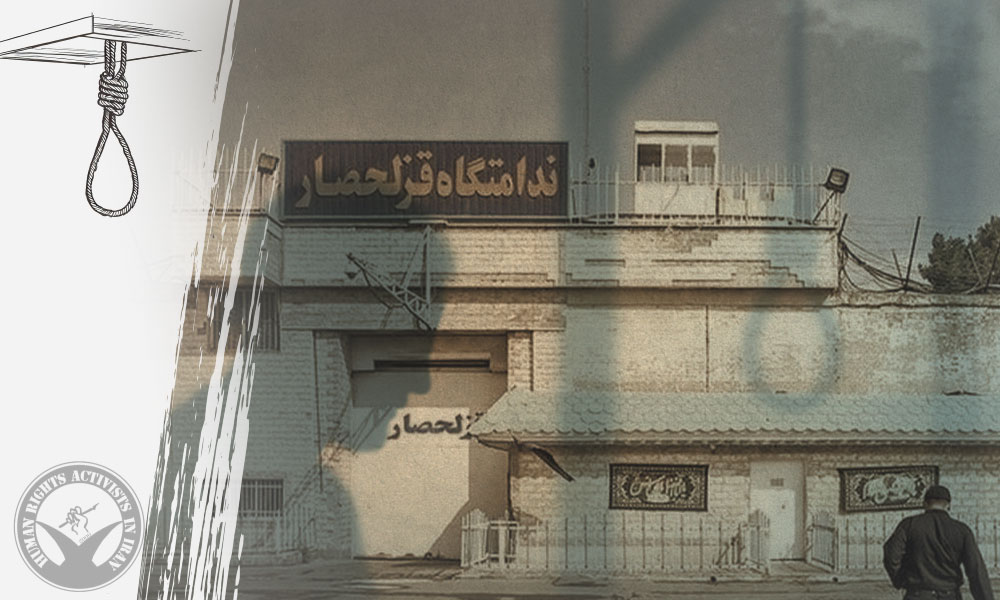
Esmail Fekri, who had been sentenced to death on charges of “espionage,” was transferred to Ghezel Hesar Prison in Karaj in late February 2025.

In 2024, according to 812 reports compiled by HRANA, the Iranian regime executed 930 individuals in its prisons—marking the highest number of executions in the past 12 years. Despite the scale of these executions, prison officials and other relevant authorities publicly acknowledged only 6% of them, highlighting the regime’s lack of transparency and accountability.

Over 1,000 Dead and Injured: Report on the Third Day of Israeli Attacks on Iran

HRANA News Agency –On Sunday, June 15, military clashes between Iran and Israel continued for the third consecutive day. These confrontations began early Friday with Israeli airstrikes on Iranian soil, which triggered a military response from Iran and escalated the conflict. As of the time of this report, the hostilities are ongoing. Military, civilian, and residential areas in 19 Iranian provinces have been targeted.

According to official and local sources, at least 22 people were killed or injured today. An additional 121 casualties related to previous days’ attacks have also been confirmed. Based on these figures, as of June 15, 22:00 UTC, non-governmental sources estimate at least 1,005 people have been killed or injured over the past three days. The head of the Public Relations and Information Center at the Ministry of Health has reported this number to be 1,481.

Geographic Scope of the Strikes

Israeli military strikes on Iranian territory yesterday targeted energy infrastructure, military facilities, and residential areas in Tehran, Alborz, Isfahan, Kermanshah, Fars, and Razavi Khorasan provinces. Notable sites hit include oil depots in Shahran and southern Tehran, the Tehran oil refinery, and facilities linked to the Ministry of Defense in Nobonyad and Pasdaran.

Missile strikes also targeted missile storage and launch sites, IRGC bases, radar centers, and locations along the Karaj–Tehran highway.

In urban areas, impacts were reported in neighborhoods such as Narmak, Dardasht, Ekhtiyariyeh, Mirdamad, Tehranpars, Niavaran, Azimieh, Jannat Abad, Pasteur, around Valiasr Square, Taleghani Street, and Keshavarz Boulevard. Additional targets included a carpet sales center in Isfahan, an electronics factory in Shiraz, a student dormitory in Tehran, and an aircraft repair facility near Ekbatan. Explosions in some of these areas have caused significant damage and possibly casualties. Investigations are ongoing and updates are expected.

Israeli forces reportedly used fighter jets, drones, cruise missiles, short-range projectiles, and kamikaze microdrones in yesterday’s attacks.

Updated Casualty and Damage Report

Since the beginning of the Israeli strikes on Iran, over a thousand military or civilian individuals have been killed or wounded. The exact status—military or civilian—of many victims remains under review.

HRANA previously reported 863 casualties during the first two days of attacks. With new data, this figure has now increased to 983. The updated table below includes newly confirmed figures from the initial two days, supplementing earlier reports.

Notice: This information does not necessarily indicate an increase in numbers but in some cases reflects reclassification of affected individuals.

Updated Casualty Figures from Previous Days
ProvinceCityDateCategoryKilledInjuredNotesLocation/Facility
LorestanOshtorinanJune 14Civilian132Workers reported among the casualtiesFarda Motors Automotive Complex
KermanshahQasr-e ShirinUnknown (June 13–14)Civilian01Aid workerUnspecified
East AzerbaijanUnspecifiedUnknown (June 13–14)Civilian10Aid workerUnspecified
TehranTehranJune 14Civilian60Residential areas
TehranTehranUnknown (June 13–14)Civilian30Includes one 11-year-old childResidential areas
LorestanKhorramabadUnknown (June 13–14)Civilian10Unspecified
TehranTehranJune 13Civilian300Includes 27 childrenUnspecified
BushehrJamJune 14Civilian30Pardis Township
TehranTehranUnknown (June 13–15)Civilian830Various Locations
TehranTehranJune 13Military80Unspecified
KermanshahUnspecifiedUnknown (June 13–15)Military40Unspecified
AlborzHashtgerdUnknown (June 13–14)Military10Unspecified
West AzerbaijanUrmiaJune 14Military100Al-Mahdi Military Base
East AzerbaijanUnspecifiedUnknown (June 13–14)Military30Unspecified
UnspecifiedUnspecifiedUnknown (June 13–14)Military50Unspecified
TehranUnspecifiedUnknown (June 13–14)Military050Unspecified
TehranUnspecifiedUnknown (June 13–14)Unclassified200Unspecified
KermanshahUnspecifiedUnknown (June 13–14)Unclassified100Unspecified
AlborzHashtgerdUnknown (June 13–14)Unclassified10Unspecified


Latest Casualty Figures and Human Impact So Far

In addition to previous reports, yesterday’s attacks alone have left at least 22 more people dead or injured, bringing the total number of casualties from Israeli attacks, according to non-governmental sources, to at least 1,005.

Civilian Casualties and Injuries
ProvinceCityDateKilledInjuredNotesNeighborhoods/Facilities
KermanshahKermanshahJune 1501Attack on a horse stable, one worker injuredUnspecified
TehranTehranJune 15100Victims were childrenNarmak Neighborhood/ Residential Area
TehranTehranJune 1501Keshavarz Blvd. / Residential Area
TehranTehranJune 155UnspecifiedSaboonchi Neighborhood / Residential Area
TehranTehranJune 15UnspecifiedUnspecifiedCivilians and Foreign Ministry staffImam Khomeini Square – Foreign Ministry Building
Military Casualties and Injuries
ProvinceCityDateKilledInjuredNotesKey Targets Hit
MarkaziJune 1520Unspecified
TehranTehranJune 153IRGC intelligence chief and two senior officialsUnspecified

The identities of some victims, as well as whether they were directly participating in hostilities (DPH), remain under investigation.

According to non-governmental sources, as of the time of this report, a total of 1,005 military and civilian individuals have been killed or injured:

Civilians:
   Killed: 199
   Injured: 181

Military personnel:
   Killed: 92
   Injured: 81

Unclassified:
   Killed: 117
   Injured: 335

Total killed: 408
Total injured: 597
Total casualties: 1,005 individuals

It is also worth noting that access to casualty data for non-governmental groups has significantly decreased compared to the first day of the attacks, likely due to government-imposed security measures and communication disruptions.

While various non-governmental sources place the human toll in Iran at slightly over one thousand, Hossein Kermanpour, head of the Public Relations and Information Center at the Ministry of Health, claimed in a social media post that 1,481 people were killed or injured during the first 65 hours of Israeli attacks on Iran. He stated that “over 90 percent of them were civilians.”

Kermanpour added that 522 individuals had been discharged from medical facilities, reporting 224 deaths and 1,257 injuries. However, as of this report, no further details or official statements have been released by relevant authorities.

High-Profile Casualties on Day Three

Since the start of the conflict, state media have reported the deaths of several senior military commanders and nuclear scientists. Yesterday, the IRGC announced the deaths of Mohammad Kazemi, head of the IRGC Intelligence Organization; Hassan Mohaghegh, the organization’s deputy; and Mohsen Bagheri, another senior IRGC intelligence commander. Dozens of nuclear scientists and military leaders were reportedly killed in previous days.

Continued Israeli Strikes on Civilian Infrastructure

The Israeli military stated that it has carried out 720 airstrikes on Iran since the beginning of the conflict, with more strikes occurring yesterday. These attacks have damaged various civilian infrastructures. Areas affected by air defense confrontations and projectile strikes include Tehran, Kordan, Garmdareh, Baharestan, Isfahan, Shiraz, Mashhad, Kermanshah, Baqershahr, and Kahrizak.

Key targets hit include oil depots in Shahran, western and southern Tehran; the MAPNA industrial plant; the Tehran oil refinery; the Shiraz Electronics Industry factory (SAIRAN); and Kaico in Kermanshah. Other sites include a Foreign Ministry building, a carpet sales center in Isfahan, Mashhad airport, a student dormitory near Keshavarz Blvd., a horse stable, and buildings related to Iran’s energy research in Nobonyad, Farmanieh, and Saadat Abad.

In Tehran, the hardest-hit neighborhoods were Shahran, Nobonyad, Pasdaran, Narmak, Ekhtiyariyeh, Dardasht, Tehranpars, Mirdamad, Pasteur, Niavaran, Valiasr Square, Taleghani Street, Niroo Havaei area, Keshavarz Blvd., Chitgar, Azimieh, Jannat Abad, Velayat Park, Saei Park, Ekbatan, Hemmat, Ashtiani neighborhood, Hashemi, Pirouzi neighborhood, Sohravardi, Seyyed Khandan, Apadana Street, Ghods Square, Shariati, Tajrish, Ghasr Crossroads, Moallem Street, Saboonchi Street, Mofatteh Street, Jahan Nama Complex, Dezashib, Narenjestan 7 Street, Lavasani Street, Aghayi Street, Farmanieh, Saadat Abad, Baqershahr, and Kahrizak.

In addition to civilian locations, military targets included the Ministry of Defense, the Organization of Defense Innovation and Research, IRGC bases, missile storage and launch sites in western Iran, Garmdareh radar site, a Defense Ministry facility, Tehran police HQ, and the Bidganeh missile site.

Communication Disruptions and Secondary Impacts

Since day one of the attacks, Iran’s Ministry of Communications has temporarily restricted internet access due to the “country’s special conditions.” WhatsApp, unblocked earlier this year, was again banned, and users reported disruptions to Cloudflare-based services. These restrictions have severely hindered independent media operations, emergency data sharing, and timely access to information for three consecutive days.

Security Crackdown: At Least 100 Arrested in Three Days

Yesterday, at least 42 individuals were arrested in Iran for sharing content about the Iran-Israel conflict, bringing the three-day total to 100. Detainees include sociologist Mostafa Mehrayin in Tehran; two people in Kerman Province; 15 in Mazandaran; 13 in Golestan; one in Shahr-e Kord; four in Lali; one in Rafsanjan; and five in Takestan. Daneshjoo News Agency reported several espionage arrests in Tehran, and Iran’s law enforcement announced two arrests in Savojbolagh on charges of “collaboration with Mossad.” Two others in Tehran were accused of multiple sabotage acts.

On Friday and Saturday, at least 58 individuals had already been detained for similar reasons.

International Humanitarian Law (IHL) Analysis

On the third day of this international armed conflict between Iran and Israel, concerns over violations of core principles of international humanitarian law have intensified. Article 51 of the First Additional Protocol to the Geneva Conventions mandates distinction between military and civilian targets. However, reports of at least ten children killed in a residential building and a laborer killed at a horse facility raise concerns of indiscriminate and disproportionate attacks.

Repeated strikes on locations with no apparent military value challenge the principles of proportionality and precaution, and directly conflict with the prohibition against targeting civilians under Article 48 of the same protocol. Furthermore, Article 57 requires effective precautions—including advance warnings—when attacking military targets near civilian areas, which appear to have been widely neglected.

Human rights organizations have reiterated calls to halt indiscriminate attacks, protect civilians, and ensure humanitarian access. The Human Rights Activists in Iran organization stressed: “Civilian protection must remain a central concern.”

They reaffirmed their commitment to documenting, legally analyzing, and pursuing accountability under international humanitarian law, warning that ongoing indiscriminate strikes may constitute war crimes.

International Responses: Calls for Restraint and Diplomacy

In response to Israel’s continued attacks on Iran, international reactions persist. Yesterday, Qatar’s Ministry of Foreign Affairs and the Economic Cooperation Organization (ECO) issued statements urging restraint and de-escalation.

These calls echo earlier appeals from governments and international bodies across political divides, emphasizing the need to end hostilities, pursue diplomatic solutions, and protect civilians.

Emphasis on Compliance with Humanitarian Norms

With hostilities now in their third consecutive day and civilian areas increasingly affected—including emergency and healthcare infrastructure—the need for all parties to adhere to core principles of humanitarian law has become more urgent. These include distinguishing between military and civilian targets, exercising proportionality and precaution in military operations, and ensuring safe, effective humanitarian access.

HRANA has previously issued detailed reports on the first days of Israeli attacks on Iranian territory and continues to monitor developments and publish up-to-date field data and legal assessments.

Keshavarz Blvd, TehranResidential areas of TehranImages of bombings in Tehran
MashhadShiraz Electronics IndustryDestroyed residential homes
in Narmak, Tehran
Baharestan – TehranTehranpars – TehranOil depots in Shahran
– Tehran
Pasdaran district in TehranTehranpars -TehranResidential building near
Apadana Street
Ensaf News office buildingQods Square, Tajrish-TehranAround Vali-Asr Sq, Tehran
Shariat St-TehranQods Square, Tajrish-
Tehran
Sorevardi St – Tehran
Justice Department building- TehranSaboonchi St. TehranImages of the injured
in Tehran
Images of the injured in Tehran

Student Activist Motahareh Goonehi Arrested

HRANA News Agency – On Saturday, June 14, student activist Motahareh Goonehi (Gounei) was arrested by security forces in Tehran.

The arrest took place earlier today, but no information has been released regarding the reasons for her detention, the charges brought against her, or her place of custody.

Goonehi is a dental student and the former political secretary of the Islamic Association of Students at the University of Tehran and Tehran University of Medical Sciences. She has previously faced arrest and security-related pressures due to her activism. She was released from Evin Prison on March 16, 2025, after completing her prison sentence.

Appeals Court Upholds 51-Year Prison Sentences for Three Baha’i Citizens

HRANA News Agency – The prison sentences of Ne’matollah Shadpour, Nima Shadpour, and Shafigh Eslami, three Baha’i citizens residing in Yazd, have been upheld in full by the Appeals Court of Yazd Province. These individuals were initially sentenced by the Revolutionary and Criminal Courts of Yazd County to a combined total of 51 years in prison.

In the initial trial, Shafigh Eslami was sentenced to 17 years by the Criminal Court and an additional two years and seven months by the Revolutionary Court. Nima Shadpour received 15 years from the Criminal Court and two years and seven months from the Revolutionary Court. Ne’matollah Shadpour was sentenced to 10 years by the Criminal Court and three years and ten months by the Revolutionary Court. These sentences were issued on March 5, 2025, by Branch 2 of the Yazd Revolutionary Court and Branch 105 of the Yazd Criminal Court.

The charges against them include “membership in groups and organizations opposed to the regime” and “propaganda against the Islamic Republic.” Additional accusations include “insulting the Supreme Leader,” “blasphemy,” and “collecting classified information with the intent to disrupt national security.”

On July 19, 2022, Ne’matollah Shadpour, Nima Shadpour, and Shafigh Eslami were arrested by security forces and later released on bail.

Dozens Killed and Injured: Report on the Second Day of Israeli Strikes on Iran

HRANA News Agency – Yesterday, June 14, military clashes between Iran and Israel continued for a second consecutive day. The conflict began early Friday morning with Israeli airstrikes on Iranian territory, which have so far targeted military, civilian, and residential areas across 18 provinces of Iran and were ongoing at the time of this report’s publication.

According to official and local sources, at least 93 people were killed or injured yesterday. As of 22:00 UTC on June 14, the total number of casualties in Iran over the past two days has reached at least 863.

Geographic Scope of the Strikes

Today, provinces including Lorestan, Kermanshah, East Azerbaijan, Alborz, Zanjan, Hamedan, Tehran, Bushehr, Qazvin, Fars, Khuzestan, Gilan, Hormozgan, Isfahan, and West Azerbaijan were hit by Israeli forces. On Friday, 12 provinces had already been targeted. A spokesperson for the Red Crescent Society announced the immediate formation of an emergency operations center following the Israeli strikes and stated that so far, 1,414 personnel across 362 rescue teams in 18 provinces have been involved in relief efforts.

F-35 fighter jets, ballistic missiles, air-launched cruise missiles, drones, and suicide micro-drones were among the main weapons reportedly used by Israel in these attacks. However, the country has not yet released further details about the types and quantities of weapons deployed.

Casualties and Human Losses

On the first day of the attacks, HRANA documented reports indicating at least 678 people were killed or injured. Among them, at least 35 were identified as women and children.

On Saturday, HRANA received new information regarding the human toll from yesterday, documenting the deaths of 8 military personnel and injuries to 83 civilians. Additionally, it was confirmed that one person died in Kermanshah Province, though their status as civilian or military has not yet been determined. Including this update, the total number of casualties from the first day of Israeli strikes on Iran rose to 770.

As of the time of this report, a total of 863 civilians or military personnel have been killed or wounded—215 killed and 648 injured. Among them, 51 military personnel were killed and 31 wounded. The classification of a significant portion of the 863 individuals as military or civilian remains under investigation.

The report continues with a detailed account of human losses on the second day of the attacks.

Casualties Without Verified Classification
ProvinceCityDateKilledInjuredNotesNeighborhoods and Locations
LorestanKhorramabadUnspecified (between June 13–14)110Unspecified
Non-Military (Civilian) Casualties and Injuries
ProvinceCityDateKilledInjuredNotesNeighborhoods and Locations
TehranTehranUnspecified (between June 13–14)40Unspecified
HamedanAsadabad CountyJune 1435Includes 7 aid workersMissile base/facilities
UnspecifiedUnspecifiedUnspecified (between June 13–14)71Includes two childrenUnspecified
LorestanUnspecifiedUnspecified (between June 13–14)20Unspecified
West AzerbaijanUnspecifiedJune 1420Ambulance attackUnspecified
KermanshahKermanshahUnspecified (between June 13–14)10Unspecified
LorestanBorujerdJune 14UnspecifiedUnspecifiedWidespread human loss among workersFarda Motors Factory
Military Casualties and Injuries
ProvinceKilledInjuredDateKey Targeted Locations
Zanjan30June 14Various centers
Markazi30June 14Basij Resistance Zone, Zarandieh
Hamedan57June 14Missile base/facilities in Asadabad
Tehran20Unspecified (between June 13–14)Unspecified
Tehran10June 14FARAJA Logistics and Support Base
Unspecified4Unspecified (between June 13–14)Unspecified
East Azerbaijan1220Unspecified (between June 13–14)Unspecified


The identities of some victims, as well as whether they were directly participating in hostilities (DPH), remain under investigation.

Additionally, Tasnim News Agency, which is close to Iran’s security institutions, published a video of a teacher holding pictures of eight of his students. Without specifying their identities, he claims the children were killed on Friday during Israeli military attacks. No further details regarding this claim have been released.


Prominent Individuals Killed

On Saturday, state media reported that three additional nuclear scientists—Ali Bakaei Karimi, Mansour Asgari, and Saeed Borji—were killed during Saturday’s Israeli attacks on Iranian territory. With these confirmed names, the death toll among scientific and nuclear professionals in these attacks has reached at least 10.

Additionally, the identities of Gholamreza Mehrabi, Deputy Intelligence Chief of the Armed Forces General Staff, and Brigadier General Khosro Hassani, Deputy Intelligence Chief of the IRGC Aerospace Force, were confirmed among the military personnel killed in Friday’s attacks.

Continued Israeli Attacks on Civilian Infrastructure

Israeli airstrikes across various parts of Iran have continued, targeting several civilian, industrial, and medical centers. In Tehran, one of Israel’s projectiles struck the outer section of Hakim Children’s Hospital. According to the deputy director of Tehran University of Medical Sciences, the strike resulted in no casualties.

In Ilam Province, the fire station in the city of Musian was hit, while in Borujerd, Lorestan Province, the “Farda Motors” automobile factory suffered a direct strike. According to the company’s public relations office, the attack led to a massive fire and severe financial and human losses, with reports indicating several factory personnel were killed.

In Qazvin Province, videos from the Alborz Industrial Park showed explosions and ambulance sirens following a missile strike. In Tabriz, areas near the city’s petrochemical plant were bombed.

Parts of the city of Ashtianan in Lorestan and areas in Kermanshah were also targeted. Witnesses reported successive explosions and thick smoke.

The Iranian Ministry of Petroleum reported that a fire at the “Fajr Jam” refinery in Bushehr Province—caused by an Israeli drone strike—has been contained. This facility processed gas from the South Pars field and the Nar and Kangan reserves. The attack marked the first Israeli strike on Iran’s oil and gas infrastructure in this conflict.

There were also numerous reports of military activities, including air defense operations, across various cities such as Tabriz, Malard, southern and central Tehran, the Pasteur neighborhood in Tehran, Chaldoran, the airspace over Ahvaz Steel Industries, Urmia, Bukan, Bandar Abbas, Naqadeh, Shahroud, Isfahan, Maragheh, Oramanat, Javanrud, Mashhad, Ravansar, Malard, and Fadayan-e-Islam in Shahr-e-Rey. Military installations reportedly involved included Tabriz’s Second Tactical Air Base, the Imam Ali base in Khorramabad, the IRGC missile booster component factory in Shamsabad (Tabriz), the Imam Hassan base in Mahidasht, the Isfahan nuclear site, and the Natanz nuclear site.

Communication Disruptions and Secondary Effects

Following the attacks, Iran’s Ministry of Communications imposed temporary internet restrictions citing “the country’s special conditions.” WhatsApp, unblocked earlier in January, was once again filtered, and access to Cloudflare-based services was disrupted. These measures significantly hampered independent media operations, emergency data transmission, and immediate access to information for the second consecutive day.

From the early hours of the Israeli strikes, prosecutors and security officials warned citizens against sharing images or information about the events.

Over the past two days, state media reported the arrest of several citizens for sharing footage of the attacks or for “welcoming the Israeli strikes” on Iran. Five individuals were detained in Yazd, 14 in Hormozgan, 16 in Isfahan, 21 in Semnan, one in Rumeshkan, and several in Dezful. Additionally, on Saturday, student activist Motahareh Gonei was arrested in Tehran by security forces for posting related content.

International Humanitarian Law (IHL) Analysis

In the context of the international armed conflict between Iran and Israel, protecting critical civilian infrastructure is an absolute obligation under IHL. Article 52 of Additional Protocol I to the Geneva Conventions states that civilian objects must not be targeted unless they are used for military purposes.

According to available reports, some strikes have affected residential areas, power grids, healthcare facilities, and educational centers. Absent evidence of military use, such attacks could constitute unlawful acts.

Beyond targeting, Article 54 of the same protocol prohibits the deliberate destruction of essential facilities crucial to civilian survival. Destroying infrastructure such as water supplies, electricity, and clinics can have long-term effects on civilian life and contravenes fundamental IHL principles.

Hours after the attacks began, the Human Rights Activists in Iran issued a detailed statement calling on all parties to the conflict to “uphold their binding obligations under international humanitarian law” and immediately implement the following actions:

. Precisely identify military targets and avoid striking civilians;

. Issue effective warnings to allow time for shelter or evacuation;

. Avoid attacks on densely populated areas and vital infrastructure;

. Weigh military advantage against potential civilian harm.

The statement, raising questions about the necessity of military objectives, adequacy of warnings, and extent of civilian infrastructure damage, emphasized that “compliance with IHL is not optional; it is a legal and moral duty,” and warned that “any deviation from these principles constitutes a serious breach of IHL.”

Accordingly, the group not only demanded an immediate halt to indiscriminate and disproportionate attacks but also pledged to “continue documenting incidents, analyzing damage patterns, and pursuing accountability” on a daily basis.

International Reactions to the Israeli Attacks on Iran: Global Consensus on the Need for Restraint

Israel’s extensive strikes on Iranian territory drew widespread responses from governments and international institutions. Most statements condemned the attacks or expressed deep concern over escalating tensions, emphasizing the need for restraint and a return to diplomacy.

Countries including the UK, Germany, Japan, Australia, Russia, Saudi Arabia, Oman, Lebanon, Iraq, Jordan, China, the United Nations, and the International Atomic Energy Agency either explicitly condemned the strikes or warned of their dangerous consequences. Despite political differences, these entities agreed on one point: preventing regional escalation and preserving international stability.

Emphasis on Compliance with Humanitarian Norms

Amid ongoing strikes and their impact on civilian areas—including damage to relief and medical infrastructure—concerns have grown about potential violations of IHL obligations by the warring parties. In this context, the imperative for all sides to adhere to the principles of distinction, proportionality, and precaution, and to ensure humanitarian access, has gained even greater urgency.

HRANA had previously provided a detailed report on the first day of Israeli military strikes on Iranian soil. It will continue to monitor developments closely and publish the latest field data and analysis.

Israeli drone strike on Hakim
Children’s Hospital, Tehran
Musian Fire Station –
Ilam Province
Farda Motors production
line in Bojnourd
Alborz Industrial Park,
Qazvin
Ashtarian Machinery Plant, LorestanKangan Port, Bushehr
Areas around Tabriz RefineryPhase 14 Refineries of South Pars
Gas Field
Tabriz

Subscribe to Our Newsletter

Now is definitely not the time to stop reading!

Continued Israeli Attacks on Iran; Civilian Casualties Reported in at Least 12 Provinces

HRANA News Agency – In the early hours of Friday, June 13, 2025 (Khordad 23, 1404), starting around 3:30 AM, a wave of airstrikes by the Israeli military began targeting Iranian territory and was ongoing at the time of this report (Friday, June 13, 2025 at 11pm Tehran time). These attacks, which have affected at least 12 provinces, have struck not only military targets but also residential areas and civilian sites. According to official and local sources, at least 678 people have been killed or injured so far, including four children, dozens of women, and a Red Crescent aid worker.

Geographic Scope of the Strikes

Strikes have been reported in the provinces of Tehran, East Azerbaijan, West Azerbaijan, Ardabil, Isfahan, Ilam, Kermanshah, Markazi, Hamedan, Fars, Khuzestan, and Kurdistan. The main weapons reportedly used include ballistic missiles, air-launched cruise missiles, and suicide drones. However, Israeli officials have not yet released details on the specific weapons deployed.

Prominent Casualties

State media have confirmed the deaths of several high-ranking military commanders and nuclear scientists, including Amir Ali Hajizadeh (the IRGC Aerospace Forces), Mohammad Bagheri (the Chief of Staff of the Iranian Armed Forces), Hossein Salami (the IRGC’s commander-in-chief ), Gholamali Rashid (the commander of Khatam-al Anbiya Central Headquarters.), Mehdi Rabani (Deputy Chief of General Staff of the Armed Forces), and Davood Sheikhian (Commander of the IRGC Aerospace Air Defense). Scientists mentioned include Abdolhamid Minouchehr, Ahmadreza Zolfaghari, Seyed Amirhossein Faghi, Mohammad Mehdi Tehranchi, and Fereydoon Abbasi. Reports also indicate that some of their family members were killed.

Widespread Military Activity

Multiple reports have noted military activities, including defensive operations, not only in the provinces listed but also in cities such as Kermanshah, Eslamshahr, Tabriz, Bushehr, Qom, Sardasht, Pakdasht, Khorramabad, Karaj (Mohammadshahr), Nahavand, Andimeshk, and across many areas of Tehran, including Parchin, Chitgar, Sattarkhan, Amirabad, Khaniabad-e-No, Lavizan, District 18, Chamran South at Hemmat Intersection, District 10, Ayatollah Kashani, 13 Aban neighborhood, Majidieh, and Khalij-e Fars (District 18 of Tehran). Additional activities were observed at military bases and facilities such as Tabriz airbase, Mehrabad and Bushehr airports, the Khatam al-Anbia Air Defense Base, Kermanshah missile base, a military depot near Tabriz, Hazrat Masoumeh air defense group (Qom), Imam Ali Barracks (Khorramabad), the radar center in Nahavand, and the 8th Fighter Base in Isfahan.


Human Casualties and Losses

Casualties Without Verified Classification
ProvinceKilledInjuredKey Targeted Locations
Tehran78329Gheytarieh, Mehrabad, Andarzgoo, Marzdaran, Saadat Abad, Chamran Town, Nobonyad, Narmak, Mahallati Town
East Azerbaijan1835Areas around Tabriz, Bostanabad, Maragheh
Kermanshah012Qasr-e Shirin and a border county
Other provinces (total of 10)095Various locations

Civilian Casualties
ProvinceKilledInjuredKey Targeted Locations
Tehran3555Various neighborhoods
Kermanshah10Welfare Organization building, Qasr-e Shirin
Unknown1Teenager Amirali Amini
Ardabil02Khoroslu Telecommunications Site, Bileh Savar

Military Casualties
ProvinceKilledInjuredKey Targeted Locations
Tehran70Various centers – High-ranking military personnel
East Azerbaijan20Khatam al-Anbia Air Defense Base, 2nd Tactical Air Base
Qom20“Hazrat Masoumeh” Air Defense Site
West Azerbaijan10Sardasht border regiment base
Lorestan1424th Ba’ath Garrison in Borujerd

Among the victims, at least 35 women and children have been identified. The identities of some victims and whether they were civilians or military personnel are still under investigation.

Communications Disruption and Secondary Impacts

Following the attacks, Iran’s Ministry of Communications temporarily restricted internet access “due to the country’s special conditions.” WhatsApp, which had been unblocked last January, was reblocked, and access to Cloudflare-based services was disrupted. This has significantly hindered independent media operations, emergency data transmission, and immediate access to information.

International Humanitarian Law (IHL) Analysis

The ongoing attacks clearly constitute an international armed conflict (IAC), requiring all parties to abide by the Geneva Conventions and customary international law. The core principles of distinction, proportionality, and precaution apply:

  • Distinction: Differentiating between military targets and civilians. Direct attacks on residential areas, schools, social service centers, and aid personnel, if not used for military purposes, violate this principle.

  • Proportionality: Even when military targets exist, attacks must not cause civilian harm that outweighs the expected military advantage.

  • Precaution: Attackers must issue effective warnings and choose less harmful methods or weapons. No prior warnings or alternative measures have been reported thus far.

Responses and Calls for Accountability

Hours after the attacks began, the Human Rights Activists in Iran (HRA) published a detailed statement urging all parties to uphold their binding obligations under international humanitarian law and to take immediate actions including:

. Precise identification of military targets and avoidance of civilian areas;

. Issuing effective warnings to allow time for evacuation or shelter;

. Avoiding strikes on densely populated areas and critical infrastructure;

. Assessing the proportionality of military gains versus potential civilian harm.

The statement questioned the necessity of the military targets, adequacy of warnings, and extent of civilian infrastructure damage, emphasizing that “compliance with international humanitarian law is not optional—it is a legal and ethical obligation.” It warned that any deviation from these principles constitutes a serious violation.

HRA not only called for an immediate end to indiscriminate and disproportionate attacks but also committed to “daily documentation, harm analysis, and pursuit of accountability.”

Conclusion

As attacks continue, the lack of transparency about military targets, significant civilian casualties, the deaths of aid workers, and destruction of infrastructure have intensified concerns about widespread violations of humanitarian law. If left unchecked, the human toll—from population displacement to collapse of essential services—could further destabilize regional security in the long term.

HRANA will continue to monitor developments and publish up-to-date field reports and analysis.

Saadat Abad – TehranInjured people in TehranInjured people in Tehran
A Complex in Saadat Abad – TehranKuhak- TehranTehran
Mahallati District-TehranWelfare Organization Building in Qasr-e ShirinTehran
Patrice Lumumba Street – TehranShahr Ara- TehranNarmak -Tehran
TehranKetab Sq-TehranA girl-only high school in District 3-Tehran
A tower in TehranChamran Complex in TehranTehran
TehranTabrizTehran
Andarzgu-Tehran

Masoumeh Shahnavaz Arrested by Intelligence Ministry Agents in Sabzevar

HRANA News Agency – On Friday, June 13, Masoumeh Shahnavaz, a resident of Sabzevar, was arrested by Intelligence Ministry agents at her home and taken to an undisclosed location. During the arrest, security forces searched her home and confiscated several of her and her family’s personal belongings.

Shahram Sadidi, Ms. Shahnavaz’s son, reported that his mother was violently arrested by Intelligence Ministry agents at her home in Sabzevar. During the arrest, agents searched the house and confiscated personal items belonging to his mother and their family.

He added that the arrest was in response to her reaction to Israeli airstrikes. According to Sadidi, Masoumeh Shahnavaz has undergone open-heart surgery twice and her life is at risk. Her whereabouts remain unknown as of the time of this report. Masoumeh Shahnavaz is a retired schoolteacher living in Sabzevar.

It is worth noting that Shahram Sadidi, who now resides outside Iran, has previously been arrested and faced legal action due to his activism.

Unresolved Detention: Bijan Kazemi Still Held in Evin Prison

HRANA News Agency – Bijan Kazemi, a resident of Kuhdasht,  remains in limbo in Evin Prison more than four months after his arrest.

Kazemi has been in detention for over four months and remains in an uncertain state. A source informed HRANA that Kazemi has been denied visitation rights and access to his lawyer. No legal proceedings have taken place regarding his case thus far.

Bijan Kazemi was transferred to the Ministry of Intelligence’s detention facility, known as Ward 209 of Evin Prison, on January 22, 2025. He was initially arrested by Intelligence Ministry agents in Kuhdasht, Lorestan province, on January 19, 2025.

As of the time of this report, the reasons for his arrest and the charges against him remain unknown.

Kazemi has previously faced legal action due to his activism.

Businessman Saeed Mohammadi Doraki Held in Legal Limbo in Evin Prison

HRANA News Agency – Saeed Mohammadi Doraki, a 61-year-old businessman from Isfahan, remains in a state of legal limbo in Evin Prison more than a year after his arrest.

A source close to his family told HRANA: “Mr. Doraki has been held in Evin Prison for over a year without any clear judicial process. In protest of this indefinite detention, he is currently on a hunger strike.”

Doraki was arrested on April 21, 2024, upon arrival at Tehran’s Imam Khomeini International Airport after returning to Iran.

It is noteworthy that he had previously written a letter from prison claiming to offer solutions for improving Iran’s economic and social conditions. Some close to him believe these activities may have contributed to the continuation of his detention.

Saeed Mohammadi Doraki, a businessman originally from Isfahan, had been residing in Turkey prior to his arrest.

Retired Teacher Zina Fereydounian Sentenced to Prison

HRANA News Agency – Zina Fereydounian, a retired teacher from Qorveh, has been sentenced by the city’s Revolutionary Court to over 13 months of prison and an additional three years of suspended imprisonment in two separate cases.

According to HRANA, the news agency of Human Rights Activists in Iran, Fereydounian was sentenced to 10 months in prison for “propaganda against the regime.” In a separate case, she was sentenced to 91 days of discretionary imprisonment and an additional three years of suspended prison time. The court also imposed a travel ban on her.

Following the court’s refusal to allow her to serve her sentence under electronic monitoring outside prison, the 10-month sentence was referred to the sentence enforcement unit.

A source close to Faridounian’s family told HRANA: “In Qorveh, she supported vulnerable groups by covering wedding and living expenses. Her prison sentence stems solely from her criticism of social conditions.”