Three Prisoners Executed in Dastgerd Prison, Isfahan

Three prisoners previously convicted on drug-related charges and murder were executed in Dastgerd Prison, Isfahan, on November 2, 2024.

HRANA has identified the prisoners as Moaven Mirjahani, an Afghan national, Shahrokh Saeedkhani, and Mohammad-Javad Karami. Mirjahani and Saeedkhani were sentenced to death on drug-related charges, while Karami had been convicted of murder.

At the time of this report, prison authorities and related institutions have yet to officially confirm these executions.

In 2023, 66% of HRANA’s reports on executions lacked official announcements by judicial authorities and went unreported by media inside Iran, highlighting a troubling lack of transparency in due process.

According to latest HRANA’s annual report over between October 10, 2023, and October 8, 2024, at least 811 individuals were executed by hanging in Iran, rising to 23.06% compared to the same period last year. Of these executions, four were carried out in public. Many of the defendants were denied a fair trial.
Execution of Six Prisoners Carried Out in Mashhad

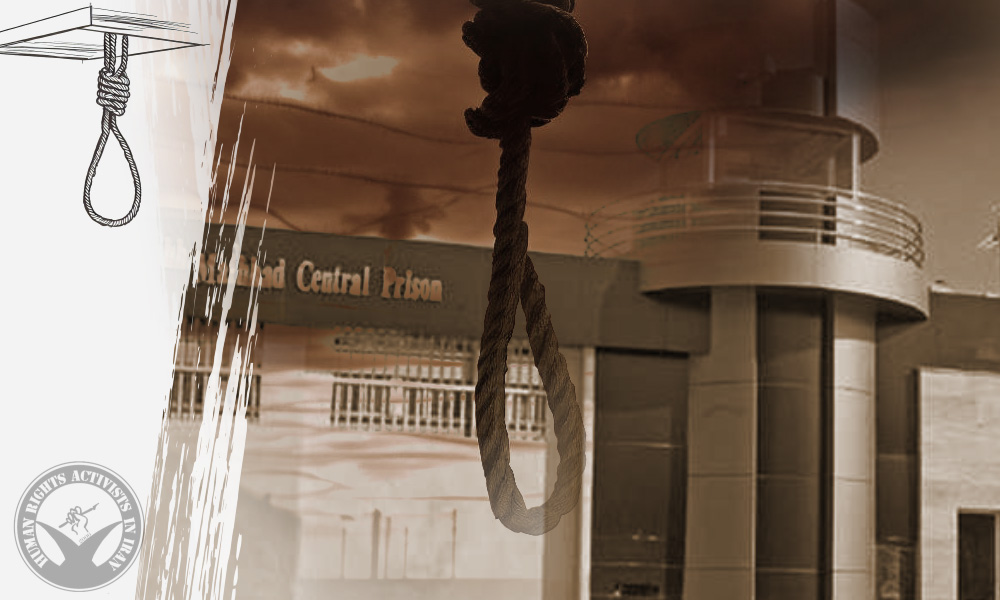
At dawn on November 5, six prisoners convicted of non-political offenses, primarily drug-related, were executed at Vakilabad Prison in Mashhad, according to Haal Vsh.

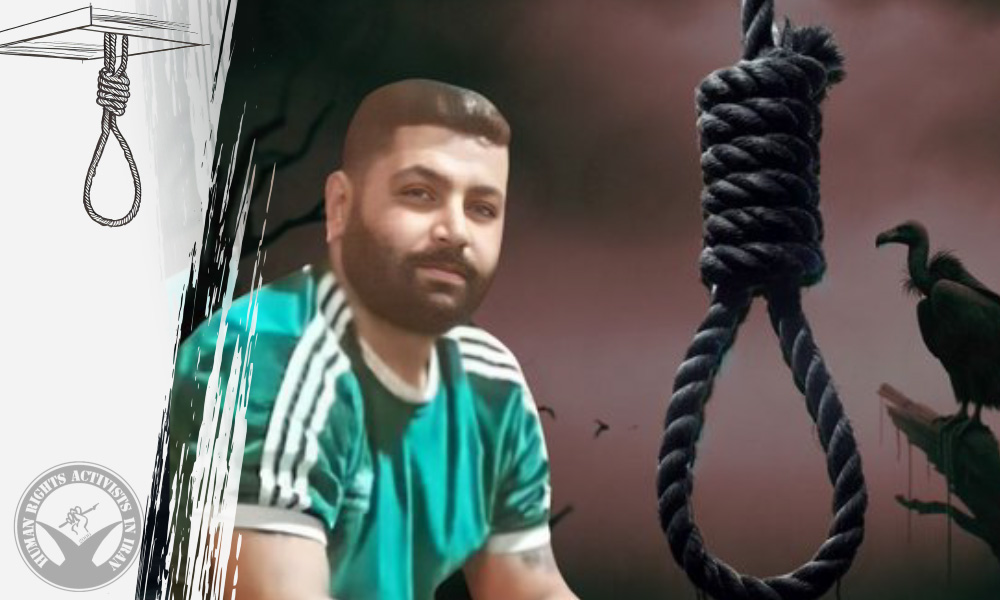
Four of the executed prisoners have been identified: Mahmoud Shahraki and Mohammad-Reza Davar, both from Zabol; Zaher Safari, an Afghan national; and Majid Ghadiri from Mashhad. All four had been sentenced to death on drug-related charges.

The identities and charges of the two remaining prisoners remain unknown.

As of this report, prison authorities and relevant institutions have not publicly confirmed the executions.

According to latest HRANA’s annual report over between October 10, 2023, and October 8, 2024, at least 811 individuals were executed by hanging in Iran, rising to 23.06% compared to the same period last year. Of these executions, four were carried out in public. Many of the defendants were denied a fair trial.

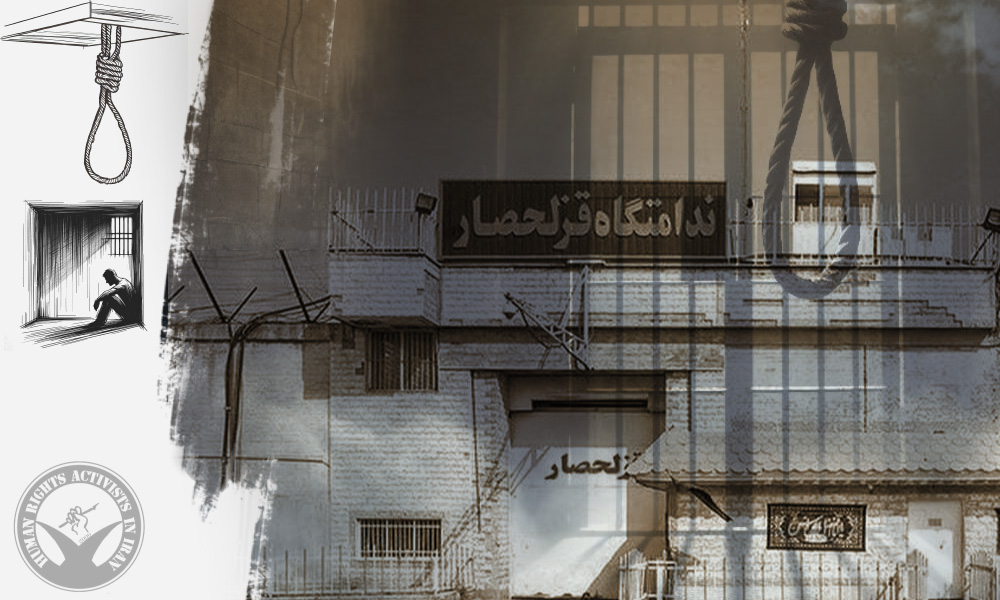
At Least Four Prisoners Executed in Ghezel Hesar Prison

Update: With the identification of four more prisoners executed at dawn today in Ghezel Hesar Prison, the number of individuals executed there has risen to at least eight. HRANA has confirmed the identities of seven of them: Ajmal Azizi, Jalil Eghbali, Faramarz Enhesari, Mostafa Sarlak, Mohammad-Hossein Bayat, Mohammad Tajik, and Sadegh (last name unknown). Alongside these individuals, an Afghan national was also executed, whose identity has not yet been confirmed. He had previously been sentenced to death on drug-related charges.

This morning, November 6, at least four prisoners were executed in Ghezel Hesar Prison in Karaj. Among those executed, two had been convicted of murder, while the remaining two, Afghan nationals, were sentenced to death on charges of rape.

The prisoners executed included Mostafa Sarlak and Mohammad-Hossein Bayat, who were sentenced to death for murder. The other two prisoners, identified as Mohammad Tajik and Sadegh (last name unknown), both Afghan nationals, were convicted on charges of rape.

On the day before the executions, these individuals, along with at least six others, were transferred to solitary confinement cells in Ghezel Hesar Prison to await the carrying out of their sentences.

HRANA is actively investigating the status of the additional prisoners who were moved to solitary confinement.

According to data gathered by the Department of Statistics and Publication of Human Rights Activists, Ghezel Hesar Prison in Karaj witnessed the highest number of executions in 2023, with Zahedan Prison following closely behind. For a comprehensive examination of the details and statistics surrounding the executions in Iran, refer to HRANA’s report.

Eight Prisoners Executed in Various Prisons Across Iran

On November 4 and 5, eight prisoners were executed in the prisons of Kahnuj, Hamedan, Yazd, and Adelabad in Shiraz.

According to HRANA, on November 4, Mansour Rastakhiz was executed in Kahnuj Prison on a murder charge. That same day, Alireza Jamshidi from Shiraz and Mohammadreza Sotoodeh from Fasa were executed on drug-related charges in Adelabad Prison, Shiraz.

Additionally, in the early hours of November 5, the death sentences of Dariush Saeedi and Hamed Mehraban, both convicted of murder, were carried out. Dariush Saeedi, 32, had been detained five years earlier for a murder committed during a group conflict and was sentenced to death by the judiciary. He was also sentenced to death in a separate case for allegedly killing another inmate during a prison altercation. Hamed Mehraban, 38, was arrested six years ago for the murder of his wife and later sentenced to death by the judiciary.

According to Haal Vsh, three more prisoners were executed at dawn today, November 5, in Yazd Prison. One of the executed individuals was identified as “Mohsen Nejadi Moghaddam (Sabaki),” 30, married with two children, and a resident of Rigan.

The report states that Mr. Nejadi Moghaddam was arrested in 2021 in Yazd on drug-related charges and subsequently sentenced to death by the Revolutionary Court in Yazd. On Sunday, he and two other prisoners had been transferred to solitary confinement in Yazd Prison in preparation for their executions.

Iran Sentences Three to Death on Alleged Espionage and Assassination Equipment Charges

According to Mizan, the judiciary’s news agency, three individuals have been sentenced to death on charges of “espionage.”

Judiciary Spokesperson Asghar Jahangir reported that eight individuals were initially arrested in West Azerbaijan Province in connection with the case. Out of these, three were brought to trial and sentenced to death on espionage charges.

Jahangir further alleged that these individuals used alcohol smuggling as a cover to transport “assassination equipment” meant for Mohsen Fakhrizadeh Mahabadi, the former Deputy Defense Minister and a senior figure in Iran’s nuclear program. Fakhrizadeh was killed on November 27, 2020, in an attack involving a car explosion and gunfire exchange between his security team and assailants.

The defendants’ case is currently under appeal, and Jahangir indicated that a separate case is also underway regarding other individuals allegedly linked to Fakhrizadeh’s assassination. However, he provided no additional details.

Though espionage prosecution is generally outside the scope of human rights concerns, Iran’s history of leveraging such charges as political tools often raises skepticism about the legitimacy of these accusations.

Subscribe to Our Newsletter

Now is definitely not the time to stop reading!

Samad Dowlatkhah Sentenced to One Year in Prison

Samad Dowlatkhah, a resident of Dehdasht, was sentenced in absentia to one year in prison by Branch 103 of the Criminal Court 2 in Kohgiluyeh County.

On October 8, Judge Saeed Taheri-Nasab of the Criminal Court 2 issued this sentence in absentia, convicting Mr. Dowlatkhah of blasphemy. The ruling was subsequently communicated to him.

Mr. Dowlatkhah was previously detained by security forces in Dehdasht on October 18, 2023, but was released on bail a few hours later.

In a separate case, he faced a hearing on January 23, 2024, at Branch 101 of the Criminal Court 2 in Charam on the charge of “propaganda against the regime.”

Samad Dowlatkhah has a history of legal actions against him due to his activism.

Three Prisoners Transferred to Solitary Cells for Imminent Execution in Ghezel Hesar Prison

Yesterday, November 4, three prisoners in Ghezel Hesar Prison in Karaj, previously sentenced to death for drug-related charges, were moved to solitary confinement in preparation for their execution.

The transfer of these prisoners, sentenced earlier for drug-related offenses, was carried out as part of preparations for their execution. One of the three prisoners is an Afghan national. Further details, including the identities of these inmates, are being investigated by HRANA.

According to data gathered by the Department of Statistics and Publication of Human Rights Activists, Ghezel Hesar Prison in Karaj witnessed the highest number of executions in 2023, with Zahedan Prison following closely behind. For a comprehensive examination of the details and statistics surrounding the executions in Iran, refer to HRANA’s report.

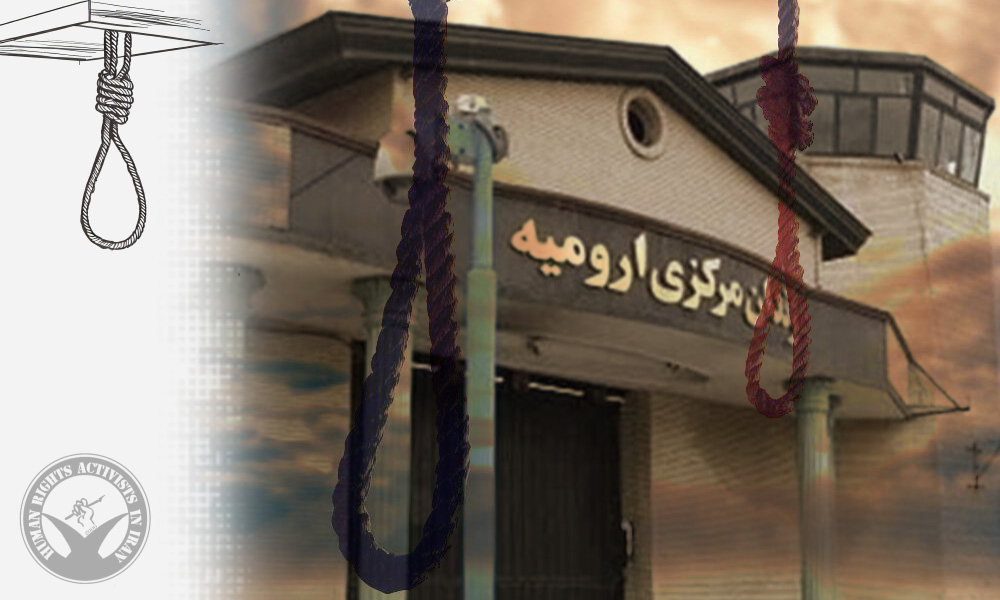
Two Prisoners Executed in Urmia Prison

On Monday, November 4, 2024, two prisoners previously convicted of murder in separate cases were executed in Urmia Prison, according to HRANA.

The two men, identified as Ali Momeni and Ramin Kazem Aliloo, had been moved to solitary confinement on Sunday, November 3, in preparation for their executions.

A third prisoner on death row, who is Ali Momeni’s brother, received a temporary reprieve from the victim’s family and was returned to the general prison ward.

At the time of this report, prison officials and relevant authorities have not officially confirmed these executions.

According to latest HRANA’s annual report over between October 10, 2023, and October 8, 2024, at least 811 individuals were executed by hanging in Iran, rising to 23.06% compared to the same period last year. Of these executions, four were carried out in public. Many of the defendants were denied a fair trial.

Iranian Jewish Citizen Arvin Ghahremani Executed

At dawn on Monday, November 4, Arvin Ghahremani (also known as Nathaniel), a young Iranian Jewish man, was executed in Dizelabad Prison in Kermanshah. His execution followed a conviction and death sentence stemming from a deadly altercation, as reported by Mizan, the judiciary’s media outlet.

Ghahremani had been arrested in November 2022 after a dispute over financial issues with Amir Shokri, a Muslim citizen, escalated into violence, resulting in Shokri’s death. Following a swift judicial process, Ghahremani was sentenced to death.

The Kermanshah Prosecutor’s Office stated that Ghahremani’s trial included his chosen legal representation, who filed three appeals for a retrial—all denied by the Supreme Court. Despite efforts by prominent figures to negotiate with Shokri’s family for a pardon or to accept blood money (diyah), the family ultimately refused, demanding the death sentence be carried out.

Previously, HRANA reported rising concerns among Iran’s Jewish community and human rights advocates about Ghahremani’s case, particularly the rejection of his retrial requests and the execution’s impending likelihood.

Human rights activists argue that qisas (retributive justice) laws in Iran exhibit systemic discrimination against religious minorities, as these laws are applied unequally. Under Iranian law, qisas mandates capital punishment if a non-Muslim kills a Muslim, but does not apply the same punishment if a Muslim kills a non-Muslim; in such cases, only blood money or lesser punishments are typically imposed. Activists assert that this disparity undermines fair trial standards and the equal rights of non-Muslim citizens.

This lack of legal protection has historically enabled extrajudicial killings of non-Muslim citizens, especially Iran’s Baha’i community, by extremist groups, intensifying concerns about religious discrimination in Iran’s justice system.

Two Prisoners Executed in Qom Prison

At dawn on Tuesday, October 29, the death sentences of two prisoners, previously convicted of murder in a joint case, were carried out in Qom Prison.

HRANA has confirmed the identities of these individuals as Ali Mostavafi and Hossein Ali Maleki, both residents of Malard County.

Based on information received by HRANA, Mostavafi and Maleki had been previously arrested on murder charges and were subsequently sentenced to death in a joint case by the judicial authorities.

As of this report’s publication, prison officials and responsible agencies have not publicly announced the executions.

According to the Department of Statistics and Publication of Human Rights Activists in Iran, in 2023, at least 767 citizens, including 21 women and 2 juvenile offenders, were executed. Of these, the executions of 7 individuals were carried out in public. Additionally, during this period, 172 others were sentenced to death, with 5 of them sentenced to public execution. It is worth noting that during the same period, the initial death sentences of 49 other individuals were also upheld by the Supreme Court.