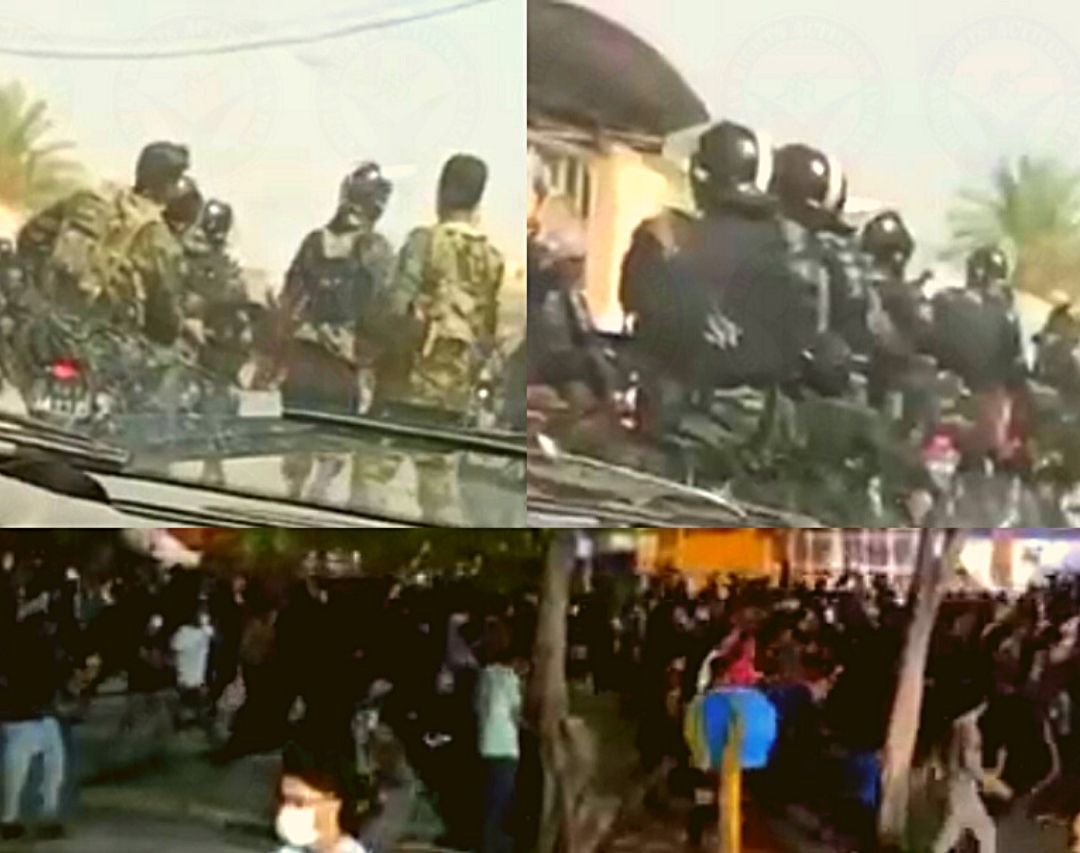
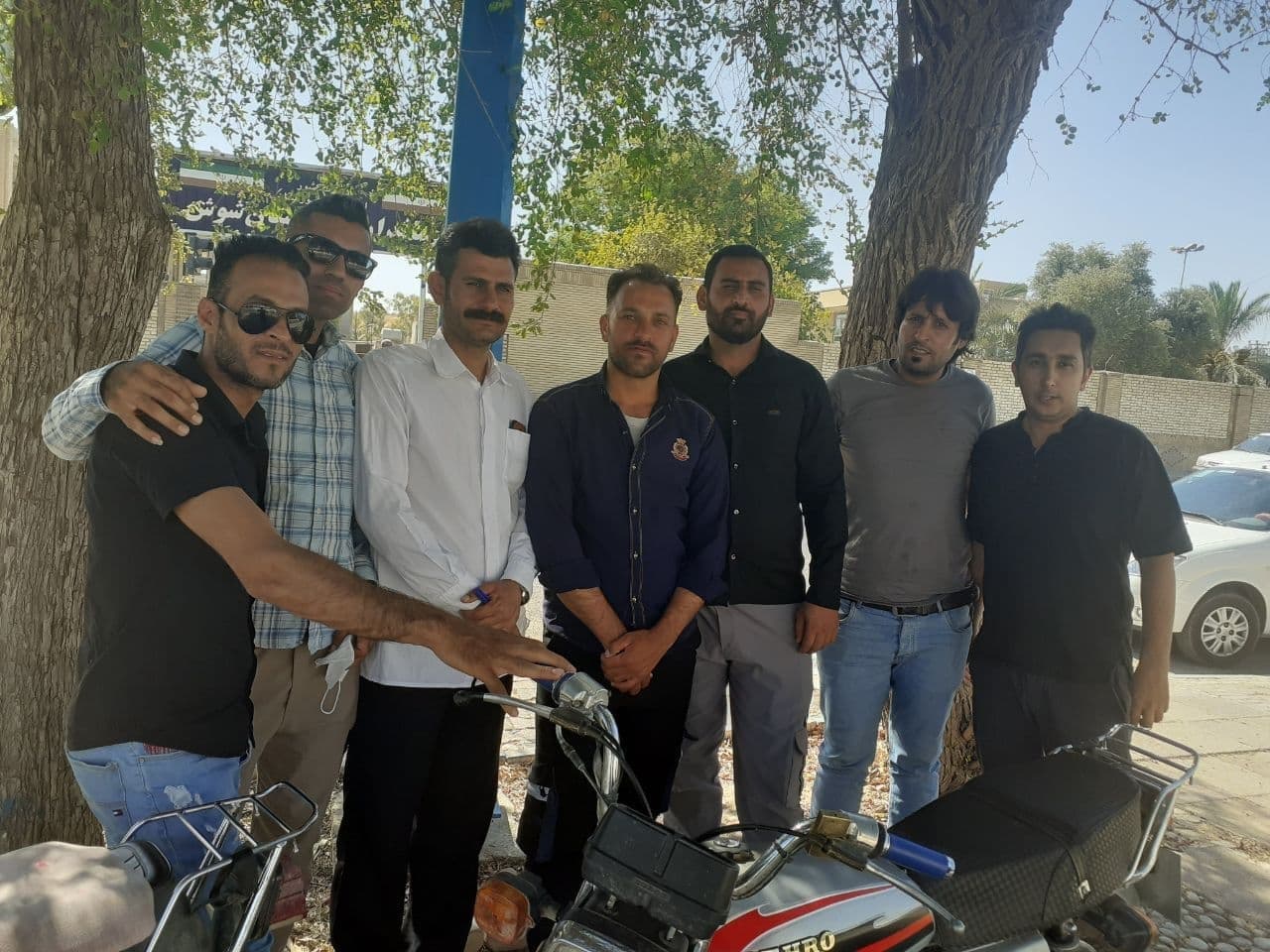
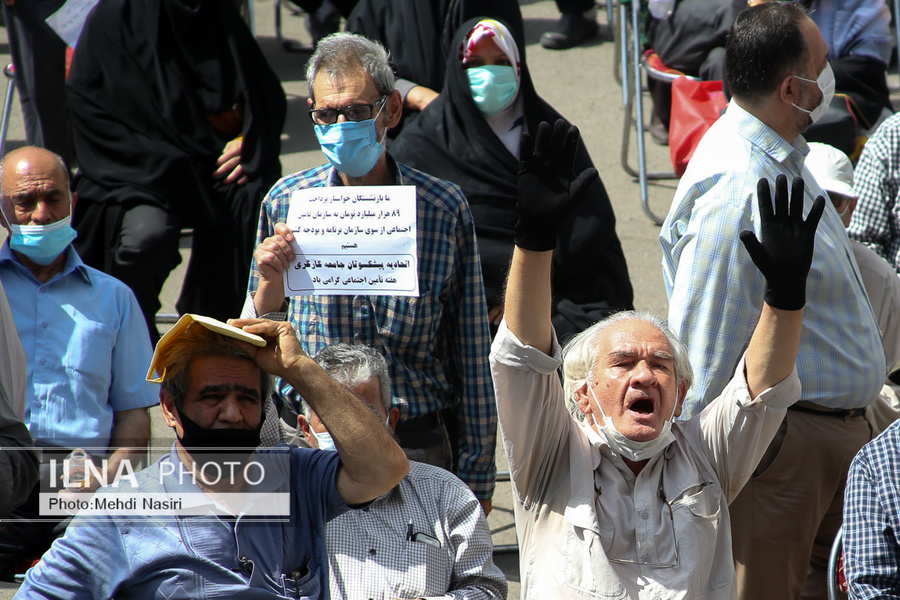
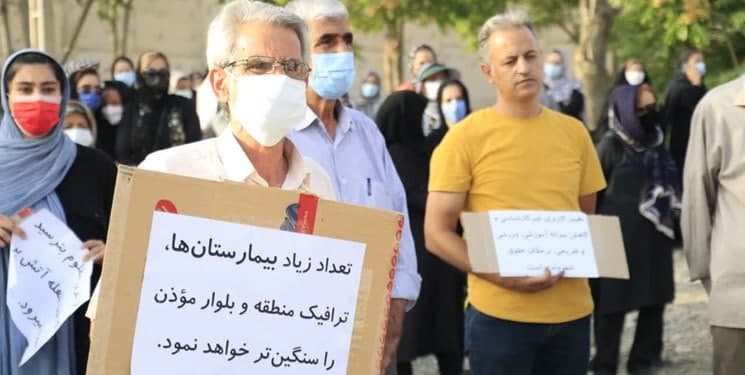
On the evening of Thursday, July 22, reports and images were published showing that protests took place in Genaveh in Bushehr Province.
According to HRANA, the news agency of Human Rights Activists, as of today internet access has been cut off in most parts of Khuzestan.
Protests started in Khuzestan province on the night of Thursday, July 15, in response to the resource mismanagement that has led to the water crisis. The protests began on Thursday, July 15, and have now spread to at least 28 cities.
During the last eight days, several citizens have been injured and the killing of three protesting citizens and a police officer has been confirmed by provincial officials. 17-year-old Hadi Bahmani, who was killed during the protest in Izeh yesterday, was buried today. Local sources say the death toll is at least double that number, but HRANA has thus far been unable to confirm its accuracy.
Ali Shamkhani, secretary of the Supreme National Security Council, has published an article on his social media in which he states, “The security forces have been ordered to immediately release the detainees who did not commit any criminal acts in the recent incidents in Khuzestan.”
At the same time, various judicial and security officials have said they will counter “anti-revolutionaries”. Dezful Governor Ali Farahmandpour called the protests “riots”.
“The rioters will be dealt with severely,” Farahmandpour said. “These riots have nothing to do with agricultural water. The rioters are opportunists who call for a counter-revolution.”
These remarks have raised concerns about the violent treatment of protesters.
The Iran Music House, and the Theater Forum issued statements in support of the protests of the people in Khuzestan and condemned any violent treatment of the legitimate demands of the people.
The global internet watchdog website “Netblocks” has confirmed the internet disruptions since the protests took place in Khuzestan saying that “widespread Internet disruptions in Iran have occurred since Thursday last week following popular protests in Khuzestan province and it continues.”
Read our fact sheet for more info on what is going on in Khuzestan.
Today, the cities of Susangard, Behbahan, Abadan, Izeh, Ahvaz, Khorramshahr, Ramhormoz, and Shadegan, staged protest rallies that were confronted by military forces with arrests, tear gas, and bullets.
Widespread protests started in Khuzestan province on the night of Thursday, July 15, in response to the resource mismanagement that has led to the water crisis. Protests have been going for the past seven days and have spread to at least 22 cities.
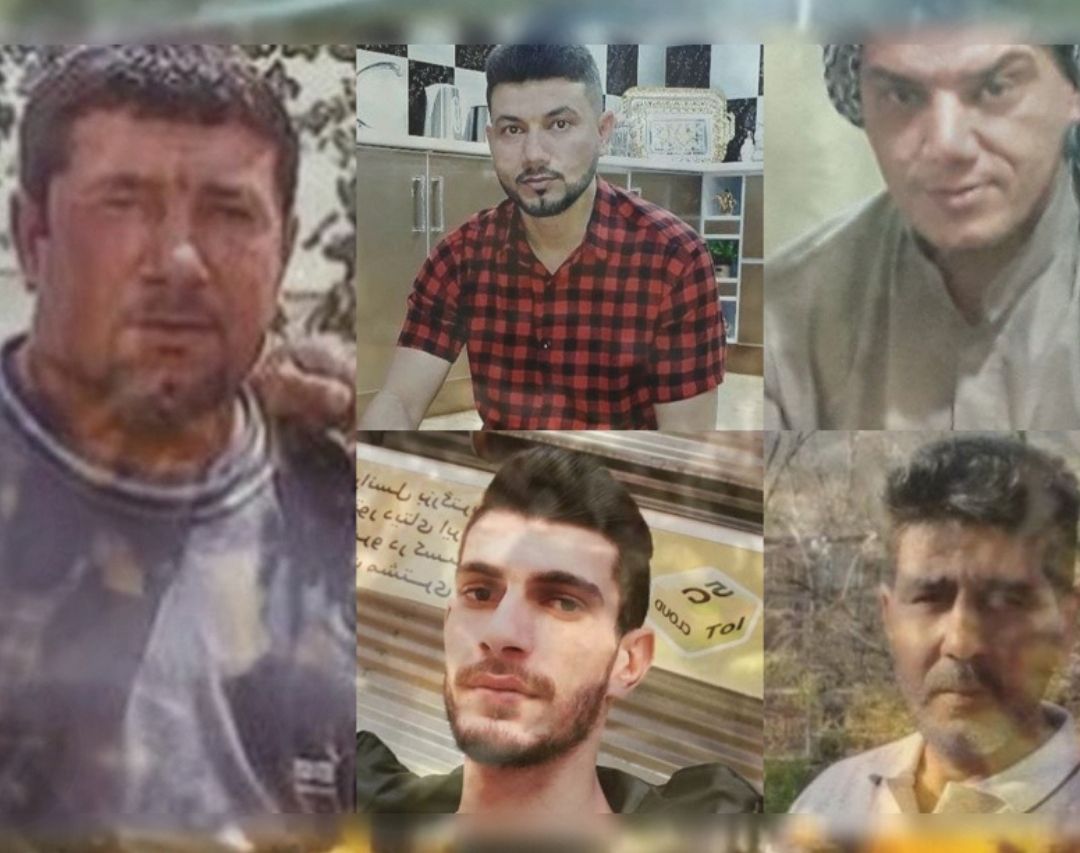
According to HRANA, the news agency of Human Rights Activists, at least four civilians and one police officer have been confirmed as killed since the start of the protests. HRANA was able to verify the identities of those killed since Thursday as Meysam Echresh from Taleghani in Mahshahr, Mostafa Naeemawi from Shadegan, Ghasem Naseri from Kut Abdollah, and officer Zargham Parast in Mahshahr. According to local sources, a number of additional citizens have been injured during the protests as well.
Disconnections and a severe decrease in Internet speed in some cities of Khuzestan province have been reported on social media. Previously, a resident of Ahvaz told HRANA that the internet of all carriers is disconnected, and people cannot access the internet through phones.
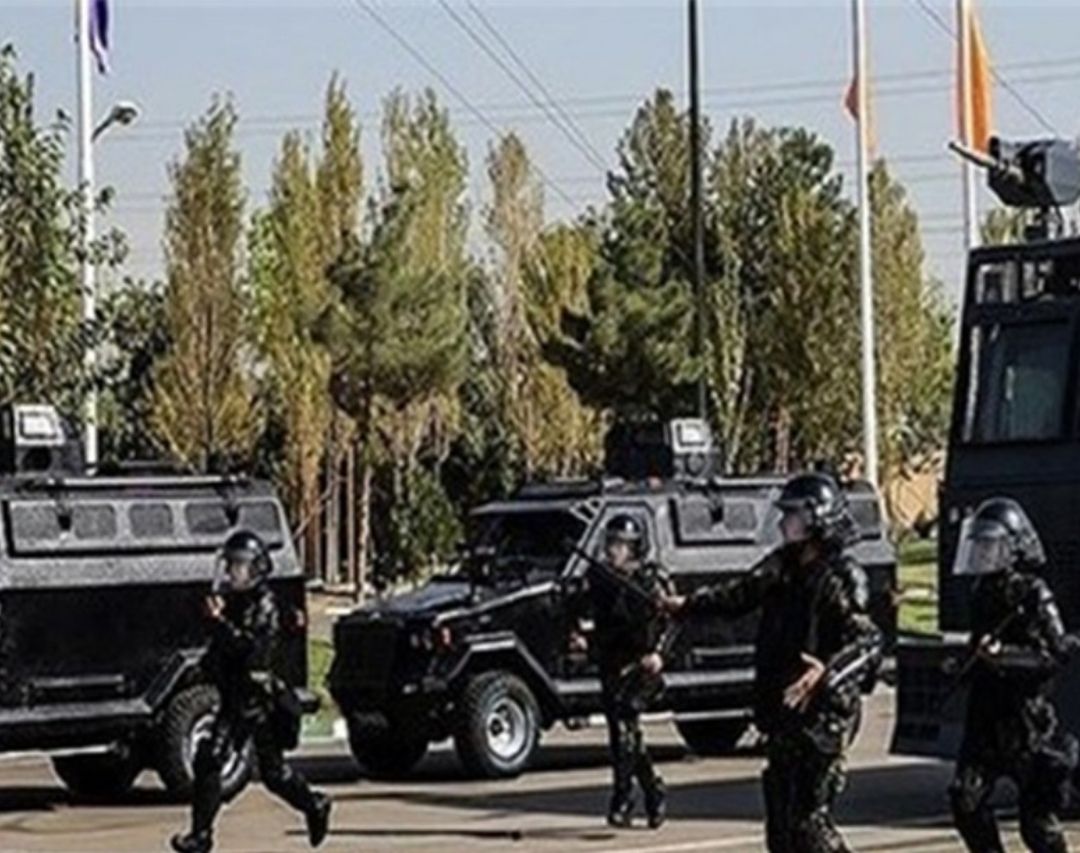
Received videos show the presence of a large number of military forces around Azadi Square in Tehran and the security atmosphere for facing possible protests.
The scope of the violence against the protesting people of Khuzestan have elicited reactions from numerous different sections of society. In a statement, the Tehran Teachers’ Union condemned the suppression of the Khuzestan protests and blamed the government for the resource problems. 330 artists gave a statement which condemned the suppression of protests and expressed solidarity with the protesters.
Several film and television artists gathered in front of the Artists’ House to show their support. The players of the Abadan Oil Industry soccer team, the Iranian Writers Association, and the Iranian Cinema House all issued statements in support of the protesters, and calling on the relevant authorities to address the situation.
Today, videos broadcasted on social networks show people marching in Yazdanshahr in Isfahan in support of the people of Khuzestan. Also, people in Masjed Soleyman, Ramshir, Shahrui village of Behbahan, and Ahvaz in Khuzestan marched and held protest rallies.
***
Read our fact sheet for more info on what is going on in Khuzestan. For media interviews, contact Skylar Thompson at [email protected].
The Islamic Republic of Iran Broadcasting (IRIB) confirmed that a citizen was killed during last night’s protests in Izeh, Khuzestan.
According to HRANA, the news agency of Human Rights Actiists, the IRIB report did not specify the identity of the killed citizen. However, it described his death as a result of a “suspicious” shooting—notably vague phrasing, considering that the overwhelming majority of gunfire throughout the protests has come from government forces.
Widespread protest rallies in Khuzestan started Thursday, July 15, in response to the negligence of officials that led to frequent cuts of drinking water and the drying of Karun River.
The demonstrations against the water cuts and lack of proper resource management continued yesterday into their sixth day. Rallies were held in Susangard, Behbahan, Abadan, Izeh, Ahvaz, Khorramshahr and Shadegan.
Hassan Nabovati, acting governor of Izeh, stated that one police officer was killed and another injured during the protests in Mahshahr last night.
As released videos show, the protests in Izeh were disrupted by violence from military forces. There were reports of military officers spraying tear gas and opening fire at protesters.
Today, July 20, the widespread protests in Khuzestan over the ongoing water crisis continued for a sixth consecutive day. Since the start of the protests on Thursday, provincial authorities have confirmed that at least two civilians have been killed by military forces.
According to HRANA, the news agency of Human Rights Activists, today’s protests took place in the cities of Izeh, Khorramshahr, Ahvaz, Shadegan, Abadan, Susangard, and Behbahan. HRANA received reports of shootings and internet shutdowns in some areas, as well as a report of the death of a protester, but neither have been confirmed as of this writing.
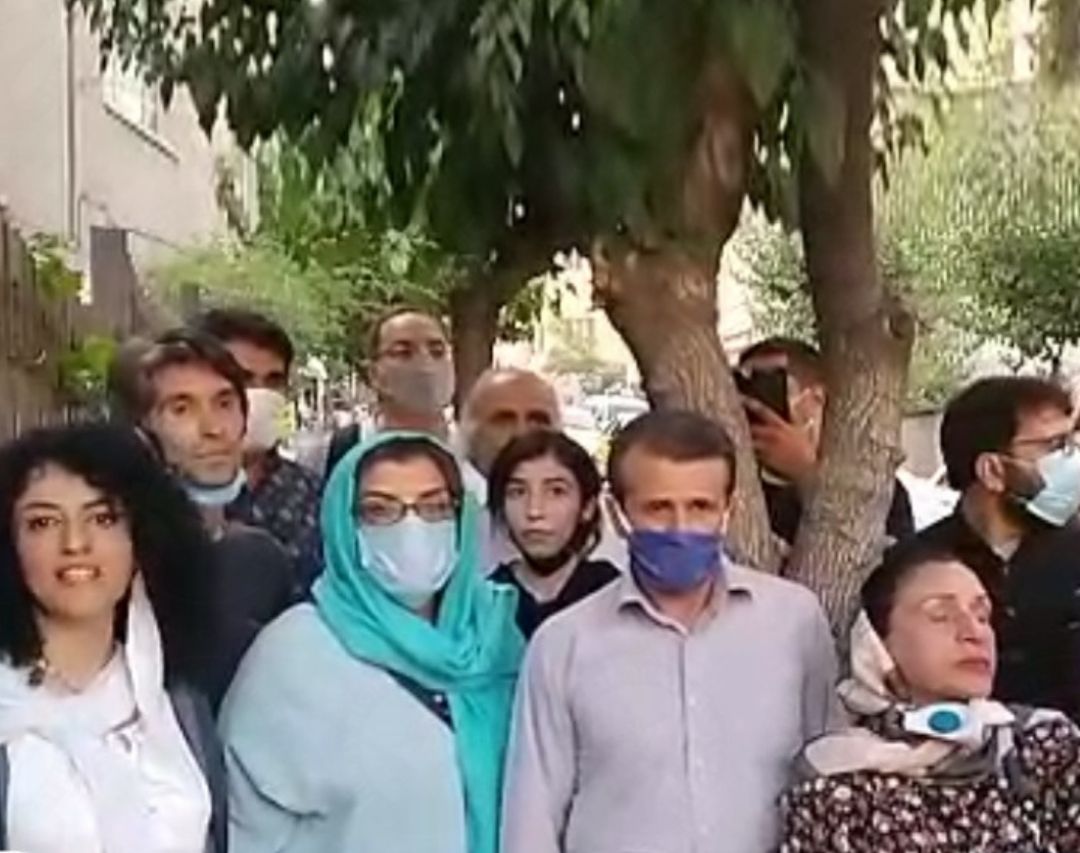
Today a number of prominent civil activists also gathered in Tehran to voice their support for the protesters in Khuzestan, and were met with violence from security forces. Activists Narges Mohammadi, Arash Sadeghi, Arash Kaykhosravi, Ruhollah Mardani, Jafar Azimzadeh, Rasoul Bodaghi, Pooran Nazemi, Hamid Asefi, and Behzad Homayouni were arrested by security forces in Tehran and taken to an unknown location.
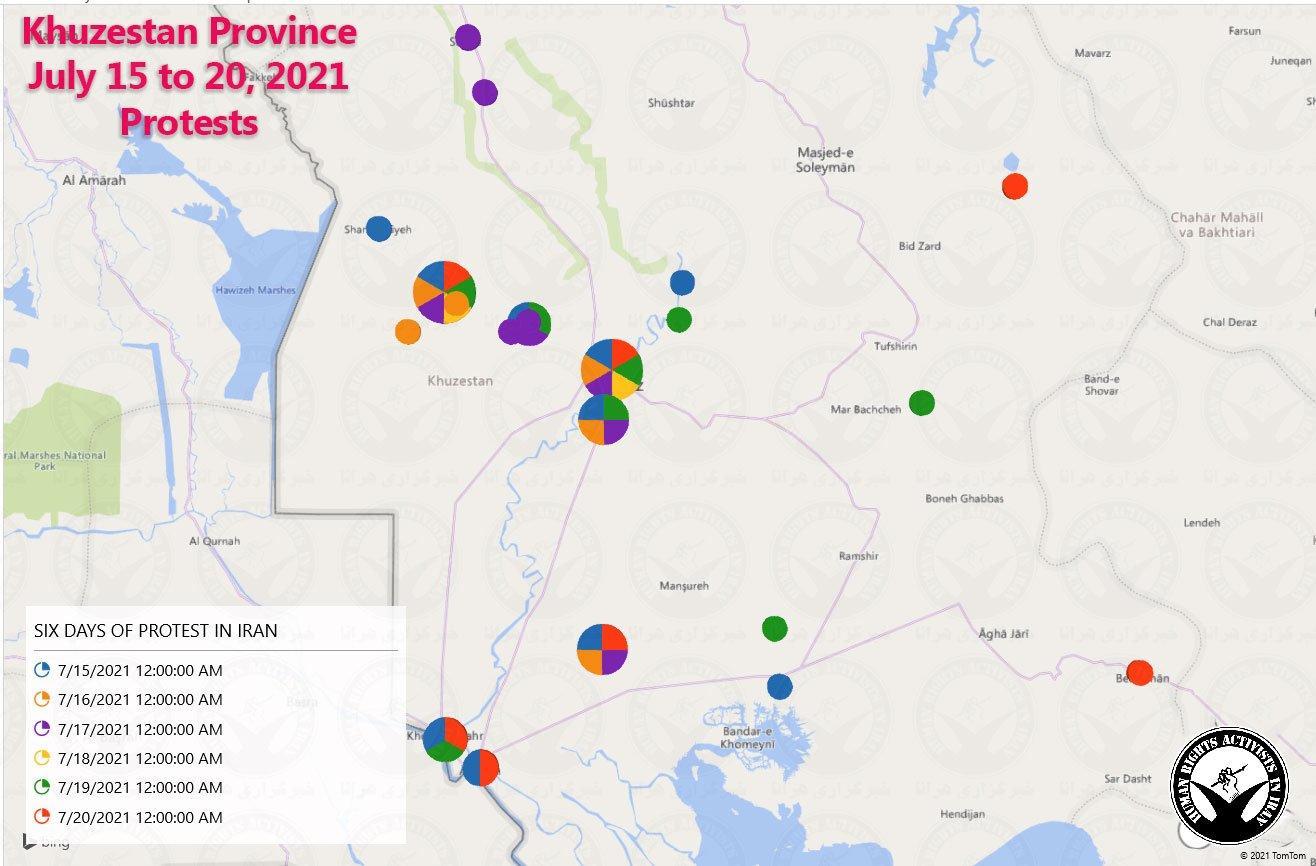
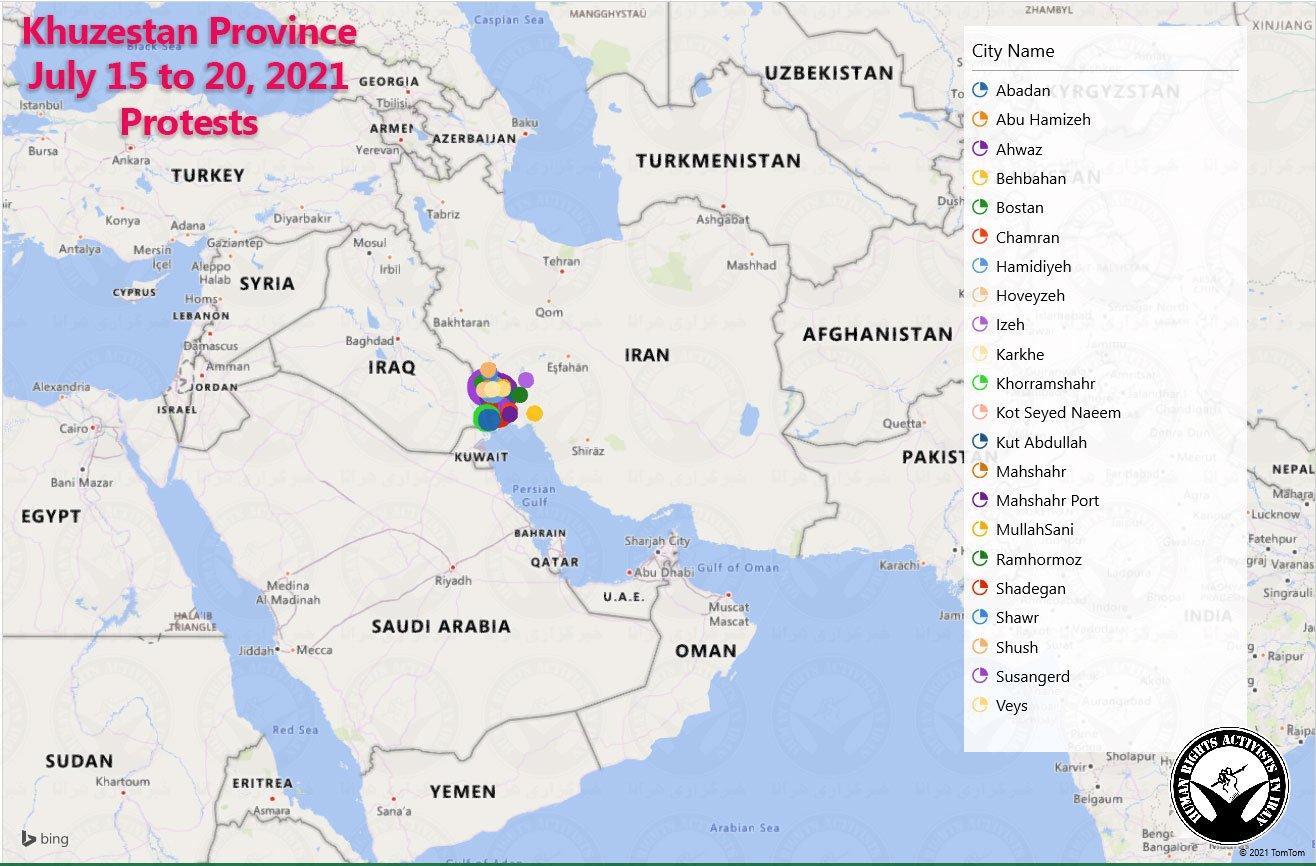
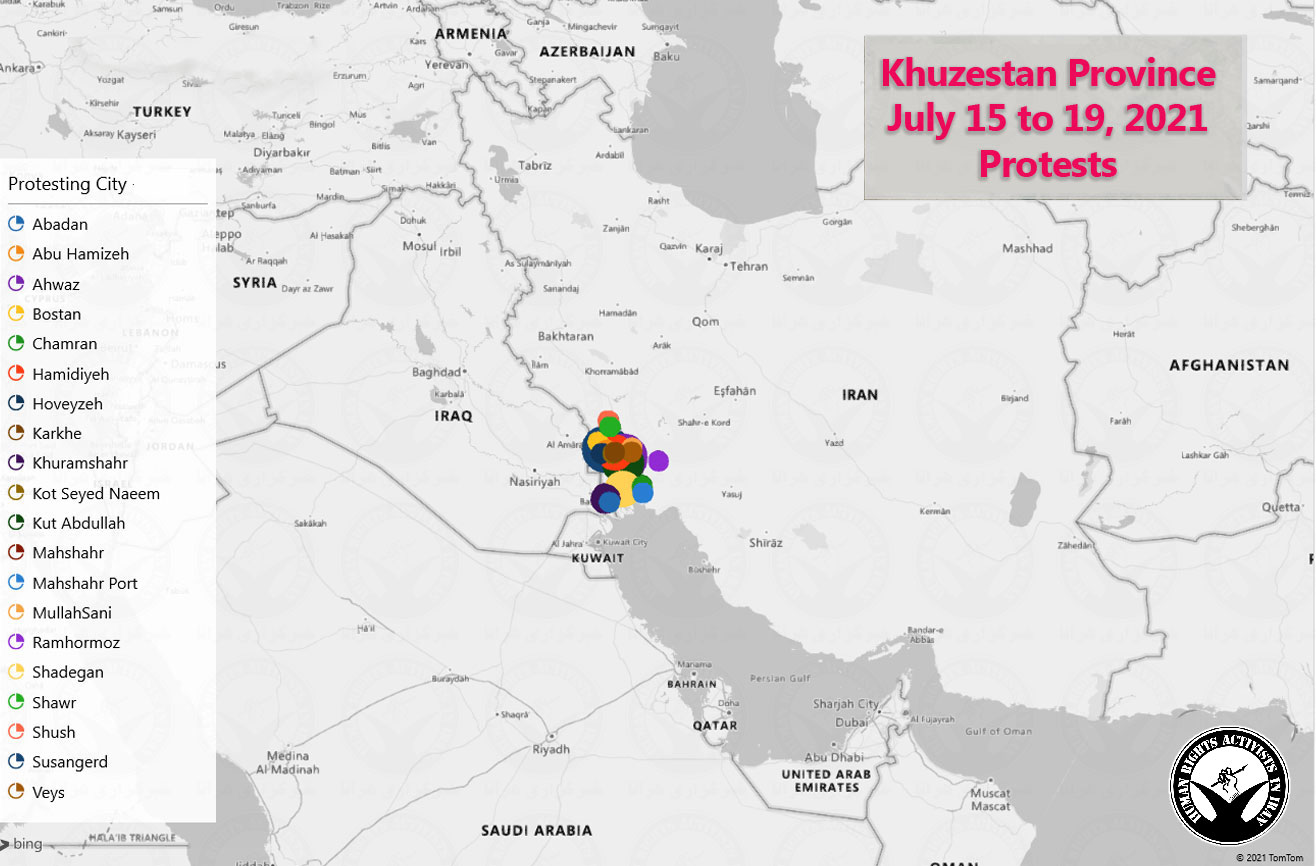
Below is our updated map of the protests of the last five days.
Several activists were arrested in Tehran following a rally in support of the citizens of Khuzestan amidst the ongoing protests over water shortages in the province.
According to HRANA, the news agency of Human Rights Activists, the arrested activists have been identified as Narges Mohammadi, Arash Sadeghi, Arash Kaykhosravi, Ruhollah Mardani, Jafar Azimzadeh, Rasoul Bodaghi, Pooran Nazemi, Hamid Asefi, and Behzad Homayouni.
The detention of these citizens was violent and accompanied by beatings. Earlier today, in a video, Narges Mohammadi stated, “We wanted to gather in front of the Ministry of Interior to protest the killing of innocent – thirsty people in Khuzestan, but we were treated violently by security forces and some of us were beaten. Now we are marching in a street in Tehran to support the people of Khuzestan.”
During the last six days, people in Khuzestan Province have been protesting the frequent water cuts and mismanagement of water sources in at least 20 cities.
Since the second day of the protests, provincial officials have confirmed that two citizens, 30-year-old Mostafa Naeemawi from Shadegan, and 17-year-old Ghasem Naseri (Khaziri) from the Kut Abdollah area of Ahvaz, were killed during the protests. HRANA has received reports, which have yet to be verified, of a third civilian additionally being shot dead by military forces.
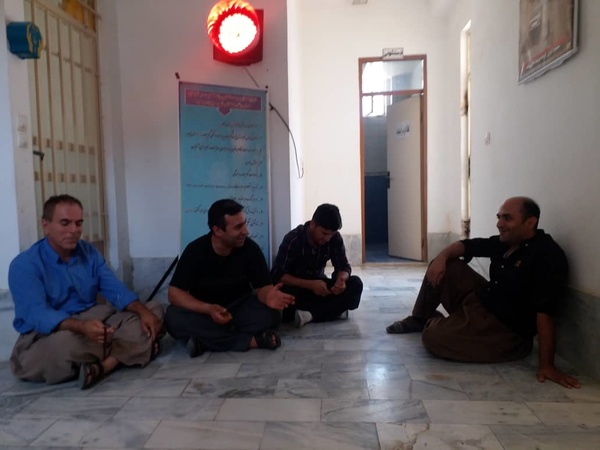
The exact status of the detained activists and their whereabouts are unknown at the time of writing.
More than 130 documentarians signed a statement entitled “And water crisis ignited, again” regarding the widespread protests in Khuzestan.
According to HRANA, the news agency of Human Rights Activists, the statement condemned acts of violence against the people of Khuzestan.
“We, the documentary directors, have always reflected the difficulties and will of our people based on our work tradition,” the signatories wrote in the statement, “and today we stand by the thirsty people of Khuzestan and strongly condemn the repression of the people.”
Since the night of Thursday, July 15, dozens of rallies have been held in protest of the mismanagement that has led to water cuts in Khuzestan cities. Military and police forces have responded violently to the protests, and, in a few cases, opened fire on civilians.
Today, July 19, the widespread protests in Khuzestan over the mismanagement of officials regarding the ongoing water crisis continued for a fifth consecutive day. Since the start of the protests on Thursday, provincial authorities have confirmed that at least two civilians have been killed by military forces.
According to HRANA, the news agency of Human Rights Activists, today’s rallies in Khuzestan took place in Hamidiyeh, Ahvaz, Kut Abdullah, Susangard, Ramhormoz, Mahshahr, Khorramshahr, Veys, and Chamranhere. There were no reports of violence or shootings by government forces except a report from Chamran city, which seems to be aerial shooting.
The weekend’s demonstrations also saw heavy escalation. As shown in videos previously published by HRANA, the Susangard protests were responded to with violence from on-duty military forces this Sunday. In multiple areas police opened fire on unarmed protesters.
The protestors blocked the roads connecting Ahvaz to Khorramshahr and Ahvaz to Shush by lighting fires. There have also reportedly been sporadic internet outages across the province.
Since the second day of the protests, provincial officials have confirmed that two citizens, 30-year-old Mostafa Naeemawi from Shadegan, and 17-year-old Ghasem Naseri (Khaziri) from the Kut Abdollah area of Ahvaz, were killed during the protests. HRANA has received reports, which have yet to be verified, of a third civilian additionally being shot dead by military forces.
Previously, the governor of Khuzestan said, “The published videos of the protests in the province are fake and no protest has taken place.”
“Some seek to provoke the people and publish fake images of the protests in cyberspace,” the governor further stated. “For example, nothing has happened in the cities of Khorramshahr and Susangard, but clips related to the past events are published in cyberspace!”
Public rallies to protest the water cuts and lack of access to drinking water began on the night of Thursday, July 15, and have spread to at least 17 cities so far.
During the last four days, people protested in at least 17 cities, including Shavur, Karkheh, Kut Seyed Naeem, Shush, Ahvaz, Abadan, Hamidiyeh, Bostan, Susangard, Bandar Mahshahr, Khorramshahr, Shadegan, Kut Abdollah, Mollasani, Hoveyzeh, and Abou Homeyzeh in Khuzestan Province and Mashhad. In some of the released videos, the sounds of gunfire can be heard, and a recurring theme across the footage is the heavy presence of armed military and security forces.
Local sources published reports, as of yet unverified, that several protesting citizens were injured and many others were detained in the city of Khorramshahr. So far, Abdolreza Soleimani, Darem Soleimani, Mansour Soleimani, Yarullah Soleimani and his son Ali Soleimani, all residents of Khorramshahr, are reportedly detained.
Workers at the Haft Tappeh Sugarcane Agro-Industry Company supported protests in Khuzestan during their rally and march on Sunday, July 18.
A resident of Ahvaz told HRANA about the situation in the city, “Special forces from other places are quickly (being) deployed to Ahvaz to suppress young protestors. Access to drinking water is one of the most basic civil rights. While Khuzestan was once considered the most water-rich province in the country, the mismanagement has led to the crisis of supply of drinking water in Khuzestan to become a serious challenge for people.”
Mahmoud Ahmadi Bighash, a representative of Shazand City in Parliament, said that providing water and development is an immediate responsibility of the entire government. Bighash wrote in a tweet:
“The situation in Khuzestan is concerning, I point it out indirectly, be very careful about what happened in Khuzestan; open all the [Karun River’s] water sources to quench Khuzestan’s thirst and put out the fire.”
Abdullah Izad Panah, Speaker of the House of Representatives of Khuzestan, also gave a statement in a recent meeting about crisis management in which he criticized the water transfer projects in the province.
“Water transfer projects should be stopped,” the representative said. “Drought is just one side of the issue. The transfer of water has caused Khuzestan to fall to this condition.”
Earlier, Jalil Mokhtar, the representative of Abadan, considered the problems caused by the transfer of water from Khuzestan province to other provinces, and mismanagement.
“Unfortunately, we have witnessed the water transfer from Khuzestan to other areas based on government approvals,” Mokhtar said. “Khuzestan, which was a fertile plain, is now on a desertification path.”
The Human Rights Defenders Association wrote an open letter to the UN High Commissioner for Human Rights expressing concern about the suppression of protesters of the water crisis by security officials and calling for an end to the suppression.
“Khuzestan province, despite having rich oil resources, is among the most deprived provinces in Iran, and its residents are facing a high range unemployment, losing water sources, polluted air, and frequent power outages, so their protests are completely justified, and the response must not be bullets and imprisonment.”
Watch our compilation of video footage taken at various protests throughout the province.
According to HRANA, the news agency of Human Rights Activists, a number of protests took place in different parts of the country this week. Below is a quick recap and footage from the demonstrations.
Friday July 9 and Saturday July 10
Several civil and political activists in Tehran, several bakers in Qazvin, a group of women from Nasir Mahalla and Shalma villages located in Shaft county, a group of pest control workers from Haft Tappeh Sugarcane Company, residents of Marqa village from the central part Izeh city, a group of employees of Qom Health Care Services, workers of rural telecommunication agents in Mashhad, a group of taxi drivers in Marivan, Kurdestan, residents of Ahvaz concerned about the drying rivers in Khuzestan province, workers of Kut Abdullah municipality, and a number of bakery workers in Neyshabur all held protest rallies on Friday and Saturday of last week.
Qazvin bakers:
Civil and political activists in Tehran in support of Manouchehr Bakhtiari:
Women from Nasir Mahalla and Shalma villages:
Haft Tappeh sugarcane workers:
Marqa village residents in Izeh:
Employees of health services in Qom:
Workers of rural telecommunication agents in Mashhad:
Taxi drivers in Marivan, Kurdestan:
Residents in Ahvaz protesting rivers in danger of drying, in Khuzestan:
Workers of Kut Abdullah municipality:
Sunday, July 11
A group of shareholders of Cryptoland exchange in Tehran, a group of pest control workers of Haft Tappeh Sugarcane Company for the 16th consecutive day, Mashhad bakery workers, a group of retirees the Steel of Isfahan, retirees seeking social security in the cities of Rasht and Ahvaz, a group of water and sewage workers from the Azadegan plain in Khuzestan called on their demands to be addressed through protest rallies. Also, the strikes of contract workers of several companies affiliated with the oil, petrochemical, and power plants companies are still expanding, and so far, workers of 105 industrial units in different provinces of the country have stopped working and joined the strikes.
Cryptoland shareholders:
Pest control workers of Haft Tappeh:
Bakers in Mashhad:
Retirees the Steel of Isfahan company:
Retirees of social security in the cities of Rasht and Ahvaz:
Water and sewage workers from the Azadegan plain in Khuzestan:
Monday, July 12
A group of pharmacists in Tehran and Shiraz, contract workers of Kut Abdollah municipality, a group of pesticide workers of Haft Tappeh Sugarcane Company for the 17th day in a row, drivers of Urmia minibus fleets, several workers of Khorasan Petrochemical Company, A group of people from Chabahar city in Sistan and Baluchestan province, a group of doctors, faculty members andresidents of the dermatology field, and a group of workers from Urmia Municipality all held protest gatherings.
Residents of Chabahr in Sistan and Baluchestan Province:
Pharmacists in Tehran:
Pharmacists in Shiraz:
Contract workers of Kut Abdollah municipality:
Workers of Haft Tappeh Sugarcane Company:
Physicians in Tehran
Workers of Khorasan Petrochemical Company:
Tuesday July 13
Several bakery workers in Mashhad, workers of Haft Tappeh Company from all sectors, a group of Ahvaz Municipality workers held protests this Tuesday. Additionally, marches against frequent water and electricity cuts were held in the cities of Khorramshahr and Qasr-e-qand.
Residents of Khorramshahr:
Workers of Ahvaz municipality:
Bakers in Mashhad
Workers of Haft Tappeh Company from all sectors:
Wednesday, July 14
Ranchers in four cities, including Shahrekord, Neyshabur, Birjand, and Torbat Heydariyeh, a group of workers from Haft Tappeh Company from all sectors for the second day and workers of the pest control department for the nineteenth consecutive day protested this Wednesday. A group of people from the western Hume, a number of social security workers and retirees, as well as a group of farmers in the villages of Janadaleh and Khazrajin Hamidiyeh in Khuzestan Province, drivers of tankers truck and fuel trucks in Qasr Shirin held demonstrations of protest as well.
Ranchers in Neyshabur:
Workers from Haft Tappeh Company from all sectors:
Pest control workers of Haft Tappeh:
Residents of western Hume:
Retirees of social security:
Farmers in Khuzestan:
Drivers of tanker trucks:
Thursday July 15
at least 13 rallies protest were held this Thursday. A group of workers of Ahvaz Municipality, workers of Jahan Pars Company, bakers and workers in Bojnourd in of North Khorasan, a group of workers of Haft Tappeh Company from all sectors and workers of the pest control department of this company for the twentieth day protested. Several environmental activists in Isfahan, residents in Sepehr town located in Karaj, farmers in the villages of Bavi district of Ahvaz city – Masjed Soleiman, some cities of Khuzestan including Abadan, Hamidiyeh, Bostan, Susangard and Mahshahr port due to water cut and lack of access to Drinking water also separately marched and protested in their respective cities.
Workers of Ahvaz Municipality:
Workers of Jahan Pars Company:
Gathering of bakers and bakery workers in Bojnourd:
Rally of Haft Tappeh workers
Residents in Sepehr town in Karaj:
Farmers in Bavi village:
Protesters in Khuzestan Province (including Hamidiyeh, Bostan, Susanger, Shadegan) in light of ongoing water shortages:
On Sunday, July 11, environmental reporter Javad Heydarian was summoned and informed of the charges against him by the Yasuj Prosecutor Office on behalf of Branch 22 of the Shiraz Judiciary Complex.
According to HRANA, the news agency of Human Rights Activists, Heydarian has been charged by Branch 22 of the Shiraz Prosecutor’s Office with “publishing lies on online media with the intention of disturbing the public mind” and has been charged by the Yasuj Prosecutor’s Office.
His case was referred to Branch 22 of the Judiciary of Shiraz for a final verdict. At the end of this hearing, he was temporarily released on bail until the end of the proceedings.
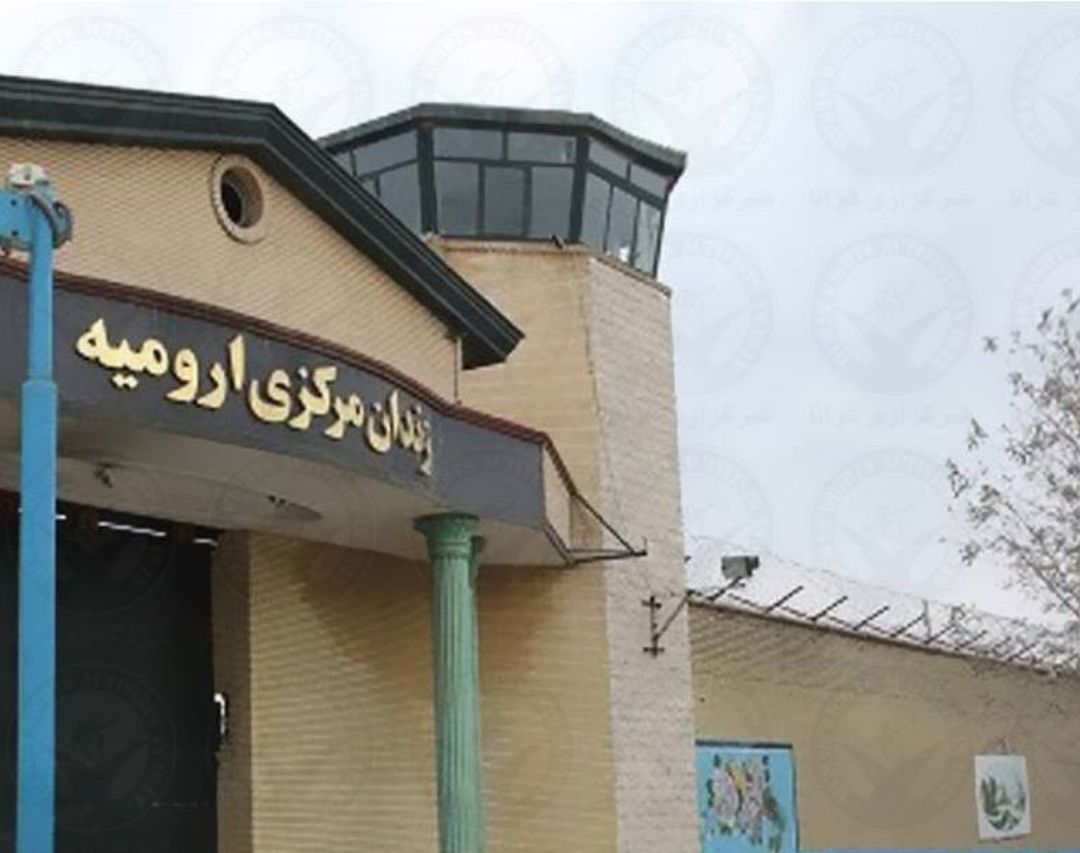
On Wednesday, July 14th, following the improper distribution of food rations by the authorities of Urmia Prison, a clash broke out between prisoners.
According to HRANA, the news agency of Human Rights Activists, one prisoner was killed and 16 others were injured during the altercation.
The identity of the murdered prisoner has been verified by HRANA as Karim Babaei.
An informed source told HRANA about the incident,“The date ration has been unequally distributed and has not reached many prisoners, which has led to physical clashes between prisoners.”
During the clash, Karim Babaei was hit in the head and lost his life. Another prisoner was stabbed and 15 others suffered burns from hot water.
The poor economic conditions of prisoners and their families outside the prison, especially in recent years, have led to the inability of many prisoners to pay for their expenses.
The quality and quantity of food rations has been an ongoing issue for inmates of Urmia Prison.