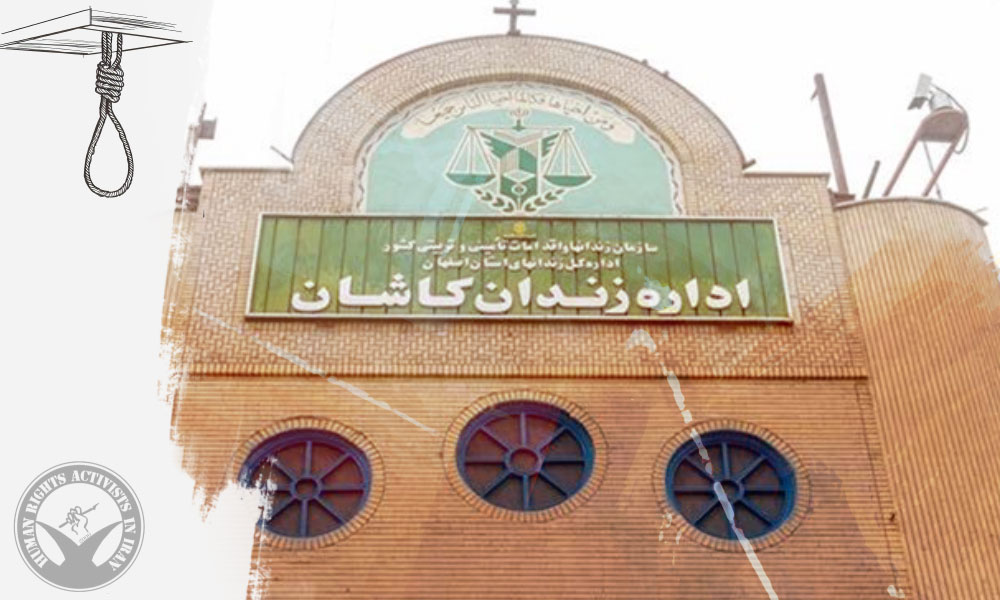
Two Prisoners Executed in Arak Prison on Drug-Related Charges

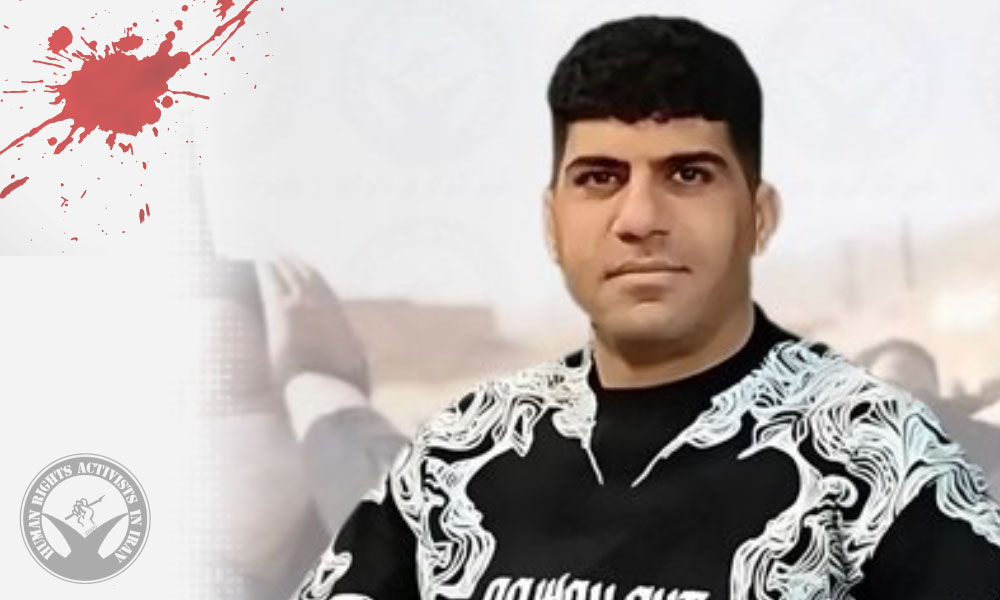
HRANA– At dawn yesterday, Sunday, August 10, two prisoners were executed in Arak Prison. They had previously been sentenced to death on drug-related charges.

HRANA has identified one of the executed prisoners as Ahmadreza Torkashvand. The two had been arrested on charges related to drug offenses and later sentenced to death by the Revolutionary Court.

Further details, including the identity of the second executed prisoner, are under investigation by HRANA.

As of the time of this report, the executions have not been announced by prison officials or relevant authorities.

According to HRANA’s report, in 2024, over 52 percent of executed prisoners had been convicted on drug-related charges. Over the past ten years, individuals convicted of drug trafficking have accounted for 40 percent of all executions. Unfortunately, HRANA’s statistics show no progress in reducing executions for drug-related offenses.

20 Arrested on Espionage Charges in Connection with 12-Day Israel-Iran War

HRANA – The Judiciary spokesperson has announced the arrest of 20 people across several provinces, accusing them of spying for Israel during the recent 12-day war with Iran. He said the cases are currently under investigation, with results to be announced once inquiries are complete.

Quoting ISNA, HRANA reports that Asghar Jahangir stated the detainees face charges of espionage and collaboration with Mossad, alleging their activities were connected to the 12-day Israel-Iran conflict.

Citing an earlier statement from the Ministry of Intelligence, Jahangir noted that the cases remain under review by interrogators. That statement had also reported the summons and arrest of 98 citizens over media-related activities.

Jahangir added that some individuals detained before the conflict allegedly confessed to missions tied to the war, while charges against others were altered or dropped. “A person may be arrested on suspicion of espionage, but later, during the investigation, the charges may be dismissed,” he said.

Describing espionage cases as “complex and sensitive,” Jahangir claimed they must be handled carefully and with respect for the rights of the accused.

Although combating espionage is not considered a human rights violation, the Iranian government’s longstanding record of using such charges against political opponents means these claims—especially in the absence of clear details or transparent judicial proceedings—are widely met with skepticism.

Ali Younesi and Amirhossein Moradi Sentenced to Over 7 Years in Prison

HRANA– Branch 29 of the Tehran Revolutionary Court sentenced Ali Younesi to a total of six years and three months in prison, along with social deprivations and exile. Amirhossein Moradi was also sentenced by the same branch to 15 months in prison.

Their lawyer, Mostafa Nili, announced that these award-winning Sharif University students were sentenced by Branch 29 to 15 months in prison each for “propaganda against the regime.” Younesi was additionally sentenced to five years in Kerman Prison on the charge of “endorsing and supporting the Zionist regime.”

According to Nili, as a complementary punishment, during his imprisonment, Younesi will be banned from access to the Internet and from making phone calls to outside the prison, except in necessary cases and under the supervision of the prison director.

The trial session for Younesi was held on July 28, and for Moradi on July 20, 2025.

Ali Younesi, a computer engineering student, and Amirhossein Moradi, a physics student at Sharif University of Technology, were arrested on April 10, 2020, by Ministry of Intelligence agents and transferred to the Ministry’s detention facility known as Ward 209 of Evin Prison. Their arrest was carried out by plainclothes agents without a judicial warrant and accompanied by beatings.

On May 5, 2020, Judiciary spokesperson Gholamhossein Esmaili accused the students of cooperating with an opposition group (the People’s Mojahedin Organization of Iran). Shortly afterward, Aida Younesi, Ali’s sister, released a video denying the accusations and stating that they were based on their parents’ history of imprisonment in the 1980s.

On June 25, 2022, more than two years after their arrest, Moradi and Younesi were transferred from the Ministry of Intelligence’s detention facility (Ward 209 of Evin Prison) to the prison’s public ward.

In their initial trial, the two award-winning Sharif University students were sentenced to 10 years in prison for “destruction and arson of public property” as the most severe charge, five years for “assembly and collusion against national security,” and one year for “propaganda against the regime.” On June 2022, Branch 36 of the Tehran Court of Appeals upheld the lower court’s verdict in full.

In March 2024, their lawyer announced that after the Supreme Court accepted their request for retrial, a parallel branch reduced Younesi’s maximum prison sentence from 10 years to six years and eight months. Nili added that the same process had previously been applied to Moradi, reducing his enforceable sentence to six years and eight months as well.

Amirhossein Moradi won the silver medal in Iran’s 2017 National Astronomy Olympiad, while Ali Younesi won the silver medal in 2016 and the gold medal in 2017. Younesi also won gold in the 12th International Olympiad on Astronomy and Astrophysics, held in China, securing first place in the competition.

Yazdan Khazaei, Brother of Slain Protester, Arrested in Shahriar

HRANA News Agency – Today, Saturday, August 9, Yazdan Khazaei, the brother of Erfan Khazaei, one of the victims of the 2022 nationwide protests, was arrested and taken to an undisclosed location after appearing at the Revolutionary Court of Shahriar County.

So far, no information has been obtained regarding his place of detention or the charges against him.

Yazdan Khazaei has previously faced security-related harassment, including summons and interrogations.

In July this year, Ehsan Khazaei and Neda Kargar, Yazdan Khazaei’s brother and sister-in-law, were also arrested in Kangavar and released some time later on bail.

It is worth noting that Erfan Khazaei, 30, a resident of Kangavar in Kermanshah Province, was killed by gunfire on September 21, 2022, during the nationwide protests in Shahriar.

Fatemeh Ziaei Arrested in Tehran by Ministry of Intelligence

HRANA News Agency – On Thursday, August 7, Fatemeh (Hourieh) Ziaei Azad was arrested by agents of the Ministry of Intelligence in Tehran and taken to an undisclosed location.

A source close to her family confirmed the news to HRANA, stating: “Ms. Ziaei was arrested last night at her home in Tehran by Ministry of Intelligence agents and transferred to an undisclosed location.”

As of now, no information is available regarding her place of detention, the reasons for her arrest, or the charges against her.

Fatemeh (Hourieh) Ziaei Azad, approximately 66 years old, resides in Tehran. She has previously been sentenced and served time in prison.

Subscribe to Our Newsletter

Now is definitely not the time to stop reading!

Letter from Political Prisoner Babak Dadbakhsh from the Great Tehran Prison: Corruption, Discrimination, and Lack of Basic Services

HRANA – Babak Dadbakhsh, a political prisoner held in the Great Tehran Prison, has penned a letter to the head of Iran’s judiciary, condemning the dire conditions inside the facility. In the letter, he details widespread financial and administrative corruption, a severe lack of medical care and hygiene, harsh limitations on basic welfare and cultural services, and the exploitation of management positions for personal gain.

Addressed to Gholamhossein Mohseni-Ejei and obtained by HRANA, the letter describes these conditions as emblematic of the systemic and widespread violations of prisoners’ rights. Dadbakhsh portrays the prison environment as deeply inhumane, marked by discrimination in access to essential services and a complete breakdown in institutional accountability.

According to Dadbakhsh, the hygiene standards in the Great Tehran Prison are extremely poor. Infestations of bedbugs and lice, outbreaks of skin diseases such as scabies, and severe shortages of cleaning supplies are common. Each 25-person room receives a monthly ration of only one bar of soap, one 400g packet of laundry detergent, and a small bottle of shampoo. Every two months, each prisoner is given a single-use 3g toothpaste—without a toothbrush. Water is also cut off for several hours daily, during which bottled water is sold to prisoners at heavily inflated prices.

The letter also exposes rampant financial and structural corruption. Positions such as “ward representative” are reportedly bought and sold for large sums. Responsibilities like managing prison rooms are treated as lucrative concessions, requiring weekly payments ranging from 2 to 10 million tomans to the ward representative. These room managers then charge new arrivals fees for access to basic amenities such as beds, use of the kitchen, watching television, drinking tea, or even the right to sit on the floor or join others at meals.

Dadbakhsh also describes the economic hardship faced by inmates. A loaf of bread, normally priced at around 2,000 tomans, sells for 15,000 to 30,000 tomans inside the prison. Expired goods are sold in the prison shop, medications from the prison infirmary are trafficked within the facility, and access to medical care requires payment to staff. According to Dadbakhsh, even the right to visit with family is being bought and sold.

He further criticizes the absence of cultural, recreational, and medical services. Of the approximately 3,500 inmates across 10 wards, only a handful have access to the cultural unit. Recreational facilities are completely unavailable. Despite the large population, the social work unit is severely understaffed—with only one social worker available for 330 inmates, and that person only appearing briefly once or twice a week behind bars.

In closing, Dadbakhsh writes that these conditions strip prisoners of basic human dignity and push their families into severe financial hardship. He urges the head of the judiciary to seriously address the situation in the Great Tehran Prison and the widespread violations of prisoners’ rights.

About the Author of the Letter:
Babak Dadbakhsh, a political prisoner around 45 years old, was recently arrested in Tehran during a furlough from Ardabil Prison and transferred to the Great Tehran Prison. He is now facing a new case in Branch 105 of the Criminal Court Two of Parand on the charge of “propaganda against the regime.” The case was initiated after his interrogation by Robat Karim’s security office. A hearing was scheduled for July 26 via videoconference, but Dadbakhsh refused to attend, stating that he does not recognize such proceedings and demanded an in-person trial. No verdict has been issued yet.

Previously, in November 2018, Dadbakhsh was arrested in a separate case by Tehran’s security police and handed over to the Ministry of Intelligence. He was held in Ward 209 of Evin Prison, the Great Tehran Prison, and Razi Psychiatric Hospital, before being transferred to Rajai Shahr Prison in February 2019. Due to poor physical and mental health, he was initially held in the ward for special-needs patients and later among political prisoners.

In February 2020, Branch 28 of Tehran’s Revolutionary Court, presided over by Judge Moghiseh, sentenced him to 43 years in prison for possession of weapons and ammunition. Under Article 134 of the Islamic Penal Code, 16 years of this sentence is enforceable. He was acquitted of the charges of moharebeh (waging war against God), corruption on earth, and collusion against national security. He also previously served time in Evin Prison from 2007 to 2009 and still faces a pending case from that period due to failure to return after furlough. Prior to his arrest, he was married and a father of two, one of whom he lost along with his wife in an accident.

Two Prisoners Executed in Karaj Central Penitentiary

HRANA– At dawn on Wednesday, August 6, the death sentences of two prisoners previously convicted on drug-related charges were carried out in Karaj Central Penitentiary.

HRANA has confirmed the identities of the executed individuals as Farhad Tavakoli and Aryo Jalali.

The two had been arrested on drug-related charges and later sentenced to death by the Revolutionary Court.

As of the time of this report, the execution of these prisoners has not been officially announced by prison authorities or responsible institutions.

According to HRANA’s report, in 2024, over 52 percent of executed prisoners had been convicted on drug-related charges. Over the past ten years, individuals convicted of drug trafficking have accounted for 40 percent of all executions. Unfortunately, HRANA’s statistics show no progress in reducing executions for drug-related offenses.

Masoud Bakhtiari Arrested in Arak

HRANA – Masoud Bakhtiari, a resident of Arak, was arrested by the Cyber Police (FATA) in the city and taken to an undisclosed location.

According to HRANA, citing the Free Union of Iranian Workers, Mr. Bakhtiari—who was active in labor-related issues—was arrested in recent days by FATA officers without a judicial warrant. Following his arrest, he was transferred to an unknown location.

The reason for his arrest was reportedly the publication of posts criticizing the Friday Prayer Imam and local authorities in Arak, as well as raising labor issues and workers’ demands in a Telegram channel.

The report does not mention further details, including the exact time of arrest.

As of the time of this report, no information has been obtained about Mr. Bakhtiari’s whereabouts or the charges against him.

In 2024, a total of 2,783 Iranian citizens were arrested by security and judicial authorities due to their beliefs, opinions, or political and civil activities. Over the past decade, the number of such arrests has exceeded 56,000. The highest number of arrests occurred in 2022, during the nationwide protests, when HRANA documented 23,977 detentions.

Prisoner Executed in Vakilabad Prison on Drug-Related Charges

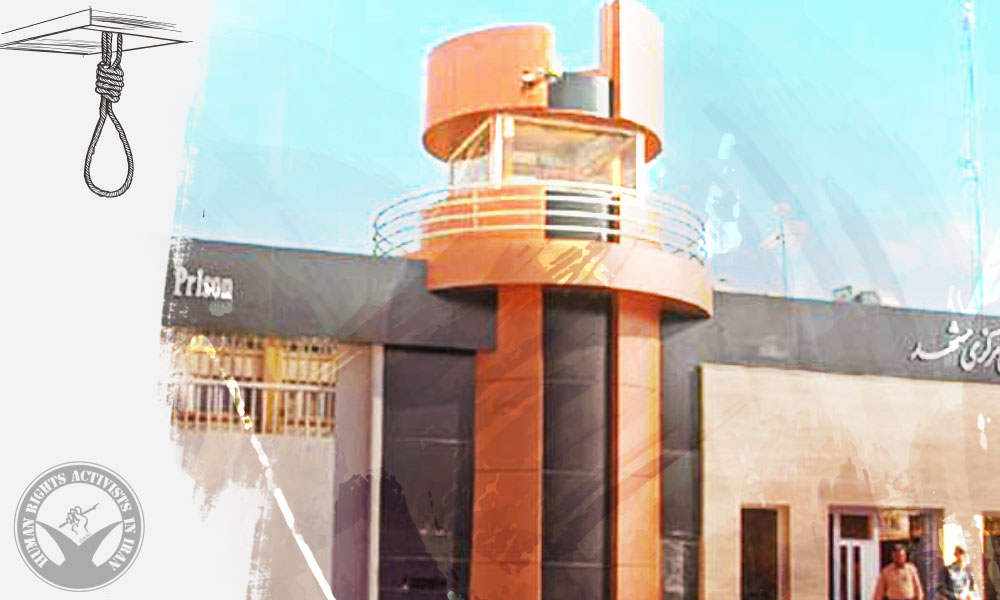
HRANA – At dawn on Wednesday, August 6, a prisoner who had previously been sentenced to death on drug-related charges was executed in Vakilabad Prison in Mashhad.

HRANA has confirmed the identity of the executed prisoner as Omid Azizian, who was hanged at dawn on Wednesday, August 6.

According to information received by HRANA, Mr. Azizzian had been arrested on drug-related charges and later sentenced to death by the Revolutionary Court.

As of the time of this report, prison officials and relevant authorities have not announced the execution.

According to HRANA’s report, in 2024, over 52 percent of executed prisoners had been convicted on drug-related charges. Over the past ten years, individuals convicted of drug trafficking have accounted for 40 percent of all executions. Unfortunately, HRANA’s statistics show no progress in reducing executions for drug-related offenses.

Ali Sameri Soaiberi Arrested in Ahvaz

HRANA – On Sunday, August 3, 2025, Ali Sameri Soaiberi, a resident of Ahvaz, was arrested after being summoned by the Ministry of Intelligence in the city. He was subsequently taken to an undisclosed location.

According to available reports, Sameri Soaiberi was summoned by the Intelligence Office’s news division in Ahvaz and was detained upon appearing. Since his arrest, he has had no contact with his family, and security agencies have not responded to their inquiries.

Sameri Soaiberi suffers from a heart condition, and the lack of information about his health and whereabouts has intensified his family’s concerns.

As of the time of this report, the reasons for his arrest and the charges against him remain unknown.

Ali Sameri Soaiberi, approximately 47 years old, is married, the father of three children, and a resident of Ahvaz.