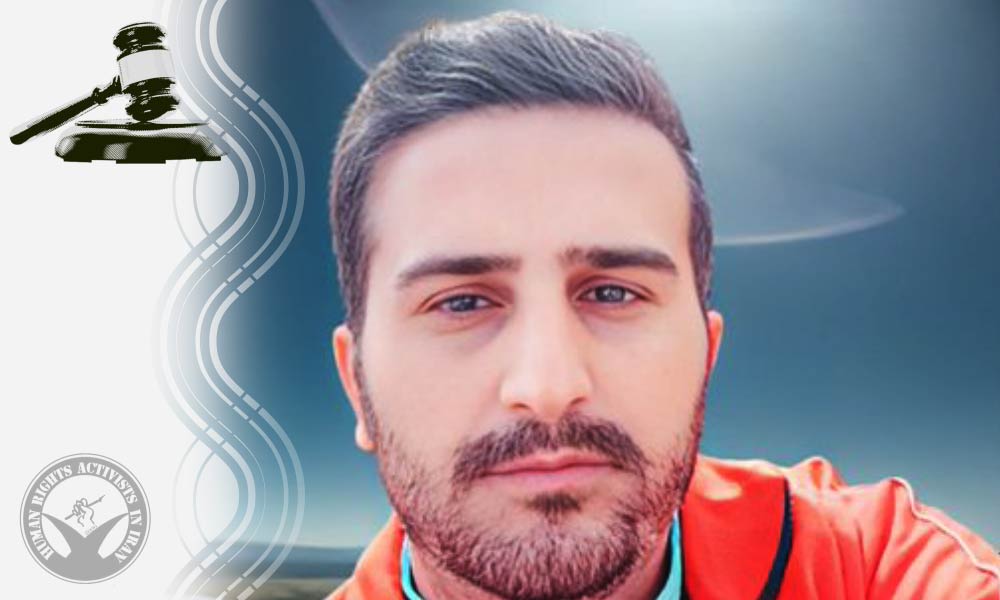
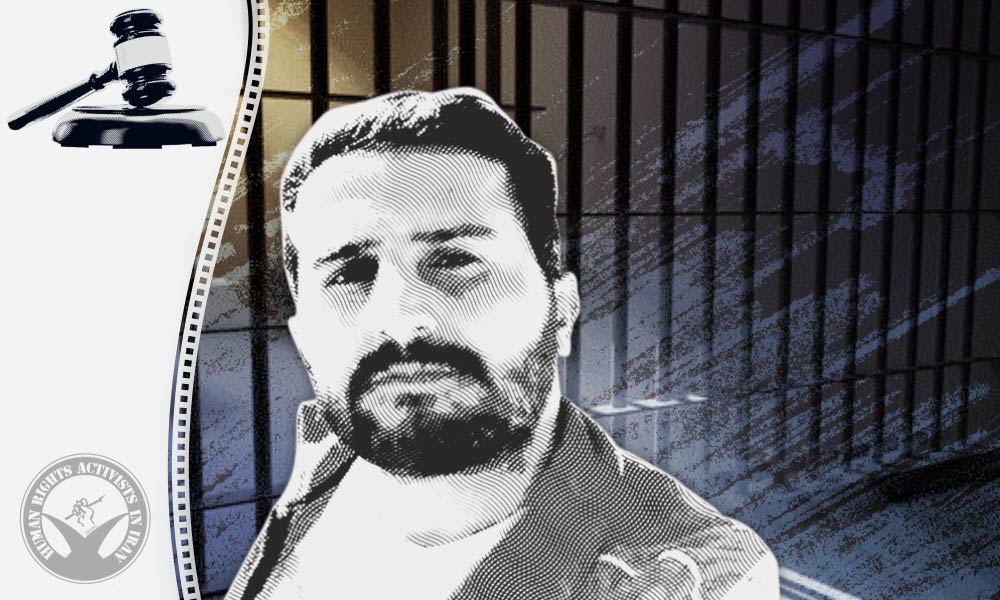
Abbas and Mohsen Deris Sentenced to a Combined 16 Years in Prison

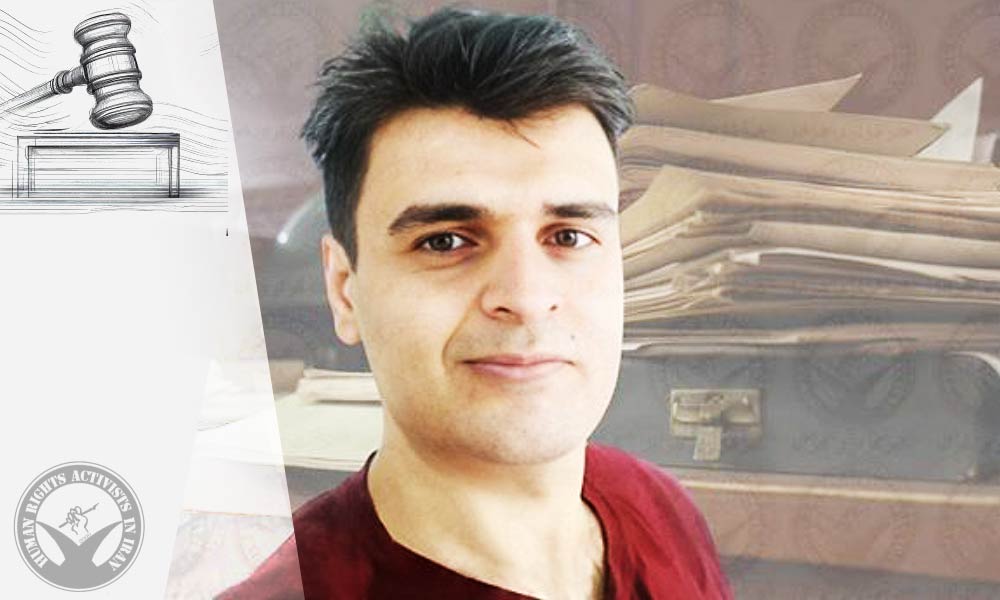
Abbas and Mohsen Deris, arrested during the 2019-2020 protests (Aban Protests), have been collectively sentenced to 16 years in prison by the Criminal Court of Khuzestan Province.

Their lawyer, Fereshteh Tabanian, announced the verdict, stating, “Abbas Deris received a 14-year sentence for ‘murder, holding, and carrying weapons,’ with ten years enforceable if the verdict is upheld on appeal. Mohsen Deris was given a two-year sentence for ‘carrying weapons’ and acquitted of aiding in murder.”

“No evidence supports Abbas Deris’s involvement in the charges presented in this legal case,” Tabanian emphasized.

According to Tabanian, Abbas Deris was recently transferred from Sepidar Prison to Mahshahr Prison.

In a separate legal case, Abbas Deris received a death sentence for “enmity against God” (Moharebeh) from the Mahshahr Revolutionary Court. Although Tabanian had informed that the Supreme Court upheld the death sentence in July, she has now clarified that Deris’s request for a retrial is still pending a response.

Notably, his two brothers, including Mohsen Deris, were acquitted of Moharebeh in this specific case.

Arrested by IRGC Intelligence agents on December 8, 2019, Abbas and Mohsen Deris faced charges related to their participation in the protests. Abbas admitted to involvement but denied specific actions like setting fires and blocking roads. While he initially confessed to shooting at security forces during interrogation, he later disclaimed any responsibility for the death of Capt. Reza Sayadi during the closing arguments.

In November 2019, an increase in fuel prices sparked a wave of protests in dozens of cities across the country. The spokesperson of the Parliamentary National Security and Foreign Policy Commission, Seyed Hossein Taghavi, announced that 7000 people were arrested during these protests. According to reports from human rights organizations, hundreds were killed by the security apparatus.

Zeinab Khenyab Pour Receives Three-Month Prison Sentence

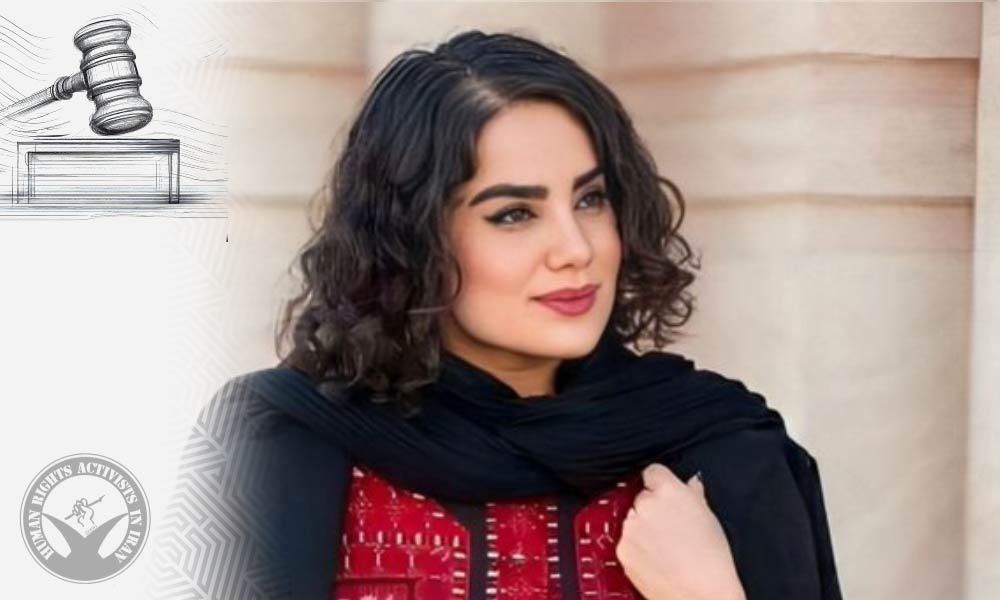
The Mahshahr Revolutionary Court has imposed a three-month jail term on Zeinab (Bahar) Khenyab Pour, a resident of Bebahan.

Sajjad Chatr Sefid, Khenyab Pour’s lawyer, confirmed that his client has been found guilty of “spreading propaganda against the regime.” Khenyab Pour is also currently contending with an additional charge, which is under consideration by the Bebahan Criminal Court. The court session for this particular aspect of her legal proceedings took place on October 9, 2023.

Previously, on December 5, 2022, Khenyab Pour’s garment shop was closed due to her participation in the general strike in support of nationwide protests. Following the closure, she sought clarification from judicial authorities and was subsequently detained for six days in Sepidar Prison, located in Ahvaz.


Appellate Court Upholds Mohsen Kheirkhah’s Three-Year Sentence

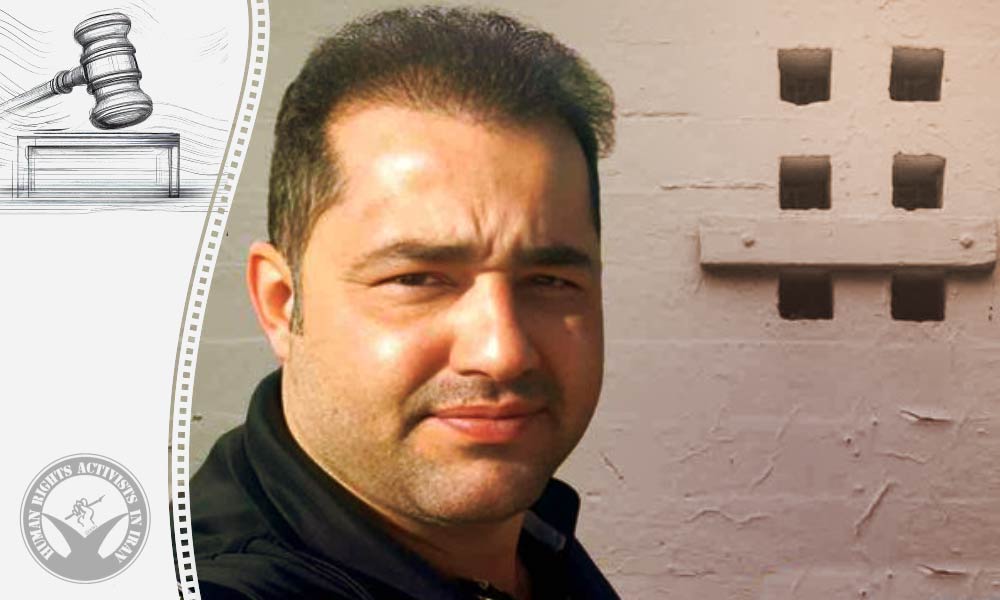
The Appellate Court of Khuzestan Province has upheld a three-year sentence against Mohsen Kheirkhah, a resident of Mahshahr.

On July 22, 2023, the Mahshahr Revolutionary Court handed down a one-year sentence for “propaganda against the regime” and an additional two years for “insulting the Supreme Court of Iran.”

In accordance with Article 134 of the Islamic Penal Code, which stipulates that the most severe punishment must be enforced in cases involving multiple charges, Kheirkhah is set to spend two years in prison.

Kheirkhah’s arrest took place during the September-October 2022 nationwide protests, and he was initially released from Behbahan Prison after a period of detainment by security forces. Following his release, he faced an additional eight-month prison sentence for “propaganda against the regime.” However, he was granted amnesty under the “pardon and commutation” directive.

Majid Khademi Sentenced to Prison and Lashes

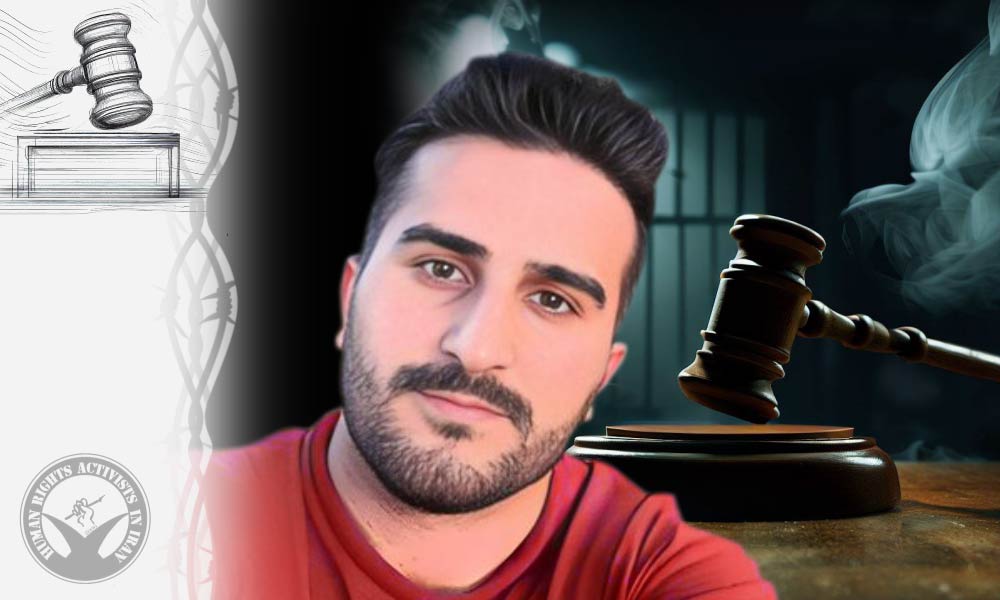
Political prisoner Majid Khademi has received a sentence of four years and four months in addition to 45 lashes from the Criminal Court of Behbahan. Khademi is currently serving a prior sentence in Behbahan Prison.

As per the verdict, Khademi has been given a three-year and six-month sentence for “arson,” along with ten months for “disturbing public order,” bringing the total to four years and four months, coupled with 45 lashes. Of this sentence, two years have been suspended for five years.

For another part of his legal case, Khademi was initially sentenced to ten years and one month by Mahshahr Revolutionary Court. However, following a plea of no contest, for one charge, the sentence was reduced to five years and five months for “assembly and collusion against national security,” down from six years and three months. His convictions of two years and six months for “propaganda against the regime” and one year and four months for “membership in anti-regime groups” remain unchanged. For these sentences, five years and five months have been enforced.

Khademi commenced serving his sentence in Behbahan Prison on August 22.

He was arrested by IRGC Intelligence on January 18, 2020, and subsequently held in a detention facility in Behbahan City for one month of interrogation before being transferred to Behbahan Prison. On June 15, 2021, Khademi was released on bail of 2.5 billion tomans pending the conclusion of legal proceedings.

Majid Khademi Imprisoned in Behbahan Prison for Sentencing

On Tuesday, August 22, Majid Khademi, aged 31, a resident of Behbahan, commenced serving his sentence in Behbahan Prison.

Khademi was summoned by the Public and Revolutionary Court of Behbahan to appear for sentencing. Initially handed a ten-year and one-month sentence, Khademi’s legal journey took a turn after his plea of no contest and a subsequent reduction in his punishment. The final verdict stipulates five years and five months of imprisonment for “assembly and collusion against national security,” in addition to one year and four months for “spreading propaganda against the regime.” Pursuant to Article 134 of the Islamic Penal Code, an enforceable sentence of five years, five months, and 18 days has been established.

In addition to his prison term, Khademi has been subjected to supplementary penalties, including a mandatory two-year residency requirement in Taft County within the Yazd province, along with a prohibition from engaging in civil/political groups for a duration of two years. Furthermore, his participation in orientation classes has been mandated.

Khademi also finds himself grappling with another legal case that stems from an arrest on June 22, 2022, following a court appearance at the Mahshahr Revolutionary Court. After a period of detention, he was eventually released on bail from Sheyban Prison in Ahvaz.

On January 18, 2020, Khademi was arrested by IRGC Intelligence and subsequently taken to a detention facility in Behbahan City. Following one month of interrogation, he was transferred to Behbahan Prison. On June 15, 2021, Khademi was released on bail of 2.5 billion tomans until the conclusion of legal proceedings.


Subscribe to Our Newsletter

Now is definitely not the time to stop reading!

Mohsen Kheirkhah Sentenced to Three Years in Mahshahr Court

Mohsen Kheirkhah has been sentenced to three years by the Mahshahr Revolutionary Court.

The verdict, issued on July 22, 2023, includes one year for “propaganda against the regime” and two years for “insulting the Supreme Court of Iran.”

Should the verdict be upheld on appeal, Article 134 of the Islamic Penal Code will enforce a two-year sentence.

The court session took place on July 5, 2023.

Kheirkhah’s arrest occurred during the nationwide protests of 2022 in Mahshahr, and he was later released from Behbahan Prison.

It’s important to note that last year, the Mahshahr Revolutionary Court found him guilty of “propaganda against the regime,” but he was subsequently granted amnesty under the “pardon and commutation” directive.

Majid Khademi Receives Nine-Year and Three-Month Sentence

Majid Khademi, a 31-year-old resident of Behbahan, has been handed a sentence of nine years and three months by the Mahshahr Revolutionary Court, following a plea of no contest.

Originally, Khademi had been sentenced to ten years and one month. However, after entering a plea of no contest, the sentence was reduced from six years and three months to five years and five months for charges of “assembly and collusion against national security.” The convictions of two years and six months for “propaganda against the regime” and one year and four months for “membership in anti-regime groups” remain unchanged.
Additionally, as part of the ruling, Khademi has been ordered to serve two years of exile in Taft, Yazd Province. He is also prohibited from joining any political or civil groups and is mandated to attend orientation classes.

According to Article 134 of the Islamic Penal Code, the initial prison term of five years and five months will be enforced. Furthermore, Khademi faces additional charges in the second part of his legal case, which has been transferred to Behbahan Criminal Court.

On January 18, 2020, Khademi, along with Mehran Gharebaghi, was arrested by IRGC Intelligence and subsequently taken to a detention facility in Behbahan City. Following one month of interrogation, they were transferred to Behbahan Prison.

On June 15, 2021, Khademi was released on bail of 2.5 billion tomans until the conclusion of legal proceedings.


Majid Khademi Sentenced to over Ten Years and Additional Punishments

The Mahshahr Revolutionary Court sentenced Majid Khademi, a resident of Behbahan, to ten years and one month and additional punishments. If the verdict is upheld on appeal, based on Article 134 of the Islamic Penal Code, six years and three months for one count will be enforceable to him.

According to HRANA, the news agency of Human Rights Activists, Majid Khademi, age 31, was sentenced to over ten years in prison.

Khademi was given by the Mahshahr Revolutionary Court, presided by Judge Mehran Mehman-Navaz, six years and three months for “assembly and collusion against national security,” one year and four months for “propaganda against the regime,” and two years and six months for “membership in anti-regime groups.”

Additionally, Khademi was sentenced to two years of exile in Taft County, Yazd Province, a ban from membership in civil or political groups and mandatory participation in orientation classes.

If the verdict is upheld on appeal, applying Article 134 of the Islamic Penal Code, six years and three months for the “assembly and collusion” charge will be enforceable.

Moreover, Khademi faces other charges for the second part of his legal case, which has been delivered to Behbahan Criminal Court.

On January 18, 2020, IRGC Intelligence arrested Khademi and Mehran Gharebaghi and transferred them to a detention facility in Behbahan City. After one month of interrogation, they were relocated to Behbahan Prison.

They were later indicted for “propaganda against the regime, participating in the destruction of public property, producing non-military explosive materials, membership in one of the anti-regime parties (The People’s Mujahedin Organization of Iran) and spreading corruption on earth.”

On June 15, 2021, Khademi was released on a 2.5 billion-toman bail until the end of legal proceedings.


Report on Current Nationwide Protests: Hundreds Arrested; Dozens Killed and Injured

During the last two weeks, triggered by food price hikes, nationwide protests erupted in more than 31 cities across 10 provinces. HRANA, the news agency of Human Rights Activists, has recorded 53 demonstrations so far. 

According to HRANA, on Friday, May 6, 2022, following the government’s decision to cut subsidies on essential food items such as dairy products, flour, cooking oil, chicken, and eggs leading to soaring prices, the call for rallying against soaring prices went viral on social media. In the following days, several protests broke out in Khuzestan Province and soon swept through numerous cities across the country.

Prior to these protests, a series of protests and gatherings of teachers, labor workers and the retirees who had lost their pensions due to the government’s risky financial decisions had been sweeping across the country leading to dozens being arrested.

The new rounds of protests sparked initially in Susangerd City and other neighboring cities in Khuzestan Province. In the following days, at least 30 Arab-speaking citizens were arrested by security forces.

Soon after, the protests spread to other cities and provinces. The videos received from citizen journalists indicate that the protestors chanted slogans against inflation as well as the Iranian regime leaders, including President Ebrahim Raeisi and Supreme Leader Seyyed Ali Khamenei.

The map below shows the locations where the protests were.
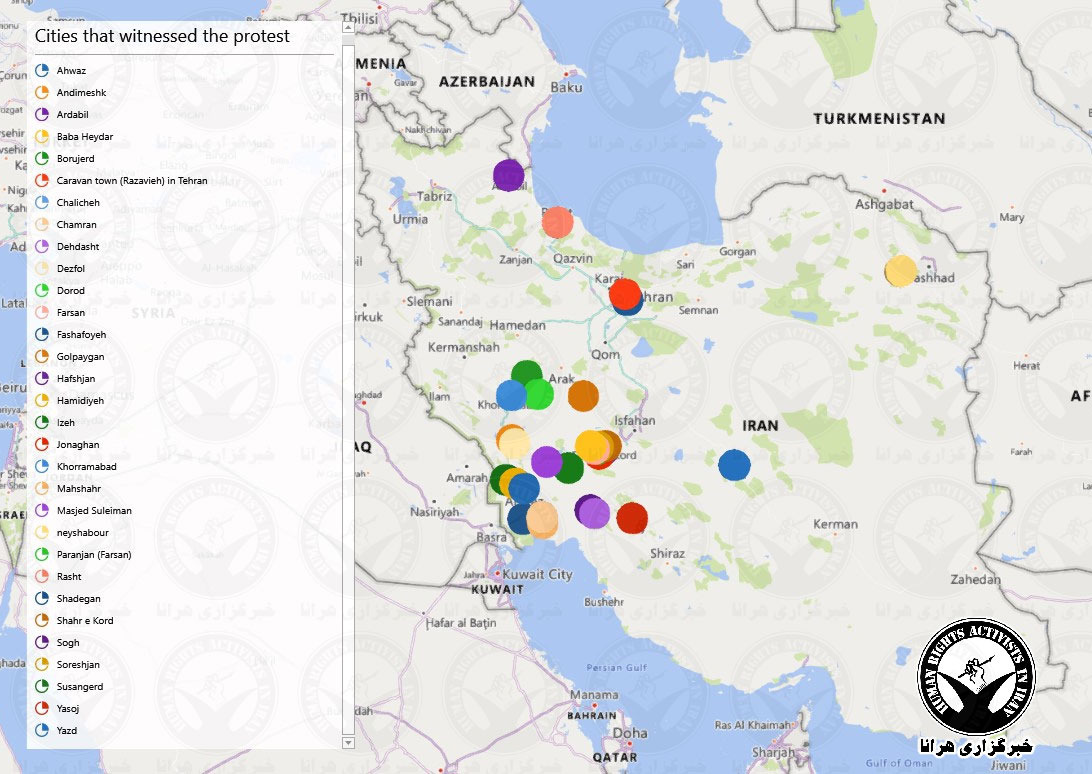
As the map shows, the protests took place in the following cities: Izeh, Susangerd, Hamidieh, Ahvaz, Mahshahr, Masjed Soleiman, Shadegan, Jarahi Town Mahshahr, Dorud, Andimeshk, Dezful, Shahrekord, Junaqan, Fashafouyeh, Yasuj, Ardabil, Farsan, Khorramabad, Dehdasht, Borujerd, Suq, Yazd, Golpayegan, Cholicheh, Rasht, Neyshabur, Surshjan, Hafshejan, Babaheydar, Karevan Town and Pordanjan.

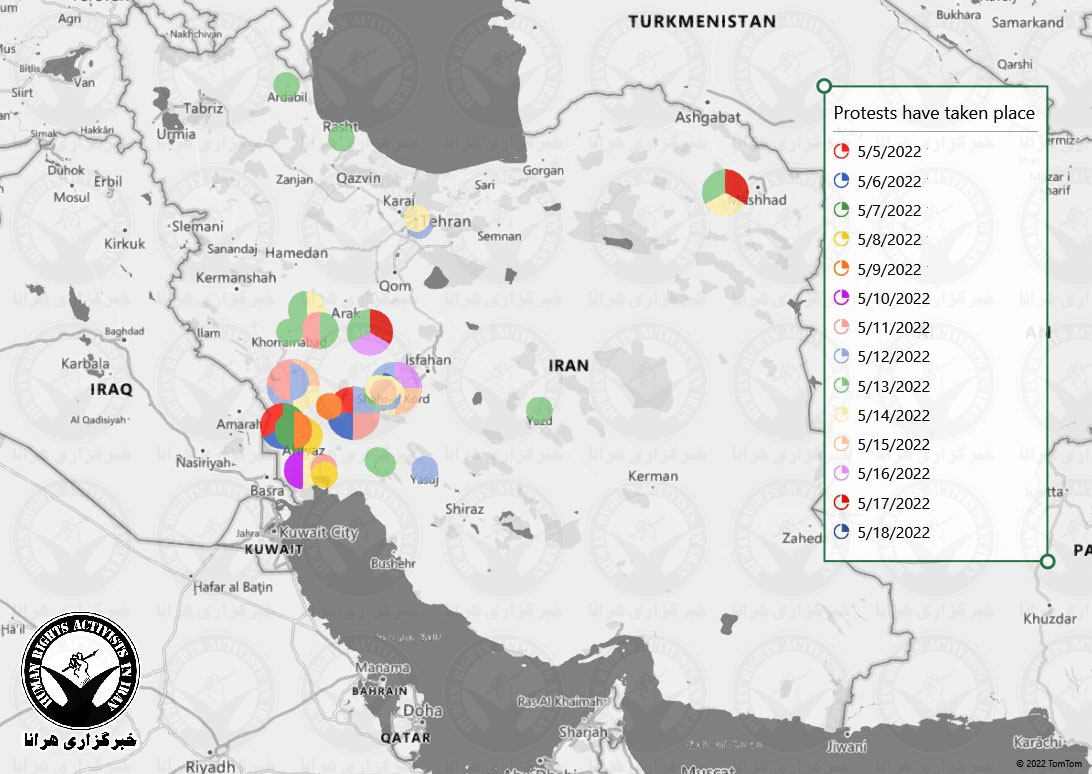
In total, 53 protests have been recorded. Moreover, 45 times, the attempts to start a protest were foiled due to the heavy presence of police and security forces in the streets. 

The map below shows the locations of 53 protests and the time periods.
During these protests, at least on 22 occasions in 14 cities, the police and security forces used tear gas, warning shots, pellet guns and in some cases heavy weapons against the protestors. In nine cities, tear gas and in 14 cities warning shots were used to scatter the crowds. In eight cities, security forces fired straight toward the crowds. Reportedly, security forces have used pellet guns, Kalashnikov assault rifles and paintball guns to disperse the protestors.

The map below shows the places where crackdowns and unrestrained shootings have been reported.
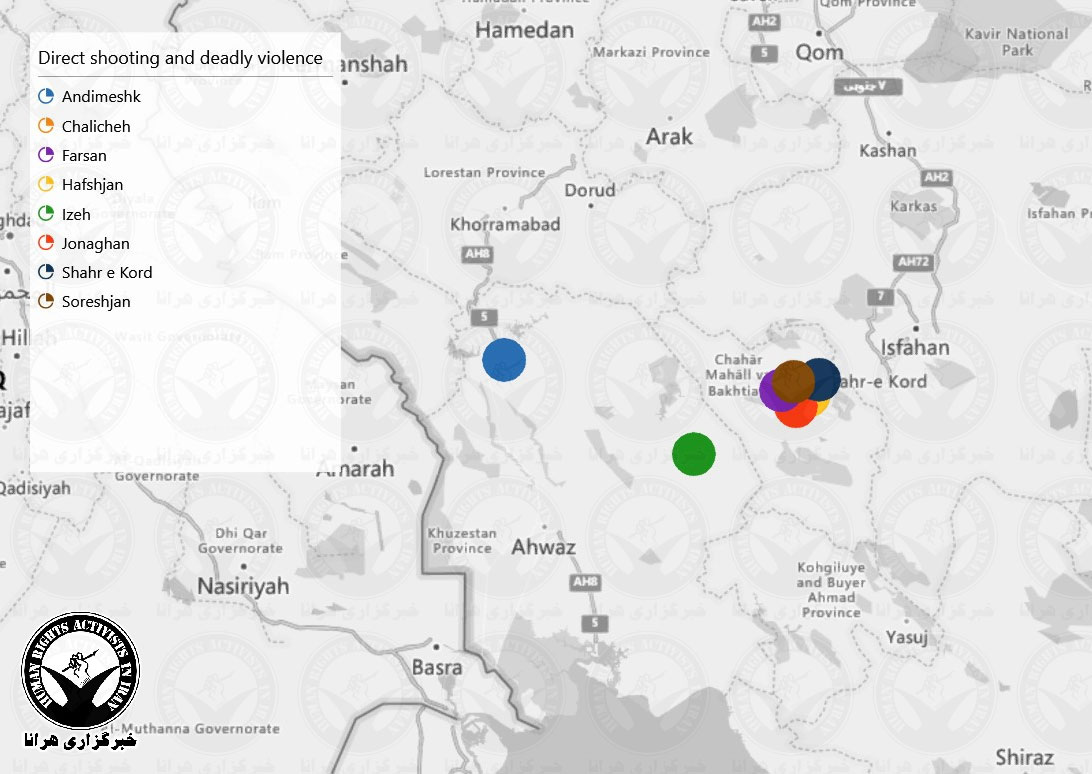
Since the beginning of the protests on Friday, May 6, the government disrupted the internet in several areas in Ahvaz in an attempt to prevent the protests. In the days that followed, Internet disruption was also reported in at least 10 cities.

In addition to intentional Internet disruption, the press was banned from covering the protests.

According to the reports obtained from local sources, at least 449 individuals were arrested during the protests.

So far, six people have been confirmed dead. These people have been identified as Pishali Ghalebi Hajivand (Dezful), Saadat Hadipour (Hafshejan), Jamshid Mokhtari Junaqani (Junaqan), Omid Soltani (Andimeshk), Hamid Ghasempour (Farsan City), and Behrooz Eslami (Babaheydar). HRANA can only confirm the reports on the death of the first two individuals mentioned above.

From all videos of protests which are circulating on social media, HRANA has verified the authenticity of 30 video reports which compilation you can watch below:


Two Workers Killed in Mahshahr and Isfahan Due to Unsafe Workplace Conditions

On Tuesday, November 23 and Wednesday, November 24,  two workers were killed in workplace accidents in Mahshahr and Isfahan respectively.

According to HRANA, the news agency of Human Rights Activists, quoting Mehr News Agency, a worker was killed on Tuesday in Tondgovian Petrochemical Factory located in Bandar Mahshahr. The worker was injured severely while he was repairing a ventilation system, and then passed away in hospital.

In another workplace accident, in Isfahan, on Wednesday, November 24, a construction worker who was a native of Afghanistan lost his life in a falling debris accident during the demolition of a building by an excavator.

“This accident took place at 13:25 and was reported to the fire department,” the spokesperson Municipality Fire and Safety Services Organization stated. “The firefighters dispatched from stations 18 and 6 and reached the spot as soon as possible. Unfortunately, the worker who was caught in the debris had been killed right after the accident.”

Iran ranks 102nd in workplace safety among 189 countries.