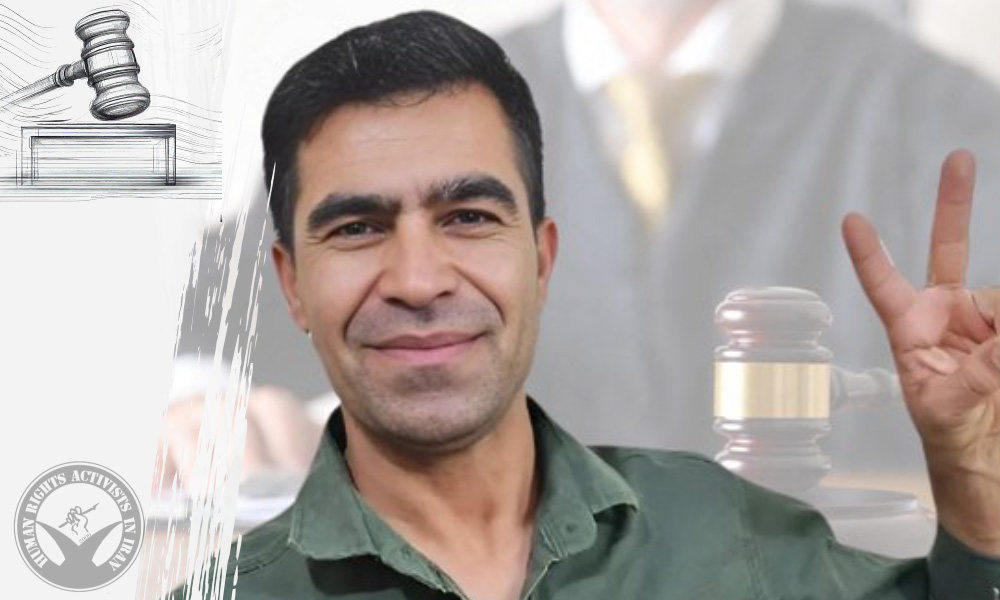
Mohammadreza Faghihi Sentenced to 5 Years in Prison and Additional Punishments

Mohammadreza Faghihi, a defense attorney, has been sentenced by Branch 15 of Tehran’s Revolutionary Court to five years in prison. Additionally, he has been sentenced to a two-year travel ban, a two-year prohibition from practicing law, and a two-year ban on membership in political parties and groups.

Zahra Minooie, Mr. Faghihi’s defense attorney, announced: “My client was sentenced by Branch 15 of Tehran’s Islamic Revolutionary Court to five years in prison on charges of ‘collusion and assembly with the intent to commit a crime against national security.’ As additional punishment, he has also been banned from leaving the country for two years, from practicing law, and from membership in political parties and groups for two years.”
The court session addressing the charges against this lawyer was held on September 11 of this year.

Previously, on October 12, 2022, Mohammadreza Faghihi was arrested by security forces, along with two other lawyers, during a protest by defense attorneys objecting to the “violation of protesters’ rights and Article 27 of the Constitution” in front of the Central Bar Association in Argentina Square, Tehran. He was eventually released on bail on October 25, 2022.

This attorney has a prior record of arrest and sentencing due to his professional activities.
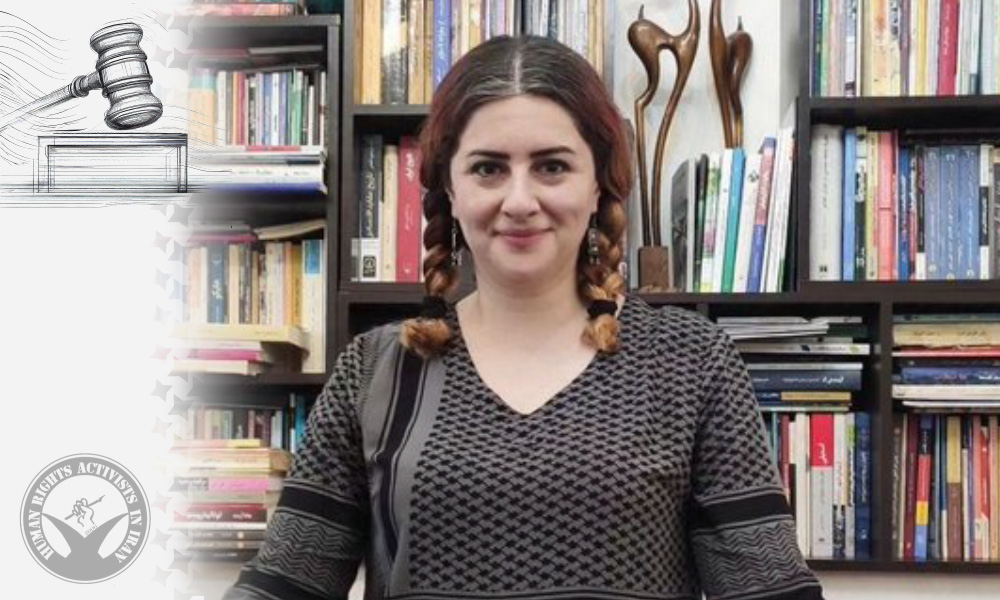
Zhina Modares Gorji Sentenced to 28 Months in Prison on Appeals

Zhina Modares Gorji, a resident of Sanandaj, has been sentenced to 28 months in prison by the Court of Appeals of Kurdistan Province, according to Kurdpa.

The report states that on Wednesday, October 2, 2024, Branch 4 of the Kurdistan Provincial Court of Appeals issued the ruling, which was communicated to Ms. Modares Gorji’s lawyer. She was acquitted of the charge of “collaborating with a hostile government” but was sentenced to one year in prison for “propaganda against the regime” and 16 months for “forming an illegal group aimed at overthrowing the regime,” amounting to a total of 28 months in prison.

Under Article 134 of the Islamic Penal Code, regarding multiple offenses, the most severe punishment, which is 16 months of imprisonment, will be enforceable.

Earlier this year, in June, Ms. Modares Gorji was sentenced to 21 years of imprisonment and exile by the Revolutionary Court of Sanandaj.

On April 10, 2023, she was arrested by intelligence officers and transferred to the Sanandaj Correctional Center. She was released on bail on July 3, 2023. A second court session to address her charges was held on September 13, 2023, and a third session took place on April 9, 2024.

It is worth noting that she had been arrested before, in late September 2022, and transferred to the Sanandaj Juvenile Correctional Center. She was temporarily released on bail on October 29 of that year.

Mohammad Hossein Mohebizadeh Sentenced to Prison on Political Charges

Mohammad-Hossein Mohebizadeh, a resident of Joveyn County in Khorasan Razavi Province, has been sentenced to 22 months and 17 days in prison.

The verdict was recently issued by Branch 1 of the Revolutionary Court of Joveyn County, presided over by Judge Mohammad Mohammadzadeh. Mohebizadeh was sentenced to 15 months and one day for “insulting the founder of the Islamic Republic” and an additional seven months and 16 days for “propaganda against the regime,” bringing his total sentence to 22 months and 17 days.

According to HRANA, an independent human rights news agency, Mohebizadeh had previously been sentenced to two years in prison by the 101st Branch of the Criminal Court of Joveyn County on May 7 of this year for “blasphemy.” This ruling was upheld by the Khorasan Razavi Provincial Appeals Court on July 24, 2024.

Mohebizadeh was arrested in April after being summoned to the Public and Revolutionary Prosecutor’s Office of Joveyn County. He was transferred to Sabzevar prison but released after four days upon posting bail of 2 billion tomans.

This is not the first time Mohebizadeh has faced legal action due to his activities.

Two Prisoners Executed in Kerman Prison

According to Rokna, on October 3, 2024, two prisoners were executed in Kerman Prison.

The report states that last June, following several reports of assaults by unidentified individuals along the Haft-Bagh Road, three suspects were arrested and sentenced to death. After the death sentences of the first and second defendants were upheld by the Supreme Court, their executions were carried out yesterday in Kerman Prison.

The death sentence for the third defendant in this case is still under review by the Supreme Court.

In February of last year, the Second Branch of the Criminal Court of Kerman Province sentenced all three defendants to death for the charge of rape. The three men were accused of posing as officers, stopping vehicles of individuals and young couples, and using threats and kidnapping to commit assault, rape, and ultimately steal valuable items from their victims.

According to the Department of Statistics and Publication of Human Rights Activists in Iran, in 2023, at least 767 citizens, including 21 women and 2 juvenile offenders, were executed. Of these, the executions of 7 individuals were carried out in public. Additionally, during this period, 172 others were sentenced to death, with 5 of them sentenced to public execution. It is worth noting that during the same period, the initial death sentences of 49 other individuals were also upheld by the Supreme Court.

Two Prisoners Executed in Ilam Prison

On October 1, 2024, two prisoners convicted of murder in separate cases were executed in Ilam Prison.

Kurdpa identified the prisoners as Nima Moradi and Nasrollah Mennati, both residents of Ilam.

Moradi was arrested two years ago, while Mennati had been detained earlier, each in separate cases related to murder charges. Both were sentenced to death by judicial authorities.

As of the time of this report, the executions had not been officially confirmed by prison officials or relevant authorities.

According to the Department of Statistics and Publication of Human Rights Activists in Iran, in 2023, at least 767 citizens, including 21 women and 2 juvenile offenders, were executed. Of these, the executions of 7 individuals were carried out in public. Additionally, during this period, 172 others were sentenced to death, with 5 of them sentenced to public execution. It is worth noting that during the same period, the initial death sentences of 49 other individuals were also upheld by the Supreme Court.

Subscribe to Our Newsletter

Now is definitely not the time to stop reading!

Prisoner Executed in Dastgerd Prison, Isfahan

The execution of a prisoner who had previously been sentenced to death for murder was carried out in Dastgerd Prison, Isfahan, on September 26, according to the Iran Human Rights Organization.

The prisoner has been identified as “Amirparsa Hasan-Zadeh.”

According to an informed source, Mr. Hasan-Zadeh was arrested three years ago, at the age of 19, on charges of murder and was subsequently sentenced to death by the judiciary.

As of the time of this report, prison authorities and relevant institutions have not officially announced the execution.

According to the Department of Statistics and Publication of Human Rights Activists in Iran, in 2023, at least 767 citizens, including 21 women and 2 juvenile offenders, were executed. Of these, the executions of 7 individuals were carried out in public. Additionally, during this period, 172 others were sentenced to death, with 5 of them sentenced to public execution. It is worth noting that during the same period, the initial death sentences of 49 other individuals were also upheld by the Supreme Court.

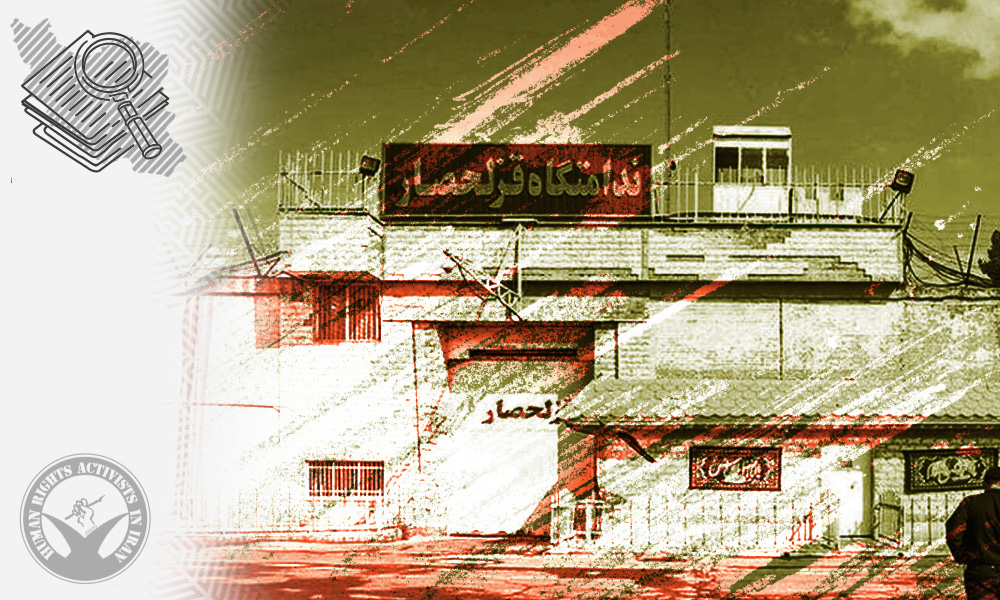
Report on the Execution of 7 Prisoners in Ghezel Hesar Prison, Karaj

At dawn on October 2, at least seven prisoners were executed in Ghezel Hesar Prison in Karaj. Among them, two had been convicted of drug-related offenses, three—one woman and two men—were convicted of murder, and two Afghan nationals had been sentenced to death for rape.

According to a previous report by HRANA, Hamzeh Shahbazi and Fazlollah Pournasiri were sentenced to death for drug-related charges, while the two Afghan nationals were convicted of rape. The other three prisoners, convicted of murder, had received death sentences from criminal courts. One of the male prisoners was identified as Behnam Hossein Dastjerdi.

Details of several of these cases, as reported by Hamshahri newspaper, are as follows:

The two Afghan nationals, whose names were not disclosed, were convicted of raping a woman in western Tehran in 2019. They were part of a joint case involving five other men. One of the defendants was acquitted, while the remaining six were sentenced to death. Four other prisoners in the same case are still awaiting execution.

Regarding the female prisoner executed for murdering her husband, reports indicate that eight years ago, she, along with one of her husband’s friends, strangled her husband and set his body on fire. Despite forgiveness from her child, other family members of the victim, including his mother, sister, and brother, insisted on her execution, which ultimately led to the carrying out of the sentence.

Hamshahri also detailed the case of another male prisoner executed for murder. In 2022, following a dispute over a cigarette pack bet, he and a friend fatally stabbed a man. After his arrest, he confessed to the crime and was sentenced to death. Efforts by him and his family to seek forgiveness from the victim’s family were unsuccessful, leading to his execution.

HRANA has confirmed that Behnam Hossein Dastjerdi, one of the executed prisoners, was the father of an 11-year-old child. He and three other prisoners were moved to solitary confinement on Monday, September 30, in preparation for their executions.

According to data gathered by the Department of Statistics and Publication of Human Rights Activists, Ghezel Hesar Prison in Karaj witnessed the highest number of executions in 2023, with Zahedan Prison following closely behind. For a comprehensive examination of the details and statistics surrounding the executions in Iran, refer to HRANA’s report.

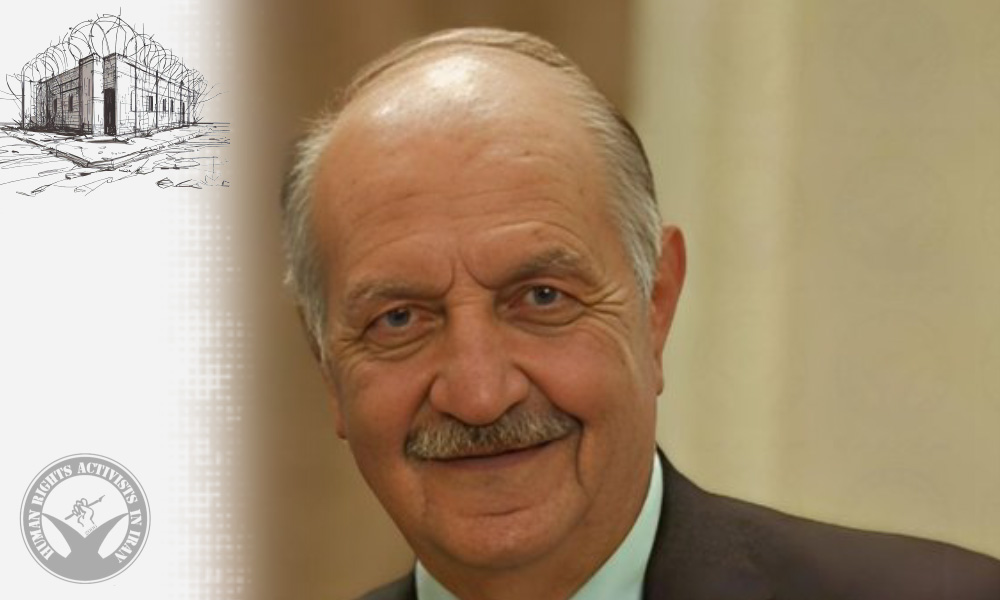
Baha’i Citizen Ataollah Zafar Returns to Evin Prison After Six-Month Suspension

Ataollah Zafar, an 80-year-old Baha’i citizen, returned to Evin Prison yesterday to serve the remainder of his two-year sentence, following a six-month suspension of his prison term.

According to HRANA, Mr. Zafar was taken back to Evin Prison on Wednesday, October 2, to complete his sentence after the temporary halt.

Zafar was first arrested by security forces on May 1, 2022. Shortly after his arrest, he was transferred from The Ministry of Intelligence’s detention facility (Ward 209 of Evin Prison) to the prison’s general ward.

In July 2023, Branch 26 of the Tehran Revolutionary Court, under Judge Iman Afshari, sentenced Zafar to five years in prison for “membership in illegal groups aimed at disrupting national security.” The sentence was later reduced to two years by Branch 36 of the Tehran Court of Appeals.

Zafar has a history of previous arrests and convictions. He was released on bail from Evin Prison on October 29, 2022, after his sentence was suspended. In March 2023, his case was closed as part of a pardon.

The Baha’i faith is not recognized as a legitimate religion by Iranian authorities, leading to systematic and longstanding violations of the rights of Baha’is in the country. This includes the denial of their fundamental right to practice their religion, which constitutes a clear breach of both Article 18 of the Universal Declaration of Human Rights and Article 18 of the International Covenant on Civil and Political Rights. The United Nations covenant holds that every person has the right to freedom of religion, freedom of converting religion, as well as freedom of expression, individually or collectively; openly or secretly.

Two Inmates Executed in Mashhad and Tehran

In the early hours of October 2, the execution of a prisoner sentenced to death for murder was carried out at Vakilabad Prison in Mashhad. The prisoner has been identified as 32-year-old Vahid Nowruzi.

According to the Iran Human Rights Organization, Mr. Nowruzi was involved in a fatal altercation two years ago, which led to his conviction and death sentence. However, as of the time of this report, prison authorities and relevant institutions have not officially confirmed the execution.

On the same day, Rokna reported that a female prisoner, convicted of murdering her husband in Tehran, was also executed. She had been sentenced to death by the Criminal Court after being found guilty of killing her husband with the help of her lover, following family disputes.

According to the Department of Statistics and Publication of Human Rights Activists in Iran, in 2023, at least 767 citizens, including 21 women and 2 juvenile offenders, were executed. Of these, the executions of 7 individuals were carried out in public. Additionally, during this period, 172 others were sentenced to death, with 5 of them sentenced to public execution. It is worth noting that during the same period, the initial death sentences of 49 other individuals were also upheld by the Supreme Court.

Prisoner Executed in Birjand Prison for Drug Offenses

At dawn on Sunday, September 29, the execution of a prisoner who had been previously sentenced to death on drug-related charges was carried out in Birjand Prison, South Khorasan province.

HRANA has identified the prisoner, who was hanged on Sunday morning, September 29, as Mojtaba Zafarani, a 21-year-old from Kashmar.

Mr. Zafarani was transferred to solitary confinement from Ward 5 of Birjand Prison on the night of Saturday, September 28. His family was summoned to the prison a day prior to his transfer for a final visit with their son.

Mojtaba Zafarani was arrested about two years ago on drug-related charges and later sentenced to death by the judiciary.

As of the time of this report, the execution has not been officially announced by prison authorities or related institutions.

The reports from the Department of Statistics and Publication of Human Rights Activists for the year 2023 reveal a concerning prevalence of executions for drug offenses in Iran, constituting 56.4% of the total executions. For a comprehensive examination of the details and statistics surrounding the executions in Iran, refer to HRANA’s report.