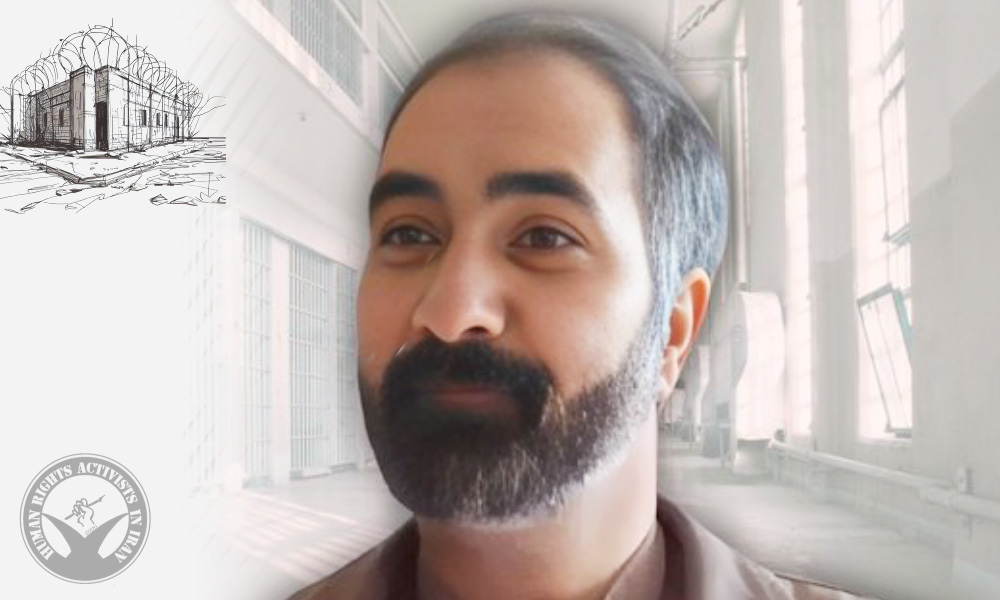
Ayoub Gheibipour Sentenced to Eleven Years in Prison and Exile

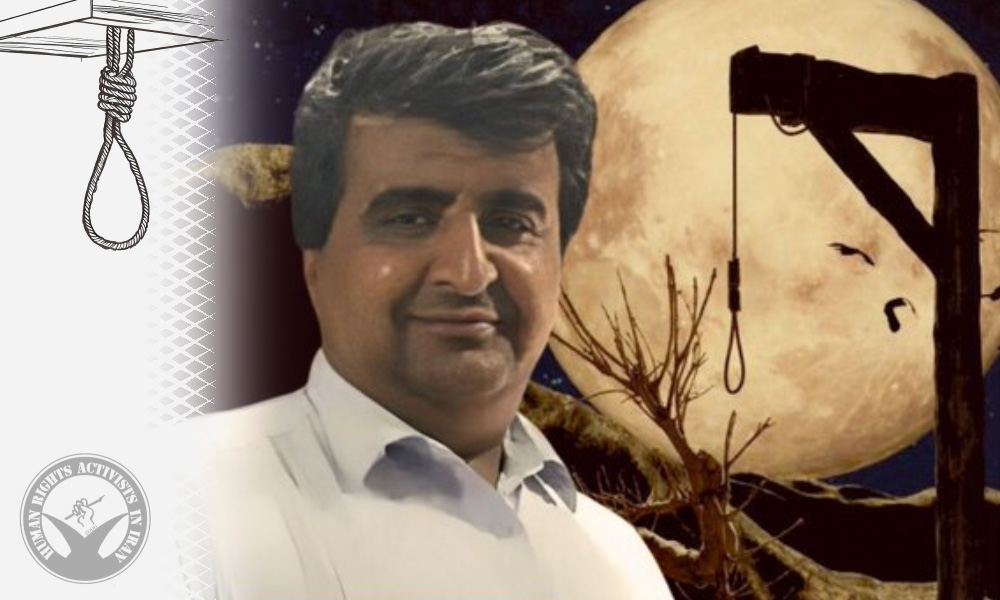
The Revolutionary Court of Ahvaz sentenced Ayoub Gheibipour to eleven years in prison and exile to Kerman Prison for charges including “enmity against God (Moharebeh).” Gheibipour was arrested during the 2022 nationwide protests.

According to his lawyer Sajjad Chatrsefid, the ruling includes ten years in prison to be served in exile in Kerman Prison for “enmity against God (Moharebeh)” and one year for “propaganda against the regime.” Gheibipour can appeal the ruling.

This verdict followed the overturning of an initial verdict by the Supreme Court. Gheibipour had previously received ten years in exile imprisonment for “arson and destruction of public property, propaganda against the regime,” citing the burning of Qasem Soleimani’s statues as an example of this charge.

Gheibipour was arrested during the nationwide protests in Ahvaz and was transferred to Sheiban Prison in the city. He was released on February 13, 2024, on a heavy bail of three billion toman (approximately $60,000). During his detention, he was denied access to medical care.

Execution of Three Inmates in Tabriz Prison for Drug Offenses

On April 27, 2024, three inmates were executed in Tabriz Prison for drug-related crimes, according to the Iran Human Rights Organization.

The inmates were identified as Amir Moharrami, 36, Davoud Namyari, 33, and Sohrab Hokmabad. Moharrami was arrested and convicted two years ago, while Namyari and Hokmabad were convicted three years ago.

Two days before the executions, the report stated that along with the three executed inmates, two other death-row inmates—a man and a woman—were also moved to solitary confinement in anticipation of their executions. However, they were later returned to the public ward of the prison. The woman was convicted of murder, while the man faced charges related to drug offenses. The report did not disclose their identities.

No official sources or domestic media outlets within the country have provided coverage of these executions at the time of writing.

The reports from the Department of Statistics and Publication of Human Rights Activists for the year 2023 reveal a concerning prevalence of executions for drug offenses in Iran, constituting 56.4% of the total executions. For a comprehensive examination of the details and statistics surrounding the executions in Iran, refer to HRANA’s report.

Alarming Rise in Casualties Among Border Workers: Over 170 Kolbars and Fuel Carriers Dead or Injured in Two Months

HRANA News Agency reports that from February 20 to April 19, 2024, the number of incidents causing death and injury among cross-border laborers (Kolbar) and fuel carriers (Sukhtbar) has significantly increased.

During this period, at least 15 Kolbars in the border areas of Kermanshah, Kurdistan, and West Azerbaijan provinces, and 9 Sukhtbars in the southeastern border areas of the country, lost their lives. Additionally, 141 Kolbars and 11 Sukhtbars were injured. Indiscriminate military shootings were the leading cause, followed by incidents such as falls from heights, frostbite, and cardiac arrest.

In comparison, the casualty figures from the previous two months totaled 93 (10 dead and 83 injured). This indicates a 90% increase in casualties and injuries among border workers (both Kolbars and Sukhtbars) in the recent two months.

Military shootings caused the deaths of 9 Kolbars and injuries to 115. Additional Kolbar fatalities occurred due to falls from heights (3 deaths), frostbite (2 deaths), and cardiac arrest (1 death). Of the injuries, 17 resulted from falls, 4 from military personnel assaults, and 4 from landmine explosions in the border areas.

In Sistan and Baluchestan province, 9 Baluchi Sukhtbars died from direct gunshot wounds or vehicle overturns due to military shootings. An additional 11 Sukhtbars were injured in similar incidents.

All reported incidents in Kermanshah province occurred in the border areas of Nowsud county, resulting in 98 injured Kolbars and 3 deaths. In Kurdistan province, the border areas of Baneh reported the most Kolbar casualties, with 3 deaths and 22 injuries.

Between March 23 and March 28, 2024, at least 7 Kolbars died, with 5 deaths attributed to military shootings and falls from heights.

On February 24, 2024, military personnel targeted dozens of Kolbars with gunfire at the border. Investigations show that on this day, at least 45 Kolbars were injured by military gunfire.

These figures are collected by HRANA and may underreport the true scope of casualties, as data is likely lacking in some areas.

Kolbars, primarily Kurdish citizens residing in impoverished regions, face numerous hazards while carrying heavy loads over long, difficult paths, in addition to facing military forces on both sides of the border. Indiscriminate shootings by border guards remain a significant cause of death and injury among Kolbars.

Meanwhile, in Sistan and Baluchestan province, lack of sufficient income forces many to engage in high-risk fuel carrying, known as Sukhtbari, for family livelihood. This dangerous occupation involves transporting fuel across borders and exposes workers to threats such as military attacks and natural disasters.
In addition to material damages, the killing of pack animals and incidents such as frostbite and avalanches also lurk for cross-border workers.

HRANA’s report on human rights violations in Iran during the 1402 Hijri year provides statistics on citizens killed or injured by Iran’s military forces.

World Day for Safety and Health at Work: Annual Statistical Report on the Status of Work Accidents in Iran

In observance of the World Day for Safety and Health at Work, Human Rights Activists in Iran have released their annual statistical report on work accidents in Iran from May 4, 2023, to April 26, 2024. The report reveals that at least 1,680 workers died and 8,199 were injured due to unsafe working environments or conditions during this period.

The International Labour Organization (ILO) established April 28 as World Day for Safety and Health at Work in 2003 to raise awareness about occupational safety and health. The day aims to emphasize the prevention of workplace accidents and diseases, promoting the importance of improving workplace safety to reduce work-related deaths. In this regard, governments are required to develop a systematic policy and program for the inspection and enforcement of safety and health laws and policies. It is also worth mentioning that since 1996, this day has been observed globally by trade unions as a day to honor workers who have been killed or injured.

Iran ranks 102nd globally in terms of observing work safety issues, which is a significantly low ranking. According to the report, work accidents caused by a lack of safety in the workplace resulted in 1,680 deaths and 8,199 injuries over the past year. These incidents were reported by media outlets and organizations monitoring the situation.

The report provides a breakdown of the types of accidents:

   . 23.87% were due to falls from height
   . 19.71% were caused by fires
   . 9.58% were related to construction accidents
   . 7.59% involved impacts from hard objects
   . 7.59% occurred in factories
   . 6.69% were linked to well accidents
   . 6.51% involved electrocutions
   . 4.70% were related to vehicle accidents
   . 4.16% occurred in mines
   . 3.80% were due to gas poisoning
   . 2.53% happened in petrochemical plants and refineries
   . 1.08% were due to drownings
   . 0.90% were related to agricultural accidents
   . 0.90% were caused by poisonings
   . 0.18% were due to heat strokes
   . 0.18% were caused by frostbites

The findings underscore the need for stricter safety measures and regulations to protect workers across various sectors in Iran.

Farahnaz Nik-Khoo Sentenced to Ten Years in Prison

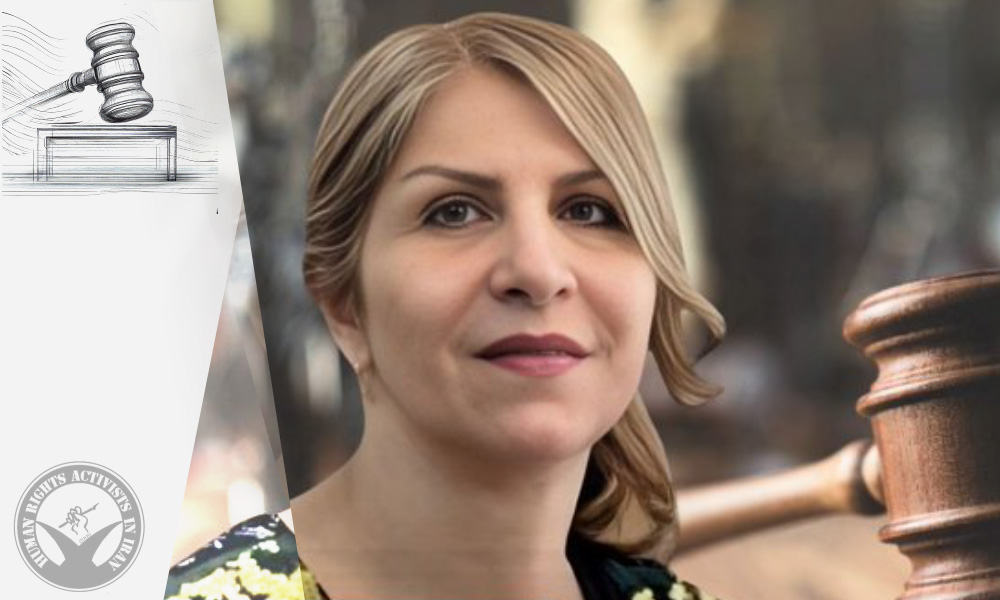
The Revolutionary Court of Tehran sentenced Farahnaz Nik-Khoo to ten years in prison on political charges.

Branch 15 of the Revolutionary Court of Tehran, presided over by Judge Salavati, sentenced Nik-Khoo to ten years for “acting against national security through espionage.”

On December 3, 2022, IRGC Intelligence arrested Nik-Khoo at Tehran airport as she was attempting to leave the country. She was initially detained in Evin Prison, and after seven months, on April 30, 2023, she was moved to the women’s ward of Evin Prison.

The exact nature of the activities leading to these charges remains unclear.

A reliable source previously informed HRANA that Nik-Khoo was transferred to Ward 209 of Evin Prison, which is controlled by the Ministry of Intelligence, and interrogated for two weeks. Meanwhile, the case is under the purview of IRGC intelligence.

Nik-Khoo, 50 years old, is a retired employee of the national telecommunications company.

Subscribe to Our Newsletter

Now is definitely not the time to stop reading!

Azerbaijani-Turk Activist Asghar Faraji’s Health Concerns in Evin Prison

Azerbaijani-Turk activist Asghar Faraji is serving his sentence in Evin Prison and is reportedly suffering from poor health. Despite his medical needs, he has been denied adequate care.

A source close to Faraji’s family informed HRANA that Faraji suffers from severe back pain. His and his family’s repeated requests for treatment at an external clinic have been ignored.

Faraji was arrested by security forces in 2019 and later released on bail, pending further legal proceedings.

Branch 26 of the Revolutionary Court of Tehran initially sentenced Faraji to seven years for “assembly and collusion against national security,” six years for “membership in unlawful anti-regime groups,” three years for “disturbing public opinion,” and one year and four months for “propaganda against the regime,” totaling 17 years and four months imprisonment. Additionally, he was sentenced to a two-year mandatory residence in a village in South Khorasan Province.

However, Branch 36 of the Appellate Court of Tehran later reduced the sentence to five years in prison.

Inmate Executed in Saveh Prison for Drug-Related Crimes

On April 24, 2024, an inmate convicted of drug-related crimes was executed in Saveh Prison, Markazi province, as reported by the Iran Human Rights Organization.

The inmate, identified as 37-year-old Yavar Amin-Khah and a father of one, was arrested and convicted roughly three years ago.

No official sources or domestic media outlets within the country have provided coverage of this execution at the time of writing.

The reports from the Department of Statistics and Publication of Human Rights Activists for the year 2023 reveal a concerning prevalence of executions for drug offenses in Iran, constituting 56.4% of the total executions. For a comprehensive examination of the details and statistics surrounding the executions in Iran, refer to HRANA’s report.


Omid Izadi Sadeghabadi Sentenced to Four Years in Prison and Fine

The Criminal Court of Saman County sentenced Omid Izadi Sadeghabadi, a disabled citizen, to four years in prison and a fine on political charges.

The verdict, issued by the court on April 20, 2024, found Izadi Sadeghabadi guilty of “spreading propaganda against the regime (through media activities supporting Israel)” and “disseminating false information to disturb public opinion.”

Izadi Sadegh-Abadi, approximately 35 years old, is a resident of Saman County in Chaharmahal and Bakhtiari province.

Execution of Three Inmates in Karaj

On April 25, 2024, three inmates, including a woman, were executed in Karaj for murder, according to Rokna.

The first inmate, a middle-aged man, allegedly killed his wife four years ago during a family dispute. The second inmate was executed in Ghezel Hesar Prison for fatally stabbing a young man during a street fight three years ago. Their identities were not disclosed in the report.

The third inmate, a woman identified only as Sahar, was convicted of killing her 70-year-old husband and stealing his gold in Tehran.

The Supreme Court confirmed the verdicts initially issued by the Tehran Criminal Court, leading to the executions.

In 2023, the Department of Statistics and Publication of Human Rights Activists in Iran registered the execution of 767 individuals. Out of these, 7 were carried out in public. Among the executed individuals whose genders were identified, 21 were female. Additionally, 2 juvenile offenders, defined as individuals under the age of 18 at the time of their alleged crimes, were also executed. For a comprehensive examination of the details and statistics surrounding the executions in Iran, refer to HRANA’s annual report.

Inmate Executed in Saqqez Prison

An inmate convicted of murder was executed in Saqqez Prison on April 25, 2024, as reported by Kurdpa.

Farzad Khademi, a resident of Saqqez in Kurdistan province, received a death sentence for murder approximately three years ago.

No official sources or domestic media outlets within the country have provided coverage of this execution at the time of writing. In 2023, 66% of HRANA’s reports on executions lacked official announcements by judicial authorities and went unreported by media inside Iran, highlighting a troubling lack of transparency in due process.

In 2023, the Department of Statistics and Publication of Human Rights Activists in Iran registered the execution of 767 individuals. Out of these, 7 were carried out in public. Among the executed individuals whose genders were identified, 21 were female. Additionally, 2 juvenile offenders, defined as individuals under the age of 18 at the time of their alleged crimes, were also executed. For a comprehensive examination of the details and statistics surrounding the executions in Iran, refer to HRANA’s annual report.