Four Sunni Clerics Sentenced to a Combined 11 Years in Prison

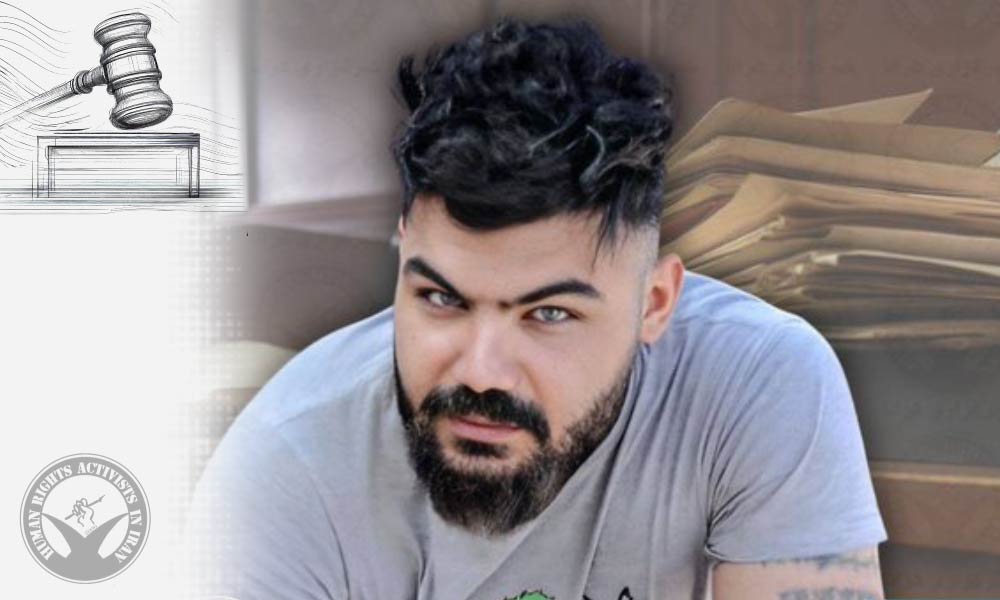
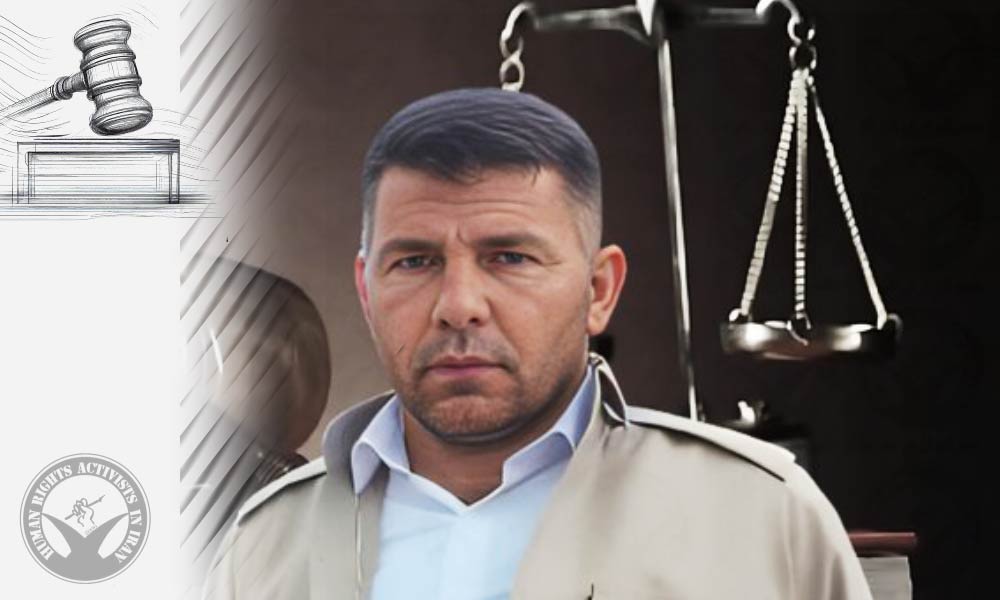
According to Kurdpa, the Special Clerical Court in Urmia has handed down prison sentences totaling 11 years to Sunni clerics Younes Nokhah, Seyed Soleiman Ahmadi, Sharif Mahmoud-Pour, and Seyed Jamaleddin Vazhi.

Under this ruling, Nokhah received three years, Ahmadi four years, Mahmoud-Pour two years, and Vazhi two years. The charges levied against them include “acting against national security” and “disturbing public opinion.”

On January 23, 2023, Vazhi and Mahmoud-Pour were arrested by security forces in Piranshahr, and subsequently released on bail after a period of detention. The following day, Nokhah and Ahmadi were apprehended on the Piranshahr to Passveh road without a visible arrest warrant. They were then transferred from the Ministry of Intelligence’s detention facility in Urmia to Urmia Prison. Nokhah, who spent 23 days in detention, faced denial of legal representation and family visits during this period.

Additionally, Nokhah has received a separate sentence of defrocking and 58 months and 15 days from the Special Clerical Court of Tabriz.

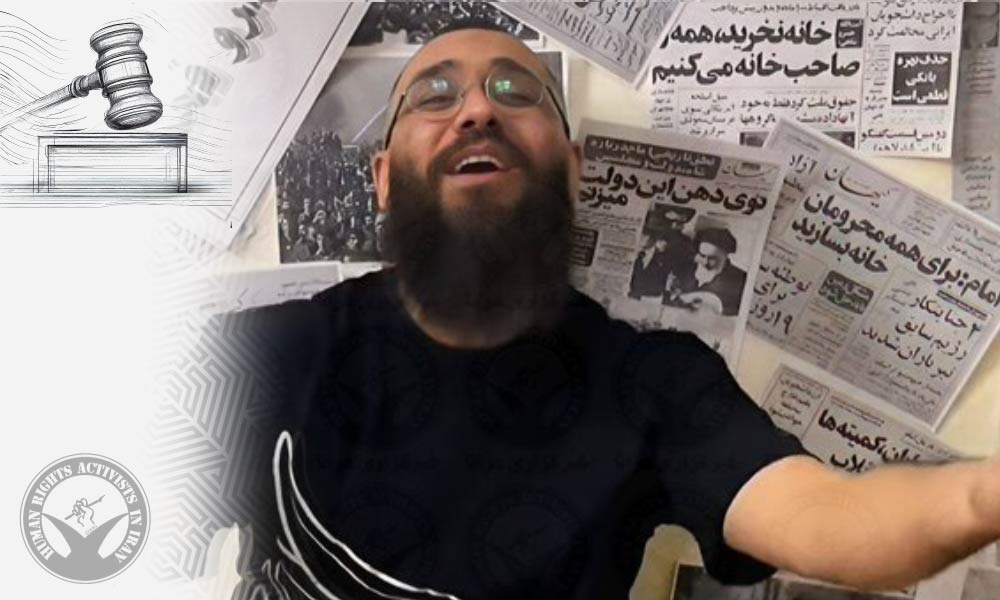
Workers’ Rights Advocate Foad Fathi Receives Four-Year Prison Sentence

Foad Fathi, an advocate for workers’ rights, has been handed a four-year prison sentence by the Tehran Revolutionary Court, as reported by Kurdpa.

Notification from Branch 26 of the Tehran Revolutionary Court outlined Fathi’s four-year imprisonment for charges including “membership in anti-regime groups, acting against national security, and propaganda against the regime.” Alongside the prison term, Fathi has been subjected to a two-year travel ban, prohibiting him from leaving the country. He is also restricted from participating in political or civil groups and residing in Tehran and its suburbs during this period.

Fathi was apprehended by security forces in Tehran and subsequently confined in Evin Prison on November 4, 2023. A resident of Tehran with roots in Sanandaj, Fathi has a history of previous arrests and legal confrontations due to his activism in championing workers’ rights.

Mohammad-Reza Kamrani-Nejad Faces Political Charges and Increased Bail

Mohammad-Reza Kamrani-Nejad, a resident of Tehran, has recently been indicted on charges of “assembly and collusion against national security,” “propaganda against the regime,” and “forming a group to act against national security.”

According to a source close to his family, two additional charges have been added, leading to an increased bail amount of 3.5 billion tomans (approximately 70,000 dollars).

Kamrani-Nejad was apprehended by security forces on September 4, 2023, and subsequently released on bail in the amount of two billion tomans on November 19, 2023. He was released after providing the bail.

Previously, a source close to Kamrani-Nejad’s family told HRANA that he, along with Mehdi Meskin-Navaz, is facing a new legal case following a complaint lodged by officials from the Great Tehran Penitentiary. The charges include “publishing a video with manipulated audio and visual elements,” specifically referring to a voice file that Kamrani-Nejad had shared regarding his detention in the Great Tehran Penitentiary.

Abbas and Mohsen Deris Sentenced to a Combined 16 Years in Prison

Abbas and Mohsen Deris, arrested during the 2019-2020 protests (Aban Protests), have been collectively sentenced to 16 years in prison by the Criminal Court of Khuzestan Province.

Their lawyer, Fereshteh Tabanian, announced the verdict, stating, “Abbas Deris received a 14-year sentence for ‘murder, holding, and carrying weapons,’ with ten years enforceable if the verdict is upheld on appeal. Mohsen Deris was given a two-year sentence for ‘carrying weapons’ and acquitted of aiding in murder.”

“No evidence supports Abbas Deris’s involvement in the charges presented in this legal case,” Tabanian emphasized.

According to Tabanian, Abbas Deris was recently transferred from Sepidar Prison to Mahshahr Prison.

In a separate legal case, Abbas Deris received a death sentence for “enmity against God” (Moharebeh) from the Mahshahr Revolutionary Court. Although Tabanian had informed that the Supreme Court upheld the death sentence in July, she has now clarified that Deris’s request for a retrial is still pending a response.

Notably, his two brothers, including Mohsen Deris, were acquitted of Moharebeh in this specific case.

Arrested by IRGC Intelligence agents on December 8, 2019, Abbas and Mohsen Deris faced charges related to their participation in the protests. Abbas admitted to involvement but denied specific actions like setting fires and blocking roads. While he initially confessed to shooting at security forces during interrogation, he later disclaimed any responsibility for the death of Capt. Reza Sayadi during the closing arguments.

In November 2019, an increase in fuel prices sparked a wave of protests in dozens of cities across the country. The spokesperson of the Parliamentary National Security and Foreign Policy Commission, Seyed Hossein Taghavi, announced that 7000 people were arrested during these protests. According to reports from human rights organizations, hundreds were killed by the security apparatus.

Masoumeh Yavari Receives 13-Year Prison Sentence on Political Charges

The Golpayegan Revolutionary Court has issued a thirteen-year sentence to Masoumeh Yavari on political charges.

Presided over by Judge Mohammad Basaeri and Ghasem Sharifian, the court sentenced Yavari to seven years for “destruction of public property,” five years for alleged “membership in Monafeghin” and one year for “propaganda against the regime.”

Notably, the verdict acquitted Yavari of charges related to “enmity against God (Moharebeh)” and “association with adversary countries.”

Yavari’s arrest occurred on September 4, during which security forces conducted a thorough search of her residence and seized some of her belongings.

It is essential to highlight that Yavari has a history of prior arrests and convictions related to her activism.

Subscribe to Our Newsletter

Now is definitely not the time to stop reading!

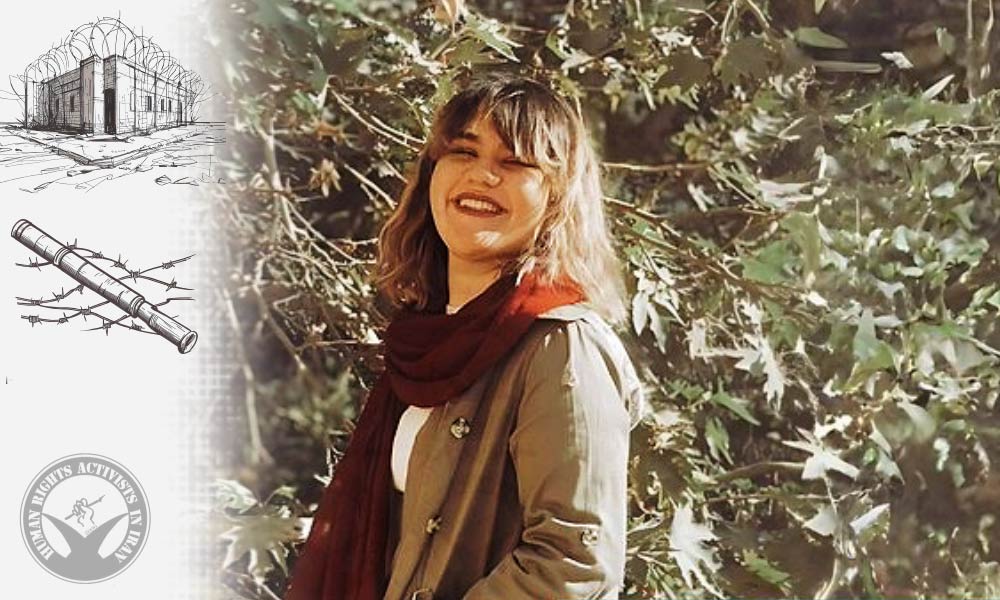
Political Prisoner Zohreh Sarv Survives Suicide Attempt in Evin Prison

On December 12, Zohreh Sarv, a political prisoner confined in Evin Prison, made a suicide attempt using 30 Alprazolam pills. Following the incident, she received medical care at an external hospital before being returned to prison a few hours later.

Sources close to her family revealed that Sarv, already in poor health due to an ongoing hunger strike since November 23, was distressed by pressures and threats from prison officials. Despite her deteriorating health, she continues to be denied release on probation and medical furlough.

Currently serving a six-year sentence in Evin Prison, Sarv faces health issues, including knee injuries and potential breast cysts, requiring essential medical treatments such as sonography and MRI tests. Her requests for hospital transport have been denied by prison officials, despite approval from the prison infirmary’s head.

Sarv’s legal troubles began in September 2021 when she was arrested by security forces and initially held in IRGC ward A-1. Following a month of interrogation, she was transferred to Evin Prison. The Tehran Revolutionary Court later issued a seven-year sentence, citing charges of “assembly and collusion against national security” and “propaganda against the regime.” The sentence is enforceable for six years.

It is important to note that Sarve has a history of previous arrests and convictions related to her activism. Prior to her arrest, she was actively engaged on social media platforms.

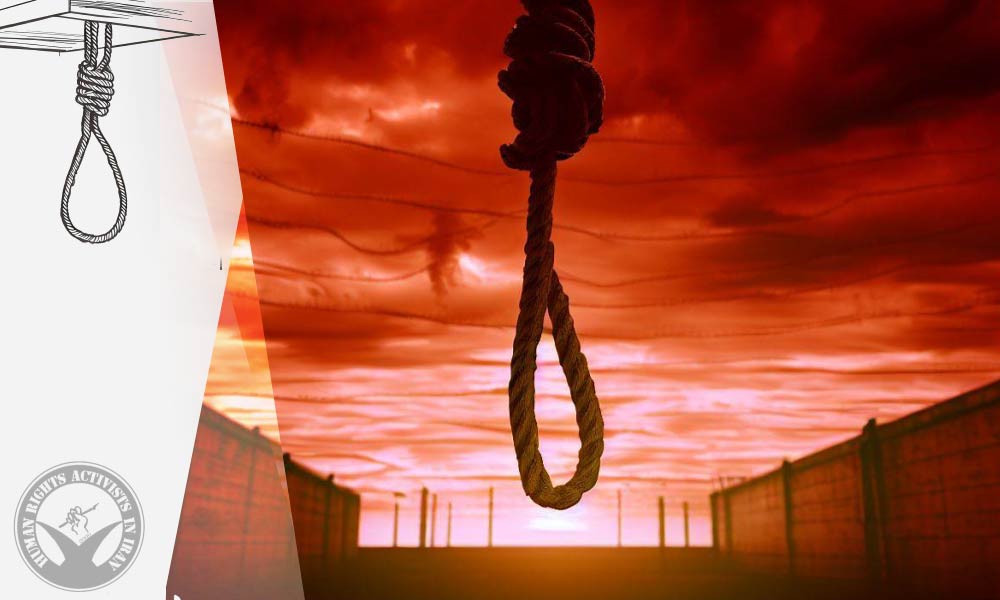
Four Inmates Executed in Karaj Following Drug Convictions

On December 12, 2023, the Central Prison of Karaj carried out the execution of four individuals who had been convicted of drug-related offenses, employing hanging as the method of execution.

HRANA has identified two of the executed individuals as Amin Zakeri and Khalil (last name unknown). HRANA is actively engaged in the process of identifying the remaining two inmates. HRANA is working on identifying the remaining two inmates.

No official sources or domestic media outlets within the country have provided coverage of these executions at the time of writing. The lack of official information raises concerns about transparency and accountability in the execution process.

According to data compiled by the Center of Statistics of Human Rights Activists in Iran (HRA), between October 10, 2022, and October 8, 2023, a total of 659 individuals were executed by hanging in Iran, representing a 24% increase compared to the corresponding period in the previous year. Seven of these executions were conducted publicly. Concerningly, many of the defendants were denied access to a fair trial and due process. For details and statistics, read HRANA’s report.

Three Female Political Prisoners Facing Charges of Armed Rebellion (Baghi)

On December 9 at Evin Courthouse, political prisoners Forough Taghipour and Marzieh Farsi, along with Nasim Gholami Fard, were indicted on charges of “armed rebellion (Baghi),” potentially carrying severe consequences. Their alleged collaboration with a political opposition party has been presented as evidence for this charge.

Former political prisoners Taghipour and Farsi were arrested by security forces in Tehran on August 21, while Gholami was apprehended in Tehran on accusations of collaborating with a political opposition party and subsequently detained in Evin Prison. The extent to which their legal cases are interconnected remains unclear.

During her incarceration, Gholami initiated a hunger strike, which concluded after receiving promises from authorities. Notably, in Iran’s legal system, the charge of Baghi carries potential penalties such as the death penalty, amputation of the right hand and left leg, and exile.

Both Taghipour and Farsi have a documented history of prior arrests and convictions related to their activism. The severity of the charges underscores the challenges faced by political prisoners in Iran’s judicial landscape.

Teacher Union Activist Ruhollah Gerehgosha Arrested in Mamasani

On December 11, 2023, Ruhollah Gerehgosha, a teacher union activist, was apprehended by security forces in Nurabad, Mamasani County, Fars province.

As of now, the specifics surrounding Gerehgosha’s arrest and the allegations against him remain undisclosed. A source close to his family, in conversation with HRANA, has conveyed that his current whereabouts are unknown.

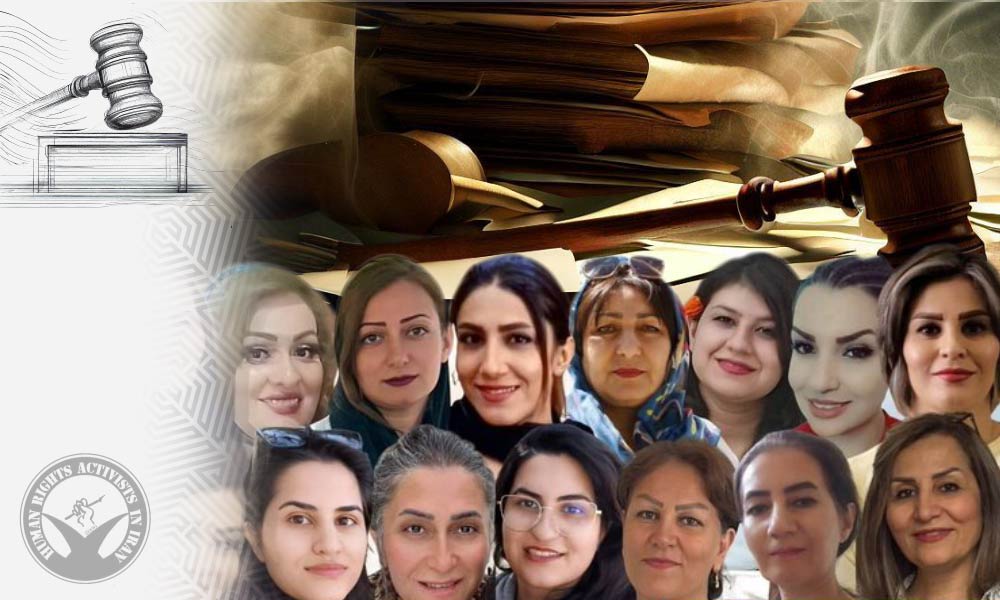
Six Baha’i Citizens’ Sentences Reduced to 29 Years and 10 Months on Appeal

The Tehran Court of Appeals has revised the sentences of six Baha’i citizens, resulting in a combined prison term of 29 years and 10 months. The affected individuals are Saeedeh Khozuei, Saba Sefidi, Iraj Shakoor, Samira Ebrahimi, Pedram Abhar, and Arsalan Yazdani.

Presiding over Branch 36 of the Tehran Court of Appeals, Judge Abasasli issued the following breakdown for the revised sentences: Khozuei and Yazdani will serve six years each, Shakoor and Abhar five years each, Ebrahimi four years and five months, and Sefidi three years and five months.

A source close to the families, speaking to HRANA, revealed that “the government will confiscate the properties seized from these citizens during their arrest.”

The charges against each individual are as follows:

  • Saeedeh Khozuei: Five years for “membership in anti-regime groups” and one year for “propaganda against the regime.”
  • Arsalan Yazdani: Five years for “membership in anti-regime groups” and one year for “propaganda against the regime.”
  • Iraj Shakoor: Five years for “membership in anti-regime groups.”
  • Pedram Abhar: Five years for “membership in anti-regime groups.”
  • Samira Ebrahimi: Three years and five months for “membership in anti-regime groups” and one year for “propaganda against the regime.”
  • Saba Sefidi: Three years and five months for “membership in anti-regime groups.”

Initially, the Tehran Revolutionary Court had sentenced them to a combined 32 years and 10 months.

HRANA’s annual report has highlighted a concerning trend where, in 2022, 64.63% of reported human rights violations against religious minorities are directed toward the Baha’i community.

The Baha’i faith is not recognized as a legitimate religion by Iranian authorities, leading to systematic and longstanding violations of the rights of Baha’is in the country. This includes the denial of their fundamental right to practice their religion, which constitutes a clear breach of both Article 18 of the Universal Declaration of Human Rights and Article 18 of the International Covenant on Civil and Political Rights. The United Nations covenant holds that every person has the right to freedom of religion, freedom of converting religion, as well as freedom of expression, individually or collectively; openly or secretly.