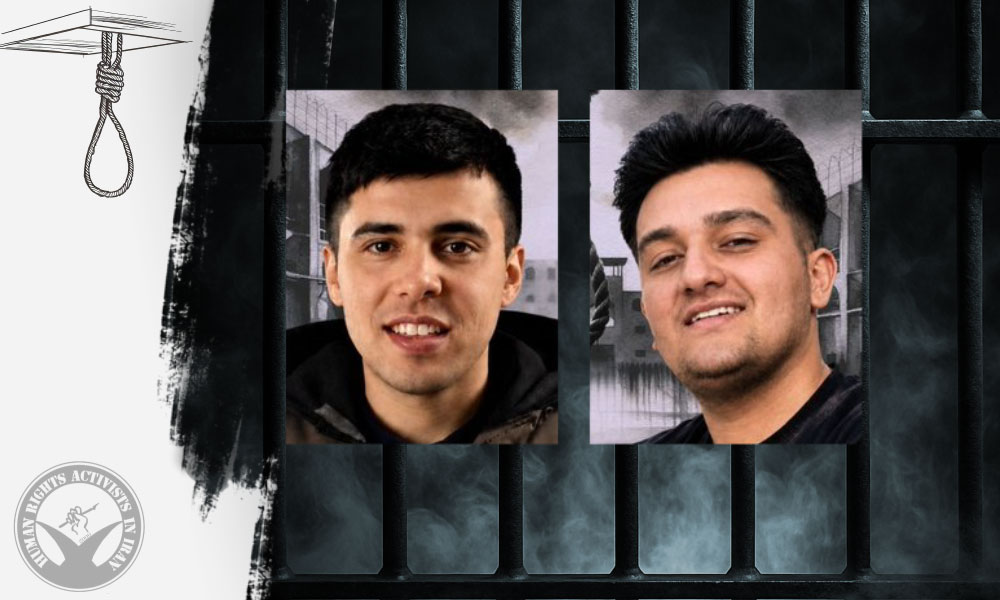
Death Sentence Issued for 19-Year-Old Protester Mohammad Amin Beiglari

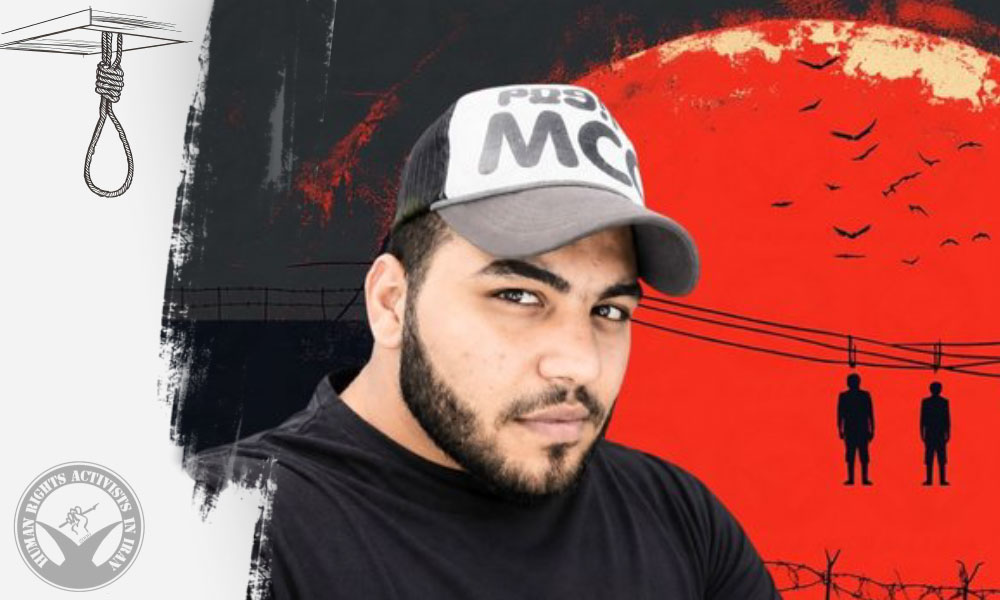
HRANA – According to a report by a domestic media outlet, Mohammad Amin Beiglari, a 19-year-old arrested during recent protests, has been sentenced to death. According to his lawyer, the ruling was issued by Branch 15 of the Tehran Revolutionary Court, and the case is currently under review by the Supreme Court at the appeal stage.

Hassan Aghakhani, one of Beiglari’s privately retained attorneys, told Emtedad that his client’s case, along with those of six other defendants, was jointly reviewed in Branch 15 of the Revolutionary Court presided over by Judge Salavati. He stated that the “maximum punishment” was imposed on all defendants. He added that based on available information, the charge attributed to his client was likely “enmity against God” (moharebeh), although this has not been formally communicated to the defense attorneys, and they have not been granted full access to the case file.

According to this attorney, he and his colleague formally declared their representation at the appeal stage; however, they have not yet been permitted to review the case file or provide an effective defense. Aghakhani described this as a serious obstacle to exercising the right to defense, emphasizing that without access to the file’s contents, it is impossible to examine the evidence, assess the court’s reasoning, or prepare a supplementary defense brief.

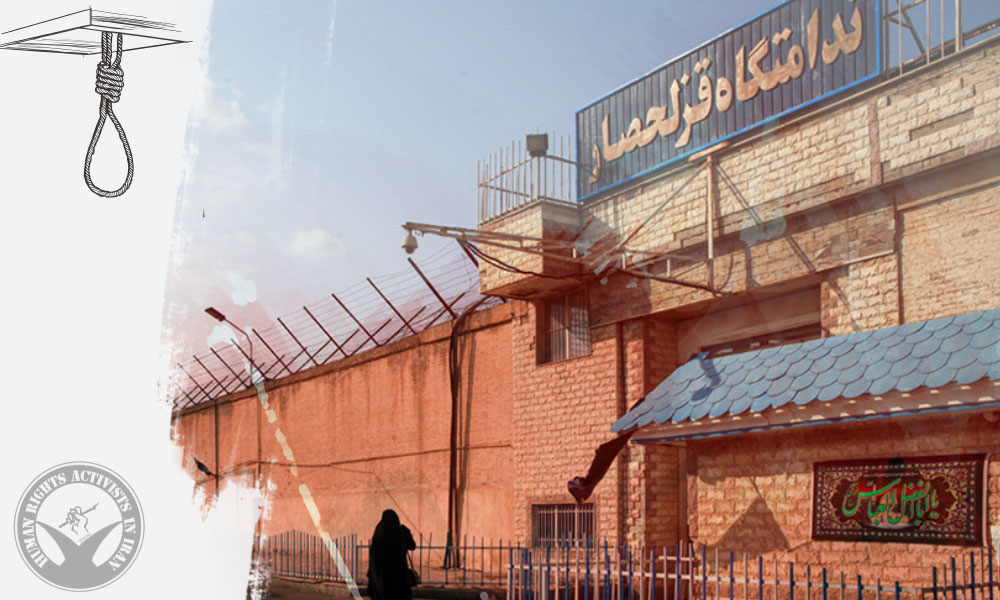
He further stated that the court hearing was held on February 7, and the verdict was issued the following day. Mohammad Amin Beiglari has been held in Ghezel Hesar Prison for nearly a month. He holds a high school diploma and was employed in two jobs prior to his arrest. According to his lawyer, follow-up on the case has largely been handled by his uncle, as his father has been unable to pursue the matter consistently due to poor health.

Aghakhani also pointed to ambiguities surrounding the alleged “confession” attributed to his client. He said that a court-appointed attorney at the preliminary stage informed the family that the defendant had confessed; however, the content of this confession, the circumstances under which it was obtained, and the related documentation have not been clarified for the privately retained lawyers. Questioning the compatibility of relying on the confession of a 19-year-old obtained in detention with fair trial standards, he stressed that attributing such a confession to his client is subject to serious doubt.

According to the attorney, Beiglari’s family was also unaware of his whereabouts during the initial weeks following his arrest, and his father visited various centers in an effort to find information about his son. The defense attorneys have stated that they are attempting to approach the relevant branch of the Supreme Court to obtain access to the case file and submit a supplementary defense brief.

It should be noted that gatherings and strikes by shopkeepers and bazaar merchants began in Tehran on Sunday, December 28, 2025. After two days, the protests expanded beyond markets and commercial centers. With the participation of students, citizens, and various social groups, these demonstrations became one of the most widespread protests in recent years. Following the suppression of the protests by law enforcement and security forces, thousands were killed or injured, and tens of thousands were arrested or summoned by security institutions. For further information, refer to HRANA’s comprehensive report titled “The Crimson Winter: A 50 Day Record of Iran’s 2025–2026 Nationwide Protests.”

Execution of At Least Twelve Prisoners on Murder and Drug-Related Charges

HRANA – At dawn today, the death sentences of at least 12 prisoners were carried out in the prisons of Mahabad, Shiraz, Malayer, Lahijan, Gonabad, Chabahar, Damghan, Bushehr, Shahrekord, Sabzevar, Kashmar, and Mashhad. These individuals had previously been sentenced to death on charges related to murder and drug offenses.

According to information received by HRANA, Kianoush Monavari was executed in Mahabad Prison; Ghader Mohammadi in Shiraz Prison; Nariman Zangeneh in Malayer Prison; Ali Asghar Oladi in Lahijan Prison; (first name unknown) Shateri in Gonabad Prison; Mostafa Kamali in Chabahar Prison; Aysan Rostami in Damghan Prison; Jahan Azadi in Bushehr Prison; and Farshid Ghasemi in Shahrekord Prison. These individuals had previously been arrested in separate cases on murder charges and sentenced to death by criminal courts.

Meanwhile, the death sentences of Taher Yousefi in Sabzevar Prison, Hamid Tajik in Kashmar Prison, and Adel Fereshteh in Mashhad Prison were carried out on drug-related charges.

As of the time of this report, the executions have not been officially announced by prison authorities or relevant institutions.

According to HRA’s annual report on the human rights situation in Iran, in 2025, at least 2,063 individuals were executed in Iran between January 1, 2025, and January 1, 2026. This represents a 119% increase in the implementation of death sentences compared to 2024. In many of these cases, due to secrecy, prisoners were even denied the right to a final visit with their families.

At Least 10 Prisoners Executed On Drug-Related Charges and Murder

HRANA – At dawn today, the death sentences of at least 10 prisoners were carried out in the prisons of Gorgan, Qaemshahr, Dorud, Isfahan, Neyshabur, Kerman, Kashan, Saveh, Quchan, and Zanjan. These prisoners had previously been sentenced to death on charges related to drug offenses and murder.

Based on information received by HRANA, Ilya Saei was executed in Gorgan Prison; Navid Shahsavar in Qaemshahr Prison; Ali Safar Goodarzi in Dorud Prison; Saman Joozi in Isfahan Prison; Yaghoub Shafieizadeh in Neyshabur Prison; Heshmat Shokri in Kerman Prison; Sultan-Morad Shabani in Kashan Prison; and Keyvan Aminpour in Saveh Prison. These individuals had previously been arrested in separate cases on murder charges and sentenced to death by criminal courts.

Meanwhile, the executions of Siavash Amouzad in Quchan Prison and Roozbeh Zamani in Zanjan Prison were carried out on charges related to drug offenses.

As of the time of this report, prison officials and relevant authorities have not officially announced these executions.

According to HRA’s annual report, at least 2,063 individuals were executed in Iran during 2025. This represents a 119% increase in executions compared to 2024. In many of these cases, due to secrecy, prisoners were even deprived of the right to a final visit with their families.

Nationwide Protests: Mohammad Abbasi Sentenced to Death, His Daughter to 25 Years in Prison

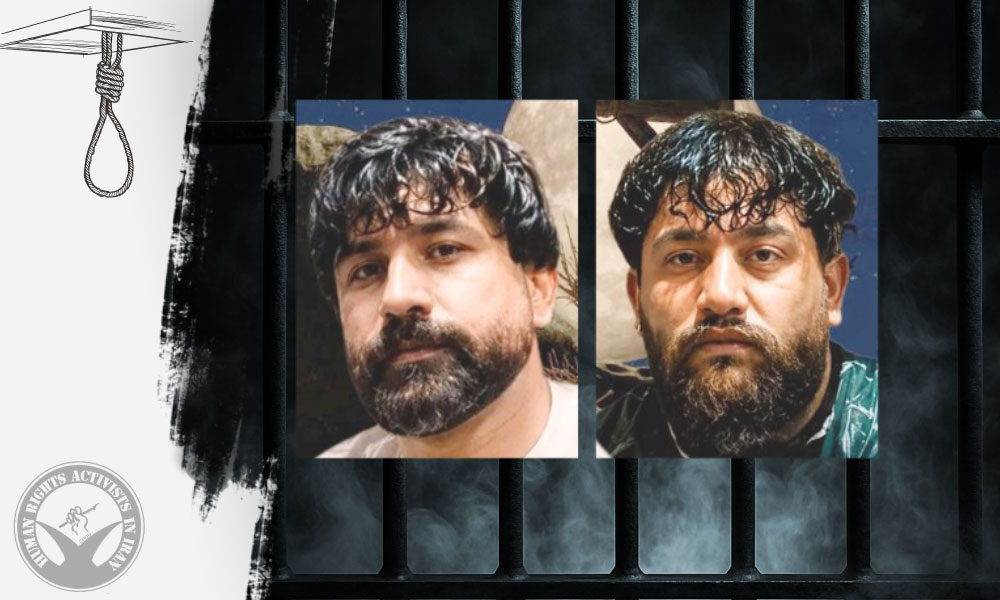
HRANA – Mohammad Abbasi, one of those arrested during recent nationwide protests, has been sentenced to death by Branch 15 of the Tehran Revolutionary Court on the charge of moharebeh (“enmity against God”). His daughter, Fatemeh Abbasi, has also been sentenced by the same branch to 25 years in prison. Their case is currently under review at Branch 39 of the Supreme Court.

Ali Sharifzadeh Ardekani, an attorney, confirmed the news in an interview with Emtedad, stating that the sentences were issued by Branch 15 of the Tehran Revolutionary Court, presided over by Judge Abolghasem Salavati, in relation to the case concerning the killing of Lieutenant Colonel Shahin Dehghani Kakavandi during protests in Malard. The court sentenced Mr. Abbasi to death on the charge of moharebeh and his daughter to 25 years in prison. Following an appeal by the court-appointed lawyer, the case has been referred to Branch 39 of the Supreme Court.

According to Sharifzadeh Ardekani, Branch 39 of the Supreme Court has prevented him and another colleague from representing the defendants in this case, citing Note to Article 48 of the Criminal Procedure Code. He explained that this provision, which concerns lawyers approved by the Head of the Judiciary, applies only to national security cases during the preliminary investigation stage (prosecutor’s office).

The attorney further stated: “On Sunday, February 21, I personally went to Branch 39 to formally declare my representation, but after an hour they informed me that since the case was about to receive a ruling, it was not possible to accept my representation.”

The report adds that numerous ambiguities surround the case of these two defendants; however, independent lawyers have been unable to review the file due to lack of access.

Previously, the Judiciary’s Media Center had announced that a court session had been held to examine the charges against the defendants in this case.

Behnam Ohadi and Mohammad Shaeri Arrested

HRANA – Yesterday, Behnam Ohadi, a psychologist, and Mohammad Shaeri, residents of Tehran, were arrested by security forces and transferred to Greater Tehran Prison.

An informed source, confirming the news, told HRANA: “On Thursday, February 19, the two citizens were arrested by security forces after attending the fortieth-day memorial ceremony for some of those killed during the recent protests at Behesht Zahra Cemetery in Tehran. They were subsequently transferred to Greater Tehran Prison.”

As of the time of this report, no information has been obtained regarding the charges brought against these two Tehran residents.

Behnam Ohadi, 52, a psychologist, has previously faced arrest and conviction due to his activities.

Subscribe to Our Newsletter

Now is definitely not the time to stop reading!

Execution of Nine Prisoners on Murder and Drug-Related Charges

HRANA – At dawn yesterday, Thursday, February 19, 2026, the death sentences of at least nine prisoners were carried out in Vakilabad Prison in Mashhad, as well as in the prisons of Esfarayen, Sari, Bukan, Behbahan, Taybad, Bojnord, Mahshahr, and Ferdows.

According to information received by HRANA, Rahman Omari was executed in Esfarayen Prison; Mehrshad Panji in Sari Prison; Farez Babaei in Bukan Prison; Ali Jafar Sadeghi in Behbahan Prison; Milad Ghaedi in Mahshahr Prison; Rahim Mashayekhi in Ferdows Prison; and Hassan Narouie in Vakilabad Prison in Mashhad. These prisoners had previously been arrested on charges of murder and were subsequently sentenced to death by criminal courts.

In addition, the executions of Mokhtar Azizian in Bojnurd Prison and an Afghan national in Taybad Prison were carried out on charges related to drug offenses. Further details, including the identity of the ninth prisoner executed at dawn today, are still under investigation by HRANA.

As of the time of this report, the executions have not been officially announced by prison authorities or relevant institutions.

According to HRA’s annual report, in 2025, at least 2,063 individuals were executed in Iran during the one-year period from January 1, 2025, to January 1, 2026. This represents a 119% increase in executions compared to 2024. In many of these cases, due to secrecy, prisoners were even deprived of the right to a final visit with their families.

Report on the Execution of 12 Prisoners on Murder and Drug-Related Charges

HRANA– At dawn today, February 16, the death sentences of 12 prisoners were carried out in the prisons of Quchan, Qaemshahr, Gorgan, Neyshabur, Dorud, Dastgerd Isfahan, Zanjan, Saveh, Kerman, and Kashan. These prisoners had previously been sentenced to death on charges related to drug offenses and murder.

According to information received by HRANA, Khosrow Rafiei was executed in Quchan Prison; Mohammad Rudbari in Qaemshahr Prison; Mola Sheikhi in Neyshabur Prison; Mr. Beigi in Dorud Prison; Ali Mousavi in Dastgerd Isfahan Prison; Sajad Meshkini in Zanjan Prison; and Vahid Barati in Saveh Prison. These prisoners had previously been arrested on murder charges and sentenced to death by criminal courts.

Meanwhile, the executions of Jamal Hosseini in Gorgan Prison, Kourosh Azizi in Kerman Prison, Reza Hatamzadeh in Kashan Prison, and two prisoners in Dastgerd Isfahan Prison were carried out on charges related to drug offenses.

Further details regarding these executions, including the identification of the two prisoners executed in Isfahan, remain under investigation by HRANA.

As of the time of this report, prison officials and the relevant authorities have not officially announced these executions.

According to HRA’s annual report, in 2025, at least 2,063 people were executed in Iran. Based on this report, the implementation of death sentences increased by 119% compared to the year 2024. In many of these executions, due to secrecy and lack of transparency, prisoners were even deprived of the right to a final visit with their families.

Execution of 17 Prisoners on Charges of Murder or Drug-Related Offenses

HRANA – Over the past two days, HRANA reported the execution of 17 prisoners in various prisons across the country on charges related to drug offenses or murder.

On Saturday, February 14, four prisoners were hanged in Urmia Prison on murder charges. Further details regarding this case, including the identification of these four prisoners, are still under review by HRANA.

On Sunday, February 15, Mohammadshah Rashidi and Ali Davtalab were executed on murder charges in Ghezel Hesar Prison in Karaj.

On the same day, Siros Alizadeh in Nowshahr Prison, Amir Khan Mohammadi in Bandar Abbas Prison, Sohrab Daei in Ardabil Prison, a woman identified as Esmat Najafi in Qom Prison, Sasan Pazouki in Semnan Prison, and Ali Ashraf Rahmati in Borujerd Prison were also executed. These prisoners had previously been arrested on murder charges and sentenced to death by criminal courts.

Meanwhile, the executions of Ali Nouri in Naein Prison, Foroud Khalili and another prisoner in Arak Prison, Hassan Doosti in Tabriz Prison, and Mostafa Cheshmi in Qazvin Prison were carried out on charges related to drug offenses.

At the time of this report, prison authorities and relevant institutions have not officially announced the executions of these prisoners.

According to HRA’s annual report, in 2025, at least 2,063 people were executed in Iran. Based on this report, the implementation of death sentences increased by 119% compared to the year 2024. In many of these executions, due to secrecy and lack of transparency, prisoners were even deprived of the right to a final visit with their families.

Death Sentence of Yaghoub Karimpour Upheld by the Supreme Court

HRANA – The death sentence of Yaghoub Karimpour, a Yarsan follower and prisoner held in Urmia Prison, has been upheld by Branch 9 of the Supreme Court.

Based on information received by HRANA, Branch 9 of the Supreme Court upheld the death sentence of Mr. Karimpour, a citizen adhering to the Yarsan faith. The ruling was formally communicated to him in Urmia Prison on Tuesday, February 10, 2026. In December of this year, Branch 1 of the Revolutionary Court of Urmia, presided over by Judge Sajjad Doosti, had sentenced him to death on the charge of “corruption on earth” (efsad-e fel-arz) through espionage in favor of Israel. His trial was held via videoconference.

Mr. Karimpour was arrested by security forces in Miandoab in June 2025 and transferred for interrogation to The Ministry of Intelligence’s detention facility in Urmia. According to an informed source, he was subjected to security pressures for approximately two months in order to extract forced confessions regarding alleged cooperation with Israel.

From the time of his arrest until his case was referred to Branch 1 of the Revolutionary Court of Urmia, Mr. Karimpour was denied access to legal counsel and was also not permitted family visits throughout his detention.

Yaghoub Karimpour, aged approximately 41, is married and a graduate in law from Maragheh University.

At Least 13 Prisoners Executed on Murder and Drug-Related Charges in Various Prisons

HRANA – At dawn today, February 12, the death sentences of at least 13 prisoners were carried out in the prisons of multiple cities. These prisoners had previously been sentenced to death on charges related to drug offenses and murder.

HRANA has confirmed the identities of the prisoners as: Darvish Ali Emami, Arash Davari, Saeed Adineh, Reza Barati, Hassan Kamare’i, Keyhan Rouzi, Kiarash Lashkari, Amirhossein Ghadami, Karim Garaei, (first name unknown) Aghapour, Panj Ali Ebrahimi, Peyman Khani, and Mohammadreza Abdollahi.

According to information received by HRANA, Arash Davari was executed in Bushehr Prison; Saeed Adineh in Shahrekord Prison; Keyhan Rouzi in Esfarayen Prison; Kiarash Lashkari in Bukan Prison; Amirhossein Ghadami in Behbahan Prison; Mr. Aghapour in Bojnord Prison; Panj Ali Ebrahimi in Mahshahr Prison; Peyman Khani in Ferdows Prison; and Mohammadreza Abdollahi in Sari Prison. These prisoners had previously been arrested on murder charges and sentenced to death by criminal courts.

Meanwhile, the executions of Darvish Ali Emami in Mashhad Prison, Reza Barati in Kashmar Prison, Hassan Kamare’i in Gonabad Prison, and Karim Garaei in Taybad Prison were carried out on charges related to drug offenses.

As of the time of this report, the executions of these prisoners have not been officially announced by prison authorities or responsible institutions.

According to HRA’s annual report, at least 2,063 individuals were executed in Iran during the one-year period from January 1, 2025, to January 1, 2026. This represents a 119% increase in executions compared to 2024. In many of these cases, due to secrecy, prisoners were even deprived of the right to a final visit with their families.