Report on the Latest Status of Death-Row Prisoner Ehsan Afrashteh

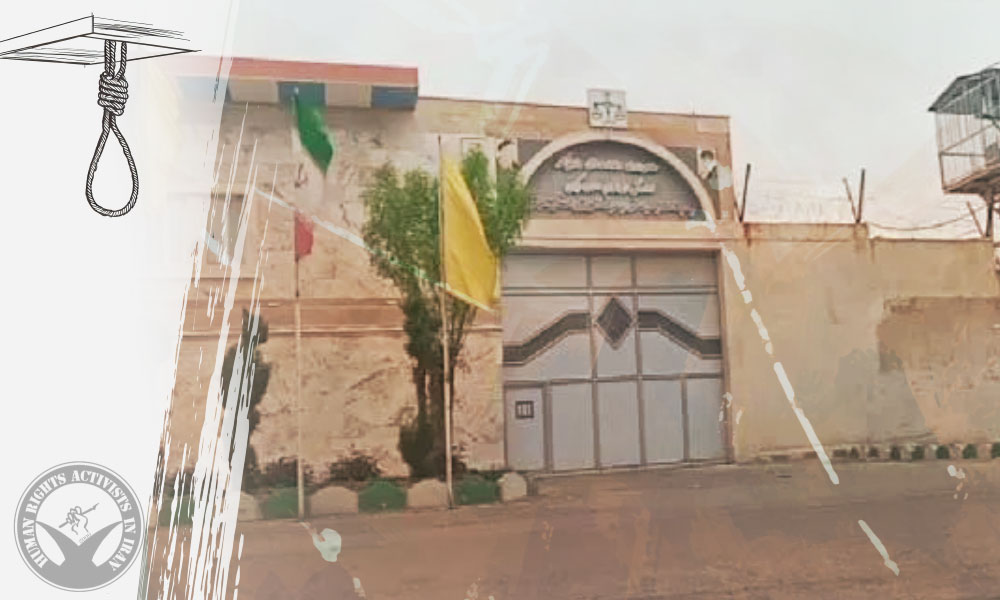
HRANA – Ehsan Afrashteh, a prisoner sentenced to death, is currently being held in Evin Prison. His second request for retrial has been filed with the Supreme Court and referred to Branch 29 for review.

According to the Human Rights Activists News Agency (HRANA), Mr. Afrashteh was sentenced to death in June 2025 by Judge Salavati, head of Branch 15 of the Tehran Revolutionary Court, on the charge of “espionage.” The sentence was upheld first by Branch 39 of the Supreme Court during the appeals stage and again by Branch 9 during the first retrial. His case is now under review in the second retrial phase, referred to Branch 29 of the Supreme Court.

Ehsan Afrashteh was arrested in 2024 after returning to Iran from Turkey. Following several months in solitary confinement, he was transferred to the public ward of Evin Prison in October 2024, and he is currently held in Ward 7.

A source close to Afrashteh’s family confirmed to HRANA:
“Recently, prison officials intended to transfer him to Ghezel Hesar Prison in Karaj, but several inmates tried to prevent it. In response, authorities summoned some of these prisoners to the ward’s administrative office and deprived them of family visits.”

The source added: “Ehsan Afrashteh has been accused of espionage for Israel and sentenced to death. Forced confessions were obtained from him, though the content remains undisclosed. According to the source, these confessions were fabricated, and Afrashteh has denied all charges. Additionally, some of his and his family’s assets have been seized, and his family remains under pressure and threats from security agencies.”

Ehsan Afrashteh, aged approximately 32, is a civil engineering graduate (MSc), an IT and network specialist, and a native of Isfahan who previously resided in Tehran.
Five Prisoners Executed in Yazd Prison

HRANA – At dawn today, five prisoners, including at least one woman, were executed in Yazd Prison. The individuals had previously been sentenced to death on charges related to drug offenses and murder.

The executions were carried out early Tuesday morning, November 4. Among those executed was Kobra Rezaei, whose identity has been confirmed by HRANA. Ms. Rezaei had previously been sentenced to death by the Revolutionary Court on drug-related charges.

Based on information received by HRANA, two of the executed prisoners had been convicted of murder, while two others were sentenced to death for drug-related crimes by the Criminal and Revolutionary Courts.

Further details, including the identities of the other four prisoners, are currently under investigation by HRANA.

As of the time of this report, the executions have not been officially announced by prison authorities or relevant state institutions.

In 2024, according to 812 reports compiled by HRANA, the Iranian regime executed 930 individuals in its prisons, marking the highest number of executions in the past 12 years. Despite the scale of these executions, prison officials and other relevant authorities publicly acknowledged only 6% of them, highlighting the regime’s lack of transparency and accountability.

Execution of Six Prisoners in Various Prisons

HRANA – This report covers the execution of six prisoners in recent days on charges related to drug offenses and murder.

On October 25, a prisoner named Jamal Zare, a resident of Khorramabad, was executed in Bam Prison. According to information obtained by HRANA, Mr. Zare had previously been arrested on drug-related charges and later sentenced to death by the Revolutionary Court.

On October 27, a prisoner named Hamid Babaei was hanged in Sanandaj Prison. Based on HRANA’s information, Mr. Babaei had previously been arrested on a murder charge and sentenced to death by the Criminal Court.

On Sunday, November 2, another prisoner named Ashkan Mirali was executed in Dezful Prison. Mr. Mirali had also been arrested on a murder charge and later sentenced to death by the Criminal Court.

Yesterday, Monday, November 3, the death sentences of two prisoners convicted on drug-related charges were carried out in Adelabad Prison in Shiraz. HRANA has confirmed the identity of one of these prisoners as Mehran Hosseini.

Finally, HRANA has learned that yesterday, another prisoner named Yousef Khani, a resident of Varamin, who had also been sentenced to death on drug-related charges, was executed in Semnan Prison.

As of the time of this report, the executions of these prisoners have not been announced by prison authorities or official judicial sources.

In October alone, a total of 258 people were executed in Iran, a figure unprecedented since the beginning of this year.

Drug-Related Crimes: Two Prisoners Executed in Arak Prison

HRANA – At dawn on Sunday, November 2, 2025, the death sentences of two prisoners previously convicted on drug-related charges were carried out in Arak Prison.

One of them has been identified by HRANA as Ehsan Mehdipour.

Based on information received by HRANA, the individuals had been arrested on drug-related charges and later sentenced to death by the Revolutionary Court.

Further details, including the identity of the second prisoner, are still under investigation by HRANA.

As of the time of this report, the executions have not been officially announced by prison authorities or judicial officials.

According to HRANA reports, in 2024, only 6% of executions were announced by official bodies or domestic media outlets. Over the past five years, 77% of executions have gone unreported, commonly referred to as secret executions. In some of these cases, the lack of transparency is so severe that the death-row prisoners are denied even the chance for a final visit with their families.

Execution of a Prisoner in Semnan Prison

HRANA – At dawn on Monday, October 27, 2025, the death sentence of a prisoner previously convicted on drug-related charges was carried out in Semnan Prison.

HRANA has identified the prisoner as Hosseinali Montazeri, a resident of Pakdasht.
Based on information obtained by HRANA, Mr. Montazeri had been arrested earlier on drug-related charges and was later sentenced to death by the Revolutionary Court.

As of the time of this report, the execution of this prisoner has not been announced by prison officials or relevant authorities.

According to HRANA’s report, in 2024, over 52 percent of executed prisoners had been convicted on drug-related charges. Over the past ten years, individuals convicted of drug trafficking have accounted for 40 percent of all executions. Unfortunately, HRANA’s statistics show no progress in reducing executions for drug-related offenses.

Subscribe to Our Newsletter

Now is definitely not the time to stop reading!

Execution of a Prisoner in Bojnurd Prison

HRANA – At dawn on Tuesday, October 28, 2025, the death sentence of a prisoner previously convicted of murder was carried out in Bojnurd Prison.

HRANA has identified the prisoner as Ali Safari.
Based on information obtained by HRANA, Mr. Safari had been arrested earlier on charges of murder and was later sentenced to death by a criminal court.

As of the time of this report, the execution of this prisoner has not been announced by prison officials or relevant authorities.

In 2024, according to 812 reports compiled by HRANA, the Iranian regime executed 930 individuals in its prisons, marking the highest number of executions in the past 12 years. Despite the scale of these executions, prison officials and other relevant authorities publicly acknowledged only 6% of them, highlighting the regime’s lack of transparency and accountability.

Death Sentence of Naser Bakrzadeh Overturned for the Second Time by the Supreme Court

HRANA – The death sentence of Naser Bakrzadeh, a political prisoner held in Urmia Prison, has once again been overturned by the Supreme Court. Bakrzadeh had recently been sentenced to death for the second time by Branch 2 of the Urmia Revolutionary Court.

Based on information obtained by HRANA, Bakrzadeh’s death sentence was recently overturned by the Supreme Court, and the decision was officially communicated to him on Wednesday, October 29. The political prisoner, who is being held in Urmia Prison’s political ward, is now awaiting the scheduling of a new hearing and the designation of a new court branch to review his case.

In September 2025, Branch 2 of the Urmia Revolutionary Court had sentenced Bakrzadeh to death on charges of “espionage for Israel” for the second time.

In November 2024, he had initially been sentenced to death by Branch Three of the Revolutionary Court of Urmia on charges of “espionage for Israel and collaboration with Mossad intelligence services.” That ruling was overturned by the Supreme Court in April 2025, which referred the case to another branch for reconsideration.

Naser Bakrzadeh, about 26 years old, was arrested in January 2024. He was held for a period in the IRGC’s intelligence detention facility in Urmia, where he was subjected to interrogation. According to a source close to his family, this process involved violations of his basic rights, including being denied contact and visits with his family.

Report on the Execution of a Prisoner in Malayer Prison

HRANA – At dawn on Monday, October 27, a prisoner previously sentenced to death on murder charges was executed in Malayer Prison.

The identity of the prisoner executed at dawn on Monday, October 27, has been verified by HRANA as Mostafa Afshar.

According to information obtained by HRANA, Mr. Afshar had been arrested on murder charges and later sentenced to death by the Criminal Court.

As of the time of this report, prison authorities and responsible institutions have not officially announced the execution.

In 2024, according to 812 reports compiled by HRANA, the Iranian regime executed 930 individuals in its prisons—marking the highest number of executions in the past 12 years. Despite the scale of these executions, prison officials and other relevant authorities publicly acknowledged only 6% of them, highlighting the regime’s lack of transparency and accountability.

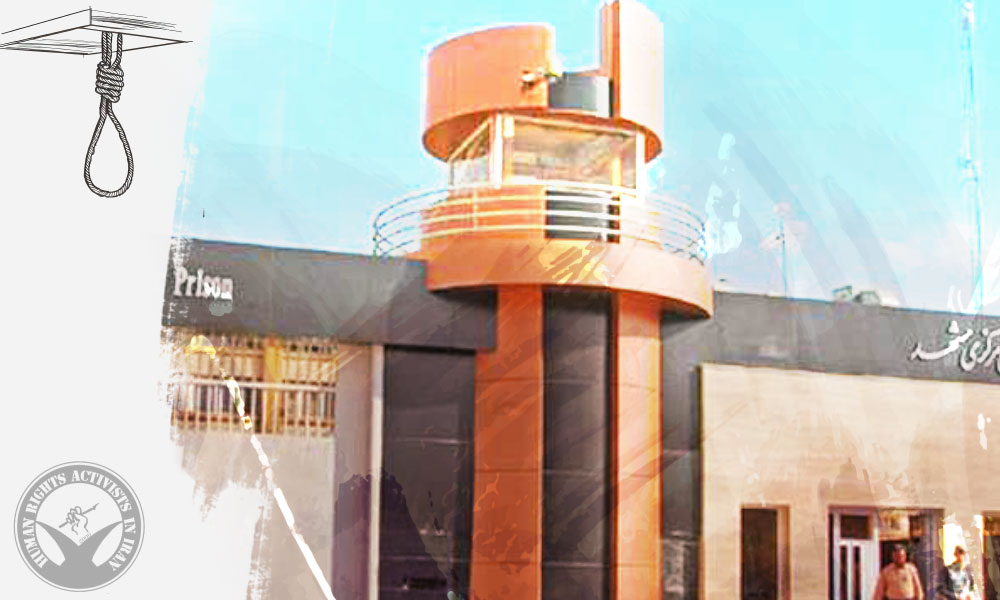
Three Prisoners, Including a Woman, Executed in Vakilabad Prison of Mashhad

HRANA – At dawn on Wednesday, October 29, three prisoners, including one woman, were executed in Vakilabad Prison in Mashhad. These individuals had previously been sentenced to death by a criminal court on charges of murder.

HRANA has confirmed the identities of two of the executed prisoners as Saman Daliri and Katayoun Shamsi. According to information obtained by HRANA, they had been arrested earlier on murder charges and later sentenced to death by a criminal court.

As of the time of this report, the executions of these three prisoners have not been announced by prison officials or other relevant authorities.

In 2024, according to 812 reports compiled by HRANA, the Iranian regime executed 930 individuals in its prisons, marking the highest number of executions in the past 12 years. Despite the scale of these executions, prison officials and other relevant authorities publicly acknowledged only 6% of them, highlighting the regime’s lack of transparency and accountability.

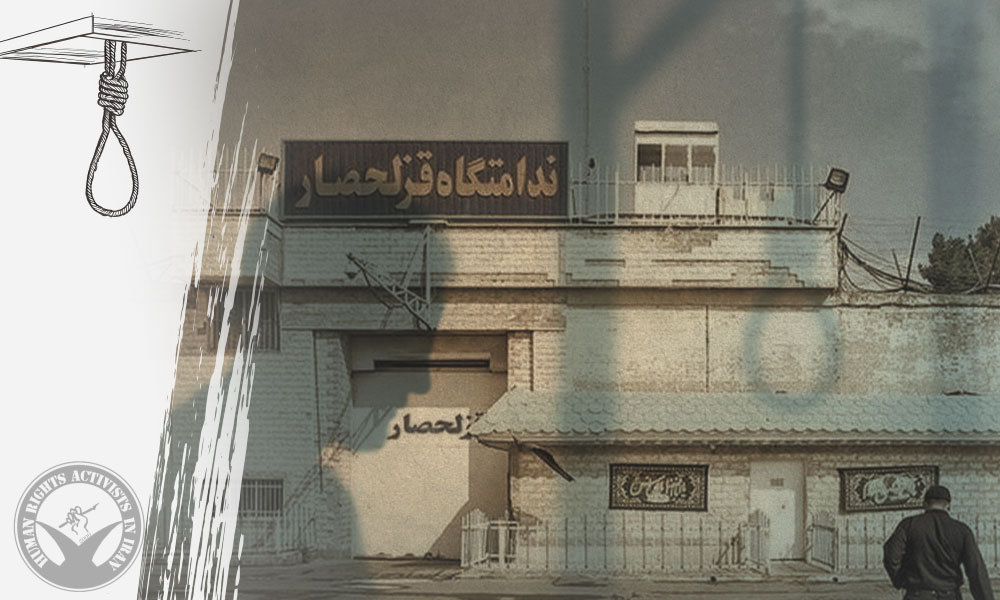
Six Prisoners Executed in Ghezel Hesar Prison

HRANA – On Wednesday, October 29, at least six prisoners were executed in Ghezel Hesar Prison.

According to Hamshahri newspaper, four of the executed prisoners had been sentenced to death on murder charges.

In addition, according to reports obtained by HRANA, two other prisoners with similar charges were also executed in the same prison. HRANA has confirmed the identities of two of the executed prisoners as Zakaria Mohammad Khanlou and Javad Naeimi. These individuals had previously been tried in separate criminal cases and sentenced to death.

As of the time of this report, the executions of two of these prisoners have not been announced by prison officials or relevant authorities.

Further details, including the identities of the other four executed prisoners, are still being investigated by HRANA.

According to HRANA’s statistics, Ghezel Hesar Prison in Karaj carried out the highest number of executions among all Iranian prisons, with 150 inmates hanged. This figure has nearly doubled compared to the previous year, a deeply alarming increase that underscores the escalating use of capital punishment in Iran.