Prisoner Executed in Arak Prison

HRANA– At dawn on Sunday, August 3, the execution of a prisoner previously sentenced to death on murder charges was carried out in Arak Prison.

HRANA has identified the prisoner as Rasoul Arabi, who was hanged at dawn on Sunday, August 3, 2025.
According to information received by HRANA, Mr. Arabi had been arrested on murder charges and later sentenced to death by a criminal court.

As of the time of this report, the execution has not been officially announced by prison authorities or relevant institutions.

In 2024, according to 812 reports compiled by HRANA, the Iranian regime executed 930 individuals in its prisons—marking the highest number of executions in the past 12 years. Despite the scale of these executions, prison officials and other relevant authorities publicly acknowledged only 6% of them, highlighting the regime’s lack of transparency and accountability.

Drug-Related Offenses: 7 Prisoners Executed in Karaj Central Prison

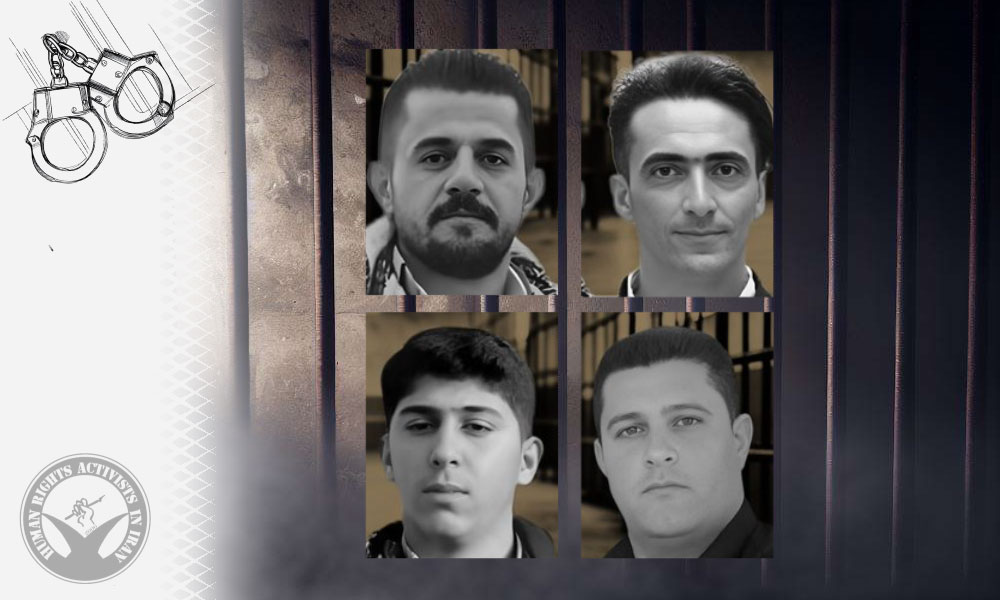
HRANA – At dawn on Sunday, August 3, the death sentences of seven prisoners previously convicted on drug-related charges were carried out in Karaj Central Prison.

HRANA has identified five of those executed as Sajjad Pourdanesh, Meysam Joodaki, Mohammad Golosi, Reza Bakht Avar and Ali Hosseinpour. These individuals had been arrested on drug-related charges and later sentenced to death by Revolutionary Courts.

On Wednesday, July 30, HRANA had reported the transfer of four of these prisoners to solitary confinement in preparation for their execution.

Further details, including the identity of the seventh executed prisoner, are still under investigation by HRANA.

As of the time of this report, the executions have not been officially confirmed by prison authorities or relevant institutions.

According to HRANA’s report, in 2024, over 52 percent of executed prisoners had been convicted on drug-related charges. Over the past ten years, individuals convicted of drug trafficking have accounted for 40 percent of all executions. Unfortunately, HRANA’s statistics show no progress in reducing executions for drug-related offenses.

Two Prisoners Executed in Dizel Abad Prison, Kermanshah

On Sunday, August 3, Dizelabad Prison in Kermanshah carried out the executions of two prisoners convicted of enmity against God (moharebeh) and drug-related offenses.

HRANA has identified one of the prisoners as Moslem Jalali, who had previously been sentenced to death on charges of moharebeh through armed robbery. The second prisoner has been identified as Fariborz Haghi, who had been arrested on drug-related charges and sentenced to death by the Revolutionary Court.

As of the time of this report, the executions have not been officially announced by prison authorities or relevant state institutions.

In 2024, according to 812 reports compiled by HRANA, the Iranian regime executed 930 individuals in its prisons—marking the highest number of executions in the past 12 years. Despite the scale of these executions, prison officials and other relevant authorities publicly acknowledged only 6% of them, highlighting the regime’s lack of transparency and accountability.

Singer Danial Moghaddam Arrested in Shiraz

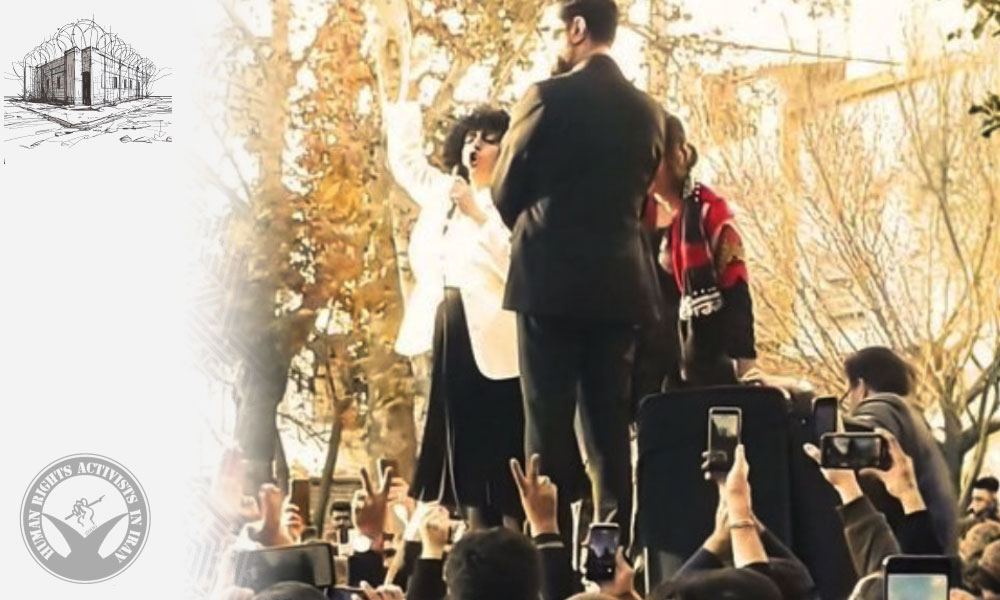
HRANA– Danial Moghaddam, a dissident singer, was once again arrested by security forces in Shiraz on Tuesday, July 29, and transferred to the Greater Tehran Prison. He had previously stated in a video that, during the early days of his recent detention in Evin Prison and amid an Israeli airstrike on the facility, he was evacuated due to the post-bombing conditions and never returned.

According to HRANA, the news agency of Human Rights Activists in Iran, Danial Moghaddam, a dissident singer, has been re-arrested.

His arrest took place on Tuesday, July 29, in Shiraz, and he was subsequently transferred to Greater Tehran Prison.
During his earlier detention in Evin Prison, Moghaddam released a video on his personal page describing the crisis inside the prison during the Israeli airstrike. In the video, he stated that following the shockwaves and emergency situation caused by the bombing, he unintentionally left the prison while in a disoriented and semi-conscious state and did not return.

In the same video, Moghaddam cited the reasons for his arrest as supporting the families of those killed during protests, calling for the release of political prisoners, and demonstrating in front of Evin Prison to oppose executions.

On June 25, 2025, Mohammad-Hadi Jafarpoor, Moghaddam’s attorney, announced in a post that his client had been detained by order of Branch 3 of the Tehran Revolutionary Court’s Prosecutor’s Office due to his inability to post bail.

Danial Moghaddam has previously been arrested and sentenced for his activism.

80-Year Old Former Political Prisoner Mohammad Banazadeh Arrested in Tehran

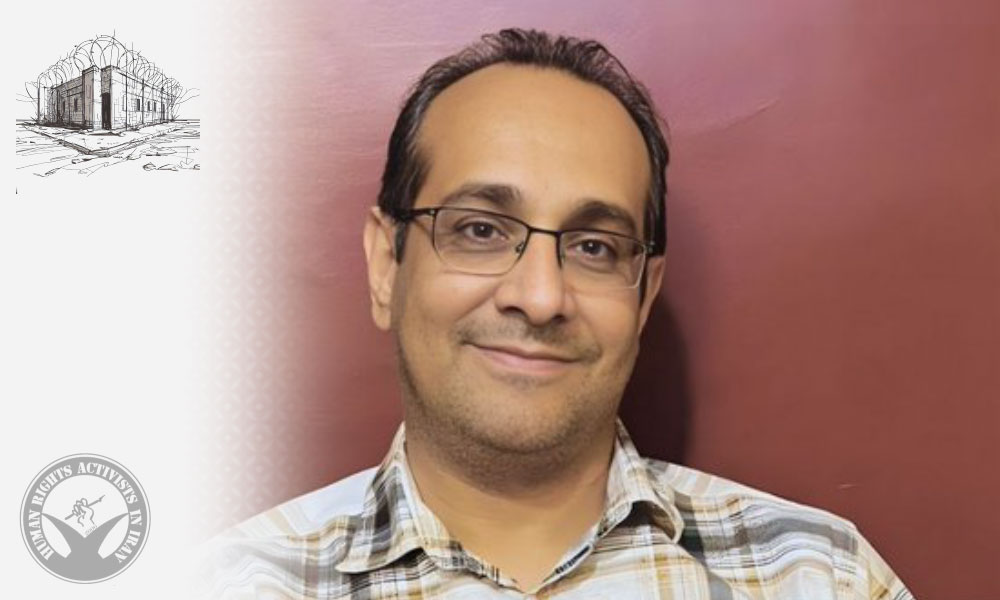
HRANA– Mohammad Banazadeh Amirkhizi, an 80-year-old former political prisoner, was arrested by security forces in Tehran on Monday, July 28, and transferred to The Ministry of Intelligence’s detention facility in Qom. Despite suffering from several illnesses, including prostate cancer and heart problems, he has been denied access to proper medical care.

Based on information obtained by HRANA, he was arrested at his private residence in Tehran, by security forces and then transferred to The Ministry of Intelligence’s detention facility in Qom.

A source familiar with his situation confirmed the news to HRANA, stating: “Mr. Banazadeh, who suffers from prostate cancer, heart conditions, and a torn knee meniscus, has been deprived of medical treatment during this time. This has caused significant concern among his family and those close to him about his health.”

As of the time of this report, the reasons for his arrest and the charges against him remain unknown.

Mohammad Banazadeh Amirkhizi, 80, a resident of Tehran, has previously been sentenced due to his activism.

Subscribe to Our Newsletter

Now is definitely not the time to stop reading!

Sabzevar Prison: 50 Days of Legal Limbo for Mohsen Taran

HRANA– Mohsen Taran, a resident of Sabzevar, remains in legal limbo 50 days after his arrest and continues to be held in the city’s prison without clear charges.

According to HRANA, the news agency of Human Rights Activists in Iran, Mohsen Taran is still in detention.

Based on information received by HRANA, Mr. Taran has been held in the quarantine section of Sabzevar Prison for 50 days without being informed of the charges against him. Authorities have so far refused to provide any explanation regarding the reasons for his arrest.

Mohsen Taran was arrested by security forces in Sabzevar on Friday, June 13, and transferred to Sabzevar Prison.

In 2024 alone, HRANA published 938 reports of prolonged detention of political prisoners and prisoners of conscience by the Iranian regime’s security and judicial apparatus. These extended detentions are often marked by solitary confinement, withholding information from families about the detainees’ whereabouts and condition, lengthy interrogation periods, and unclear charges and judicial procedures—forming a pattern of systematic abuse and due process violations.

Prisoner Executed in Nahavand Prison

HRANA – At dawn on Tuesday, July 29, the execution of a prisoner previously sentenced to death on a murder charge was carried out in Nahavand Prison.

HRANA has identified the individual as Arash Mohammadi, 36 years old, who was hanged at dawn on Tuesday, July 29. According to information received by HRANA, Mr. Mohammadi was arrested three years ago on a murder charge and later sentenced to death by a criminal court.

As of the time of this report, his execution has not been officially announced by prison authorities or relevant institutions.

In 2024, Iranian prisons witnessed the execution of 930 inmates. According to HRANA’s data, the number of executions carried out by the Iranian regime’s judiciary has risen steadily over the past five years. The percentage of executions related to drug charges has also increased year after year.

Four Prisoners, Including One Woman, Executed in Adelabad Prison of Shiraz

HRANA – At dawn on Thursday, July 31, four prisoners, including one woman, who had previously been sentenced to death in separate cases on drug-related charges, were executed in Adelabad Prison in Shiraz.

HRANA has confirmed the identities of two of the executed individuals as Abolfazl Alaei, 48, and Nahid Jokar (female), 52, both from Shiraz. The identities of the other two prisoners, who were nationals of Afghanistan, are still being verified.

According to information obtained by HRANA, all four prisoners had been arrested in separate cases on charges related to drug offenses and were later sentenced to death by the Revolutionary Court.

As of the time of this report, the executions have not been officially announced by prison authorities or other relevant institutions.

According to HRANA’s statistics, in 2024, Adelabad Prison in Shiraz witnessed the execution of 92 inmates — an 88% increase compared to the previous year. This sharp rise places Adelabad as the second deadliest prison in Iran after Ghezel Hesar Prison in Karaj.

Monthly Report – July 2025: Human Rights Situation in Iran

HRANA– has compiled this monthly overview to highlight key human rights abuses reported across Iran in July.
Among the most serious human rights violations this month were the execution of two political prisoners, the issuance of death sentences for five others, threats and attacks against political prisoners in Ghezel Hesar Prison, and a rise in casualties from indiscriminate shootings by military and paramilitary forces.

Executions

In July, Iranian judicial authorities executed 103 individuals in prisons across the country. Among those executed was one woman and three Afghan nationals. The gender of 9 of the executed individuals remains unknown, reflecting the lack of transparency and information dissemination by the Iranian regime.

Notably, three of these executions were carried out in public. Since the beginning of 2025, the Iranian regime has conducted six public executions. While public executions had declined in recent years, this year has seen a relative increase in their implementation once again.

Among the most prominent cases was the execution of two political prisoners, Behrooz Ehsani Eslamlou and Mehdi Hasani, on July 27. Membership in the People’s Mojahedin Organization of Iran (PMOI/MEK) was among the charges brought against them.

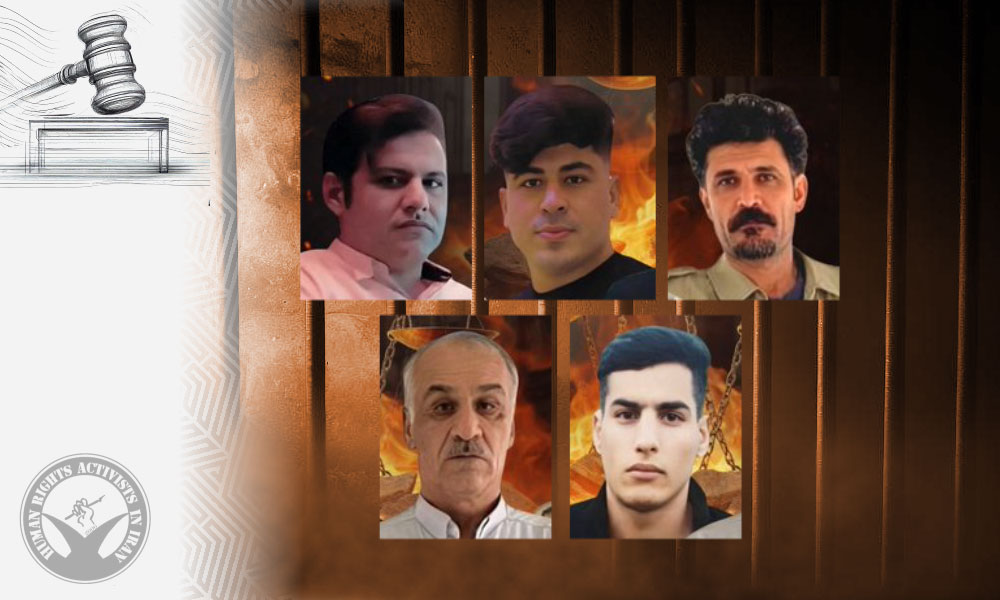
Also in July, Iranian judicial authorities sentenced 25 individuals to death, including five detainees from the 2022 protests: Rezgar Beigzadeh Babamiri, Pejman Soltani, Ali (Soran) Ghasemi, Kaveh Salehi, and Teyfour Salimi Babamiri.

Prisoners’ Rights

Violations of prisoners’ rights showed an increase compared to the previous month. Eighty-five political prisoners remain in legal limbo. Sixteen political and ideological prisoners were denied adequate medical care. A clear example is the denial of medical treatment to political prisoner Motaleb Ahmadian, held in the Greater Tehran Prison, despite the possibility that he may be suffering from cancer. The fate and whereabouts of 53 political detainees remain unknown.

Thirty-eight political prisoners were sent to solitary confinement, including 17 in Ghezel Hesar Prison. Seventeen incidents of assaults on political prisoners were also reported. On July 27, more than 100 special forces officers from Ghezel Hesar Prison in Karaj, accompanied by Ministry of Intelligence agents, stormed the ward housing political prisoners. Dozens of inmates were beaten, phone lines were cut, and several prisoners were violently dragged in groups to solitary confinement.

According to HRANA reports, in total, 2,374 political and ideological prisoners are being held in poor conditions across Iran. In response to these conditions, 16 of them went on hunger strike this month.

Additionally, during this month, HRANA reported 91 instances of pressure and threats against political prisoners.

Kolbars and Fuel Carriers

This month, indiscriminate shootings by military and security forces resulted in the highest number of casualties since the beginning of the year, with sixteen killed and 28 injured. Among those killed were three kolbars and two fuel carriers. Additionally, five kolbars and three fuel carriers were injured.

In the most serious incident, on July 17, at a checkpoint in Khomein County, gunfire directed at a vehicle led to the death of four people, including a three-year-old girl. Moreover, landmine explosions left over from the Iran-Iraq war caused injuries and fatalities, including the deaths of two children aged 10 and 11 in Shush County.

Freedom of Thought and Expression

This month, security agencies arrested 141 individuals for expressing their beliefs and opinions. Additionally, one person was summoned to a security agency and eight others were summoned to court on similar charges. Authorities also carried out six home searches, held six trials, and blocked one peaceful gathering.

The Iranian judiciary issued 14 prison sentences totaling 620 months on charges that reflect clear violations of citizens’ right to freedom of expression. Additionally, a sentence of 30 lashes related to such charges was carried out.


Workers’ Rights

In July, HRANA reported 27 labor protests and 5 labor strikes. Data collected during the month indicates that 37,401 workers are owed back wages. A labor activist named Kamran Sakhtemangar was sentenced to three months in prison on the charge of “propaganda against the regime.”

Workplace incidents also claimed the lives of 26 workers and injured 54 others this month.

Additionally, guilds and unions held 17 protests, and two individuals were summoned to court.

Women’s Rights

In July, HRANA reported three cases of femicide and one case of rape. Additionally, in one incident, a woman was beaten by security forces. There was also a report of an acid attack against women: in one case, a young woman in Tehran was targeted by her brother due to a family dispute and lost vision in one of her eyes.

Children’s Rights

This month, a teenage girl named Ziba Pazireh died by suicide in the city of Dishmok, Kohgiluyeh and Boyer-Ahmad Province. HRANA also reported eight cases of child homicide and one case of sexual abuse. In one incident in Shahroud, a father attacked three children with a bladed weapon, resulting in the death of one and injuries to two others.

HRANA also reported two children injured in workplace incidents and the deaths of two children due to negligence by responsible authorities.

Religious Minorities

This month, six members of religious minority groups were arrested by security agencies. Additionally, there were two cases of summons to security institutions, three trials, two interrogations, one travel ban, and six cases of home searches reported.

In another development, the property of 22 Baha’i citizens in Isfahan was confiscated.

Ethnic Rights

In July, 42 activists and ethnic minority members were arrested by security agencies. Thirty of these arrests were carried out without a warrant. Additionally, five Azerbaijani-Turk activists were put on trial this month.

Inhuman Punishment

This month, the Iranian judiciary issued at least 174 flogging sentences. Additionally, on July 31, authorities carried out the amputation of the right-hand fingers of three prisoners convicted of theft in Urmia Prison. This form of punishment constitutes a clear violation of the International Covenant on Civil and Political Rights (ICCPR), which explicitly prohibits cruel, inhuman, and degrading treatment.

Amputation Sentences Carried Out for Three Inmates in Urmia Prison

HRANA– In the early hours of Thursday, July 31, the amputation sentences of three prisoners convicted of theft were carried out in Urmia Prison. Hadi Rostami, Mehdi Sharafian, and Mehdi Shahivand had the fingers of their right hands amputated. Following the implementation of the sentences, the three were transferred to a hospital and returned to prison several hours later.

According to information received by HRANA, a disturbance broke out last night in Urmia Prison. Following the incident, prison guards transferred Hadi Rostami, Mehdi Sharafian, and Mehdi Shahivand to solitary confinement. Ultimately, around 1:00 a.m. on Thursday, July 31, the amputation sentences were carried out inside the prison.

A source familiar with the case, who spoke to HRANA on condition of anonymity for security reasons, said: “Mr. Rostami, Sharafian, and Shahivand were transferred to a hospital after the amputations were carried out. They were returned to prison several hours later.”

Hadi Rostami, 39, Mehdi Sharafian, 42, and Mehdi Shahivand, 29, were arrested in 2015 by police detectives in Urmia. The three were prosecuted in a joint case related to theft charges.

On November 19, 2019, they were sentenced by Branch 1 of the Juvenile Criminal Court to the amputation of four fingers on their right hands, in a way that the thumb and palm would remain intact. They were also ordered to return the stolen property. This sentence was upheld by Branch 13 of the Supreme Court on May 10, 2020.

The International Covenant on Civil and Political Rights (ICCPR) strictly prohibits inhumane and degrading punishments such as flogging and amputation. However, in 2024, HRANA documented at least three cases where flogging sentences were carried out, totaling 106 lashes. Additionally, at least 131 individuals were sentenced to a combined 9,957 lashes by the Iranian judiciary.