Category: Prisoners
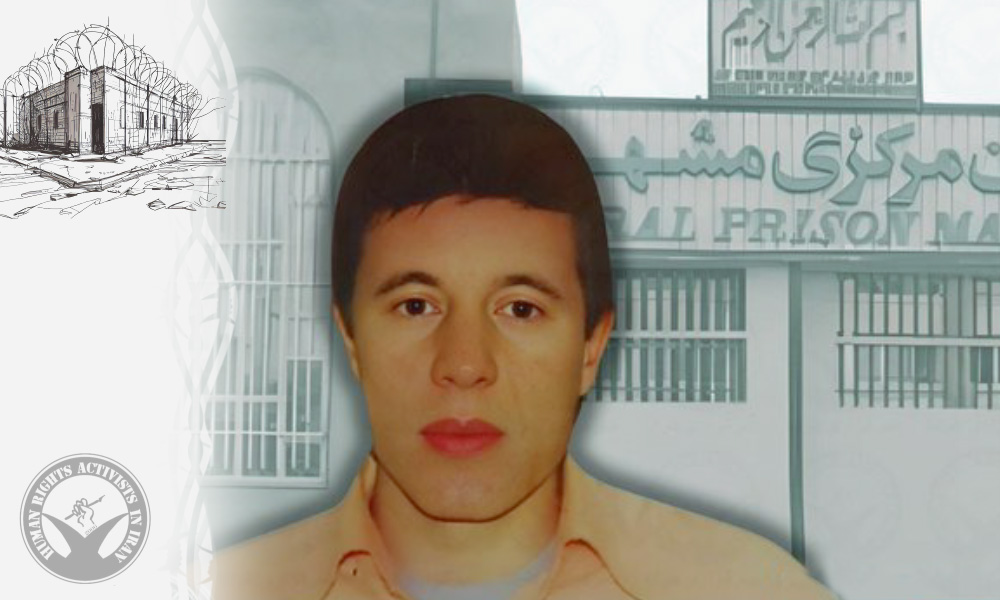
Hossein Kooshki Nejad Begins One-Year Prison Term in Evin Prison
On April 7, 2024, Hossein Kooshki Nejad commenced his one-year prison term in Evin Prison. His brother, Reza, who was detained during the 2022 nationwide protests, is currently serving a two-year sentence in Ilam prison.
According to reports obtained by HRANA, Kooshki Nejad faced legal action last year in the Courthouse in Khorramabad, accused of the political charge of “propaganda against the regime.” The Tehran Revolutionary Court subsequently took over the case and sentenced him to one year in prison.
Kooshki Nejad stated that the beginning of his sentence had been postponed until April 7.
Political Prisoner Mohsen Ghiasi Denied Medical Care in Evin Prison
The November 2019 protests were triggered by a surge in fuel prices, leading to demonstrations in numerous cities across the country. Seyed Hossein Taghavi, the spokesperson for the Parliamentary National Security and Foreign Policy Commission, stated that approximately 7,000 individuals were arrested during these protests. Reports from human rights organizations indicate that hundreds of people lost their lives as a result of the actions carried out by the security apparatus.
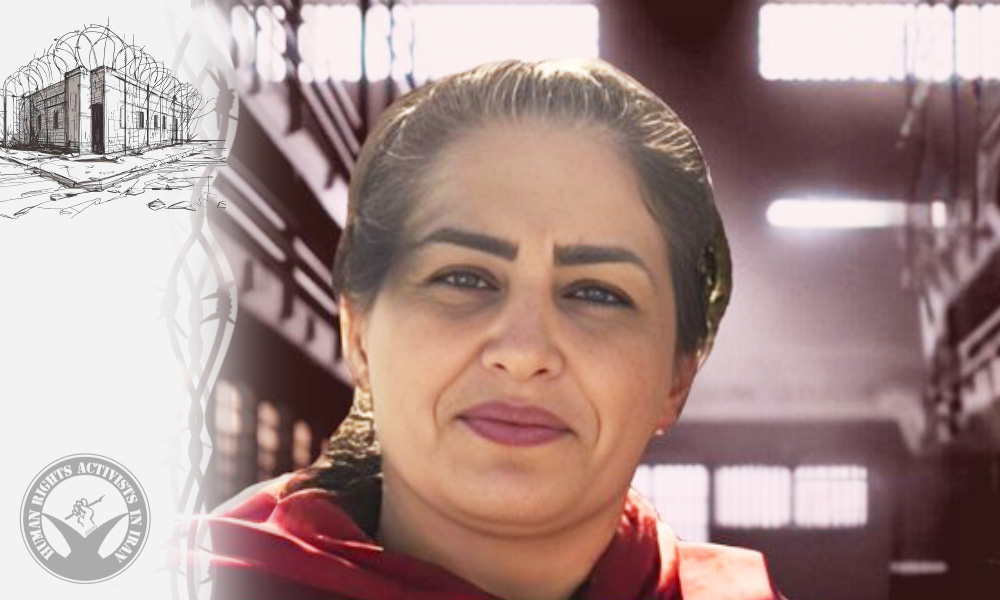
Environmental Activists Taher Ghadirian and Sepideh Kashani Granted Release
Environmental Activists Niloufar Bayani and Hooman Jokar Released After Six-Year Imprisonment
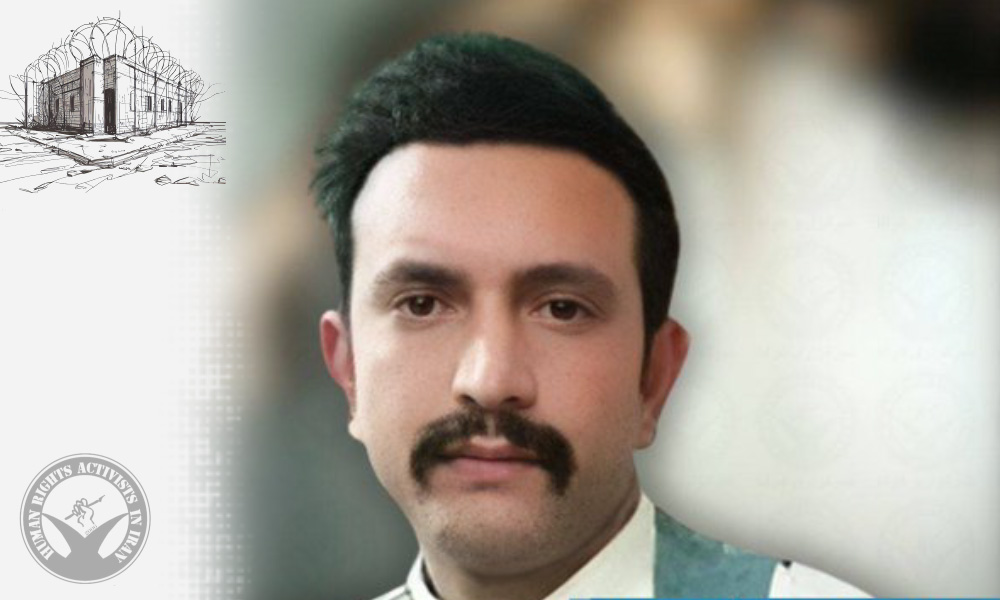
Alireza Ghanbari and Javad Mohammadi-Fard Begin Prison Sentences on Political Charges
Alireza Ghanbari and Javad Mohammadi-Fard, both residents of Urmia, have been incarcerated in Urmia Prison to commence their sentences.
Confirming their imprisonment, a source close to their families informed HRANA that they were arrested on April 2 by security forces at their residences and subsequently transferred to Urmia Prison.
Their initial arrests occurred in June-July 2022 by security forces. Initially detained in the Ministry of Intelligence’s facility in Urmia, they were later moved to Urmia Prison after approximately six months.
In June-July 2023, the Urmia Revolutionary Court convicted them of political charges. Mohammadi-Fard was sentenced to four years for “heading a group for causing unrest and acting against national security,” along with 16 months for “insulting the Supreme Leaders of Iran and the founder of the Islamic Republic of Iran.” Ghanbari received a four-year sentence for “joining anti-regime groups,” along with 16 months for “insulting the founder of the Islamic Republic of Iran” and eight months for “propaganda against the regime,” including detention time. These verdicts were upheld on appeal.
Pursuant to Article 134 of the Islamic Penal Code, which stipulates that in cases of multiple charges, the harshest punishment shall be enforced, both individuals will serve four years in prison.
Mohammadi-Fard, aged 44, is single, while Ghanbar, aged 50, is the father of two.
Civil Rights Activist Sepideh Gholian Launches Hunger Strike in Evin Prison
Sepideh Gholian (Qolian), a prominent civil rights activist detained in Evin Prison, commenced a hunger strike on April 3, 2024, demanding her transfer to Ahvaz Prison near her home.
A source close to her family confirmed Gholian’s hunger strike to HRANA.
Gholian’s troubles began on March 15, 2023, when security forces arrested her upon her return to Dezful shortly after her initial release. She was promptly sent back to Ward 209 of Evin Prison. Subsequently, she was transferred to the Women’s Ward of Evin Prison four days later.
In May 2023, the Tehran Revolutionary Court convicted Gholian of “insulting the Supreme Leader of Iran,” resulting in a two-year sentence that included a period of detention. Alongside her imprisonment, she faced various restrictions, including a prohibition on joining political or social groups, limitations on cell phone usage, and a two-year ban from entering Tehran and its neighboring provinces. This verdict was upheld on appeal.
Furthermore, a case was initiated following a complaint filed by Ameneh-Sadat Zabihpour, an Iran-state TV reporter with ties to security agencies as an interrogator. In this case, Gholian received an additional sentence of one year and three months for her alleged involvement in “removing hijab, facilitating indecency, and persisting in committing criminal acts.”
It’s important to note that Gholian has a history of prior arrests and convictions related to her activism.
Update on Baha’i Ardeshir Fanaeian in Semnan Prison
Baha’i Ardeshir Fanaeian is currently serving a six-year prison term in Semnan prison.
According to a source close to Fanaeian’s family, since his incarceration, prison officials have held him separated from other inmates resembling solitary confinement.
Fanaeian was arrested by the Ministry of Intelligence on April 30, 2019, and released on bail after 75 days.
Subsequently, the Revolutionary Court of Semnan, presided over by Judge Mohammad-Ali Rostami, sentenced Fanaeian to 11 years in prison, one year of exile to Khash County, and one year banned from Semnan for “assisting in forming and running an illegal group to act against national security in favor of anti-regime groups.” This verdict was later reduced to six years on appeal.
Notably, Fanaeian’s parents were incarcerated for their faith in the 1980s. He was born in prison and resided there until he was three months old. Also, he faced a prior arrest and conviction in 2013.
Baha’is are subjected to violations of their religious rights, comprising 82% of reports on infringements against religious minorities, according to HRA’s 2023 annual report.
The Baha’i faith is not recognized as a legitimate religion by Iranian authorities, leading to systematic and longstanding violations of the rights of Baha’is in the country. This includes the denial of their fundamental right to practice their religion, which constitutes a clear breach of both Article 18 of the Universal Declaration of Human Rights and Article 18 of the International Covenant on Civil and Political Rights. The United Nations covenant holds that every person has the right to freedom of religion, freedom of converting religion, as well as freedom of expression, individually or collectively; openly or secretly.
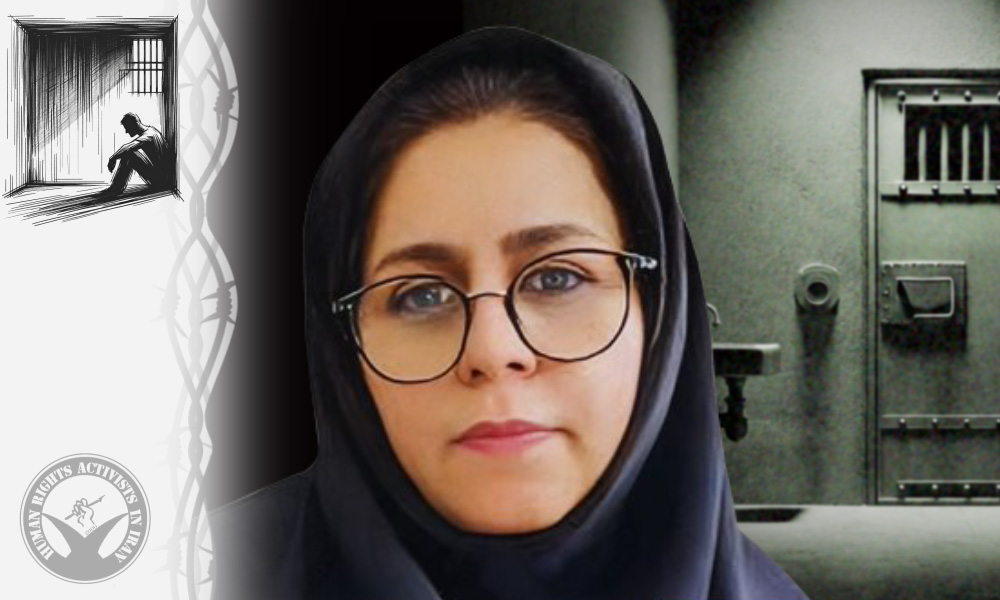
Sedigheh Vasmaghi Denied Essential Medical Treatment in Detention
Political Prisoner Shahriar Bayat Sentenced to Death for Alleged Insult to Prophet of Islam
Shahriar Bayat, a 64-year-old political prisoner currently held in Evin Prison, has been sentenced to death by the Tehran Criminal Court for allegedly “insulting the prophet of Islam.”
Confirming this conviction, a source close to Bayat’s family informed HRANA that Bayat received this sentence on March 24, 2024, the final day of his furlough from Evin Prison. This verdict was issued by Branch 13 of the Tehran Criminal Court. According to the source, Bayat’s wife, Nahid, is not in good health to inquire about her husband’s legal case.
Bayat faces legal proceedings in both the Criminal and Revolutionary Courts. Reports obtained by HRANA indicate that the majority of the board of judges in the Criminal Court convicted Bayat of “insulting the prophet of Islam, Shia Imams, and other Islamic sanctities through the publication of pictures and posts on social media.”
This verdict contradicts the earlier decision by a minority panel, which commuted Bayat’s sentence to six months in prison after he expressed remorse. The verdict can be appealed within 20 days of its issuance.
Notably, the Shahriar Public and Revolutionary Court initially had jurisdiction over this legal case and closed this case. However, due to the insistence of the Shahriar prosecutor, the court transferred the case to the Tehran Criminal Court.
Shahriar Bayat’s legal troubles began on September 25, 2022, when he was arrested by security forces during nationwide protests at his residence in the city of Shahriar and subsequently detained in the Great Tehran Penitentiary. He was later transferred to Evin Prison.
On March 1, 2023, the Shahriar Revolutionary Court sentenced Bayat to a total of 18 years in prison for various charges including “forming illegal groups to act against national security,” “assembly and collusion to act against national security,” “insulting the former and current Supreme Leader of Iran,” and “propaganda against the regime.” Pursuant to Article 134 of the Islamic Penal Code, which mandates the enforcement of the harshest punishment in cases of multiple charges, Bayat’s sentence was initially ten years, later reduced to eight years and six months following his request for a reduction in punishment.
In July-August 2023, in a letter addressed to the judiciary, Bayat wrote about his imprisonment at the age of 63, emphasizing his lack of prior political activism and attributing his incarceration solely to content found on his cell phone, much of which he claimed was commonplace on the internet. He also highlighted his denial of medical care for digestive diseases during his detention in the Great Tehran Penitentiary.