Two Prisoners Executed on Charge of “Armed Rebellion”

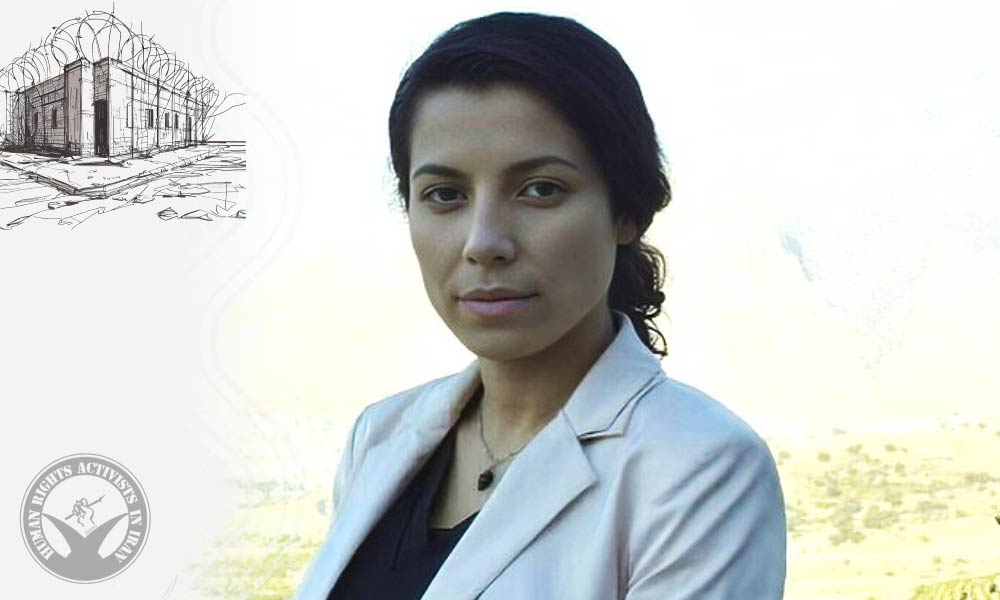
HRANA – Iran’s judiciary media announced that the death sentences of Mohi al-Din Abdollahi and Hossein Palani have been carried out. The two prisoners had previously been sentenced to death on the charge of “armed rebellion against the regime (baghi).”

According to HRANA, citing Mizan Online, the judiciary’s official news outlet, Mohi al-Din Abdollahi and Hossein Palani have been executed.

According to the judiciary’s report, the two men were members of a group allegedly affiliated with ISIS. The report claims they had established themselves in border areas between Iran and Iraq and were planning to carry out armed operations inside Iran. It further states that security and military forces identified their location and surrounded the area, resulting in the deaths of several individuals and the arrest of others during the operation.

The report also claims that weapons, ammunition, equipment, and documents allegedly linked to the group’s activities were seized. Additionally, the judiciary media alleged that three members of the Islamic Revolutionary Guard Corps (IRGC) were killed during the confrontation.

According to the report, after the remaining suspects in the case were arrested and the investigation was completed, an indictment was issued and the case was referred to court. Following trial proceedings, Mohi al-Din Abdollahi and Hossein Palani were sentenced to death on the charge of “armed rebellion against the Islamic Republic of Iran (baghi).”

After the sentences were upheld by the Supreme Court, they were carried out on the morning of Tuesday, July 14, 2026.

The judiciary’s report did not specify the prison where the executions took place.

HRANA had previously published separate reports on the cases of Hossein Palani and Mohi al-Din Abdollahi during their imprisonment in Rajai Shahr Prison in Karaj.
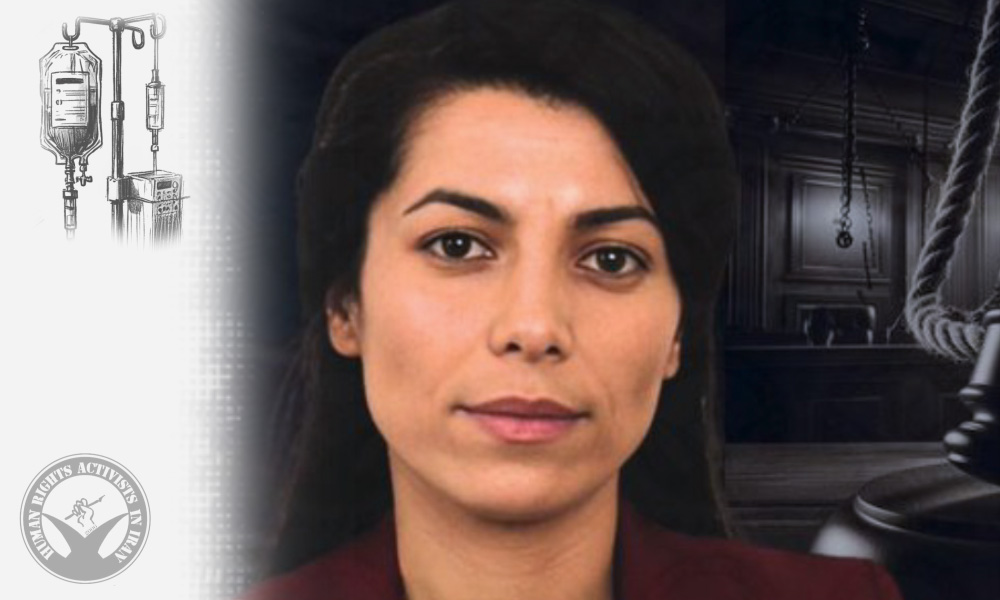
Varisheh Moradi, a political prisoner on death row, denied medical treatment

HRANA News Agency – Varisheh Moradi, a political prisoner sentenced to death and held in Evin Prison, is being denied hospital transfer and adequate medical care despite her deteriorating physical condition.

A social media page affiliated with Varisheh Moradi reported that she suffers from several health issues, including severe spinal disc problems in her back and neck, and has required urgent surgery and proper medical attention for over three months, as confirmed by a specialist. Despite prison doctors at Evin confirming the severity of her condition and emphasizing the urgent need for treatment outside the prison, she continues to be denied transfer to medical facilities on orders from the relevant authorities.

Ms. Moradi had previously also been denied transfer to medical centers despite requiring specialized treatment.

Varisheh Moradi was arrested by security forces in August 2023 in the outskirts of Sanandaj. She was eventually transferred on December 26 of that year from the Ministry of Intelligence’s detention facility, known as Ward 209 of Evin Prison, to the women’s ward.

In late November 2024, Ms. Moradi was sentenced to death by Branch 15 of the Tehran Revolutionary Court, presided over by Judge Abolghasem Salavati, on the charge of baghi (armed rebellion).

In another case, in late October 2023, she was sentenced to six months in prison by Branch Two of the Qods Judicial Complex Criminal Court in Tehran, in a joint case involving four other inmates. The charge against her in this case was “assaulting an officer and disobedience.”

This case stemmed from events on August 7, following protests by female prisoners in Evin’s women’s ward after learning about the execution of Reza Rasaei, which led to a clash with prison guards.

Death Sentences of Four Sunni Prisoners Finalized, Case Referred for Execution

The death sentences of four Sunni prisoners—Eido Shahbakhsh, Abdolghani Shahbakhsh, Abdolrahim Ghanbarzehi Gorgij (Rahim Mirbaloch), and Soleiman Shahbakhsh—have been confirmed by Branch 32 of the Supreme Court and referred to Branch 1 of the Tehran Security Prosecutor’s Office for execution. They are currently held in Ghezel Hesar Prison in Karaj.

On February 4, 2024, Judge Mohammadreza Amuzad Khalili of Branch 28 of the Tehran Revolutionary Court sentenced these men to death, accusing them of armed rebellion through membership in opposition groups and armed uprising against the regime. Their death sentences were later upheld by the Supreme Court following their appeal.

HRANA’s investigation into their case reveals significant rights violations during their imprisonment. The prisoners faced extreme pressure from security agencies, including denial of legal representation, prolonged solitary confinement, physical and psychological torture, and deprivation of basic rights such as family visits and phone calls.

Since 2012, following the initial arrests of Eido and Abdolghani Shahbakhsh, court hearings have been irregular. Despite initial acquittals by the Zahedan Revolutionary Court, objections by security agencies led to the re-arrest of the defendants in 2016 and continued prosecution.

A source close to Abdolrahim Ghanbarzehi’s family told HRANA that he was subjected to severe physical and psychological pressure during solitary confinement and was coerced into making confessions while in the IRGC’s Salman Detention Center in Zahedan, in violation of Article 38 of Iran’s Constitution and international anti-torture conventions.

A key issue in this case has been the frequent transfer of case files between courts in Zahedan and Tehran, causing delays and uncertainty for the defendants. Despite multiple requests for regular hearings and proper defense, initial acquittals were overturned due to pressure from security agencies, leading to their eventual death sentences.

With the Supreme Court now confirming their death sentences, the case has entered a critical phase, with the execution possibly imminent. The families of the prisoners maintain their innocence and argue that the judicial process has been fraught with serious human rights violations.

Four Political Detainees Face Armed Rebellion Charges

Pouya Ghobadi, Babak Alipour, Abolhassan Montazer, and Seyed-Mohammad Taghavi have been recently indicted of armed rebellion (Baghi) by the Public and Revolutionary Court of Tehran. This charge which carries the potential for severe penalties, including the death penalty, raises concerns.

On May 14, 2024, these individuals were indicted of “armed rebellion” for allegations of their involvement with an anti-regime group” and “assembly and collusion against national security.”

Earlier HRANA reported that another political detainee Vahid Bani-Amerian has also faced the same charges. He has been reportedly moved from Ward 209 of Evin prison to the quarantine section of this prison, following his indictment.

Under the Islamic penal code, Baghi is a grievous offense that can lead to severe punishments, including execution, amputation of the right hand and left foot, and exile.

Abolhassan Montazer and Babak Alipour were arrested separately in Tehran on December 22, 2023. Pouya Ghobadi was detained by security forces in Chaldoran, West Azerbaijan province, on February 23, 2024, and subsequently transferred to Maku and then Evin prison. Seyed Mohammad Taqavi was also detained by security forces late last year.

Prior Arrest and Conviction:

Montazer, 65, a political prisoner from the 1980s, was arrested in 2018, sentenced to five years, and released from Rajai-Shahr Prison in Karaj under a pardon directive after serving three years of his prison term.

Babak Alipour was also previously arrested with his brother Roozbeh while working at a market in Rasht on November 4, 2018. Sentenced to seven years for “membership in anti-regime groups and insulting the Supreme Leader,” he began his sentence at Lakan Prison in Rasht and was released from Evin Prison last spring.

Pouya Ghobadi, an electrical engineering graduate from the University of Sanandaj, was initially arrested in May 2018, sentenced to eighteen years and exile, and was released in 2022 under a pardon directive.

Seyed Mohammad Taqavi, 57, also a former political detainee from the 1980s, holds a bachelor’s degree in Graphic Design from Tehran University and has previously served a prison sentence.

Varisheh Moradi Faces Charges of Alleged Armed Rebellion

According to a report by Kurdpa, Varisheh Moradi, a resident of Sanandaj, has been indicted by Branch 5 of the Public and Revolutionary Court of Tehran on charges of armed rebellion (Baghi), potentially leading to severe punishment, including the death penalty.

The accusation is reportedly linked to her alleged membership in a political opposition party.

The indictment, initiated by Judge Abolghasem Salavati of Branch 15 of the Tehran Revolutionary Court.

Regrettably, Moradi has been denied access to legal representation, and since her arrest, she has only had one family visitation.

Moradi was apprehended by security forces on August 1, 2023, in the suburbs of Sanandaj. Later in August, she was transferred from a detention facility in Sanandaj to Ward 209 of Evin Prison. Following the completion of the interrogation process on December 26, 2023, she was relocated to the Women’s Ward within the prison.

Despite the passage of time, the specific reasons for Moradi’s arrest and the charges against her remain undisclosed. It’s noteworthy that under Iran’s laws, the charge of Baghi may carry severe penalties, including execution and amputation of hands and feet.

Subscribe to Our Newsletter

Now is definitely not the time to stop reading!