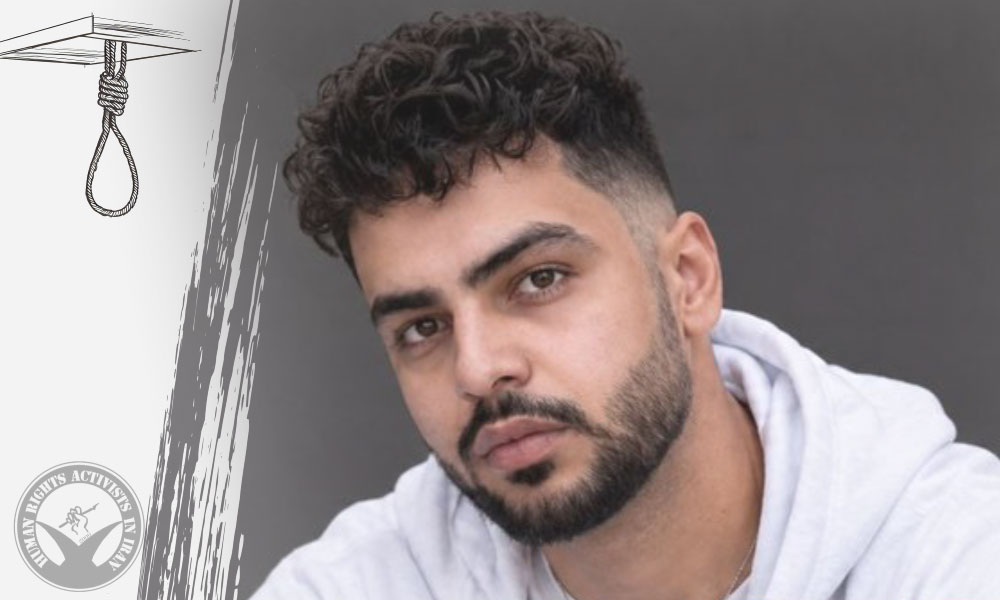
Prisoner Executed in Sanandaj Prison

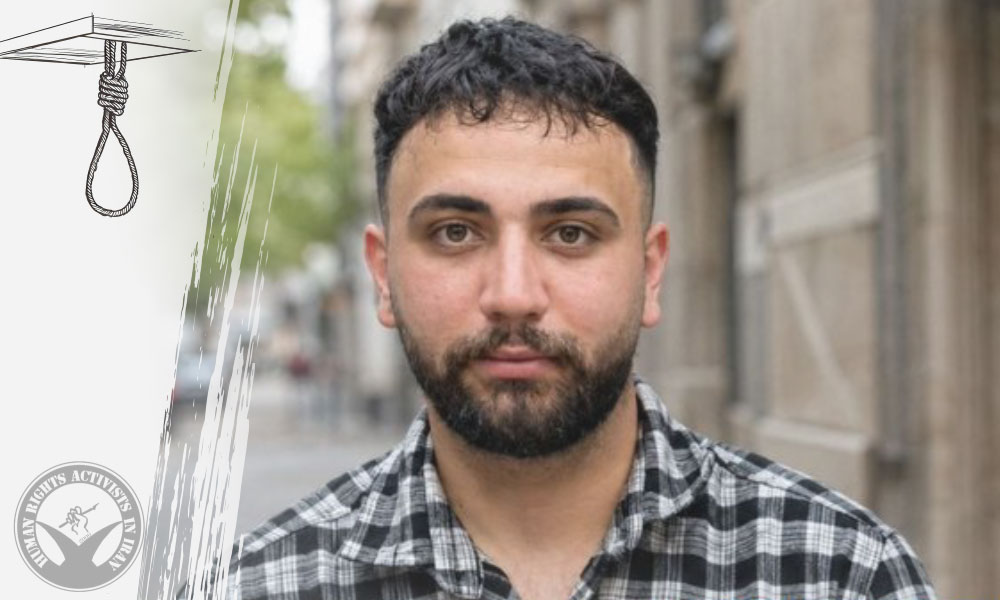
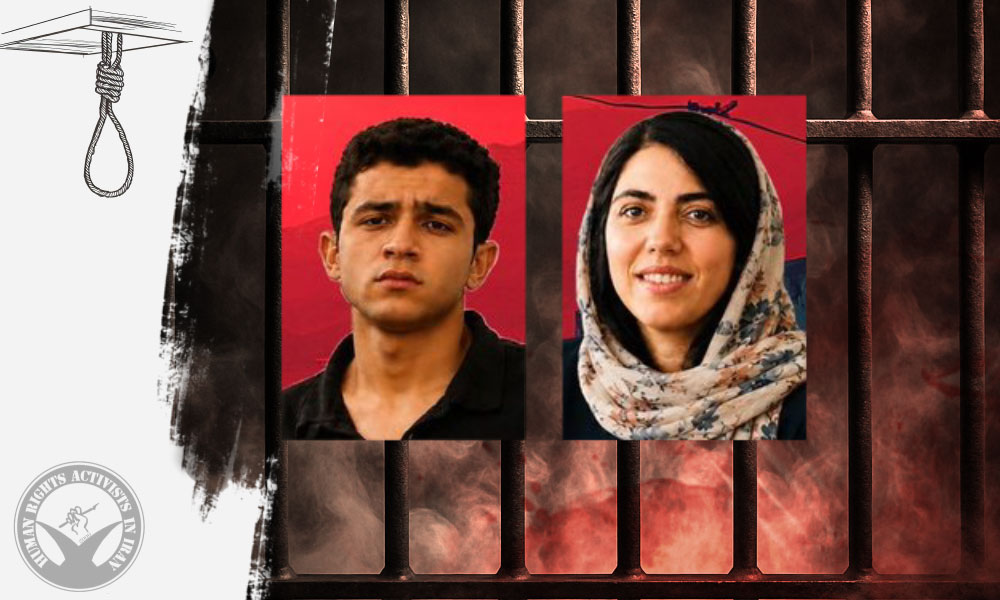
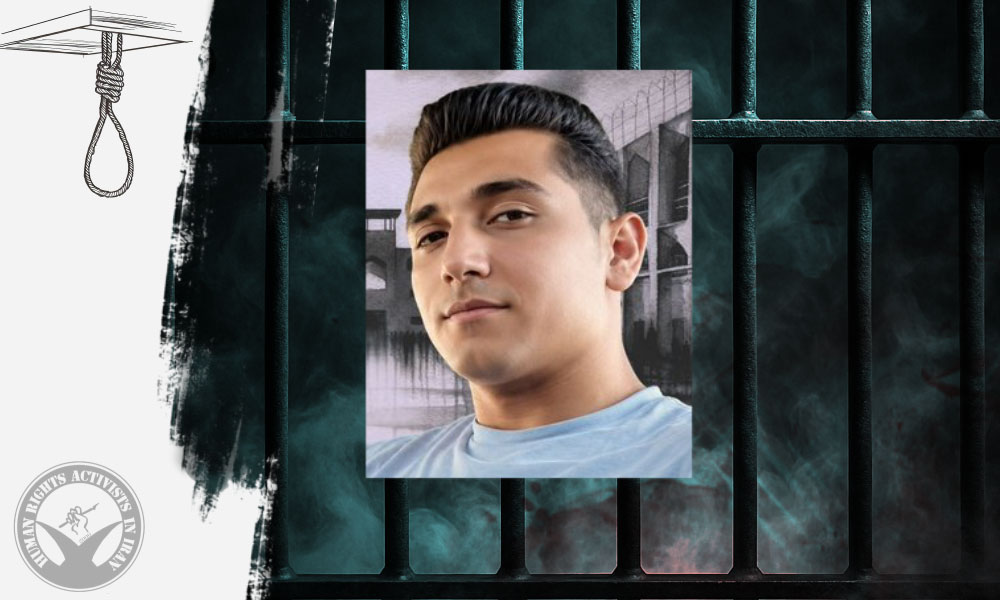
HRANA – At dawn today, Sanandaj Prison authorities carried out the execution of Kaveh Rafoosheh, who had previously been sentenced to death on a murder charge.

According to HRANA, Kaveh Rafoosheh was executed in Sanandaj Prison today, Tuesday, August 18, 2026.

Mr. Rafoosheh, a 35-year-old unmarried resident of Sanandaj, had been transferred from the general ward of Sanandaj Prison to solitary confinement earlier this week in preparation for the execution of his sentence.

According to information received by HRANA, approximately three years ago, Kaveh Rafoosheh committed a murder during a street altercation in Sanandaj and turned himself in to the police following the incident. After his arrest, the Sanandaj Criminal Court sentenced him to death.

As of the time of this report, prison officials and relevant authorities have not publicly announced his execution.

According to HRA’s Annual Report, in 2025 at least 2,063 citizens, including 61 women and 2 juvenile offenders, were executed. Of these, the sentences of 11 individuals were carried out in public. During the same period, 172 other individuals were sentenced to death.

January 2026 Protests: Supreme Court Overturns Death Sentences of Three Detainees

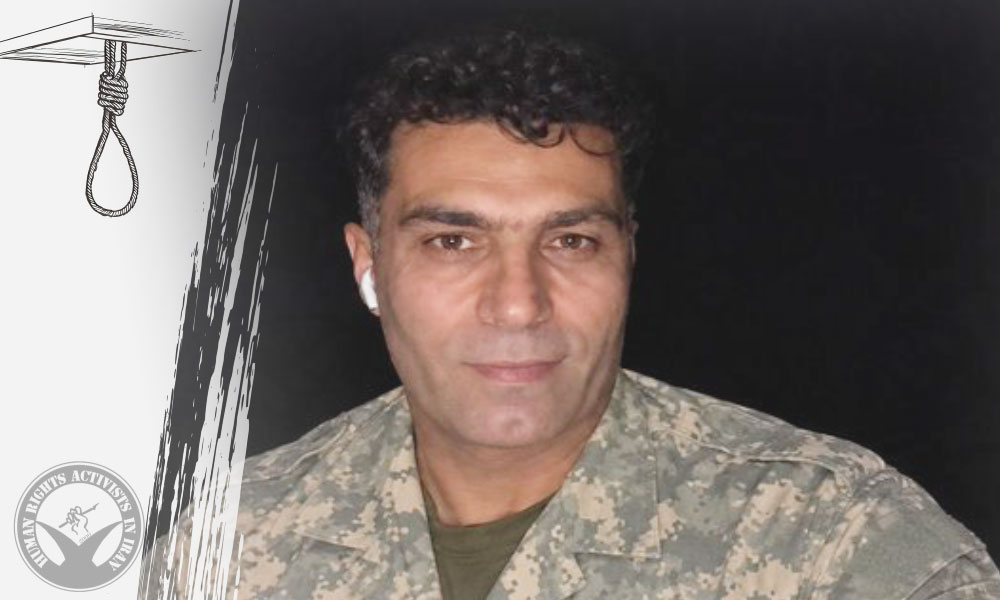
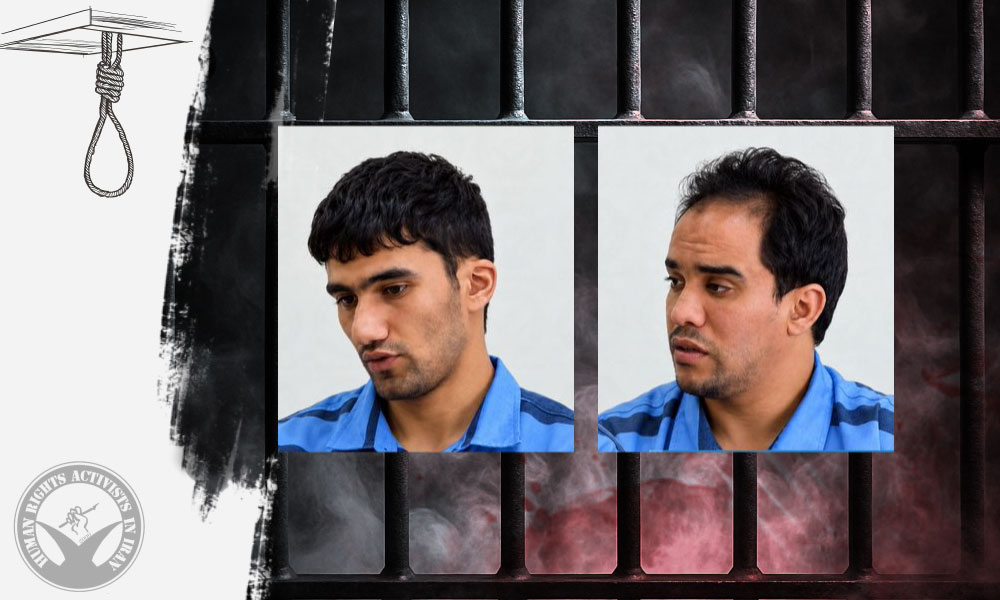
HRANA – The death sentences of Shahab Zahdi, Abolfazl Salehi Siavashani, and Yaser Rajaeifar, detainees from the January 2026 protests who are currently held in Ghezel Hesar Prison in Karaj, have been overturned by Branch 9 of the Supreme Court.

According to HRANA, the Supreme Court has overturned the death sentences of three detainees from the January 2026 protests.

According to information received by HRANA, Branch 9 of the Supreme Court overturned the death sentences of Shahab Zahdi, Abolfazl Salehi Siavashani, and Yaser Rajaeifar and referred their cases to a branch of the Tehran Revolutionary Court for retrial. In February 2026, the prisoners had been sentenced to death by Branch 15 of the Tehran Revolutionary Court, presided over by Judge Abolghasem Salavati, in connection with a case involving the burning of a Basij base in eastern Tehran.

During the nationwide protests of 2026, these individuals, along with four other prisoners, Mohammad-Amin Biglari, Shahin Vahedparast Kalur, Amirhossein Hatami, and Ali Fahim, were prosecuted and arrested in a joint case related to the burning of the “185 Martyr Mahmoud Kaveh” Basij base in eastern Tehran on the evening of January 8, 2026. The trial was subsequently held on February 7, 2026, before Branch 15 of the Tehran Revolutionary Court, presided over by Judge Abolghasem Salavati. Their death sentences were issued the following day, February 8.

In April 2026, the death sentences of Mohammad-Amin Biglari, Shahin Vahedparast Kalur, Amirhossein Hatami, and Ali Fahim were carried out.

Iranian state media had previously published videos showing forced confessions by these individuals. The circumstances under which the videos were recorded remain unclear.

An informed source, confirming the report, told HRANA about the judicial proceedings in Shahab Zahdi’s case: “Mr. Zahdi’s trial was held without his lawyer present.” The charges brought against him were “assembly and collusion against national security” and “moharebeh (enmity against God) and corruption on earth through setting fire to public property and facilities.” His interrogation session was held on January 10, 2026, at Branch 33 of the Tehran Public and Revolutionary Prosecutor’s Office (Shahid Moghaddas Security Prosecutor’s Office). Zahdi had been arrested by security forces on January 8 of that year.

Abolfazl Salehi Siavashani was arrested by security forces on January 9, 2026, while Yaser Rajaeifar was arrested on January 8, 2026.

The three are currently being held in Ghezel Hesar Prison in Karaj.

Abolfazl Salehi Siavashani is 52 years old, married, and the father of an 18-year-old child. Before his arrest, he worked as a motorcycle courier. Yaser Rajaeifar is 31 years old, and Shahab Zahdi is the father of a 15-year-old daughter.

Background on the January 2026 Protests

The protests and strikes by shopkeepers and bazaar merchants began in Tehran on Sunday, December 28, 2025, and within two days spread beyond markets and commercial centers. With the participation of students, citizens, and various social groups, these protests became one of the largest protest movements of recent years. Following the crackdown by security and law enforcement forces, thousands were killed or injured, and tens of thousands were arrested or summoned by security agencies. For more information, readers may refer to HRANA’s comprehensive report titled “Crimson Winter,” documenting the first fifty days following the outbreak of Iran’s nationwide protests.

Two Prisoners Executed at Adelabad Prison in Shiraz

HRANA – The death sentences of two prisoners who had previously been sentenced to death on charges of murder and non-political offenses were carried out yesterday, August 16, 2026, at Adelabad Prison in Shiraz.

According to HRANA, two prisoners were executed at Adelabad Prison in Shiraz.

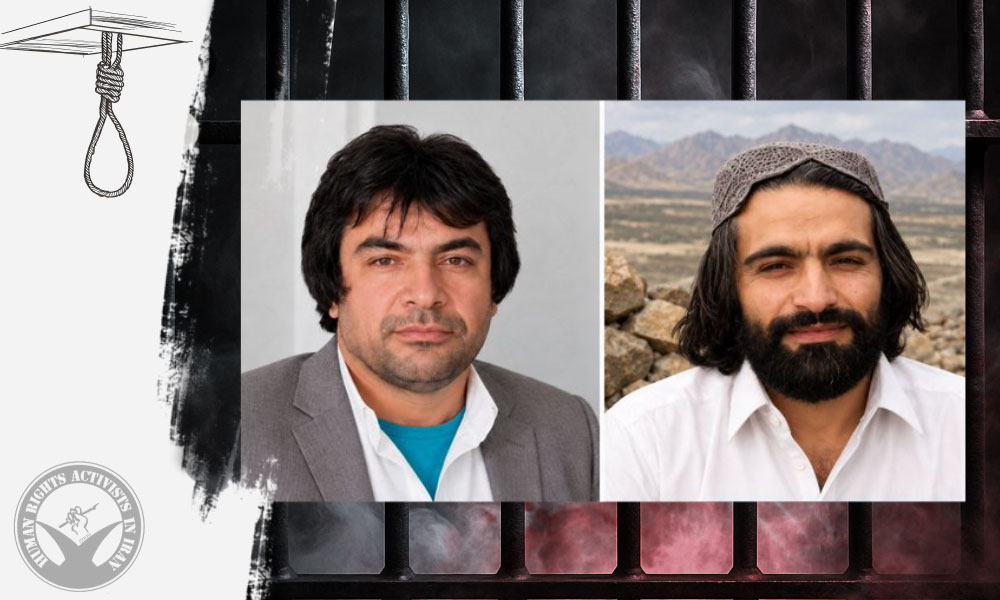
HRANA has confirmed the identities of the prisoners, who were hanged at dawn today, Sunday, August 16, 2026, as Mohammad Ali Pazireh and Hassan Kordi.

Based on information received by HRANA, Mohammad Ali Pazireh had previously been arrested on a murder charge and was subsequently sentenced to death by a criminal court. Mr. Kordi had also previously been arrested on charges related to non-political offenses, and his death sentence was issued by a judicial authority.

As of the time of this report, the executions of these two prisoners have not been announced by prison officials or other relevant authorities.

According to HRA’s Annual Report, in 2025 at least 2,063 citizens, including 61 women and 2 juvenile offenders, were executed. Of these, the sentences of 11 individuals were carried out in public. During the same period, 172 other individuals were sentenced to death.

January 2026 Protests: Shahram Sadeghi Executed

HRANA – The Judiciary’s Media Center announced that Shahram Sadeghi, one of those arrested during the January 2026 protests in Karaj, was executed at dawn today. He had previously been sentenced by the Karaj Revolutionary Court to death and confiscation of his property on the charge of “carrying out operational activities on behalf of Israel, the United States, and hostile countries against national security and interests.”

According to HRANA, citing Mizan, Shahram Sadeghi, one of those arrested during the January 2026 protests, was executed today, Sunday, August 16.

According to the report, Mr. Sadeghi was arrested and prosecuted in connection with the events of January 8, 2026, near Golzar Intersection in Karaj. The Judiciary-affiliated media outlet claimed that on that day, he drove his vehicle toward a number of law enforcement officers, injuring seven of them. According to the same report, one of the injured officers was in a coma for a period of time.

Mizan News Agency reported that following the incident, Shahram Sadeghi set his vehicle on fire and fled the scene. He was arrested some time later by law enforcement forces in Alborz Province while, according to the outlet’s claim, he was hiding under a false identity at a drug rehabilitation center.

According to the Judiciary, following the completion of the investigation, an indictment was issued against Shahram Sadeghi, and his case was heard by the Karaj Revolutionary Court in the presence of an attorney. The court sentenced him to death and the confiscation of all his property on the charge of “carrying out operational activities on behalf of Israel, the United States, and hostile groups and countries, pursuant to Article 1 of the Law on Intensifying Punishment for Espionage and Cooperation with Israel and Hostile Countries Against National Security and Interests.”

After Mr. Sadeghi and his attorney appealed the ruling, the case was referred to the Supreme Court for review. According to the Judiciary, the Supreme Court upheld the sentence, which was carried out early this morning.

The report did not provide details regarding how the court proceedings were conducted or whether Mr. Sadeghi had access to a fair trial.

Sepehr Amirzadeh, Detained During January Protests, Sentenced to Death

HRANA – Sepehr Amirzadeh, one of those arrested during the January 2026 protests and currently held in Dastgerd Prison in Isfahan, has been sentenced to death by the Revolutionary Court on the charge of “moharebeh” (enmity against God).

According to HRANA, Sepehr Amirzadeh, who was arrested during the January 2026 protests, has been sentenced to death.

Based on information received by HRANA, Mr. Amirzadeh was sentenced to death by the Revolutionary Court on the charge of “moharebeh” (enmity against God). His case is currently under review by the Supreme Court.

Mr. Amirzadeh was arrested by security forces at his home in Isfahan on January 13, 2026, in connection with nationwide protests. After undergoing interrogation, he was transferred to Dastgerd Prison in Isfahan, where he remains incarcerated.

HRANA’s investigation into the details of the case, including the specific acts underlying the charge brought against him, is ongoing.

Sepehr Amirzadeh, aged approximately 23, is originally from Ramhormoz, Khuzestan Province. He is an instructor and musician who plays the ney-anban, a traditional Iranian bagpipe, and resides in Isfahan.

Subscribe to Our Newsletter

Now is definitely not the time to stop reading!

One Prisoner Executed in Isfahan Prison; Number of Executions in Zanjan Prison Rises to Two

HRANA – The death sentence of a prisoner who had previously been sentenced to death on a murder charge was carried out on Tuesday, August 11, at Dastgerd Prison in Isfahan. Additionally, with confirmation of the execution of another prisoner convicted of murder, the number of prisoners executed at Zanjan Prison on Saturday, August 8, has risen to two.

According to HRANA, citing Iran Human Rights Organization, the death sentence of a prisoner was carried out at Dastgerd Prison in Isfahan on the morning of Tuesday, August 11, 2026.

The prisoner has been identified as Aref Karimian, 38, a resident of Khomeini Shahr and father of one child.

According to the report, Mr. Karimian was arrested four years ago on a murder charge involving an honor-related motive and was subsequently sentenced to death by a judicial authority.

Number of Prisoners Executed at Zanjan Prison Rises to Two

According to another report by Iran Human Rights Organization, another prisoner was executed at Zanjan Prison on the morning of Saturday, August 8, 2026.

The prisoner has been identified as Payam Pakzad, 41, a native of Bojnurd, father of four children, and resident of the Shahrak-e Shohada neighborhood in Zanjan.

According to the report, Mr. Pakzad, who worked as a construction worker, became involved in an altercation with another person three years ago while working on a construction project. Following the altercation, which resulted in the other person’s death, he was arrested on a murder charge and subsequently sentenced to death by a judicial authority.

The execution of another prisoner, Yousef Bagheri, which was carried out at the same prison on the same day, had previously been reported.

As of the time of this report, the executions of these prisoners have not been officially announced by prison authorities or other relevant institutions.

According to HRA’s Annual Report, in 2025 at least 2,063 citizens, including 61 women and 2 juvenile offenders, were executed. Of these, the sentences of 11 individuals were carried out in public. During the same period, 172 other individuals were sentenced to death.

Two Prisoners, Including Child Marriage Victim, Executed

HRANA – On Saturday, August 8, two prisoners, including a woman who was a victim of child marriage, were executed in Choobindar Prison in Qazvin and Zanjan Prison. Both prisoners had previously been sentenced to death on murder charges.

According to HRANA, citing the Iran Human Rights Organization, on Saturday, August 8, 2026, a female prisoner who was a victim of child marriage was executed in Choobindar Prison in Qazvin.

She was identified as Marzieh Nayeri, 24, from a village located between Qazvin and Karaj.

According to the report, six years ago, when Nayeri was 17, her family forced her to marry a man named Davoud. In early October five years ago, when Ms. Nayeri was 18, her husband returned home with one of his associates, a man named Alireza. According to the account presented in the case, Alireza approached her in the presence of her husband and attempted to sexually assault her. In self-defense, Nayeri struck Alireza with a kitchen knife, injuring him. She then killed her husband with the same knife. Following the incident, she went to her brother’s home, and four days later, he turned her over to the police.

The report further states that during the judicial proceedings, Nayeri said that she had previously been subjected to repeated attempted sexual assaults by her husband’s friends and that she used the knife on the day of the incident to defend herself. However, Alireza, who survived the stab wound, denied her account in court and claimed that Ms. Nayeri had been involved with another person and had intended to kill her husband. The court rejected her claim of self-defense and ultimately sentenced Marzieh Nayeri to death. The victim’s next of kin also declined to grant forgiveness.

Prisoner Executed in Zanjan

According to another report by the Iran Human Rights Organization, a prisoner was executed in Zanjan Prison.

The prisoner, who was hanged at dawn on Saturday, August 8, was identified as Yousef Bagheri, 30, from Zanjan.

According to the report, Mr. Bagheri was arrested approximately three years ago after committing murder during an altercation. He was subsequently sentenced to death by judicial authorities.

As of the time of this report, the executions of these two prisoners have not been officially announced by prison officials or other relevant authorities.

According to HRA’s Annual Report, in 2025 at least 2,063 citizens, including 61 women and 2 juvenile offenders, were executed. Of these, the sentences of 11 individuals were carried out in public. During the same period, 172 other individuals were sentenced to death.

January 2026 Protests: Supreme Court Upholds Death Sentence Against Rasoul Rezaei

HRANA – The death sentence against Rasoul Rezaei, a resident of Fariman and one of those arrested during the January 2026 protests, has been upheld by the Supreme Court. This political prisoner, currently held in Vakilabad Prison in Mashhad, had previously been sentenced to death by the Revolutionary Court in Mashhad on the charge of “moharebeh” (enmity against God).

According to HRANA, the death sentence against Rasoul Rezaei, one of the detainees from the January 2026 protests, has been upheld.

According to information received by HRANA, the death sentence against Rasoul Rezaei, a political prisoner held in Vakilabad Prison in Mashhad, has been upheld by the Supreme Court. He had previously been sentenced to death by a branch of the Mashhad Revolutionary Court on the charge of “moharebeh” (enmity against God).

As of the time of this report, no information is available regarding the specific conduct underlying the charge of “moharebeh” on which Mr. Rezaei’s death sentence was based. HRANA’s inquiries to obtain further information in this regard are ongoing.

Marzieh Mohebi, a legal expert familiar with the case, confirmed the news to HRANA and said: “Mr. Rezaei was arrested by security forces in Fariman on January 9, 2026. Since his arrest, he has been denied access to a lawyer of his choosing, as well as phone calls and visits with his family.”

Rasoul Rezaei, 28, is a resident of Fariman and the father of two children, ages two and five. Prior to his arrest, he worked as a street vendor to support his family.

Background on the January 2026 Protests

It should be noted that protests and strikes by shopkeepers and bazaar merchants began in Tehran on Sunday, December 28, 2025, and within two days spread beyond markets and commercial centers. With the participation of students, citizens, and various social groups, these protests became one of the largest protest movements of recent years. Following the crackdown by security and law enforcement forces, thousands were killed or injured, and tens of thousands were arrested or summoned by security agencies. For more information, readers may refer to HRANA’s comprehensive report titled “Crimson Winter,” documenting the first fifty days following the outbreak of Iran’s nationwide protests.

Two Prisoners Executed in Ardabil and Dezful Prisons

HRANA  – Two prisoners previously sentenced to death in separate murder cases have been executed in Ardabil and Dezful prisons.

According to HRANA, citing the Iran Human Rights Organization, the executions were carried out in Ardabil and Dezful prisons.

The prisoners have been identified as Touhid Abdollahi, a father of two daughters from Ardabil, and Ali Panahinejad, a 37-year-old man from Dezful.

According to the report, Mr. Abdollahi was arrested 11 years ago after fatally stabbing a man during a fight. He was subsequently sentenced to death by a judicial authority. His execution was carried out on Thursday, August 6, 2026, at Ardabil Prison.

Ali Panahinejad’s execution was carried out on Wednesday, August 5, at Dezful Prison. He had been arrested four years ago on murder charges and was later sentenced to death by a judicial authority.

As of the time of publication, prison authorities and the relevant official bodies had not publicly announced the executions.

According to HRA’s Annual Report, in 2025 at least 2,063 citizens, including 61 women and 2 juvenile offenders, were executed. Of these, the sentences of 11 individuals were carried out in public. During the same period, 172 other individuals were sentenced to death.

January 2026 Protests: Mehdi Roshani Sentenced to Death in Ilam

HRANA – Mehdi (Sikan) Roshani, a resident of Malekshahi and one of those arrested during the January 2026 protests, has been sentenced to death by the Ilam Revolutionary Court on the charge of “enmity against God” (moharebeh). In this case, he is accused of killing a law enforcement officer.

According to HRANA, Mehdi (Sikan) Roshani has been sentenced to death.

Based on information received by HRANA, Mr. Roshani, who was arrested during the January protests, was sentenced to death by a branch of the Ilam Revolutionary Court, presided over by Judge Feyzi, on the charge of “enmity against God” (moharebeh). Accused of killing a member of the Law Enforcement Command, he was transferred to Tehran for a period of interrogation before ultimately being returned to Ilam, where he is currently being held in the city’s prison.

An informed source told HRANA: “After his arrest, Sikan was transferred to Tehran and was subjected to severe beatings throughout his detention, during his transfer, and while under interrogation.”

The death sentence was formally communicated to Mr. Roshani approximately one month ago. Through his lawyer, his family has appealed the ruling.

Mr. Roshani, also known as Sikan Roshani, is a resident of Malekshahi County in Ilam Province.

Background on the January 2026 Protests

It should be noted that protests and strikes by shopkeepers and bazaar merchants began in Tehran on Sunday, December 28, 2025, and within two days spread beyond markets and commercial centers. With the participation of students, citizens, and various social groups, these protests became one of the largest protest movements of recent years. Following the crackdown by security and law enforcement forces, thousands were killed or injured, and tens of thousands were arrested or summoned by security agencies. For more information, readers may refer to HRANA’s comprehensive report titled “Crimson Winter,” documenting the first fifty days following the outbreak of Iran’s nationwide protests.