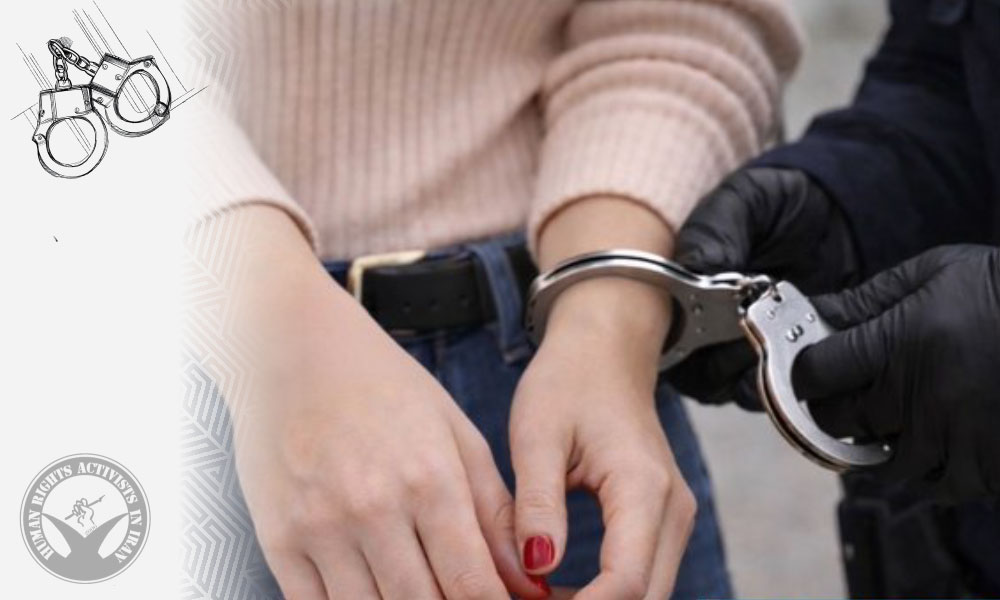
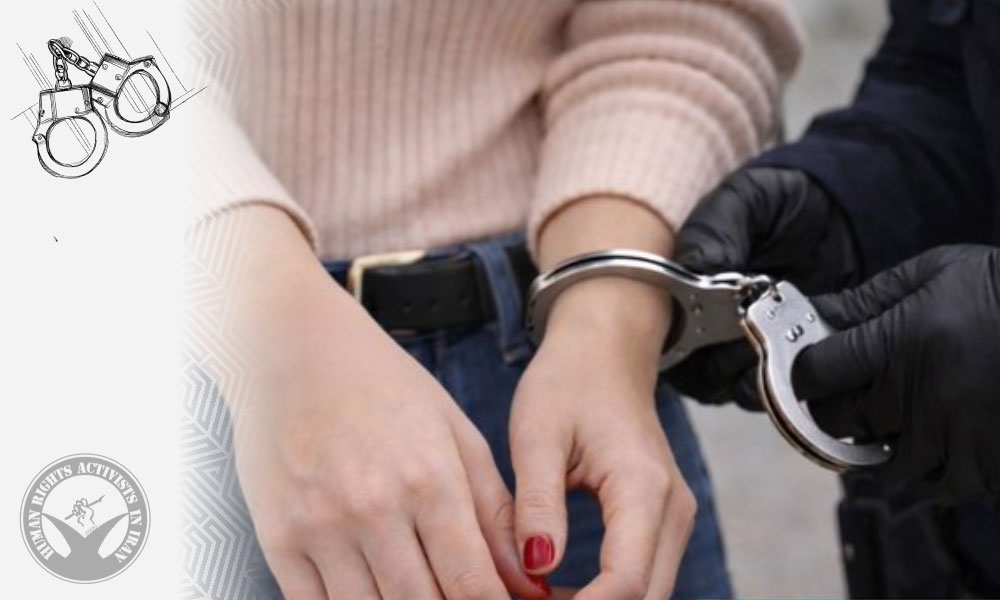
Report on the Arrest of Hossein Zarabian, a Specialist Physician in Isfahan

HRANA  – Hossein (Babak) Zarabian, a specialist in infectious diseases, has been arrested by security forces at his private residence in Isfahan for more than two weeks, and no information has so far been obtained regarding his place of detention.

A source familiar with the case told HRANA that the arrest of this specialist physician took place on January 14 at his home in Isfahan and was due to his assistance to injured protesters. According to the source, there has been no information to date about Mr. Zarabian’s whereabouts. His relatives have visited security and judicial authorities to follow up on his case, but despite expressing readiness to post bail and requesting information about his place of detention, they have not received any clear response.

As of the time of this report, no information is available regarding the charges brought against this citizen.

Hossein (Babak) Zarabian holds a doctorate in medicine and is a specialist in infectious and tropical diseases. Prior to his arrest, he was working at Milad Hospital in Isfahan.

It is worth noting that gatherings and strikes by shopkeepers and market traders began in Tehran on December 28 and after two days spread beyond markets and commercial centers. With the participation of students, citizens, and various social groups, these protests became one of the most widespread movements in recent years. For further information, readers may refer to HRANA’s detailed report on the 31st day of the protests, published last night.

Thirty-First Day Since the Start of the Protests; Continued Internet Blackout, First Court Hearing Held

HRANA – According to the latest aggregated data compiled by HRANA as of the end of the thirty-first day since the start of the protests, the total number of confirmed deaths has reached 6,221. Of these, 5,858 were protesters, 100 were children under the age of 18, 214 were forces affiliated with the government, and 49 were non-protester civilians. The number of deaths still under investigation has been reported as 17,091. The total number of arrests has reached 42,324. The number of severely injured individuals stands at 11,017, and 261 cases of forced confessions being broadcast have been recorded. Additionally, 11,026 people have been summoned to security institutions. The total number of recorded protest-related incidents is 656 across 201 cities in 31 provinces.

The main developments on the thirty-first day since the start of the protests included the continued policy of controlling communications and cracking down on alternative access tools, the continuation of both scattered and mass arrests, the holding of the first court hearing related to the protests in Malard, as well as pressure and threats against medical staff.

Continued Internet Disruptions and Shutdowns; Economic Losses and Security Crackdown on Starlink

Following the aftermath of the protests, the “digital blackout” and severe restrictions on internet access continue to be reported as one of the main axes of controlling and managing the public sphere. NetBlocks data indicate the continuation of a restricted, “whitelist-based” situation; such that even in cases where some networks have become “globally visible,” this does not mean a return to normal internet access, and public connectivity remains blocked or highly unstable. Within this framework, reports have emerged of entering the nineteenth day of a “complete internet shutdown,” alongside the formation of quota-based access mechanisms for certain groups. Among these, holders of commercial cards have reportedly been granted only limited and short-term access (approximately 20 minutes per day) at chambers of commerce and under supervision, a situation that effectively transforms the internet from a public service into a security-administrative privilege.

At the same time, the economic costs of this situation have been highlighted in official statements. According to remarks by the Minister of Communications, the internet shutdown has caused daily losses of hundreds of billions of tomans to the digital economy and several trillion tomans to the national economy. These figures, together with field reports of supply chain disruptions, stalled transactions, and reduced access to basic services, highlight the economic consequences of the communications shutdown policy.

In this regard, the Iranian Writers’ Association issued a statement referring to killings, widespread arrests, and overcrowded prisons, condemning the ongoing crackdown.

Security measures targeting alternative means of internet access have also intensified. Reports indicate the discovery and confiscation of dozens of Starlink devices, explicitly described as “anti-security goods,” demonstrating that information control is not limited to cutting off official networks and that alternative communication routes have also become targets of security policies.

Arrests and Crackdowns; First Court Hearing Related to the Protests in Malard

Aggregated reports from the days following the nationwide protests indicate that the wave of arrests and security crackdowns has continued across various cities, remaining scattered yet widespread. In some cases, the arrest of citizens has been reported in areas such as Zahedan, Torbat-e Jam, and Sabzevar, while in others, arrests have been documented in Gorgan, Dehgolan, Javanrud, Babol, and Lahijan. This geographic spread, alongside the large number of cases, points to the continuation of a pattern of “post-event cleansing” (arrests carried out after street protests subside) aimed at controlling social networks and local environments.

On a broader scale, reports have emerged of the arrest of 224 citizens, the majority of whom were detained in Qazvin. According to these reports, 219 individuals were arrested under the label of “leaders of the protests,” with additional cases reported in Qarchak and Shahroud. Alongside the arrests, there is also evidence of the detention of injured protesters, including reports indicating that some individuals were arrested while their medical treatment had not yet been completed, a pattern of conduct that violates the most fundamental human rights, including the right to medical care.

The holding of the “first court hearing related to the January protests” in Malard is regarded as the starting point of a broad series of trials. In this case, the subject of the court session was announced as the death of a FARJA (Law Enforcement Command) officer, and images from the hearing were also published. Mohammad Abbasi has been introduced as the primary defendant in the case. The conduct of the trial, including statements by the court-appointed lawyer made against the interests of the defendant, has prompted criticism from human rights organizations over the lack of fair trial standards. This case also involves another defendant.

Use of Schools as Suppression Bases; Expanded Security Presence in Public Spaces

Reports also shed light on the tools and spaces used for urban control. Among them is the publication of an image of a school in Arak (Imam Ali School), which is said to have been used as a base for suppressing protesters. The use of educational spaces for the deployment of forces and operational management, in addition to its direct impact on citizens’ safety, has secondary consequences such as fostering social fear, disrupting educational environments, and normalizing a security presence within public institutions.

Alongside these developments, field reports also point to restrictions on mourning practices and pressure on the families of those killed, including preventing the installation of banners and the holding of memorial ceremonies, as well as the removal or destruction of signs of mourning in public spaces. Taken together, these data indicate that the crackdown has not been limited to controlling the streets, but has extended to controlling narratives, collective memory, and even mourning rituals.

Crackdown on Medical Staff and the Arrest of Doctors; Securitizing Healthcare and Humanitarian Aid

Reports indicate that medical staff, particularly doctors and those who treated individuals injured during the protests, have been subjected to pressure and security crackdowns. In one case, Farhad Nadali, a physician at 5 Azar Hospital in Gorgan, was reportedly arrested by IRGC Intelligence for treating individuals injured in the protests and for opposing the deployment of armed forces inside the hospital. It has also been alleged that armed forces fired at protesters from the hospital rooftop, an allegation which, if confirmed, would point to the transformation of medical centers into components of the suppression apparatus.

In another case, the arrest of Babak Pouramin (an emergency medicine specialist) in Neyshabur was reported. He was reportedly arrested on January 19 and transferred to Vakilabad Prison in Mashhad, has had only limited contact with his family, and has been denied access to legal counsel. The same report also states that some doctors have been threatened with accusations such as “helping injured individuals escape from the hospital.”

Additionally, reports point to the arrest of Dr. Ameneh Soleimani in Ardabil and Ali Fakher, a retired nurse in Sirjan, for providing aid to injured protesters; the detention of members of Mr. Fakher’s family has also been mentioned. Taken together, these cases point to a troubling pattern: the securitization of healthcare, the criminalization of humanitarian assistance, and pressure on medical networks as a means of reducing support capacity for the injured and controlling the human consequences of the protests.

Official Statements; Protest-Related Damages in Gilan and the Government Spokesperson’s Position

Official authorities have attempted to focus attention on the damages caused by the protests. Among these, the estimated damages from the “recent incidents” in Gilan Province were announced to exceed 3 trillion tomans, with references to damage and fires affecting parts of Rasht’s bazaar. At the same time, the government spokesperson, Fatemeh Mohajerani, referred to “collective mourning” and the state’s responsibility toward those affected, while also stressing a distinction between “legitimate protesters” and “deviant currents.” Such formulaic statements have repeatedly been used by state institutions to justify their conduct in suppressing protesters.

Updated (Aggregated) Statistics as of the End of the Thirty-First Day Since the Start of the Protests

Number of recorded gatherings/protests: 656
Number of cities involved (no duplication): 201
Number of provinces involved (no duplication): 31
Total arrests: 42,324
Broadcasts of forced confessions: 261 cases
Summonses to security institutions: 11,026 cases
Severely injured individuals: 11,017
Confirmed deaths: 6,221

▪️ Protesters: 5,858
▪️ Children (under 18): 100
▪️ Government-affiliated forces: 214
▪️ Non-protesters / civilians: 49

Deaths under investigation: 17,091

Summary

The thirty-first day since the start of the protests passed amid the continued policy of controlling communications and cracking down on alternative access tools. At the same time, reports pointed to scattered yet widespread arrests, as well as pressure on the injured and their families. The first protest-related court hearing in Malard marks the consolidation of a judicial approach aimed at imposing severe penalties on protesters, drawing warnings from human rights groups regarding fair trial guarantees. Additionally, pressure on medical staff, the arrest of doctors and aid workers, and reports of public spaces such as schools being used as bases for suppression highlight new dimensions of the continued security crackdown in the aftermath of the protests.

Nationwide Protests: Arrest of 224 Citizens in Several Cities

HRANA – In recent days, three protesters in the city of Qarchak and two others in Shahrud were arrested by law enforcement forces in connection with the protests. At the same time, 219 protesting citizens in Qazvin were arrested under the label of “leaders of the protests.”

According to Tasnim News Agency, the police commander of Qarchak accused these citizens of “setting fire to an ambulance belonging to Shahid Sattari Hospital.” He also claimed that they “attacked the emergency medical staff of Qarchak while they were carrying out a medical mission and assaulted them.”

State broadcaster IRIB also reported the arrest of two individuals in Shahrud.

The police commander of Semnan Province described the detained citizens as being involved in the “destruction and arson of several banks in Shahrud.”

Simultaneously, the police commander of Qazvin Province announced the arrest of 219 citizens, referring to them as the “main leaders of the protests.”

These reports did not provide any information regarding the identities or places of detention of the arrested citizens.

It is worth noting that gatherings and strikes by shopkeepers and bazaar merchants began in Tehran on Sunday, December 28, and after two days extended beyond bazaars and commercial centers. With the participation of students, citizens, and various social groups, these protests turned into one of the most widespread demonstrations of recent years. For more information, readers can refer to HRANA’s detailed report on the thirtieth day of the protests, which was published last night.

Ali Asadollahi Arrested by Security Forces in Tehran

HRANA – On January 25, Ali Asadollahi, a poet and writer, was arrested in Tehran by agents of the Ministry of Intelligence.

Based on information received by HRANA, Mr. Asadollahi was arrested last night at his private residence in Tehran by agents of the Ministry of Intelligence. As of the time of this report, no information has been obtained regarding the reasons for his arrest or the charges brought against him.

Ali Asadollahi, a poet, writer, and member of the Iranian Writers’ Association, had previously been arrested during the nationwide protests of 2022.

It is worth noting that gatherings and strikes by shopkeepers and bazaar merchants began in Tehran on Sunday, December 28, and after two days extended beyond bazaars and commercial centers. With the participation of students, citizens, and various social groups, these protests turned into one of the most widespread demonstrations of recent years. For more information, readers can refer to HRANA’s detailed report on the thirtieth day of the protests, which was published last night.

Day Thirty of the Protests: From Internet Disruptions to the Pursuit of the Injured

HRANA – According to the latest aggregated data compiled by HRANA, on the thirtieth day since the start of the protests, the total number of confirmed deaths has reached 6,126. Of these, 5,777 were protesters, 86 were children under the age of 18, 214 were forces affiliated with the government, and 49 were non-protesters or civilians. The number of deaths still under investigation stands at 17,091.
The total number of arrests has reached 41,880, the number of severely injured individuals 11,009, and 245 cases of forced confessions broadcast have been reported. The number of individuals summoned by security institutions is 11,024. Overall, 651 protest-related incidents have been recorded across 200 cities in 31 provinces.

On the thirtieth day of the protests, the continuation of communication control policies, the ongoing wave of arrests, and growing concerns over the safety of medical centers for the injured have been among the most significant developments. In addition, government pressure on journalists and the transfer of injured protesters from hospitals to detention facilities persisted, prompting international reactions.

Ongoing Internet Disruptions and Shutdowns: Pressure on Information Flow and Economic Impact

On the thirtieth day of the protests, widespread internet disruptions and shutdowns have remained one of the government’s main tools for restricting the flow of information and reducing protesters’ ability to organize. NetBlocks has reported that the internet shutdown has entered its eighteenth day, while restrictions on circumvention tools have simultaneously intensified. This situation has effectively caused serious disruption to citizens’ access to information, communication with family members, online services, and independent media. In this context, Iran’s Minister of Communications, referring to the economic consequences, stated that the cost of the internet shutdown amounts to “five trillion tomans per day” (approximately 35 million dollars). Beyond its impact on online businesses, this figure reflects direct repercussions for household livelihoods and small and medium-sized economic activities.

At the same time, Sazandegi newspaper, in an analytical report, described the nationwide internet shutdown as a sign of policy failure and a crisis in communications governance. It emphasized that broad blockage not only prevents the transmission of news and images about the protest situation, but also leads to declining public trust, heightened uncertainty, and deepening economic damage.

Meanwhile, the International Federation of Journalists has issued statements in response to the security forces’ crackdown on journalists and media activists, reporting the arrest of two photojournalists: Hamed Araghi, arrested in Tehran, and Artin Ghazanfari, arrested in Mashhad following a search of his home and the seizure of his equipment. This stance, alongside the ongoing internet shutdown, presents a clear picture of the government’s systematic efforts to control the public narrative: cutting communications to limit the spread of news, while simultaneously arresting and pressuring journalists and photographers to restrict content production and on-the-ground documentation. Taken together, developments on the thirtieth day of the protests show that information control remains one of the central pillars of the repression policy, extending beyond “filtering” to “complete blockage,” “increased social and economic costs,” and the “securitization of media activity.”

Escalation of Mass Arrests and Intensified Security Measures

In recent days, reports indicate widespread arrests across various cities. Alongside scattered detentions of citizens in multiple locations, news has emerged of the arrest of more than 300 citizens in Semnan Province, as well as the detention of at least 54 citizens in cities including Yazd, Zanjan, and Malard. On an individual level, cases such as the arrest of a poet and writer in Tehran and the arrest of a Bahá’í citizen in Mashhad (followed by transfer to Vakilabad Prison) reflect the wide range of individuals targeted by security measures.

Security measures have not been limited to arrests alone, with labor activists, religious minorities, and athletes also facing pressure, alongside efforts to control the flow of information. Reports also point to the ongoing broadcast of “forced confessions” as part of an intimidation strategy and the state’s narrative-building around the protests, while some arrests have been accompanied by families being kept uninformed of detainees’ whereabouts. Taken together, these developments indicate that on the thirtieth day of the protests, security agencies continue to pursue an approach centered on mass arrests, intimidation, and control of the narrative.

Updated (Cumulative) Statistics as of the End of the Thirtieth Day of the Protests

• Number of recorded gatherings/protests: 651

• Number of cities (no repetition): 200

• Number of provinces (no repetition): 31

• Total arrests: 41,880

• Arrested students: 62

• Broadcast of forced confessions: 245

• Summoned to intelligence/security agencies: 11,024

• Severely injured individuals: 11,009

• Confirmed fatalities: 6,126

▪️ Protesters: 5,777
▪️ Children (under 18): 86
▪️ Forces affiliated with the government: 214
▪️ Non-protesters/civilians: 49

• Fatalities under investigation: 17,091

Concerns Over Seeking Medical Care and Reports of the Pursuit and Arrest of the Injured

One of the key developments in recent days has been the growing number of reports about injured individuals fearing visits to medical centers, as well as reports of wounded protesters being pursued and arrested in hospitals. Iran’s Ministry of Health has implicitly acknowledged the existence of such concerns and, while emphasizing that seeking treatment at medical facilities “poses no concern,” has urged the injured to refrain from treating themselves at home. In this context, it has been stated that approximately 3,000 injured individuals have sought medical care at treatment centers in recent days.

At the same time, the UN Special Rapporteur on the situation of human rights in Iran has expressed serious concern over numerous reports of the “abduction of injured individuals from hospitals” and their transfer to detention facilities, describing these actions as a clear violation of the right to access medical treatment. According to published accounts, security forces identify individuals wounded in connection with the protests and remove them from hospitals for arrest. This practice not only discourages the injured from seeking medical care, but also increases the risk of aggravated injuries and higher mortality due to lack of treatment. In addition, reports have emerged of pressure on medical staff, including threats or arrests of doctors and nurses who have treated the injured. In response, more than 4,000 physicians have signed a statement condemning security forces’ crackdown with medical personnel. These conditions indicate that in recent days, the “medical space” itself has become securitized, and free and safe access to healthcare is facing serious threats.

Domestic Positions, Denials, and Official Narratives

The hardline, pro-regime newspaper Kayhan has strongly opposed proposals for the “pardon or release of detainees,” effectively rejecting any form of retreat in the face of the protests. This stance can be interpreted as an effort by the government’s hardline factions to prevent the emergence of fractures within the ruling establishment and to preserve a security-driven, repressive policy. By emphasizing harsh measures against protesters, Kayhan effectively calls on the government to continue arrests, threats, and control of the public sphere rather than pursuing de-escalation.

On the other hand, Tehran Province Prisons Organization has denied reports regarding the detention of injured protesters in Fashafuyeh Prison and their lack of access to medical services. These official denials come despite numerous reports of families being kept uninformed, concerns over detainees’ health conditions, and difficulties in accessing medical care. Given past experiences with officials’ statements, as well as media and human rights reports, these denials have been met with serious doubt, particularly as simultaneous United Nations reports emphasize the abduction of injured individuals from hospitals and their transfer to detention facilities.

Alongside these developments, some local and security officials have also sought to present a more acceptable narrative of the deadly crackdown by citing casualty figures from both sides of the conflict. For example, the commander of the IRGC in Lorestan Province reported that 334 people were injured during protests in the province and also cited the deaths of two IRGC members and three Basij forces. This type of narrative-building is typically aimed at highlighting casualties among government forces and creating justification for intensified repression. Reports of widespread arrests in certain provinces (including Semnan) have also been published, indicating the continued reliance on a security-based approach to managing the protests.

Overall, the government’s domestic positions on the thirtieth day of the protests can be summarized as follows: denying or rejecting reports of human rights violations against protesters in prisons and medical centers; emphasizing threats and harsh measures through outlets such as Kayhan; presenting security-driven narratives of the protests by commanders and officials; and maintaining arrests and pressure as primary tools of social control. These positions indicate that the government continues to frame the situation as a national security crisis, with no signs of reduced violence or a move toward accountability.

In Conclusion

The thirtieth day of the nationwide protests passed amid the continued shutdown and disruption of internet access as a constant element of the policy to control narratives. At the same time, widespread arrests, an increase in summonses, and the ongoing broadcast of forced confessions were reported. Concurrently, concerns over the safety of medical centers for the injured and reports of the pursuit and arrest of wounded individuals have generated new human rights concerns regarding the right to access medical care. Domestically, some media outlets and official bodies have emphasized the continuation of a hardline approach, while reports on the condition of detainees and the injured have been met with official denials. Collectively, these developments indicate that on the thirtieth day as well, repression and communication control continued, the cumulative figures indicate that the social consequences of this crackdown are becoming increasingly widespread.

Subscribe to Our Newsletter

Now is definitely not the time to stop reading!

Nationwide Protests: Over 300 Citizens Arrested in Semnan

HRANA – The governor of Semnan announced that more than 300 citizens have been arrested in connection with the recent protests in the province.

According to Tasnim News Agency, the governor of Semnan stated that more than 300 individuals have been detained in the province, and that other cases are being handled and legally reviewed through the posting of bail and written commitments. He described those arrested as the “main ringleaders of the unrest.”

This report does not provide details regarding the identities of the detainees, their place of detention, or the charges brought against them.

It is worth noting that gatherings and strikes by shopkeepers and bazaar merchants began in Tehran on Sunday, December 28, and after two days extended beyond bazaars and commercial centers. With the participation of students, citizens, and various social groups, these protests became one of the most widespread demonstrations in recent years. For more information, readers may refer to HRANA’s detailed report on the twenty-ninth day of the protests, which was published last night.

Nationwide Protests: At least 150 Women and Female Students Transferred to Shiraz Prison

HRANA – At least 150 women detained in connection with the nationwide protests, most of whom are female students, have been transferred to the political ward of Adelabad Prison in Shiraz, a ward that lacks the capacity and facilities to accommodate this number of prisoners.

Based on information received by HRANA, the majority of these 150 detained women are female students. They have been transferred to the political ward of Adelabad Prison in Shiraz, a room that does not even have sufficient space for 30 people. Additionally, a number of other detained women have been moved to wards designated for prisoners accused of murder, drug-related crimes, theft, as well as to the juvenile ward.

According to informed sources, over the past two weeks, the women’s ward in this prison has been without telephone access, and limited, booth-style visits were only allowed during the second week. Moreover, food shortages have resulted in a single standard meal, previously allocated to one prisoner, now being shared among four people. In addition, for the past two months, certain food items such as fresh produce have not been supplied to the prison; items available at the prison store are scarce and expensive, and even drinking water is not provided to prisoners. Female prisoners housed in the prayer hall must also queue after 11 a.m. and go to the quarantine ward in order to use restroom and bathing facilities.

At the same time, several female prisoners from wards for financial and political crimes, including Hakimeh Honarmandi, a political prisoner, and Roya Sabet, a Baha’i citizen, have been transferred to the prison’s prayer hall, a space that lacks even basic sanitary facilities.

The identities of those detained, as well as the number of individuals under the age of 18 among them, are still under investigation by HRANA.

It is worth noting that gatherings and strikes by shopkeepers and bazaar merchants began in Tehran on Sunday, December 28, and after two days extended beyond bazaars and commercial centers. With the participation of students, citizens, and various social groups, these protests became one of the most widespread demonstrations in recent years. For more information, readers may refer to HRANA’s detailed report on the twenty-ninth day of the protests, which was published last night.

Day Twenty-Nine of the Protests: Threats of Property Confiscation and the Continuation of Blocking and Intimidation Policies

HRANA – According to HRANA’s latest aggregated data on the twenty-ninth day of the protests, the total number of confirmed deaths has reached 5,848. Of these, 5,520 are protesters, 77 are children under 18, 209 are government-affiliated forces, and 42 are non-protesters or civilians. The number of deaths still under investigation stands at 17,091. Total arrests have reached 41,283; the number of people with severe injuries is 7,804; and 240 cases of forced confessions being broadcast have been reported. The number of individuals summoned to security institutions has reached 11,023. A total of 645 protest-related incidents have been recorded across 197 cities in 31 provinces.

On the twenty-ninth day of the protests, the continuation of communication control policies, ongoing arrests and security confrontations, alarming reports of severe physical injuries, particularly to the eyes, and increased pressure on medical staff, alongside threatening statements by judicial and government officials, were among the key developments of the day.

Continued Internet Disruptions

On the twenty-ninth day of the protests, Iran’s government continues to disrupt and restrict internet access in order to maintain repression and control the flow of information. Available reports indicate that these limitations have not only failed to end but have continued in the form of “short and unstable connections”, a pattern that at times leads users to believe the internet has returned, while in practice stable quality and access are not restored. As a result, some sources report that the restrictions have persisted for more than 17 consecutive days; limitations that, in many parts of the country, have reduced internet access to a minimal level and disrupted access to vital services.

Alongside widespread shutdowns or severe bandwidth reductions, there is evidence of the implementation of a policy of “selective access,” whereby only certain pre-approved or limited services remain available to some users, effectively turning the online space into a controlled environment. This policy has posed serious obstacles to the dissemination of news and the documentation of violence and arrests, while simultaneously targeting civil coordination and the capacity to organize protests.

Internet disruptions have extended beyond the political and security sphere, directly impacting everyday economic activity. In one example, some traders are granted controlled internet access only during very limited windows, sometimes as little as 20 minutes per day. Under these conditions, there has even been discussion of the government monitoring internet usage. Such circumstances demonstrate that internet restrictions have gone beyond “controlling protests” and have become a tool for broader management and surveillance of communications.

The internet shutdown has also inflicted significant damage on the country’s economy. Some reports speak of daily losses amounting to several thousand billion tomans due to communication disruptions, emphasizing that the true impact of these losses is not limited to direct figures; their cascading effects can push commerce, online services, money transfers, company operations, and even access to essential services into crisis. The continuation of this situation, especially while society simultaneously faces security pressures and livelihood crises, has intensified social and economic harm.

Overall, the internet remains in a state of permanent crisis: unstable connections, selective access, a severe drop in quality, and the use of communication restrictions as a complement to street-level repression and mass arrests. This trend has not only cut off channels of information and coordination but has also noticeably disrupted the economic and social lives of citizens.

Arrests and Crackdowns

The pattern of widespread and targeted arrests also persisted. Reports indicate that arrests have taken place in various cities, with a particular focus on ordinary citizens, students, and individuals suspected of participating in or supporting the protests. In addition to individual arrests, there is evidence of mass detentions in some areas and provinces, such that in certain cities the number of detainees has reached dozens within a short period of time.

Alongside arrests, tools of intimidation and psychological pressure have been deployed in parallel. The release of videos or reports featuring forced confessions reflects an escalation of security measures in the media and psychological sphere, an approach aimed at instilling public fear, undermining the credibility of protesters, and controlling the narrative of the protests within the country. There have also been reports of summonses, interrogations, and the application of security pressure on the families and relatives of detainees.

Taken together, an assessment of the arrest situation on the twenty-ninth day shows that security agencies continue to focus on expanding arrests, exerting pressure on social and student activists, and using forced confessions as a complementary tool of repression.

Updated (Cumulative) Statistics as of the End of the Twenty-Ninth Day

Number of recorded gatherings/protests: 645
Number of cities involved (no duplicates): 197
Number of provinces involved (no duplicates): 31
Confirmed deaths: 5,848

▪️ Protesters: 5,520
▪️ Children (under 18): 77
▪️ Government-affiliated forces: 209
▪️ Non-protesters / civilians: 42

Deaths under investigation: 17,091
Severely injured: 7,804
Total arrests: 41,283
Broadcasts of forced confessions: 240 cases
Summonses to security institutions: 11,023 cases

Eye Injuries

One of the consequences of the violent suppression of protesters has been the rise in severe eye injuries resulting from the use of pellet guns or shots fired at the face by suppressive forces. Medical reports and documented accounts indicate that a significant number of protesters have sought treatment for deep injuries to the eyes, face, and eyelids, injuries that in many cases have required emergency surgery and carried the risk of vision loss or even eye removal.

In this context, reports have emerged from Farabi Specialized Eye Hospital indicating that around one thousand individuals with ruptures and severe eye injuries were admitted over a certain period of time. According to these accounts, the hospital’s treatment capacity was insufficient to cope with the volume of injured patients, placing immense strain on medical facilities. The severity of the crisis was such that equipment and stretchers from other hospitals were reportedly used to hospitalize and manage the influx of patients.

The continued documentation of such injuries on multiple days of the protests shows that “eye injury” is not merely a collateral consequence, but rather a recurring pattern of violence that constitutes a significant part of the on-the-ground reality of the 1404 protests and must be documented independently in final reports.

Pressure on Medical Staff and the Minister’s Expression of Thanks

Reports indicate an escalation of security pressure on medical staff and the transformation of medical centers into sites of heightened tension. Field accounts suggest that security forces have, in some cases, entered sensitive hospital wards, even intensive care units (ICUs), with this presence accompanied by threats of arrest and the creation of an atmosphere of fear that has interfered with the treatment of the wounded. As a result, some reports describe efforts by medical staff to hide injured protesters or take emergency measures to prevent their arrest.

At the same time, reports have also been published about the arrest of doctors and paramedics for treating protesters, an issue that directly targets the principle of medical neutrality and the right of the injured to access care. In one instance, the arrest of at least several doctors, as well as the detention of a volunteer paramedic, has been reported; the latter is said to have turned their home into a place of refuge and treatment for the wounded.

However, the health minister has thanked medical staff for saving the lives of thousands of injured people. This “official appreciation” stands in contrast to “security pressure,” in a situation where doctors and nurses, on the one hand, carry out their humanitarian mission of providing care, and on the other, face threats, arrest, or security restrictions.

Position of Iran’s Judiciary and Parliament: Threats of Property Confiscation and Announcement of Damages

On the twenty-ninth day of the protests, official statements by the government continue to emphasize the intensification of judicial and security measures. As an example, the head of the judiciary explicitly stated that no leniency should be shown toward individuals whom the authorities claim have “taken up arms”, a stance that effectively paves the way for harsher punishment, the issuance of heavy sentences, and a reduced likelihood of fair judicial proceedings.

At the legislative and governmental levels as well, there is talk of threats and punishment. The government spokesperson has spoken of the possibility of full confiscation of the property of individuals accused of “encouraging or cooperating” with the protests, noting that even such support could be framed as a serious criminal charge. Along with direct street-level repression and arrests, such threats function as a broader tool of social intimidation and economic pressure on the protesters and their families.

Meanwhile, Iran’s parliament has pursued a path of “political confrontation” in response to international developments, particularly resolutions issued by external bodies. Reports indicate that Iran’s parliament has condemned resolutions issued against the suppression of protesters and has sought to portray the protests as “riots” and “damage to public property.” By simultaneously highlighting financial losses, this policy aims to bolster the legitimacy of repression through portraying the situation as a “security crisis.”

In this vein, various figures regarding financial damages have been announced. For example, reports have cited damages amounting to 1,200 billion tomans in a single province, including harm to banks, public facilities, and even reported damage to emergency vehicles. In official media discourse, such figures are often used to reinforce the authorities’ narrative justifying harsh measures, while at the same time numerous reports of killings, severe injuries, eye trauma, and mass arrests remain unaddressed, with no clear accountability presented regarding the actions of suppressive forces.

Alongside these positions, the propaganda environment has also shown signs of escalating tension and securitization, including the display of symbolic messages in public spaces and the amplification of scenarios involving external confrontation. Taken together, these trends indicate that on the twenty-ninth day of the protests, the ruling establishment has sought to entrench the path of repression and raise the cost of protest for society through a combination of judicial threats, economic pressure, security-driven narrative construction, and the emphasis on financial damages.

Summary

The twenty-ninth day of the nationwide protests unfolded amid HRANA’s cumulative statistics showing a significant increase in fatalities, arrests, and cases of severe injury. At the same time, the continued disruption and shutdown of the internet remained a primary tool for controlling and suppressing the flow of information and restricting public communications, severely hindering the documentation of human rights violations, the monitoring of detainees’ conditions, and the transmission of on-the-ground accounts.

Day Twenty-Eight of the Protests: Arrests, Uncertainty Over Detainees’ Fate, and International Calls for Accountability

HRANA – According to HRANA’s latest aggregated data on the twenty-eighth day of the protests, the total number of confirmed fatalities has reached 5,459. Of these, 5,149 were protesters, 60 were children under the age of 18, 208 were government-affiliated forces, and 42 were non-protesters or civilians. The number of deaths currently under investigation stands at 17,031.

The total number of arrests has risen to 40,887, including at least 325 children and 54 university students. The number of severely injured individuals has been reported as 7,403, and 205 cases of forced confessions being broadcast have been documented. The number of individuals summoned by security agencies has reached 11,023. In total, 641 protest-related incidents have been recorded across 195 cities in 31 provinces.

On the twenty-eighth day of the protests, developments focused on the issuance of a resolution by the Human Rights Council, the continued policy of restricting communications, and the rising figures related to the suppression of protesters.

Escalation of Arrests and Targeted Repression

On the twenty-eighth day of the protests, targeted arrests and security pressure on citizens, activists, and the families of protesters continued in an overt, though dispersed, manner. Verified reports from various provinces indicate that security agencies are seeking to monitor and identify protesters or those with prior records, and subsequently summon them. Their focus has been primarily on major cities and areas that have witnessed the highest levels of demonstrations in recent days.

In addition to street and mass arrests, a new pattern of so-called “home arrests” and raids on residences, workplaces, and even schools and universities has been observed. Over the past 24 hours, several arrests have been reported in Tehran, Shiraz, Kerman, Rasht, Semnan, Islamabad-e Gharb, and even smaller towns. The names of a number of detainees, including students and teachers, labor activists, Yarsani and Baha’i citizens, and even adolescents under the age of 18, have been published by human rights media outlets and HRANA News Agency. In some cases, security forces, after making arrests, have confiscated electronic devices, mobile phones, and even books and personal belongings.

Meanwhile, some detainees have faced charges such as “leading protests,” “communicating with foreign media,” or “acting against national security.” At least five new forced confession videos were broadcast over the past day by media outlets affiliated with security institutions. These confessions are often obtained under unclear conditions, without access to an independent lawyer, and under pressure.

Credible reports have also emerged regarding the collective transfer of detained women and teenage girls to the political ward of Adelabad Prison in Shiraz, despite severe shortages of facilities and capacity, raising serious human rights concerns. Families of detainees seeking information about the condition of their loved ones have faced obstruction, threats, and even summonses, and in some cases have been compelled to provide written pledges to remain silent or refrain from speaking to the media.

The pressure has not been limited to arrests; summonses to security institutions and threatening phone calls and text messages have also taken on new dimensions. HRANA’s aggregated data indicate that more than 11,000 individuals have been summoned by security agencies to date. In some cities, teachers, students, workers, and even figures from the arts and sports communities have been targeted.

Continued Internet Disruptions and Shutdowns and Their Negative Impact on Information Flow and Daily Life

On the twenty-eighth day of the protests, widespread disruptions and a nationwide internet shutdown in Iran remained one of the government’s primary security measures. According to updated reports from NetBlocks and field data, Iran has been in a state of “communications blackout” for the third consecutive week, with the total duration of internet outages exceeding 375 hours. Over the past day, only for brief periods were some users able to connect to the international internet through censorship-circumvention methods (tunneling or VPNs), and a limited number of platforms were temporarily exempted from filtering; however, this access was neither stable, nationwide, nor free.

Technical data published by NetBlocks emphasize that, contrary to claims by some state-affiliated media regarding a “40 percent restoration of internet access,” independent evidence and user assessments confirm only very limited, costly, and high-risk connectivity. According to human rights media, the communications blackout and the lack of free internet access have had direct consequences for documenting human rights violations, tracking the situation of detainees and the injured, and for everyday life, from work and education to healthcare services.

Even many field reports (such as the Rasht bazaar fire or the intensity of repression in Ahvaz and certain neighborhoods of Tehran) have been published with delays of several days, as journalists and families have faced extreme difficulty in sending images, videos, or firsthand accounts. Union and civil organizations, including the Tehran Journalists’ Association and the Iranian Sociological Association, warned that this situation has placed the media under pressure and deprived society of independent documentation of events.

Technology experts and digital rights activists assess this blackout not as a technical malfunction, but as a deliberate tool for control, intimidation, and preventing the spread of collective action and the free flow of information. Internet shutdowns have not only disrupted protests, but have also paralyzed the economy, education, healthcare, and even family communication in an unprecedented manner. Some have stressed that aside from Sudan’s 2021 coup, no nationwide internet shutdown of this scale and duration has been recorded.

Overall, on the twenty-eighth day of the protests, Iran remains in a situation where the communications blackout continues to be an inseparable part of the strategy of repression and narrative control, with citizens’ access to a free information space restricted to an unprecedented degree. This situation signals, not only for reporters and independent institutions but for society as a whole, the emergence of a new phase of control and obstruction in response to the wave of protests.

Civil and International Reactions

In recent days, civil and international reactions to the widespread repression of protests in Iran have continued to expand. Reports indicate that the voice of civil society, both inside and outside the country, has grown stronger, emphasizing government accountability and support for the demands of protesters.

At the domestic level, statements and collective responses from various professional and civil groups have continued. In a statement, the Board of Directors of the Iranian Sociological Association, referring to the killing of thousands of citizens and expressing deep concern over the current situation, called for an immediate halt to the cycle of violence, respect for civilian lives, and a serious reassessment of the government’s policy-making paths. The association emphasized that Iranian society is facing an accumulation of crises and an erosion of social cohesion, and that the normalization of death and violence will have devastating effects on public trust and the possibility of future coexistence. The Teachers’ Trade Association of Islamabad-e Gharb also issued a statement condemning the arrest of Abdollah Rezaei, a labor activist and a board member of the Harsin Teachers’ Trade Association, stressing that silence in the face of injustice amounts to complicity with the apparatus of repression.

At the international level, the dimensions of Iran’s crisis have become one of the main focal points for human rights bodies and global media. At an emergency session of the Human Rights Council held yesterday, the UN High Commissioner for Human Rights warned of the unprecedented scale of street killings, reported the continued repression and the deaths of thousands of people, including children, and emphasized that violence against protesters has turned into “the deadliest crackdown in Iran’s contemporary history.” The UN Special Rapporteur on the situation of human rights in Iran and the head of the Human Rights Council’s fact-finding mission, expressing alarm at field observations, called for accountability and independent investigations.

In connection with these developments, the European Parliament also adopted a resolution condemning the repression of protests, calling for the Islamic Revolutionary Guard Corps to be designated as a terrorist organization by the European Union and for sanctions to be imposed on officials of the Islamic Republic.

In addition, a number of well-known international figures, artists, athletes, and civil activists, have expressed support for the Iranian people’s protests through messages on social media and warned against the continuation of repression. These widespread reactions, occurring alongside the government’s efforts to restrict access to information and shut down the internet, have further underscored the importance of amplifying independent voices inside and outside the country.

Updated (Aggregated) Statistics as of the End of the Twenty-Eighth Day

Number of recorded gatherings/protests: 641
Number of cities involved (no duplicates): 195
Number of provinces involved (no duplicates): 31
Confirmed fatalities: 5,459

 Protesters: 5,149
 Children (under 18): 60
 Government-affiliated forces: 208
 Non-protesters/civilians: 42

Fatalities under investigation: 17,031
Severely injured: 7,403
Total arrests: 40,887
Arrests of individuals under 18: 325
Arrested university students: 54
Broadcasts of forced confessions: 205 cases
Summonses to security agencies: 11,023 cases

Summary

The twenty-eighth day of the protests passed amid unprecedented levels of repression, a nationwide internet shutdown, widespread arrests, particularly of adolescents and women, economic pressure, and growing concerns over organized crimes. In contrast, civil and international reactions have expanded, with increasing calls for an immediate end to violence and for those responsible to be held accountable. Iranian society, while experiencing one of the most painful junctures of its contemporary history, continues to endure and resist under the heaviest wave of denial and repression.

Day Twenty-Seven of the Protests: Strong Condemnation of Iran’s Regime at the UN Human Rights Council

HRANA – On the twenty-seventh day of nationwide protests, according to HRANA’s aggregated data, the number of confirmed deaths has reached 5,137, while cases still under review stand at 12,904. In addition, at least 7,402 people have suffered serious injuries during the protests, and the total number of arrests has risen to 27,797. These figures have been recorded as nationwide internet shutdowns and disruptions have entered their third consecutive week. The release of new reports on targeted arrests, the broadcast of forced confessions, and the extension of United Nations human rights mandates were among today’s other major developments, reflecting the government’s efforts to control the narrative and continue its crackdown on protesters.

On the twenty-seventh day of nationwide protests, developments continued along three main axes rather than showing any de-escalation:

1. the continuation of communication restrictions, with NetBlocks reporting the entry into a third week of internet shutdowns (348 hours);

2. the expansion of arrests and summonses, alongside the growing prominence of security-related cases and “forced confessions”; and

3. the intensification of international reactions, centered on a special session of the UN Human Rights Council and the adoption of a resolution extending the mandates of the Special Rapporteur and the fact-finding mission.

NetBlocks Reports 348 Hours of Internet Shutdown and “False Traffic”

One of the main focal points of today’s developments was the continued internet shutdown and the management of communications. According to NetBlocks, Iran’s nationwide internet blackout has entered its third week, reaching 348 hours. While noting a “slight increase in connectivity,” NetBlocks also reported signs of efforts to generate false traffic and to create the impression of a widespread restoration of internet access.

At the same time, media reports present a similar picture: on the one hand, some users have experienced limited connectivity for short periods; on the other hand, monitoring organizations say this access is neither stable nor widespread, and that indicators of a “staged return of the internet” are visible in the data.

The continuation of the internet shutdown has two direct effects on the protest movement:

A reduction in the speed and accuracy of documenting human rights violations (including identifying victims, recording the time and location of incidents, and enabling communication between families and media outlets or civil society organizations).

A shift in the form of protests and activism; as internet-based coordination tools are restricted, some actions move toward more fragmented, localized, and lower-cost forms, while at the same time citizens face greater difficulty in warning one another about the risks of arrest and other forms of government repression.

Additionally, in today’s international meetings, “internet shutdowns” were highlighted as one of the key examples of human rights violations, and the UN Human Rights Council emphasized, within its demands and expectations, the necessity of restoring citizens’ access to the internet.

Arrests, Summonses, Forced Confessions, and Fabricated Charges

On the twenty-seventh day, information on arrests and summonses emerged across several layers: HRANA’s field and news reports on scattered arrests in various cities; coverage of specific individual cases; and statistics and claims issued by security institutions regarding the scope of arrests and intelligence operations.

According to the published report, at least 22 citizens were arrested in the cities of Kerman, Tehran, Semnan, and Lumar in Ilam Province. At the same time, a video containing “forced confessions” from five citizens was released, with the circumstances of its recording reported as unclear. Additionally, news emerged of the recent arrests of Abdolreza Ghandehari (a teacher) and Mohsen Baver in Neyshapur and Abdanan.

In addition to the statistics and scattered arrests, there were reports of individual cases of arrest by security forces: HRANA reported that Artin Ghazanfari, a Baha’i citizen and photojournalist, was arrested at his private residence in Tehran on January 19 and transferred to an undisclosed location.

Another report also referred to individual arrests: Saeed Dorudi (a student) in Tehran, Danial Bahrami in Javanrud, and Vahid Latifnejad and Yazdan Azizi in Ilam were arrested. In addition, the commander of the Abdolazim Corps in Rey County announced the arrest of five individuals in the county, labeling them as “leaders of the protests.”

At another level, state-affiliated media also reported mass arrests, including reports of the detention of 148 people in Hamedan on charges such as “manufacturing and distributing hand grenades,” and allegations of links to “Israel and the Iran International network,” as well as news of the arrest of “three four-member teams involved in damaging public property” and two foreign nationals.

Meanwhile, the IRGC Intelligence, in its official narrative, spoke of the arrest and summoning of 735 individuals and the “guidance and admonition of 11,000 people,” while simultaneously making claims about the discovery of weapons and the identification of networks allegedly linked to foreign intelligence services.

In this context, forced confessions continue to be one of the government’s key tools in its “narrative-building project.” The release of confession videos usually serves two functions simultaneously: first, creating a climate of deterrence and social fear; and second, producing media material to attribute the protests to “external/organized agents” and to legitimize repression. Today’s reports indicate that this mechanism, alongside “quiet but large-scale arrests,” is becoming increasingly entrenched.

Special Session of the Human Rights Council: Adoption of a Resolution and Extension of the Mandates of the Special Rapporteur and the Fact-Finding Mission

The most significant international development related to the protests on the twenty-seventh day was the UN Human Rights Council’s special session on Iran, held in Geneva. The session took place on Friday, January 23, 2026, and was specifically dedicated to examining the human rights situation and the suppression of the January protests. During the session, the proposed resolution was adopted with 25 votes in favor. Under the resolution, the mandate of the Special Rapporteur on the situation of human rights in Iran was extended for one year, and the mandate of the UN fact-finding mission was extended for two years. This session was described as the third special session of the Human Rights Council on Iran over the past three years and was convened at the request of civil society organizations, with the support of 23 Council member states.

According to supplementary accounts, Cuba, Pakistan, Egypt, and China opposed the proposal and called for a vote. Ultimately, the resolution was adopted with 25 votes in favor, 7 votes against, and 14 abstentions.

In terms of substance, at the opening of the session, senior UN human rights officials expressed concern over the “unprecedented scale of violent repression” in reference to the scope of the protests and the Iranian government’s response. They highlighted reports of extrajudicial killings, the lethal and disproportionate use of force, mass arrests, and internet shutdowns as serious examples of human rights violations.

Mai Sato, the Special Rapporteur on the situation of human rights in Iran, also warned in her remarks that the use of terms such as “terrorist,” “rioter,” and “mercenary” by officials of the Islamic Republic to describe peaceful protesters serves to justify violence and obscure the popular nature of the protests. She emphasized that the use of lethal force must be a “last resort” and carried out in accordance with the principles of necessity, proportionality, and legality, principles which, she said, were widely violated during the January crackdown.

Updated Statistics (Cumulative)

Based on aggregated data recorded through the end of the twenty-seventh day of protests:

Number of recorded gatherings/protests: 640

Number of cities involved (no duplicates): 194 cities

Number of provinces involved (no duplicates): 31 provinces

Confirmed deaths: 5,137
    Protesters: 4,834
    Children (under 18): 54
    Government/affiliated forces (military and non-military): 208
    Non-protesters/civilians: 41

Deaths under investigation: 12,904

Severely injured: 7,402

Total arrests: 27,797

Arrests of individuals under 18: 175

Arrested students: 54

Broadcasts of forced confessions: 200 cases

Summary of the Twenty-Seventh Day

The twenty-seventh day of protests was marked by the continuation of internet shutdowns into a third week, an increase in arrests, and the growing use of forced confessions. At the same time, the UN Human Rights Council adopted a resolution extending the mandates of the Special Rapporteur and the fact-finding mission.

Alongside these developments, the geopolitics of the region and new sanctions have become increasingly intertwined with Iran’s internal crisis, further heightening the diplomatic sensitivity of Iran’s case.