At Least 15 Prisoners Executed in Iran on New Year’s Day

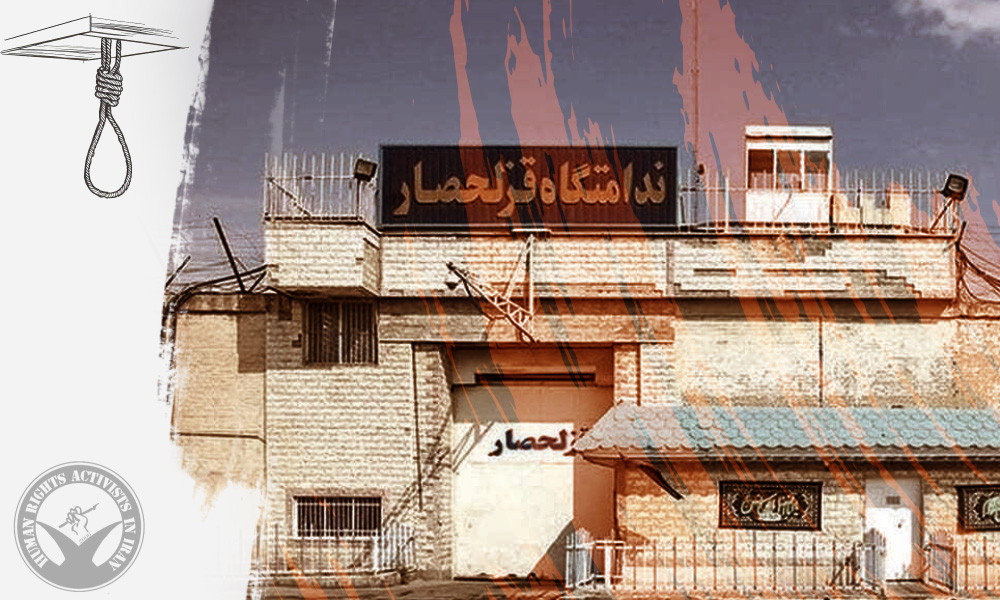
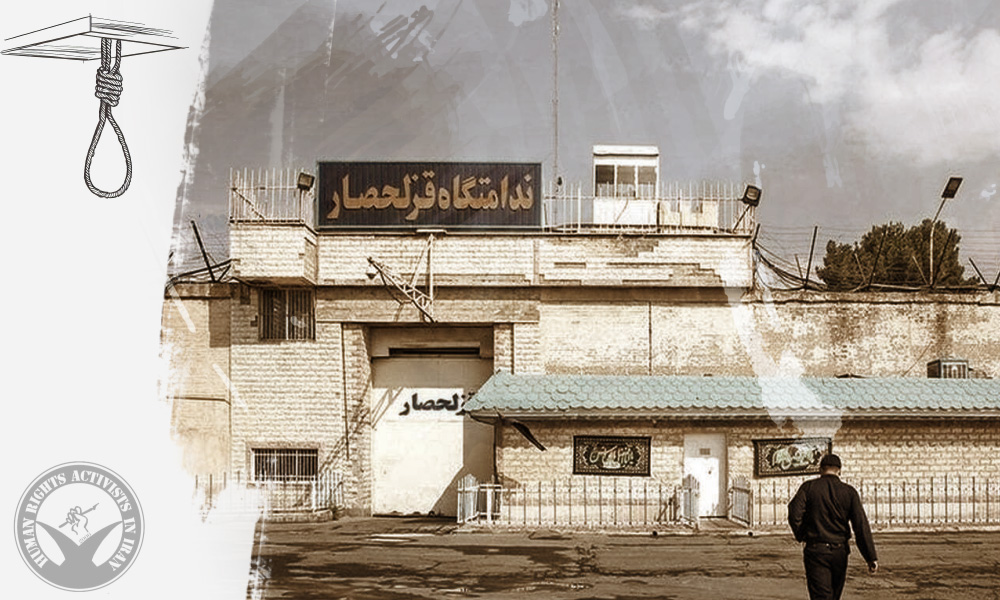
On the first day of the new year, at least 15 prisoners were executed in various prisons across Iran. The executions, carried out in Malayer, Bandar Abbas, Yasuj, and Ghezel Hesar (Karaj) prisons, involved individuals convicted of drug-related charges and murder.

Details of the Executions

  • Malayer Prison:
    Mohammad Shafi Mousavi, convicted of murder, was hanged at dawn.
  • Bandar Abbas Prison:
    Three prisoners were executed. One was identified as Hedayat Ghasemi from Rudan, convicted on drug-related charges. The other two, Afghan nationals, remain unidentified.
  • Yasuj Prison:
    Pezhman Masoudi Koushk, around 25 years old, was executed at dawn. He had been convicted of murder.
  • Ghezel Hesar Prison, Karaj:
    Ten prisoners were executed. Two of them, including Mohammad Hossein Mohammadi-Far and an Afghan national named Pasha, were convicted on drug-related charges.

    Eight others had been convicted of murder. Details of three cases, reported by Rokna, are as follows:

    • Arshia, born in the 2000s, killed his stepfather with a handgun during an argument in December 2022.
    • Amir, an Afghan national, was arrested in July 2022 for killing a man during a fight and was sentenced to death.
    • Another prisoner, who killed his brother-in-law in October 2022 over an inheritance dispute, was among those executed.

The executions come amid growing concerns about the rising number of death sentences in Iran.

In 2024, the Department of Statistics and Publication of Human Rights Activists in Iran documented 812 cases related to the right to life, including the sentencing of 214 individuals to death and the execution of 930 individuals. Among these, 4 executions were carried out in public. Of those executed, 818 were male, 26 were female, and 5 were juvenile offenders—individuals under 18 years old at the time of their alleged crimes.

Eight Death-Row Prisoners on the Verge of Execution in Ghezel Hesar Prison

Eight prisoners in Ghezel Hesar Prison, located in Karaj, have been transferred to solitary confinement in preparation for the execution of their sentences.

This development brings the total number of prisoners transferred to solitary confinement for execution to eight. Yesterday, HRANA reported the transfer of three of these individuals to solitary confinement.

HRANA is currently investigating further details about this situation, including the identities of the prisoners involved.

According to data compiled by the Department of Statistics and Publications of Human Rights Activists, in 2024, approximately 7 people per 100,000 were executed in Alborz Province. Ghezel Hesar Prison in this province recorded the highest number of executions, with a total of 138.

Death Row Prisoner Dies by Suicide in Ghezel Hesar Prison, Karaj

Yesterday, December 25, a death row prisoner in Ghezel Hesar Prison, Karaj, ended his life by ingesting methamphetamine pills.

According to HRANA, the news agency of Human Rights Activists in Iran, the prisoner has been identified as Mohammad Koushki, a resident of Kuhdasht.

Mr. Koushki had been previously arrested on drug-related charges and sentenced to death by the Revolutionary Court. On Wednesday, December 25, 2024, he took his own life by consuming methamphetamine pills.

The 2023 annual report by the Department of Statistics and Publication of Human Rights documented 12 suicides, one case of self-immolation, and four murders of prisoners in Iran’s prisons.

Three prisoners executed in Ghezel Hesar Prison, Karaj

At dawn on December 25, the death sentences of three prisoners were carried out in Ghezel Hesar Prison, Karaj.

HRANA has identified the executed individuals as Hamed Pakdaman, Masoud Jalilian, and Hossein Mansouri-Nasb. Hamed Pakdaman was arrested approximately three years ago on charges of “enmity against God (Moharebeh) through armed robbery” and was subsequently sentenced to death by the judiciary.

The two other prisoners, Mr. Jalilian and Mr. Mansouri Nasb, had been arrested on drug-related charges and later sentenced to death by the Revolutionary Court.

As of the time of this report, prison authorities and relevant institutions have not publicly announced these executions.

According to data gathered by the Department of Statistics and Publication of Human Rights Activists, Ghezel Hesar Prison in Karaj witnessed the highest number of executions in 2023, with Zahedan Prison following closely behind. For a comprehensive examination of the details and statistics surrounding the executions in Iran, refer to HRANA’s report.

Teacher Ahmad Derakhshan Sentenced to One Year in Prison and Additional Penalties

Ahmad Derakhshan, a teacher and writer, has been sentenced to one year in prison by Branch 2 of the Karaj Revolutionary Court on charges of “propaganda against the regime.”

In addition to the prison term, he has been subjected to supplementary penalties, including a two-year ban on membership in social groups, a two-year travel ban, prohibition from teaching, and dismissal from governmental and public services for two years following the completion of his prison sentence.

The verdict was recently issued and verbally communicated to Derakhshan’s lawyer.

In September 2024, Derakhshan was summoned to Branch 13 of the Karaj Public and Revolutionary Prosecutor’s Office, where he was formally charged. He was released shortly thereafter on bail.

Ahmad Derakhshan, a resident of Karaj, has faced repeated summons and interrogations regarding this case. In November 2024, a court session was held to examine the charges against him.

Derakhshan, known for his work as both a teacher and writer, has long been an advocate for educational and social issues, making his sentencing a matter of concern for those monitoring human rights in Iran.

Subscribe to Our Newsletter

Now is definitely not the time to stop reading!

Five Prisoners Transferred to Solitary Confinement for Execution in Ghezel Hesar Prison

Today, December23, five prisoners in Ghezel Hesar Prison, Karaj, who were previously sentenced to death on charges of murder and armed robbery, were transferred to solitary confinement in preparation for their executions.

According to HRANA, the news agency of Human Rights Activists in Iran, the transfer occurred on Monday, December 23, 2024.

Further details, including the identities of these prisoners, are under investigation by HRANA.

According to data gathered by the Department of Statistics and Publication of Human Rights Activists, Ghezel Hesar Prison in Karaj witnessed the highest number of executions in 2023, with Zahedan Prison following closely behind. For a comprehensive examination of the details and statistics surrounding the executions in Iran, refer to HRANA’s report.

Six Prisoners Executed in Ghezel Hesar Prison, Karaj

At dawn on Wednesday, December 18, 2024, the death sentences of at least six prisoners were carried out in Ghezel Hesar Prison in Karaj.

Among those executed, one had been convicted of murder, four were sentenced on drug-related charges, and one was condemned for “spreading corruption on Earth” by instilling fear among women and causing injuries.

The identities of the prisoners have been confirmed by HRANA as Hassan Ali Yousefi, Majid Jamshidi, Sohrab Ahmadipour, Abdolbari Pakouhi (an Afghan national), Farzad Nowruzi, and Rastgouyi Kondelaj.

According to reports, Yousefi, Jamshidi, Ahmadipour, and Pakouhi were arrested on drug-related charges and sentenced to death by Revolutionary Courts. Farzad Nowruzi received a death sentence from a Criminal Court for murder. Rastgouyi Kondelaj, the sixth prisoner executed, was sentenced to death for “spreading corruption on Earth.”

The Judiciary’s media center provided details on Kondelaj’s case, which began in late 2018. He used a motorcycle and concealed his face to approach women and girls from behind, attacking them with an awl—a sharp iron tool with a wooden handle typically used in leatherworking—before fleeing. These assaults injured 59 women and girls in Tehran.

Following his arrest, Kondelaj was charged with “spreading corruption on Earth by instilling fear among women and injuring them.” He was sentenced to execution and ordered to pay compensation to the victims.

As of this report, no official statements have been issued by the Judiciary’s media center, prison officials, or other authorities regarding the executions of the other five prisoners.

According to data gathered by the Department of Statistics and Publication of Human Rights Activists, Ghezel Hesar Prison in Karaj witnessed the highest number of executions in 2023, with Zahedan Prison following closely behind. For a comprehensive examination of the details and statistics surrounding the executions in Iran, refer to HRANA’s report.

Ghezel Hesar Prison: 3 Prisoners Transferred to Solitary Confinement for Execution

Today, December 17, three prisoners in Ghezel Hesar Prison in Karaj, who had previously been sentenced to death on drug-related charges, were transferred to solitary confinement in preparation for the execution of their sentences.

The transfer of these prisoners, sentenced to death for drug-related offenses, was carried out in preparation for their executions. Further details, including the identities of the prisoners, are under investigation by HRANA.

According to data gathered by the Department of Statistics and Publication of Human Rights Activists, Ghezel Hesar Prison in Karaj witnessed the highest number of executions in 2023, with Zahedan Prison following closely behind. For a comprehensive examination of the details and statistics surrounding the executions in Iran, refer to HRANA’s report.

At Least Nine Prisoners Executed in Ghezel Hesar Prison

At dawn on December 11, 2024, the death sentences of at least nine prisoners were carried out in Ghezel Hesar Prison, Karaj. Five of the individuals had been convicted of murder, while four were sentenced to death on drug-related charges.

HRANA, the news agency of Human Rights Activists in Iran, has confirmed the identities of five of the executed prisoners: Ahmad Jahan Khani, Nasser Tokhchi, Iman Moghadam, Rahman Sarlak, and Abdullah Tajik.

According to HRANA, Jahan Khani and four others had been convicted of murder. Tokhchi, Moghadam, Sarlak, and Tajik were sentenced to death for drug-related offenses. Abdullah Tajik was identified as an Afghan national.

On December 9, HRANA reported that the prisoners had been transferred to solitary confinement in preparation for their executions.

At the time of this report, neither prison authorities nor relevant officials have officially announced or confirmed the executions.

According to data gathered by the Department of Statistics and Publication of Human Rights Activists, Ghezel Hesar Prison in Karaj witnessed the highest number of executions in 2023, with Zahedan Prison following closely behind. For a comprehensive examination of the details and statistics surrounding the executions in Iran, refer to HRANA’s report.

Ghezel Hesar Prison: Six Inmates Transferred to Solitary Confinement for Execution

Today, December 9, 2024, six inmates in Ghezel Hesar Prison in Karaj, who were previously sentenced to death on drug-related charges, were transferred to solitary confinement in preparation for their executions.

The transfer was carried out to prepare for the implementation of their death sentences. Among the six inmates is a citizen of Afghanistan.

Further details, including the identities of the prisoners, are under investigation by HRANA.

According to data gathered by the Department of Statistics and Publication of Human Rights Activists, Ghezel Hesar Prison in Karaj witnessed the highest number of executions in 2023, with Zahedan Prison following closely behind. For a comprehensive examination of the details and statistics surrounding the executions in Iran, refer to HRANA’s report.