Execution of at Least 22 Prisoners on Charges of Murder and Drug-Related Offenses

HRANA – Amid nationwide protests and the continued widespread internet shutdown in Iran, between January 12 to January 15, 2026, the death sentences of at least 22 prisoners, including one woman, were carried out in various prisons across the country. These individuals had previously been sentenced to death on charges including murder, drug-related crimes, and moharebeh (enmity against God) through armed robbery.

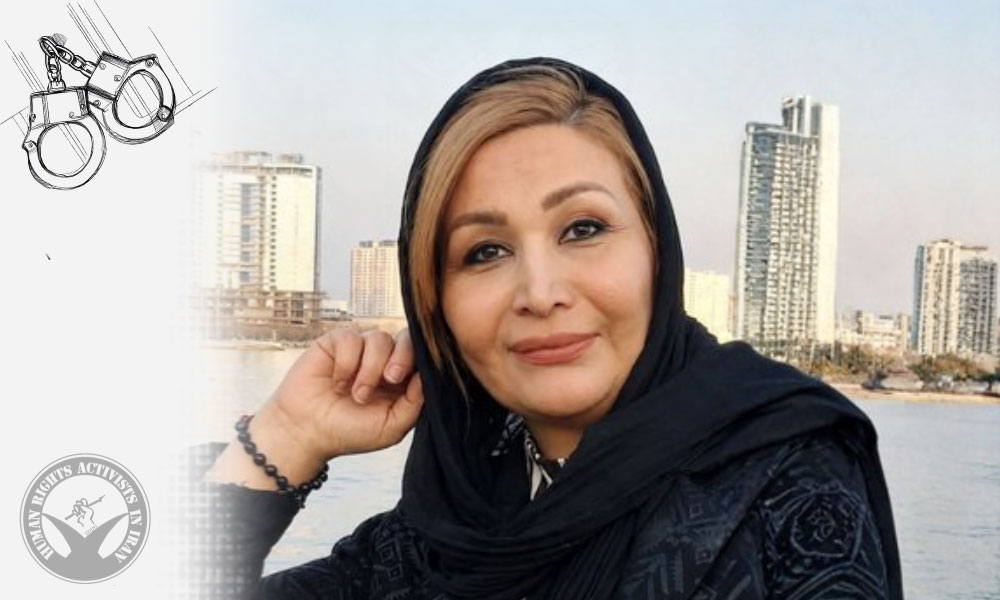
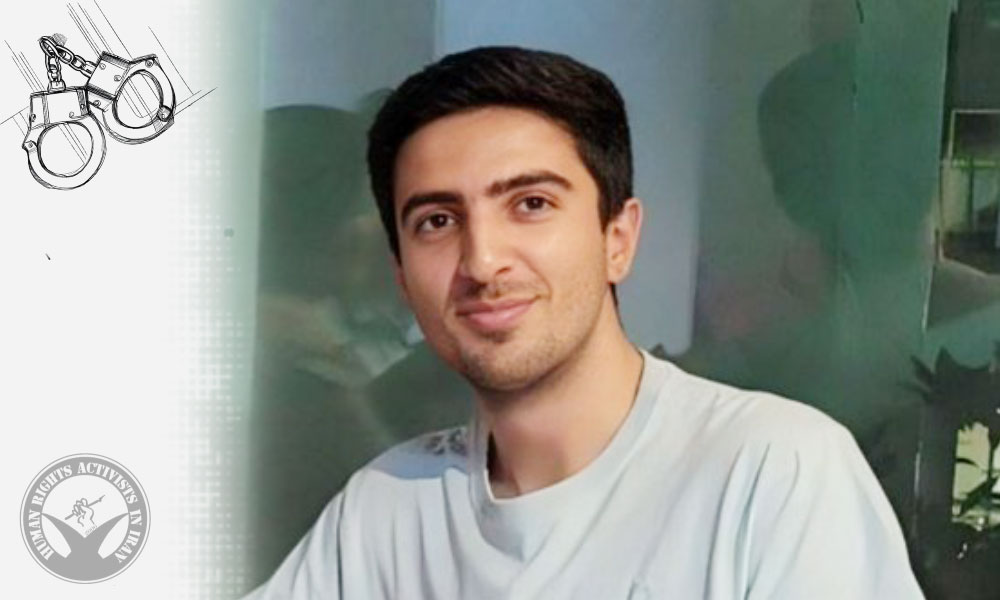
Based on HRANA’s findings, on Monday, January 12, 2026, Arta Saei was executed in Nowshahr Prison on a charge of murder. On January 13, four other prisoners were executed: Akram Rezaei (female) and Hamzeh Jafari, both on murder charges in Rasht Prison; Kourosh Bozorgmehr on a charge of moharebeh through armed robbery in Sanandaj Prison; and Mohammadjavad Naeimi on a murder charge in Gonabad Prison.

On Wednesday, January 14, 11 prisoners who had previously been sentenced to death on murder charges were executed in various prisons. Among them were three prisoners in Shiraz Prison, one of whom has been identified as Sharif Dehghani; Armin Aghapour in Bushehr Prison; Jalil Shahbazi in Mashhad Prison; Ali Agha Hemmati in Chabahar Prison; Mousa Askari in Damghan Prison; Mehrshad Asadabadi in Mahabad Prison; Seyed Ali Hatami in Ferdows Prison; Ehsan Ansari in Quchan Prison; and Aziz Morad Hosseini in Esfarayen Prison. On the same day, Borzou Mahdinia was executed in Malayer Prison and Farshad Heydari-Kia in Bojnurd Prison. These two prisoners had previously been sentenced to death on drug-related charges.

Continuing on Thursday, January 15, four more prisoners were executed on murder charges. On that day, Azim Omari was executed in Behbahan Prison; Saleh Kaabi in Mahshahr Prison; Omid Jamshidi in Sari Prison; and an Afghan national in Taybad Prison.

Further details, including the identification of three of the prisoners, are still under investigation by HRANA.

As of the time of this report, the executions have not been officially announced by prison authorities or relevant institutions.

The continued large-scale implementation of death sentences amid internet shutdowns and severe restrictions on the flow of information has intensified concerns over the lack of judicial transparency, prisoners’ denial of access to fair trials, and the heightened risk of violations of the right to life. Human rights organizations have repeatedly warned that carrying out executions in a securitized and opaque environment increases the likelihood of serious human rights abuses.

According to the HRA’s annual report, at least 2,063 people were executed in Iran during the one-year period from January 1, 2025, to January 1, 2026. This represents a 119% increase in executions compared to 2024. In many of these cases, due to secrecy, prisoners were even denied the right to a final visit with their families.

Day Twenty-One of the Protests: Islamic Republic’s Leader Acknowledges “Thousands Killed” as Internet Shutdown Continues

HRANA – On the twenty-first day of nationwide protests in Iran, despite the continued widespread internet blackout and intense security pressure, confirmed figures show that the total number of verified deaths has reached 3,308, with another 4,382 cases still under review. So far, 2,107 people with severe injuries have been identified, and the arrest of at least 24,266 individuals has been confirmed. On this day, the Leader of the Islamic Republic for the first time acknowledged that “several thousand people” had been killed during the protests. The release of new images from forensic medicine centers, an increase in mass arrests, and the intensification of international reactions were among today’s most significant developments.

On the twenty-first day of nationwide protests, while the widespread internet shutdown had exceeded 200 hours, international concerns and warnings over human rights violations continued to grow. At the same time, independent documentation efforts, including broad public calls for participation in recording evidence of human rights abuses, intensified.

Ongoing Communications Disruptions

The nationwide internet shutdown, which began on Thursday night, January 8, passed the 200-hour mark on the twenty-first day and continues. Although very limited and brief increases in connectivity were reported at certain points in recent hours, overall access to the global internet remains at only a few percent of normal levels.

The continuation of this situation has caused severe disruptions to citizens’ communications, independent information-sharing, and the transfer of information from inside the country. Families of those killed or detained are facing serious difficulties in following up on the status of their loved ones, and the process of collecting and verifying human rights information is encountering unprecedented delays and limitations.

Meanwhile, media outlets close to security institutions have reported the limited activation of messaging applications and what they refer to as the “national internet,” a measure that, according to these sources, aims to control communications and sever connections between networks outside the country and those inside. Nevertheless, the global internet is still reported to be cut off, and no specific timeline has been announced for the full restoration of connectivity.

International Reactions

At the international level, reactions to developments in Iran intensified on the twenty-first day. The U.S. president, in his latest remarks, stated that “the time has come to look for new leadership in Iran,” holding the Islamic Republic responsible for the country’s destruction. These comments followed his earlier remarks about the non-implementation of hundreds of death sentences in Iran.

In another development, the Argentine government designated the Quds Force of the Islamic Revolutionary Guard Corps (IRGC) as a terrorist organization and imposed sanctions on individuals linked to it. Additionally, the U.S. State Department announced financial rewards and relocation assistance for information related to the financial activities of the IRGC. The president of the European Parliament also stated that efforts to place the IRGC on the list of terrorist organizations would continue.

Government Reactions

Inside the country, Ali Khamenei, the Supreme Leader of the Islamic Republic, while acknowledging that “several thousand people” were killed during the protests, described protesters and their foreign supporters as “criminals” and threatened to confront what he called “domestic and international seditionists.”

At the same time, the Tehran prosecutor denied claims about the cancellation of protesters’ executions, stating that the judiciary’s response would be “decisive, swift, and deterrent.” He added that a large number of cases had resulted in indictments and been referred to court.

On the same day, law enforcement officials also reported widespread arrests, including more than 1,500 people detained in Gilan Province.

Statistics (as of the End of Day 21)

Based on case-by-case, verified data compiled by HRANA through the end of the twenty-first day of the protests:

• Recorded protests: 621 cases

• Confirmed fatalities: 3,308 people

Protesters: 3,097

Children under 18: 22

Military and government forces: 166

Non-protesting civilians: 23

• Deaths under investigation: 4,382 cases

• Severely injured: 2,107 people

• Arrested individuals: 24,266 people

• Broadcast forced confessions: 132 cases

Note: These figures are based solely on individually verified cases. Given the internet shutdown and severe communication restrictions, the actual human toll of the ongoing protests in Iran may be significantly higher than these numbers.

Conclusion

The twenty-first day of nationwide protests in Iran was marked by the continued internet blackout, mounting evidence of the scale of the crackdown, and an unprecedented acknowledgment by the Leader of the Islamic Republic of the extent of the fatalities. At the same time, escalating international reactions and solidarity gatherings abroad, alongside the government’s continued security and judicial approach, indicate that the crisis is still on an intensifying trajectory.

Day 20 of Protests: Continued Internet Blackout and Human Rights Groups Focus on Documenting the Crackdown

HRANA – By the end of the twentieth day of the protests, the total number of confirmed deaths has reached 3,090, with 3,882 additional cases still under review. At least 2,055 people have been reported with severe injuries, and the number of arrests has risen to 22,123. The continuation of the nationwide internet shutdown, intensified diplomatic and security reactions at the international level, and the persistence of security and judicial crackdowns inside the country were among the most notable developments of the day.

Alongside developments on the ground, foreign reactions, centered on concerns over the human rights situation, the withdrawal of diplomats, and increased political pressure, continued. Domestically, government officials, while blaming foreign actors, emphasized a security-based narrative of the protests.

Disruption of Communications

The widespread shutdown and disruption of communications, which began on the evening of January 8, continued into the twentieth day and, according to reports, has entered its second week after more than 190 hours. During this period, access to both fixed-line and mobile internet in large parts of the country has faced severe restrictions, with messaging services, internet calls, access to public information, and media communications cut off.

The consequences of this situation have gone beyond limitations on information flow. Reports indicate difficulties for citizens in accessing basic services (including online banking and administrative services), heightened concern among families about the condition of detainees, and increasing obstacles to documenting and following up on human rights violations. At the same time, the internet shutdown has posed serious challenges to field verification and the collection of evidence.

Some foreign institutions and officials have explicitly emphasized that cutting communications can facilitate the concealment of violence and repression. Inside the country as well, scattered reports have emerged of increased security controls over access to information and intensified pressure on alternative communication channels.

In response to this information vacuum, HRANA today issued a public call urging citizens, eyewitnesses, and individuals with access to reliable documents, images, and videos to participate in the independent documentation of the protests. Emphasizing the vital role of citizen witnesses under conditions of internet shutdown, the call stressed the need to prevent the distortion of facts and to accurately record human rights violations.

International Reactions

At the international level, Iran remained at the center of attention. In the United States, the U.S. president stated that Iran had refrained from carrying out more than 800 execution sentences due to political pressure, remarks that were accompanied by renewed calls to halt violence against protesters.

In Europe, the cancellation of invitations to officials of the Islamic Republic to attend the Munich Security Conference drew widespread attention and was seen as a sign of Iran’s growing diplomatic isolation. At the same time, some governments expressed concern over the safety of their nationals in Iran and advised them to leave the country or reduce the level of diplomatic presence.

Continuing these reactions, a number of governments and international bodies once again emphasized the need for accountability for perpetrators of human rights violations. In this context, international documentation and accountability initiatives have received increased attention, a development directly linked to the situation on the ground and communication restrictions in Iran.

Alongside growing international focus on accountability, legal documentation projects have also gained greater importance. Within this framework, Spreading Justice, HRA’s database of human rights violators in Iran, announced that information received about human rights violators, after multi-layered verification, will be recorded in the form of documented case files and legal analyses, to serve as a basis for international legal action and to counter the systematic impunity of human rights violators.

Government Responses

In response to external pressure, Iran’s Ministry of Foreign Affairs condemned the G7 statement on the suppression of protests as “interventionist.” At the same time, Iranian officials have sought to justify the crackdown by emphasizing security imperatives and asserting its legal basis, while rejecting or downplaying international criticism.

Meanwhile, in several high-profile cases involving detainees, Iran’s judiciary has stated that the charges do not necessarily carry the death penalty. At the same time, law enforcement and judicial authorities have continued to emphasize a policy of “swift and harsh” responses to protests, a stance that has intensified concerns over escalating violence, mass arrests, and mounting pressure on detainees’ families.

Statistics Through the End of Day 20

By the end of the twentieth day, based on aggregated recorded data:

• Number of protests recorded: 619 (across 187 cities in 31 provinces)

• Total confirmed deaths: 3,090

Of these, at least 2,885 were protesters, 165 were government/security forces, and 21 were non-protesting civilians

Children (under 18) among the deceased: at least 19

• Deaths under review: 3,882

• Severely injured: 2,055

• Arrests: 22,123 cases

• Broadcast forced confessions: 132 cases

Conclusion

The twentieth day was marked by the continuation of the nationwide internet shutdown, which entered its second week, alongside escalating diplomatic and security pressure on the Islamic Republic. Internationally, developments ranging from formal meetings to governments advising their nationals to leave Iran reflected growing concern over the situation in the country. Domestically, the persistence of hardline security and judicial positions has reinforced fears of increased violence and intensified repression.

Execution of at Least 52 Prisoners in Iran on Murder and Drug-Related Charges

HRANA – Concurrent with nationwide protests in Iran and amid a widespread internet shutdown across the country, the execution of at least 52 prisoners has been reported in 42 different prisons. These individuals had previously been sentenced to death on charges including murder, drug-related offenses, and other non-political and non-security-related accusations.

Their sentences were carried out between January 5 to 14, 2026. These executions took place under conditions in which public access to information was severely restricted, and independent oversight of judicial proceedings and the implementation of sentences was effectively impossible.

A review of the information received by HRANA indicates that despite the imposition of severe communication restrictions nationwide, the implementation of death sentences continued without interruption. Based on these findings, the executions were carried out in at least 42 prisons across various provinces of Iran, covering a wide range of geographical areas.

Between Monday, January 5 to 12, at least 37 prisoners were executed in various prisons across the country:
Mohammadjavad Rasouli executed in Nowshahr Prison on Monday, January 5; Arsalan Arabi in Rasht Prison on Tuesday, January 6; and Mahyar Mohammadi in Sanandaj Prison on Wednesday, January 7, all on murder charges. Additionally, on Saturday, January 10, multiple executions on murder charges were recorded in different prisons, including Mostafa Sheikhi in Khorramabad Prison, Samyar Emkani in Kermanshah Prison, Ebrahim Rayati in Hamedan Prison, Bahman Shokri in Dezful Prison, and Masoud Mardani in Yasuj Prison.

Furthermore, on Sunday, January 11, the executions of Simrad Zali in Borujerd Prison, Ayin Mousavi in Qom Prison, Hamid Khatib in Ardabil Prison, Jabbar Gholipour in Qazvin Prison, and Alireza Bagheri in Tabriz Prison were reported, all on murder charges. Also, on Monday, January 12, the executions of Ali Teymouri in Gorgan Prison, Parviz Khani in Neyshabur Prison, Sobhan Ghasemi in Dorud Prison, Hossein Jalili in Zanjan Prison, Javad Bahrami in Saveh Prison, Sajad Bamari in Kerman Prison, and Habibollah Shakeri in Kashan Prison were reported on murder charges.

In addition to murder charges, a number of the executions were reported to have been carried out on drug-related charges. Ahmad Hemmati was executed in Gonabad Prison on Wednesday, January 7; Khodarahm Mehri in Esfarayen Prison on the same day; Vali Karambeigi-Nejad in Quchan Prison on Thursday, January 8; Mehdi Babaei in Nahavand Prison on Saturday, January 10; Abdolhossein Zakipour in Arak Prison on Sunday, January 11; and Mola Joozipour in Semnan Prison on Sunday, all on charges related to drug offenses.

During the current week, a new wave of executions has been reported. On Saturday, January 10, the execution of two prisoners in Karaj Prison on drug-related charges was recorded; the identity of one of them was announced as Sasan Amini. On the same day, the execution of three prisoners in Aligudarz Prison on murder charges was reported, with the identities of two of them announced as Reza Shahmohammadi and Younes Parsa. On Sunday, January 11, the execution of two prisoners in Bandar Abbas Prison on murder charges was also reported, with the identity of one of them announced as Behzad Niazi. Additionally, on Monday, January 12, the execution of four prisoners in Isfahan Prison on murder charges was recorded, with the identity of one of them announced as Sattar Ahmadi.

On Tuesday, January 13, at least 10 prisoners were executed in various prisons across the country. According to available information, six prisoners were executed on murder charges, including Sohrab Fathi in Birjand Prison, Morteza Gholami in Ilam Prison, Mohammad-Amin Boghlani in Ahvaz Prison, Hamed Latifi in Yazd Prison, Najafali Navabi in Jiroft Prison, and Jalal Bakhtiari in Borazjan Prison. On the same day, Karim Piri in Bam Prison, Keyomars Sanaei in Khaf Prison, and Aziz Alipanahi in Yazd Prison were executed on charges related to drug offenses, and another prisoner was executed in Yazd on non-political and non-security-related charges.

On Wednesday, January 14, the execution of at least five prisoners on murder charges was also reported: Dariush Bozorgi  in Mahabad Prison; Mostafa Azizi and Arman Mohammadian in Kashmar Prison; Yaser Akbari in Shahrekord Prison; and Khosrow Abdi in Sabzevar Prison.

Further details, including the identification of seven of the prisoners, are still under review by HRANA.

As of the time this report was compiled, the executions of these prisoners have not been officially announced by prison authorities or responsible institutions.

The continuation of the widespread implementation of death sentences amid internet shutdowns and severe restrictions on the flow of information has intensified concerns over the lack of judicial transparency, prisoners’ denial of access to fair trials, and the heightened risk of violations of the right to life. Human rights organizations have repeatedly warned that carrying out these punishments in a securitized and opaque environment increases the likelihood of serious human rights violations.

According to HRA’s annual report on the human rights situation in Iran, at least 2,063 people were executed in Iran during the one-year period from January 1, 2025, to January 1, 2026. Based on this report, executions increased by 119% compared to 2024. In many of these cases, due to secrecy, prisoners were even denied the right to a final visit with their families.

Day Nineteen of Protests: Emergency UN Security Council Meeting and Continued Nationwide Internet Shutdown

HRANA – According to HRANA’s latest updates, as of the time of this report, the number of confirmed deaths has reached at least 2,677, with 1,693 additional cases still under investigation. The number of people with severe injuries has also been reported as 2,677, while the number of detainees stands at 19,097. At the same time, an emergency meeting of the United Nations Security Council on Iran was held. The U.S. government also raised reports regarding the suspension of the implementation of 800 planned execution sentences.

On the nineteenth day of the protests, efforts toward crisis diplomacy and an intensification of international reactions to the crackdown were observed, from the UN Security Council meeting to sanctions and consular warnings. Domestically, the continued nationwide internet shutdown remains the most significant barrier to access to information and independent verification. Meanwhile, the authorities, emphasizing swift judicial action and presenting official narratives regarding the causes of fatalities, are attempting to manage mounting international pressure.

Disruption of Communications

Since Thursday, January 8, reports have indicated widespread internet outages across Iran. According to various sources, this measure, implemented alongside intensified security crackdowns and a growing wave of arrests, has severely restricted citizens’ access to information and their ability to communicate with the outside world.

In its latest assessments, NetBlocks announced that Iran has been experiencing an internet shutdown for more than 168 hours. The consequences of this situation reportedly range from disruptions to access to essential services and family communications to increased difficulty in independent reporting and on-the-ground documentation.

At the same time, reports have also emerged of disruptions extending beyond the internet. In some areas, the shutdown of telephone lines, including landlines, has been reported, expanding the scope of communication restrictions from the “internet” to “basic communications.”

International Reactions

An emergency meeting of the United Nations Security Council on Iran was held at the request of the United States. Media coverage of the meeting referenced allegations related to the course of the crackdown as well as judicial rulings, while reports also emerged of new U.S. sanctions imposed on five Iranian officials described as being responsible for the “deadly suppression of protesters.”

At the level of official U.S. positions, the White House spokesperson stated that Iran, “under U.S. pressure,” had halted the implementation of 800 execution sentences, claiming that the process of “killings and executions” had been stopped. In this context, U.S. officials emphasized that they are “closely monitoring” developments and warned of the consequences of continued repression.

As the crisis has intensified, several governments have issued warnings to their citizens regarding travel or presence in Iran. Among them, New Zealand’s foreign minister urged citizens to leave Iran if possible. It has also been reported that the Canadian government announced the death of a Canadian citizen in Iran, while Switzerland expressed concern over the situation of a dual national.

Government Responses

Abbas Araghchi, Iran’s foreign minister, claimed in a letter to the UN Security Council that the protests had turned into a “planned effort by terrorist groups,” while simultaneously highlighting the deaths of government forces. He also accused certain countries of “interference” and called on the Saudi government to condemn such actions.

Separately, in response to international coverage regarding the situation of detainees, Iran’s judiciary announced that the charges attributed to an individual named “Erfan Soltani”, about whom reports had circulated claiming he had been sentenced to death by an unusual court, do not, in fact, carry the death penalty. This issue was also reflected during coverage of the Security Council meeting.

According to HRANA’s latest updated data as of the time of publication of this report:

• Total number of recorded protests: 618

• Cities involved (no repetition): 187 cities

• Provinces involved (no repetition): 31 provinces

• Total confirmed deaths: 2,677

• Deaths under investigation: 1,693

• Breakdown of recorded fatalities:

2,478 protesters

16 children / under 18 years old

163 individuals affiliated with the government (military and non-military)

20 non-protesting civilians

• Individuals with severe injuries: 2,677

• Total detainees / identified individuals: 19,097
(including 169 individuals under 18 years old and 52 students)

• Broadcast forced confessions: 115 cases

Conclusion

The nineteenth day of protests was marked by a strong focus on international follow-up at the UN Security Council, alongside the continued nationwide internet shutdown. HRANA’s latest statistical data indicates a continued upward trend in fatalities, arrests, and forced confessions. At the diplomatic level, warnings and sanctions have intensified, while Iranian officials have continued to adopt defensive positions and level accusations.

Subscribe to Our Newsletter

Now is definitely not the time to stop reading!

Canadian Citizen Killed in Iran During Protests

HRANA – Canada’s foreign minister announced that a Canadian citizen has lost their life in Iran. The individual’s name has not yet been released, but according to the minister, Canada’s foreign ministry is in contact with the family.

The name of the individual has not yet been disclosed; however, Anita Anand stated that Canada’s Ministry of Foreign Affairs is in contact with the family and is following up on the case.

Anita Anand, Canada’s foreign minister, announced the news on the social media platform X, condemning violence against peaceful protesters in Iran and writing: “The Iranian regime has disregarded human life. This violence must stop.”

It should be noted that gatherings and strikes by shopkeepers and merchants began in Tehran on December 28, 2025, and, after two days, spread beyond bazaars and commercial centers. With the participation of students, citizens, and various social groups, these protests became one of the most widespread demonstrations of recent years. For more information, readers can refer to HRANA’s detailed report on the eighteenth day of the protests, published last night.

The Arrest of Three Members of Slain Protester Reza Ahmadi-Abadi’s Family in Fuladshahr

HRANA – On Thursday, January 8, Jahangir Ahmadi-Abadi and Sadegh Ahmadi-Abadi, two brothers, were arrested during protests in Fuladshahr following the killing of their older brother, Reza Ahmadi-Abadi, by security forces. In addition, Ali Salehivand, the family’s nephew, was arrested in connection with the incident while he had been injured by gunfire.

Based on information received by HRANA, on Thursday evening, January 8, Reza Ahmadi-Abadi, 53, was shot and killed by law-enforcement and security agents after participating in a protest gathering by citizens in Fuladshahr. Following this incident, his two brothers, Jahangir Ahmadi-Abadi, 31, and Sadegh Ahmadi-Abadi, 36, along with the family’s nephew, Ali Salehivand, 21, were violently arrested and transferred to an unknown location.

During these arrests, Ali Salehivand was detained while he had been shot in the shoulder.

As of the time of this report, there is no information available regarding the place of detention of these individuals or the physical condition of Mr. Salehivand.

It should be noted that gatherings and strikes by shopkeepers and merchants began in Tehran on Sunday, December 28, and, after two days, expanded beyond bazaars and commercial centers. With the participation of students, citizens, and various social groups, these protests became one of the most widespread demonstrations of recent years. For more information, readers can refer to HRANA’s detailed report on the seventeenth day of the protests, published last night.

Day Eighteen of the Protests: Global Focus on Casualties and Mass Arrests Amid Communications Blackout

HRANA’s aggregated figures indicate the registration of 617 protest gatherings in 187 cities across the country, the arrest of at least 18,470 people, and the confirmed deaths of 2,615 individuals, a situation that, alongside the decline in verifiable on-the-ground evidence, has intensified international concerns over the scale of the crackdown.

HRANA – The eighteenth day of Iran’s nationwide protests passed amid a continued shutdown of communications with the outside world. HRANA’s aggregated figures indicate the registration of 617 protest gatherings in 187 cities across the country, the arrest of at least 18,470 people, and the confirmed deaths of 2,615 individuals, a situation that, alongside the decline in verifiable on-the-ground evidence, has intensified international concerns over the scale of the crackdown.

The eighteenth day of the nationwide protests unfolded while Iran’s disconnection from the global internet persisted, and access to verifiable field evidence remained limited compared to the peak days of the demonstrations. In this context, developments on this day focused primarily on the continued communications blackout, rising casualty and arrest figures in aggregated data, and the escalation of international reactions and positions regarding the situation in Iran.

With the ongoing internet shutdown, the ability to receive and verify field reports from inside the country continued to face serious disruption. On the eighteenth day, no verifiable reports of newly registered street protests were available, a situation that may reflect either a decline in visible street demonstrations or the direct result of severe communications restrictions and the difficulty of independent documentation.

At the same time, media outlets and monitoring organizations remained focused on the human and security consequences of the protests. Aggregated data show that although the flow of field information has slowed, the upward trend in the number of casualties, injured individuals, and arrests has continued, an issue that, particularly amid the communications blackout, has heightened concerns about the true extent of violence and repression remaining concealed.

At the international level, reactions became more pronounced on the eighteenth day. The President of the United States stated that he had been “informed” that killings and executions in Iran had stopped, remarks that, given the continued security atmosphere and reports of rising casualties, were met with skepticism and critical responses. At the same time, several European governments, citing security assessments, reduced their diplomatic presence in Tehran or advised their citizens to leave Iran.

Within this framework, the President of the European Parliament also issued a message addressed to the people of Iran, urging them not to lose hope and emphasizing the support of European institutions for human rights and civil demands. Meanwhile, critical positions by governments and international bodies regarding the suppression of protesters, internet shutdowns, and mass arrests continued, alongside warnings about the human rights consequences of the situation.

HRANA’s Aggregated Statistics up to the End of Day Eighteen

According to HRANA’s aggregated data up to the end of the eighteenth day of the protests, a total of 617 protest gatherings have been recorded nationwide. These demonstrations took place in 187 cities and covered all 31 provinces of the country.

In terms of arrests, the detention of 18,470 individuals has been confirmed. In addition, the number of broadcast forced confessions has reached 105 cases, and 2,054 injured individuals with severe injuries have been reported.

Regarding human casualties, the total number of confirmed deaths has been announced as 2,615. Of these, 2,435 were protesters, and the deaths of 13 children under the age of 18 have been confirmed. Additionally, 14 non-protesting civilians are recorded among the fatalities. On the other side, 153 members of security forces and government supporters have lost their lives. Furthermore, 882 additional deaths remain under investigation.

Brief Background

The nationwide protests began on December 28, 2025, and, after reaching their widest geographical spread in the middle days, entered a new phase following the government’s imposition of communications shutdowns, one in which the collection and independent verification of field data has become structurally more difficult. The eighteenth day followed this same pattern and was defined less by clear, verifiable signs of street protests and more by a communications blackout, a sharp increase in aggregated figures for casualties and arrests, and an intensification of international pressure and reactions.

Nationwide Protests: 10 Citizens Arrested in Zahedan by Security Forces

HRANA – Yesterday, security forces arrested ten citizens in Zahedan and transferred them to an undisclosed location.

The identities of the detainees have been reported by Haal Vsh as Majid Ghasemi, Omar Ghasemi, Omid Ghasemi, Esmail Rakhshani, Qais Rakhshani, Saeed Shahoozehi, Hossein Shahoozahi, Hossein Shahoozahi, Shoaib Mohammadani, and Parviz Yousefzahi.

Based on this report, the arrests were carried out with the use of violence on Bagheri Street in the Shirabad area of Zahedan.

As of the time of this report, no information has been obtained regarding the charges against them or their place of detention.

It is worth noting that gatherings and strikes by shopkeepers and bazaar merchants began in Tehran on Sunday, December 28. After two days, the protests expanded beyond bazaars and commercial centers. With the participation of students, citizens, and various social groups, these demonstrations have become one of the most widespread protests of recent years. For more information, readers can refer to HRANA’s detailed report on the seventeenth day of the protests, which was published last night.

Day Seventeen of Iran’s Protests: Continued Internet Shutdown, Spike in Figures, and Intensifying Global Reactions

HRANA – The seventeenth day of Iran’s nationwide protests unfolded amid the continued severing of the country’s communications with the outside world, limiting access to verifiable on-the-ground evidence, as in previous days. Within this context, three main developments stood out: the continuation of the nationwide internet shutdown and the resulting restrictions on independent documentation; a noticeable surge in the cumulative figures for casualties and arrests based on HRANA’s data; and a more pronounced wave of international reactions and diplomatic actions.

The disruption of communications on the seventeenth day continued to be described as one of the defining elements of the crisis. The prolonged internet blackout not only narrowed the channels for verification and for conveying an accurate picture of conditions inside the country, but also caused a significant portion of information to reach the outside world with delays, in fragmented form, and with limited ability to be verified. In this context, some internet monitoring organizations reported that the blackout had extended over several days, while certain European officials described the situation as one that could increase the possibility of repression under a “news blackout.”

On the seventeenth day of the protests, some media outlets continued to report on the “ongoing protests” in Iran, while at the same time stressing that the communications shutdown had made it extremely difficult to present a precise picture of developments on the ground.

At the international level, reactions on the seventeenth day were more explicit and more extensive. The UN Secretary-General, referring to reports of violence and excessive use of force, called on Iranian authorities to exercise restraint and to refrain from the unnecessary or disproportionate use of force. In Europe, senior European Union officials, while condemning the violent crackdown, emphasized the need to release detainees and fully restore internet access. At the same time, reports emerged of Iranian ambassadors being summoned in several European capitals and formal protests being conveyed over the crackdown; some governments, including Finland, spoke of summoning the ambassador and reviewing coordinated measures within the framework of the European Union.

Alongside these positions, some governments intensified their security and consular advisories. Among them, Canada urged its citizens to leave Iran if possible and with due regard for safety considerations, pointing to alternative overland routes. Reports also surfaced regarding a reduction in diplomatic presence or the departure of non-essential staff from some foreign missions in Tehran.

In the U.S. political arena, messages concerning Iran also continued. The President of the United States, in statements addressed to protesters, emphasized the continuation of protests and spoke of “help on the way”; in some media narratives, these positions were accompanied by speculation about tougher options or broader pressure. At the same time, some outlets reported on more hardline positions taken by certain figures and officials regarding the future of Iran’s government.

Concurrently with these developments, the Human Rights Activists in Iran issued a statement condemning the use of lethal force against protesters amid the nationwide internet shutdown and expressing grave concern over the escalation of violence across the country. In its statement, the group stressed that the deliberate shutdown of the internet has disrupted access to vital information, emergency services, and the ability to independently document and verify violations, thereby creating conditions for the continued excessive use of force. The statement emphasized the need for an immediate halt to the use of lethal force, the full restoration of internet access, guaranteed unhindered access to medical services, and the conduct of independent, impartial, and effective investigations into human rights violations, and called on the international community to take action to ensure accountability and prevent further abuses.

The organization also stated that under the current conditions it will continue documentation and verification efforts at the highest possible standards and will publish updates as information is confirmed.

HRANA Statistics as of the End of the Day

According to HRANA’s aggregated data through the end of the seventeenth day, a total of 614 protest gatherings have been recorded nationwide. These demonstrations took place in 187 cities and covered all 31 provinces of the country. Regarding arrests, the detention of 18,434 individuals has been confirmed. At the same time, 97 cases of forced confessions have been broadcast, and 1,134 people with severe injuries have been reported.

In terms of human losses, the deaths of 2,403 protesters have been confirmed. Among those killed, 12 children (individuals under 18 years of age) have been recorded. Additionally, nine non-protesting civilians (neither military personnel nor protesters) are included among the deceased. On the other side, 147 members of security forces and government supporters have been killed, including at least five civilian supporters of the government.

In Conclusion

The seventeenth day of the protests was less a day of “visible expansion on the streets” and more a day marking the consolidation of a high-risk situation under conditions of communications blackout. At the same time, HRANA’s cumulative data indicate a significant surge in the figures for fatalities, arrests, and injuries. Internationally, condemnations and diplomatic actions intensified, and security advisories issued by some governments urging their nationals to leave Iran became more prominent. Within this context, the statement issued by the Human Rights Activists in Iran further amplified concerns over the use of lethal force and the consequences of the internet shutdown for monitoring and accountability.