Monthly Report – August 2026: Human Rights Situation in Iran

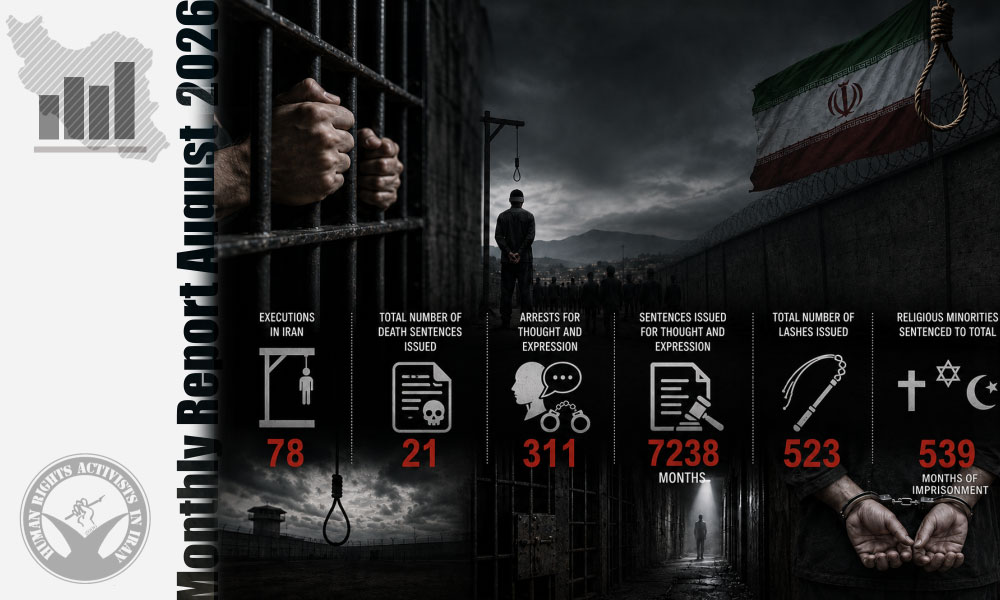
HRANA- This monthly report provides an overview of statistics on human rights violations in Iran during August 2026. The continued issuance of death sentences against individuals facing political charges and the increase in prison sentences imposed on citizens for expressing their views and opinions were among the most notable human rights violations documented during the month.

Executions

In August, HRANA reported the executions of 78 people, including five women. Of those executed, 40 had been sentenced to death on murder charges, 29 on drug-related charges, and two on charges of moharebeh (“enmity against God”) in non-political cases. Four others were executed on security-related charges. In addition, two individuals, Ghaem Hosseini and Shahram Sadeghi, were hanged in connection with the January 2026 protests.

Of the 78 people executed, the charge against one individual remains unknown.

During the month, Iranian courts issued 21 death sentences, while seven death sentences were upheld by the Supreme Court. Most notably, 10 defendants in a case in Isfahan were sentenced to death in connection with the nationwide protests of January 2026.

Freedom of Thought and Expression

Over the past month, security forces arrested 311 individuals for expressing their views and opinions, while three others were summoned by security agencies. One case of a home search by security forces was also reported. For the same reasons, eight individuals were summoned to court and three were put on trial.

Prison sentences imposed on citizens for expressing their views and opinions increased significantly this month. In total, at least 7,238 months of imprisonment (more than 600 years) were handed down to 80 citizens, more than 2.5 times the figure recorded in the previous month. One of the most notable cases was the 20-year prison sentence imposed on Mohammad Ebrahimi in connection with the nationwide protests of January 2026. Additionally, 16 citizens in Mahabad were sentenced to a combined total of more than 77 years in prison for reasons related to political affiliation and the expression of their views.

In addition to prison sentences, courts imposed three instances of deprivation of civil and social rights, a total of 48 months of exile, and 523 lashes. Flogging sentences were also carried out against two individuals.

Prisoners’ Rights

Reports published by HRANA in August documented the following figures concerning violations of the rights of prisoners and detainees, particularly political prisoners and prisoners of conscience: 98 cases in which detainees were held in legal limbo, 50 reports of families being kept uninformed about the fate or whereabouts of detainees, four cases of prisoners being transferred to solitary confinement, 12 reports of pressure being exerted on detainees or prisoners, six cases of forced confessions, four cases of prisoners being beaten, including three political prisoners at Evin Prison who were beaten by prison guards, nine cases of denial of access to legal counsel, four cases of denial of telephone access, and three cases of denial of visitation rights.

Additionally, 21 cases of denial of medical care and six cases in which prisoners were denied medical leave despite urgent medical needs were reported.

Reports also documented hunger strikes by at least three prisoners. During the month, the death of a female prisoner at Vakilabad Prison in Mashhad was also reported following a lack of adequate medical care.

Kolbars and Fuel Carriers

In August, seven people were killed and four others were injured as a result of indiscriminate gunfire by the Islamic Republic of Iran’s security forces. This practice has a long history and has particularly affected kolbars (workers who carry goods on foot across border areas to earn a living) and fuel carriers (individuals who transport small quantities of fuel across the border for their livelihood). Among the seven people killed were three kolbars and two fuel carriers.

Workers’ Rights

In August, HRANA reported 50 labor protests and three labor strikes, representing an increase compared with previous months. HRANA also published reports on unpaid wages affecting approximately 500 workers. These reports further documented 350 cases of workers being dismissed or laid off.

According to the reports received, workplace accidents claimed the lives of 37 workers and injured 120 others, marking the highest monthly figures recorded since the beginning of the year.

Trade associations and labor unions held 81 protest gatherings during the month. Three individuals were also arrested by security forces. Additionally, 144 commercial establishments were closed and sealed.

Women’s Rights

During the month, 12 women lost their lives as a result of domestic violence. One woman and four men were also victims of so-called “honor killings,” and two cases of rape were reported.

Additionally, 30 commercial establishments were closed and sealed for alleged non-compliance with mandatory hijab regulations.

Children’s Rights

In August, HRANA’s reports documented the killing of four children and the deaths of two others as a result of negligence by the authorities.

Religious Minorities

During the month, 14 members of religious minorities were sentenced to a combined total of 539 months in prison. Among them were 12 Baha’i citizens residing in Sari, who received a combined total of more than 26 years in prison.

In addition to the prison sentences, 14 cases of deprivation of social rights, one case of property confiscation, and one case of restrictions on economic activity were reported.

Security forces also arrested at least 10 members of religious minorities during the month, summoned four others, and conducted five home searches.

Ethnic Rights

HRANA’s reports documented the arrests of at least 29 ethnic rights activists or members of ethnic minorities by security forces. According to the reports, 13 of these arrests were carried out without the presentation of an arrest warrant. Four individuals were also sentenced to a combined total of 360 months in prison. One case of physical assault and one home search were also reported.

Inhuman Punishment

As noted above, sentences totaling 539 lashes were issued during the month. The majority of these flogging sentences were imposed on individuals who participated in the January 2026 protests. In addition, sentences totaling 62 lashes were carried out.
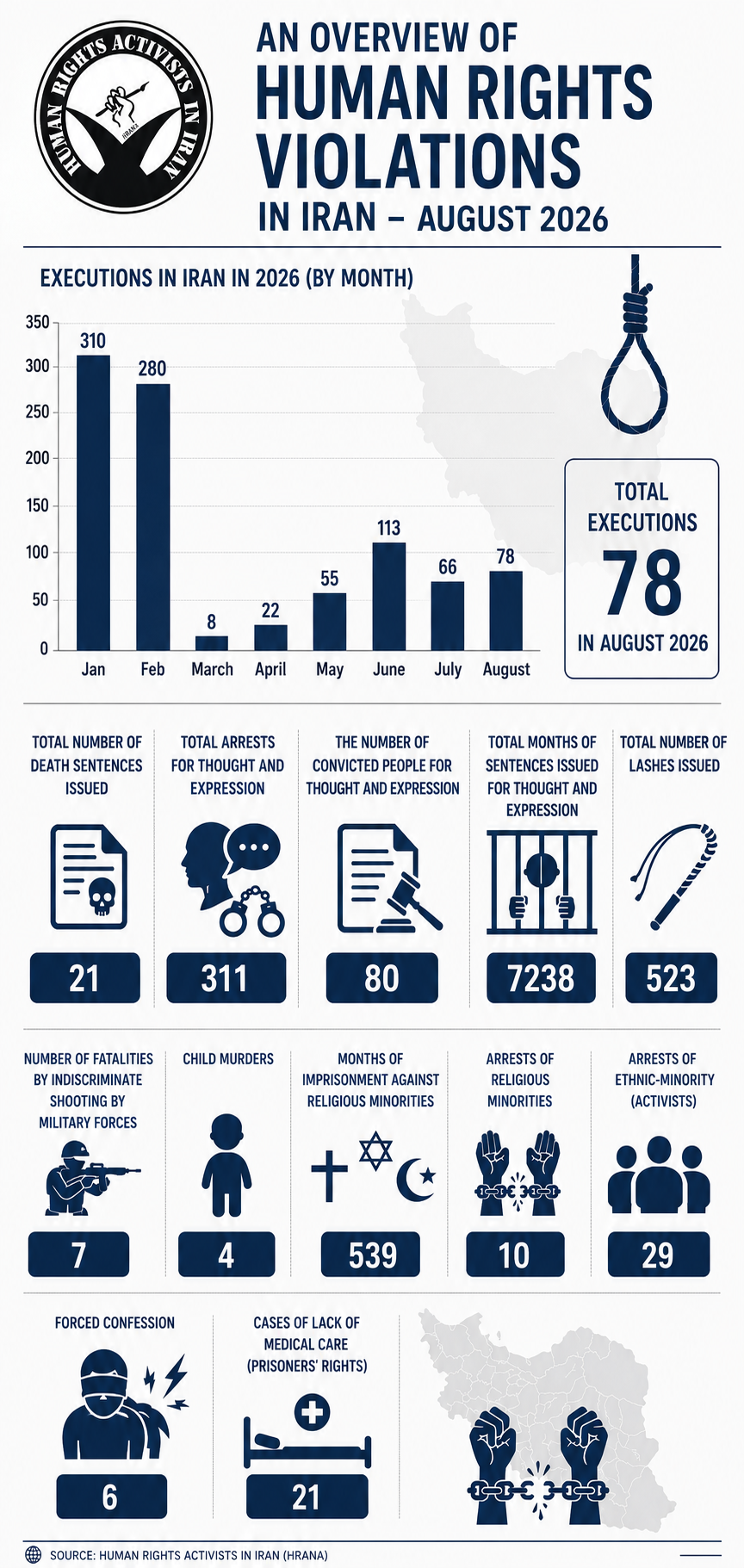
An overview of human rights violation in Iran -August 2026

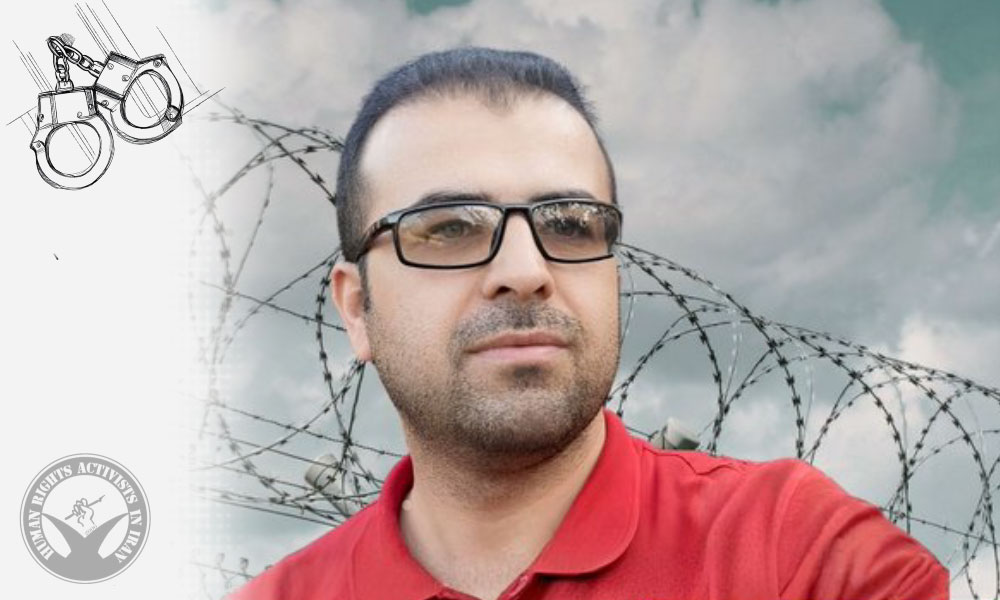
Ali Rasoulnejad Arrested by IRGC Intelligence Agents

HRANA – Ali Rasoulnejad, a resident of Mahabad, was arrested yesterday by IRGC Intelligence forces and transferred to an undisclosed location.

According to HRANA, citing Kolbar News, a citizen was arrested in Mahabad.

He has been identified as Ali Rasoulnejad, a resident of Mahabad.

According to the report, on Wednesday, August 26, IRGC Intelligence security forces went to Mr. Rasoulnejad’s place of business and arrested him without presenting a judicial warrant.

As of the time of this report, no information is available regarding the reason for his arrest, any potential charges brought against him, his place of detention, or the judicial authority handling his case.

Revolutionary Court Sentences 16 Citizens in Mahabad to Prison

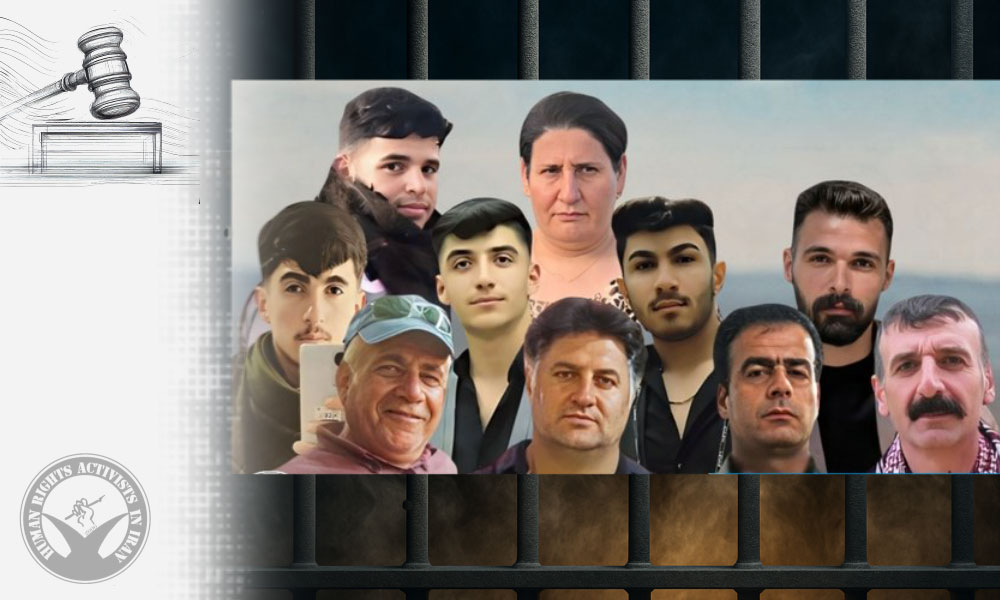
HRANA – Sixteen residents of Mahabad County have been sentenced by Branch 1 of the Revolutionary Court of Mahabad to a combined 77 years and seven months in prison.

According to HRANA, citing IranWire, 16 citizens in Mahabad have been sentenced to prison.

According to the report, Branch 1 of the Revolutionary Court of Mahabad, presided over by Judge Ahad Siami, issued sentences against the 16 residents on charges including “assembly and collusion against national security,” “membership in opposition parties,” “propaganda against the regime,” and “supporting parties opposed to the government.”

Under the court ruling, Abdullah Houshmand and Abdulrahman Ghoveh were each sentenced to seven years and one month in prison. Abdullah Ghoveh, Ghader Khoramanfar, Jalal Sadafi, Ali Maroufi, Aram Mabzooleh, Yousef Tal, Rebwar Rasouli, Ayoub Rasouli, Othman Jahanifar, Rahman Dana, Salar Shams-Borhan, and Zanyar Seyed-Ahmadi were each sentenced to five years and one month in prison. Nazanin (Golaleh) Elyasi was sentenced to two years in prison, while Kamal Masoudi received a five-month prison sentence.

The report further states that these citizens, who were arrested by security forces in October–December 2024, were subjected to torture while in detention. They were also denied access to legal counsel and deprived of phone calls and visits with their families.

Nazanin Elyasi was released from Urmia Prison on bail on April 10, 2025. She had been arrested on December 16, 2024, after reporting to the Ministry of Intelligence office in Mahabad.

Salar Shams-Borhan and Abdullah Ghoveh were arrested on December 17, 2024. Othman (Shwaneh) Jahanifar, Ayoub Rasouli, Rebwar Rasouli, Rahman Dana, Kamal Masoudi, Jalal Sadafi, Ghader Khoramanfar, Yousef Tal, Aram Mabzoleh, and Zanyar Seyed-Ahmadi were also arrested by security forces in Mahabad on December 15, 2024. Among them, Qader Khoramanfar and Jalal Sadafi were transferred to Mahabad Prison in January–February 2025. The two were released from the prison on bail in November–December 2025.

Ali Maroufi, Abdullah Houshmand, and Abdulrahman (Hawri) Ghoveh were also arrested by security forces on Monday, October 28, 2024.

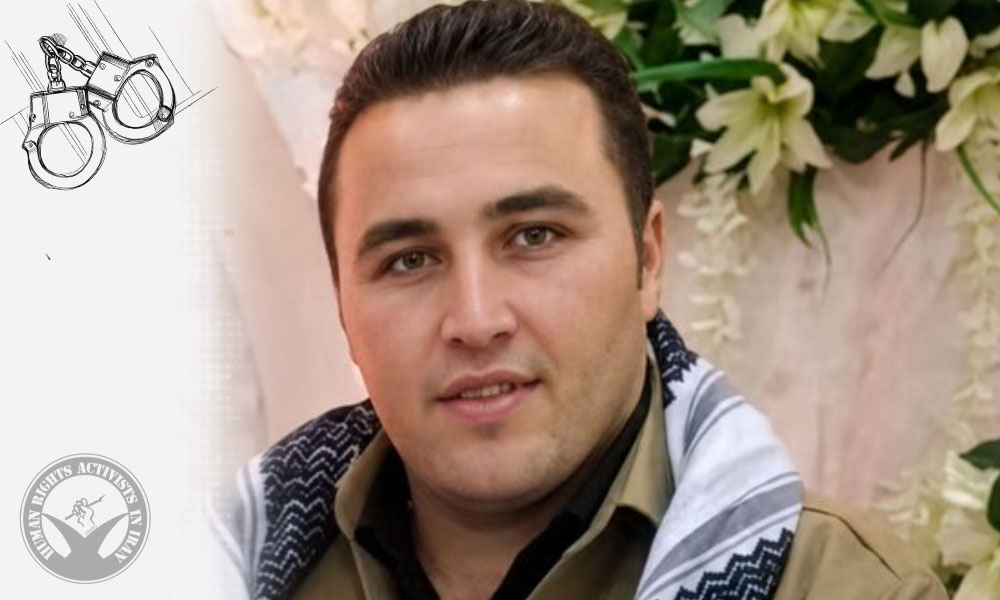
Sardar Ostad-Ahmadi Arrested in Mahabad

HRANA – Yesterday, Sardar Ostad-Ahmadi, a resident of Mahabad, was arrested by security forces in the city and transferred to an undisclosed location.

According to a report received by HRANA from Kurdpa, Sardar Ostad-Ahmadi was arrested in Mahabad.

Based on the report, security agents arrested him at his home on Tuesday, July 7, without presenting a judicial warrant.

As of the time of this report, no information is available regarding the reasons for his arrest or his whereabouts.

Sardar Ostad-Ahmadi is a native and resident of Mahabad.

Death Sentences of Raouf Sheikh Maroufi and Mohammad Faraji Upheld by the Supreme Court

HRANA – The Supreme Court of Iran has upheld the death sentences of Raouf Sheikh Maroufi and Mohammad Faraji, two political prisoners held in Bukan Prison.

According to Kurdpa, the death sentences of Raouf Sheikh Maroufi and Mohammad Faraji have been confirmed by the Supreme Court.

Based on the report, the death sentences were recently upheld by Iran’s highest judicial authority and have been forwarded to the sentence enforcement branch for implementation.

In February 2026, Branch One of the Revolutionary Court of Mahabad sentenced Raouf Sheikh Maroufi and Mohammad Faraji to death on charges of “spreading corruption on earth.” The verdicts were officially communicated to them in Bukan Prison on February 24, 2026.

Kurdpa had previously reported that interrogators pressured the two men to make forced confessions and accept responsibility for “participation in the killing of a security force member in Bukan.”

Raouf Sheikh Maroufi was arrested by security forces on December 26, 2022, and Mohammad Faraji was arrested on February 22, 2023, both without the presentation of a judicial warrant. Following the completion of interrogations, they were transferred on June 10, 2023, from The Ministry of Intelligence’s detention facility in Urmia to Bukan Prison.

Subscribe to Our Newsletter

Now is definitely not the time to stop reading!

Execution of Two Prisoners in Mahabad and Rasht

HRANA – The death sentences of two prisoners previously convicted on charges related to drug offenses and murder were carried out in the prisons of Mahabad and Lakan Prison in Rasht.

According to citing Kurdpa, at dawn on Monday, May 25, 2026, a prisoner was executed in Mahabad Prison. The identity of the prisoner has been reported as Abdolghader Rasouli, a married man and father of two from Mahabad.

According to the report, Mr. Rasouli had previously been arrested on charges related to drug offenses and was later sentenced to death by the judiciary.

His execution was carried out after he was granted a final visit with his family.

As of the time of this report, prison authorities and responsible institutions have not officially announced the execution.

Additionally, the Iran Human Rights Organization reported the execution of a prisoner in Lakan Prison in Rasht on the same day. His identity has been reported as Amirabbas Shokri, a 29-year-old man from Rasht.

According to the report, Mr. Shokri had been arrested approximately three years ago on charges of committing murder during a fight and was later sentenced to death by the judiciary. He had previously worked at an auto repair shop.

As of the time of this report, prison authorities and responsible institutions have not officially announced the execution.

According to HRA’s Annual Report, in 2025 at least 2,063 citizens, including 61 women and 2 juvenile offenders, were executed. Of these, the sentences of 11 individuals were carried out in public. During the same period, 172 other individuals were sentenced to death.

Arrest of Three Citizens in Mahabad

HRANA – On Monday, May 25, security forces arrested three citizens from Mahabad, Mansour Abbasi, Ahad Kheyri, and Vahed Kheyri, and transferred them to an undisclosed location.

According to a report by Kurdpa, in the early hours of Monday, May 25, 2026, three young men from the village of Bafran, located in the Shamat district of Mahabad County in West Azerbaijan Province, identified as Mansour Abbasi, Ahad Kheyri, and Vahed Kheyri, were arrested by security forces at their homes and taken to an unknown location. It should be noted that Ahad and Vahed Kheyri are brothers.

As of the time of this report, no information has been obtained regarding the reasons for their arrest or their place of detention.

Report on the Arrest of Five Individuals in Mahabad, Sanandaj, and Saqqez

HRANA – In recent days, Anvar Moloudi and Avat Rostami, residents of Mahabad, as well as Zeinab Azizi and Sirvan Amini, a couple living in Sanandaj, have been arrested by security forces. So far, no information has been obtained about their whereabouts.

Meanwhile, Sedigh Yousefpour, who had previously been arrested, was released from Saqqez Prison after posting bail.

According to Kurdpa, this citizen was released on March 9 after posting bail from Saqqez Prison. He had been arrested by security forces on January 21.

In another report, Kurdpa announced the arrest of two citizens on March 6 by forces of the Intelligence Office in Mahabad. The identities of these individuals were reported as Anvar Moloudi, a 40-year-old resident of the village of Kheyrabad, and Avat Rostami, a 40-year-old resident of the village of Khorkhoreh in Mahabad.

Additionally, Kolbar News reported that Zeinab Azizi and Sirvan Amini, a couple living in Sanandaj, were arrested by security forces on March 6.

The reports did not mention the reasons for these arrests, the location where the detainees are being held, or the charges brought against them.

Execution of At Least Twelve Prisoners on Murder and Drug-Related Charges

HRANA – At dawn today, the death sentences of at least 12 prisoners were carried out in the prisons of Mahabad, Shiraz, Malayer, Lahijan, Gonabad, Chabahar, Damghan, Bushehr, Shahrekord, Sabzevar, Kashmar, and Mashhad. These individuals had previously been sentenced to death on charges related to murder and drug offenses.

According to information received by HRANA, Kianoush Monavari was executed in Mahabad Prison; Ghader Mohammadi in Shiraz Prison; Nariman Zangeneh in Malayer Prison; Ali Asghar Oladi in Lahijan Prison; (first name unknown) Shateri in Gonabad Prison; Mostafa Kamali in Chabahar Prison; Aysan Rostami in Damghan Prison; Jahan Azadi in Bushehr Prison; and Farshid Ghasemi in Shahrekord Prison. These individuals had previously been arrested in separate cases on murder charges and sentenced to death by criminal courts.

Meanwhile, the death sentences of Taher Yousefi in Sabzevar Prison, Hamid Tajik in Kashmar Prison, and Adel Fereshteh in Mashhad Prison were carried out on drug-related charges.

As of the time of this report, the executions have not been officially announced by prison authorities or relevant institutions.

According to HRA’s annual report on the human rights situation in Iran, in 2025, at least 2,063 individuals were executed in Iran between January 1, 2025, and January 1, 2026. This represents a 119% increase in the implementation of death sentences compared to 2024. In many of these cases, due to secrecy, prisoners were even denied the right to a final visit with their families.

At Least 19 Prisoners Executed on Murder and Drug-Related Charges

HRANA – At dawn today, Tuesday, February 9, 2026, the death sentences of at least 19 prisoners were carried out in prisons across multiple cities. These individuals had previously been sentenced to death on charges related to drug offenses and murder.

Based on information received by HRANA, Gholam Hassani was executed in Birjand Prison; Fariborz Saljoughi in Bam Prison; Mohammadkaram Jafari in Ilam Prison; Sina Maleki in Borazjan Prison; Javad Najjar in Ahvaz Prison; Morad Jahromi in Jiroft Prison; Taghi Zalpour in Mahabad Prison; Amin Torkaman in Malayer Prison; Mehrshad Alinia in Damghan Prison; Ali Bazargan in Chabahar Prison; Mojtaba Barani in Rasht Prison; Yadollah Mokhtari in Sirjan Prison; and Mahmoud Niazi in Lahijan Prison. These prisoners had previously been arrested on murder charges and sentenced to death by criminal courts.

Separately, the executions of Ayoub Soufi in Khaf Prison, Afshin Ghanbari in Yazd Prison, Rajabali Arya in Sabzevar Prison, and Parviz Pirovani in Shiraz Prison were carried out on charges related to drug offenses. At the same time, two other prisoners were executed in Yazd Prison on similar charges; their identities are currently under review by HRANA.

As of the time of this report, these executions have not been officially announced by prison authorities or relevant institutions.

According to HRA’s annual report, at least 2,063 people were executed in Iran during 2025. Based on this report, executions increased by 119% compared to 2024. In many cases, due to secrecy, prisoners were even denied the right to a final visit with their families prior to execution.