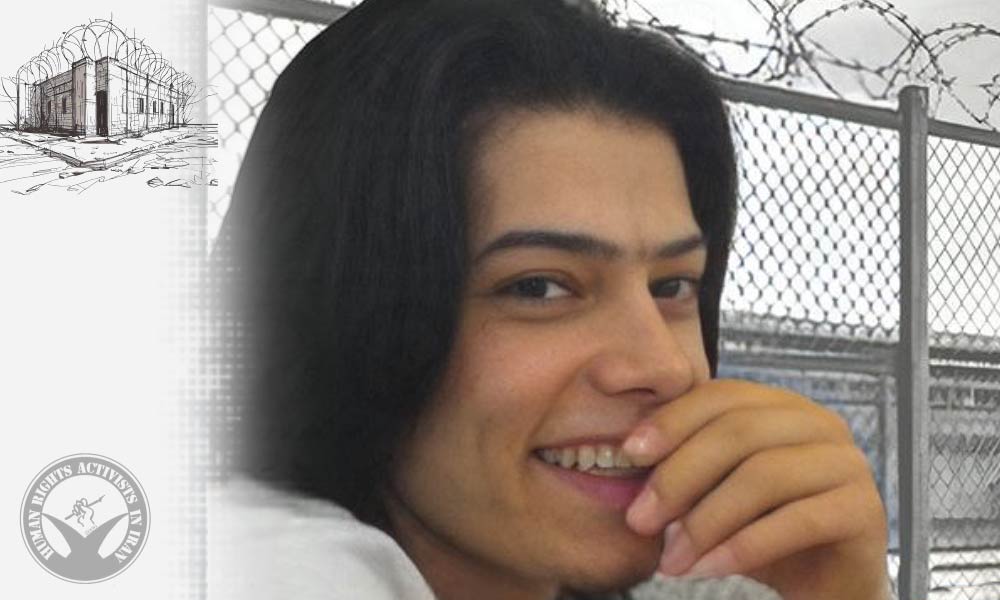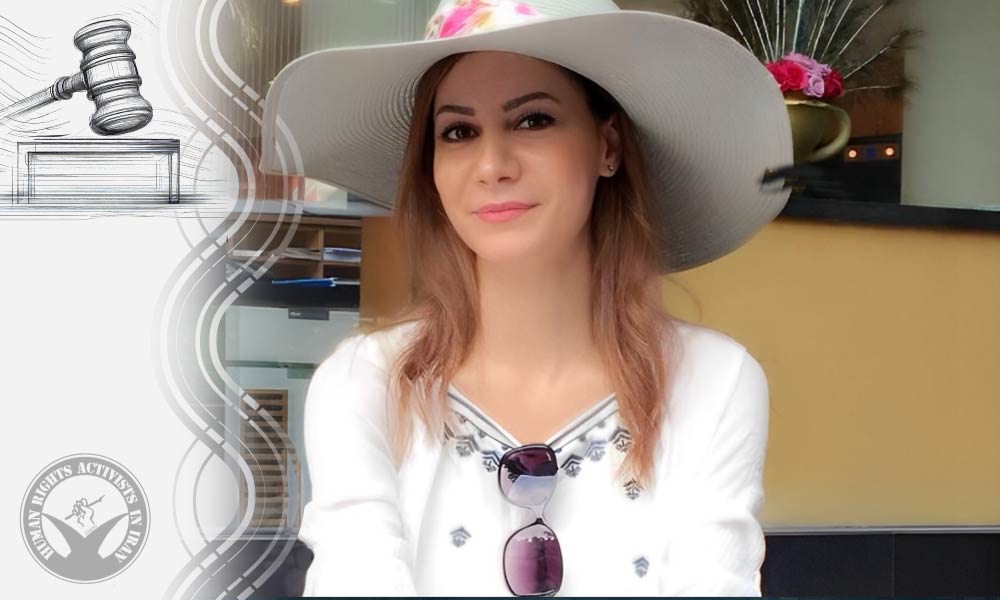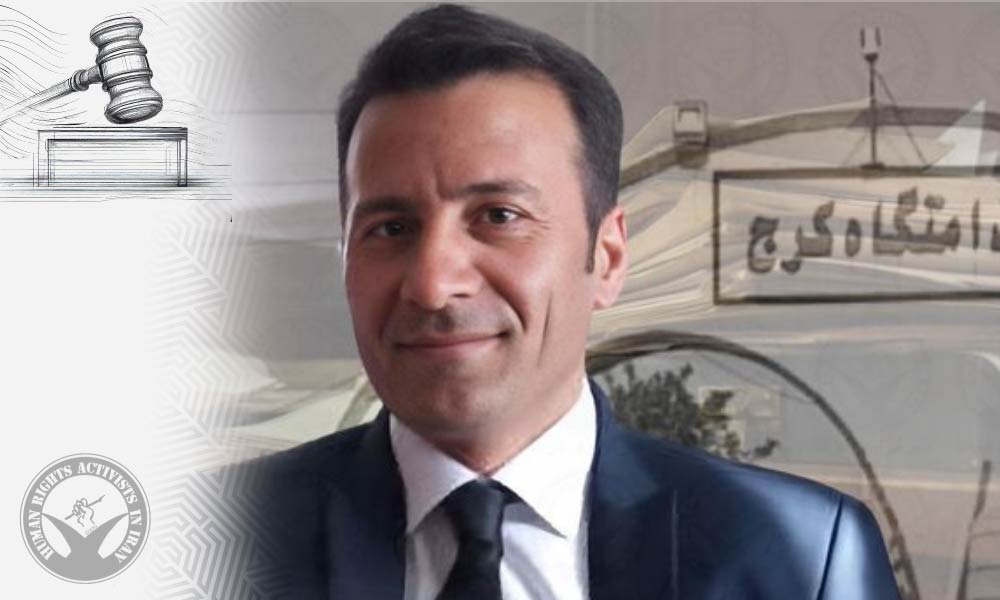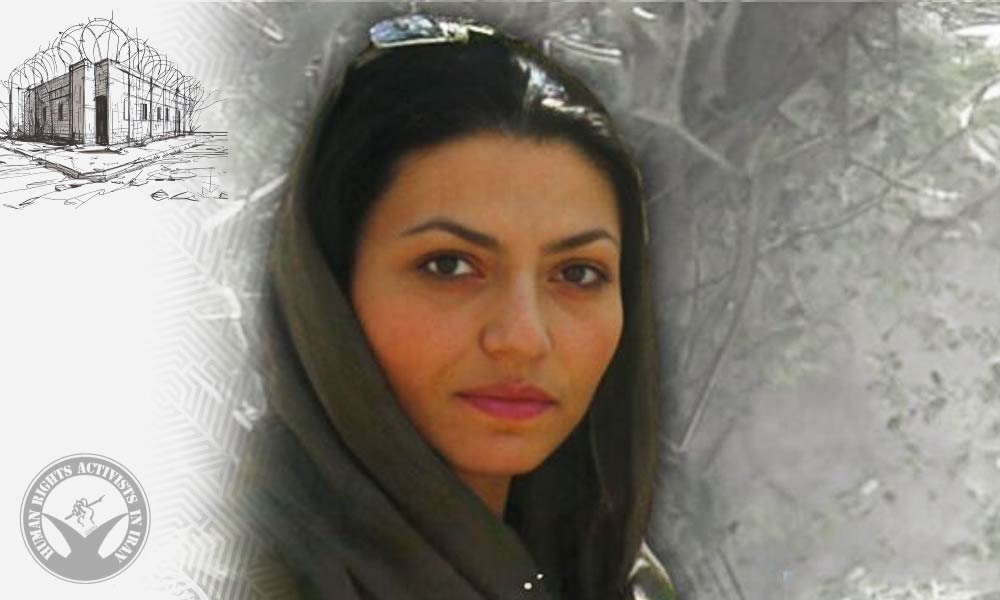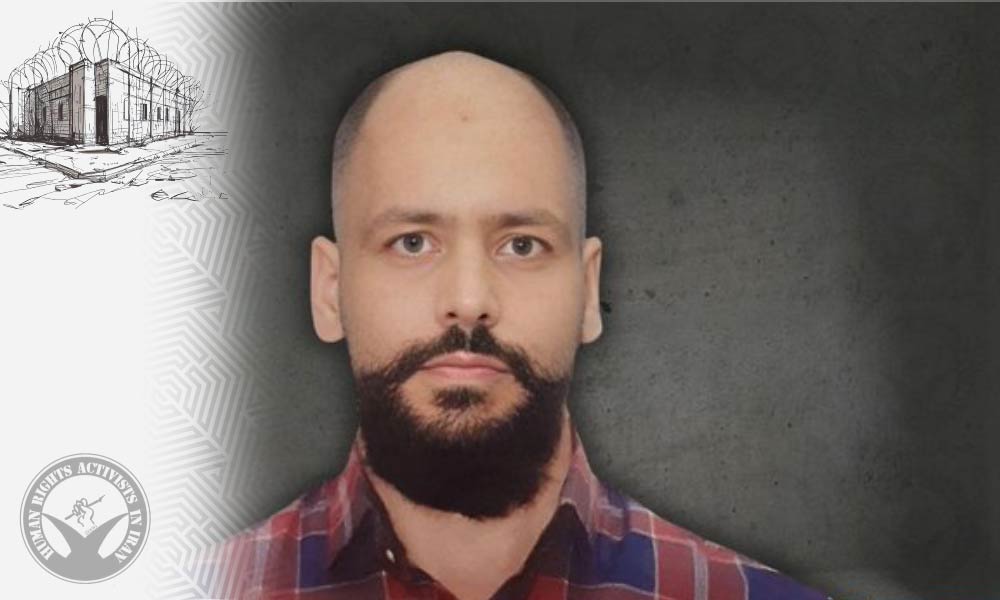
Shahab Dalili on Fourth Day of Hunger Strike

Shahab Dalili is now on the fourth day of a hunger strike within Evin Prison. He has been serving ten years sentence in prison since 2016 when he was arrested by security forces while leaving the country.

A family member of Dalili corroborating this information during a talk with HRANA, revealed, “Shahab Dalili initiated his hunger strike on Sunday night in response to his omission from the roster of prisoners set for release as stipulated by the recent Iran-US prisoner swap agreement.” His protest has brought about physiological effects such as reduced blood pressure, dizziness, and headaches.

Shahab Dalili and his family have made a specific appeal to the US government. They are urging the authorities to figure in the release of Dalili, who holds permanent residency in the United States, during the impending negotiations between the two nations.

Notably, in the wake of the recent prisoner swap accord, prisoners including Siamak Namazi, Emad Sharqi, Morad Tahbaz, and two unidentified US nationals, have been relocated to house arrest within a hotel.

Shahab Dalili’s ordeal began in 2016 when he traveled to Iran to attend his father’s funeral. It was during his departure back to the US that he was apprehended by security personnel. Subsequently, he was sentenced to a decade in prison on charges of “collaborating with an adversarial nation.” Nonetheless, his name remains absent from the roster of beneficiaries within the current agreement.

Sunni Prisoner Hamzeh Darwish Attempts Suicide, Currently Hospitalized

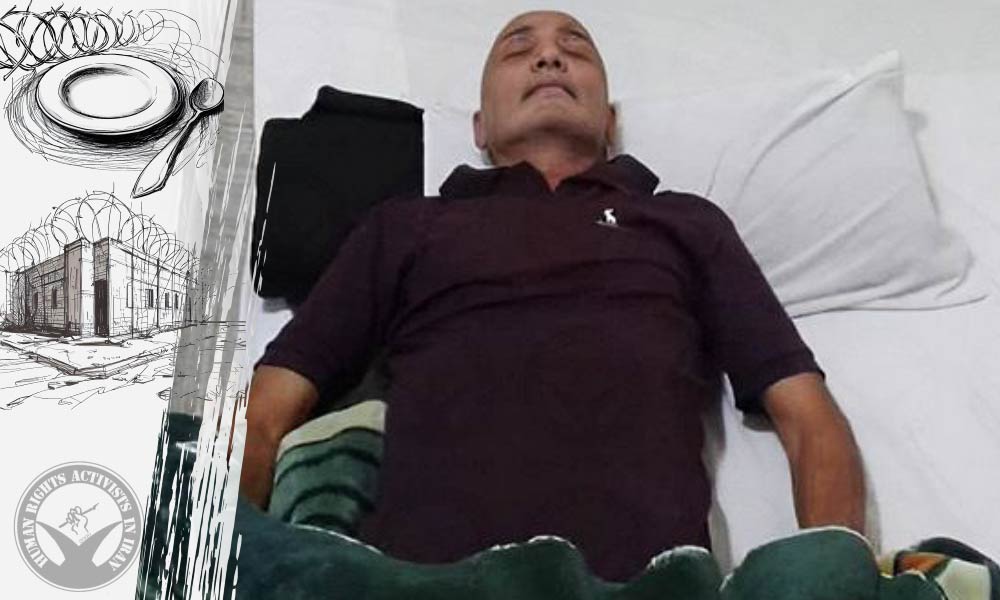
On Thursday, August 10, Hamzeh Darwish, a Sunni prisoner incarcerated at Lakan Prison in Rasht, attempted suicide through a pill overdose. He is presently receiving medical care at a hospital in Rasht.

A relative of the detainee informed HRANA: “On Thursday, around 12:30, our family was notified by a call from Lakan Prison that Darwish had attempted suicide by ingesting 12 diazepam pills. This desperate act was a form of protest against the unjust 14-year exile sentence imposed on him. He has since been transferred to Razi Hospital in Rasht. Despite his critical health condition, he remains physically restrained with handcuffs and ankle cuffs.”

According to the same source, security personnel are impeding the family’s ability to enter the hospital and visit Darwish. “After frequent inquiries,” the source continued, “the family has learned that medical procedures were performed, including gastric lavage, and unfortunately, his level of consciousness has declined to a score of 3.”

The Rasht Revolutionary Court has recently handed a 14-year prison sentence in exile to Darvish. This decision was reached based on a verdict issued by presiding Judge Ahmad Darvish Goftar on July 30. According to the judgment, Darvish has been sentenced to five years for “assembly and collusion against national security,” five years for “assisting in deliberate destruction to defy the regime,” two years for “insulting the Supreme Leader of Iran,” and two years for “insulting the founder of the Islamic Republic of Iran.” Due to the charge of “setting fire to a prison building,” he is to serve his sentence in exile in Ramhormoz, Khuzestan province. The period of his detention has been taken into account.

The verdict restricts visitation rights to only his family and relatives during his time in exile. The ruling stipulates that, upon expressing genuine remorse, he may be eligible for a pardon from the Supreme Leader after serving one year in exile.

The verdict is subject to appeal at the Supreme Court of Iran within 20 days of its issuance.

Darvish’s journey through adversity began in 2014 when he was deceived by ISIS forces into traveling to Turkey and later to Syria, as he claims. Following a period of confinement in an ISIS jail, he managed to escape and returned to Iran, where he surrendered himself to security forces.

After spending a year in detention, he was initially released on bail. However, he was subsequently rearrested and sentenced to 15 years imprisonment. On May 11, 2020, he was transferred from Rajai Shahr Prison to Lakan Prison, where he continues to serve his ongoing sentence.

Sahand Nour-Mohammadzadeh Commences Exile Sentence in Kahnuj Prison

Sahand Nour-Mohammadzadeh, arrested during the nationwide protests of 2022, was dispatched to Kahnuj in Kerman province on August 9th to initiate his prison term.

Initially condemned by the Tehran Revolutionary Court, he was sentenced to six years in prison, accompanied by a ten-year exile in Kahnuj. This ruling gained affirmation from the Supreme Court.

The father of the detainee, Ja’far Nour-Mohammadzadeh, revealed that his son was relocated to Kahnuj Prison on Wednesday, commencing the enforcement of his decade-long exile.

Hamed Ahmadi, Nour-Mohammadzadeh’s lawyer, recently confirmed that he has formally petitioned for a retrial, submitting the request to the Supreme Court. Ahmadi further highlighted that Nour-Mohammadzadeh has been burdened with charges exceeding five million tomans to cover travel expenses.

Nour-Mohammadzadeh was initially sentenced to death, but the Supreme Court overturned this decision and sent the case to Branch 26 for review. Subsequently, he was re-sentenced to a decade of exile for charges of “enmity against God (Moharebeh),” five years of imprisonment for “assembly and collusion against national security,” and an additional year behind bars for “disturbing public order.”

About the 2022 Nationwide Protests

The arrest of Mahsa Amini by Tehran Morality Police for her improper hejab and her suspicious death on September 16 sparked protests sweeping across Iran. During the nationwide protests, about 19600 people, including journalists, artists, lawyers, teachers, students, and civil rights activists, were arrested.


Hamzeh Darvish Receives 14-Year Exile Prison Sentence

The Rasht Revolutionary Court has handed a 14-year prison sentence in exile to Hamzeh Darvish, a Sunni prisoner who faced charges brought against him while incarcerated.

This decision was reached based on a verdict issued by presiding Judge Ahmad Darvish Goftar on July 30. According to the judgment, Darvish has been sentenced to five years for “assembly and collusion against national security,” five years for “assisting in deliberate destruction to defy the regime,” two years for “insulting the Supreme Leader of Iran,” and two years for “insulting the founder of the Islamic Republic of Iran.” Due to the charge of “setting fire to a prison building,” he is to serve his sentence in exile in Ramhormoz, Khuzestan province. The period of his detention has been taken into account.

The verdict restricts visitation rights to only his family and relatives during his time in exile. The ruling stipulates that, upon expressing genuine remorse, he may be eligible for a pardon from the Supreme Leader after serving one year in exile.

The verdict is subject to appeal at the Supreme Court of Iran within 20 days of its issuance.

Darvish’s journey through adversity began in 2014 when he was deceived by ISIS forces into traveling to Turkey and later to Syria, as he claims. Following a period of confinement in an ISIS jail, he managed to escape and returned to Iran, where he surrendered himself to security forces.

After spending a year in detention, he was initially released on bail. However, he was subsequently rearrested and sentenced to 15 years imprisonment. On May 11, 2020, he was transferred from Rajai Shahr Prison to Lakan Prison, where he continues to serve his ongoing sentence.

Prominent Activist Narges Mohammadi Receives One-Year Additional Sentence

Narges Mohammadi, a well-known political prisoner currently held at Evin Prison, has been handed an additional one-year prison sentence in connection with a new case opened during her incarceration.

The verdict, issued by Judge Mazloom of Tehran Revolutionary Court, Branch 29, cites “propaganda against the regime” as the reason for the one-year sentence.
A letter written by Mohammadi from inside the prison was among the allegations raised against her. In the letter, she detailed instances of sexual harassment of female detainees by security forces during the arrest and interrogation process.

Mohammadi has a history of previous arrests and convictions related to her activism. Mohammadi was released from Zanjan Prison in October 2020, after enduring approximately five and a half years of imprisonment. However, during her incarceration, she faced another case resulting in a sentence of 30 months imprisonment, 80 lashes, and two fines.

On November 16, 2021, Mohammadi was once again arrested during a ceremony honoring Ebrahim Ketabdar, who lost his life during the November 2019 protests in Karaj. Subsequently, Branch 26 of the Tehran Revolutionary Court handed down an eight-year prison sentence, seventy-four lashes, two years of exile, and other social deprivations.

Narges Mohammadi’s commitment to her activism continues to be met with legal challenges.

Subscribe to Our Newsletter

Now is definitely not the time to stop reading!

Mohammad-Javad Vafaie Sani Sentenced to Death After Retrial

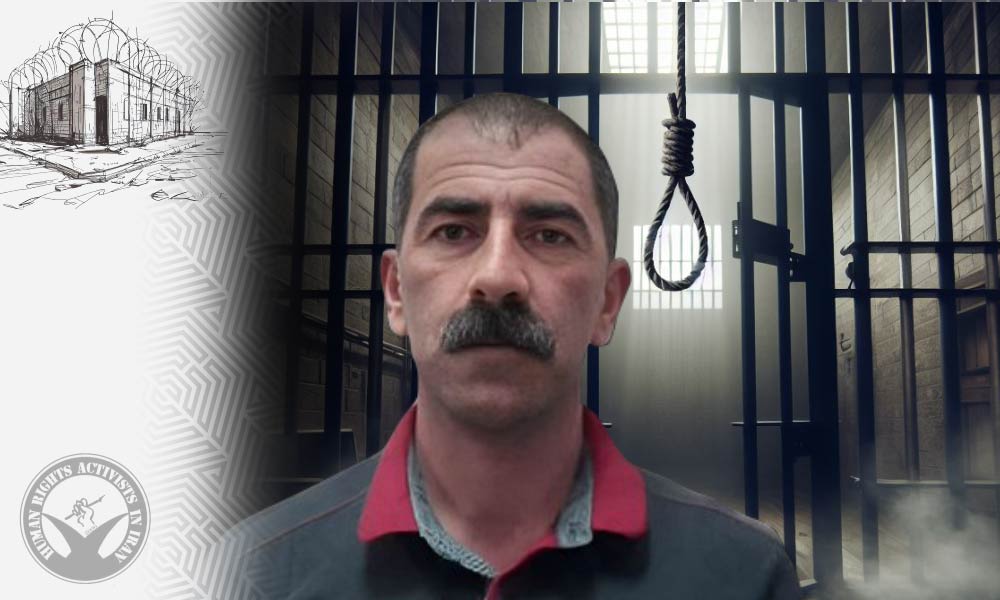
In a recent development at the Mashhad Revolutionary Court, political prisoner Mohammad-Javad Vafaie Sani has been handed a death sentence. This verdict comes after the Supreme Court had initially overturned the previous death sentence and ordered a retrial at another branch court.

Breaking the news, Babak Paknia, Vafaie’s lawyer, disclosed that despite the Supreme Court’s argument against the death sentence, the court has once again sentenced him to death. The lawyer has vowed to appeal for a retrial within the moratorium period.

According to Paknia, Vafaie has been accused of “spreading corruption on earth” and “arson of property, including the Government Penitentiary Building.” Following this latest ruling, Vafaie was granted a heavy bail, which unfortunately he was unable to afford, leading to his continued detention.

The case has taken a series of twists and turns, with the Supreme Court eventually overturning the previous verdict, leading to the transfer of the case to another branch court.

Vafaie, a 26-year-old boxing coach, was arrested in March of 2020 by security forces in Mashhad city.


Rapper Saman Seydi Remains Detained for Over 300 Days Amid Legal Uncertainty

Rapper Saman Seydi (Yasin), arrested during the nationwide protests of 2022, has been held in Rajai Shahr Prison, Karaj, for over 300 days, with no clear indication of further legal proceedings.

Despite his requests, Seydi has not been permitted to have representation from a private lawyer. Judge Salavati has denied his lawyer access to the case documents, hindering his defense.

The arrest of Seydi took place on October 2, 2023, in Tehran during the protests, following which he was transferred to Rajai Shahr Prison.

On November 8, 2023, Seydi was convicted on several charges, including “enmity against God (Moharebeh), assembly and collusion against national security,” and sentenced to death. However, the Supreme Court of Iran later overturned this verdict, leading to the transfer of his legal case to another court branch for retrial.

Background on the 2022 Nationwide Protests

The arrest of Mahsa Amini by Tehran Morality Police for her improper hejab and her suspicious death on September 16 sparked protests sweeping across Iran. Protesters came to the streets with the central slogan “Women, Life, Freedom” in protest against the performance, laws and structure of the regime. During the nationwide protests, thousands of people, including journalists, artists, lawyers, teachers, students and civil rights activists, were arrested.


Political Prisoner Mehdi Meskinnavaz Receives Additional Eleven-Year Sentence While in Prison

In a new legal case opened against political prisoner Mehdi Meskinnavaz (Meskin-Navaz), the Tehran Revolutionary Court has handed him an additional eleven-year sentence while he continues to serve his previous seven-and-a-half-year sentence in Evin Prison.

The recent verdict includes ten years for the charge of “forming a group to act against national security” and an extra year for “propaganda against the regime.” If upheld on appeal, the ten-year sentence for the first charge will be implemented. HRANA previously reported on this new legal case.

Meskinnavaz’s ordeal began on May 5, 2019, when he was arrested by security forces in Bandar Anzali for allegedly “running a Telegram channel advocating the overthrow of the regime.”
In August 2019, the Tehran Revolutionary Court sentenced Meskinnavaz to 13 years for charges including “assembly and collusion to act against national security, insulting the Supreme Leader of Iran, and propaganda against the regime.” Moreover, he was stripped of political party and group membership rights and ordered to serve a two-year compulsory exile in Fahraj, Kerman. Under Article 134 of the Islamic Penal Code, he was liable to serve seven years and six months in prison for one of the charges.

Meskinnavaz, aged 43 and a father to a 17-year-old, continues to face an arduous journey within the judicial system.

Baha’i Citizen Payam Vali Face New Charge While Imprisoned

Payam Vali, a Baha’i citizen currently serving his sentence in Qezel Hesar Prison, Karaj, is confronted with a fresh legal case.

The Karaj Revolutionary Court has accused Vali of “spreading falsehood on the Internet through the dissemination of unlawful content.” This case has been transferred from the court to a branch of the prosecutor’s office in Karaj, as it reportedly exceeds the jurisdiction of the Revolutionary Court.

Vali’s arrest took place on September 24, 2022, when security forces apprehended him at his residence in Karaj and conducted a search of his house. Subsequently, he was detained in Rajai Shahr Prison before being relocated to Ghezel Hesar Prison.

On May 10, 2023, the Alborz Court of Appeals sentenced Vali to six years for “collaboration with adversary countries,” three years and one month for “inciting people to commit violence,” and eight months for “propaganda against the regime.” According to Article 134 of the Islamic Penal Code, the first charge carries an enforceable prison term of six years.


Appeal Court Upholds Five-Year Sentence for Union Activist Davoud Razavi

The Tehran Court of Appeals has recently upheld the five-year prison sentence against Davoud Razavi, a union activist and member of the Tehran bus workers’ syndicate.

Razavi’s conviction, handed down on July 2, 2023, stems from charges of “assembly and collusion against national security.” Initially, the Tehran Revolutionary Court had sentenced him to five years in prison and imposed a two-year ban on his online social activities and participation in political groups.

Concerns about Razavi’s well-being have emerged, as a reliable source informed HRANA that he has developed an eye infection due to the use of unsanitary blindfolds during his prolonged solitary confinement, leading to poor vision.

Razavi was arrested on September 27, 2023, and initially confined to Ward 209 of Evin Prison. Subsequently, on December 18, he was transferred to the Great Tehran Penitentiary before being relocated back to Evin Prison on April 9, 2023.

It is important to note that this is not Razavi’s first encounter with the judicial system, as he has a history of prior arrests and convictions linked to his activism.