2022 Nationwide Protests: Four Citizens Sentenced to Prison

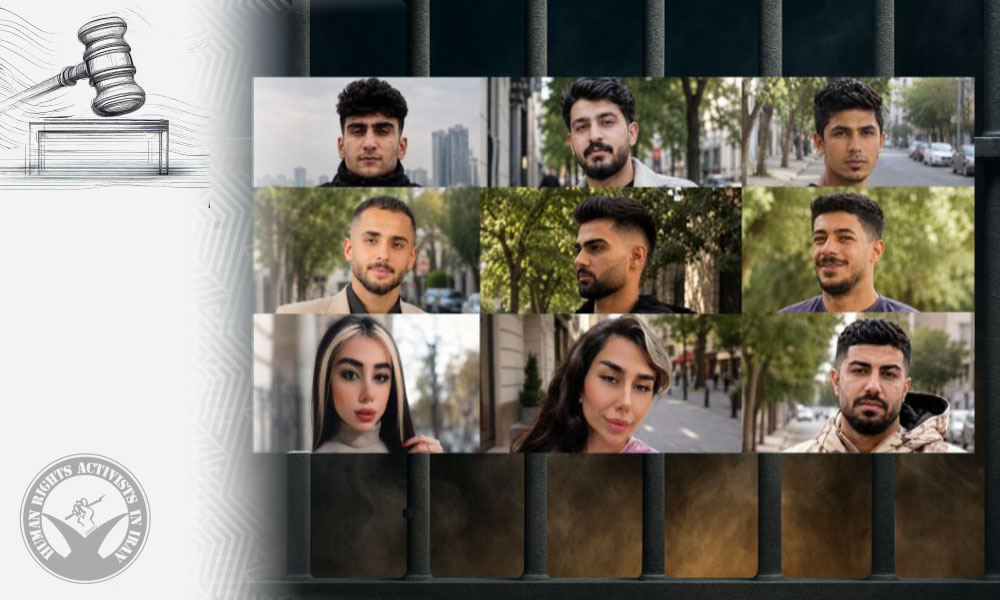
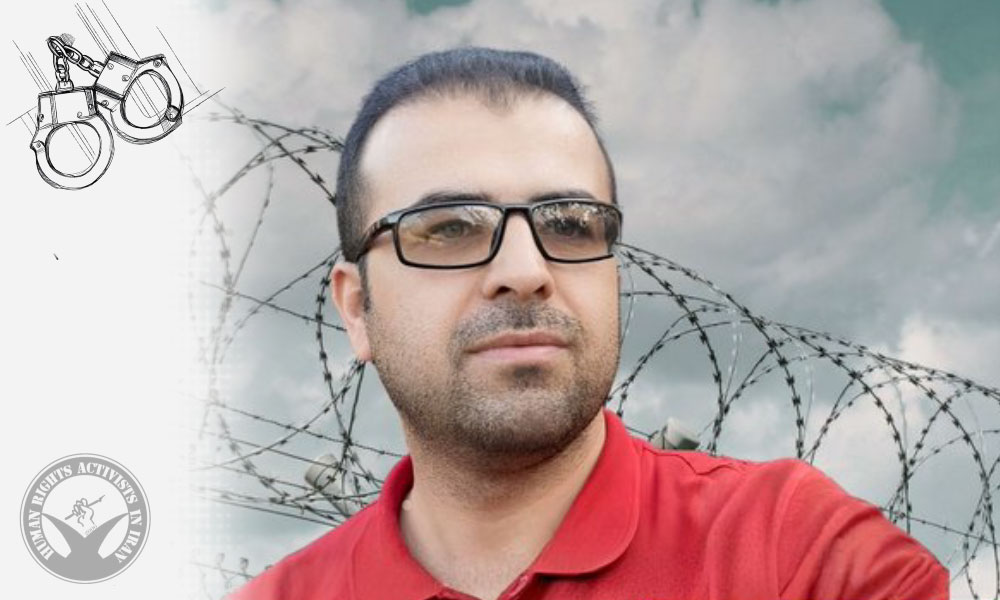
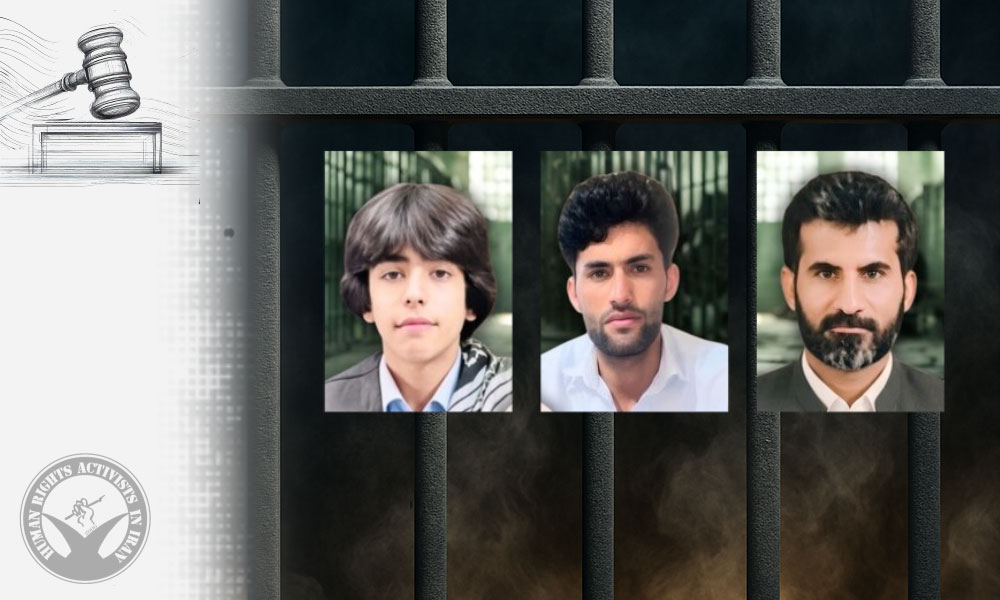
HRANA – Hamidreza Koohkan, Ahmadali Koohkan, Mohammad Kharout Din-Mohammadi (Hares Kharout), and Khaled Kashani, residents of Zahedan who were arrested in connection with the 2022 nationwide protests, were sentenced to prison by Branch 103 of the Zahedan Criminal Court II.

According to HRANA, citing the Balochistan Human Rights Documentation Network, the four citizens were sentenced to a total of 17 years in prison.

The individuals have been identified as Hamidreza Koohkan, son of Shirjan, aged 49, a married driver; Mohammad Kharout Din-Mohammadi (Hares Kharout), aged approximately 19; Ahmadali Koohkan, aged 27; and Khaled Kashani, aged approximately 33. All are residents of Zahedan.

According to the report, Hamidreza Koohkan, Ahmadali Koohkan, and Mohammad Kharout Din-Mohammadi (Hares Kharout) were each sentenced by Branch 103 of the Zahedan Criminal Court II to five years in prison, with time served in detention credited toward their sentences, on the charge of “participation in the intentional destruction of public and government property.” Khaled Kashani was also sentenced by the same judicial authority to two years and one day in prison on charges of “participation in the intentional destruction of public and government property” and “aiding and abetting the intentional destruction of a banner bearing the image of the Supreme Leader and the setting fire to public and government premises.”

The report states that Khaled Kashani’s sentence has been suspended for three years.

On February 6, 2024, Hamidreza Koohkan and Mohammad Kharout Din-Mohammadi (Hares Kharout) were arrested in Zahedan. Koohkan was subsequently transferred to the Ministry of Intelligence’s detention facility in Zahedan, where he remained until April 4, 2024, when he was transferred to Zahedan Prison following the completion of his interrogation.

Din-Mohammadi, who was 16 years old at the time of his arrest, was transferred to the Juvenile Correction and Rehabilitation Center in Zahedan. He was released on May 30, 2024, after posting bail of 1.5 billion tomans.

Ahmadali Koohkan was arrested on April 6, 2024, after being summoned to and appearing at the Ministry of Intelligence office in Zahedan. He was released from Zahedan Prison on bail on May 14, 2024. During the 2022 nationwide protests, on September 30, 2022, he was wounded at Zahedan’s Makki Mosalla after being struck by live ammunition in the pelvis and lower back, near his spinal cord.

Khaled Kashani was also arrested during the 2022 nationwide protests in connection with a case known as “Zahedan’s Bloody Friday.”

It should be noted that, against the backdrop of the 2022 nationwide protests, the city of Zahedan witnessed the killing of approximately 100 Baloch citizens, including at least 15 children, by law enforcement and security forces. The incident has since become known as “Zahedan’s Bloody Friday.”
January 2026 Protests: 13 Citizens Sentenced to Prison, Flogging, and Exile

HRANA – Mohammad Mohammadi, Mostafa Gholami, Zahed Khaledian, Vahed Khaledian, Shahrokh Mostafaei, Fereydoun Almasi, Rasoul Ghorbanpour, Saman Ganji, Davoud Rezaei, Reza Dehghani, Abuzar Moradhaseli, Anvar Alipanah, and Amir Khaledian, residents of Qorveh County, have been sentenced by Branch 102 of the Qorveh Criminal Court to a combined 24 years, three months, and one day in prison. In addition, Reza Dehghani, Abuzar Moradhaseli, Anvar Alipanah, and Amir Khaledian were sentenced to a combined 196 lashes. Amir Khaledian was also sentenced to two years of exile in Minab.

According to HRANA, citing Kolbar News, 13 citizens in Qorveh County have been sentenced to a combined 24 years, three months, and one day in prison, 196 lashes, and exile.

According to the report, the sentences were issued by Branch 102 of the Qorveh Criminal Court on charges including “disrupting public order” and “assembly and collusion.” Under the ruling, Mohammad Mohammadi was sentenced to four years, nine months, and one day in prison; Mostafa Gholami, Zahed Khaledian, and Vahed Khaledian were each sentenced to three years in prison; and Shahrokh Mostafaei and Fereydoun Almasi were each sentenced to one year and nine months in prison.

The ruling also sentenced Rasoul Ghorbanpour, Saman Ganji, and Davoud Rezaei to one year of discretionary imprisonment each.

Under the ruling issued by the same judicial branch, Reza Dehghani was sentenced to one year in prison and 41 lashes; Abuzar Moradhaseli to one year in prison and 31 lashes; Anvar Alipanah to one year in prison and 50 lashes; and Amir Khaledian to one year in prison and 74 lashes. Khaledian was also sentenced to two years of exile in the city of Minab, Hormozgan Province.

The report did not provide further details about the case or specify the charges brought against each of the individuals.

The individuals were arrested during the nationwide January protests and were eventually released after a period of detention.

Background on the January 2026 Protests

It should be noted that protests and strikes by shopkeepers and bazaar merchants began in Tehran on Sunday, December 28, 2025, and within two days spread beyond markets and commercial centers. With the participation of students, citizens, and various social groups, these protests became one of the largest protest movements of recent years. Following the crackdown by security and law enforcement forces, thousands were killed or injured, and tens of thousands were arrested or summoned by security agencies. For more information, readers may refer to HRANA’s comprehensive report titled “Crimson Winter,” documenting the first fifty days following the outbreak of Iran’s nationwide protests.

January 2026 Protests: Supreme Court Upholds Death Sentence of Ali-Asghar Peyghambari

HRANA – The Supreme Court has upheld the death sentence of Ali-Asghar (Alireza) Peyghambari, one of those arrested during the nationwide protests of January 2026. According to HRANA’s investigation, the prisoner was recently transferred from Greater Tehran Prison to Ghezel Hesar Prison in Karaj.

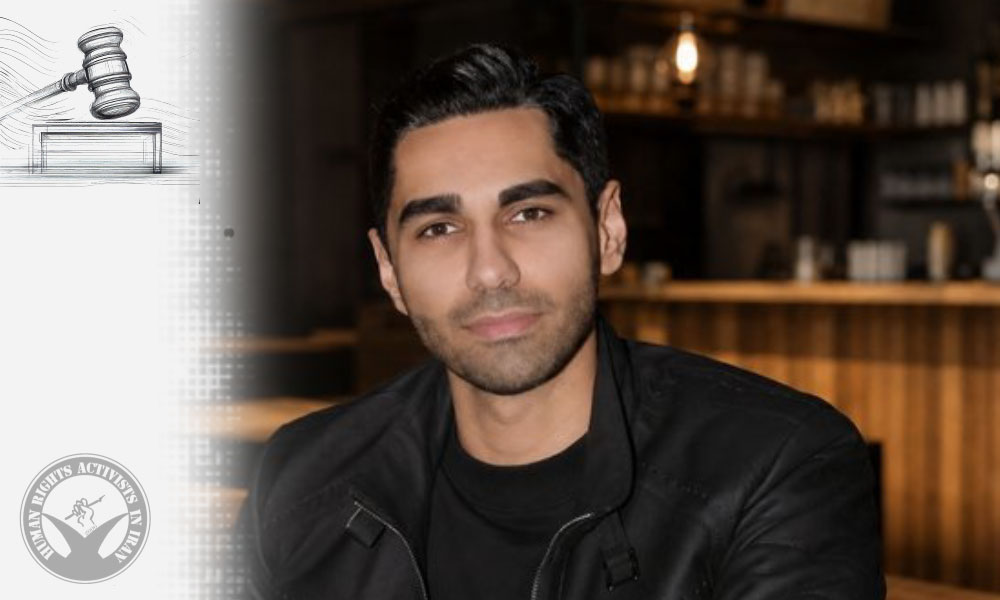
According to HRANA, the Supreme Court has upheld the death sentence of Ali-Asghar (Alireza) Peyghambari, 26, who was arrested during the January 2026 protest.

According to HRANA’s investigation, Peyghambari was also recently transferred from Greater Tehran Prison to Ghezel Hesar Prison in Karaj. Given that his death sentence has been upheld, his transfer to Ghezel Hesar Prison, where executions are carried out, has raised concerns among his family.

In this regard, Payam Derafshan, one of Peyghambari’s attorneys, confirmed in an interview with Emtedad that his client’s death sentence had become final. He stated that the ruling was issued under the Law on Intensifying Punishment for Espionage and Cooperation with Israel and was subsequently upheld by the Supreme Court. According to Derafshan, his client had no organizational or other ties to “hostile groups,” and based on the defense presented in court, the only action attributed to him was his presence at one of the protests. The attorney also stated that a request for a retrial and a stay of execution is being prepared.

HRANA previously reported that Peyghambari had been sentenced to death by Branch 23 of the Tehran Revolutionary Court and that his case had been referred to Branch 9 of the Supreme Court for review.

Ali-Asghar (Alireza) Peyghambari was arrested by security forces on January 9, 2026, amid the nationwide protests. He was released on bail in March 2026.

The first hearing on the charges against Peyghambari was held in April-May 2026 before Branch 23 of the Tehran Revolutionary Court. His second hearing was held before the same branch in late May 2026. Following the hearing, Peyghambari was arrested and transferred to Greater Tehran Prison.

Previously, an informed source told HRANA that Peyghambari had not participated in the demonstrations and had inadvertently found himself amid the crowd and unrest associated with the protests after leaving his workplace. This account differs from his attorney’s recent statement that his client was accused of being present at one of the protests.

Background on the January 2026 Protests

It should be noted that protests and strikes by shopkeepers and bazaar merchants began in Tehran on Sunday, December 28, 2025, and within two days spread beyond markets and commercial centers. With the participation of students, citizens, and various social groups, these protests became one of the largest protest movements of recent years. Following the crackdown by security and law enforcement forces, thousands were killed or injured, and tens of thousands were arrested or summoned by security agencies. For more information, readers may refer to HRANA’s comprehensive report titled “Crimson Winter,” documenting the first fifty days following the outbreak of Iran’s nationwide protests.

Isfahan Shohada Square Case: 10 Sentenced to Death, 16 Receive Combined 256 Years in Prison

HRANA – 10 defendants in the case known as the “Isfahan Shohada Square” case, have each been sentenced by Branch 1 of the Isfahan Revolutionary Court to death and 11 years in prison. These verdicts were issued at the initial stage of proceedings.

According to HRANA, Branch 1 of the Isfahan Revolutionary Court has issued sentences for 16 citizens arrested in connection with the January 2026 protests, in a case known as the “Isfahan Shohada Square” case.

According to information obtained by HRANA, Taraneh Rahimi, Navid Elyasi, Abolfazl Dadgostar, Mehdi Mansouri, Ahmadreza Saeedi, Mehrdad Boveyri, Mohammadmehdi Asadi, Armin Gholami, Parsa Jafari, and Mehdi Jafari (Khosravi) were each sentenced to death and 11 years in prison. Romina Rahimi and Milad Boveyri were each sentenced to 36 years in prison, Hamed Mehralian to 26 years, and Setayesh Saedi, Sajjad Abedi, and Ali Boveyri to 16 years each.

Accordingly, the prison sentences imposed on the 16 defendants in this case total 256 years. These verdicts were issued at the initial stage of proceedings.

The case known as the “Isfahan Shohada Square” case was opened in connection with the protests of the January 2026 and events that took place in and around the square. Two people lost their lives during these events, one of whom was identified as a member of the Islamic Revolutionary Guard Corps (IRGC) and the other as a homeless citizen. Following these events, 16 citizens were arrested and prosecuted on charges including “moharebeh (enmity against God) through carrying bladed weapons,” “destruction of public property,” “assembly and collusion,” and “propaganda against the regime.”

HRANA had previously reported on the trial proceedings involving these individuals. Before the hearing, the defendants’ lawyers did not have access to a substantial portion of the case file and objected that they had not been given sufficient time to review the documents and evidence.

The hearing on the charges against the defendants was held at Dastgerd Prison in Isfahan in the presence of Judges Morteza Barati and Mohammadreza Tavakoli. Although the case had been registered with Branch 5 of the Isfahan Revolutionary Court, it was heard by judges from Branch 1 of the city’s Revolutionary Court.

During the hearing, Ahmadreza Saeedi told the judges that he had been subjected to torture during interrogation. He alleged that the investigator assigned to the case personally used an electric shock device to injure his neck and genitals. As of the time of this report, it remains unclear whether a complaint has been filed regarding this allegation or whether a separate case has been opened to investigate it.

At the same time, the nature of the defendants’ alleged connection to the deaths of the two individuals has remained among the unresolved issues in the case. According to information obtained by HRANA, the indictment issued against the 16 defendants does not contain any specific charge related to the killing of the two individuals. Instead, the judicial proceedings have focused primarily on other charges, including “moharebeh,” “destruction of public property,” “assembly and collusion against national security,” and “propaganda against the regime.”

A source familiar with the proceedings previously told HRANA that no evidence was presented during the hearing that specifically established the defendants’ role or participation in the deaths of the two individuals. According to the source, the location where the IRGC member died was some distance from the area where several of the defendants had been active near the shoe stores in Shohada Square, and no clear connection between them and the incident that resulted in his death had been established.

Regarding the homeless citizen who also died during these events, according to information received by HRANA, a video found on the mobile phones of some of the defendants and included among the evidence in the case shows Taraneh Rahimi asking a group of people who were involved in a confrontation with the man not to beat him.

The women charged in this case are currently being held in Dowlatabad Prison, while the men are being held in Dastgerd Prison in Isfahan.

Background on the January 2026 Protests

It should be noted that protests and strikes by shopkeepers and bazaar merchants began in Tehran on Sunday, December 28, 2025, and within two days spread beyond markets and commercial centers. With the participation of students, citizens, and various social groups, these protests became one of the largest protest movements of recent years. Following the crackdown by security and law enforcement forces, thousands were killed or injured, and tens of thousands were arrested or summoned by security agencies. For more information, readers may refer to HRANA’s comprehensive report titled “Crimson Winter,” documenting the first fifty days following the outbreak of Iran’s nationwide protests.

Najmeh Sadat Bonyan Arrested and Transferred to Sepidar Prison in Ahvaz

HRANA – Najmeh Sadat Bonyan, a resident of Dezful who is active in the field of diving, was arrested today by security forces and transferred to Sepidar Prison in Ahvaz.

According to HRANA, on Saturday, August 29, 2026, Najmeh Sadat Bonyan, a resident of Dezful, was arrested and transferred to Sepidar Prison in Ahvaz.

An informed source confirmed the matter to HRANA, stating that Sadat Bonyan informed her relatives during a phone call that she had been transferred to Sepidar Prison in Ahvaz. She also stated that the charge brought against her is “insulting the sacred.”

Sadat Bonyan identified the judge handling her case as “Zadali.”

As of the time of this report, no precise information has been obtained regarding the judicial branch handling her case, the agency responsible for her arrest, the specific conduct underlying the charge, or the bail or other security measure ordered in her case.

Ms. Bonyan is active in the field of diving in Dezful.

Subscribe to Our Newsletter

Now is definitely not the time to stop reading!

January 2026 Protests: Omid Pourfathollah Sentenced to Prison

HRANA – Omid Pourfathollah, arrested during the January 2026 protests, was sentenced by the Mashhad Revolutionary Court to 12 years, six months, and one day in prison. Five years of the sentence have been suspended.

According to HRANA, Omid Pourfathollah has been sentenced to prison.

According to information received by HRANA, Mr. Pourfathollah was sentenced by the Mashhad Revolutionary Court to a total of 12 years, six months in prison on charges including forming a group with the aim of disrupting national security and propaganda against the regime. Five years of his prison sentence have been suspended.

An informed source, confirming the news to HRANA, said: “The sentence was issued pursuant to the Law on Intensifying Punishment for Espionage and Cooperation with the Zionist Regime and Hostile States.”

Omid Pourfathollah was arrested by security forces in Mashhad during the January 2026 protests and was released after some time on bail pending legal proceedings.

Background on the January 2026 Protests

The protests and strikes by shopkeepers and bazaar merchants began in Tehran on Sunday, December 28, 2025, and within two days spread beyond markets and commercial centers. With the participation of students, citizens, and various social groups, these protests became one of the largest protest movements of recent years. Following the crackdown by security and law enforcement forces, thousands were killed or injured, and tens of thousands were arrested or summoned by security agencies. For more information, readers may refer to HRANA’s comprehensive report titled “Crimson Winter,” documenting the first fifty days following the outbreak of Iran’s nationwide protests.

Mehdi Baghani and Ehsan Mohammadi Each Sentenced to 30 Months in Prison

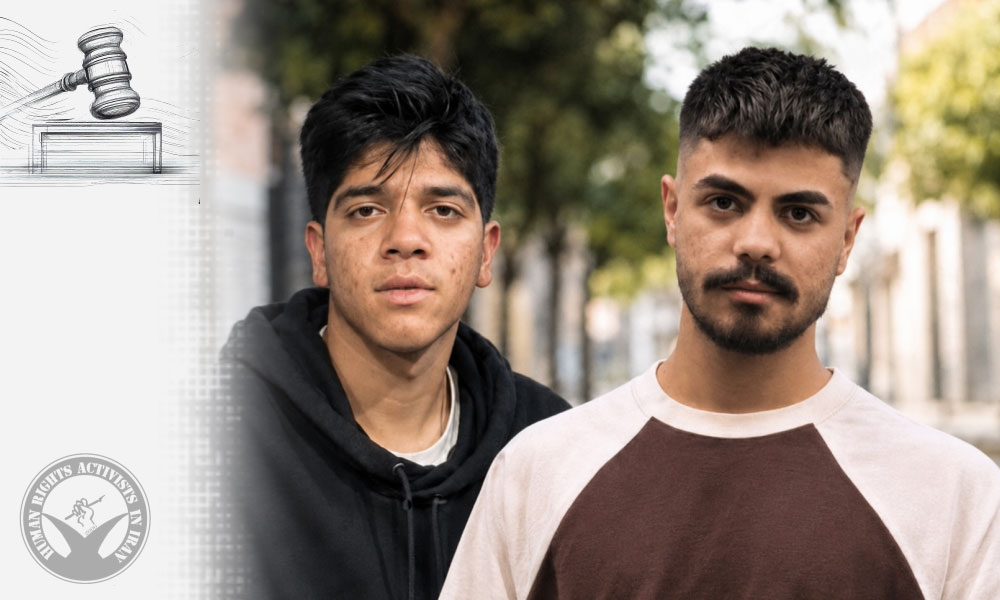
HRANA –Branch 1 of the Semnan Revolutionary Court sentenced Mehdi Baghani and Ehsan Mohammadi, two citizens arrested during the January 2026 protests, to a total of five years in prison. Another part of the case against the two citizens is also under review by Criminal Court II of Semnan.

Under a ruling issued by Branch 1 of the Semnan Revolutionary Court, Baghani and Mohammadi were each sentenced to 30 months in prison. In addition, another part of the case against the two citizens is being reviewed by the criminal court, and no ruling has yet been issued in that matter.

A source familiar with the case told HRANA: “Mehdi Baghani and Ehsan Mohammadi were told that if they appeal the ruling, their prison sentences could be increased by up to one-third. A number of other individuals who have received judicial sentences in Semnan have also been told the same thing.”

HRANA’s investigation into the details of the charges brought against the two citizens, the evidence relied upon by the court, and the dates of their court hearings remains ongoing.

Mehdi Baghani, a resident of Sabzevar, was arrested by IRGC Intelligence forces in Semnan on January 8, 2026. Ehsan Mohammadi, a resident of Shahrud, was arrested by IRGC Intelligence forces in the city of Semnan in the early hours of January 9, 2026. Both citizens were released on bail after a period of detention.

Background on the January 2026 Protests

The protests and strikes by shopkeepers and bazaar merchants began in Tehran on Sunday, December 28, 2025, and within two days spread beyond markets and commercial centers. With the participation of students, citizens, and various social groups, these protests became one of the largest protest movements of recent years. Following the crackdown by security and law enforcement forces, thousands were killed or injured, and tens of thousands were arrested or summoned by security agencies. For more information, readers may refer to HRANA’s comprehensive report titled “Crimson Winter,” documenting the first fifty days following the outbreak of Iran’s nationwide protests.

Arrests of Baha’i Citizens and Seizure of Their Property in Seven Provinces

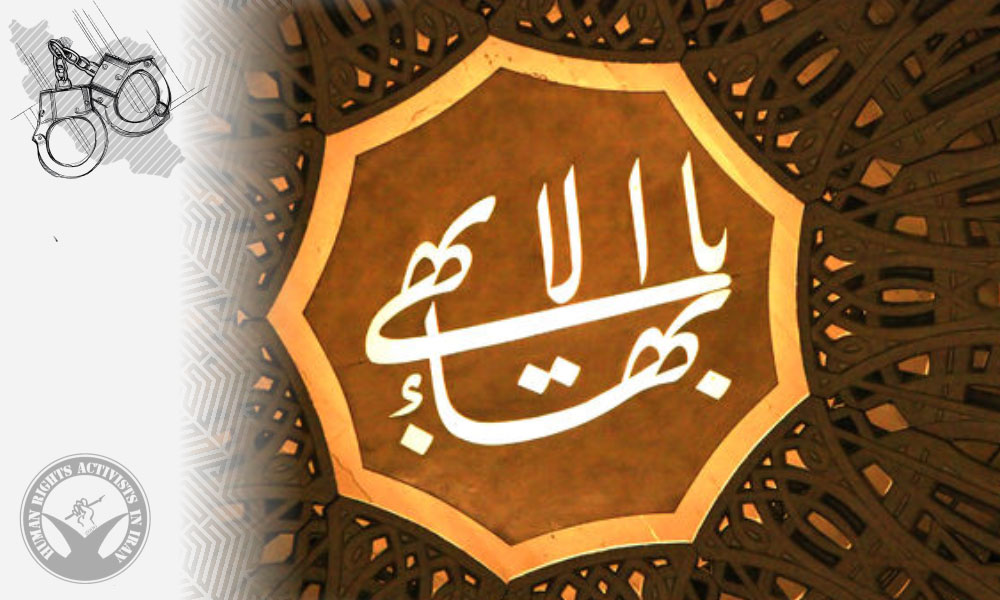
HRANA – Between August 22 and August 25, 2026, security forces searched a number of homes and businesses belonging to Baha’i citizens across seven provinces in Iran. During these operations, at least 11 citizens were arrested or sent to prison to serve previously imposed sentences, and significant amounts of their personal property, electronic devices, and work equipment were seized.

According to HRANA, a wave of arrests, searches of homes and businesses, and seizures of property belonging to Baha’i citizens has taken place in various parts of the country in recent days.

In this regard, on Thursday, August 27, the Baha’i International Community issued a statement announcing that these actions had taken place across seven provinces between August 22 and August 25, and that a total of 11 citizens had been arrested or sent to prison to serve previously imposed sentences. The organization also expressed concern over the extensive seizure of personal property and equipment used by these citizens to earn a living.

Simin Fahandej, the Baha’i International Community’s representative to the United Nations in Geneva, described the seizure of Baha’i citizens’ property in the report as “state theft in daylight” stating that government agents entering homes and confiscating jewelry, wedding rings, vehicles, and other personal belongings does not in itself make such actions lawful. She also pointed to the seizure of family savings, professional equipment, musical instruments, and even children’s toys, saying these actions have intensified economic pressure on Baha’i families.

Fahandej further called on Iranian authorities to end the practice of seizing property, assets, and equipment used by Baha’i citizens to support themselves, and to provide a means for confiscated property to be returned and for affected families to pursue effective legal remedies.

HRANA independently reported a number of these cases during the period in question.

On Saturday, August 22, Soraya Manouchehrzadeh, a Baha’i citizen residing in Sari, was arrested by Ministry of Intelligence agents. The agents climbed over the wall of her family home and entered without presenting a judicial warrant. They searched the residence and seized a number of books and electronic devices belonging to her and members of her family.

On the same day, four other Baha’i citizens, Maral Roshani, Negar Badiei, Shima Sanaei, and Fakhereh Zahedi, were arrested in Sari. Including Soraya Manouchehrzadeh, the number of Baha’i citizens arrested in the city at that time reached five. They were transferred to the Ministry of Intelligence’s detention facility in Sari, known as the “Keshouei” detention facility. A source close to the family of one of these citizens previously told HRANA that the warrants presented by the agents authorized only searches and did not include arrest orders. The Baha’i International Community also stated that approximately 14 agents, five vehicles, and a representative of the prosecutor’s office were involved in the arrests of Shima Sanaei and Fakhereh Zahedi.

Also on August 22, Arsalan Yazdani, a Baha’i citizen, was arrested by security forces in Tehran. At the time of his arrest, his mobile phone, laptop, and several personal belongings were also seized. The Baha’i International Community added in its report that he was arrested in the presence of his two children to begin serving his prison sentence.

On Sunday, August 23, Iman Rashidi, a Baha’i citizen residing in Yazd, was arrested after appearing at Branch 1 of the Enforcement of Judgments Office of the city’s Revolutionary Court and was sent to prison to serve his sentence. He had previously been sentenced to three years, six months, and one day of imprisonment, 15 years of deprivation of social rights, and a fine of 371 million rials.

On Monday, August 24, security agents searched the homes of Amin Tabianifard, Bahariyeh Askarinasab, and Nima Tabianifard, Baha’i citizens residing in Isfahan. At the same time, their family business was sealed, and a musical instrument-making workshop belonging to the family was completely emptied. Agents also seized several mobile phones, laptops, cash, foreign currency, a camera, musical equipment, gold, and jewelry. In additional details about the incident, the Baha’i International Community stated that more than 20 agents participated in the searches and that Nima Tabianifard’s two-year-old child was present during the search. The organization also reported the seizure of several handmade musical instruments and workshop machinery.

On the same date, the home of Keyhan Atefi and Fereshteh Atefi, a Baha’i couple in Isfahan, was also searched by Ministry of Intelligence agents. During the search, agents also seized a number of the couple’s personal belongings, their vehicle, and other property.

On Tuesday, August 25, Sarir Mowghen, a Baha’i citizen residing in Isfahan, was arrested by Ministry of Intelligence agents and transferred to Dowlatabad Prison in the city. At the same time, agents searched her family home and seized a number of personal and electronic items, cash, gold, and a piano. The Baha’i International Community added in its report that Mowghan had recently returned to Iran from abroad and that no explanation has yet been provided for the reason for her arrest.

Over the past decade, Iran’s Baha’i community has been subjected to security and judicial actions more frequently than any other religious minority in the country. A review of HRA’s annual report reveals that over the past year an average of 62.41% of reports concerning religious minorities involved violations of the civil rights of Baha’is.

Ali Rasoulnejad Arrested by IRGC Intelligence Agents

HRANA – Ali Rasoulnejad, a resident of Mahabad, was arrested yesterday by IRGC Intelligence forces and transferred to an undisclosed location.

According to HRANA, citing Kolbar News, a citizen was arrested in Mahabad.

He has been identified as Ali Rasoulnejad, a resident of Mahabad.

According to the report, on Wednesday, August 26, IRGC Intelligence security forces went to Mr. Rasoulnejad’s place of business and arrested him without presenting a judicial warrant.

As of the time of this report, no information is available regarding the reason for his arrest, any potential charges brought against him, his place of detention, or the judicial authority handling his case.

Elham Khalas, Baha’i Citizen, Arrested in Isfahan

HRANA – Elham Khalas, a Baha’i citizen residing in Isfahan, was arrested after appearing at the city’s Public and Revolutionary Prosecutor’s Office and transferred to Dowlatabad Prison in Isfahan.

According to a report by IranWire, Elham Khalas was formally informed of the charges against her after appearing at the Public and Revolutionary Prosecutor’s Office in Isfahan. At the conclusion of the session, she was arrested after being unable to secure the required bail and was transferred to Dowlatabad Prison in the city.

As of the time of this report, no information has been obtained regarding the charges brought against Ms. Khalas.

Elham Khalas Ardestani, a Baha’i citizen residing in Baharestan, Isfahan, and the wife of Navid Tashakor, also a Baha’i citizen, has previously faced judicial action in connection with her activities.