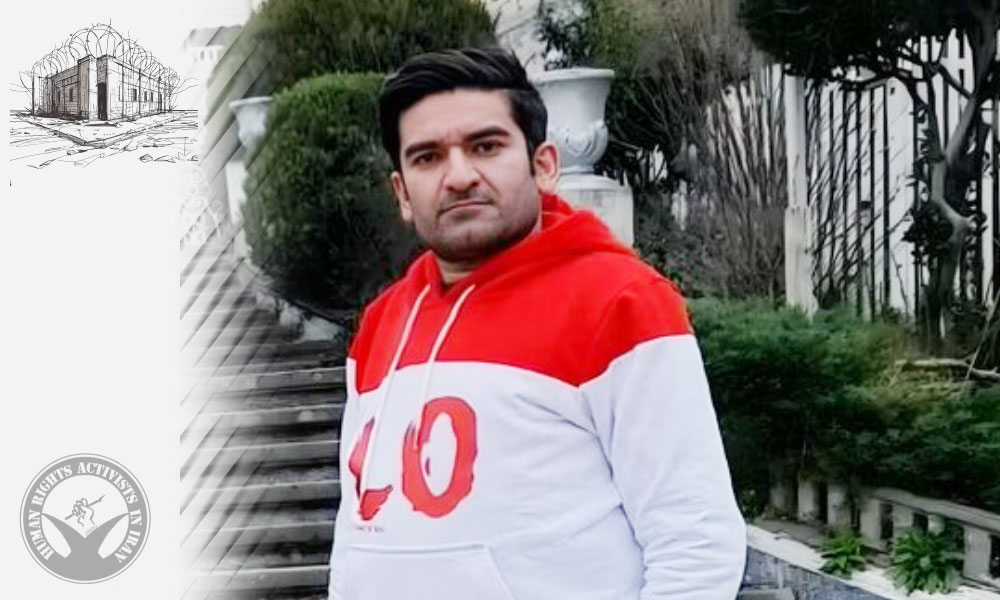
Execution of Two Prisoners in Taybad Prison

HRANA – At dawn on Sunday, September 21, two prisoners previously sentenced to death on drug-related charges were executed in Taybad Prison.

The identities of the executed prisoners have been confirmed as Mojtaba Mahdavi and (first name unknown) Ahmadi, an Afghan national.

According to information received by HRANA, the two had been arrested on drug-related charges and later sentenced to death by the Revolutionary Court.

As of the time of this report, the executions have not been officially announced by prison authorities or relevant state institutions.

According to HRANA’s report, in 2024, over 52 percent of executed prisoners had been convicted on drug-related charges. Over the past ten years, individuals convicted of drug trafficking have accounted for 40 percent of all executions. Unfortunately, HRANA’s statistics show no progress in reducing executions for drug-related offenses.

Two Prisoners Executed in Dastgerd Prison, Isfahan

HRANA – At dawn on Sunday, September 21, two prisoners previously sentenced to death on separate murder charges were executed in Dastgerd Prison, Isfahan.

According to HRANA, quoting Iran Human Rights Organization, the executions took place at dawn on Sunday, September 21, 2025, in Dastgerd Prison, Isfahan.

Iran Human Rigths has identified the prisoners as Vahid Ebrahimi, 33, from Isfahan, and Mousa Alizadeh, 28, from Tabriz.

According to the report, seven years ago, Vahid Ebrahimi was arrested on a murder charge and later sentenced to death by the judicial authorities. Mr. Alizadeh was also arrested about five years ago during a street fight on a murder charge and subsequently sentenced to death.

As of the time of this report, the executions of these prisoners have not been announced by prison officials or the relevant authorities.

According to HRANA’s statistics, in 2024, 61 inmates were hanged in Dastgerd Prison in Isfahan – a 74% increase compared to the previous year. This sharp rise reflects a disturbing escalation in executions at this facility.

Two Prisoners, Including a Woman, Executed in Sabzevar Prison

HRANA – At dawn on Wednesday, September 17, the death sentences of two prisoners, including a woman, previously convicted of murder in a joint case, were carried out in Sabzevar Prison.

HRANA has identified the executed man as Peyman Khani.

According to information obtained by HRANA, the two prisoners were arrested in 2020 in connection with the murder of a middle-aged man and later sentenced to death by the Criminal Court.

As of the time of this report, the executions have not been announced by prison authorities or official institutions.

In 2024, according to 812 reports compiled by HRANA, the Iranian regime executed 930 individuals in its prisons—marking the highest number of executions in the past 12 years. Despite the scale of these executions, prison officials and other relevant authorities publicly acknowledged only 6% of them, highlighting the regime’s lack of transparency and accountability.

Prisoner Executed in Gachsaran on Drug-Related Charges

HRANA – Yesterday, Sunday, September 21, the death sentence of a prisoner previously convicted on charges related to drug offenses was carried out in Gachsaran Prison.

HRANA has identified the prisoner executed at dawn yesterday, as Hossein Mousavi, 31 years old, a resident of Abadan, and father of two young daughters. Mr. Mousavi was arrested in Gachsaran in 2018 on drug-related charges and later sentenced to death by the Revolutionary Court.

As of the time of this report, the execution of this prisoner has not been announced by prison authorities or official state institutions.

According to HRANA’s report, in 2024, over 52 percent of executed prisoners had been convicted on drug-related charges. Over the past ten years, individuals convicted of drug trafficking have accounted for 40 percent of all executions. Unfortunately, HRANA’s statistics show no progress in reducing executions for drug-related offenses.

Two Prisoners Executed in Tabriz Prison

HRANA – At dawn on Wednesday, September 17, the death sentences of two prisoners previously convicted of murder in separate cases by the Criminal Court were carried out in Tabriz Prison.

Iran Human Rights has identified the identities of the two prisoners as Zahra Fotouhi, 52, from Tabriz, and Morteza Shirkhani, 40, from Tabriz.

According to the report, Ms. Fotouhi was arrested in 2020 on a charge of murder and later sentenced to death by the Criminal Court, while Mr. Shirkhani was arrested in 2021 on a similar charge and likewise sentenced to death.

Ms. Fotouhi was accused of murdering her first husband due to alleged harassment, nine years after remarrying following her divorce. Mr. Shirkhani, meanwhile, was arrested for allegedly killing a friend over financial disputes.

As of the time of this report, the executions have not been officially announced by prison authorities or other relevant institutions.

In 2024, according to 812 reports compiled by HRANA, the Iranian regime executed 930 individuals in its prisons—marking the highest number of executions in the past 12 years. Despite the scale of these executions, prison officials and other relevant authorities publicly acknowledged only 6% of them, highlighting the regime’s lack of transparency and accountability.

Subscribe to Our Newsletter

Now is definitely not the time to stop reading!

Prisoner Executed in Aligudarz Prison

HRANA – At dawn on Tuesday, September 16, the death sentence of a prisoner previously convicted of murder was carried out in Aligudarz Prison, Lorestan Province.

HRANA, the news agency of Human Rights Activists in Iran, has confirmed the identity of the executed prisoner as Hojjat Goodarzi.

According to information obtained by HRANA, Mr. Goodarzi had been arrested on charges of murder and subsequently sentenced to death by a criminal court.

As of the time of this publication, neither prison authorities nor official judicial bodies have announced the execution.

In 2024, according to 812 reports compiled by HRANA, the Iranian regime executed 930 individuals in its prisons—marking the highest number of executions in the past 12 years. Despite the scale of these executions, prison officials and other relevant authorities publicly acknowledged only 6% of them, highlighting the regime’s lack of transparency and accountability.

Execution of Two Prisoners in Dastgerd Prison, Isfahan

HRANA – At dawn on Tuesday, September 16, two prisoners who had previously been sentenced to death on charges related to drug offenses were executed in Dastgerd Prison, Isfahan.

HRANA has confirmed the identity of one of the prisoners who was hanged at dawn on Tuesday, as Noormohammad Chegali.

According to information received by HRANA, these prisoners had earlier been arrested on charges related to drug offenses and subsequently sentenced to death by the Revolutionary Court.

As of the time of this report, the executions of these prisoners have not been announced by prison authorities or official sources.

According to HRANA’s statistics, in 2024, 61 inmates were hanged in Dastgerd Prison in Isfahan – a 74% increase compared to the previous year. This sharp rise reflects a disturbing escalation in executions at this facility.

Prisoner Executed on Drug-Related Charges in Semnan Prison

HRANA – On Wednesday, September 17, the death sentence of a prisoner previously convicted on drug-related charges was carried out in Semnan Prison.

HRANA has identified him as Mohsen Yeganeh. Based on information obtained by HRANA, Mr. Yeganeh had previously been arrested on drug-related charges and subsequently sentenced to death by the Revolutionary Court.

As of the time of this report, the execution of this prisoner has not been announced by prison authorities or official institutions.

According to HRANA’s report, in 2024, over 52 percent of executed prisoners had been convicted on drug-related charges. Over the past ten years, individuals convicted of drug trafficking have accounted for 40 percent of all executions. Unfortunately, HRANA’s statistics show no progress in reducing executions for drug-related offenses.

Number of Executions in Ghezel Hesar Prison Rises to Four

HRANA- Today, September 17, alongside the execution of political prisoner Babak Shahbazi in Ghezel Hesar Prison in Karaj, three other prisoners previously sentenced to death on drug-related charges were also hanged.

HRANA has identified the executed prisoners as Rahman Sarlak, Majid Hosseini, and Ali Esmaeili. According to information received by HRANA, the three had earlier been arrested on drug-related charges and sentenced to death by the judiciary.

As of the time of this report, the executions of these three prisoners have not been officially announced by prison authorities or state institutions. The Judiciary’s Media Center had earlier this morning reported the execution of Babak Shahbazi.

According to HRANA’s statistics, Ghezel Hesar Prison in Karaj carried out the highest number of executions among all Iranian prisons, with 150 inmates hanged. This figure has nearly doubled compared to the previous year — a deeply alarming increase that underscores the escalating use of capital punishment in Iran.

Two Prisoners Executed in Kashmar and Gonabad Prisons

On Sunday and today, two prisoners were hanged in Kashmar and Gonabad prisons on drug-related charges.

According to Haal Vsh, on Sunday, September 14, Reza Sarani, 51, a father of two from Zabol, was executed in Kashmar Prison.

The outlet also reported the execution of another prisoner, Parviz Yousef-Zahi, 27, single, originally from Zahedan and a resident of Sari, who was executed in Gonabad Prison.

Both prisoners had been arrested five years ago in separate cases on drug-related charges and sentenced to death by the judiciary.

As of this report’s publication, the executions have not been officially announced by prison authorities or state institutions.

According to HRANA’s report, in 2024, over 52 percent of executed prisoners had been convicted on drug-related charges. Over the past ten years, individuals convicted of drug trafficking have accounted for 40 percent of all executions. Unfortunately, HRANA’s statistics show no progress in reducing executions for drug-related offenses.